Skip to content →

Month: September 2025

Winter 2025, South West WA (#8 in series: “Big Sandy”…


..,but definitely not  “wasteland”)

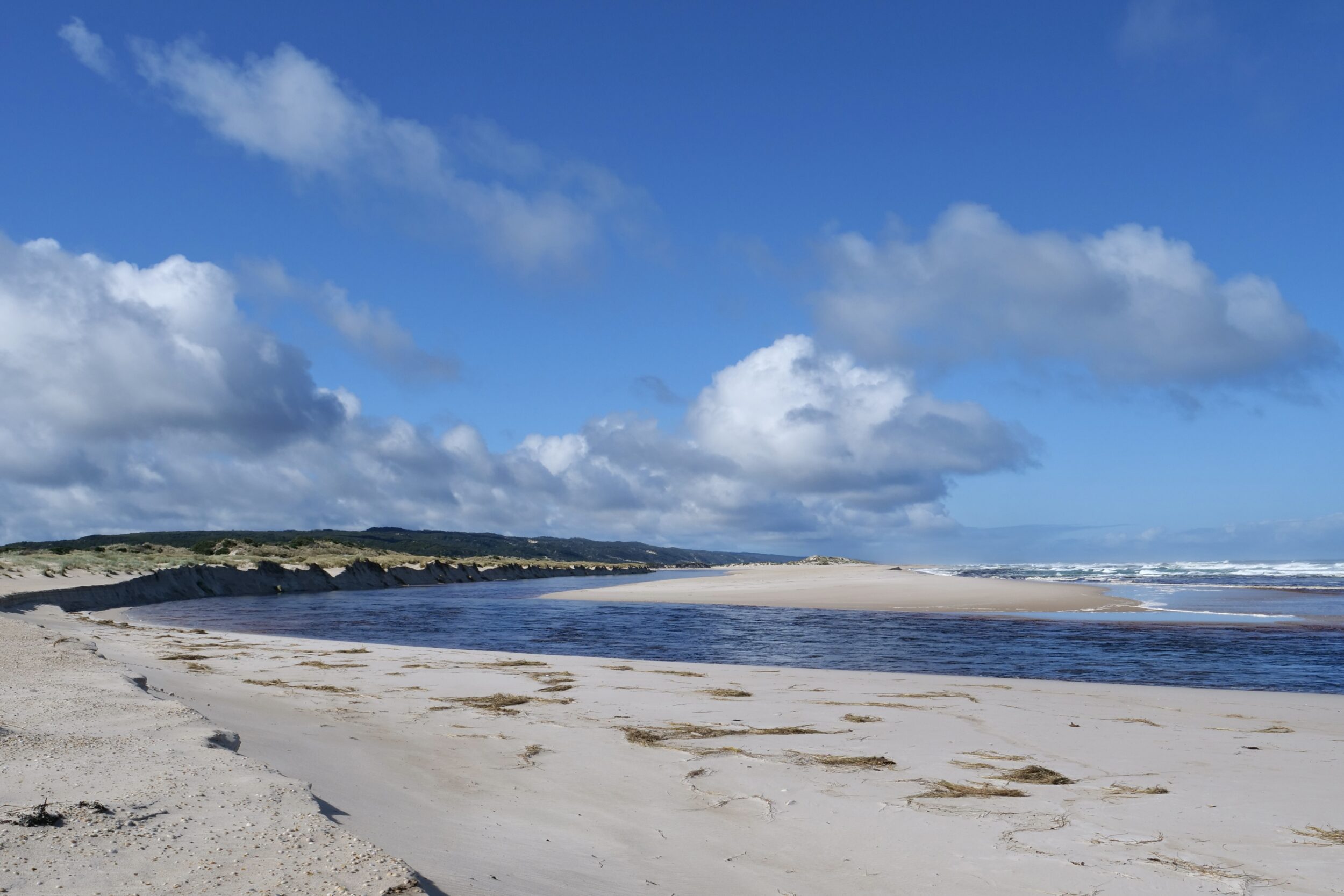
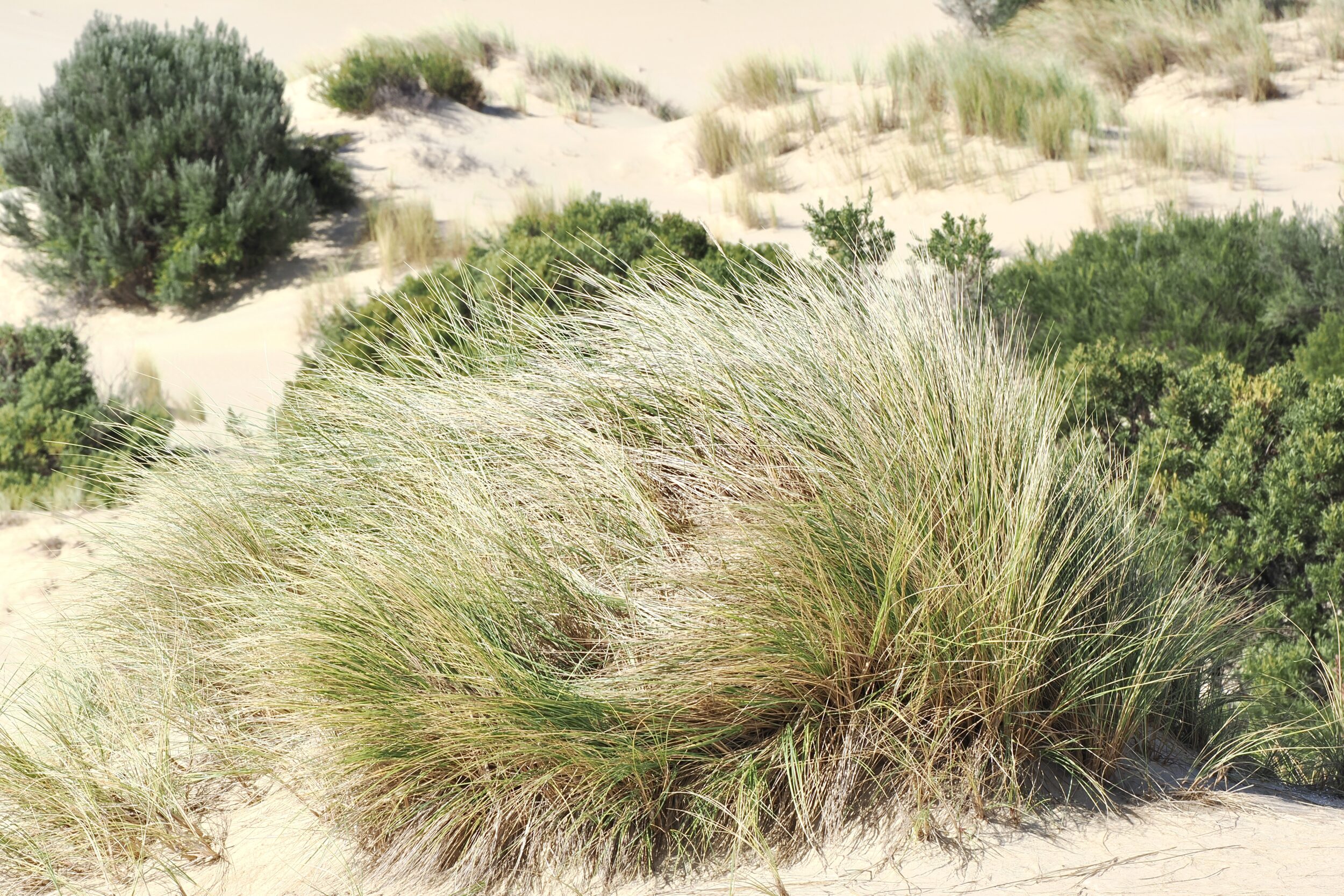
To reach the mouth of the Warren River on Yeagarap Beach one has to traverse the Southern Hemisphere’s largest landlocked mobile dune system.

The Yeagarap Dunes cover nearly 30 square kilometres.

As it moves progressively further inland – at a rate of circa 4 metres per year – this dune system “eats”/buries forest,  and reshapes/shifts/dams some local lakes and wetlands.

And the dune system’s own “mosaic” of vegetation patterns is far from “fixed”.

It ranges from very steep, nearly-naked sand dunes to dense bush “hollows”, where the leaf-littered sandy “floor” is exquisitely punctuated by wildflowers in springtime.

One Comment
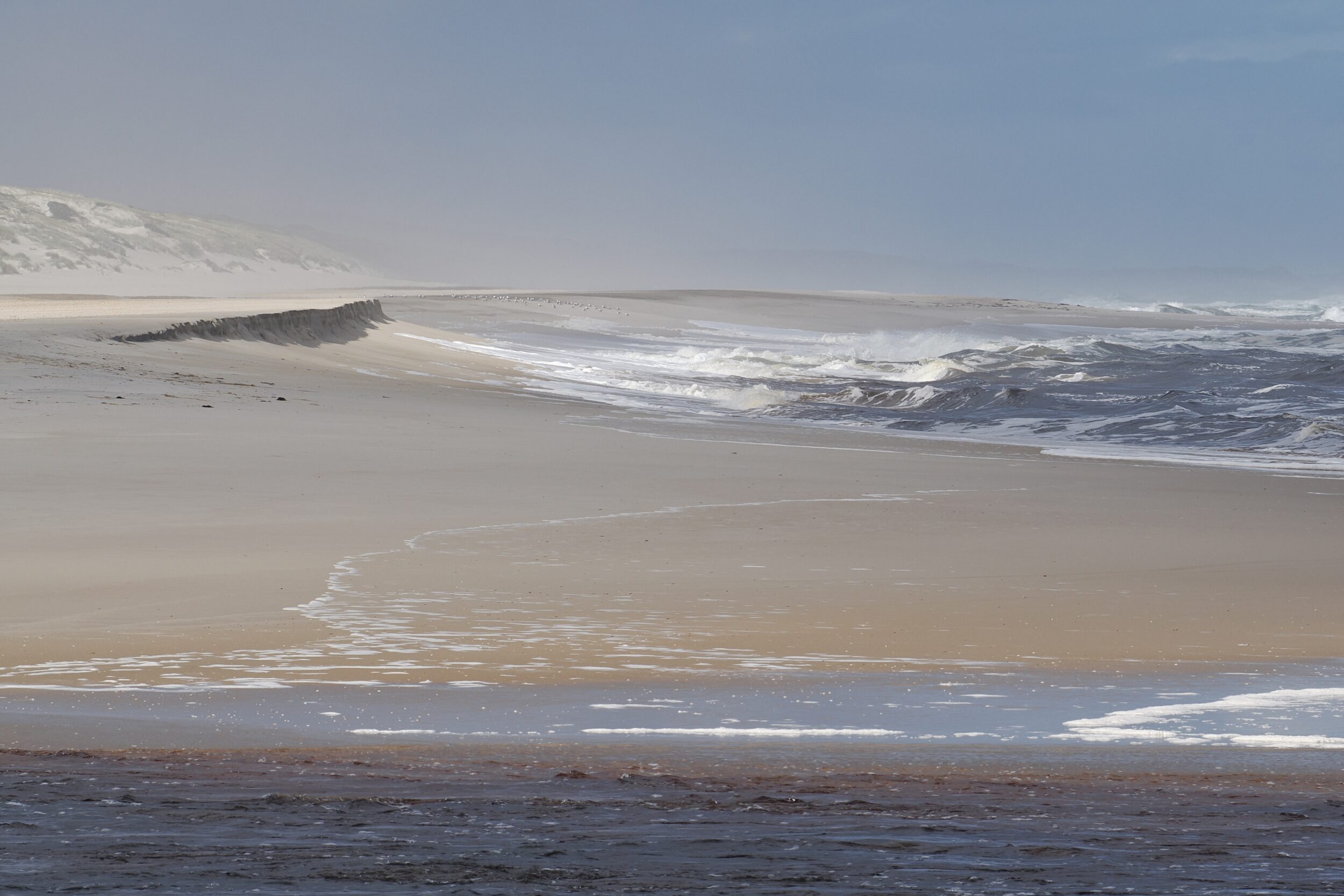
Winter 2025, South West WA (#7 in series: foaming at the mouth)


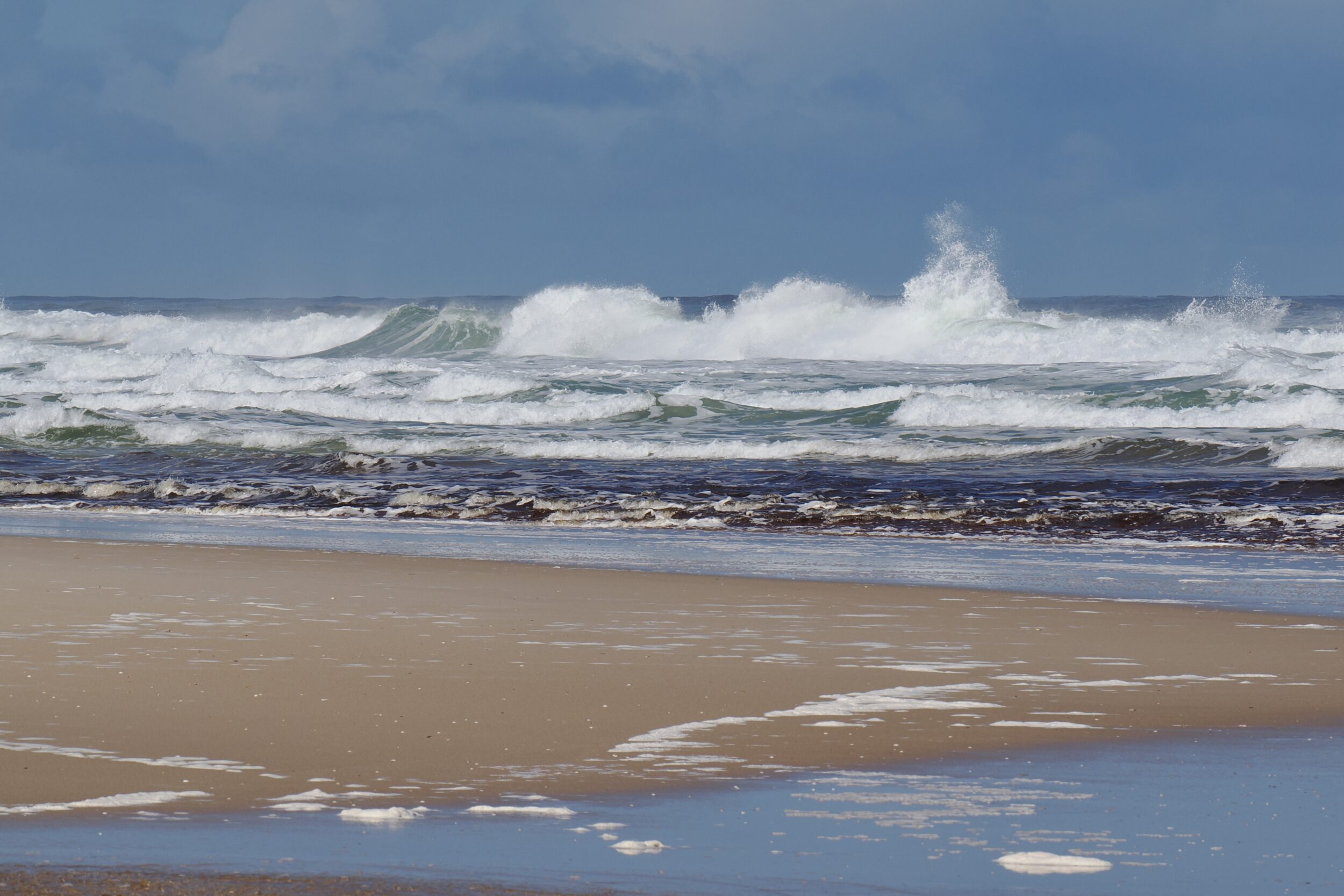
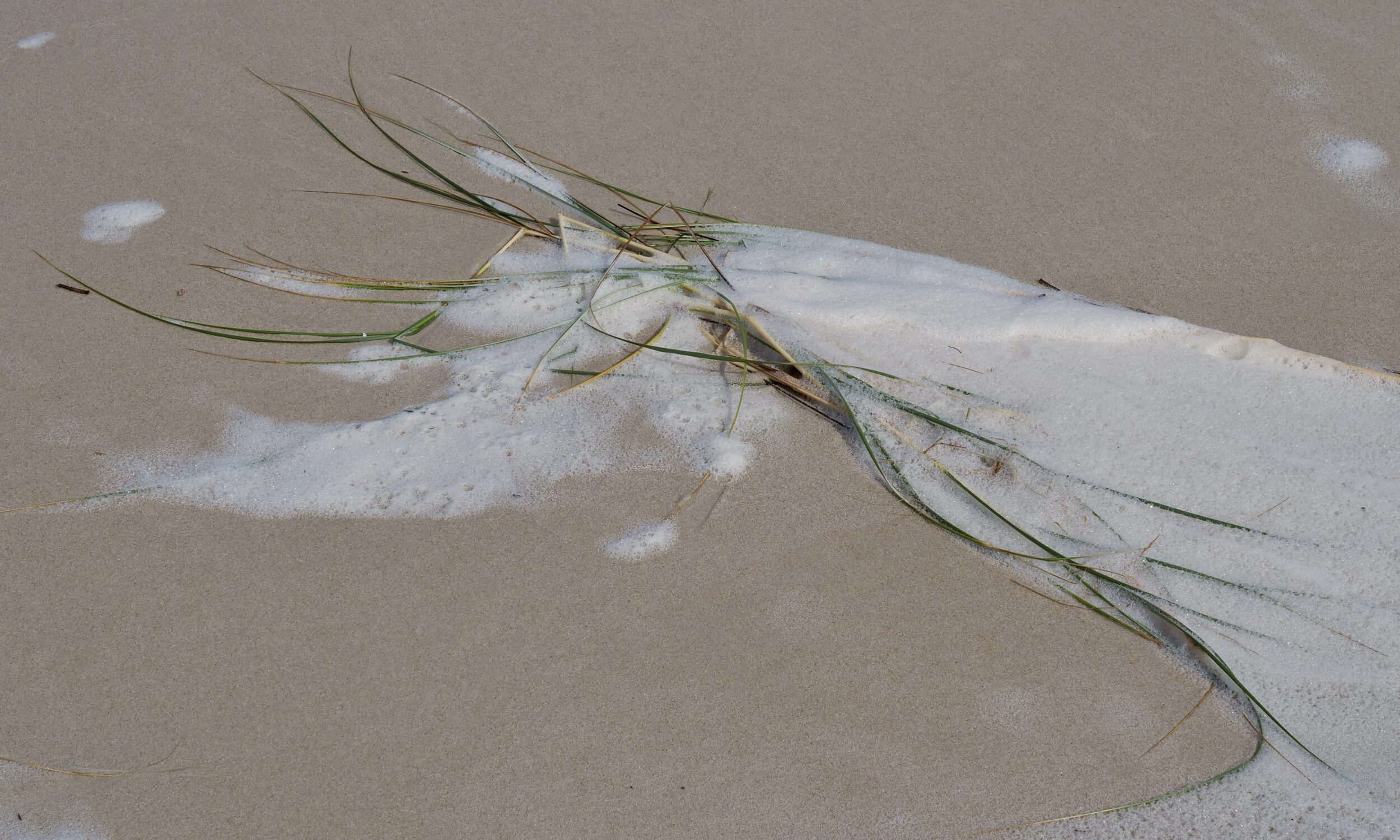
My feet were planted on the same strand, and this post’s photo was taken only moments later than was the final image in this series’ chapter #6.

Common to both: foam…foam with which one can be “relaxed and comfortable”.

Its presence on Yeagarup Beach was entirely benign.

No alga was “blooming”.

The Warren River’s and the relevant section of the Southern Ocean’s waters were not polluted.

Q: so what was going on?

Comments closed

Winter 2025, South West WA (#6 in series: river v ocean)


A river’s mouth and the beach it breaches – or only sometimes manages to breach –  can be very dynamic places.

From one visit to another, they may display utterly different “faces” to an occasional visitor.

Anyone familiar with the mouth of the not-so-mighty Murray, adjacent to the Coorong, knows that even a river mouth’s “precise” location can be a highly-movable feast…or famine.

This is also true of many much more “modest” rivers, such as the Warren.

On the winter morning of 16 August, this particular meeting of river and ocean underwent many changes in mood, even within a single half-hour.

Comments closed

Winter 2025, South West WA (#4 in series: an untarnished shore)


Untarnished, but sometimes “stained”…benignly.

I took the photo at 11.19 pm on 16 August, when a handful of humans stood on Yeagarup Beach.

This is where the Warren River meets the Southern Ocean.

In global terms, the Warren is “modest”, in both length and average flow rate.

However, its lower reaches are glorious.  Beautiful, globally unique, very tall, never-logged forests segue to dunes, an estuary and a truly wild ocean shore.

As evident in the featured image, when a “properly” wet winter feeds it, the Warren carries enough tannin-rich water to darken the Southern Ocean’s edge.

(and – as a future chapter will show – the river’s mouth then moves “up the beach”, which it reshapes)

Comments closed

Winter 2025, South West WA (#3 in series: historically, rare in urban areas)


Urban-resident Australian humans who were born after 1970 may find it very hard to believe, but this post’s headline is accurate.

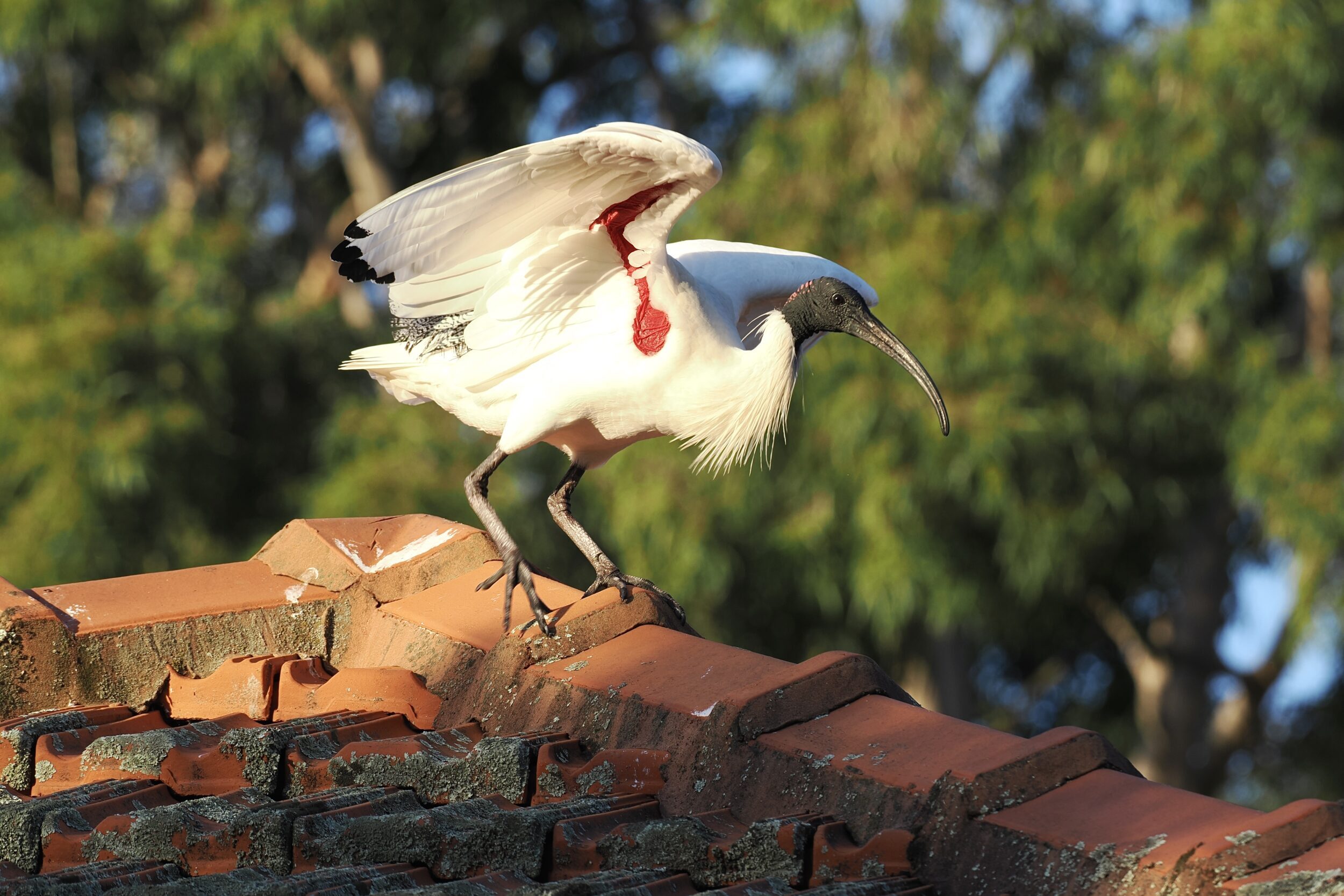
Relatively speaking, Threskiornis molucca – the Australian white ibis – is a newcomer to urban life.

However, the so-called “bin chicken” was already resident on the Australian continent long before Homo sapiens arrived – let alone post-1788 humans and rubbish bins.

It is absolutely not a “feral” bird.

Contrary to what many Australians believe, it and the so-called “Sacred” or “Egyptian” ibis are entirely different species; the latter has never called Australia home.

Still, the roof of a “Federation Era” house in any Australian city – such as the Subiaco one, above – almost certainly never felt the pitter-patter of Threskiornis molucca‘s not-so-tiny feet until the final quarter of the 20th century,  or the first quarter of the 21st.

Comments closed

Winter 2025, South West WA (#2 in series: winter light)


Well-known fact about Perth: it is handsomely the sunniest of Australia’s capital cities.

Perth averages 3,200 hours per year – circa 8.8 hours per day.

Little-known, counter-intuitive fact about Perth: its average annual rainfall is considerably higher than Melbourne’s…and London’s.

(Melbourne has twice as many rainy days, and many more hours of drizzle. Perth’s rain – is typically much more “squally”)

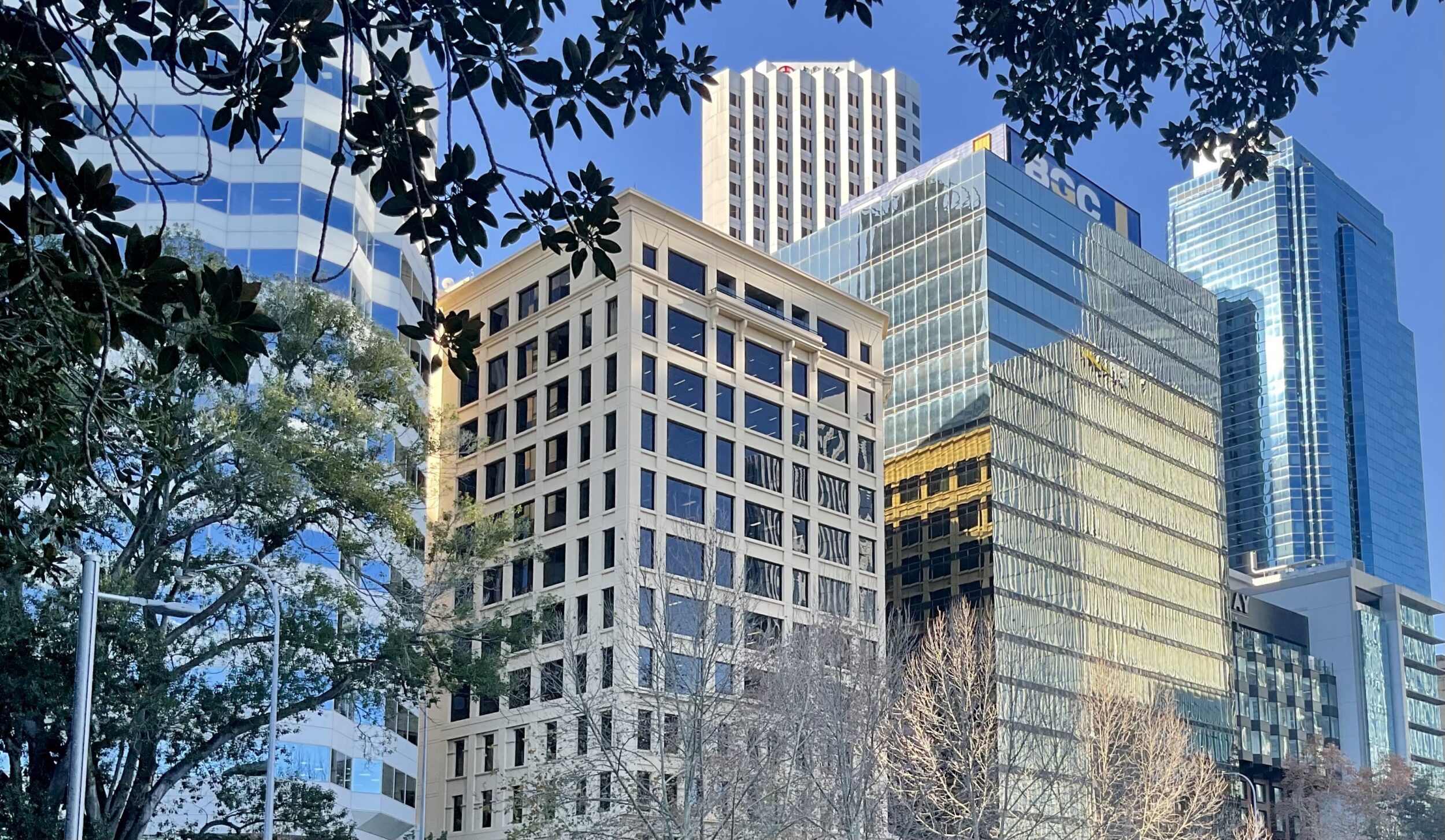
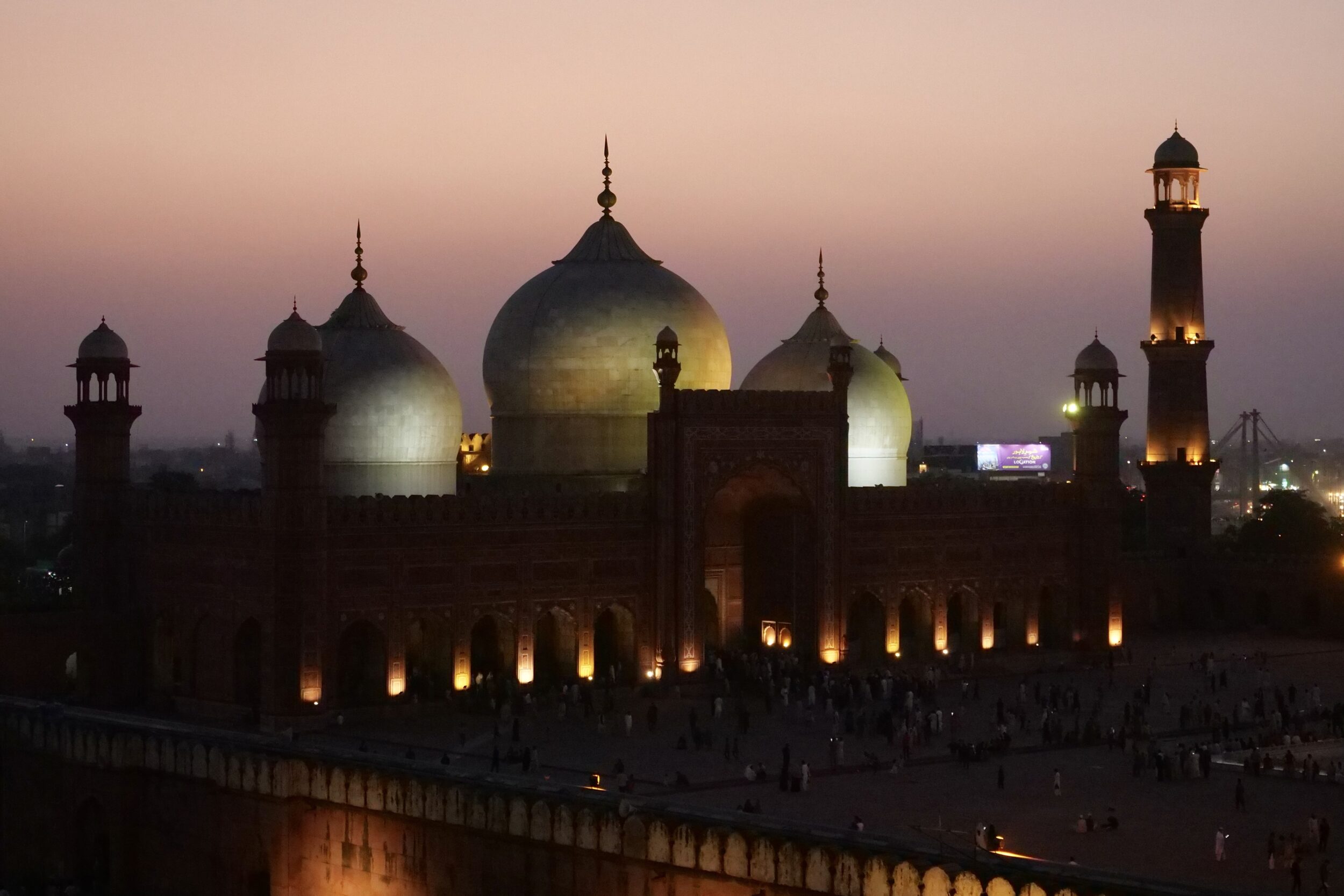
Perth’s winter light is often glorious; it can flatter everything it touches – even very “generic” CBD architecture.

Comments closed

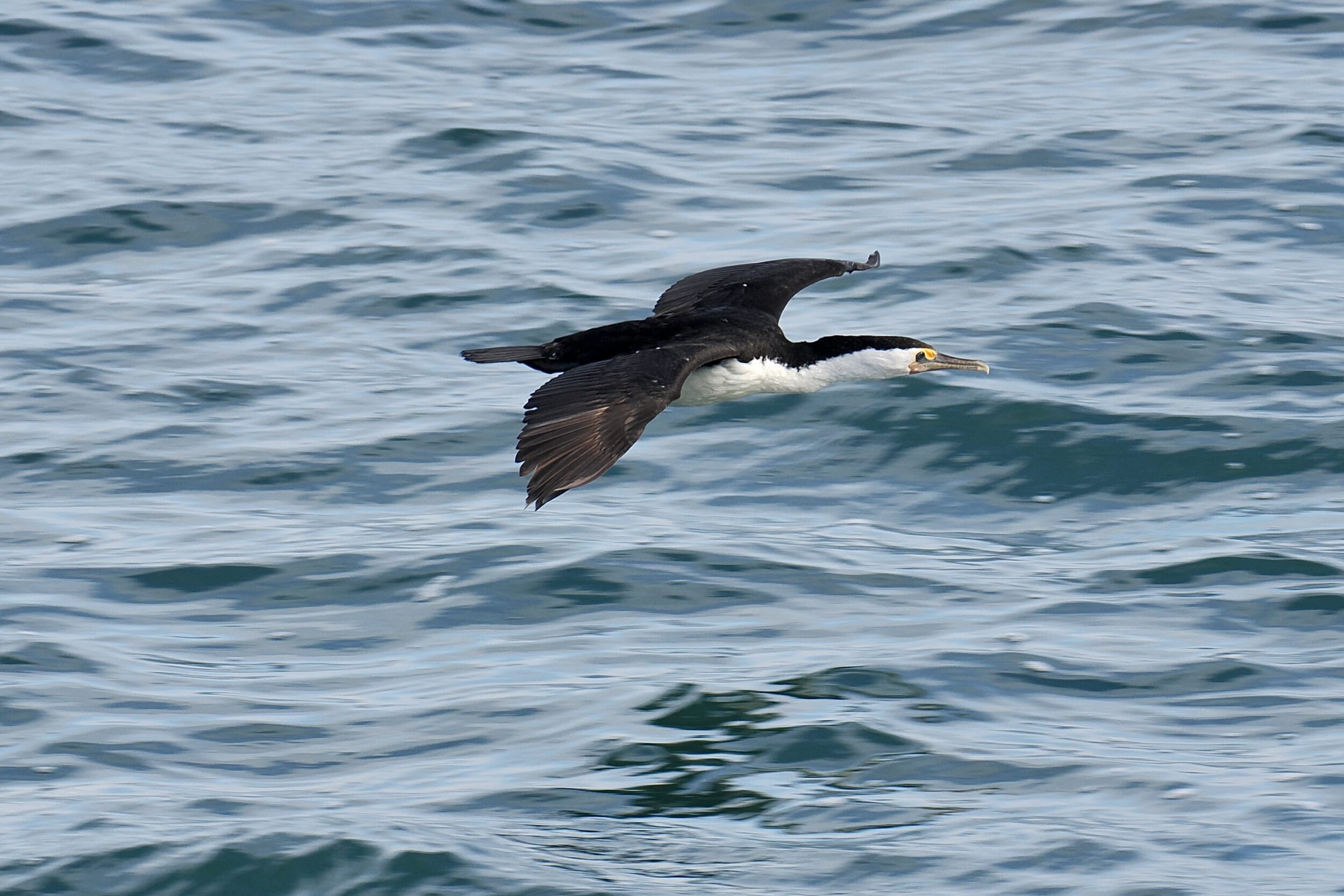
Winter 2025, South West WA (#1 in series: flying low)


At least according to European-styled calendars, spring has just begun in Australia’s southwestern corner.

Seasonal realities are in fact highly “fluid”; they do not obey calendar dates.

Whilst seasonal patterns have become progressively more “fluid”, the skies over WA’s south west have provided progressively smaller annual deliveries of actual fluid.

For the past four decades almost every annual and winter rainfall figure has been well below the long term average

in June-July-August 2025 most parts of  WA’s south west experienced their first “properly” wet 21st century winter.

Perth’s 2025 winter was the wettest of our 42 years here; only those who have lived in Perth for 68 years have experienced any (barely) wetter one.

Comments closed