Skip to content →

Category: Australia (not WA)

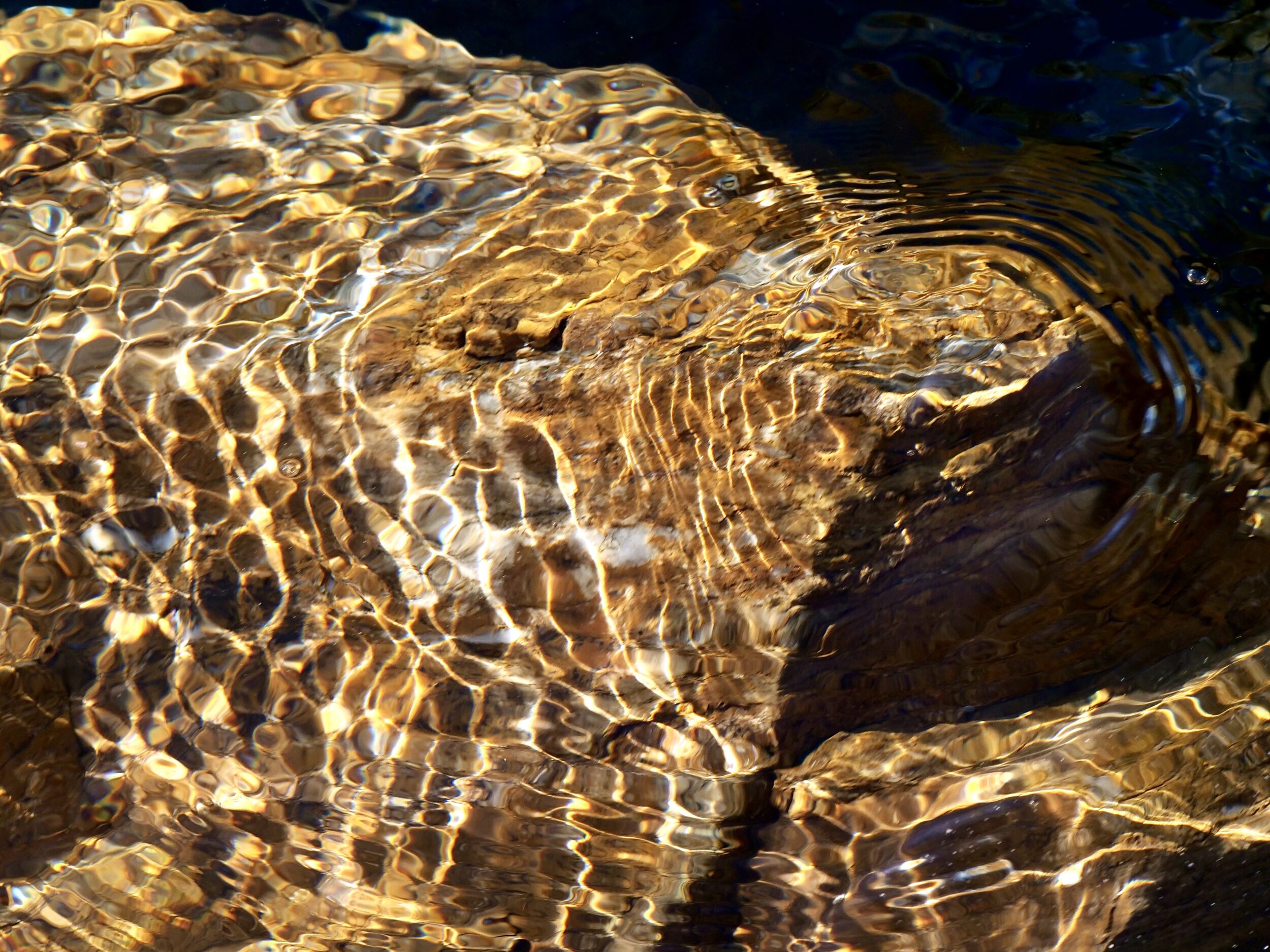
Looking down (#49 in series: “2” of 2 close views of shimmering water)


In complete contrast to the preceding post, the relevant water is saline rather than “fresh”, and it is neither tannin-darkened, turbulent/fast-flowing, nor shaded by an overcast sky.

At 5.19 pm on the first day of April in 2022, one of our favourite Australian coastal locations was basking in “golden hour” sunlight.

Leave a Comment

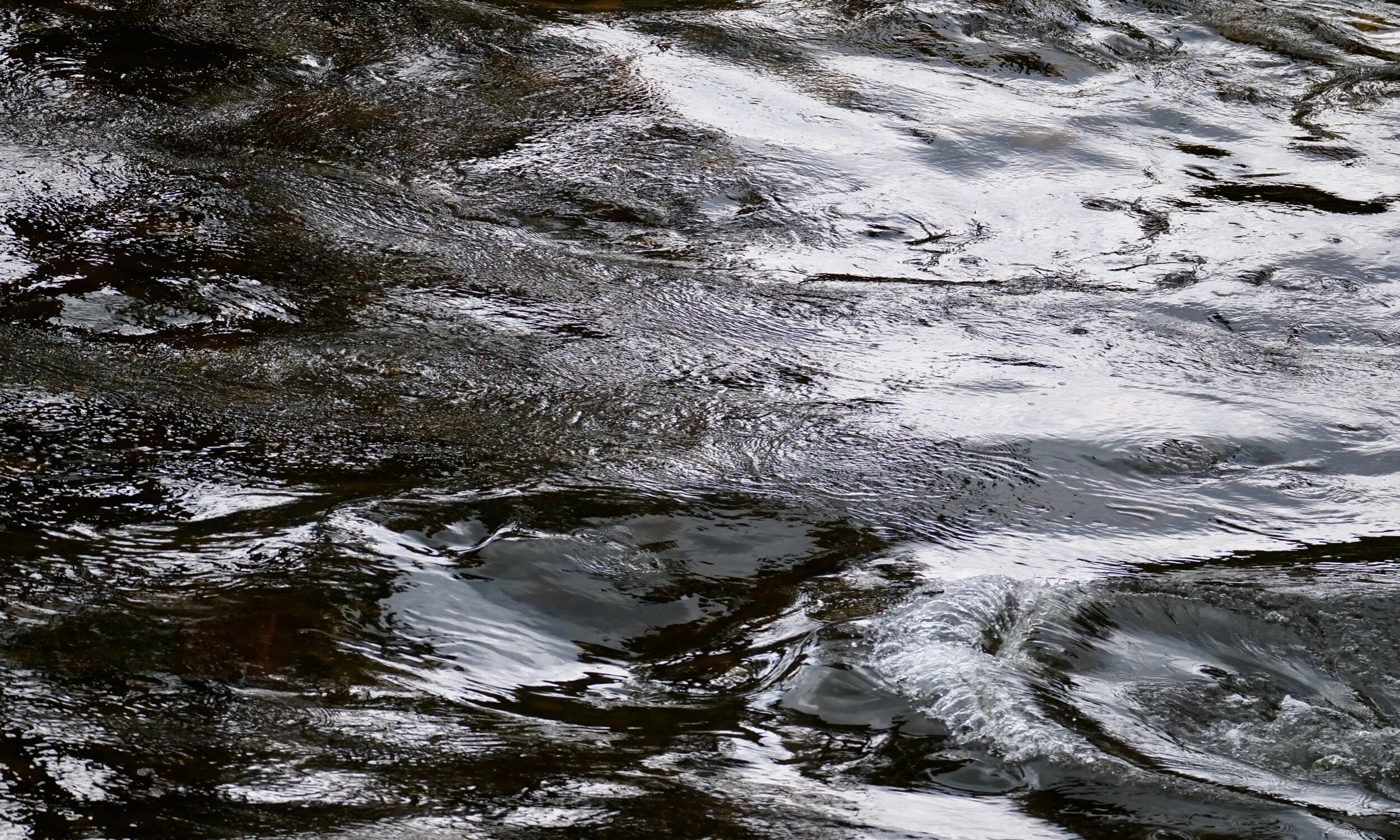
Looking down (#48 in series: “1” of 2 close views of shimmering water)


Today’s photo was taken in October 2018.

On an overcast afternoon in Victoria’s “high country”, my beloved and I stood beside a fast-flowing stream, downhill (and circa 20 ks distant) from the summits of Mount Hotham et al, but still well above foothills and plains.

Leave a Comment

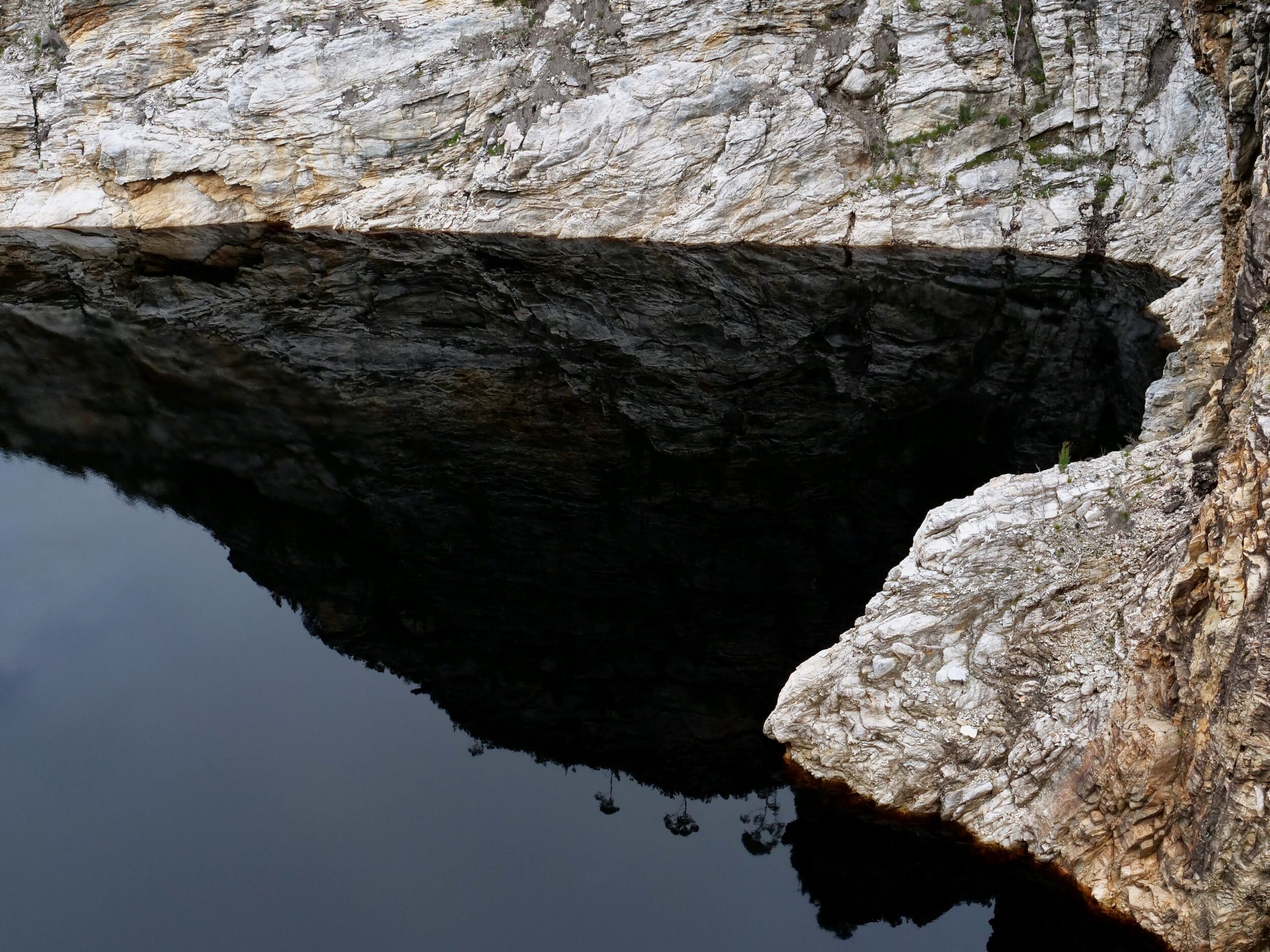
Looking down (#45 in series: from both sides of Tasmania’s highest dam wall)


The Gordon Dam took ten years (1964-1974) to build, in southwestern Tasmania’s “wilderness”.

Its creation/raison d’être – Lake Gordon – is Tasmania’s largest lake.

When full – which it hardly ever is – that reservoir is Australia’s largest body of freshwater.

Most of the time, the actually largest freshwater body in Australia is another man-made one – Western Australia’s Lake Argyle, which always covers a much larger surface area than does Lake Gordon.

The Gordon Dam was in itself a very controversial project, but the bigger environmental battle (arguably, Australia’s most significant) was the subsequent one which eventually prevented construction of its intended “sibling” dam, downstream.

Click here, if the saga is new to you.

The featured image shows the dam-walled edge of Lake Gordon’s dark waters

The photo below, taken three minutes later from the Gordon Dam wall’s other side, looks down, 140 vertical metres.
Leave a Comment

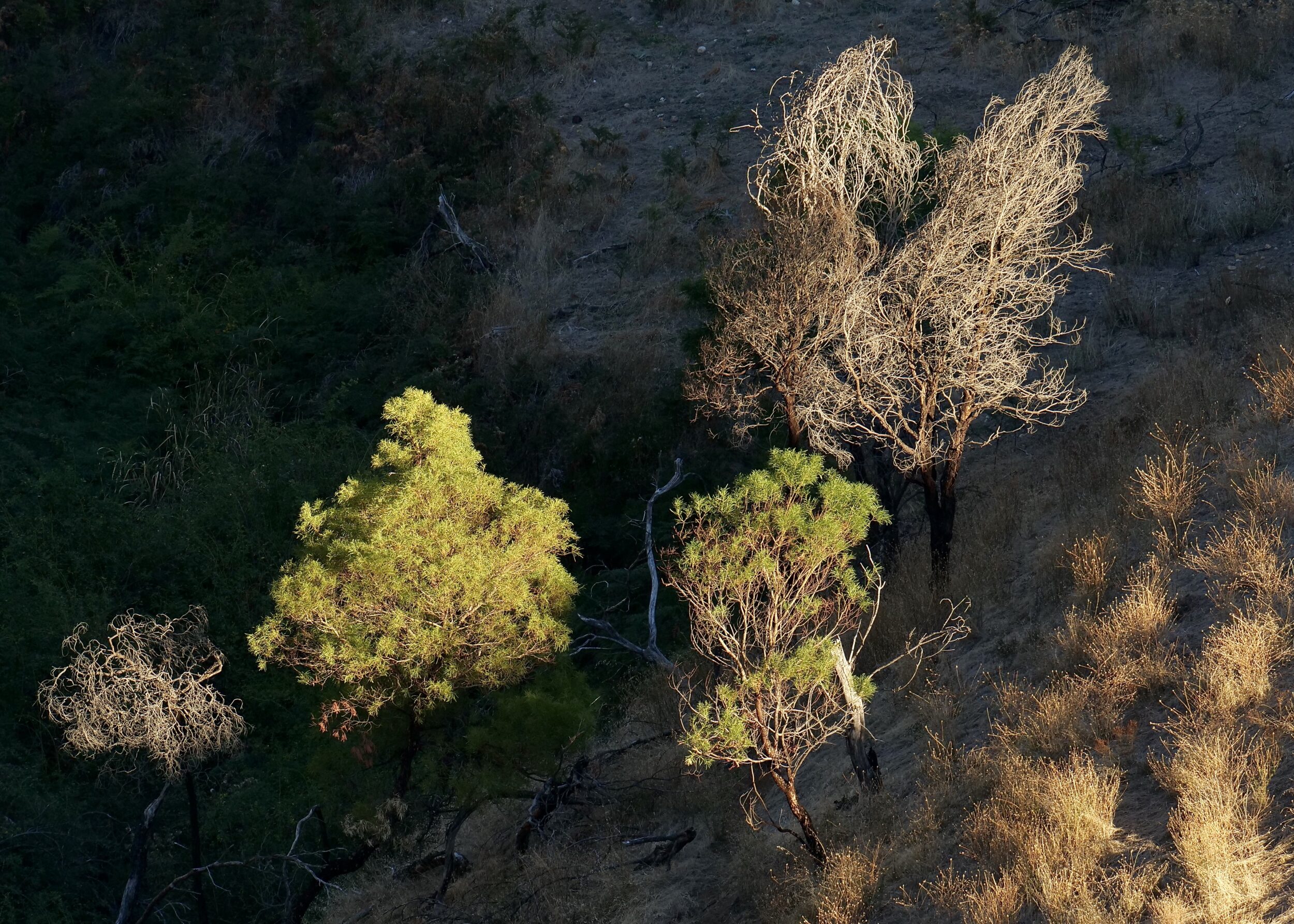
Looking down (#11 in series – trees “4” – Spring Gully)


This sequel to #10 in this series looks down into the actual gully in Spring Gully Conservation Park.

Its  own website  explains the Park’s raison d’être:

Spring Gul­ly Con­ser­va­tion Park was set aside to con­serve the west­ern­most pop­u­la­tion of the red stringy­bark Euca­lyp­tus macrorhyn­cha. This park is the only reserve in South Aus­tralia to con­tain this par­tic­u­lar species. 

Alas, Spring Gully’s “hero” species is now in serious trouble in its sole South Australian “refuge”.

Comments closed

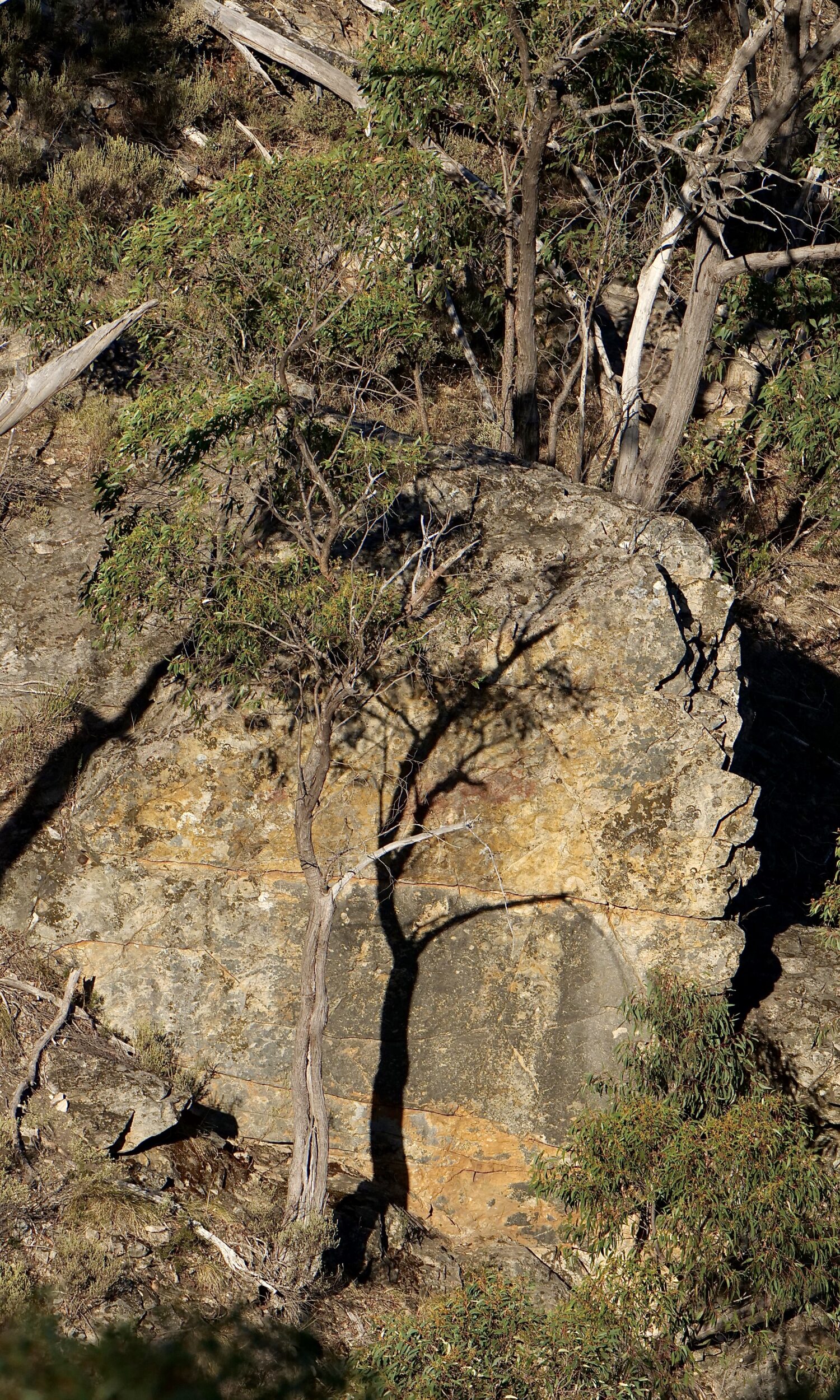
Looking down (#10 in series – trees “3”: Spring Gully, South Australia)


Spring Gully Conservation Park is 8 kilometres south of Clare, in South Australia’s mid-north.

From Adelaide, it is a little less than a two hour drive; day-tripping from the city is feasible.

However, the so-called “Clare Valley” (in truth, this distinctive region has more than one valley) is such a rewarding destination that it is a much better idea to base yourself there for at least several days.

As the next post will further explain, Spring Gully is of great “conservation value”, and it is more than a little “vulnerable”.

Meanwhile, enjoy what a ridgetop vantage point can do, late on an autumn day…

Comments closed

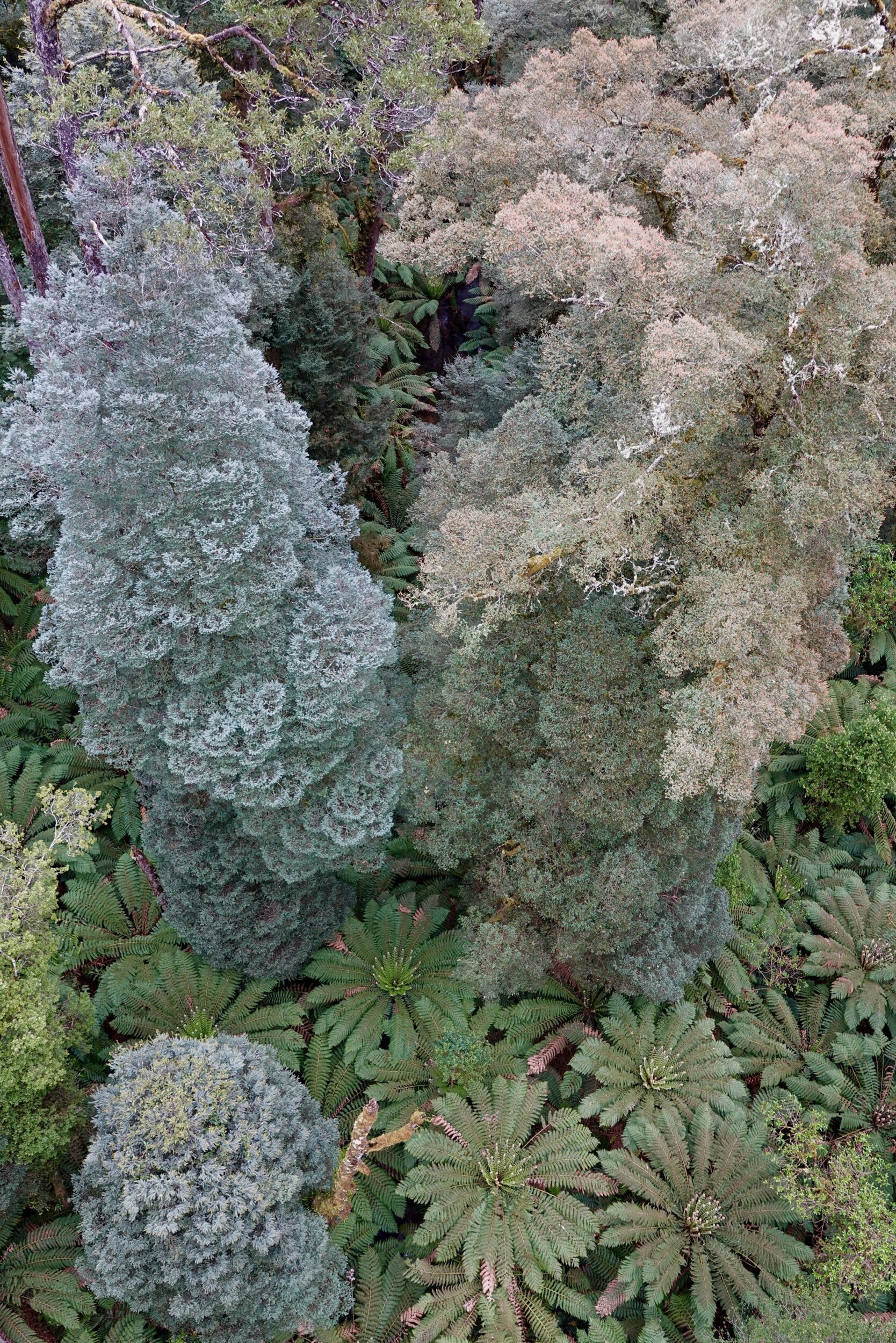
Looking down (#8 in series – trees “1”: temperate rainforest, Australia)


Walking on a forest’s or woodland’s floor often yields a great deal of visual delight, as most living humans have directly experienced.

However, relatively few humans have experienced the pleasure of looking down to a forest’s floor, from forest canopy height, or higher.

The view from “up there” is usually a visual treat in its own right.

In recent decades – across a growing number of nations – the construction of elevated walkways has made that experience newly/readily-accessible to millions.

(such walkways also spare tree roots from the potentially-lethal impact of too-many tourists’ feet compacting the relevant soil)

The very same forest looks astonishingly different, when one’s feet are more than 20 metres above the ground.

Comments closed

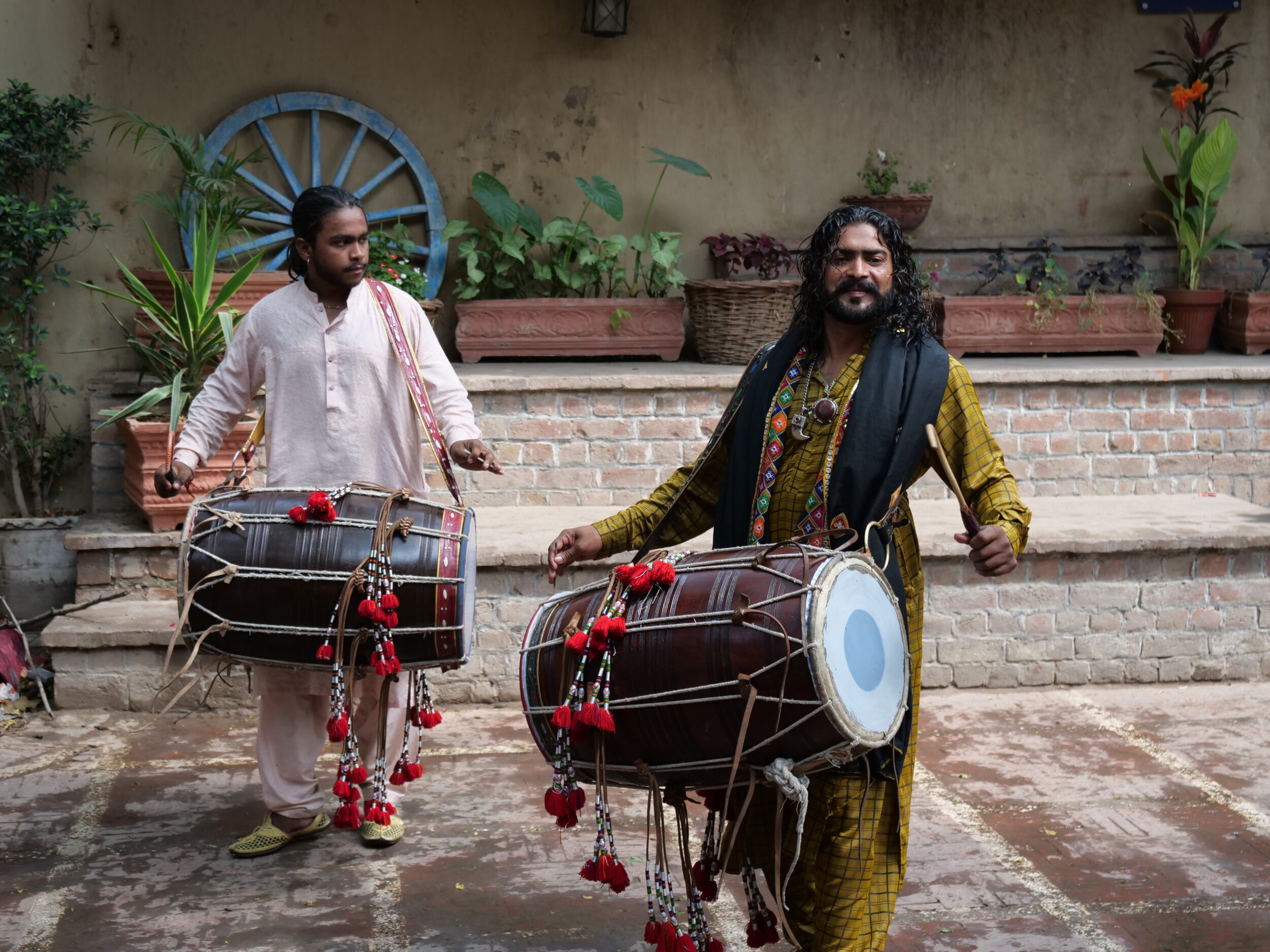
“Old city”, Lahore (#3 in series: let there be drums + musical bonus)


(The musical bonus features a man who was very possibly the greatest tabla player in recorded history. It is hard to imagine that there has ever been a more prodigiously gifted player of any drum.  I am around 99% certain that you have never heard of him, let alone heard him. For the final 49 of his 66 years he lived in Lahore)

Immediately after our more “formal” welcome, we were made even more welcome, more personally, in a courtyard adjacent to Delhi Gate.

Drums and garlands were involved.

Comments closed

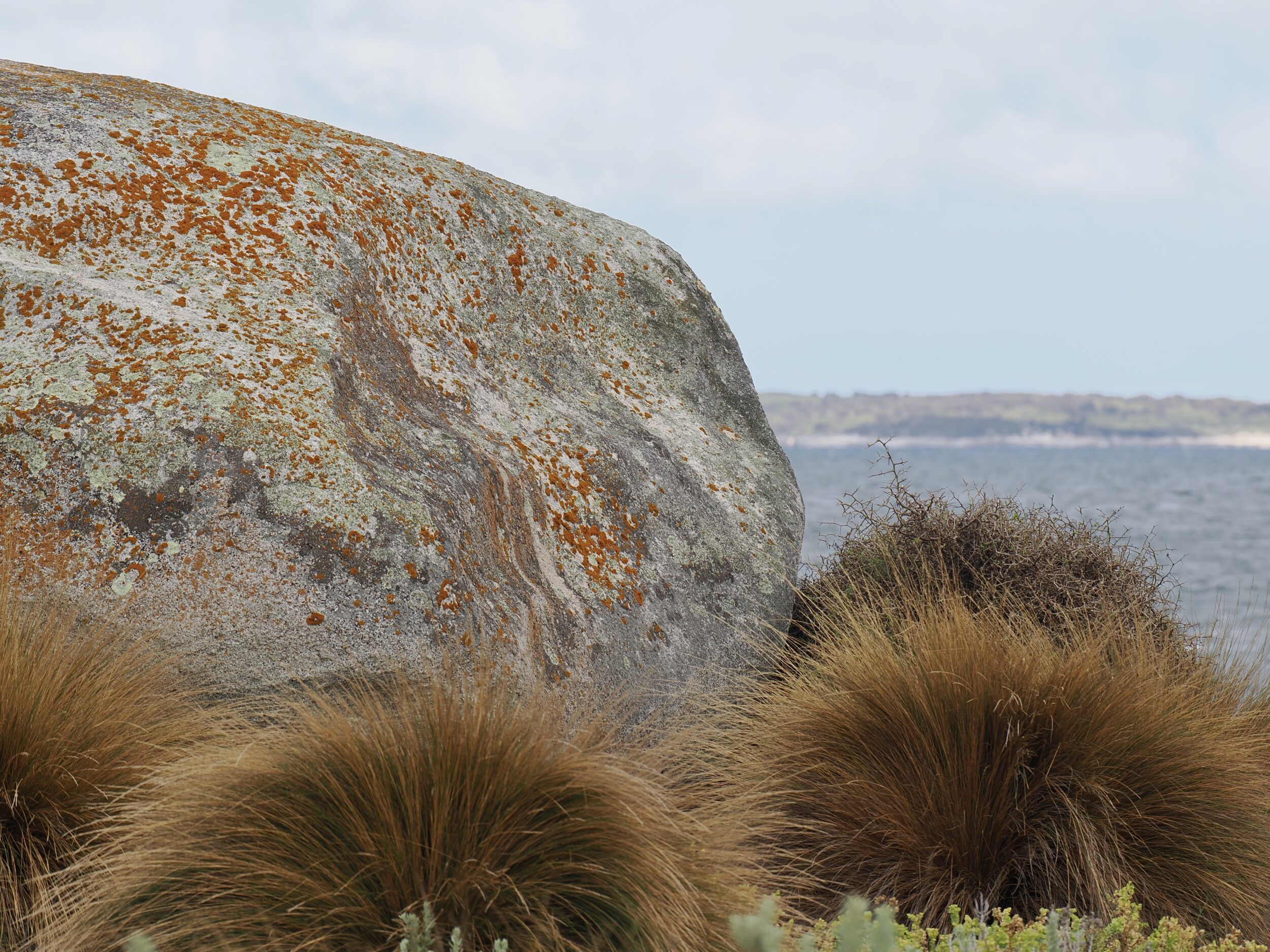
Flinders Island, March ‘25 (#29 in series: living on the edge + musical bonus)


As highlighted in this series, Flnders Island’s shorelines are both beautiful and very demanding – especially for plants.

I imagine that not a few visitors perceive a place such as the one pictured above as “unspoilt”, “wild”, “pristine”.

The above adjectives are “wildly” inaccurate!

(I took the photo on the southern half of Flinders Island’s west coast at 10.08 am on March 2025. I love such places, where things “hard” and “soft”, “massive” and “petite”, “inanimate” and “living” all coexist, near terra firma’s edge)

Comments closed

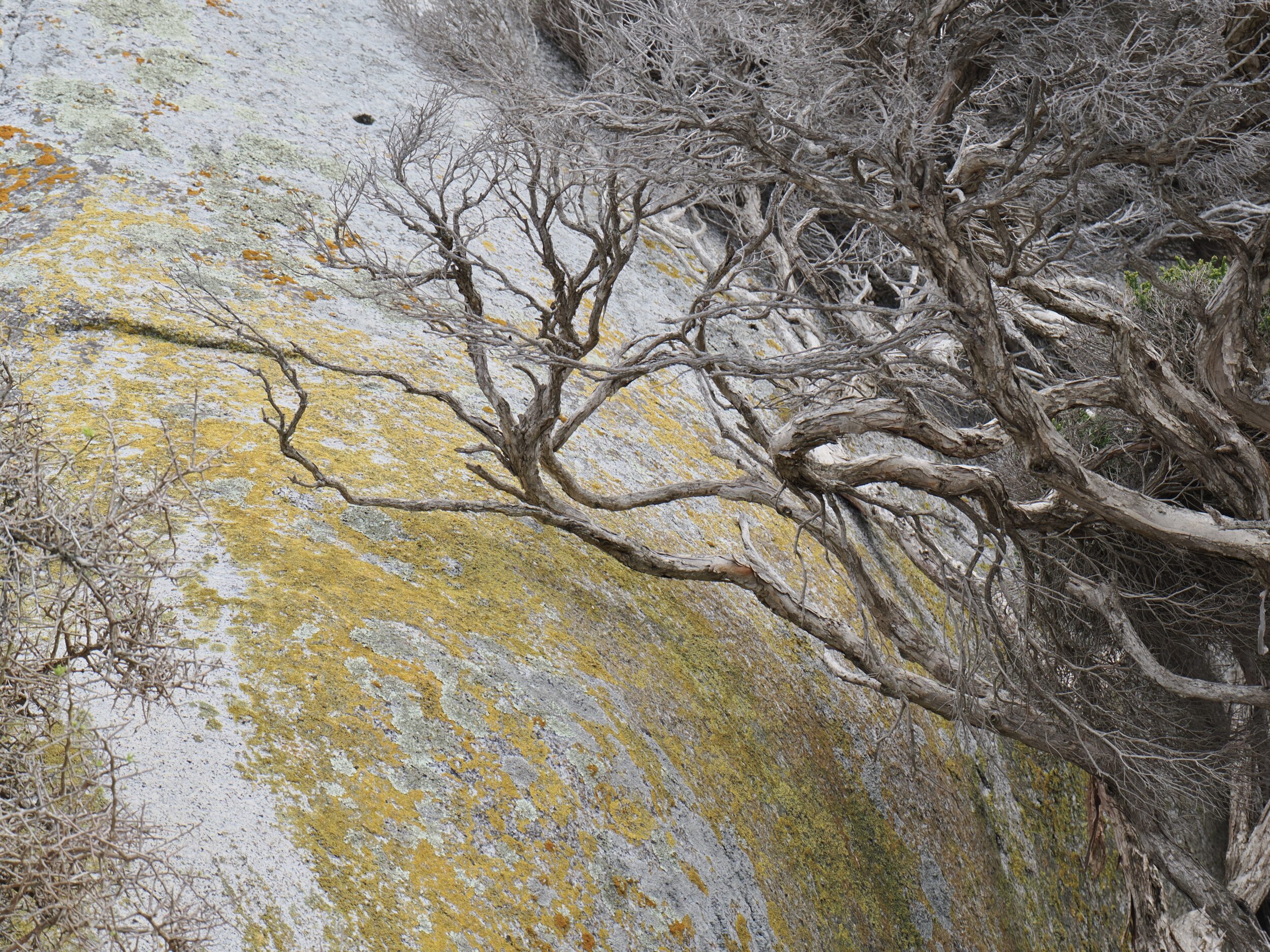
Flinders Island, March ‘25 (#28 in series: “natural” forces)


You are looking at what the strength/weakness, relative abundance/scarcity, or presence/absence of various substances/qualities has delivered.

Likely-major players in the pictured instance: long-extinct volcanoes, erosion, chemical reactions, gravity, wind, rain, salt (windblown, from the nearby sea) and fire, sunlight, shade, shelter, temperature variation, “exhausted” soils, sheep.

Comments closed

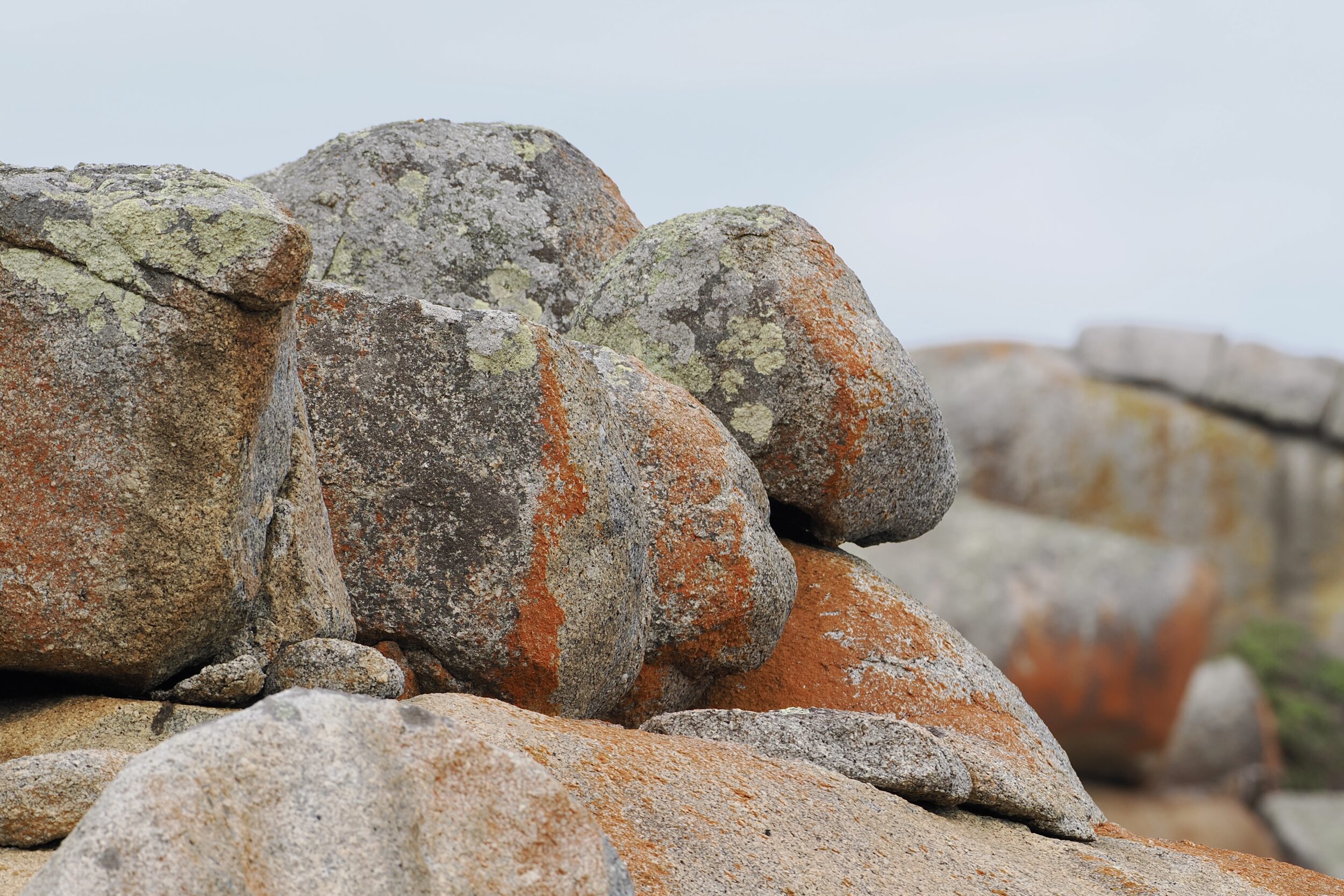
Flinders Island, March ‘25 (#27 in series: rock stars, with hangers-on)


Australia is remarkably rich in exposed rock, including some of “our” planet’s loveliest and longest-exposed rock.

Even by Australian standards, Flinders Island is particularly well-endowed.

Its “rock stars” are often gloriously “decorated” by the wondrous-strange organisms that live on them.

Comments closed