This series has fewer than 10 remaining chapters.
The next several all look down into water, or through it, or at it.
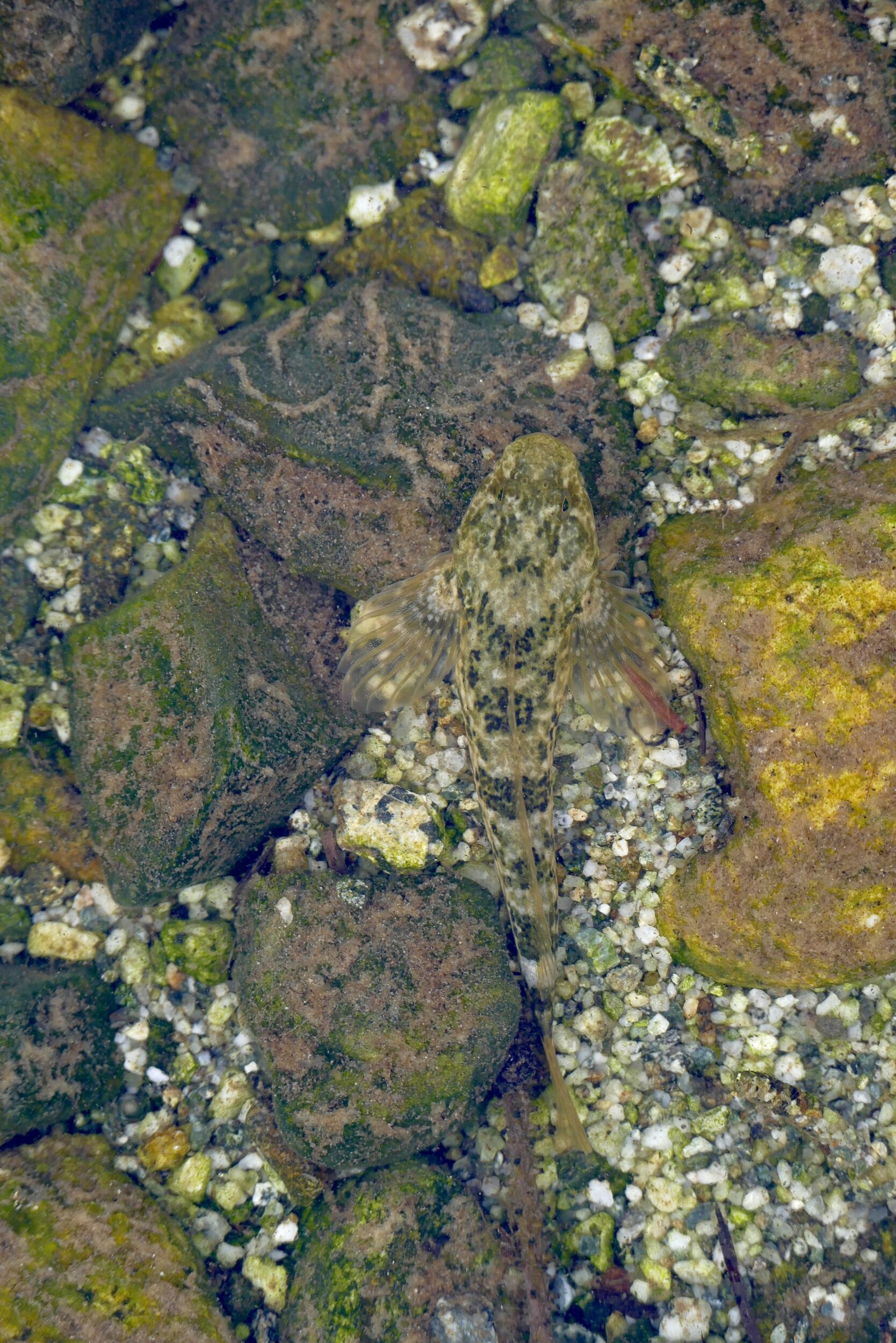
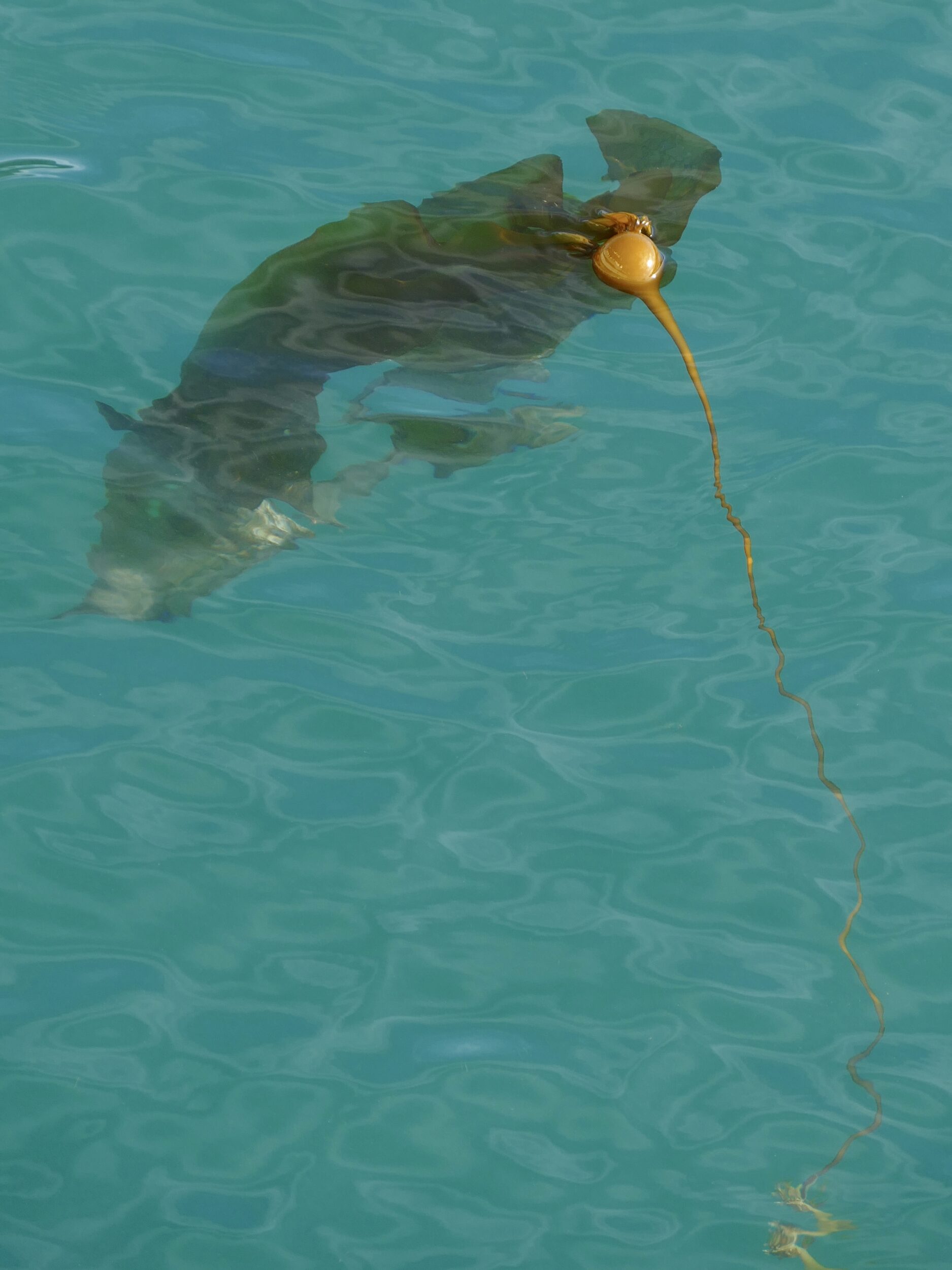
This chapter’s image was the fruit of looking down into a tidal pool in southeastern Alaska.
Leave a CommentNatural splendour, real musics, wines, wordpower
This series has fewer than 10 remaining chapters.
The next several all look down into water, or through it, or at it.
This chapter’s image was the fruit of looking down into a tidal pool in southeastern Alaska.
Leave a Comment
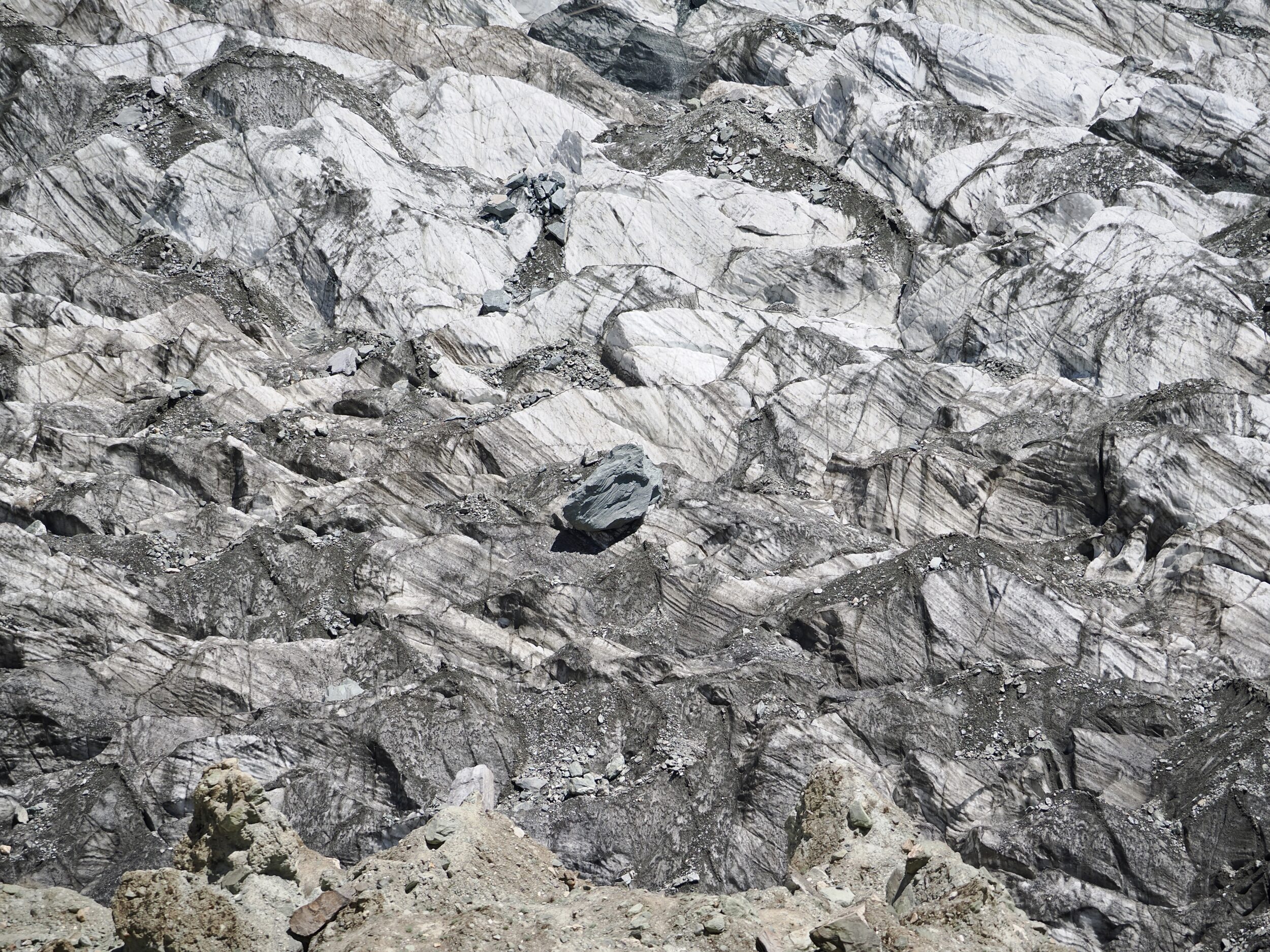
The featured image was not shot in monochrome.
Its colour palette is accurate; if my camera had looked straight up rather than almost straight down, the image would have largely been blue, flecked with white and grey.
I took the photo in a “remote” part of northern Pakistan’s Gilgit-Baltistan province in May 2024.
What appears to be a rock is a rock; I have no idea of its mass, but am sure it would weigh at least several tonnes.
In the context of the relevant valley, however, that rock is a speck!
Leave a Comment
An elevated vantage point sometimes offers an interesting, “different” view of human activity, and the opportunity to record it, candidly.
As the featured activity would suggest, I was looking down to a very “modest” street.
However, my vantage point for all images in this post was the most “desirable” location in Madagascar’s national capital – the royal palace complex, which sits atop the city’s highest hill.
Leave a Comment
The Otago Peninsula is a long” finger”, extending 20 kilometres east-ish from the second largest city on New Zealand’s South Island.
Dunedin is modest in population – a “permanent” home to little more than 130,000 people, and now #7 in NZ.
Once, however, it was the nation’s premier city.
Dunedin still feels surprisingly “grand” and “important”; culturally, this “university city” is generally considered one of NZ’s “big four”.
The Otago Peninsula’s sheltered side is the southern wall of the large, drowned valley that is Otago Harbour.
Otago Peninsula’s ocean-facing side is very much wilder.
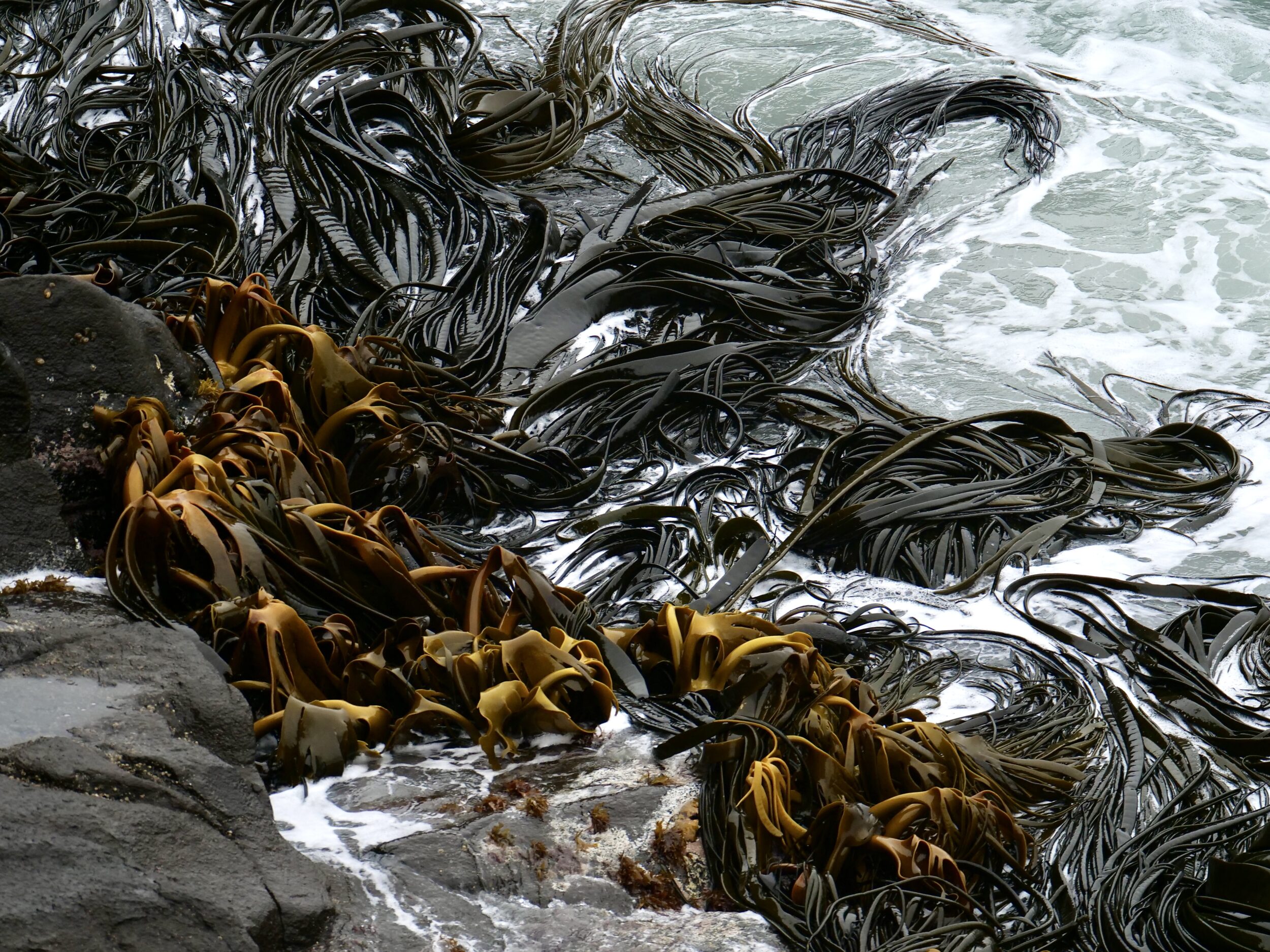
My photo looks down from the ocean side of the Peninsula’s extremity, Taiaroa Head, which is home to the world’s only “mainland” breeding colony of Northern Royal Albatross.
Leave a Comment
If you wish to experience an incredibly diverse array of extraordinary flowering plants – most especially, species that naturally occur in only one part of the world – you’d be best-advised to avoid places with “good” soil and abundant, “reliable” rainfall.
The “winning” combination: “poor” soil, unreliable rainfall and a very high evaporation rate!
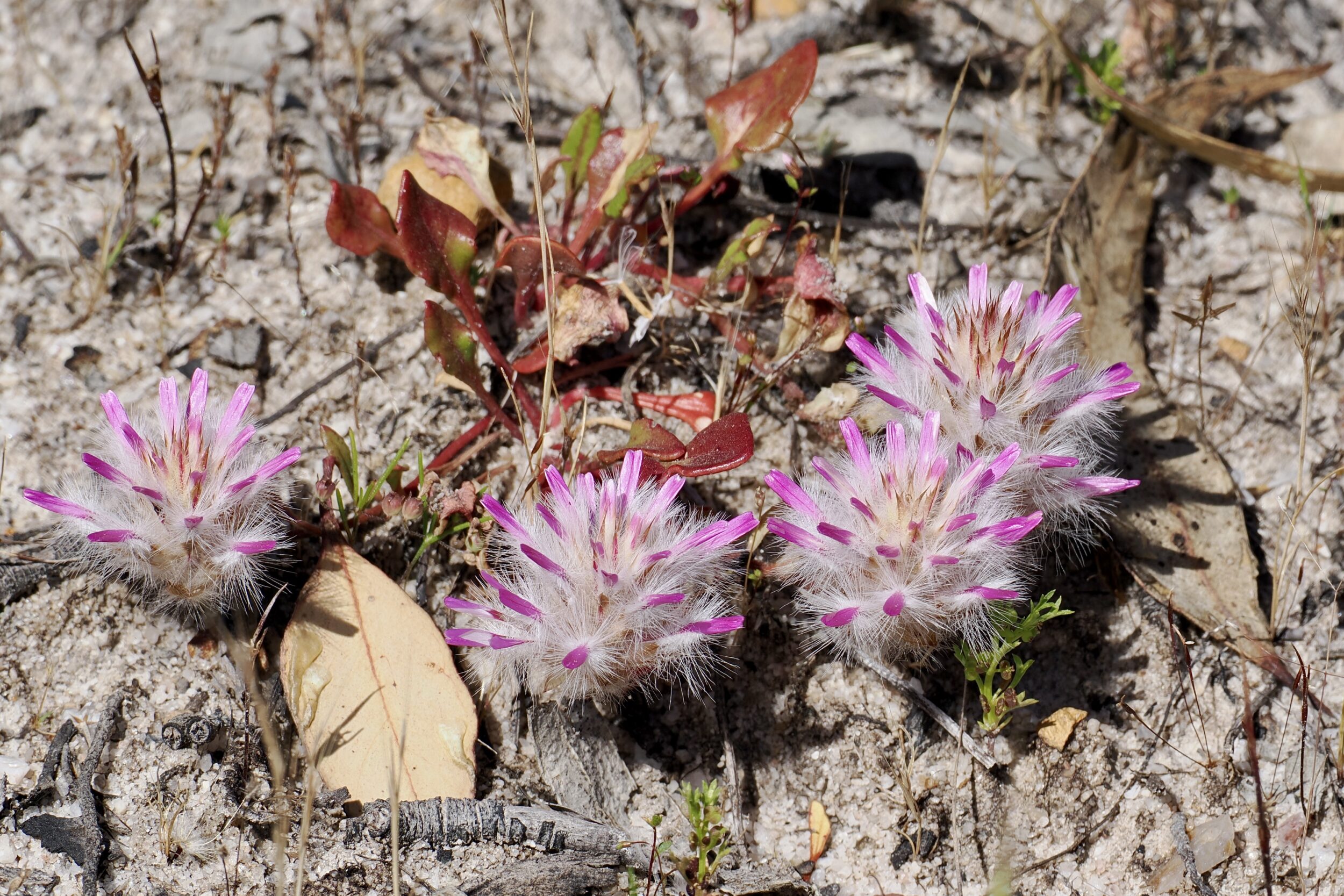
Arguably, the world’s best natural “flower gardens” are in the southwestern “corners” of Africa and Australia; there, “looking down” is almost always rewarding, but most especially so in Spring.
I took the photo on 30 October 2023, circa 100 kilometres southeast of Perth.
Leave a Comment