Skip to content →

Month: May 2026

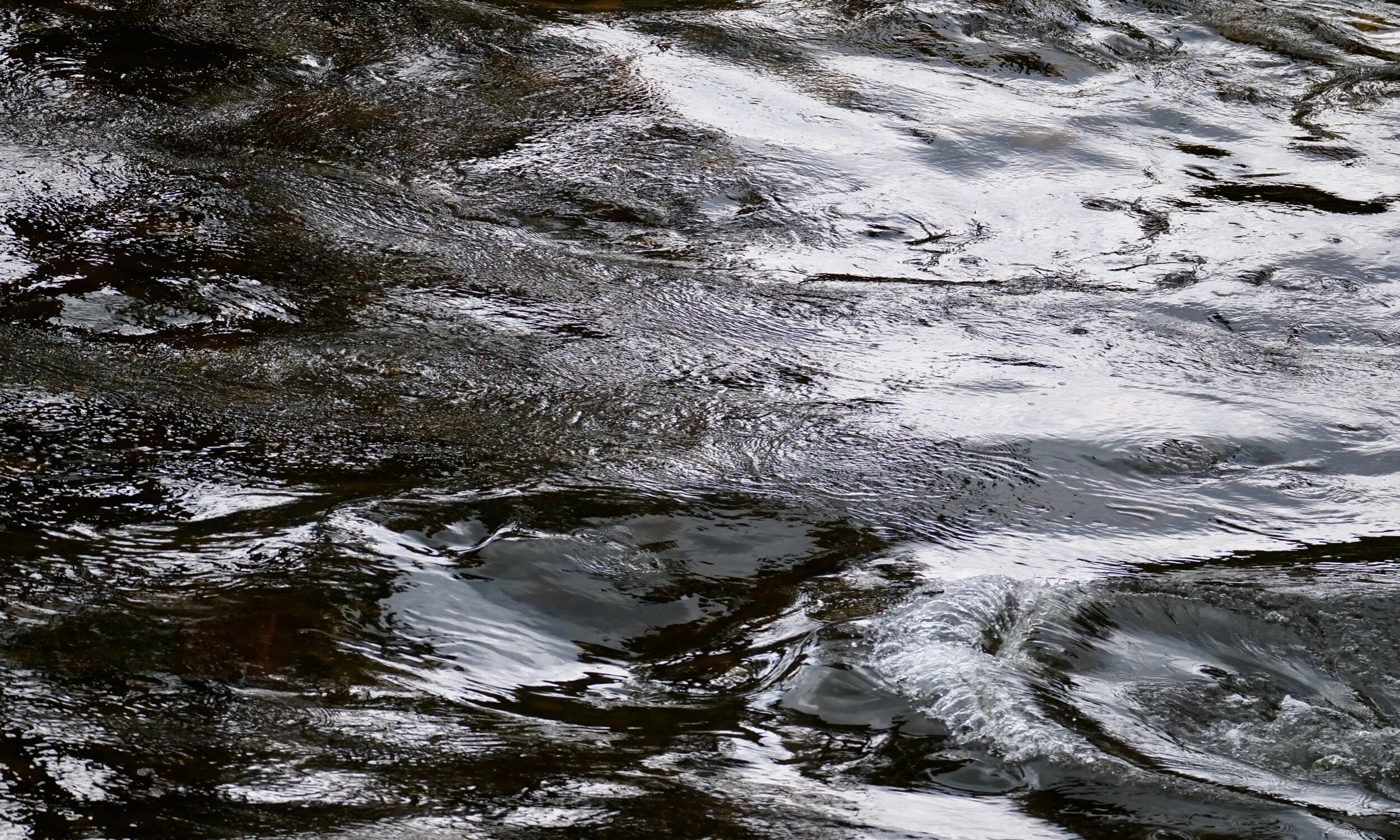
Looking down (#48 in series: “1” of 2 close views of shimmering water)


Today’s photo was taken in October 2018.

On an overcast afternoon in Victoria’s “high country”, my beloved and I stood beside a fast-flowing stream, downhill (and circa 20 ks distant) from the summits of Mount Hotham et al, but still well above foothills and plains.

Leave a Comment

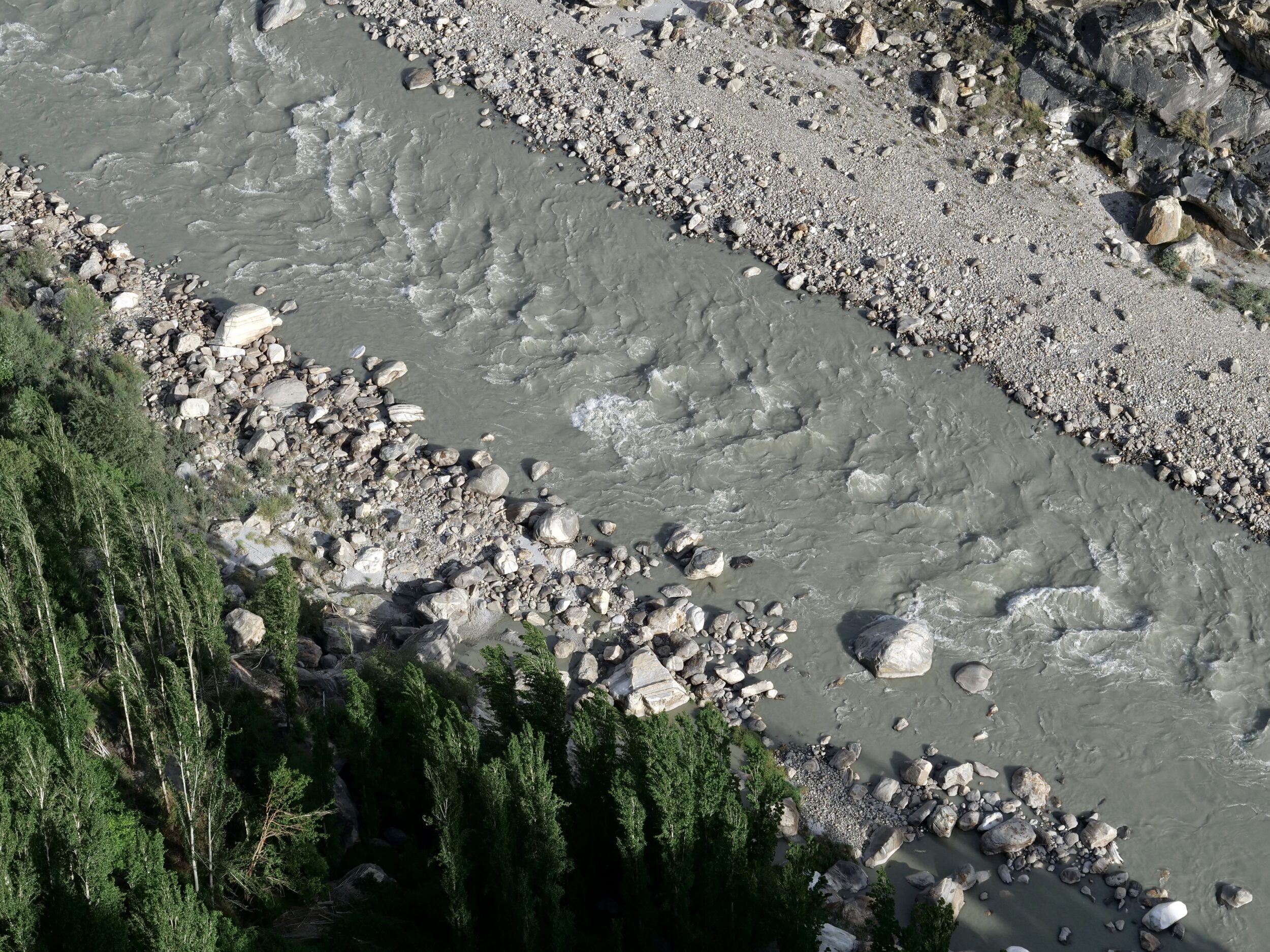
Looking down (#47 in series: on Pakistan’s Hunza River)


The photo above looks down from Atilt Fort’s ramparts to the Hunza River.

Discover more here; more than one thousand years old, the now well-restored fort is the oldest “monument” in Hunza.

The Hunza River is part of the Indus River’s catchment.

Wherever one looks in the Hunza Valley, the vistas are almost unimaginably “epic”.

Among viewpoints that are easily-reached, those on the lower of the Hunza Valley’s almost-parallel rims are especially stupendous, particularly when no clouds obscure any part of its higher rim…and the most colossal of the mountains which tower above it.

At 7,778 metres, Rakaposhi’s is “only” this planet’s 27th highest-altitude peak.

However, as its Wikipedia entry declares:

The mountain is extremely broad, measuring almost 20 kilometres (12 mi) from east to west. It is the only peak on earth that descends directly and without interruption for almost 6,000 meters from its summit to its base.

Leave a Comment

Looking down (#46 in series: on Pakistan’s Shyok River)


Arguably, the world’s most dramatic alpine scenery is in northern Pakistan.

Distinct from the Himalaya-proper, the Karakoram includes the world’s second highest mountain, plus many other peaks which are handsomely more spectacular/imposing than is Everest.

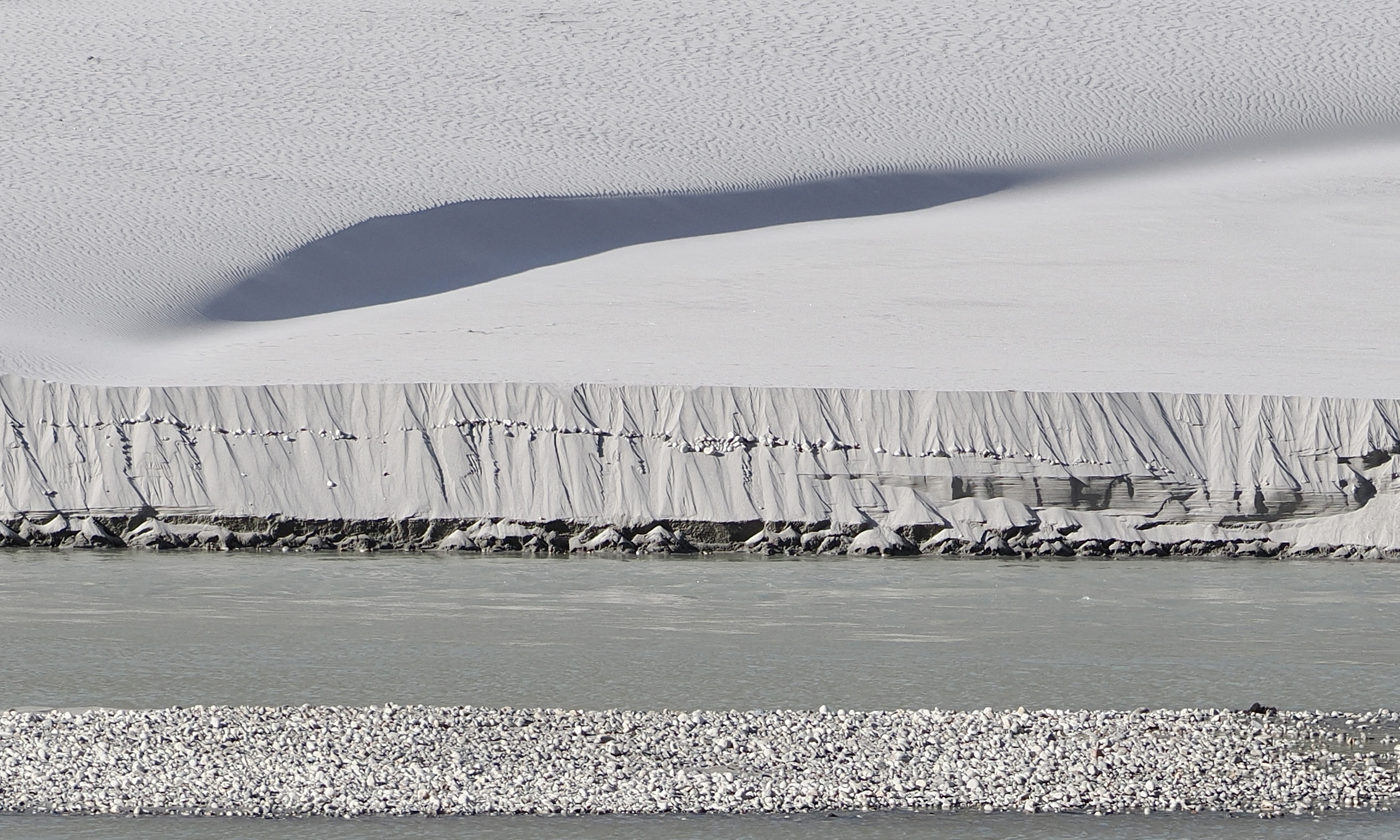
The Karakoram’s rivers are incredibly dynamic, constantly reshaping their valleys.

Essential to human life in this very demanding environment, these rivers also kill people and destroy many man-made structures..

Above and below, you are looking at the Shyok River, several kilometres upstream of its confluence with the Indus.

The Indus drains almost literally all of Pakistan.

Leave a Comment

Looking down (#45 in series: from both sides of Tasmania’s highest dam wall)


The Gordon Dam took ten years (1964-1974) to build, in southwestern Tasmania’s “wilderness”.

Its creation/raison d’être – Lake Gordon – is Tasmania’s largest lake.

When full – which it hardly ever is – that reservoir is Australia’s largest body of freshwater.

Most of the time, the actually largest freshwater body in Australia is another man-made one – Western Australia’s Lake Argyle, which always covers a much larger surface area than does Lake Gordon.

The Gordon Dam was in itself a very controversial project, but the bigger environmental battle (arguably, Australia’s most significant) was the subsequent one which eventually prevented construction of its intended “sibling” dam, downstream.

Click here, if the saga is new to you.

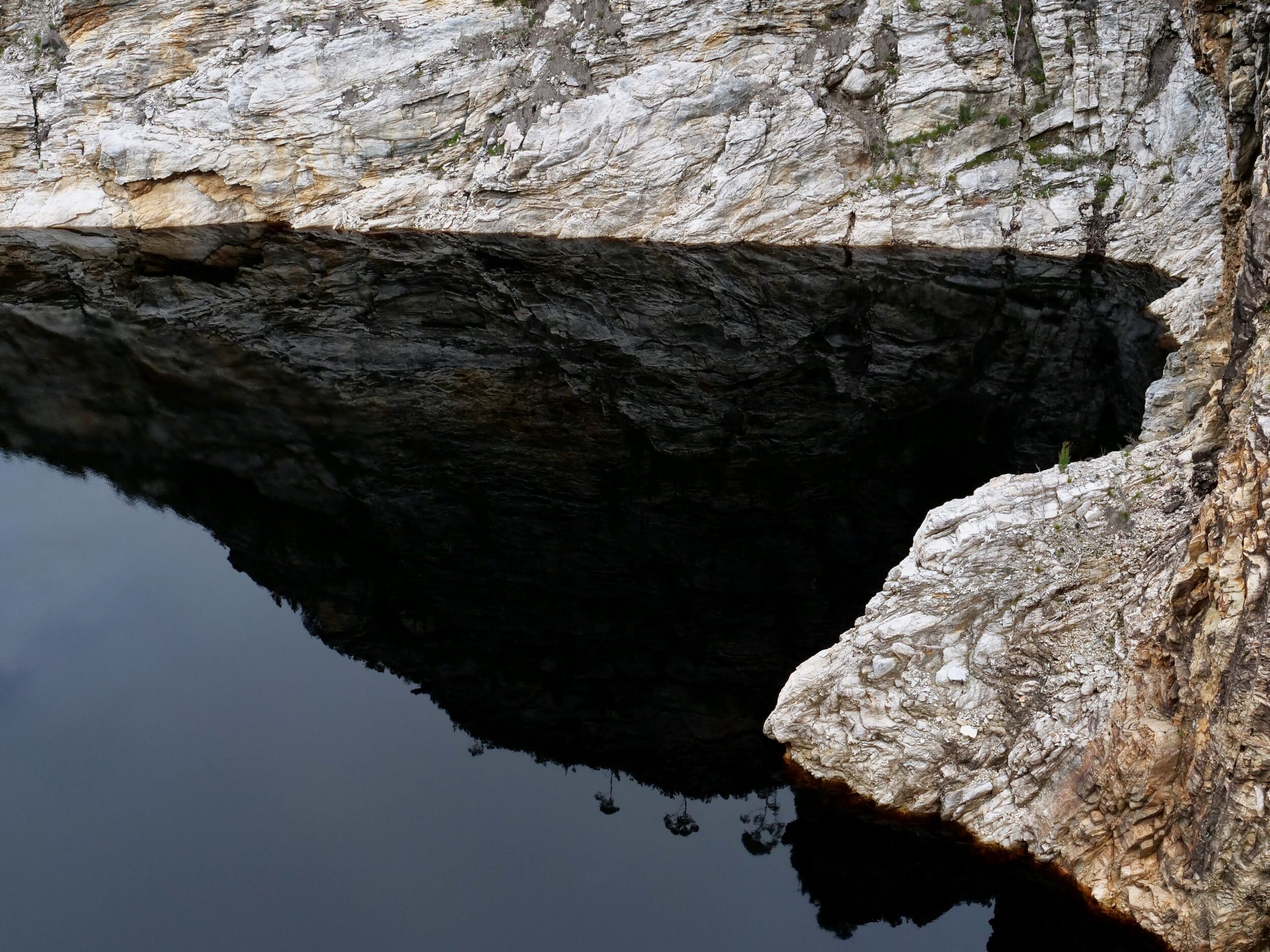
The featured image shows the dam-walled edge of Lake Gordon’s dark waters

The photo below, taken three minutes later from the Gordon Dam wall’s other side, looks down, 140 vertical metres.

Leave a Comment

Looking down (#44 in series: on a turtle in Réunion)


I rarely deploy a camera in any kind of zoo, but this opportunity was too good to miss.

In addition to the island’s glorious natural attractions (they include the Indian Ocean’s highest peak, a host of endemic species, one of the world’s most active volcanoes, and one of its rainiest locations) Réunion has an excellent aquarium.

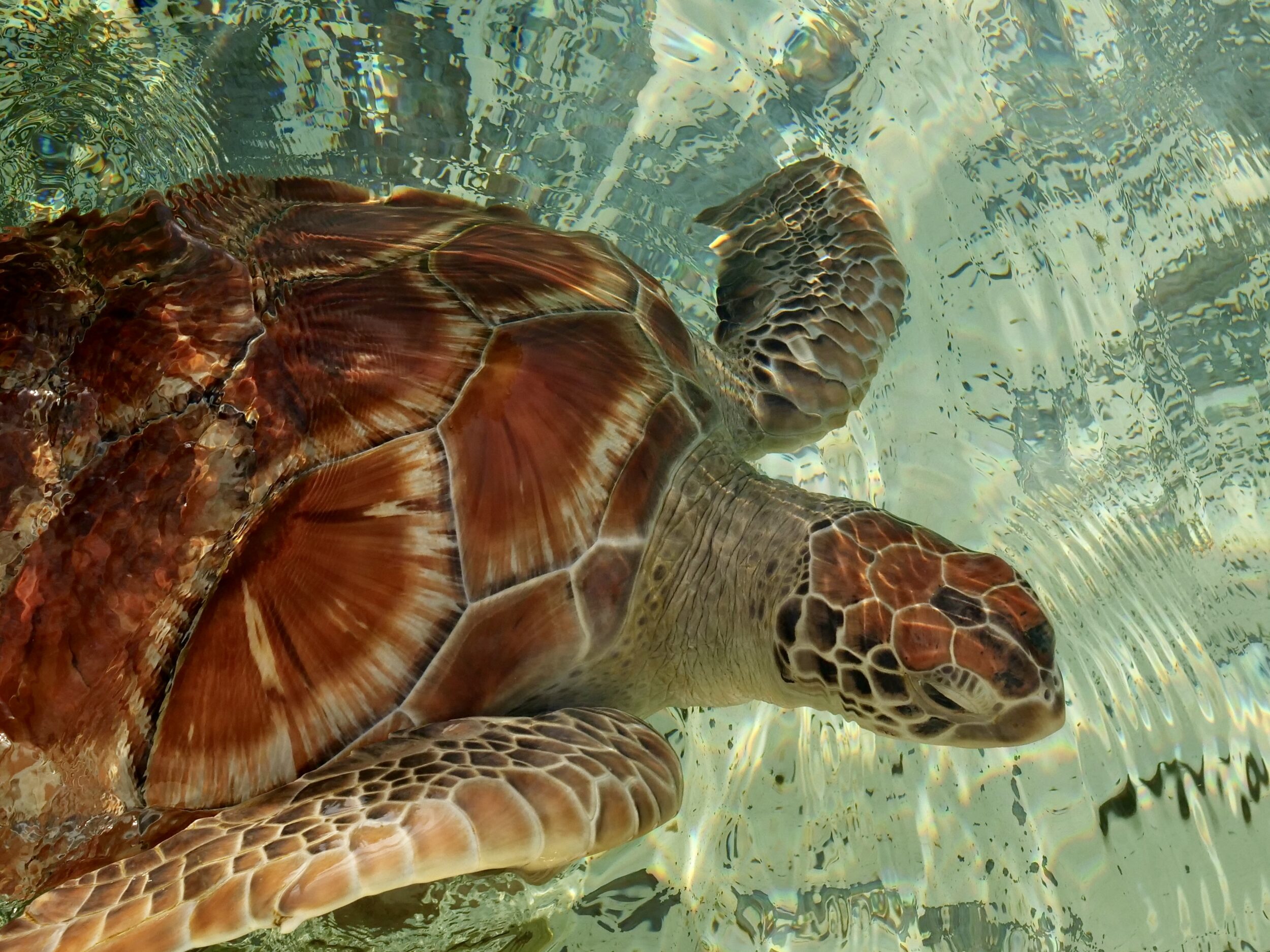
i am almost certain that this post’s hero is a hawksbill turtle.

One Comment

Looking down (#43 in series: on a Sicklefin lemon shark)


In March 2016 my beloved and I were in northwest Western Australia, “sailing” on a motorised yacht from Broome to Wyndham.

(with many “tinny” side-trips to islands, tidal creeks, beaches, waterfalls, etc)

We were “exploring” the Kimberley Coast – the world’s greatest tropical coastal “wilderness”.

Around 7am on the fourth day of March, we were just a few kilometres distant from Horizontal Falls – this coastline’s most celebrated “attraction”.

By Grand Canyon standards, visitor numbers were infinitesimal.

However, by “way-out-of-any-town” Kimberley standards, we were in severely tourist-infested waters.

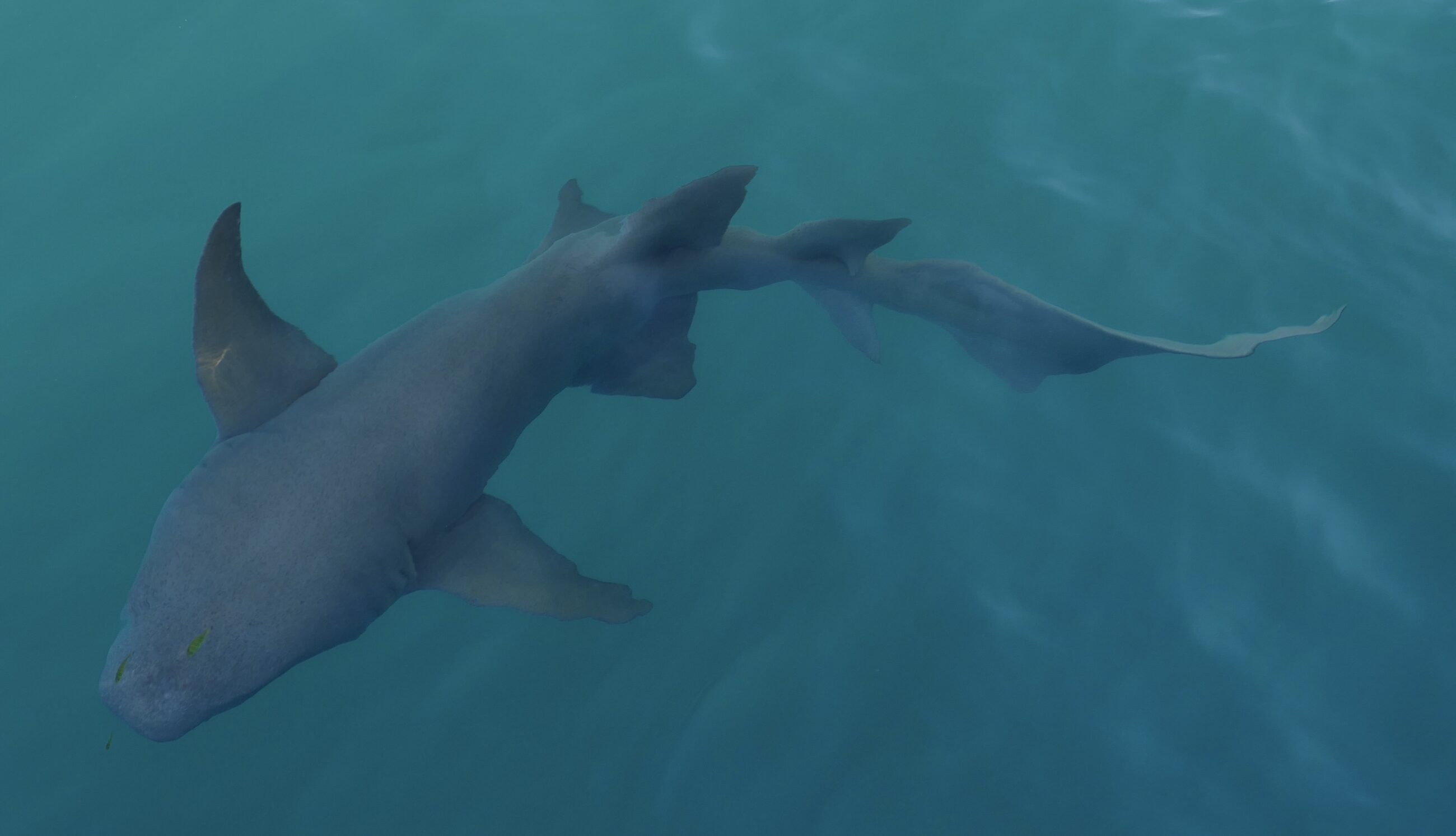
Accordingly, some local sharks have learned that a boat may provide a “free feed”; we were far from the first tourists to observe a very relaxed shark, so “amazingly close” to “their” boat.

To my knowledge, “our” boat did not feed the shark.

Nonetheless, the image immediately above does show a mutually beneficial relationship between a “client” (the shark) and some “service providers”..
Leave a Comment