Skip to content →

Month: December 2025

Seasonal Greetings, with appropriate “decorations”


Pelican Yoga
wishes you all a happy and safe festive season.

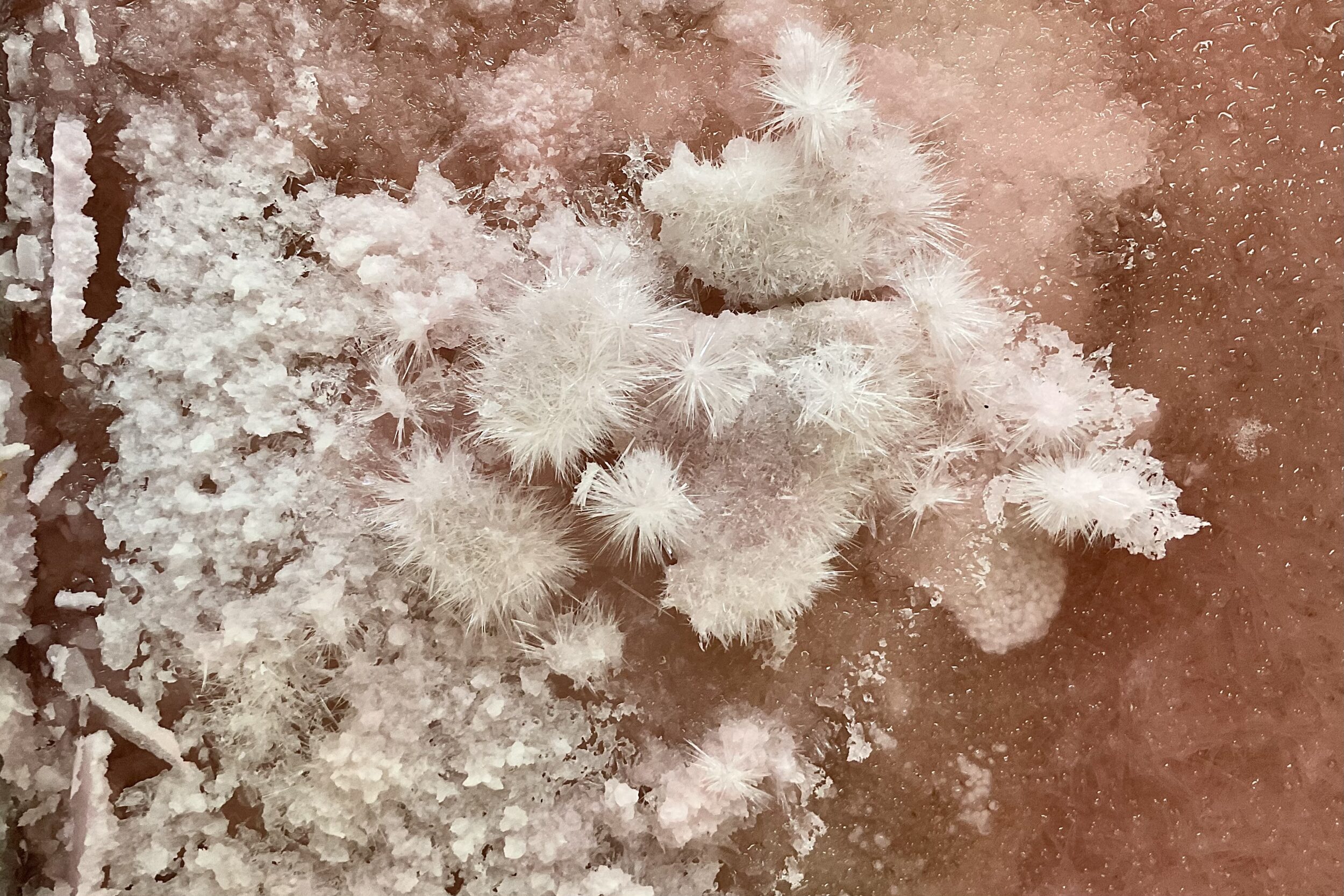
You may imagine that the pictured “decorations” involve snow and ice, either directly or as inspiration source, and that they express nostalgia for – or romantic notions about – the “properly Christmassy” Decembers of Santa’s homeland, deep in the northern hemisphere.

If so, you would be wrong on all counts!

Comments closed

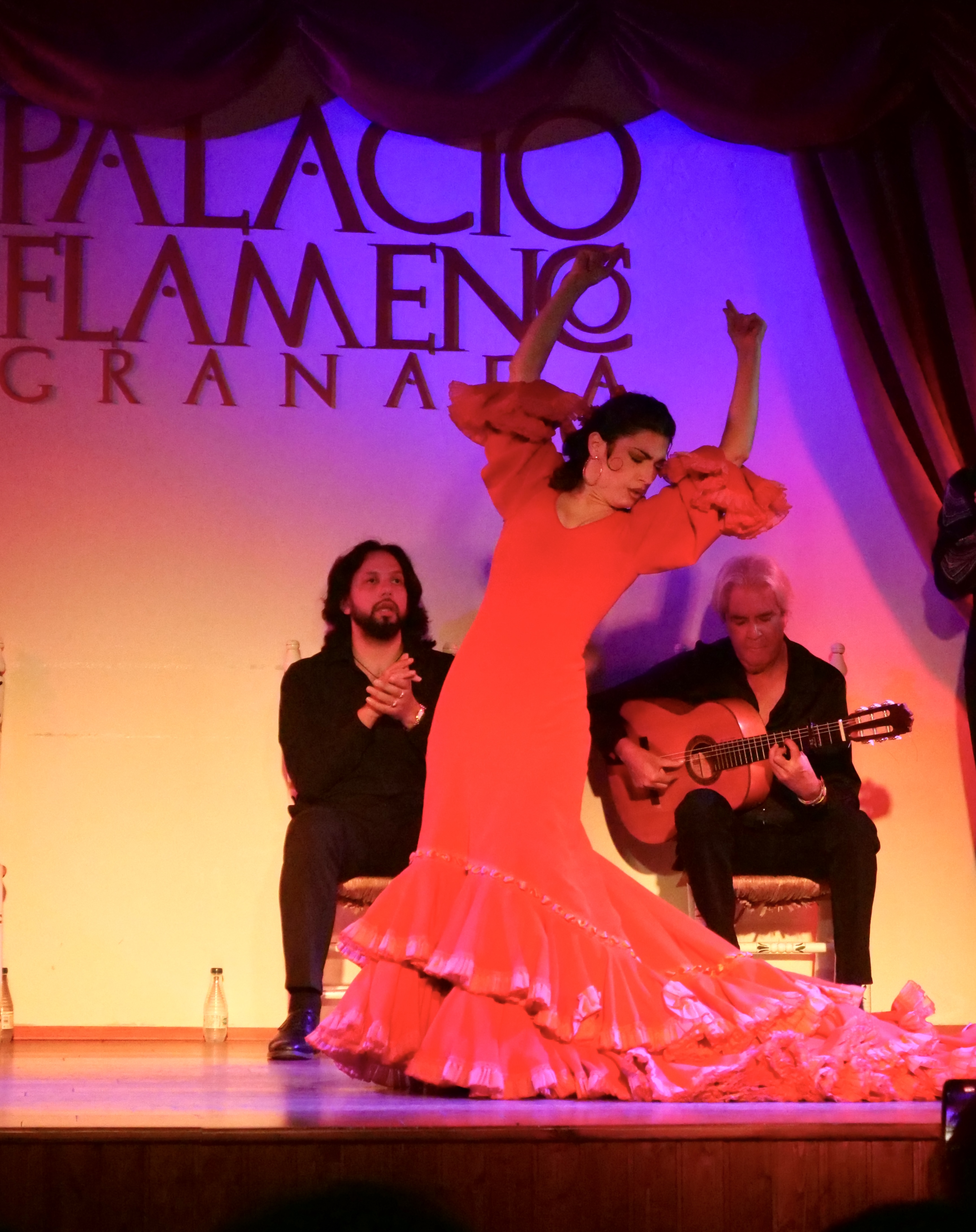
Morocco & Andalucia: “characteristic” (#17 in series: flamenco..with musical bonus)


In 2010 UNESCO inscribed flamenco on its “Representative List of the Intangible Cultural Heritage of Humanity”:

(Gnawa was added to that list in 2019)

A lot of mostly-awful, so-called “flamenco” is not remotely actual flamenco,

Outside Spain, most recordings marketed as flamenco are merely “flamenco”-flavoured pap; their makers & marketers know little about the real thing, and have no passion for it.

Virtuosic dancing, singing and playing (hands & feet are key instruments too – not just guitars), in-the-moment interplay, and improvisatory flair are equally key elements …as is duende.

Without duende  – an “untranslatable” word that denotes an abundance of intent/spirit/heart/presence-in-the-moment – flamenco has no raison d’être.

It is no small miracle that genuine flamenco continues to thrive in its “cradle”: Andalucia.
Comments closed

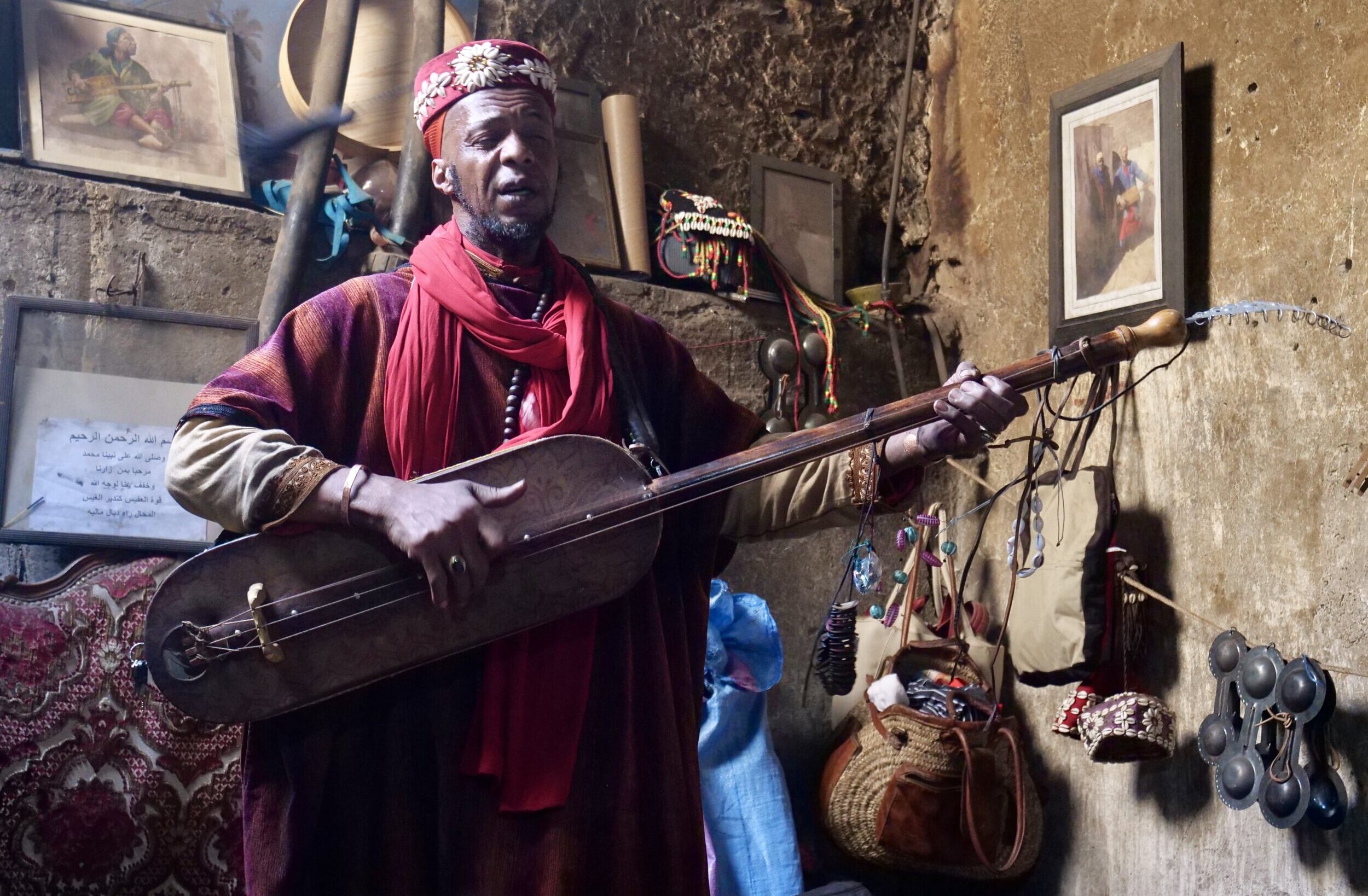
Morocco & Andalucia: “characteristic” (#16 in series: Gnawa)


“Gnawa” is the most common of various transliterations into English.

The word refers to a so-called “ethnic group” (albeit one whose members’ ethnicity is not in fact singular), a member thereof, the Sufi brotherhood to which many Gnawa men belong, and – most especially – to a musical genre which is distinctive, mesmeric and usually (simultaneously) both “devotional” and “funky”.

As “Flamenco” is to the global perception of Spanish music, “Gnawa” is to how the world perceives Morocco’s: “emblematic”.

For many foreigners, flamenco is the only Spanish musical form that rings a “bell”.

Most foreigners cannot name any Moroccan genre; if they can, chances are it will be Gnawa music.

In each case, the genre’s emblematic national status is highly paradoxical.

Comments closed

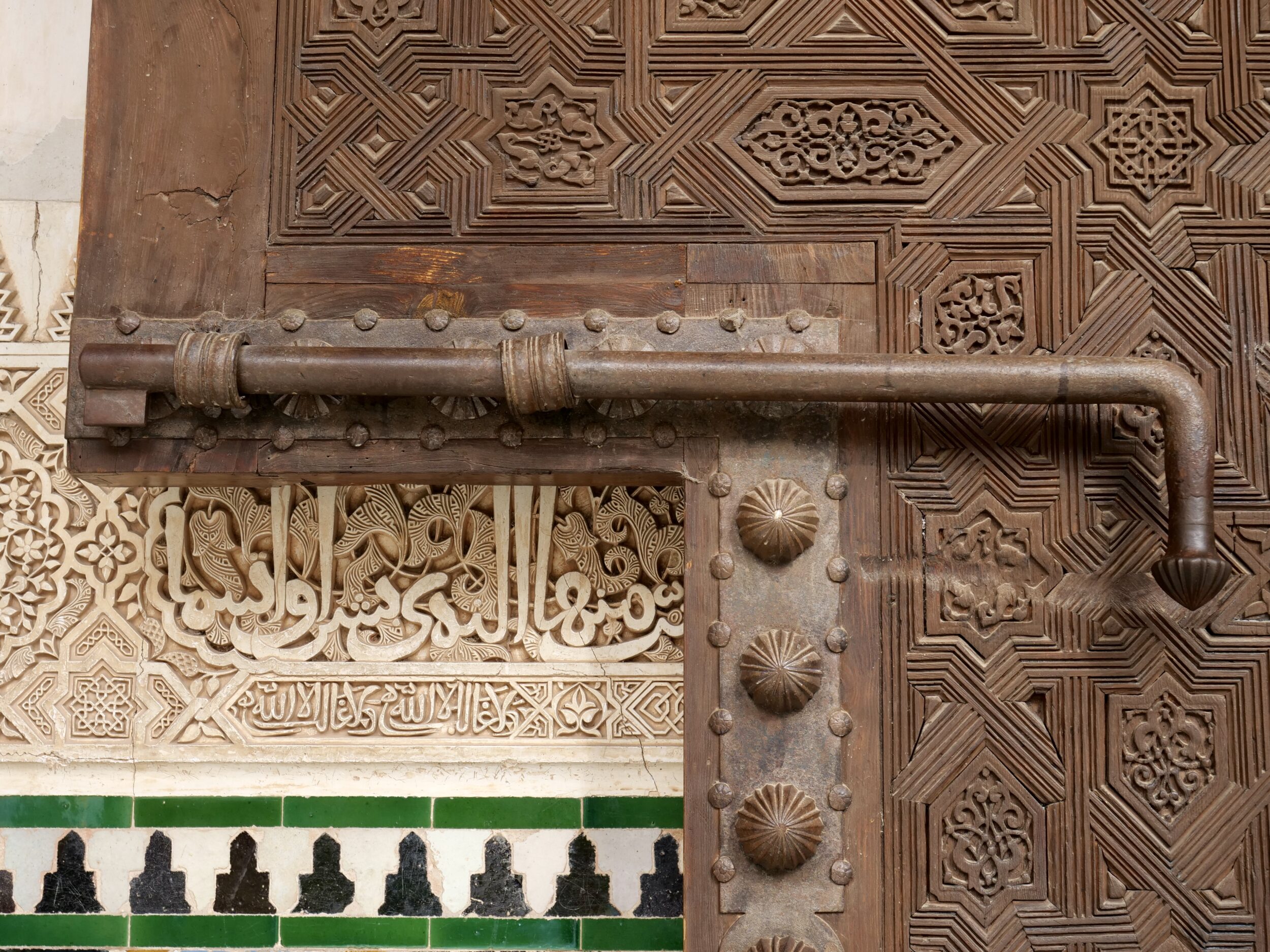
Morocco & Andalucia: “characteristic”: #15 in series: ornamentation “2”)


The Alhambra in Granada is one of the world’s man-made wonders.

Spain’s #1 tourist attraction is usually described as a “fortress and palace complex”.

Its structures span several centuries, and both “Moorish” and “Christian” Spain.

At its peak, in the 14th century CE – prior to late 15th century “Christian” Spain’s Reconquista – the Alhambra was a very sophisticated hilltop city in its own right, distinct from Granada-proper.

The Nasrid Palaces are the most glorious legacy of that period.

Collectively, their interior spaces (including walls and ceilings) are very probably “our”  planet’s most exquisite.

Almost every inch therein rewards close attention.

Comments closed

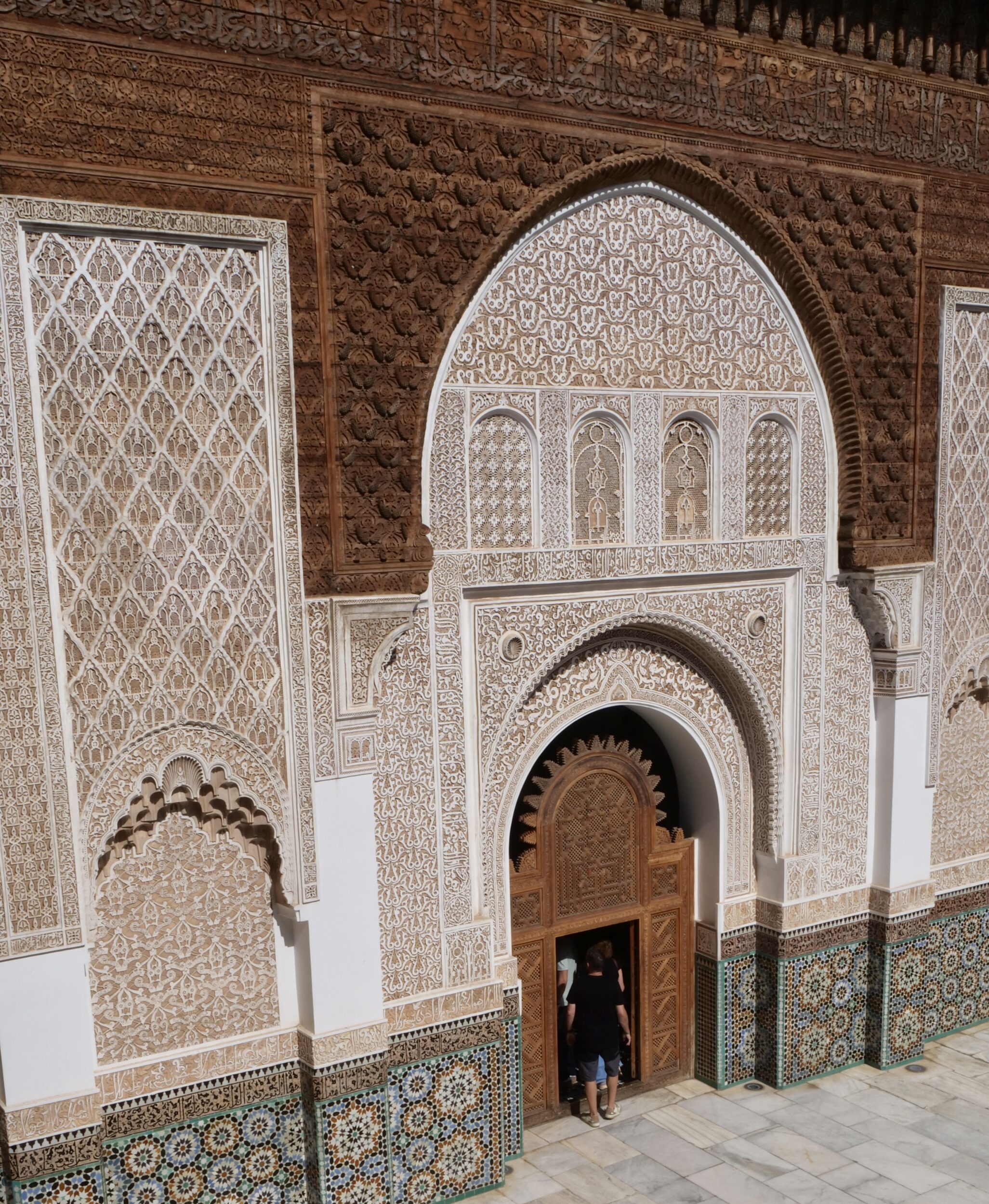
Morocco & Andalucia: “characteristic” (#14 in series: ornamentation “1”)


Morocco and Andalucia contain some of the world’s most exquisitely detailed interior surfaces.

A single site can include equally jaw-dropping examples across completely different surface types – wood, plaster and tile in the pictured madrasa, in Marrakech.

Madrasa (also commonly transliterated into English as “madrassa” or “madrasah”. In Morocco it is usually transliterated as “medersa”) is the Arabic term for any educational institution, whether secular or religious.

Comments closed

Morocco & Andalucia: “characteristic” (#13 in series: mighty walls “2”)


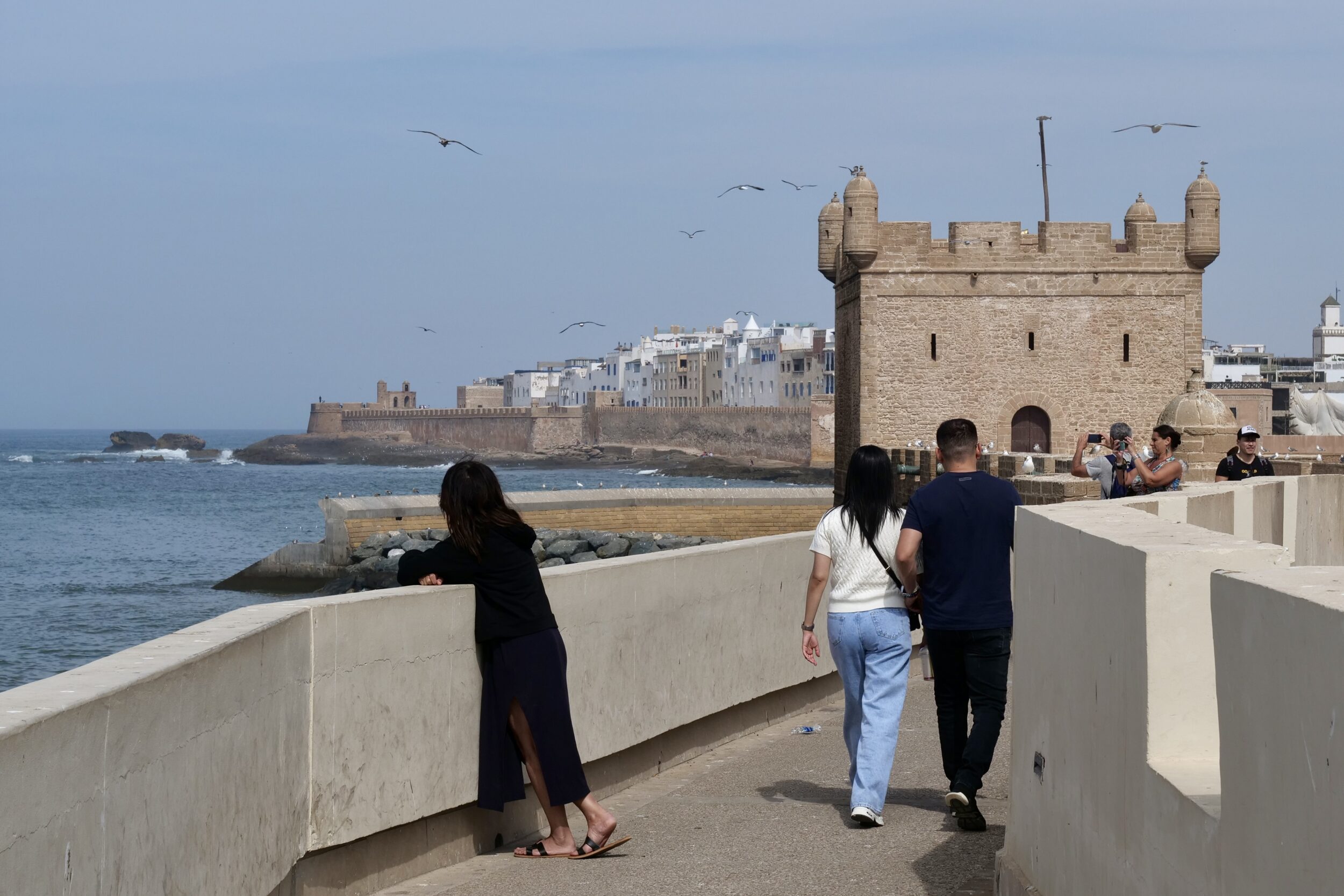
Essaouira is a very likeable city on Morocco’s Atlantic coast.

For many centuries it was highly “strategic”, and during the 19th century it was Morocco’s primary seaport.

Unsurprisingly, it has “changed hands” more than a few times.

Morocco and Spain are very richly endowed with impressive defensive structures.

Some were built by “conquerors”, others by “locals” who were trying to repel would-be conquerors.

All (or nearly all) such structures “failed”; they eventually fell into “the enemy’s” hands, and were then modified by the victor, who would later become the vanquished..and so on, over centuries.

Comments closed

Morocco & Andalucia: “characteristic” (#12 in series: mighty walls “1”)


If you are partial to “historic”, imposing, dramatically situated fortresses, you will find Morocco and Spain very rewarding destinations.

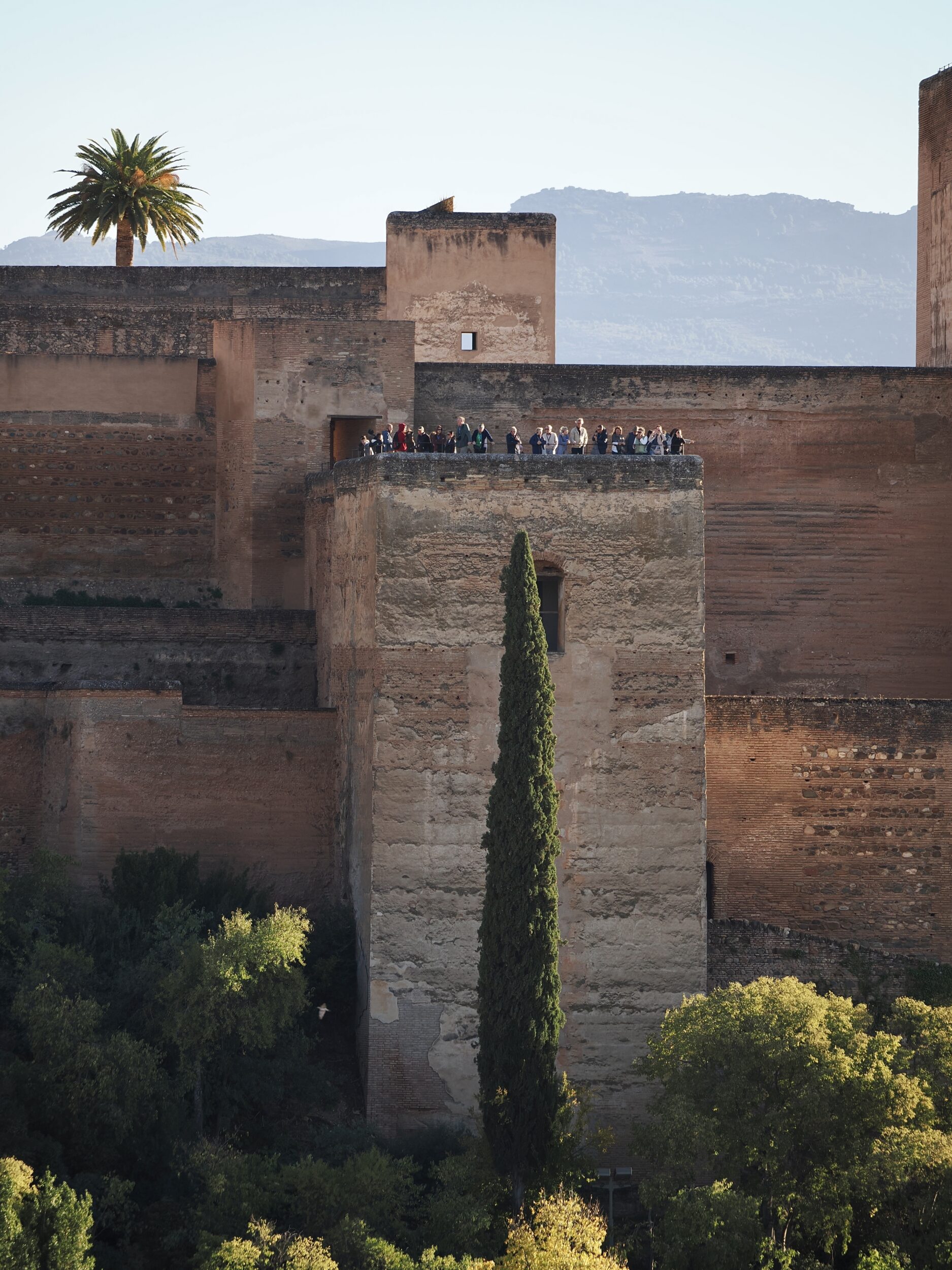
Pictured above, bathed in autumnal late afternoon light, is part of the Alcazabar – the Alhambra’s fortress, which is also its oldest (surviving) section.

The Alcazabar was built by Granada’s Moorish rulers, nearly 800 years ago.

After the Reconquista of 1492 further modifications and additions were made by the “restored” Spanish Catholic regime.

Since 1975 – and the end of Franco’s Catholic-accented dictatorship – global tourism has “conquered”  Granada.

2 Comments