Skip to content →

Category: Australia (not WA)

Flinders Island, March ‘25 (#13 in series: superb, sassy)


None of Australia’s 10 fairywrens are “true” wrens.

However, all are truly beautiful.

3 equally beautiful species: superb fairywren, splendid fairywren and lovely fairywren.

The last-named lives only in near-coastal parts of Queensland’s Cape York Peninsula; the other two have much wider ranges.

When southeastern Australians  wax lyrical about “blue wrens” they usually have in mind the “superb” species, whilst a southwestern Australian is probably thinking of the “splendid” kind.

On Flinders Island all “blue wrens” are “superb”, albeit members of the island’s own subspecies of Malurus cyaneus.

Comments closed
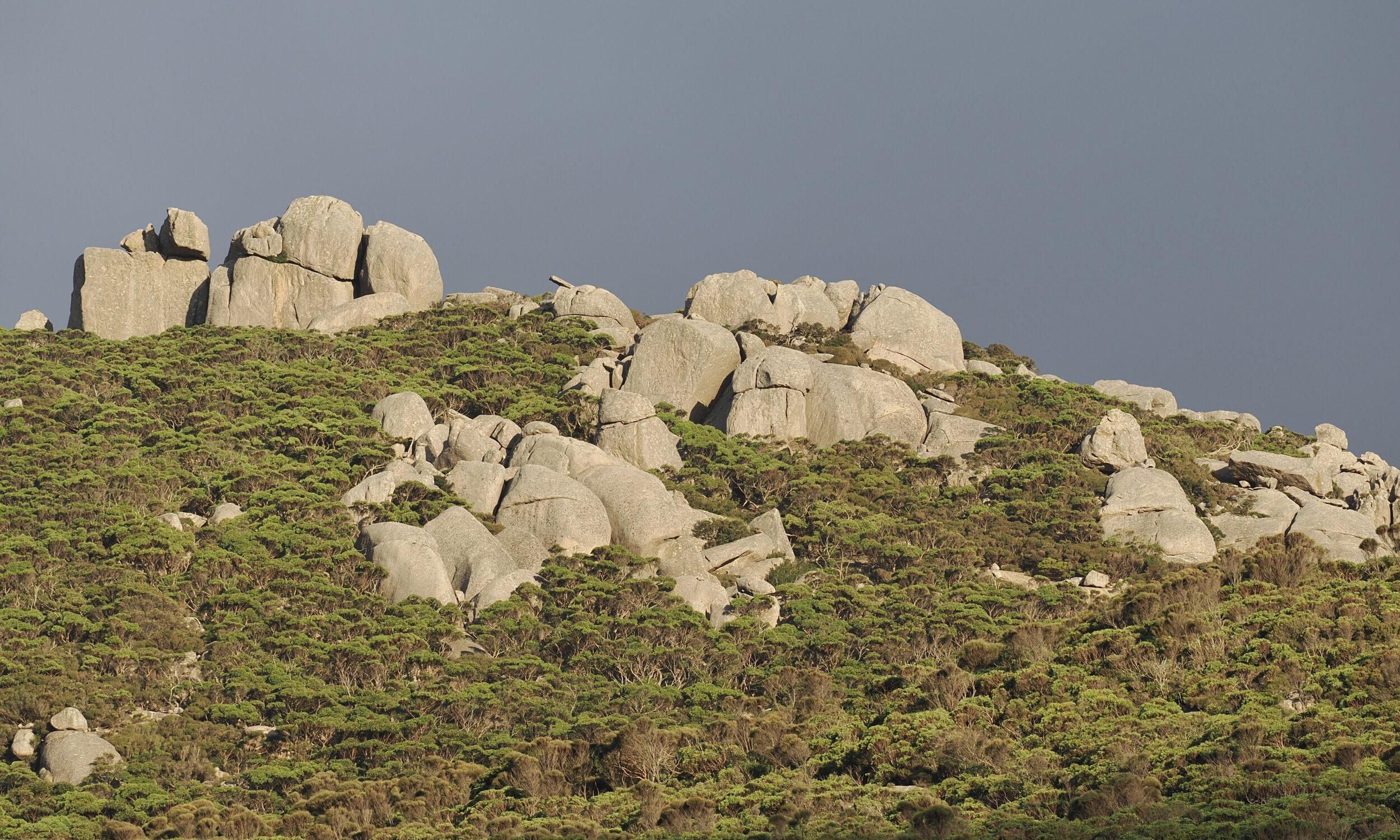
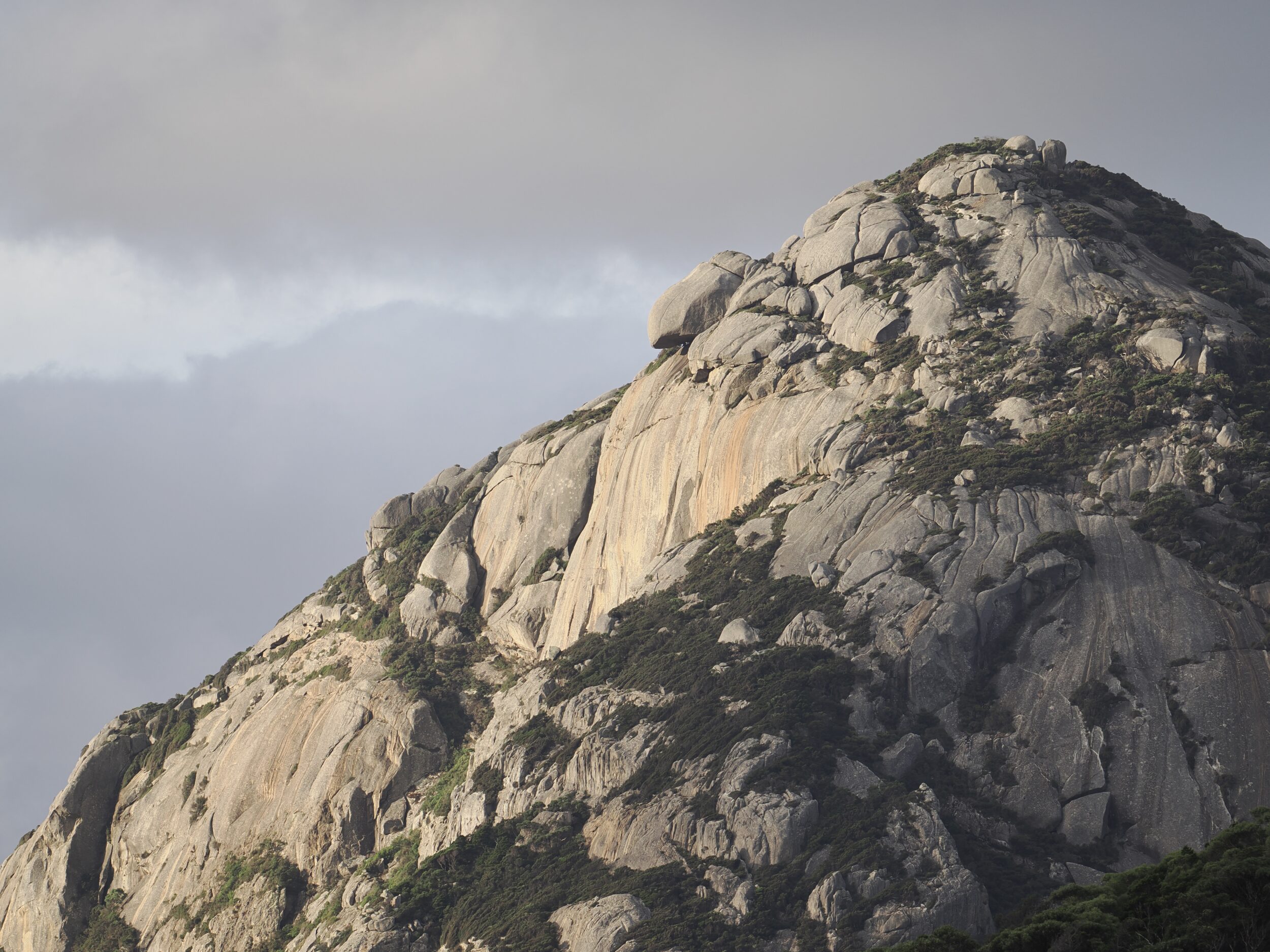
Flinders Island, March ‘25 (#12 in series: aglow/shaded)


The first three photos in this post were taken within a “window” of just one minute.

At 6.38 pm on 17 March 2025 the sun was low; it would soon “sink” into Bass Strait.

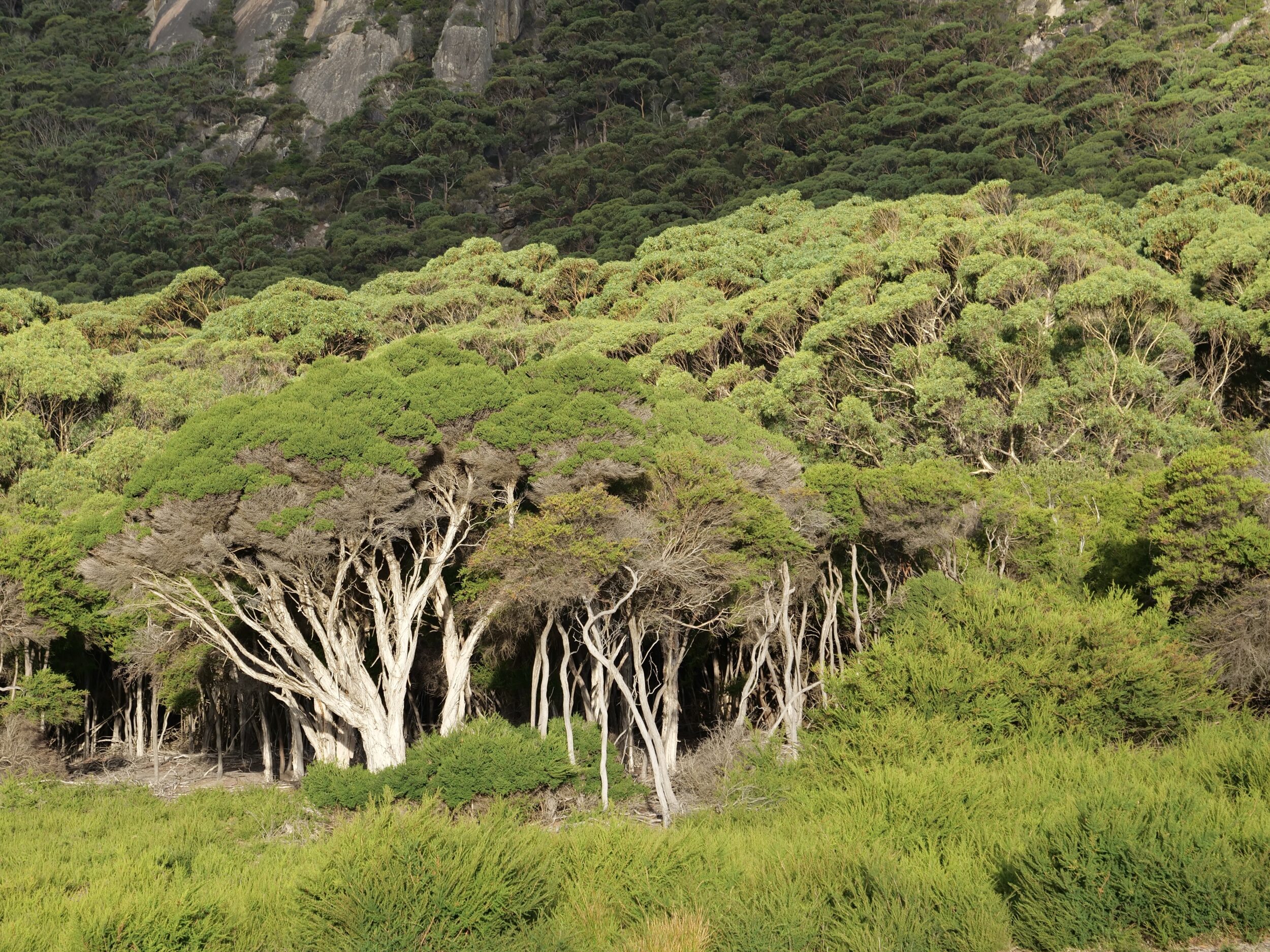
”Paradoxically” (not, in fact) this circumstance saw the west-facing, upper reaches of Strzelecki National Park bathed in “gold”, whilst their lower flanks were “greyed” by shade.

Comments closed

Flinders Island, March ‘25 (#10 in series: longer lenses, shifting light)


A recipe for quiet delight…

1: Be in a place with dramatic topography (ideally, clad with both forest and exposed rock faces and/or outcrops) and oft-changing weather.

2: Find a comfortable vantage point, with late afternoon sun behind you, dramatic topography in front, and a sky that is neither cloudless nor overcast.  Ideally, bring camera/s and/or binoculars.

3: Watch closely, as clouds form, dance, dissolve, whilst the sunlight becomes progressively lovelier as its daily “disappearance” draws closer.

A “static” landscape – even a “stolid”  one – becomes deliciously dynamic when “golden hour” sunlight and shadows move across it.

(The southwestern corner of Flinders Island is an ideal location)

Comments closed

Flinders Island, March ‘25 (#9 in series: two wallabies)


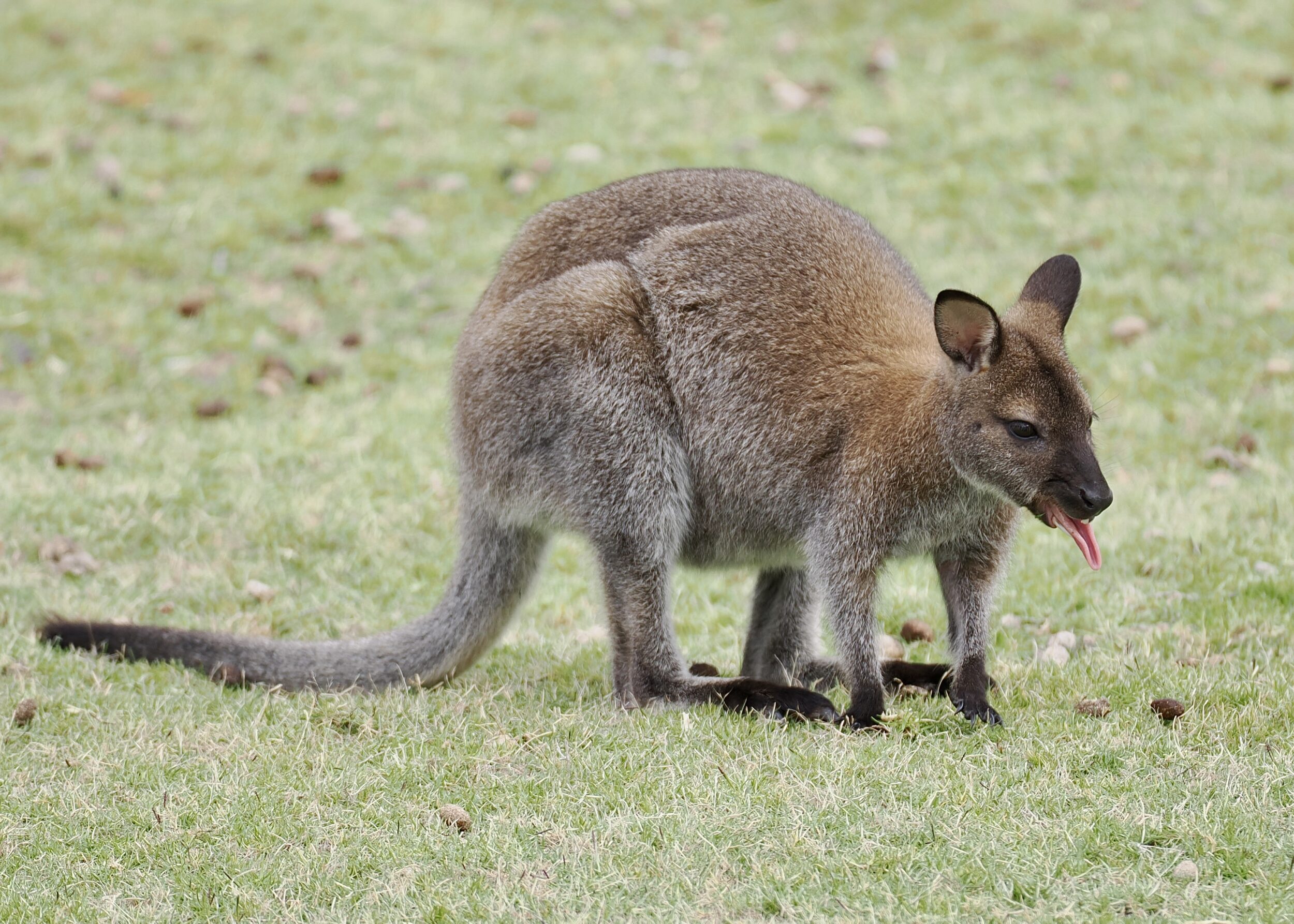
Some animals’ tongues are much longer than most humans imagine!

In the late afternoon & early evening of 17 May 2025 many Bennett’s wallabies were grazing the grassy grounds of Mountain Seas Lodge.

They are a mostly-solitary species – a marked contrast to the highly-sociable ‘roos that have brightened so many of my days, across seven decades.

These Bennett’s wallabies were large in number, but definitely not a “herd”, nor an “extended family”.

The pictured individuals, like most of their fellows, were “solo diners”.

Comments closed

Flinders Island, March ‘25 (#8 in series: room with a view)


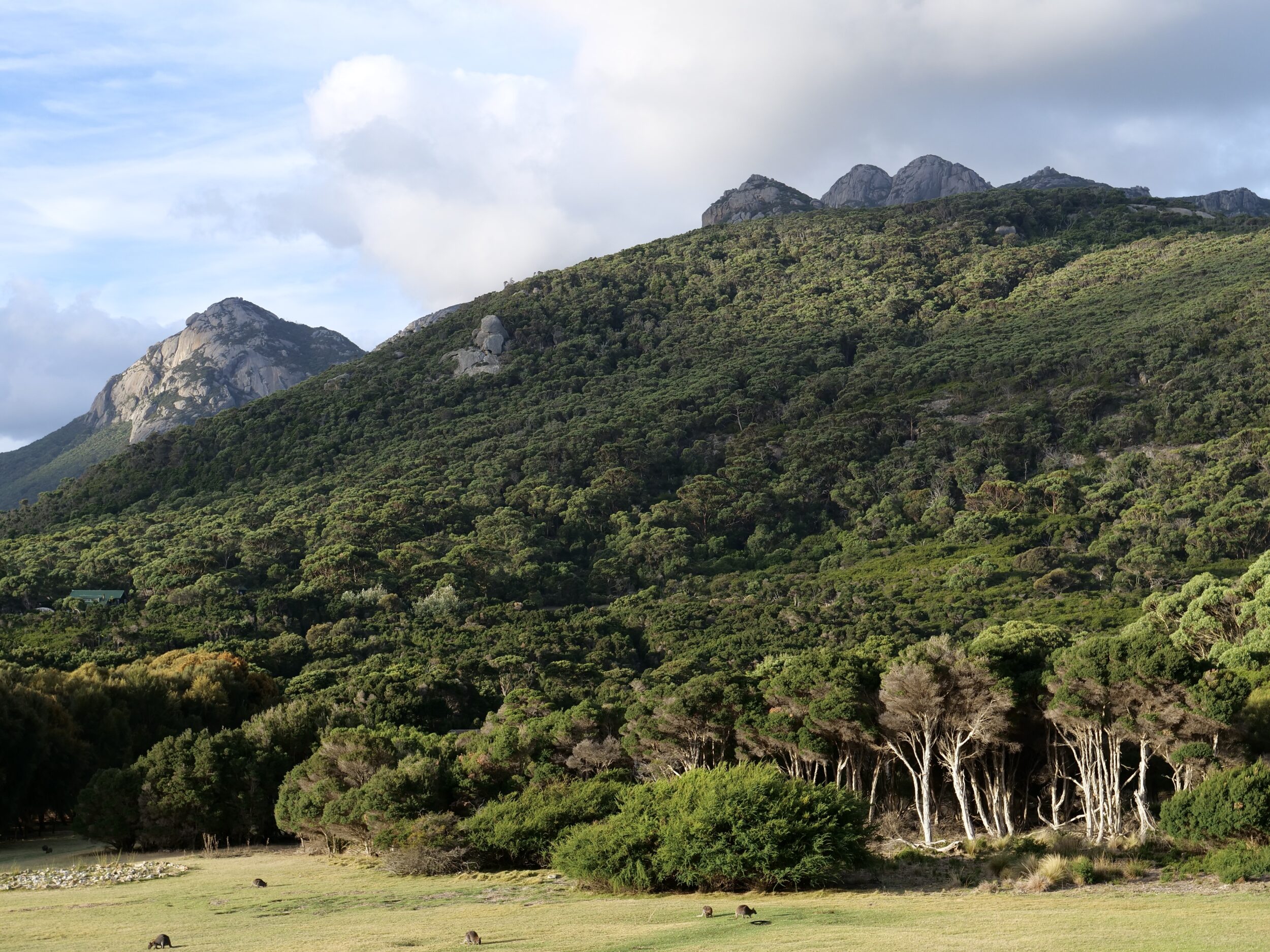
Come late afternoon on 17 March 2025, we were comfortably ensconced in an upstairs room.

Ever-growing numbers of wallabies were emerging from the wooded, lower slopes of the “roof” of Flinders Island, in order to graze the immediate surrounds of Mountain Seas Lodge.

Comments closed

Flinders Island, March ‘25 (#7 in series: uncleared, no cattle)


Strzelecki National Park’s signature features are its glorious, unspoilt beaches and the hills  that tower above them.

Generally, the hills have well-wooded lower slopes, which eventually yield to quasi-naked granite.

The above photo was taken just a few minutes after I and the previous post’s star had been mutually-surprised, but unalarmed…just a few wallaby-hops distant from this post’s vantage point.

Comments closed

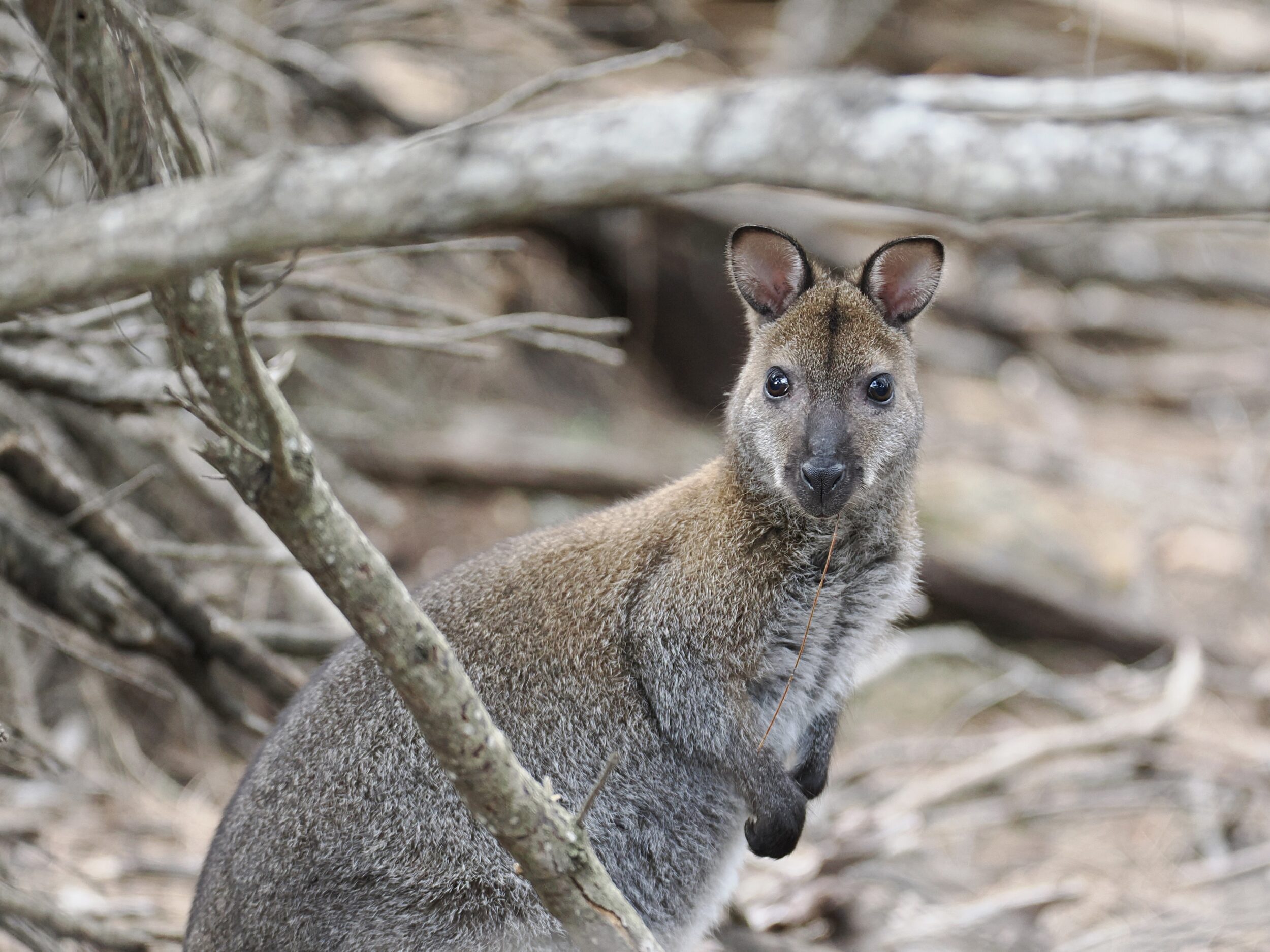
Flinders Island, March ‘25 (#6 in series: Bennett’s Wallaby)


20 minutes after the wedgetail “fly-by” (see #5 in this series), I enjoyed a much more intimate, ground-level, animal encounter.

Pictured is Notamacropus rufogriseus – a species which is particularly abundant in Tasmania, but is also common through much of eastern Australia’s coastal scrub and sclerophyll forests.

In Tasmania it is generally known as “Bennett’s wallaby”; in mainland Australia the more common name is “red-necked wallaby”; some humans regard the Tasmanians and the mainlanders as two distinct subspecies.

Doubtless, some would say the same of the two relevant human populations!

Comments closed

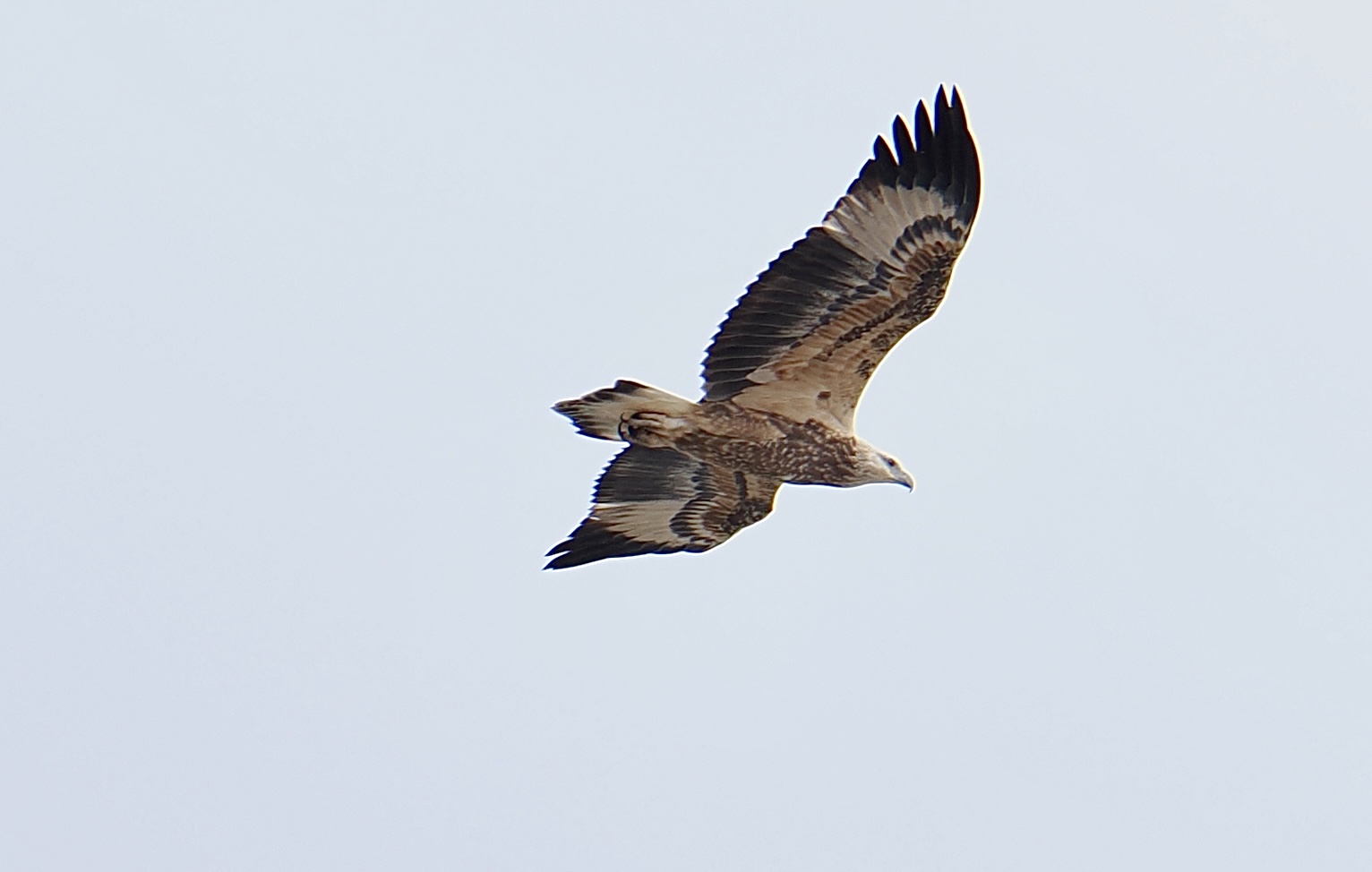
Flinders Island, March ‘25 (#5 in series: wedge-tail)


Just a few minutes after I’d photographed the Strzelecki peaks’ seaward-facing side, I noticed a large raptor, gliding above the nearby beach.

It was soon obvious that s/he was a wedge-tailed eagle – Australia’s largest raptor, and one of the world’s bigger eagles.

Comments closed

Word Power: “ Above all, the Liberals would do well to lose the sneer” + pertinent musical bonus.


The headline above is the key sentence in an essay published on 04 May 2025.

That essay’s headline: Are the Liberals in danger of becoming the Kodak of Australian politics?

Yesterday’s Pelican Yoga post included its most telling paragraph.

It is a direct quotation from a speech delivered in 1946 by a young, multiply-wounded ex-RAAF pilot;  in 1949 he became a Liberal senator.

In 1968 he – John Gorton – became Prime Minister.

As the essay’s author observes:

His vision was generous, compassionate and cosmopolitan: of an Australia and a wider world “in which meanness and poverty, tyranny and hate, have no existence.”

Comments closed