Skip to content →

Category: nature and travel

Looking Down (#5 in series: Kaikoura “2” – looking south to town & peninsula)

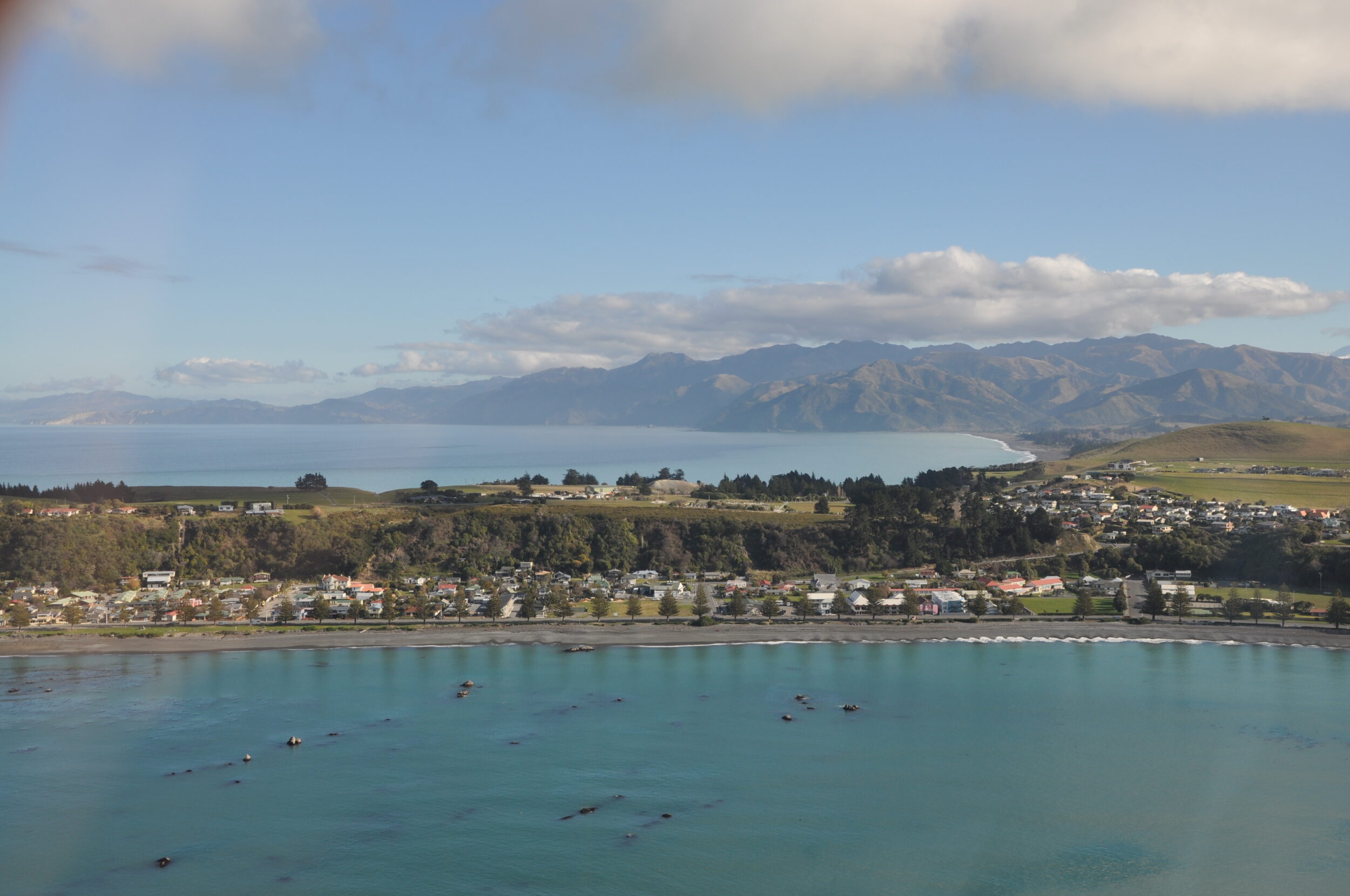
The featured image was taken from a modest altitude, as “our” helicopter was returning to its base, not far from Kaikoura township.

My photo shows the less spectacular (landward) end of Kaikoura Peninsula and town, the bay on the far (southern) side, and the hills (Australians would call them “mountains”) behind it.

Inland from town and peninsula, the northern side of the local terrain is very much more spectacular, especially in winter and spring.

Leave a Comment
Looking Down (#4 in series: Kaikoura “1” – terraces)


Kaikoura is the name of a peninsula, the town thereon, two spectacular mountain ranges, and a hugely “productive”, very deep marine canyon.

The aforementioned all sit within the compact region of the same name, on/off the east coast of New Zealand’s South Island; “kaikoura’ is a Māori term which means “to eat crayfish/”.

(the local  “crayfish”/lobsters are excellent, albeit pricey, and they are “in season” year-round)

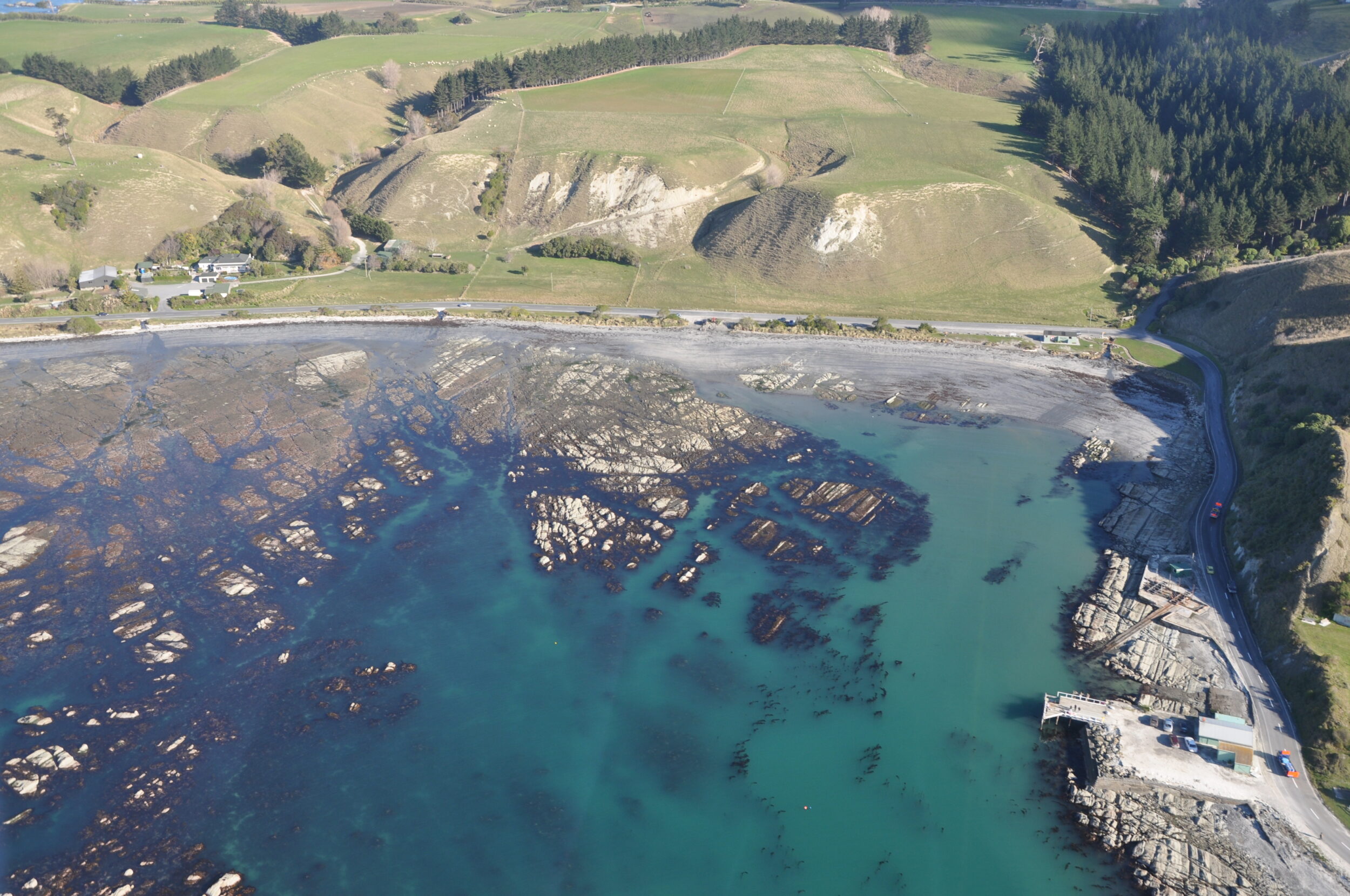
The Kaikoura Peninsula protrudes five kilometres into the Pacific Ocean, and is noted for the remains of Māori forts, atop…and for the “terraces” in (and rising out of) the adjacent waters, below.

A helicopter provided the vantage point, on 14 July, 2010.

Leave a Comment

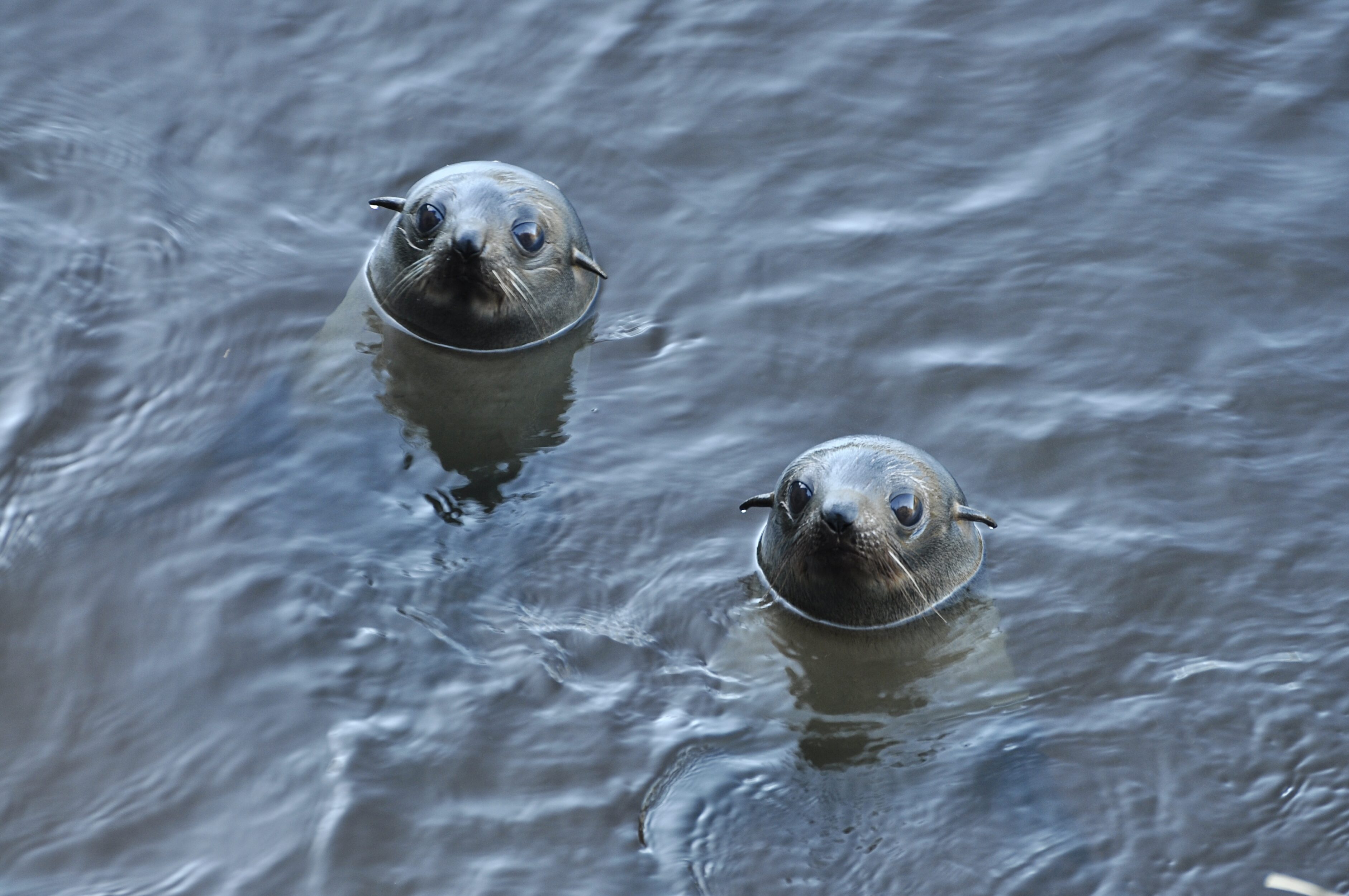
Looking Down (#3 in series: …whilst they looked up)


“They” were seal pups, in a tidal creek near a beach on which surprisingly few humans have walked, but which is “familiar” to millions – perhaps, billions – of human eyes.

The species Arctocephalus forsteri has many “common” names. “Long-nosed fur seal” is now the “preferred” one. (“New Zealand fur seal” is a misnomer. It calls Australia “home”, too)

The pups were typically curious, confident and playful.

However, as they looked up to the humans who were looking down, the pups bore a surprising resemblance to older members of Homo sapiens!

Leave a Comment

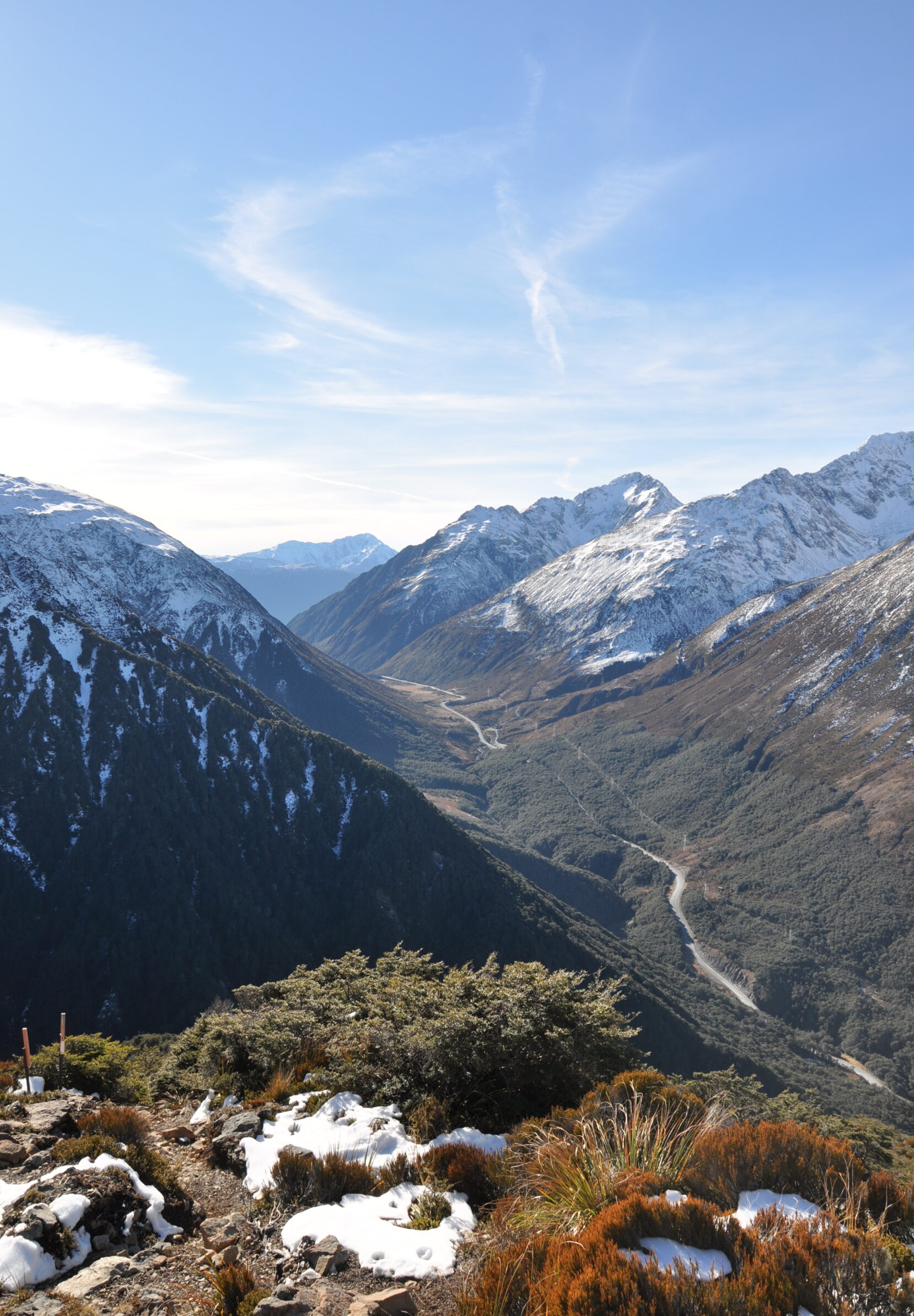
Looking Down (#2 in series: Arthurs Pass, New Zealand)


A suggestion to anyone lucky enough to be standing – with camera in hand – atop a suitably elevated vantage point, contemplating an “epic” alpine landscape:

don’t forget to remember that your “grand panorama” photo may well benefit enormously from it including what is immediately in front of your feet!

One Comment

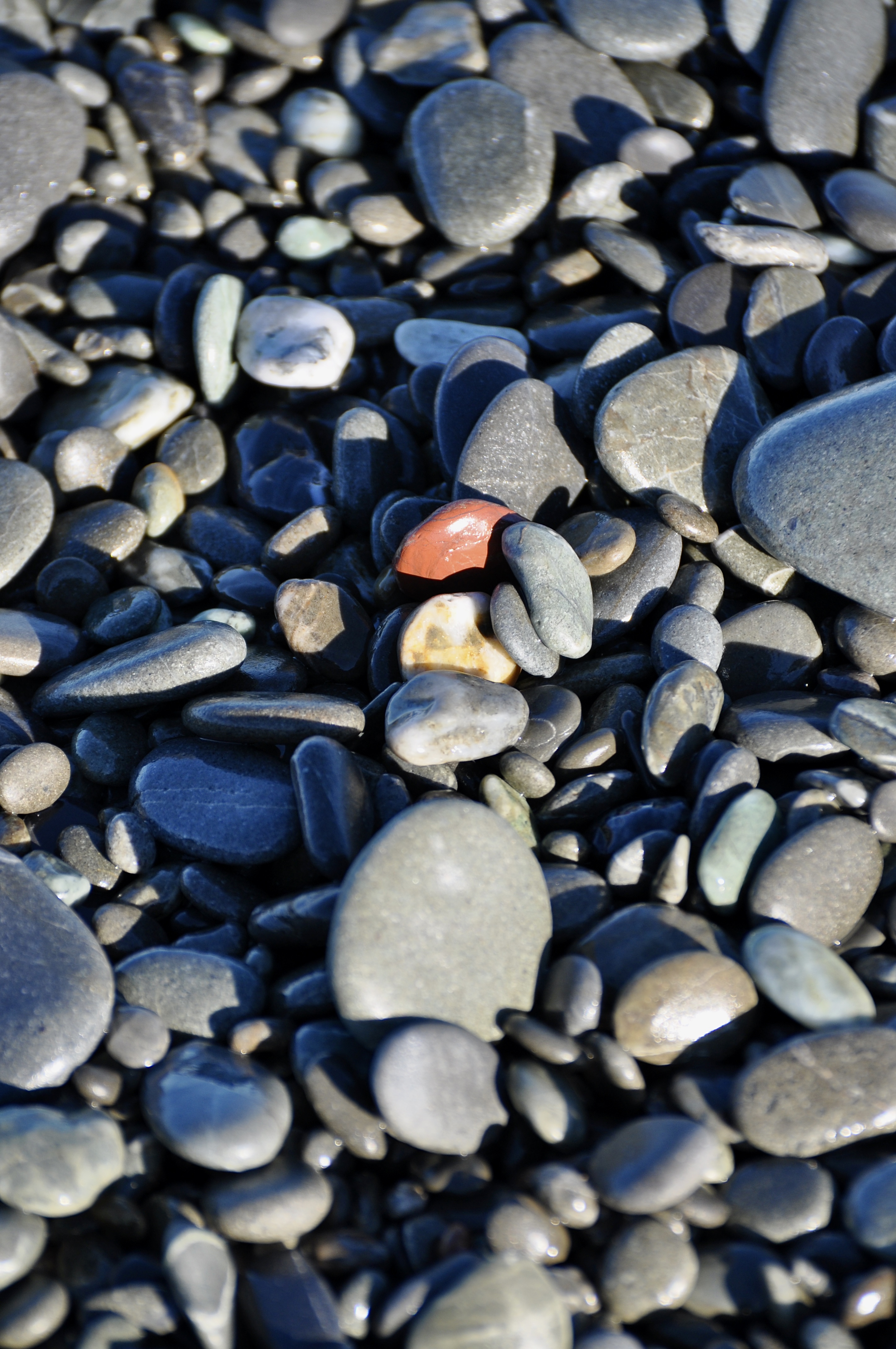
Looking Down (#1 in series: Birdlings Flat’s pebble beach)


Australians take great pride in our nation’s many sandy beaches – oft fair in colour, lovely to look at, and a pleasure to walk on.

Metaphorically, we look down our noses at other lands’ generally darker strands, most especially if they are pebbled or rocky.

However, when standing on a pebbly beach, if one literally looks down, chances are that the scene at one’s feet is beautiful.

When looked at, one square metre at a time, it will almost certainly prove much more visually interesting than any square metre of golden or snow-white sand.

This series opens with its oldest photo, taken in July 2010 on a very “high energy” beach on the east coast of New Zealand’s South Island.

One Comment

Morocco & Andalucia: “characteristic” (final in series: El Gordo)


Q: what was the most surprising item we saw when we visited the Alhambra?

A: the lottery ticket pictured above…complete with an image of the Virgin Mary!

It was proudly displayed in a shop window…but that shop did not sell lottery tickets.

(presumably, this “fractional” ticket belonged to someone who worked at the Alhambra)

On a per capita basis, Australians are the world’s biggest gamblers/ losers.

Spain, however, has the world’s biggest, longest-running and most generous lottery.

Leave a Comment

Seasonal Greetings, with appropriate “decorations”


Pelican Yoga
wishes you all a happy and safe festive season.

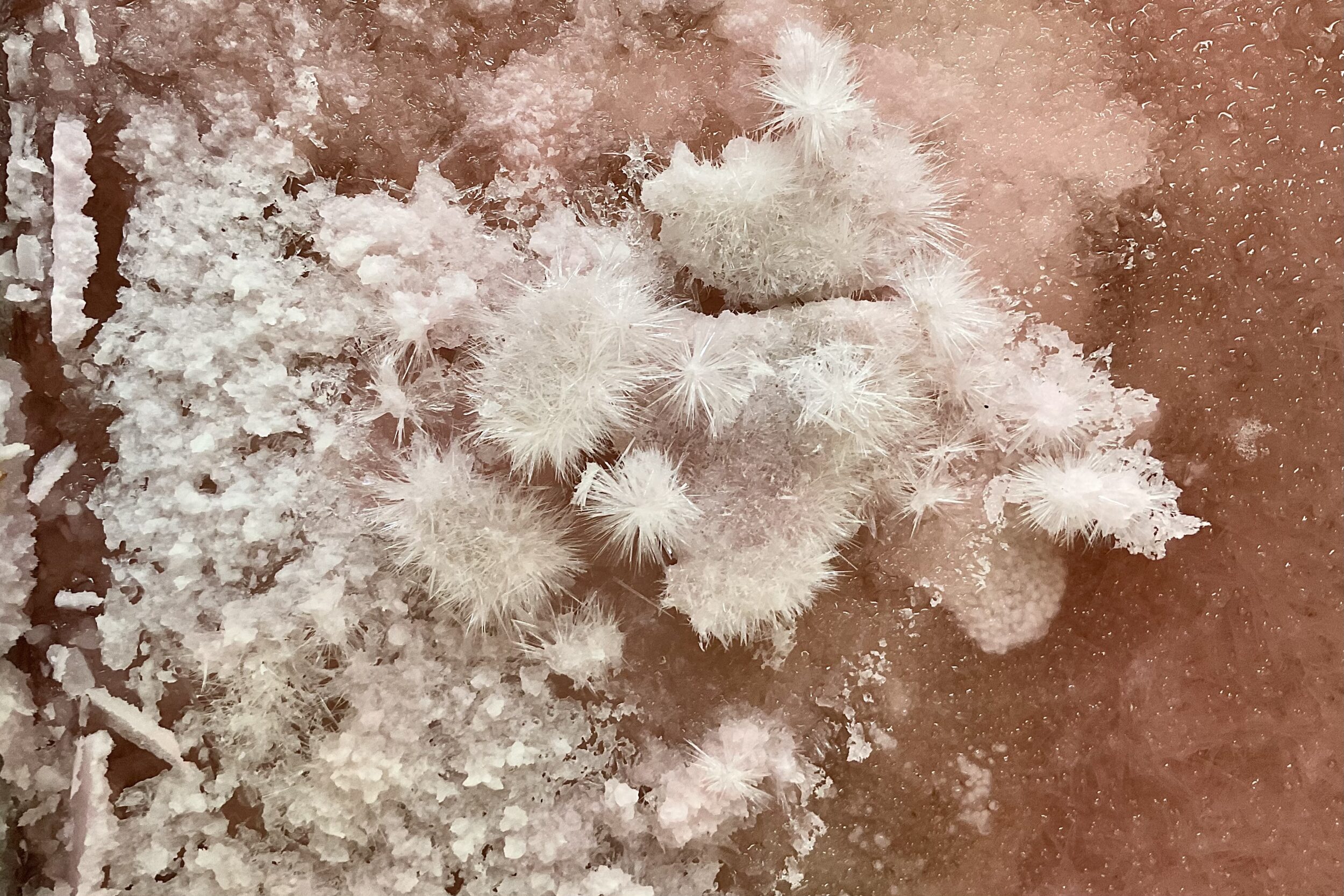
You may imagine that the pictured “decorations” involve snow and ice, either directly or as inspiration source, and that they express nostalgia for – or romantic notions about – the “properly Christmassy” Decembers of Santa’s homeland, deep in the northern hemisphere.

If so, you would be wrong on all counts!

Comments closed

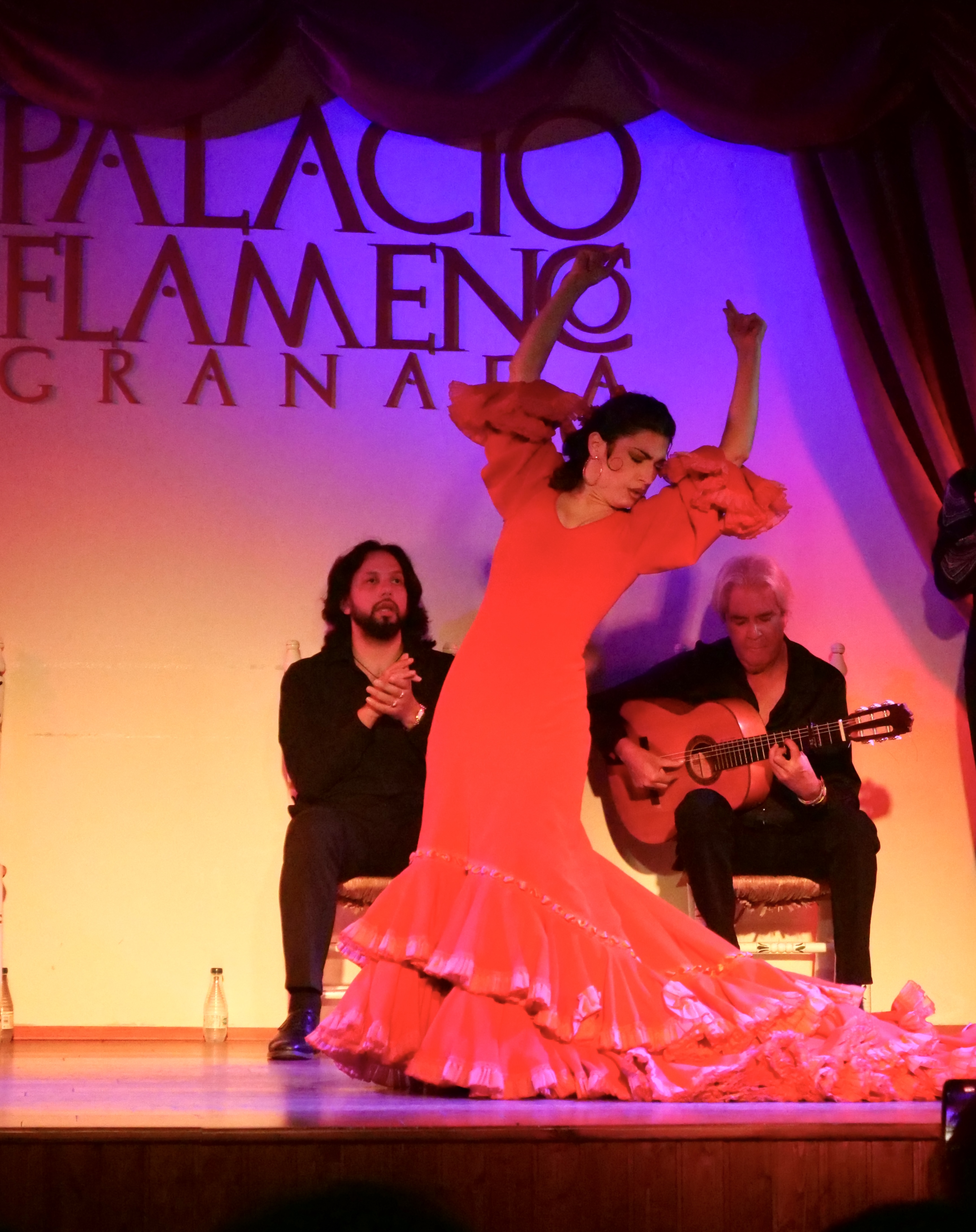
Morocco & Andalucia: “characteristic” (#17 in series: flamenco..with musical bonus)


In 2010 UNESCO inscribed flamenco on its “Representative List of the Intangible Cultural Heritage of Humanity”:

(Gnawa was added to that list in 2019)

A lot of mostly-awful, so-called “flamenco” is not remotely actual flamenco,

Outside Spain, most recordings marketed as flamenco are merely “flamenco”-flavoured pap; their makers & marketers know little about the real thing, and have no passion for it.

Virtuosic dancing, singing and playing (hands & feet are key instruments too – not just guitars), in-the-moment interplay, and improvisatory flair are equally key elements …as is duende.

Without duende  – an “untranslatable” word that denotes an abundance of intent/spirit/heart/presence-in-the-moment – flamenco has no raison d’être.

It is no small miracle that genuine flamenco continues to thrive in its “cradle”: Andalucia.

Comments closed

Morocco & Andalucia: “characteristic” (#16 in series: Gnawa)


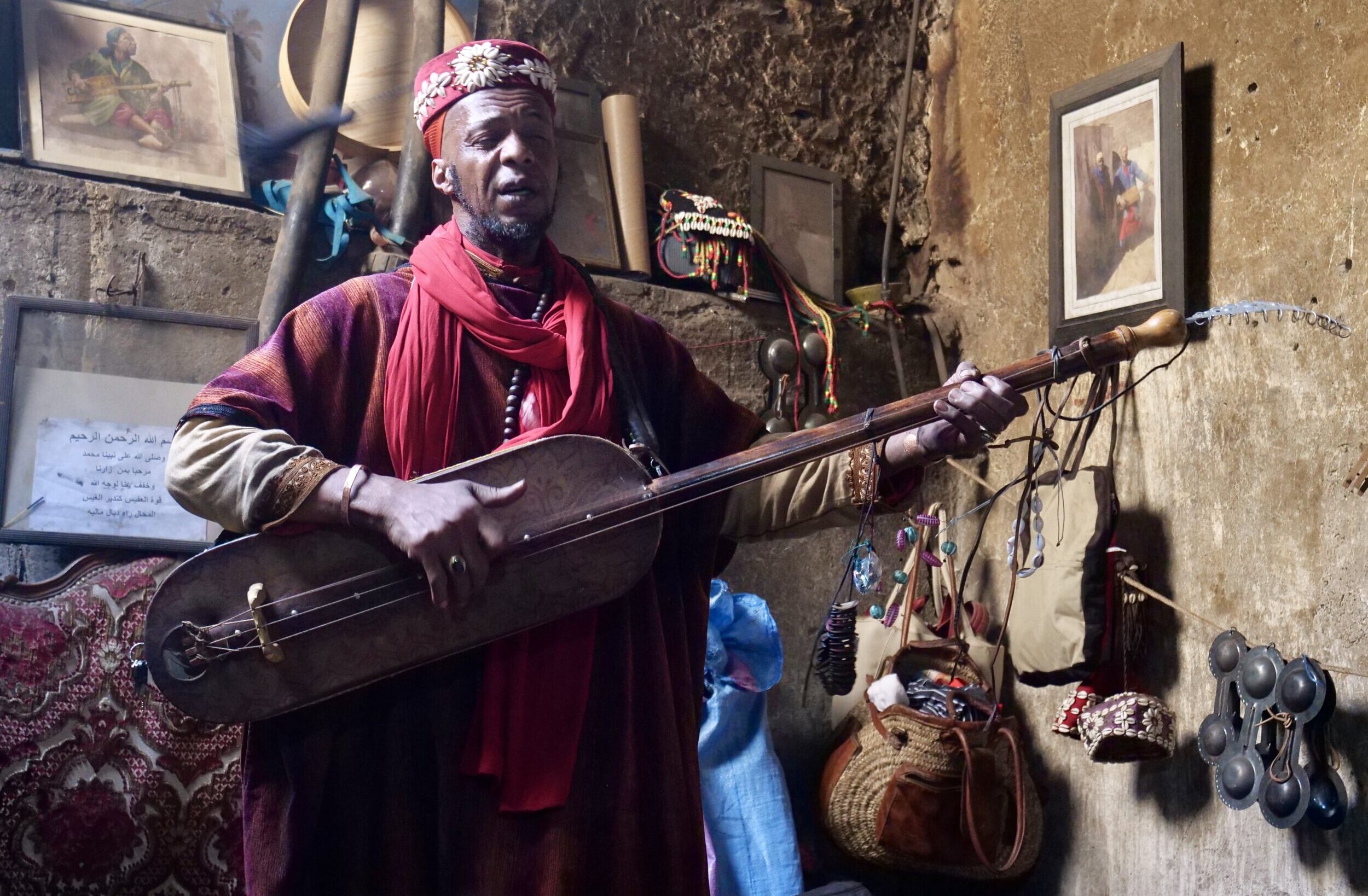
“Gnawa” is the most common of various transliterations into English.

The word refers to a so-called “ethnic group” (albeit one whose members’ ethnicity is not in fact singular), a member thereof, the Sufi brotherhood to which many Gnawa men belong, and – most especially – to a musical genre which is distinctive, mesmeric and usually (simultaneously) both “devotional” and “funky”.

As “Flamenco” is to the global perception of Spanish music, “Gnawa” is to how the world perceives Morocco’s: “emblematic”.

For many foreigners, flamenco is the only Spanish musical form that rings a “bell”.

Most foreigners cannot name any Moroccan genre; if they can, chances are it will be Gnawa music.

In each case, the genre’s emblematic national status is highly paradoxical.

Comments closed

Morocco & Andalucia: “characteristic”: #15 in series: ornamentation “2”)


The Alhambra in Granada is one of the world’s man-made wonders.

Spain’s #1 tourist attraction is usually described as a “fortress and palace complex”.

Its structures span several centuries, and both “Moorish” and “Christian” Spain.

At its peak, in the 14th century CE – prior to late 15th century “Christian” Spain’s Reconquista – the Alhambra was a very sophisticated hilltop city in its own right, distinct from Granada-proper.

The Nasrid Palaces are the most glorious legacy of that period.

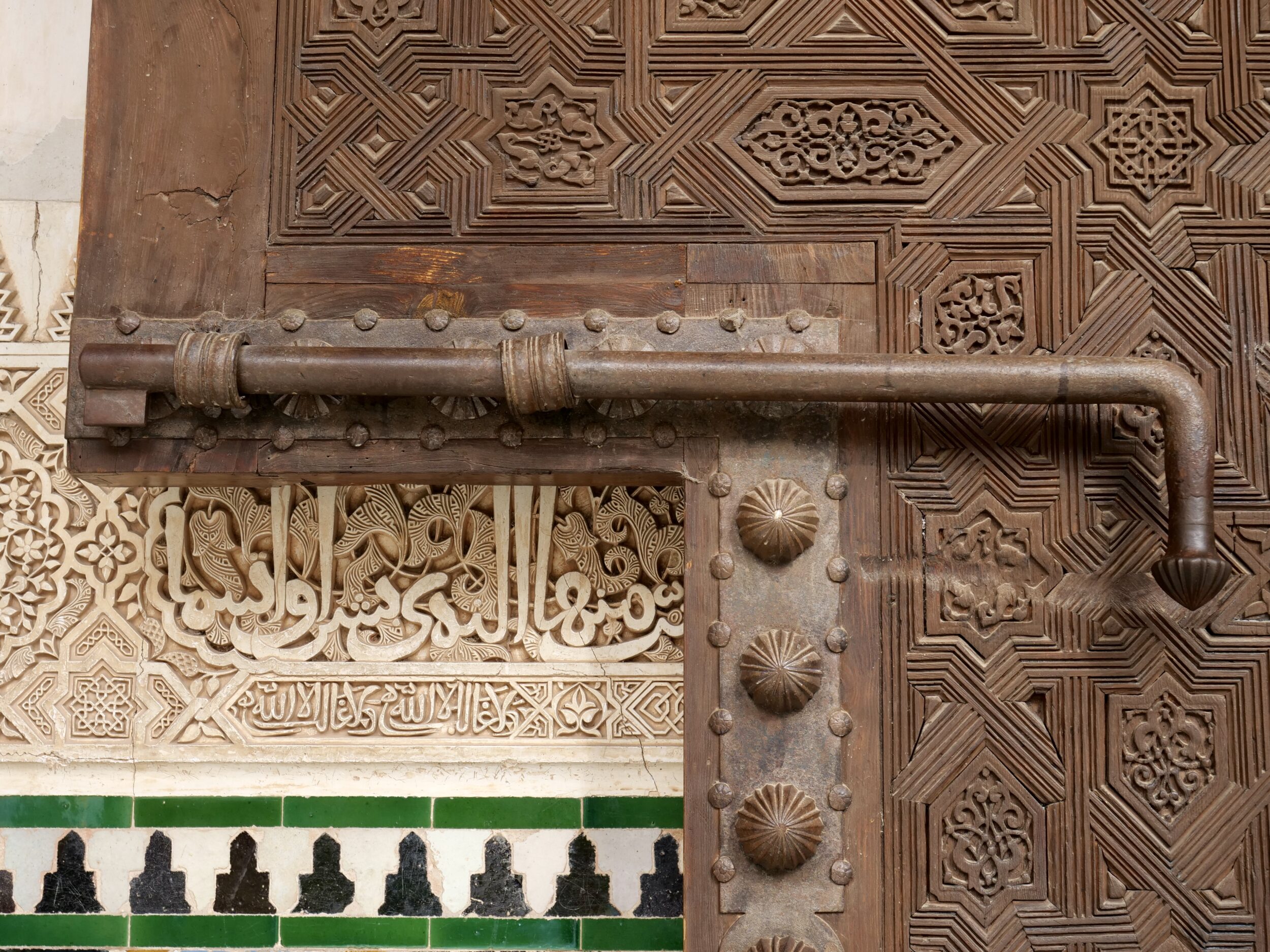
Collectively, their interior spaces (including walls and ceilings) are very probably “our”  planet’s most exquisite.

Almost every inch therein rewards close attention.

Comments closed