Skip to content →

Category: nature and travel

Quirky moments (#16 in series: big numbers/small numbers)


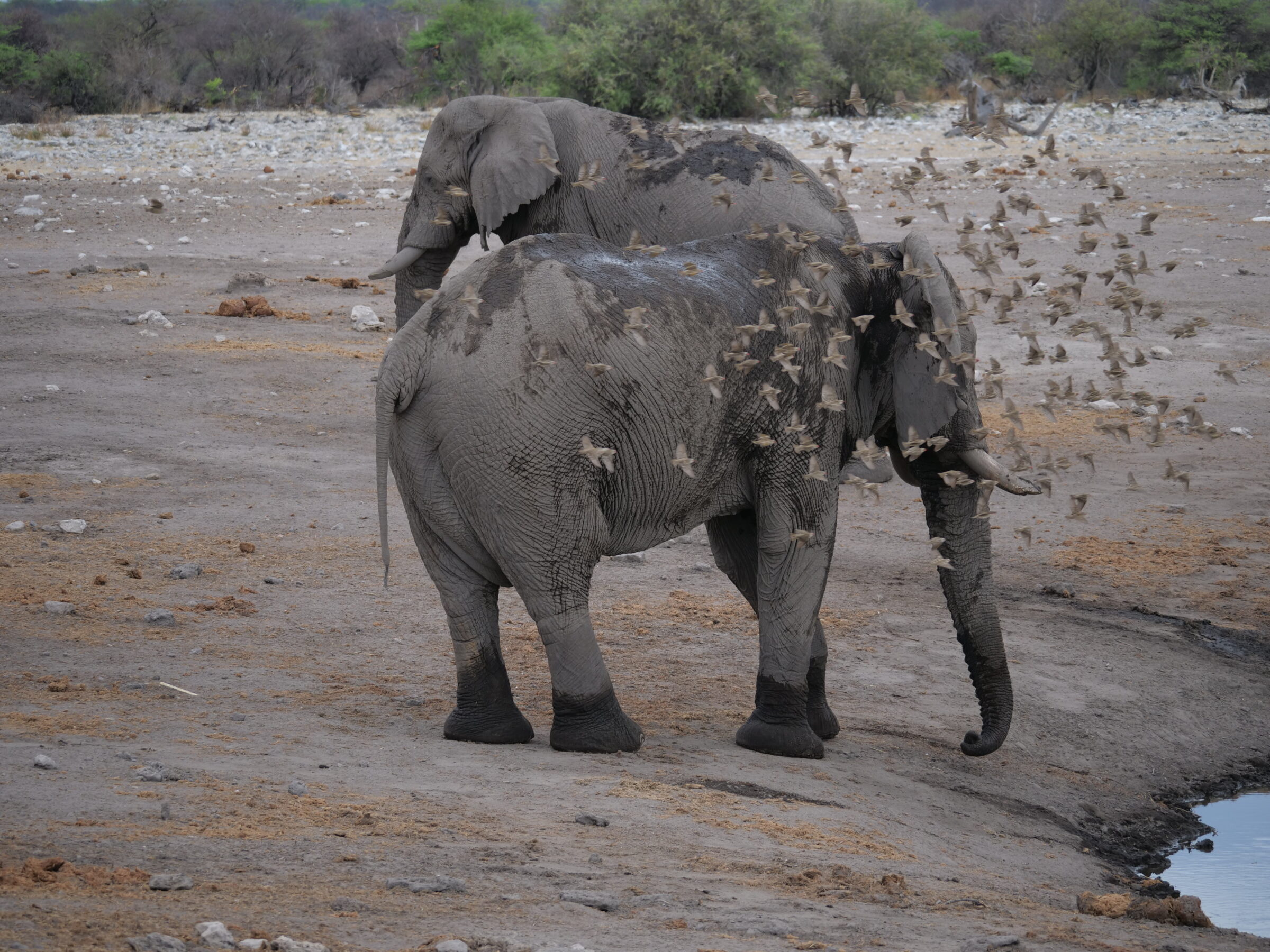
This post’s featured image was taken beside a waterhole in Etosha National Park in northern Namibia.

Visible are two members of one species, and more than hundred of another.

A mature African elephant is currently “our” planet’s most massive terrestrial animal.

Imagine this:

On one side of a colossal pair of scales you place one of the pictured elephants.

In order to balance those scales you would then need at least forty thousand of the pictured birds…and if a substantial flock of red queleas was present, forty thousand would not be an unusually high number!

Comments closed

Quirky moments (#15 in series: mammalian avatar, with musical bonus)


If you are a Pelican Yoga regular, you have already seen Barbara Cartland’s and Barbie’s avian avatars. (in #10 of the “quirky moments” series)

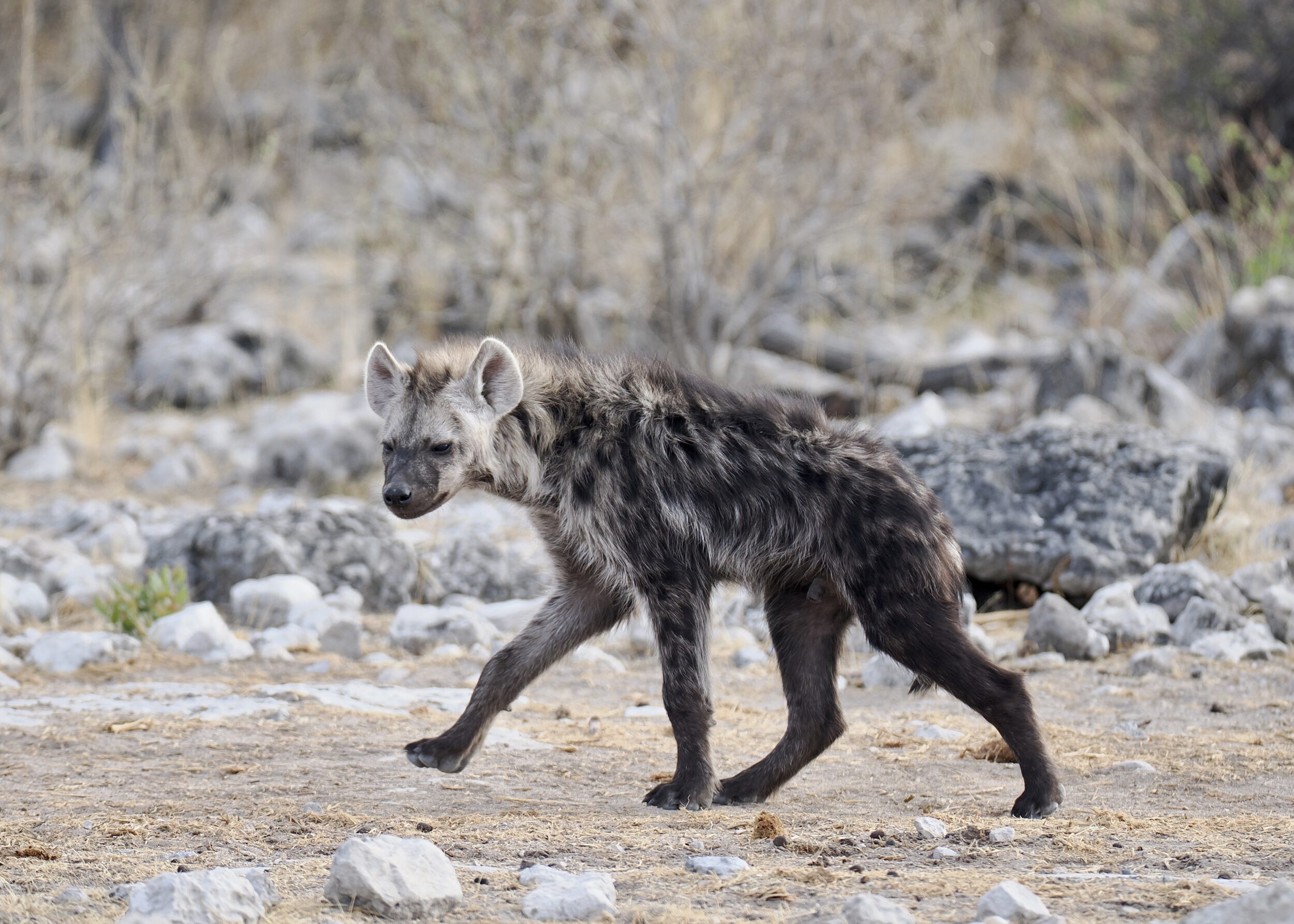
This post’s “punkish” cub is a member of Africa’s most oft-misrepresented mammal species.

His kind are very much smarter and much more “social” than most humans realise.

Contrary to common human belief, spotted hyenas are primarily predators rather than scavengers.

Lions are much more likely to “steal” from hyenas than vice versa, and spotted hyenas are much the more efficient hunters.

Over the last several thousand years hyenas have had rotten “press”, but they are not rotters.

Nonetheless, the young hero of this post’s appearance and demeanour were decidedly “Rottenesque”.

Comments closed

Quirky moments (#14 in series: asymmetric oryx)


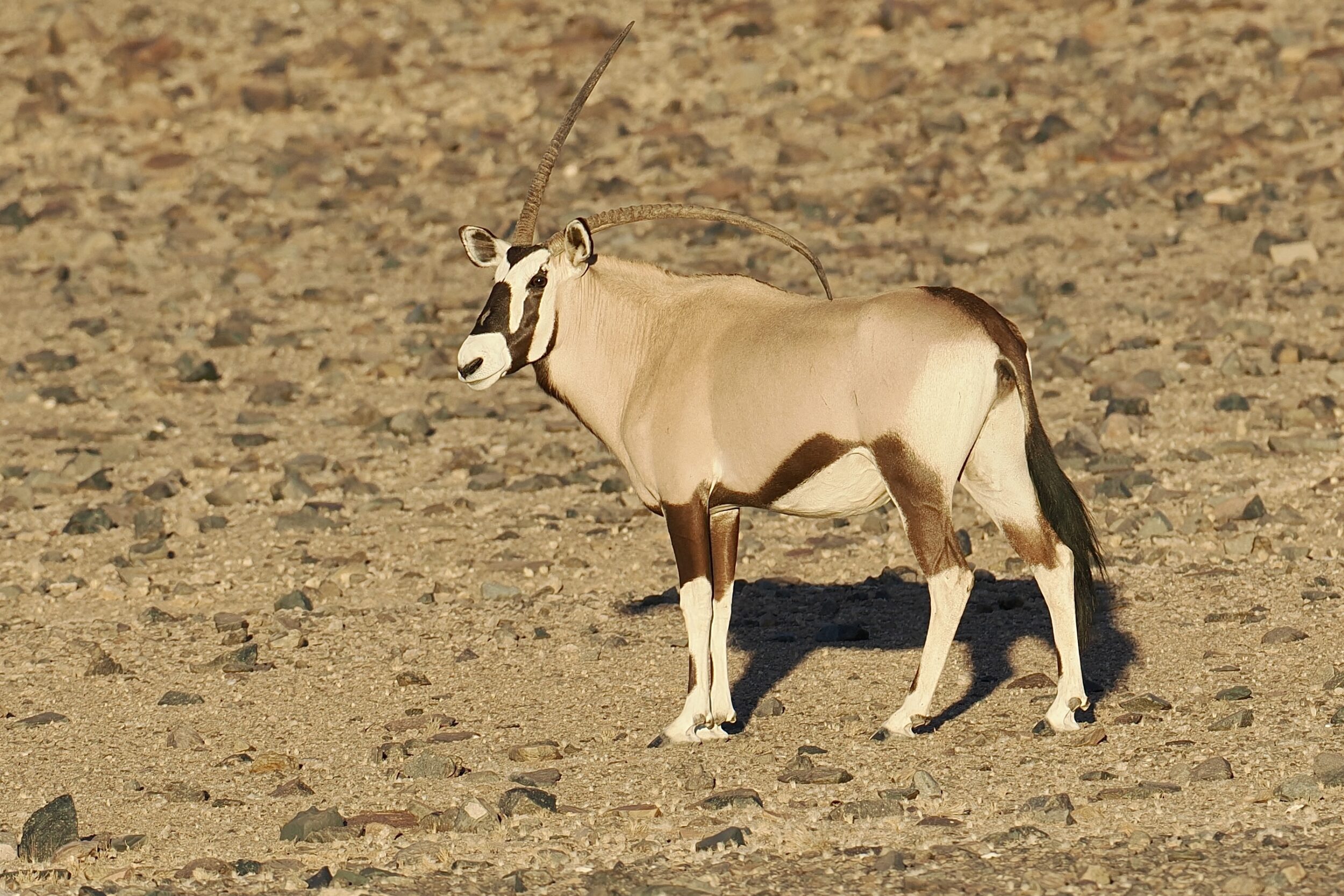
The gemsbok – Oryx gazella – is the largest of four oryx species.

This superbly-adapted desert specialist is Namibia’s suitably majestic, emblematic mammal.

Gemsbok are also found in neighbouring southern African nations, and are sometimes known as “South African oryx” or “African oryx”.

They have striking, long, spear-like horns.

Atop the head of each adult male and female, the pair of horns is usually an example of nigh-perfect symmetry.

Not so, here!

Q: could this deformity cause any serious problem for the pictured individual?

Comments closed

Quirky moments (#13 in series: tool-using Australian buzzard)


Until Charles Darwin observed finches at work in the Galapagos, many members of our own species had believed that tool-usage was a uniquely human ability/trait.

The known list of non-human tool-users is now enormous.

It includes many mammals (not only primates), birds, fish, cephalods, reptiles, and insects.

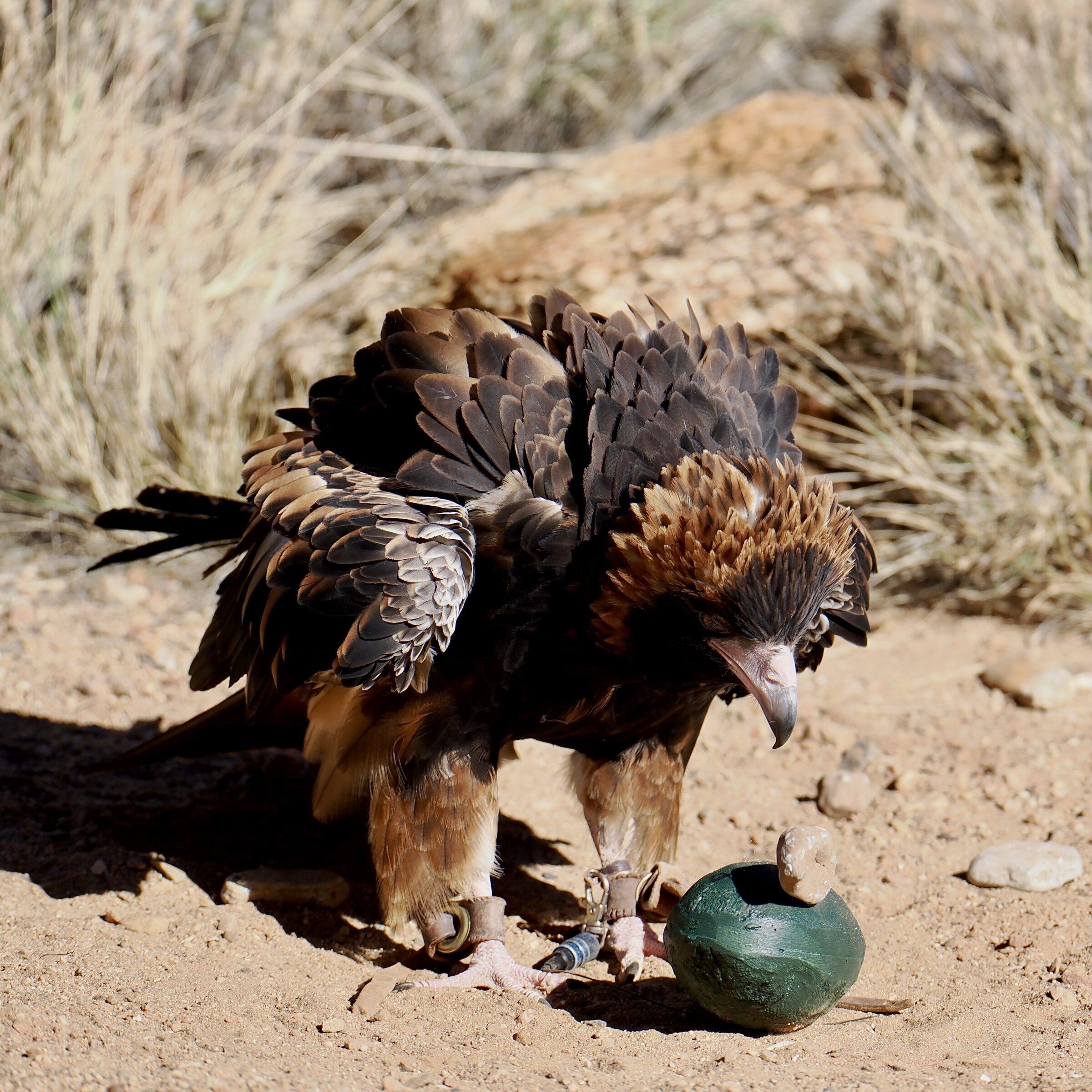
One of them is an Australian raptor which deploys rocks to crack emu eggs.

You may be surprised to know that the pictured individual did not learn the technique from his or her parents, nor did this captive bird’s human “keepers” train him or her to do it.

One Comment

Quirky moments (#12 in series: subcontinental signage)

The roadside billboard pictured above is in the foothills of the Nilgiri Hills.

It hopes to lure travellers into what is in fact merely yet another of the world’s millions of franchised purveyors of junk “food”, “soft” drinks, and lousy coffee.

What’s actually on offer is drearily “global”, but the billboard-hyperbole has an unmistakably Indian flavour.

Where else would a brand name even attempt to associate its burgers, pizzas, sandwiches and fizzy drinks with drug “trips” and rock music’s first “supergroup”?

Comments closed

Quirky moments (#11 in series: white-throated kingfisher, with musical bonus)


Members of the kingfisher family are typically very confident; these predatory birds are not much preyed-upon.

Fish are not invariably their primary prey, and not all kingfishers live near rivers or lakes.

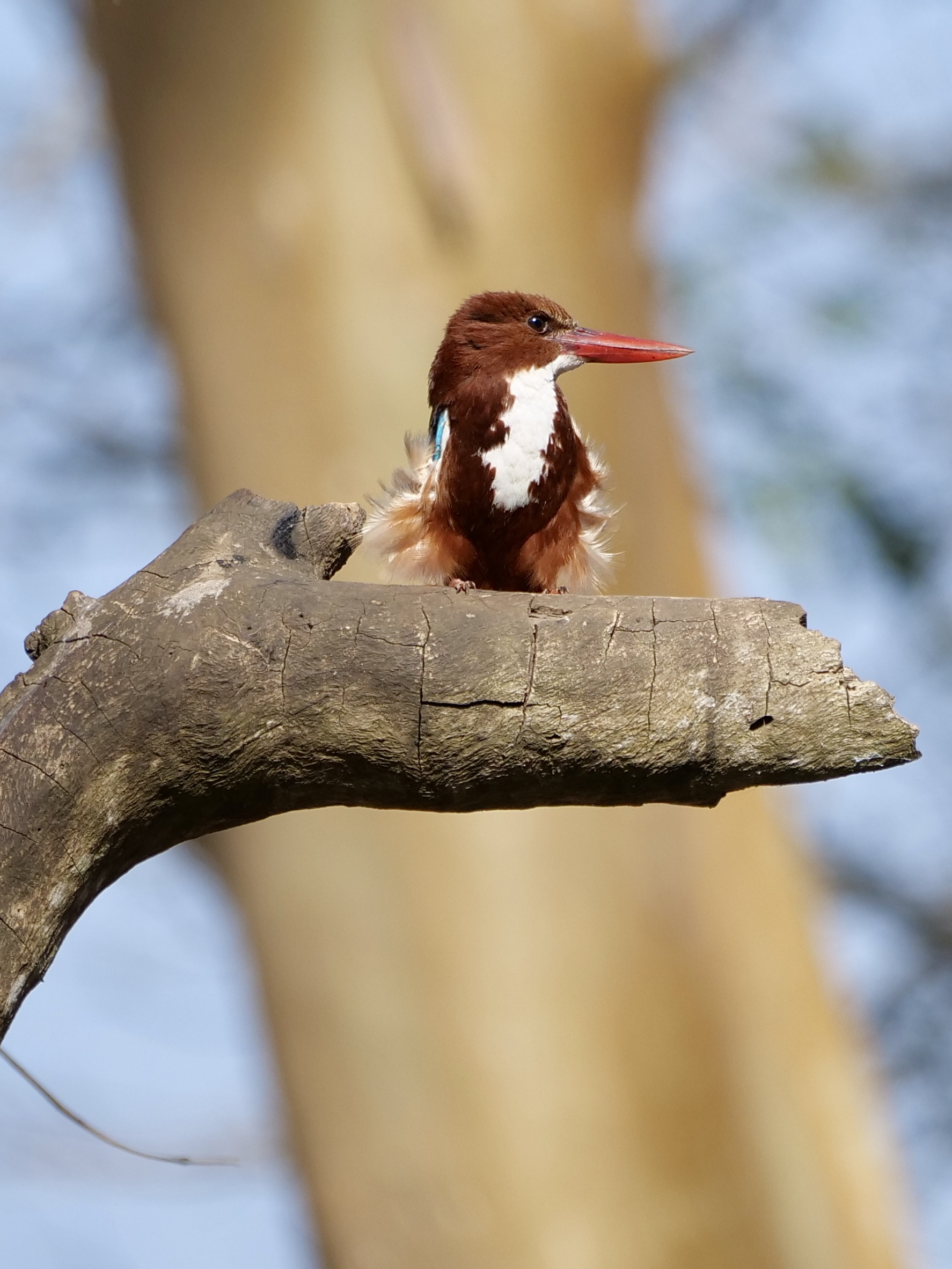
Pictured is the most ubiquitous of Asia’s kingfishers, Halcyon smyrnensis – the white-throated kingfisher.

By itself, this perky individual’s demeanour was almost enough to qualify it for inclusion in this series…

Comments closed

Quirky moments (#10 in series: avian avatars)


I dislike anthropomorphism, especially when it “cutesifies” animals that are not cute.

I wish we humans would learn to appreciate other animals in their own right, as themselves, rather than wilfully misreading their behaviours and facial expressions.

For instance, quokkas’ characteristic facial shapes/expressions do not in fact signify happiness.

That said, I am sometimes hugely amused by a particular animal’s fortuitous resemblance to a particular, famous/infamous human…or human-made humanoid.

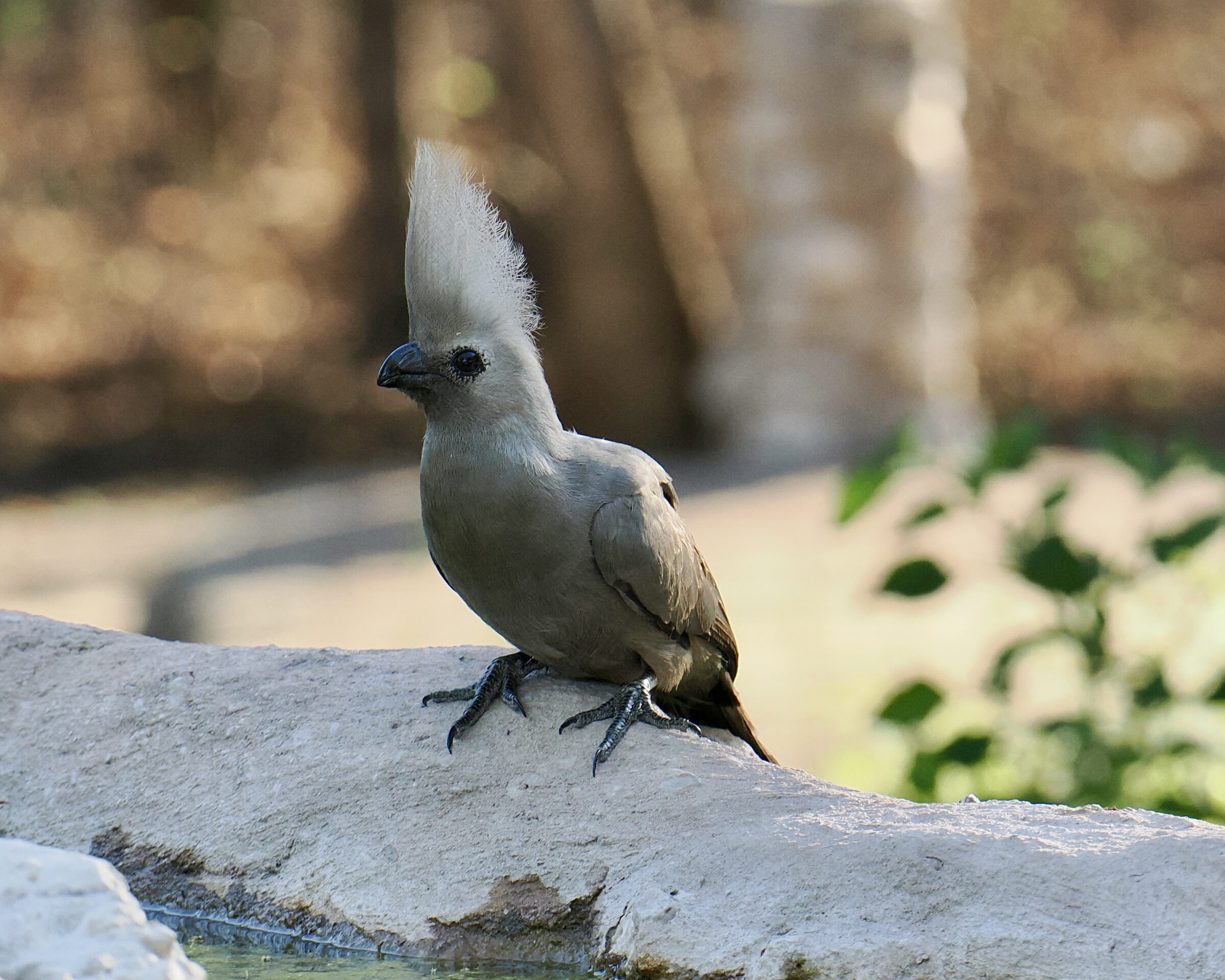
One crisp Namibian morning I saw and heard a very loud local bird; its common name refers to its alarm call.

Why would a “Go-away bird” remind me of England’s self styled “Queen of Romance Fiction”?

Comments closed

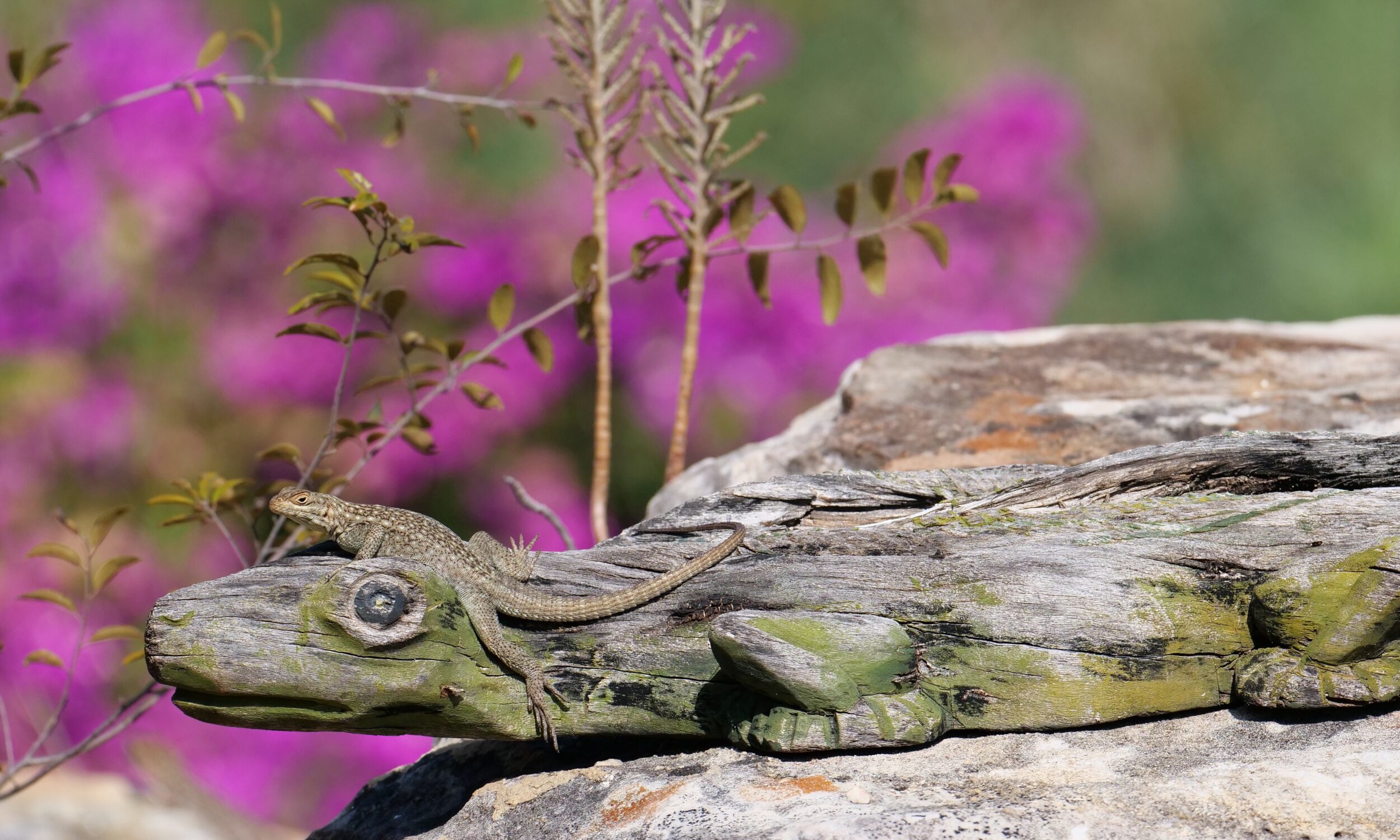
Quirky moments (#8 in series: Madagascan lizard atop Madagascan “lizard”, with musical bonus)


Presumably, the living lizard had no sense of the pictured circumstance’s synchronicity, let alone any awareness that a human passer-by might find it quirky or amusing.

Comments closed

Quirky moments (#7 in series: world’s most unnecessary signpost?)

As previously reported, I think that – within the so-called “First World”, at least – South Australia is the world leader in poor signage on roads and tracks.

Often, necessary signage is non-existent, or impossible to read until/unless one is within a metre or less of the ludicrously tiny and/or long-faded signpost.

Not uncommonly, signposts are entirely illegible.

Very often, signage is maddeningly inconsistent.

Picture yourself in rural or “outback” South Australia –  or even in a near-Adelaide place where you have dared to “get off the freeway”.

Your intended destination is bigger than Woop Woop but much smaller than Adelaide.

At the first relevant turn-off you are pleased to see a legible sign which points to “bigger than Woop Woop…”

However, none of the next six crossroads carry any legible signage whatsoever…or their legible signs make no mention of your destination.

What should/could have taken you 30 minutes and 40 kilometres, instead devours 70 minutes and 90 kilometres.

Another South Australian specialty is the placement of “No Through Road” signage only at the relevant road’s dead end.

Having traversed thousands of SA kilometres over 68 years, I had assumed that South Australia’s signs – and their oft-ludicrous absence – had long-since exhausted their ability to surprise me…

As I recently discovered, in a “remote” place, I had underestimated them!

The relevant sign was very well crafted, easy to see and read…and utterly superfluous.
One Comment