Skip to content →

Category: Western Australia

Spring 2025 in Perth (#17 in series: Hakea Victoria)


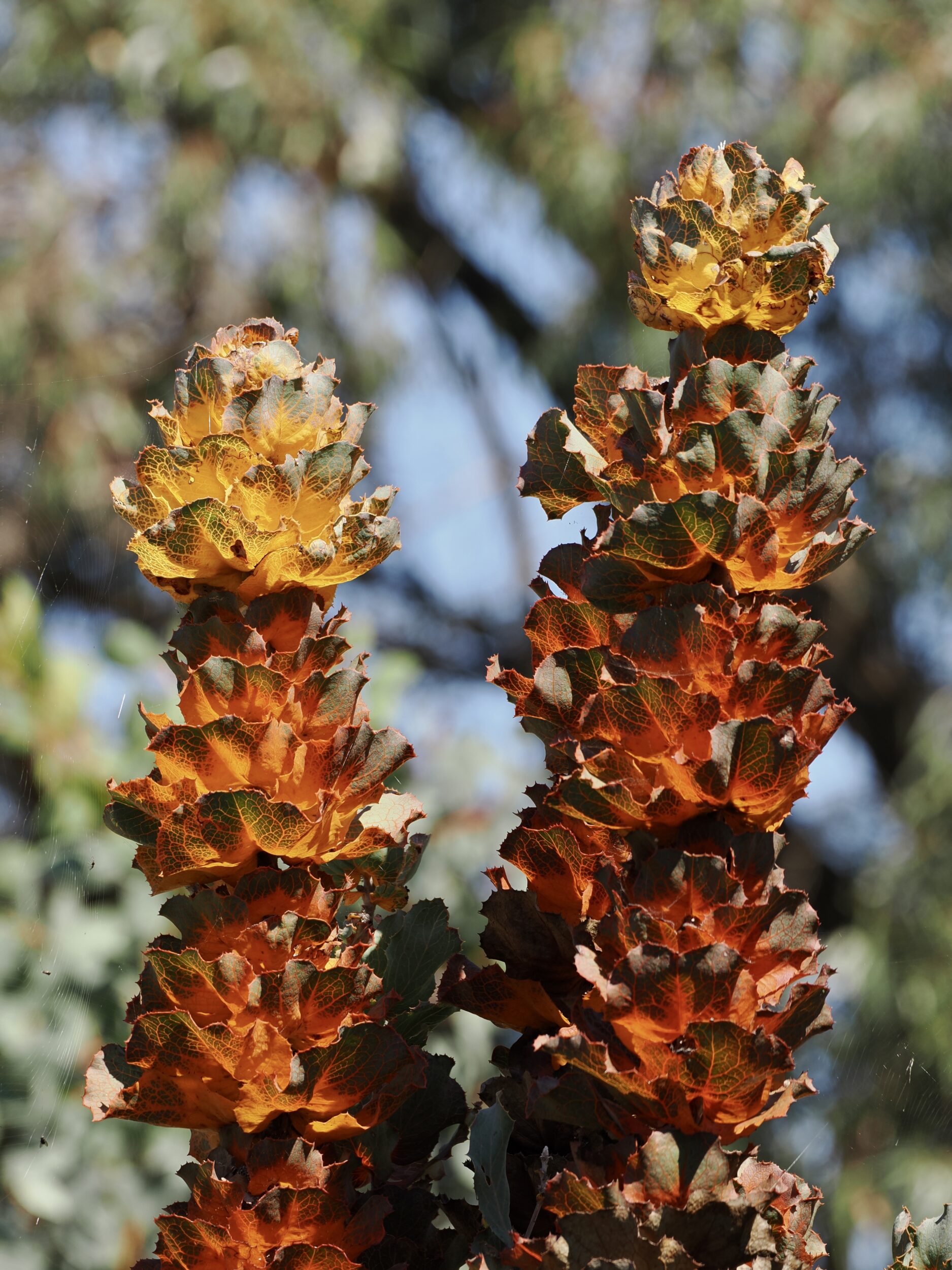
Commonly known as Royal Hakea, Hakea victoria is one of “our” planet’s most visually arresting plants.

Generally, it is their flowers that make certain flowering plants globally-celebrated, and keenly sought by gardeners.

With Hakea victoria, however, it is the leaves.

Comments closed
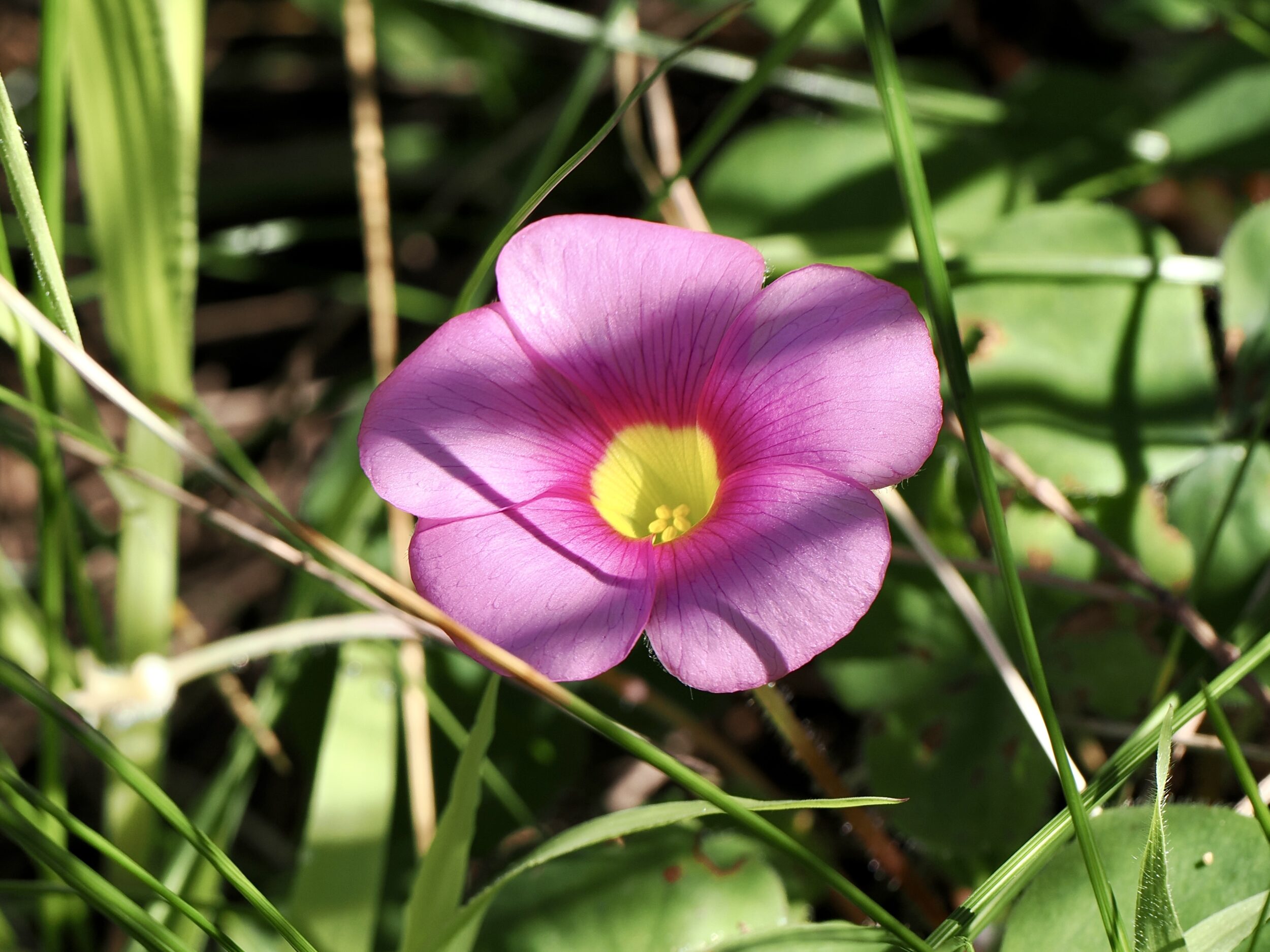
Spring 2025 in Perth (#16 in series: attractive pest)


You are looking at a plant which is widely cultivated because it is pretty, very easy to grow, and is now available in a range of flower-colour options.

Oxalis purpurea is one of many “alien invaders” from Southern Africa.

They displace native species.

Alas, they (and other weed species from southern Africa) now proliferate even in places dedicated to the conservation and showcasing of Australian native flora.

Comments closed

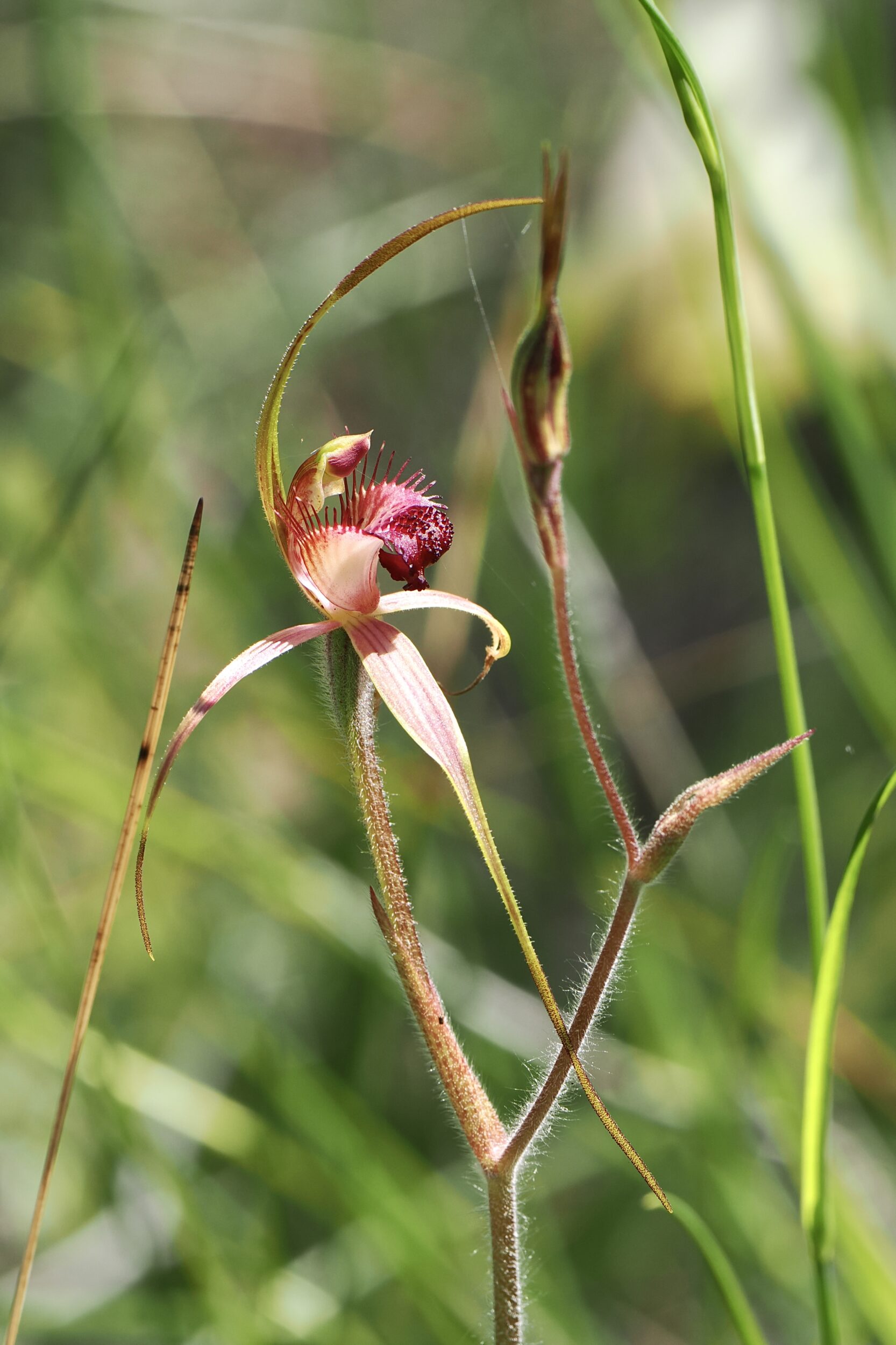
Spring 2025 in Perth (#15 in series: “spiders” in Kings Park)


There are indeed a huge number of arachnids in Perth’s Kings Park, but they are not uppermost in the minds of many visiting  humans.

In springtime, it is spider orchids that draw many people.

Many of those humans wish to photograph them.

In their photos of spider orchids, actual spiders’ webs, and/or individual threads of spider’s silk, are often clearly visible; one such filament is present in the featured image, above.

Comments closed

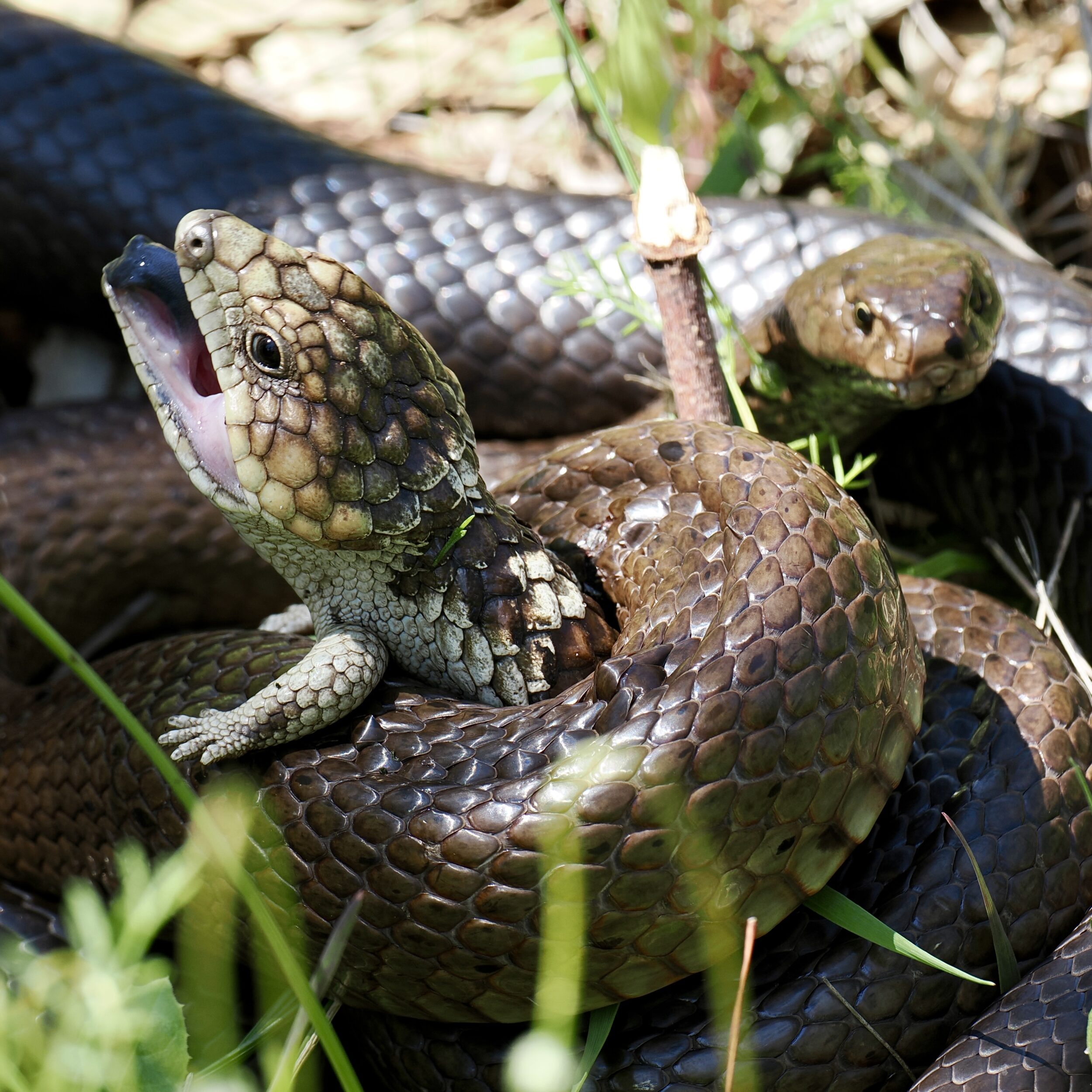
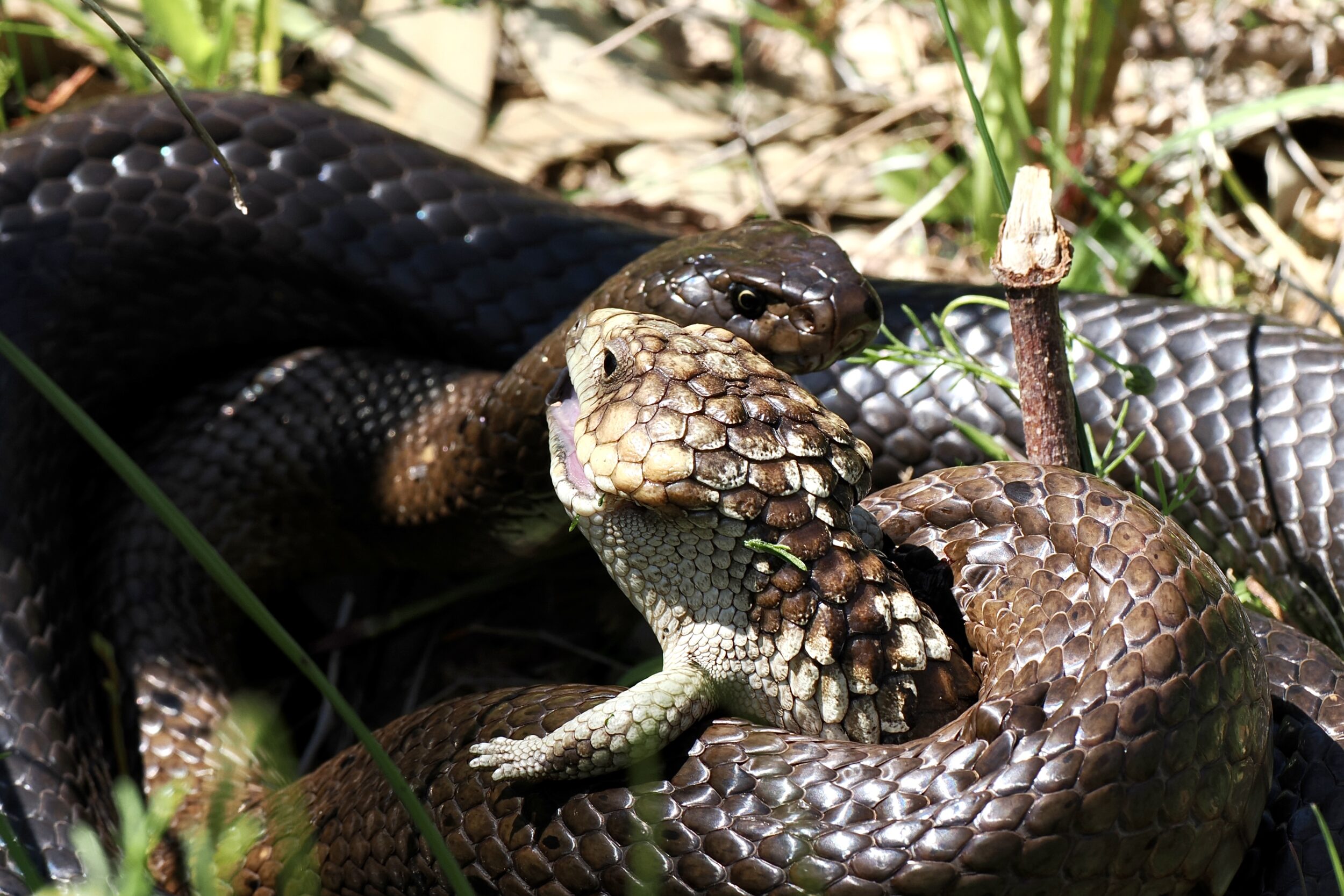
Spring 2025 in Perth (#14 in series: reptile v reptile “2” of 2)


This post’s featured image was taken five minutes after the immediately-previous chapter’s.

As you can see, the bobtail was still abiding by an instruction famously issued by the most celebrated 20th century Welsh poet: Do not go gentle into that good night

Comments closed

Spring 2025 in Perth (#13 in series: reptile v reptile. (“1” of 2)


The Dugite is a highly venomous brown snake.

Pseudonaja affinis does very well in 21st century Perth, where house mice (“kindly”/accidentally introduced by European colonists) have become the species’ preferred prey.

Dugites, however do still target “traditional” prey: lizards, rodents and other snakes, including fellow dugites.

On 20 September 2025 a close encounter of the “dugite v bobtail” kind provided the most dramatic experience of our 42 years as frequent visitors to Kings Park.

We were in “wildflower” mode, and had not expected a “safari” experience!

Comments closed

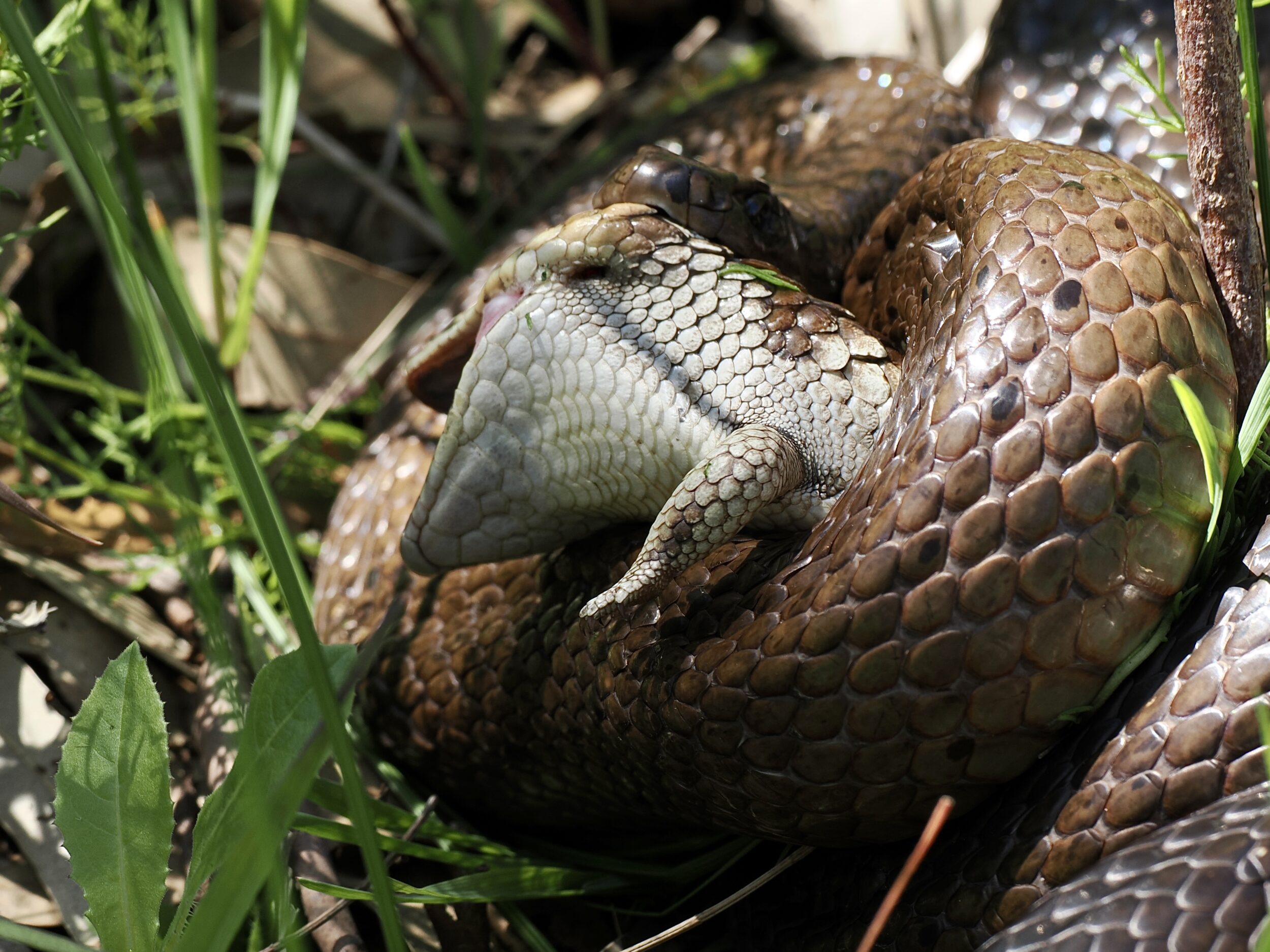
Spring 2025 in Perth (#12 in series: killing in city’s best-loved park)


Photographic Exhibit “A” was taken at 11.31 am on 21 September 2025.

We were on a walking trail within the bushland section of one of the world’s greatest urban parks.

Had we wished to walk from the Kings Park “murder scene” to the very centre of Perth’s CBD, it would not have taken us more than 30 minutes.

Comments closed

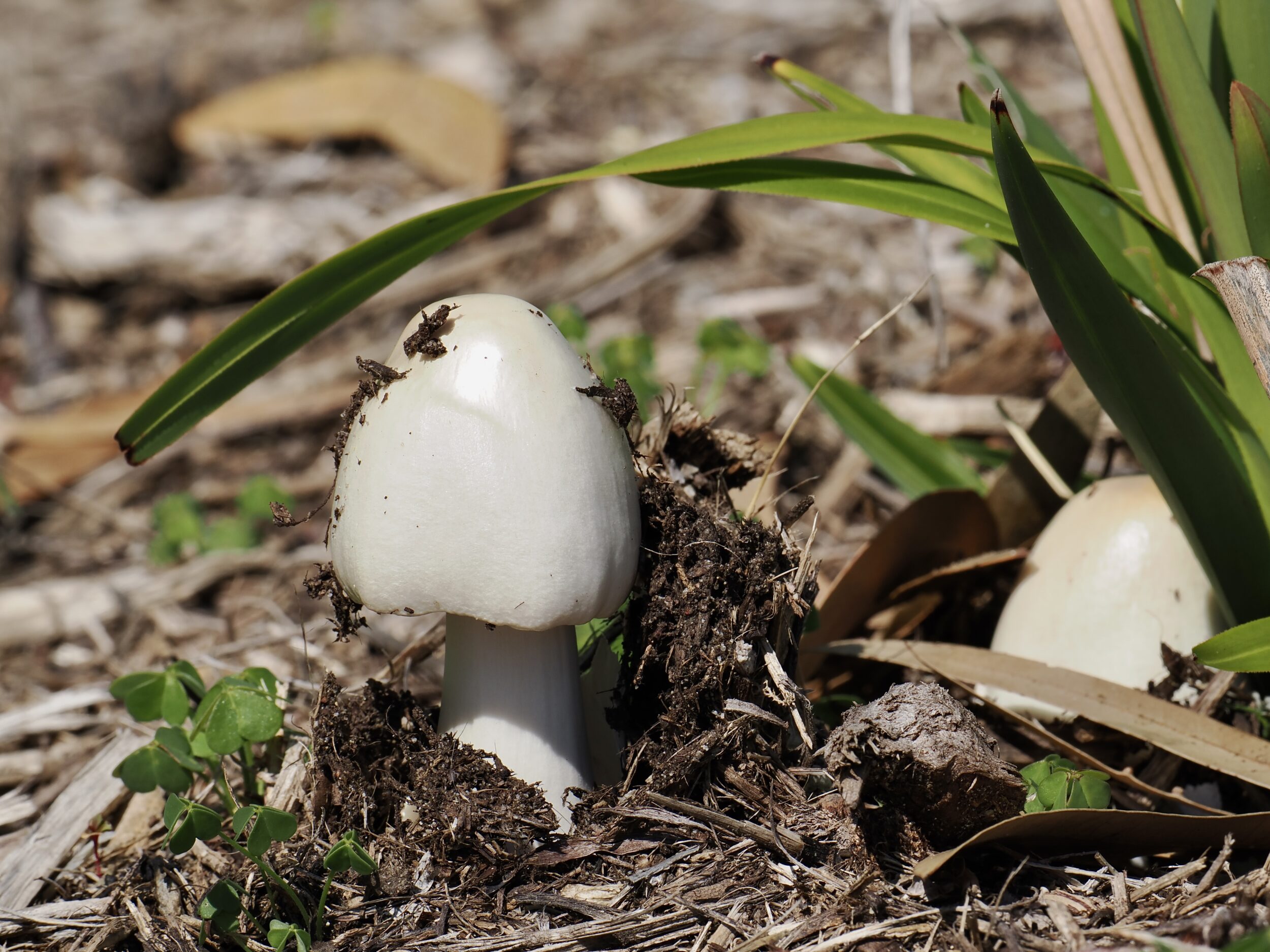
Spring 2025 in Perth (#11 in series: “mushy”…but pushy)


Even a suburban building site can contain examples of how so many living things “really get going in spring.”

Looked at closely, the “eruption” of a fungal fruiting body can be a surprisingly violent event.

A “mushy” can move a deal of earth, along with the “litter” thereon.

Comments closed

Spring 2025 in Perth (#10 in series: blue sun-worshippers)


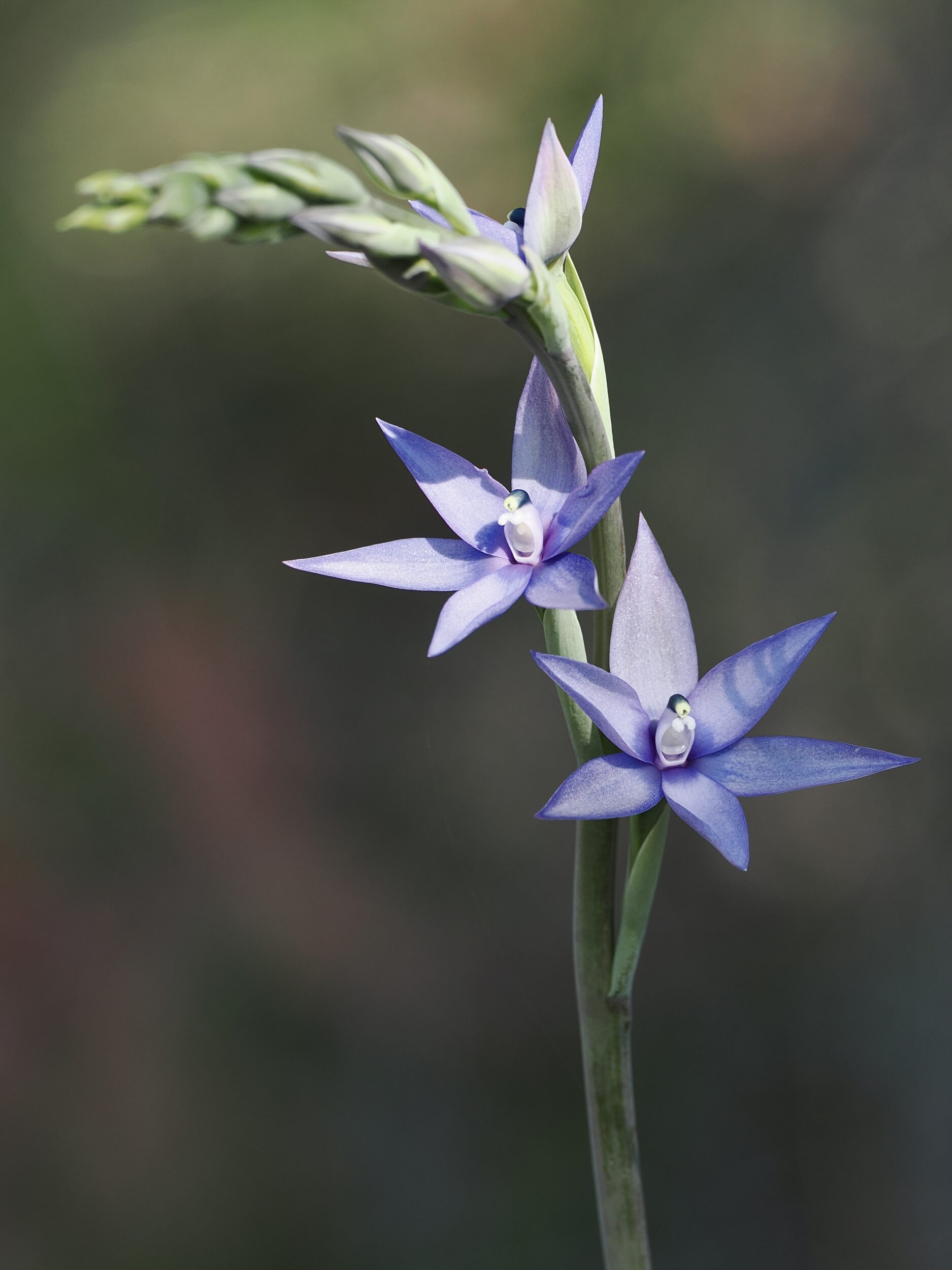
Generally, sun orchids – the 100+ members of the genus Thelymitra – are true to their common name.

They orient their flowers to the sun, open them only when it shines brightly upon them, and always close them before nightfall.

I am no botanist, but am 90 percent certain that there is just one kind of time and place to enjoy an entirely-natural encounter with the pictured, very elegant blue sun orchid species: on a sunny day in southwestern WA.

Comments closed

Spring 2025 in Perth (#9 in series: “common” donkey orchid)


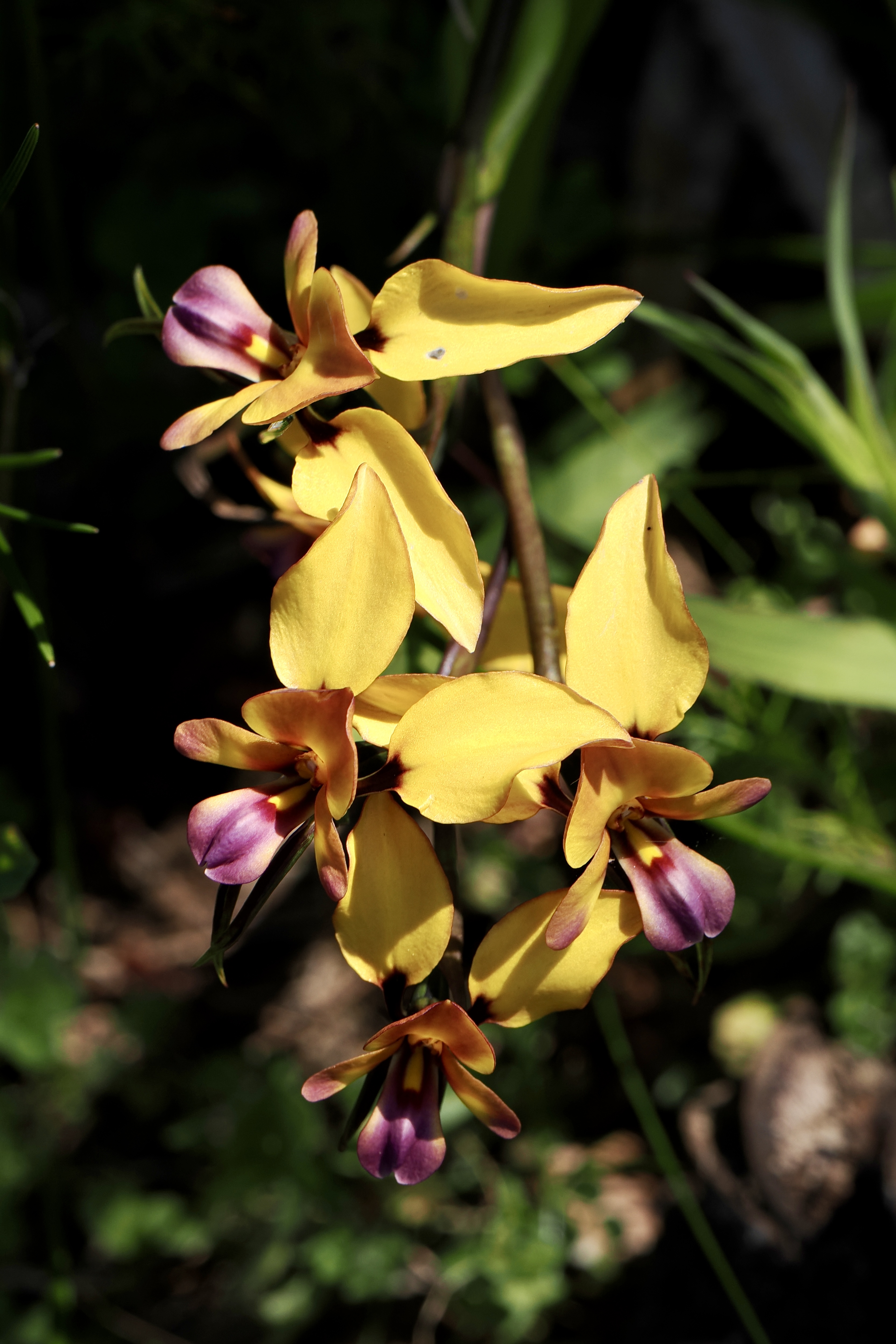
In Perth the pictured species is indeed common, but Perth is the only Australian capital city which is within its home range

In springtime in Perth Diuris corymbosa – the common donkey orchid, aka “wallflower orchid” – is usually conspicuously present in just about any “bushy” location.

Spring 2025 is a bumper one for this species.

Inevitably, some folks fail to appreciate its beauty, simply because it is so common in Perth, so easy to see.

Comments closed

Spring 2025 in Perth (#8 in series: Willie wagtail owner-builders)


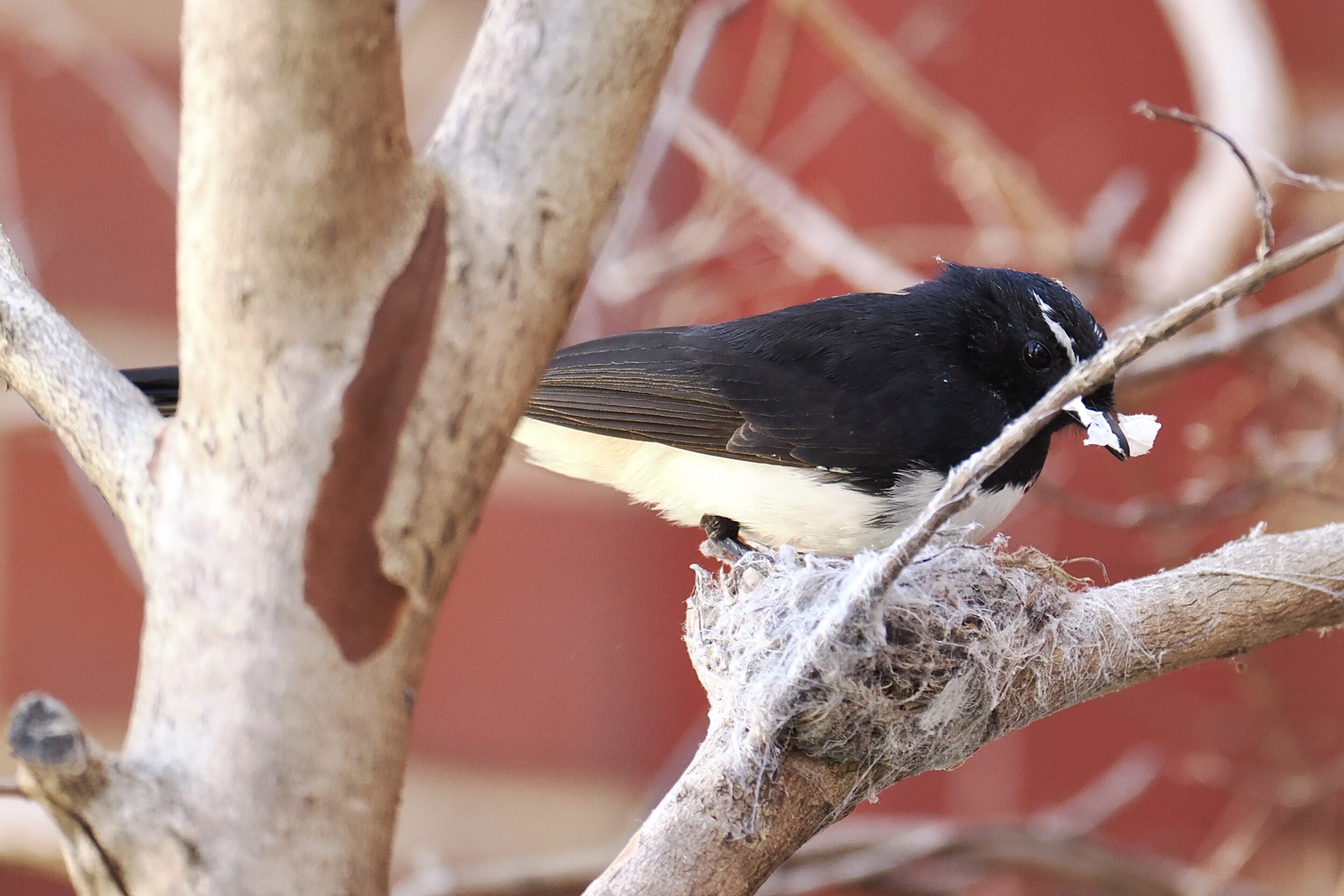
Most Australian humans regard willie wagtails (Rhipidura leucophrys) fondly and encounter them frequently.

They are also well-liked in the rest of their range – Melanesia and eastern Indonesia.

On 21 September we – and circa 100 other people – enjoyed lunch at a popular Shenton Park eatery.

From our almost-outside table, just inside an open door, we watched two very industrious wagtails construct a substantial portion of their next nest.

To say the least, their choice of building materials was highly eclectic!

Comments closed