All will be revealed in the next chapter.
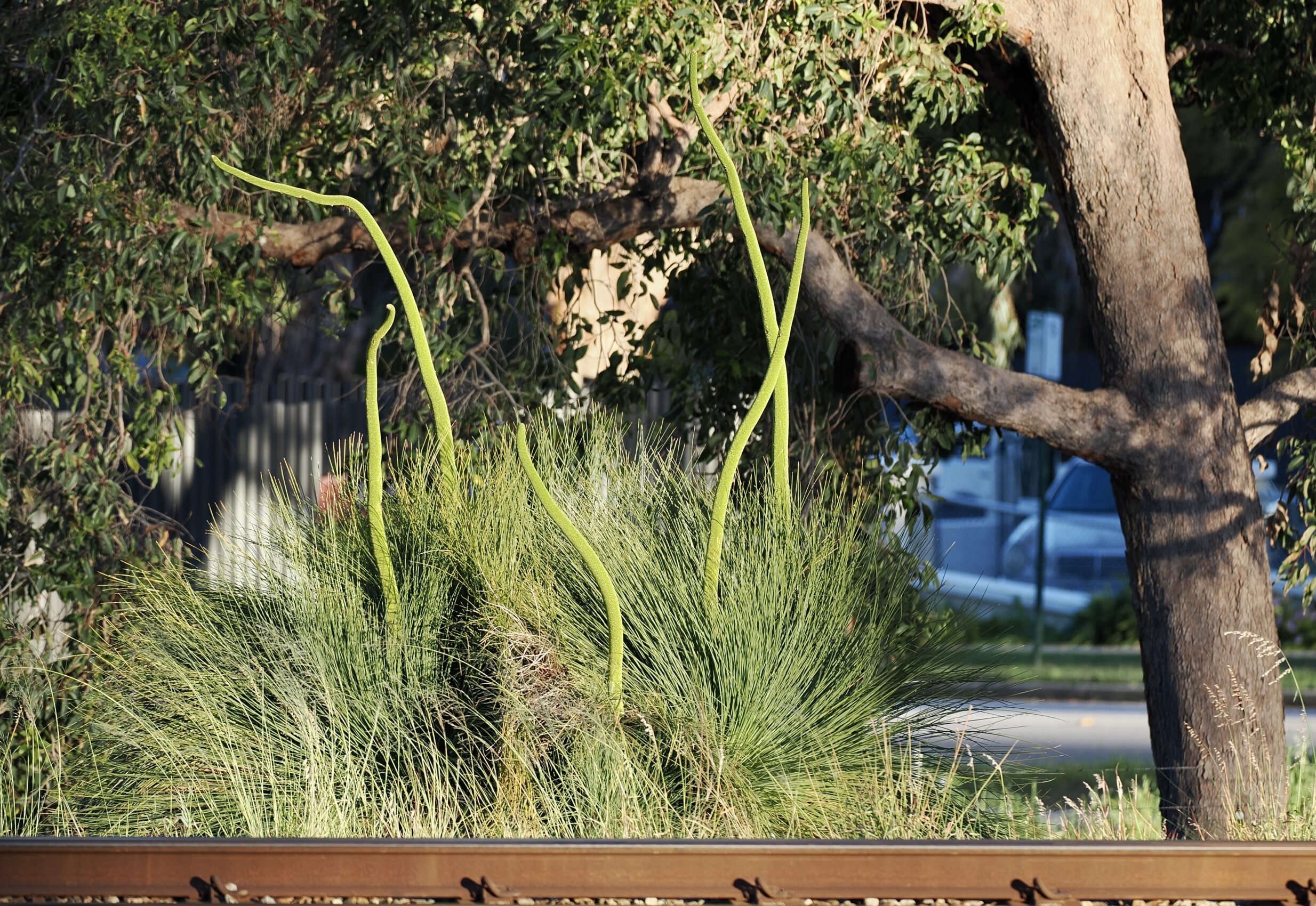
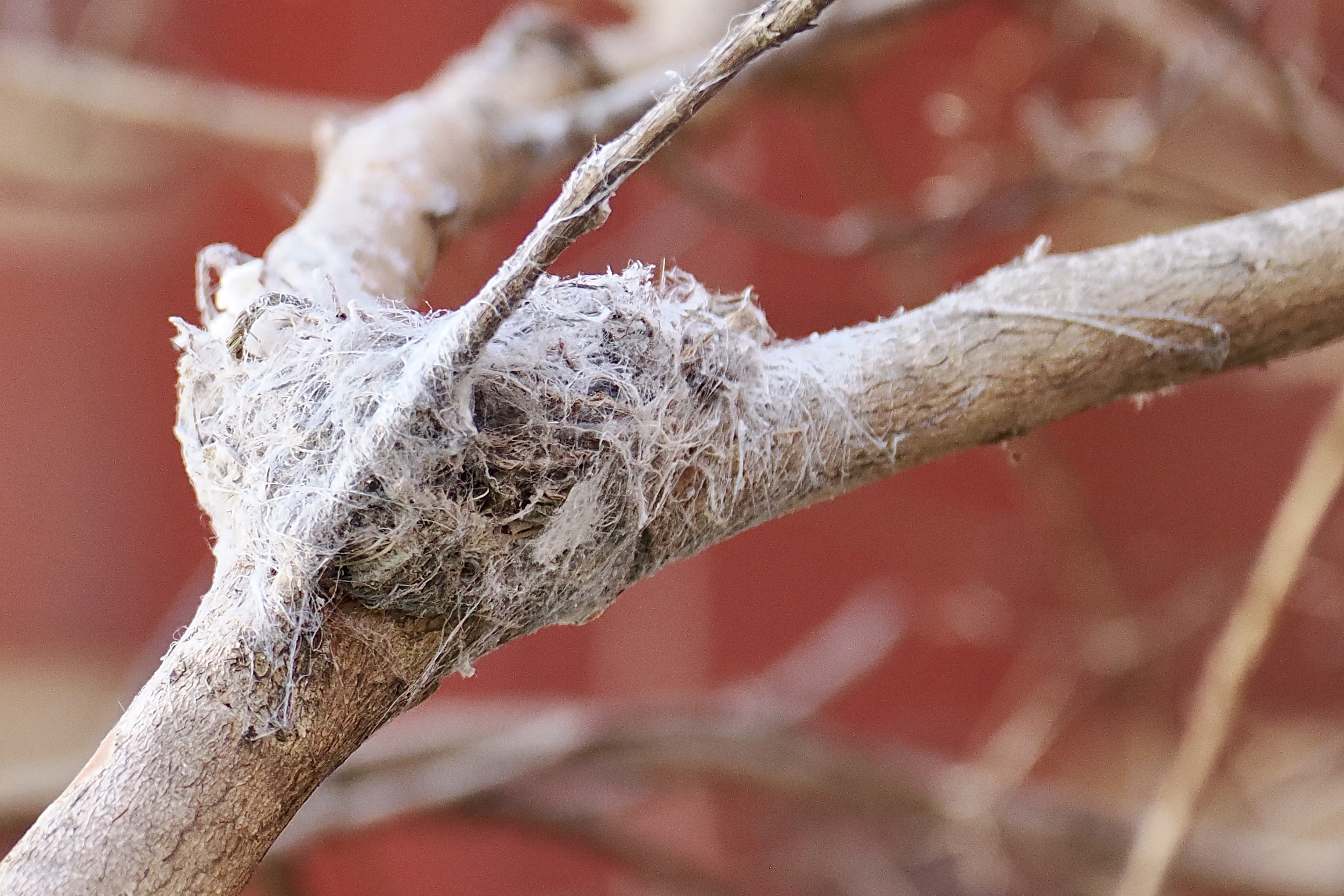
At lunchtime on 21 September the pictured “construction site” was within two metres of our almost-alfresco table at a popular eatery in Shenton Park.
Comments closedNatural splendour, real musics, wines, wordpower
All will be revealed in the next chapter.
At lunchtime on 21 September the pictured “construction site” was within two metres of our almost-alfresco table at a popular eatery in Shenton Park.
Comments closed
In global terms, Australia’s major cities – Perth, most especially – are surprisingly rich in “wild”-ish, “bushy”, quasi-“natural” locations.
They are not all in parks and reserves.
Some are just a few square metres apiece – vibrant, tiny “Islands” within an otherwise-stolid “sea” of cement, asphalt, lawns, graceless buildings, etc.
Comments closed
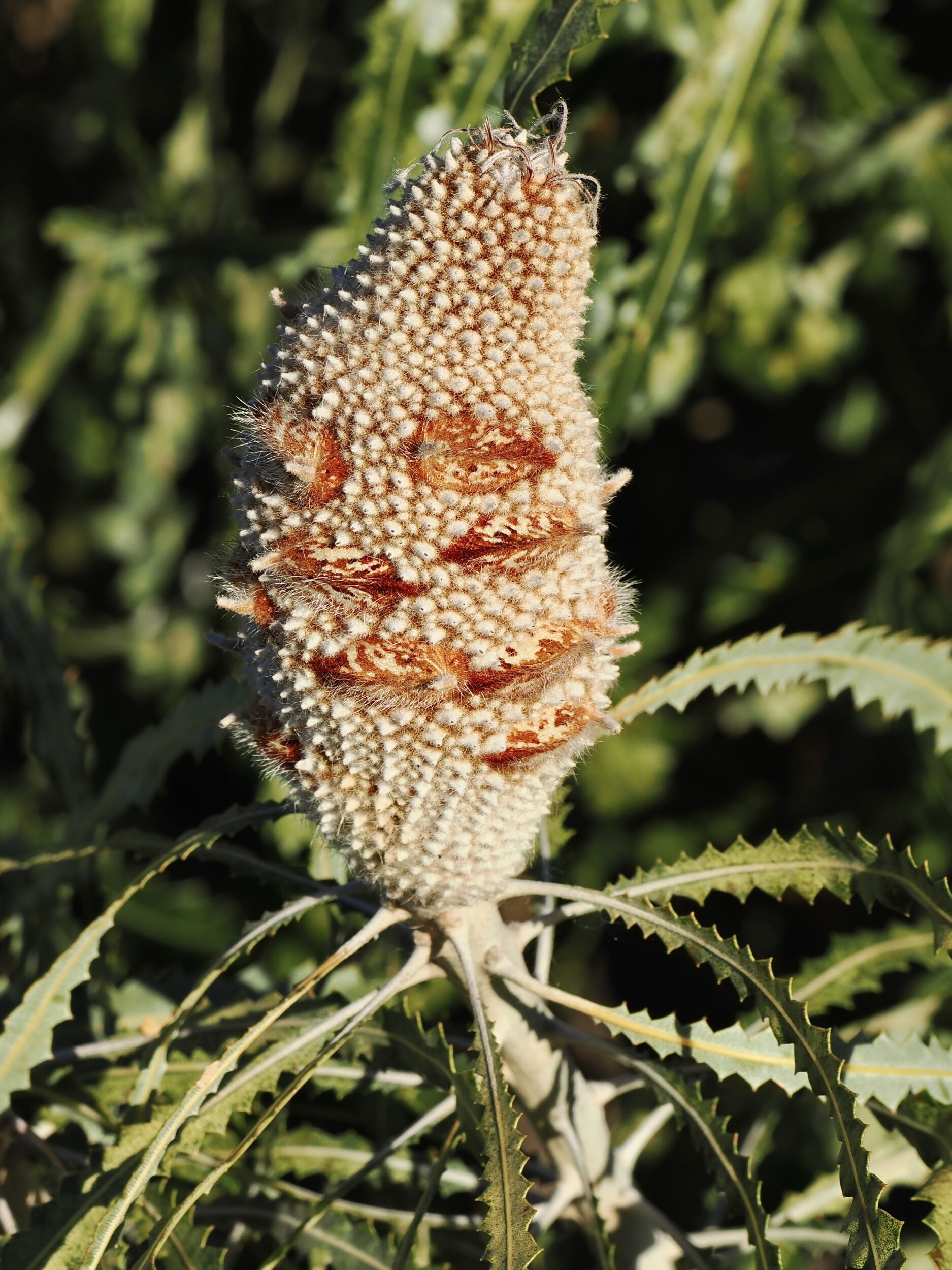
A clear majority of Australia’s Banksia species occur naturally in southwest Western Australia, exclusively.
One of the most arresting is Banksia prionoties.
Its common name – Acorn Banksia – refers to the appearance of its large flower spikes during the early stages of their flowering.
As you can see here, at that stage the flower spike is both elegant and spectacular, with each spike/“cone” exquisitely clad with hundreds of flowers. (many people are unaware of this reality. They misperceive each spike as “the flower”, singular)
As this post’s photo illustrates, the spike’s “post-flowering” appearance is every bit as spectacular, but rather less elegant.
Comments closed
Very often, much more is going on within a single flower than is readily apparent to an observing human’s naked eye.
The deployment of a long or macro lens will often yield a surprise – sometimes lovely, sometimes startling.
If you zoom in on/enlarge the image below you will see two beetles.
They are at/near the top of the photo’s most prominent pistil – the white one, in sharp focus.
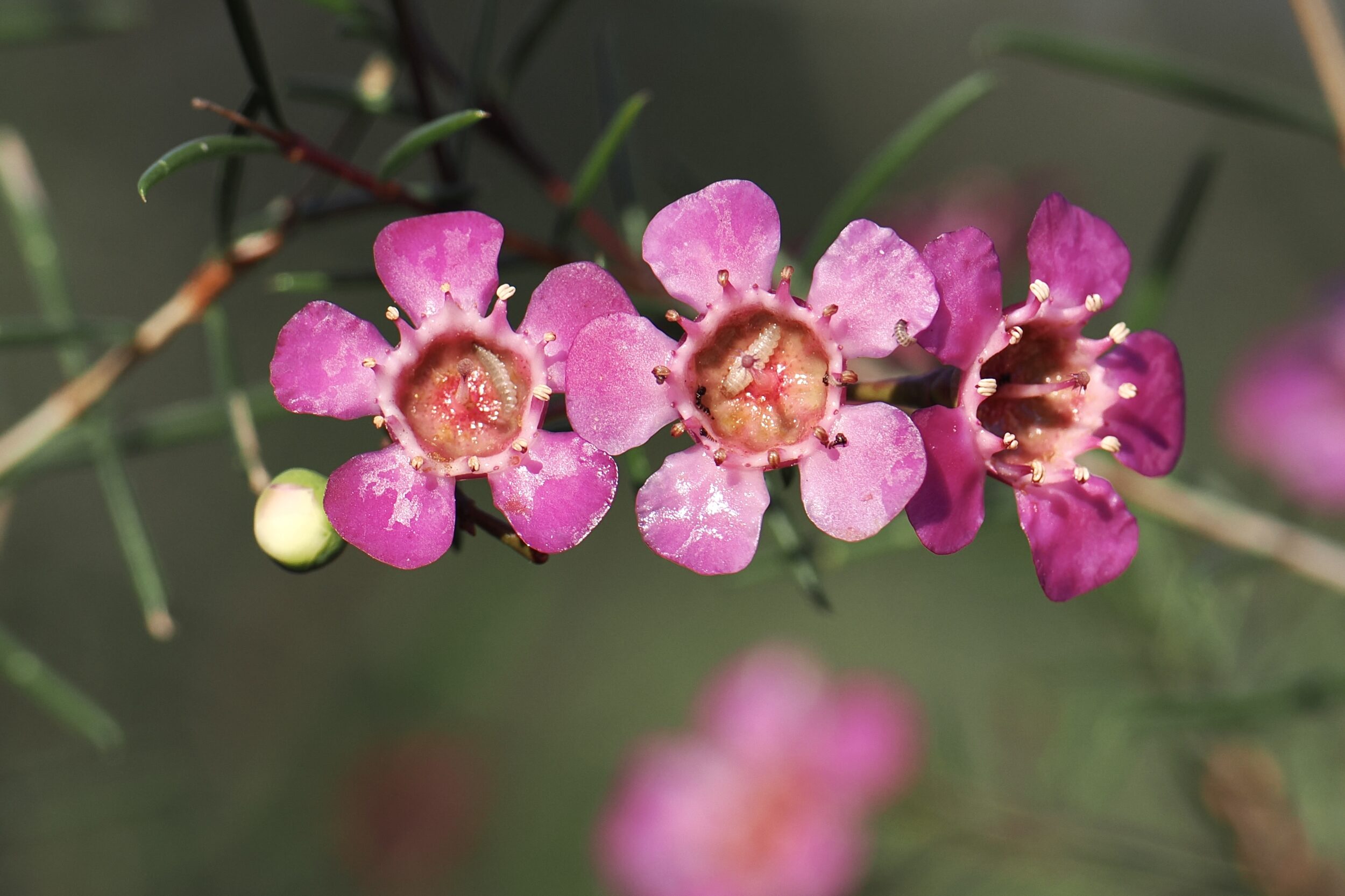
For a more “macabre” experience, look at the munching/nectar-sipping young animals that have “invaded” the very heart of two of the three flowers in the featured image, above.
Comments closed
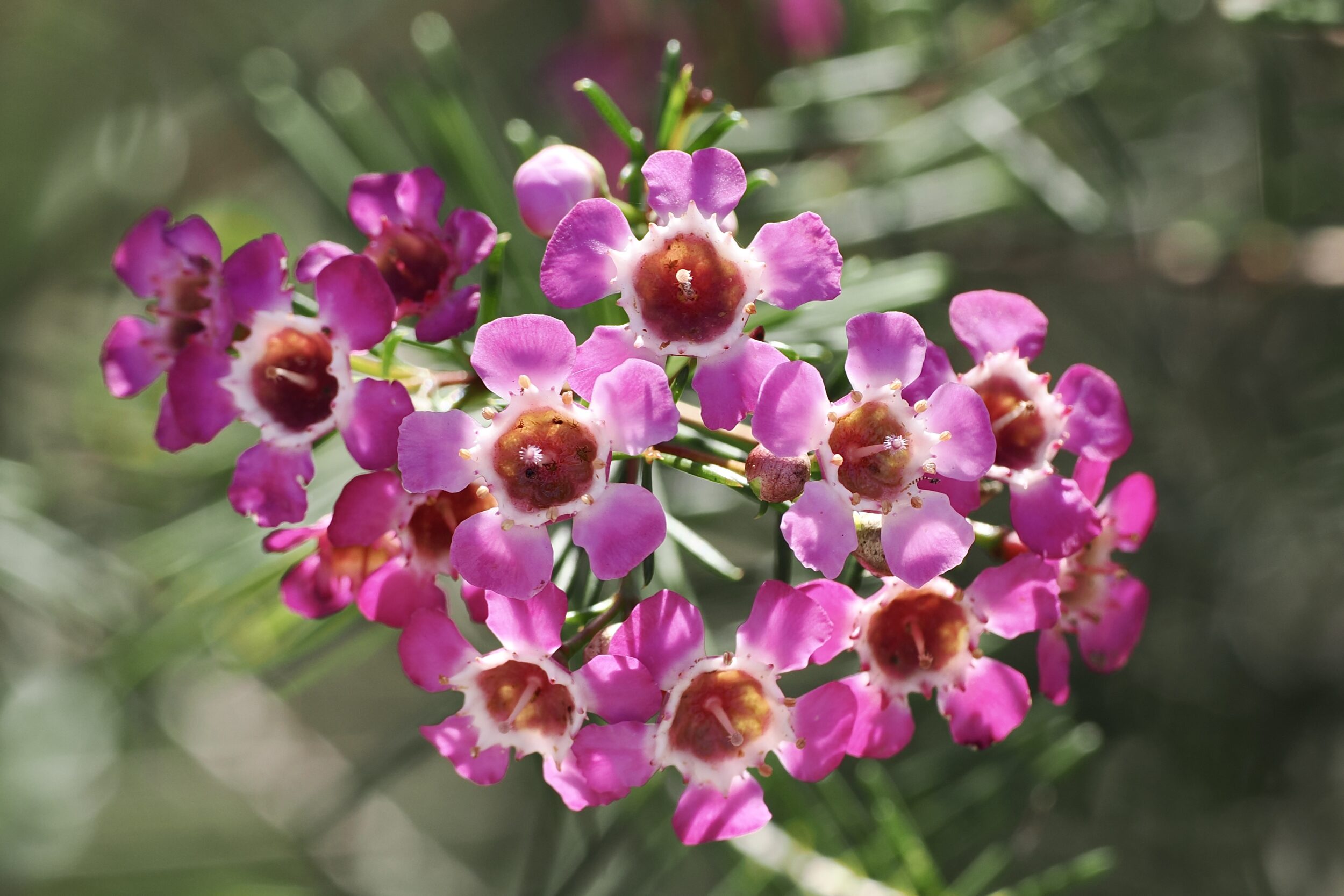
Chamelaucium – the genus known as waxflowers – has fourteen generally-recognised species.
They are members of the Myrtle family.
Some – most especially Geraldton wax, Chamelaucium uncinatum – are highly prized, globally, by florists and gardeners.
However, as is true of so many highly distinctive flowering plants, the natural range for all members of this genus is entirely confined to parts of southwestern Western Australia.
Comments closed
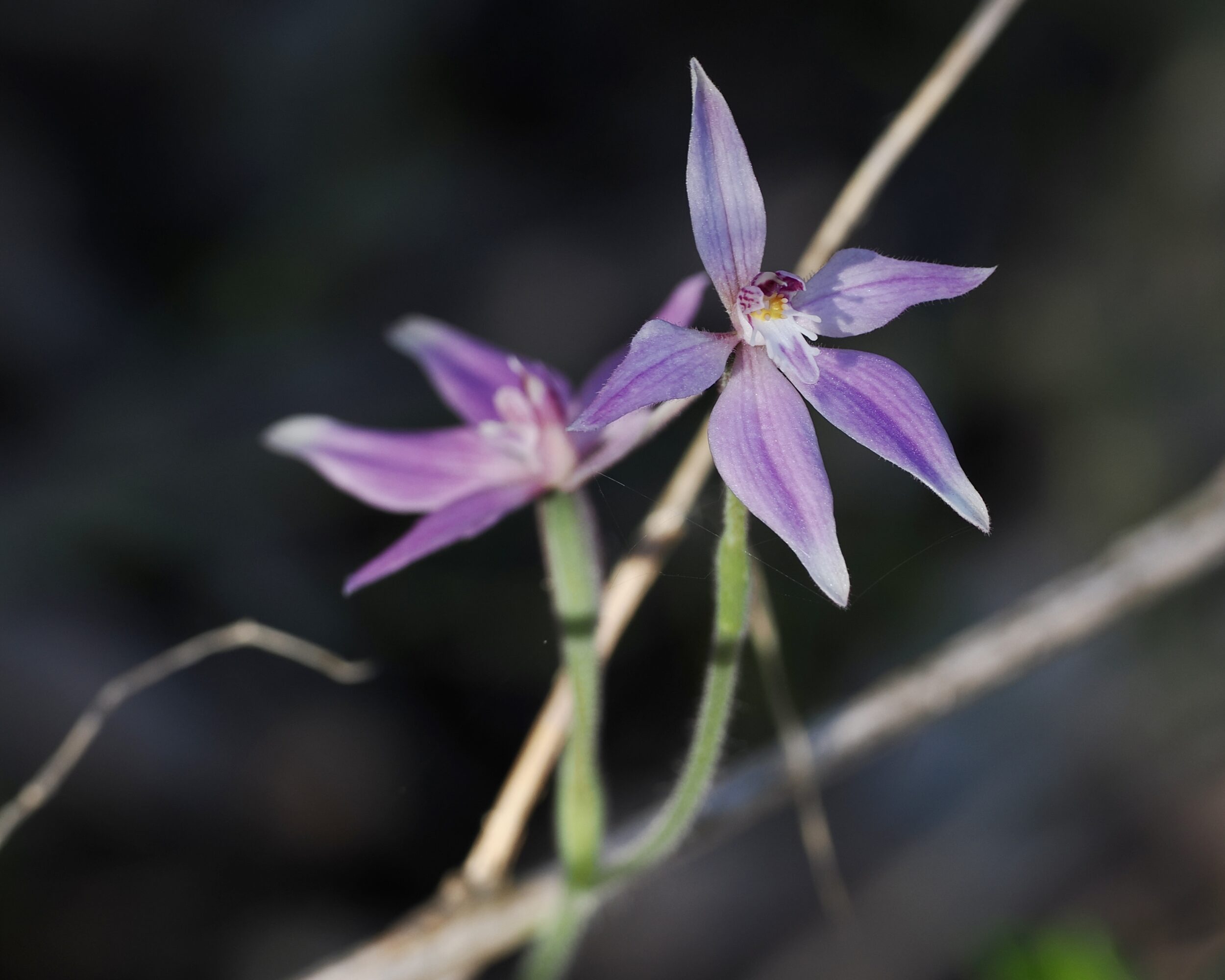
The relevant “fairies” are Caladenia Latiffolia – an Australian orchid species, commonly known as “pink fairy orchids”, or simply “pink fairies”.
I took the photo near the western side of Lake Claremont at 3.46 pm on 19 September.
The floral diversity in southwest WA is phenomenal, globally.
Many of the region’s beautiful, often wondrous-strange flowering plants are endemic – in the wild, they occur nowhere else on earth.
Not a few are endemic to just a tiny portion of WA; for a few species, their entire “home range” is a single hill in The Stirling Range.
Comments closed
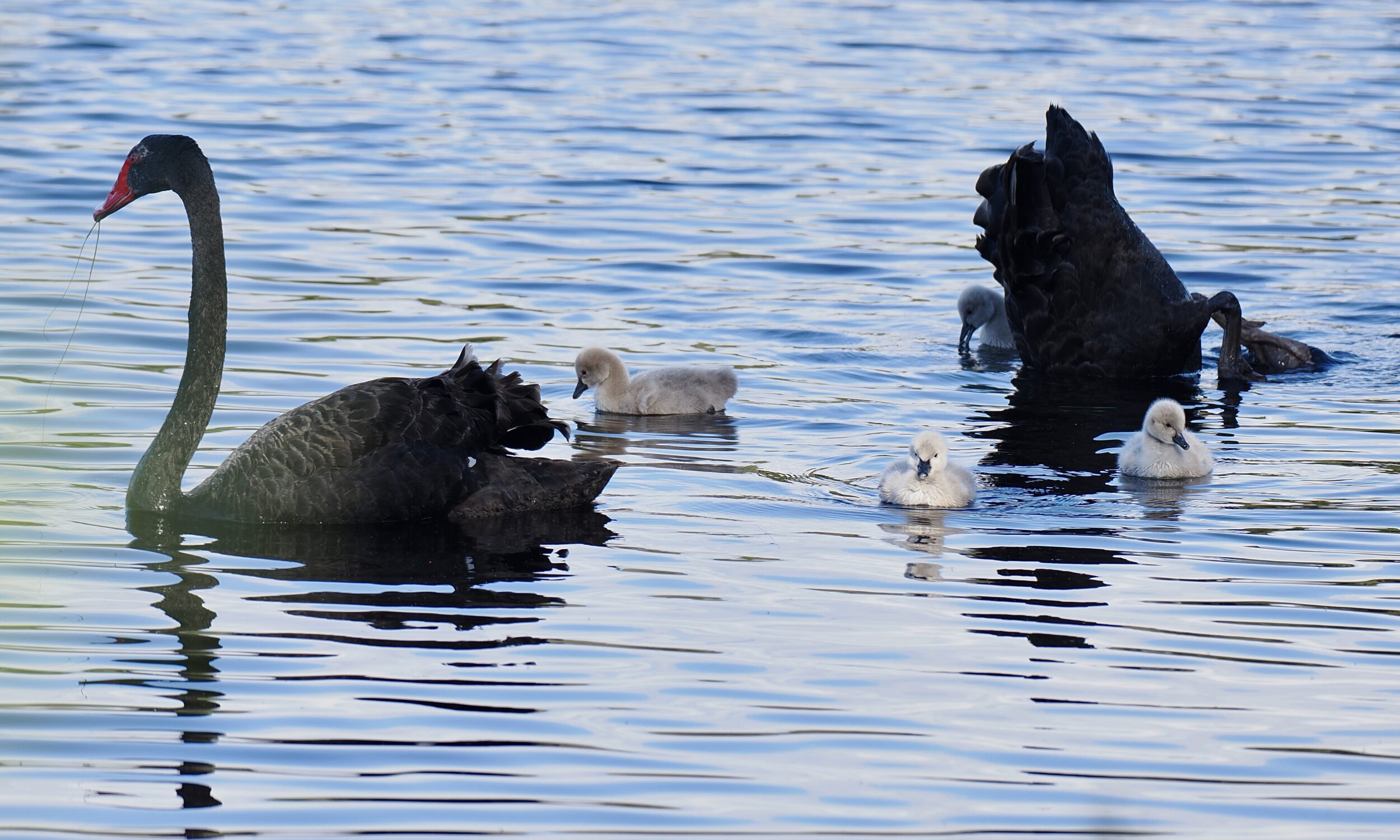
Cygnus atratus – the black swan – is widespread over much of Australia, but is most especially associated with Western Australia.
From 1854 through to Federation in 1901 it appeared on every West Australian postage stamp.
It is still the local “heraldic beast”: prominent on WA’s flag and Coat of Arms.
This species is not endangered, and enjoys protected status in all Australian states and territories.
Black swans are mostly monogamous and both parents are very attentive to their offspring.
Breeding usually occurs in winter.
Spring is generally the best/easiest season to observe parents and cygnets on “open” water.
Comments closed
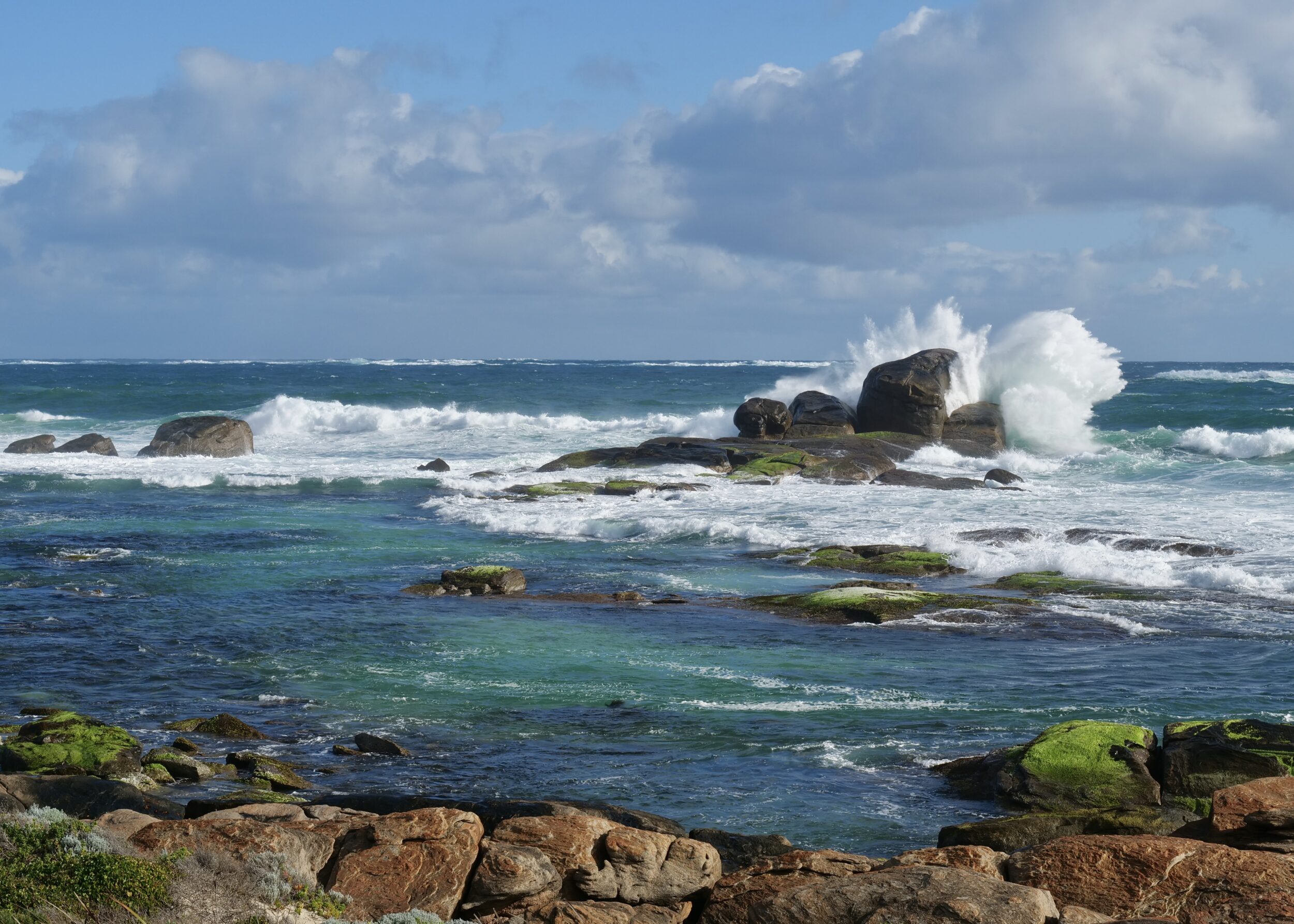
Cape Freycinet not being an actual cape does not make it a “lesser” place.
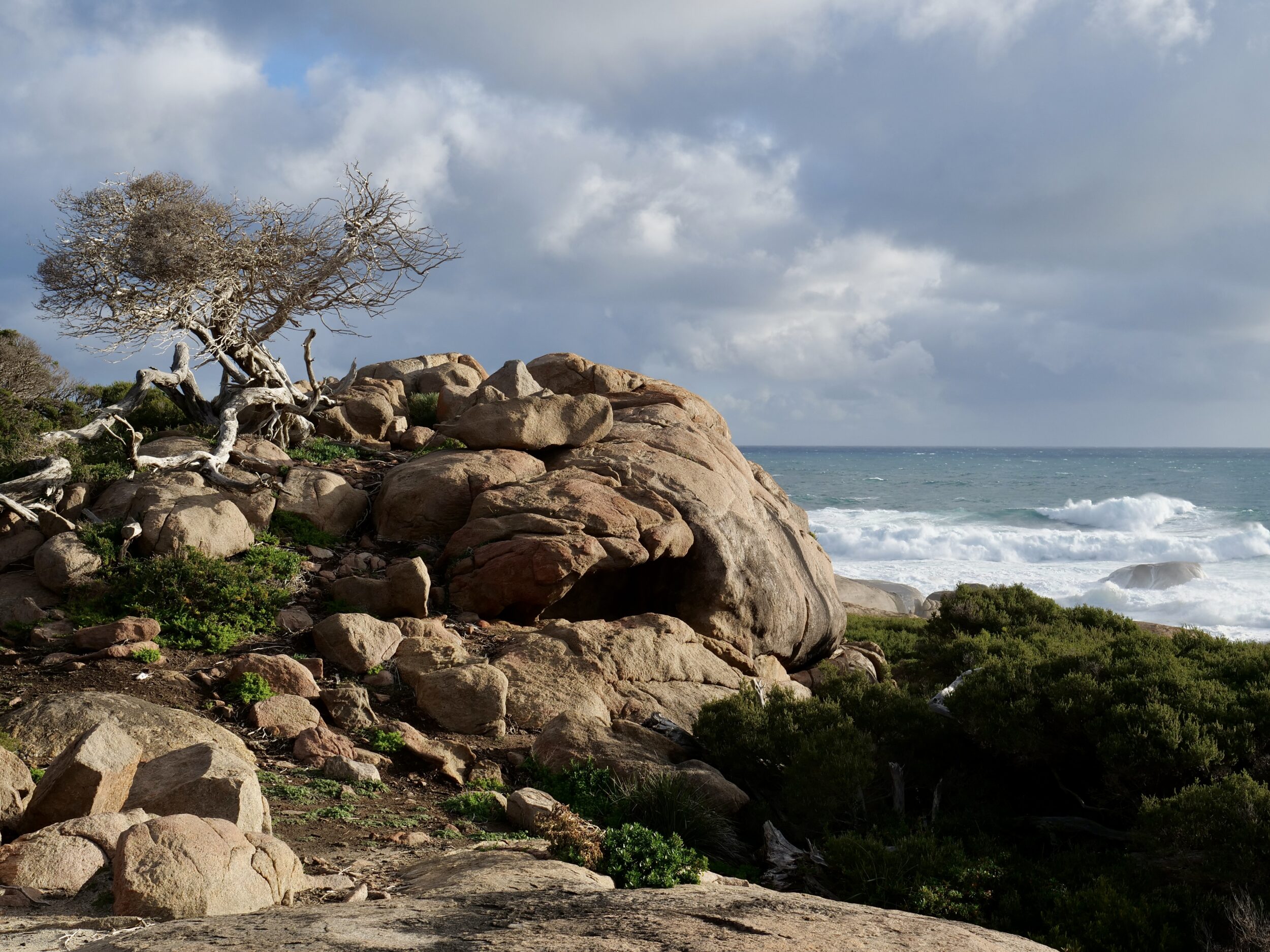
This post’s photos look like they must have been taken at two rather different locations and/or on quite different days.
I took them within three minutes of each other, and my two vantage points were only a few paces apart.
Comments closed
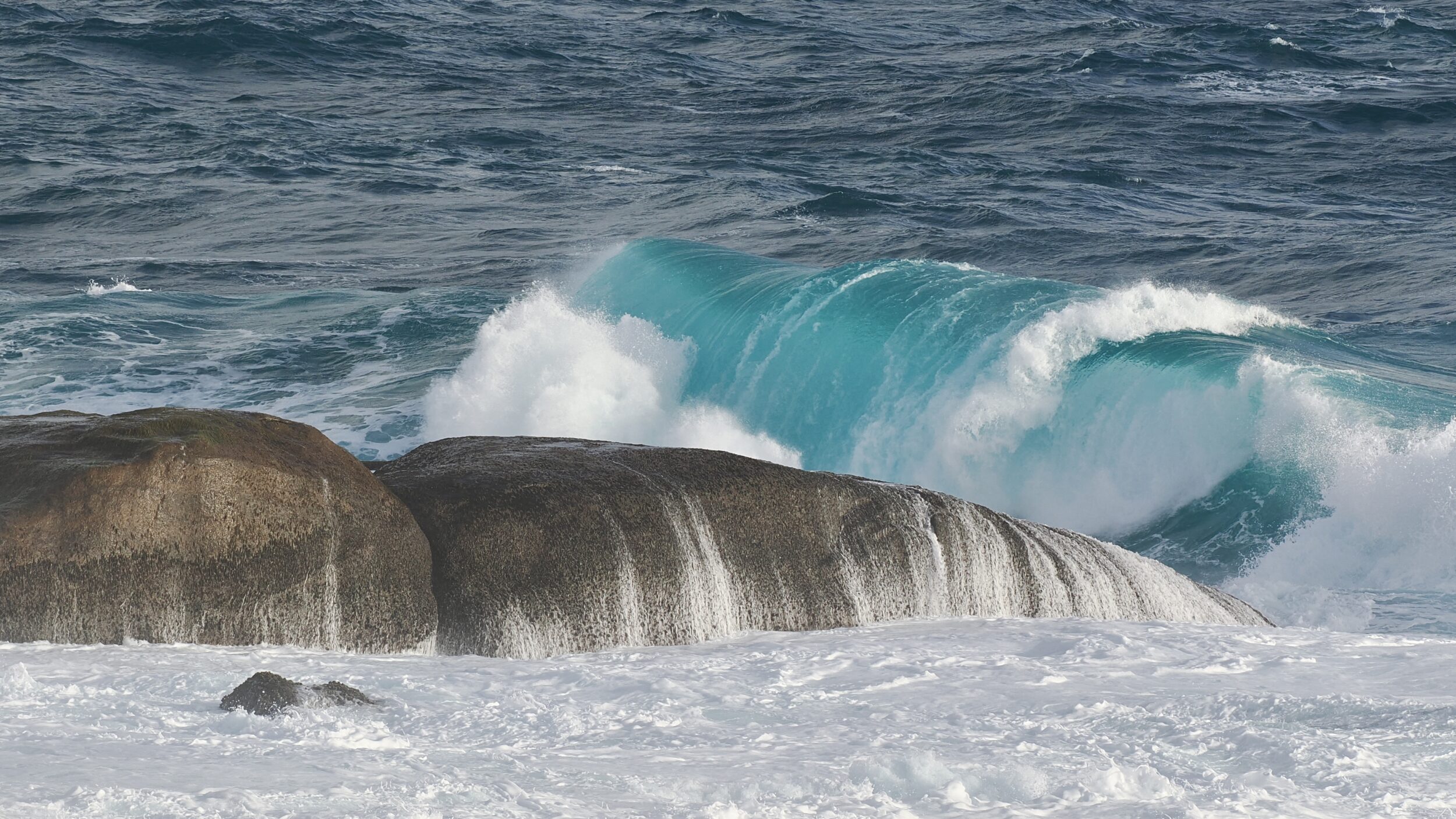
The photo shows one of our favourite coastal locations in the Margaret River region, as it was at 4. 42 pm on 21 August 2025.
Cape Freycinet is wonderfully wild, and presents a different “face” on each and every occasion.
It is also easily reached; the whole drive is 2WD- friendly and takes a deal less than one hour, mostly south along Caves Road, from Margaret River – or north along Caves Road, from Augusta.
Only the final few kilometres are unsealed.
Either way, one turns off Caves Road into the well-maintained Conto Road, adjacent to Lake Cave.
Comments closed
This post includes both musical and “word power” bonuses.
The afternoon of 21 August 2025 was not “stormy” in the Margaret River region, but local waters were turbulent.
In 1876 this was also true, as November transitioned to December…and the SS Georgette developed an irreparable leak
Over the ensuing hours a lifeboat was smashed, several people drowned, and several others were successfully transferred to the captain’s gig (ship’s boat/tender) which then managed to reach another Margaret River beach.
Meanwhile, the other fifty or so passengers and crew were heading south, on a sinking ship.
Its captain then attempted to strand the Georgette on Calgardup Bay’s Redgate Beach.
Here, a “miraculous”/“heroic” rescue was undertaken by two equally courageous local people.
The white one’s heroism was hailed, worldwide.
Comments closed