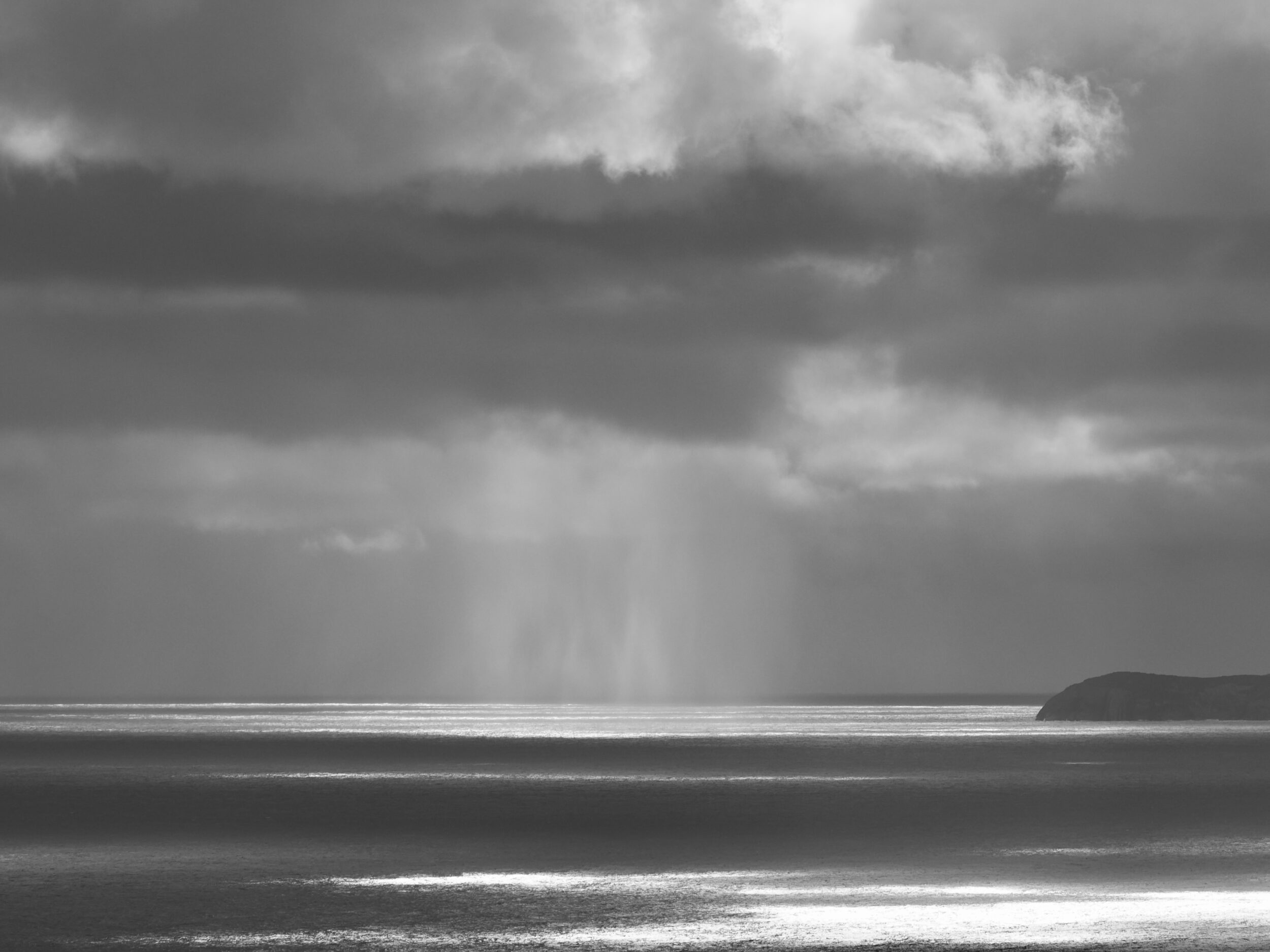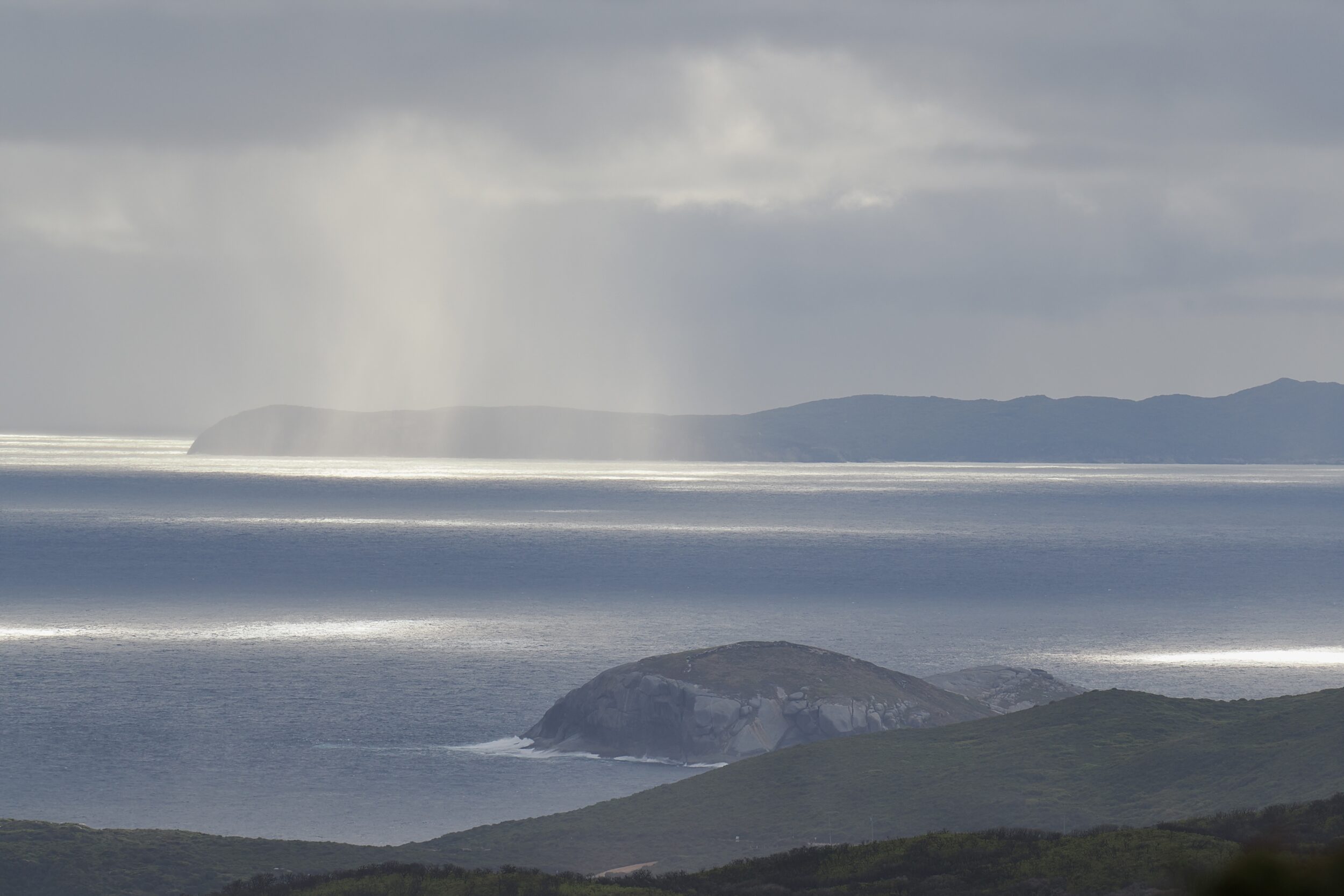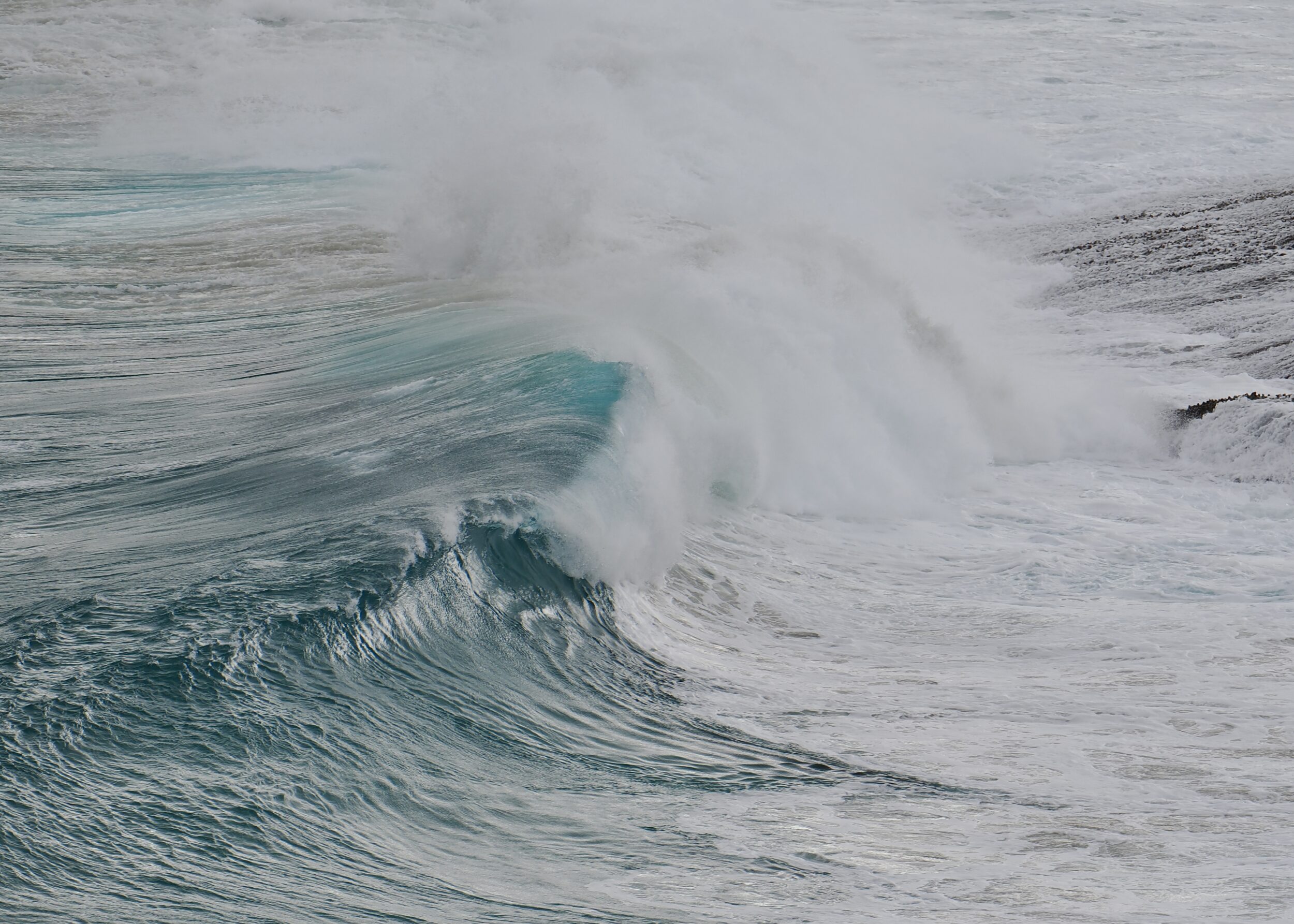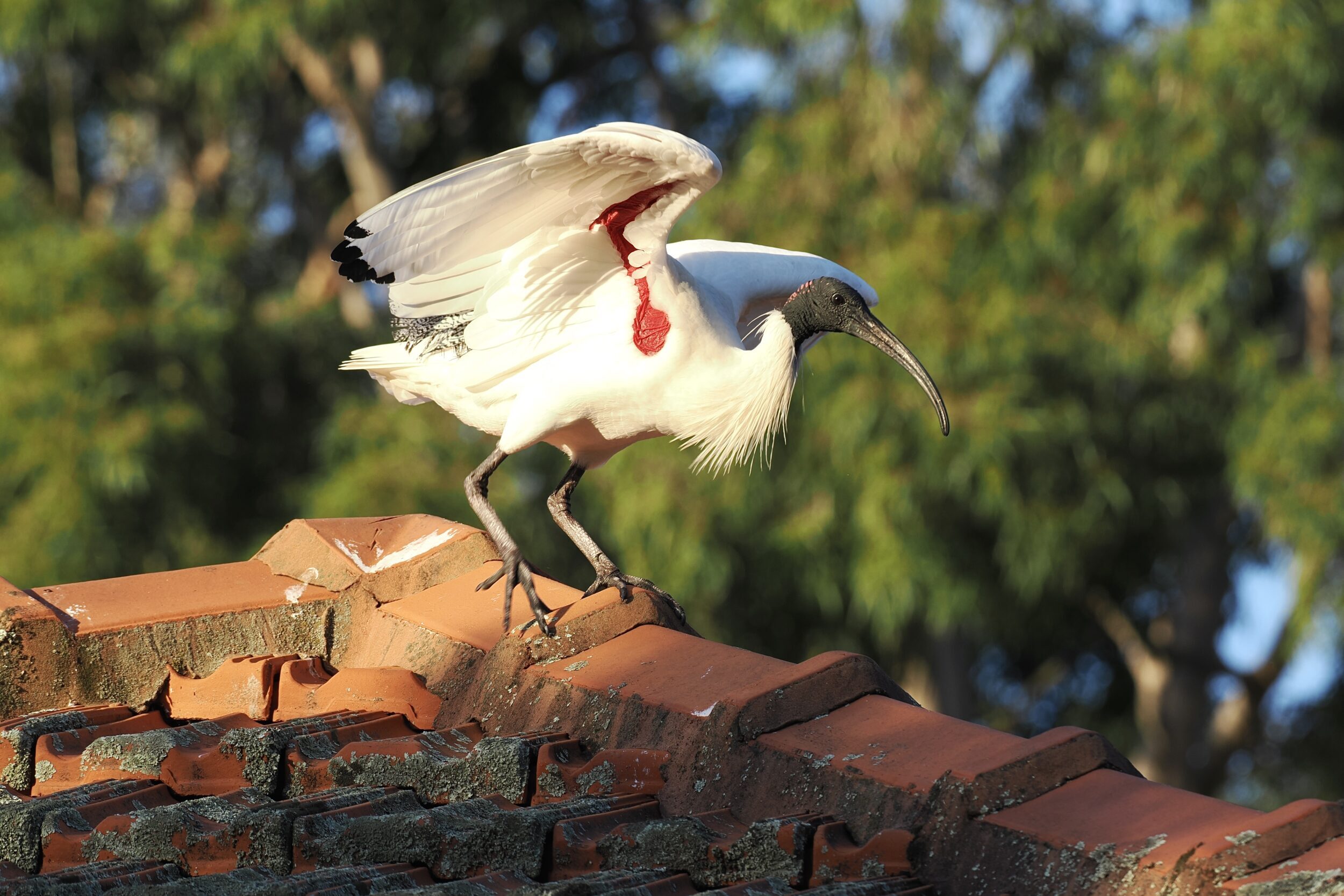
Skip to content →

Category: Western Australia

Winter 2025, South West WA (#3 in series: historically, rare in urban areas)


Urban-resident Australian humans who were born after 1970 may find it very hard to believe, but this post’s headline is accurate.

Relatively speaking, Threskiornis molucca – the Australian white ibis – is a newcomer to urban life.

However, the so-called “bin chicken” was already resident on the Australian continent long before Homo sapiens arrived – let alone post-1788 humans and rubbish bins.

It is absolutely not a “feral” bird.

Contrary to what many Australians believe, it and the so-called “Sacred” or “Egyptian” ibis are entirely different species; the latter has never called Australia home.

Still, the roof of a “Federation Era” house in any Australian city – such as the Subiaco one, above – almost certainly never felt the pitter-patter of Threskiornis molucca‘s not-so-tiny feet until the final quarter of the 20th century,  or the first quarter of the 21st.

Comments closed
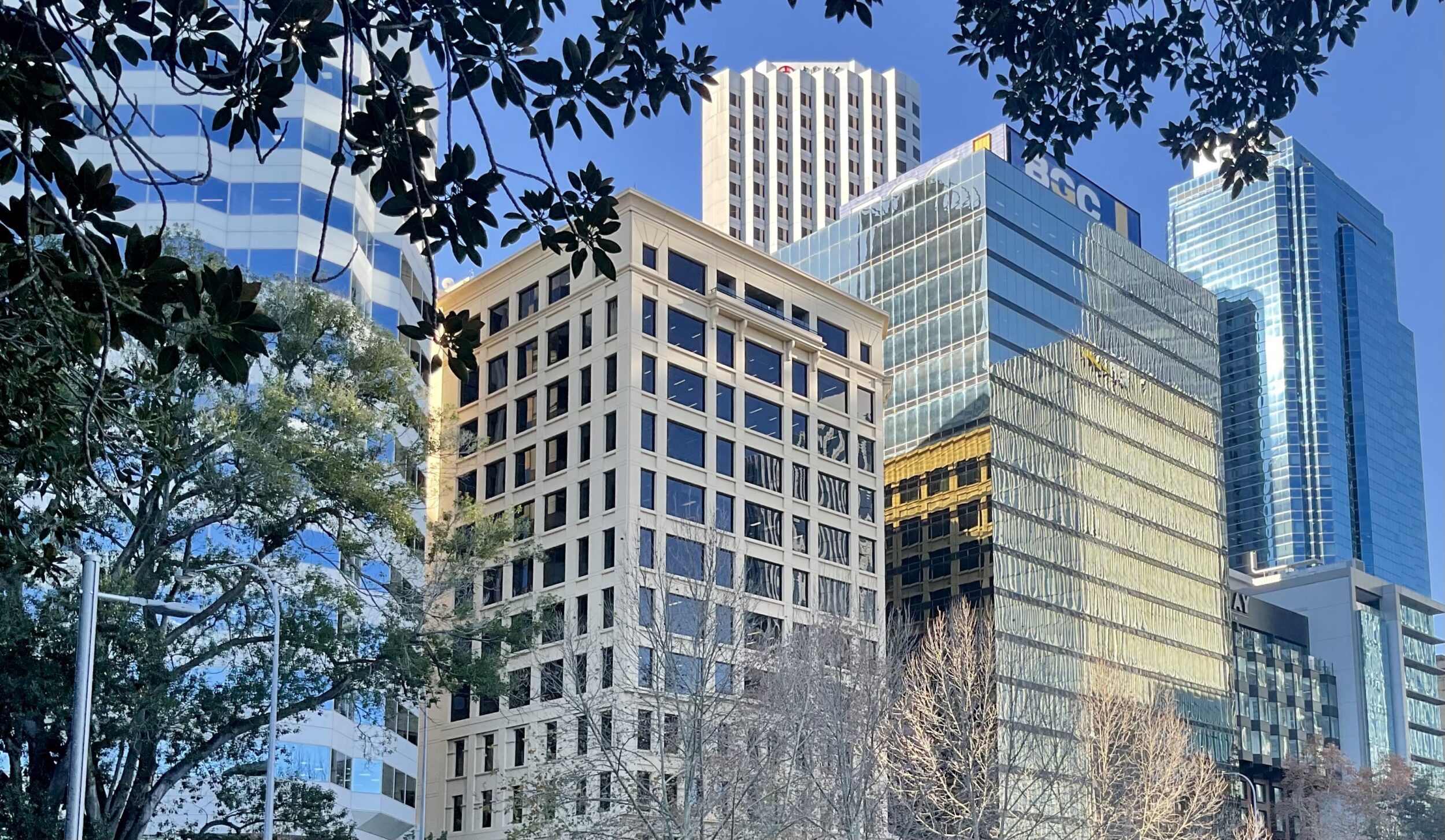
Winter 2025, South West WA (#2 in series: winter light)


Well-known fact about Perth: it is handsomely the sunniest of Australia’s capital cities.

Perth averages 3,200 hours per year – circa 8.8 hours per day.

Little-known, counter-intuitive fact about Perth: its average annual rainfall is considerably higher than Melbourne’s…and London’s.

(Melbourne has twice as many rainy days, and many more hours of drizzle. Perth’s rain – is typically much more “squally”)

Perth’s winter light is often glorious; it can flatter everything it touches – even very “generic” CBD architecture.

Comments closed

Winter 2025, South West WA (#1 in series: flying low)


At least according to European-styled calendars, spring has just begun in Australia’s southwestern corner.

Seasonal realities are in fact highly “fluid”; they do not obey calendar dates.

Whilst seasonal patterns have become progressively more “fluid”, the skies over WA’s south west have provided progressively smaller annual deliveries of actual fluid.

For the past four decades almost every annual and winter rainfall figure has been well below the long term average

in June-July-August 2025 most parts of  WA’s south west experienced their first “properly” wet 21st century winter.

Perth’s 2025 winter was the wettest of our 42 years here; only those who have lived in Perth for 68 years have experienced any (barely) wetter one.

Comments closed

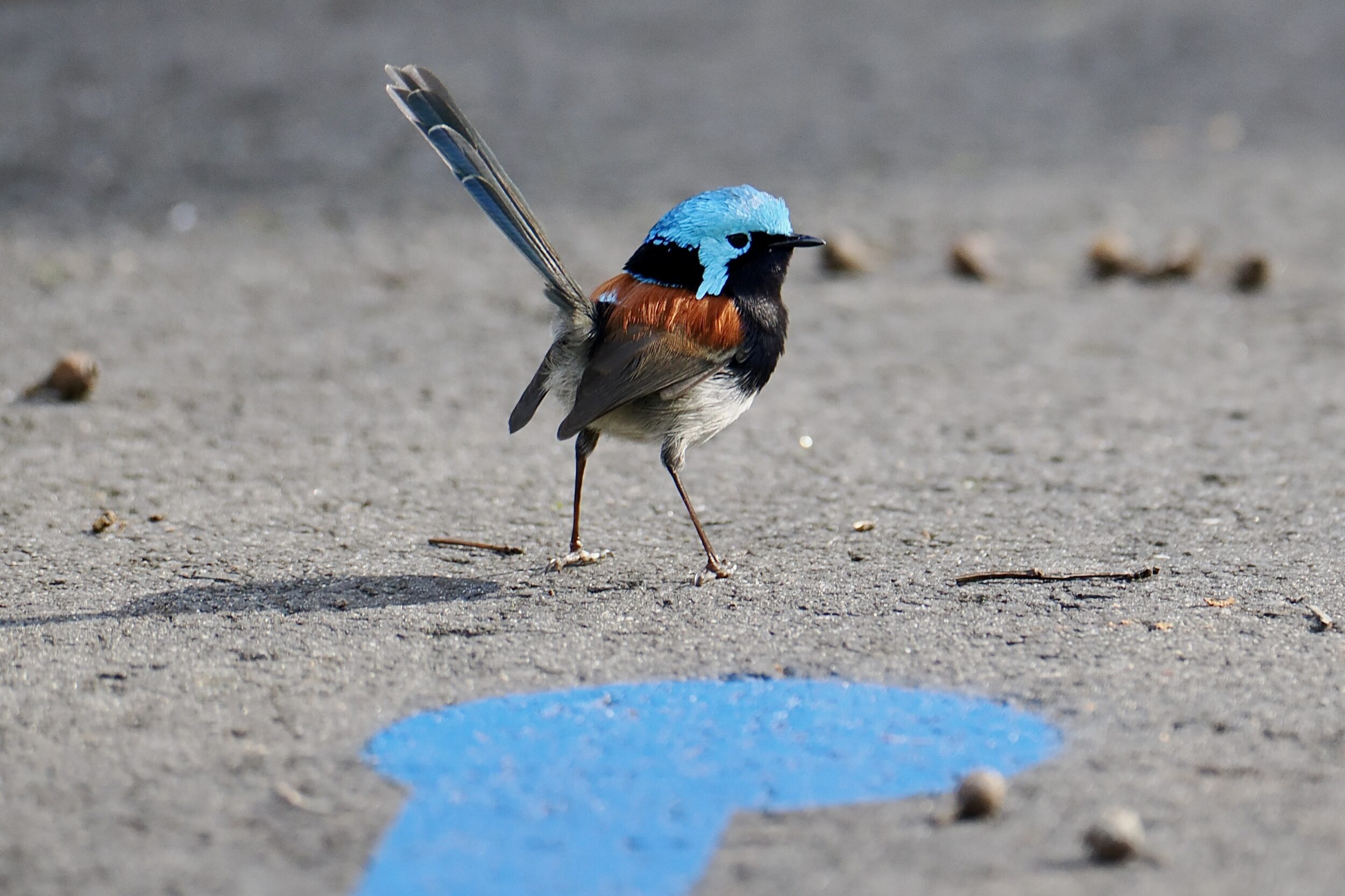
“Roadrunner” fairy wren: is he being wily?


The featured image (above) was taken at 2.51 pm on 18 August 2025, near Beedelup Falls, in southwestern Western Australia’s “Karri country”.

Although not a very fine photo, it does show some very unusual behaviour.

”Flaunting it” is something to which any male member of the genus Malurus – the eleven Australian species generally known as “fairywrens” – devotes a deal of his life.

Generally, however, these “show-offs” are very wary; as soon as a flaunting fairywren senses a human’s presence, he “disappears”.

Q: So why was the pictured individual right out in the open, on a sealed roadway’s surface, and utterly unalarmed by my very obvious, very close presence?

Comments closed

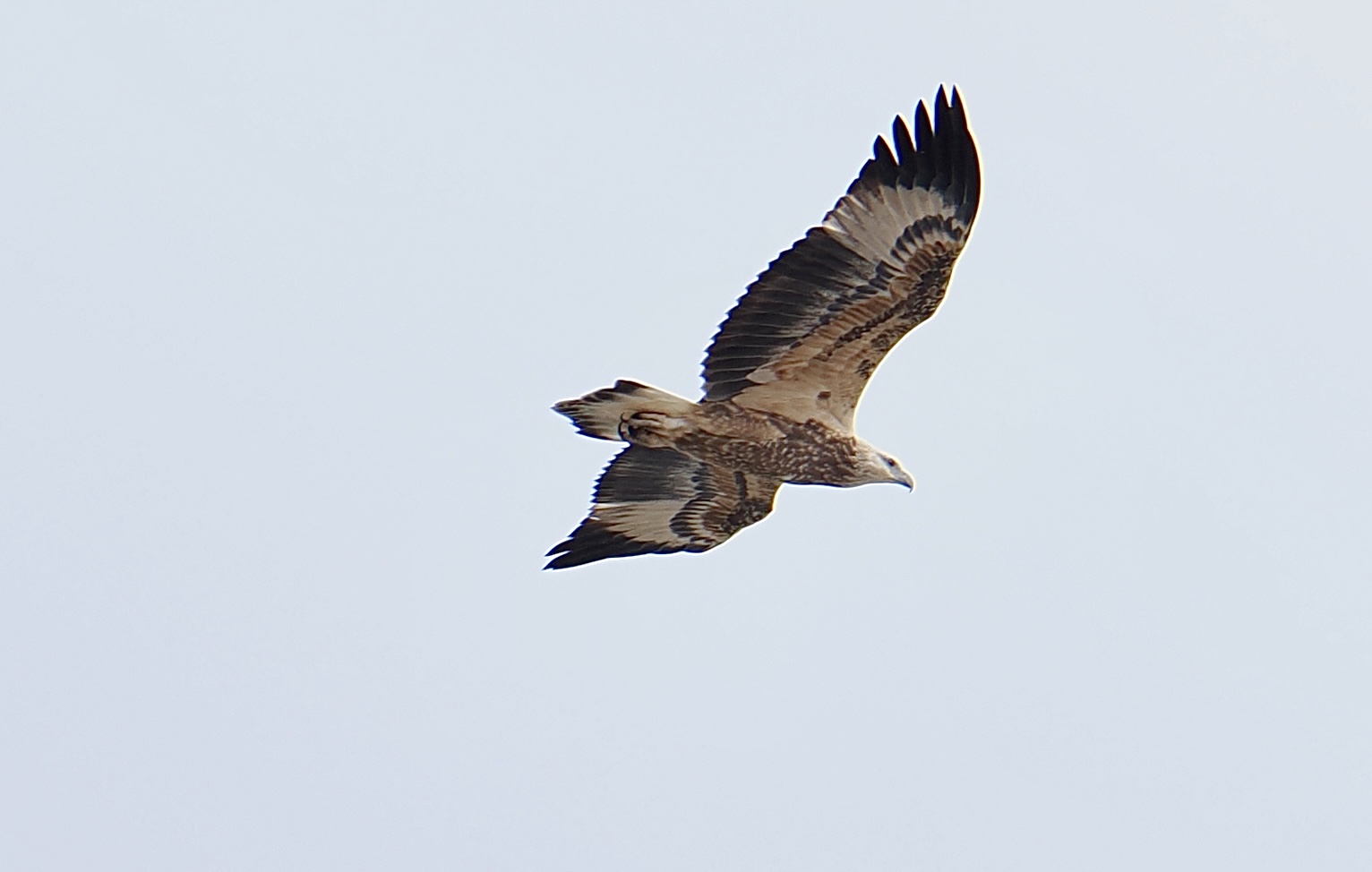
Flinders Island, March ‘25 (#5 in series: wedge-tail)


Just a few minutes after I’d photographed the Strzelecki peaks’ seaward-facing side, I noticed a large raptor, gliding above the nearby beach.

It was soon obvious that s/he was a wedge-tailed eagle – Australia’s largest raptor, and one of the world’s bigger eagles.

Comments closed

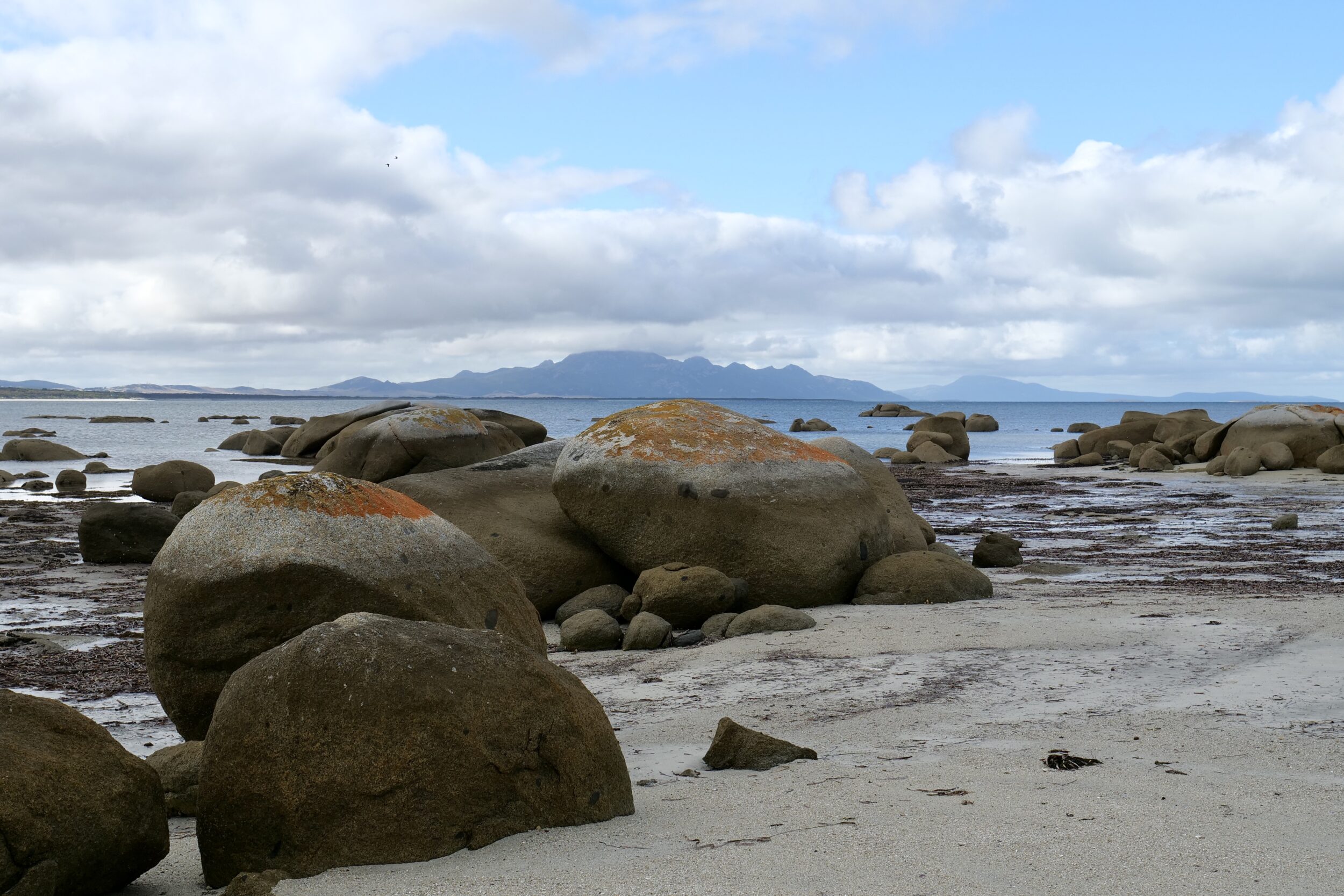
Flinders Island, March ‘25 (#1 in series: characteristics)


It is Bass Strait’s largest island.

Among Tasmania’s more than 1,000 islands, only the “Apple Isle” is bigger.

However, Flinders Island’s nearly 1,400 square kilometres are home to fewer than 1,000 humans.

Any observant tourist will encounter many more wallabies than people; the same is true of wombats, cattle and Cape Barren geese.

Finding a splendidly wild and uncrowded beach is phenomenally easy; Flinders Island has more than 120 of them!

And if you are partial to granite and lichens….

Comments closed

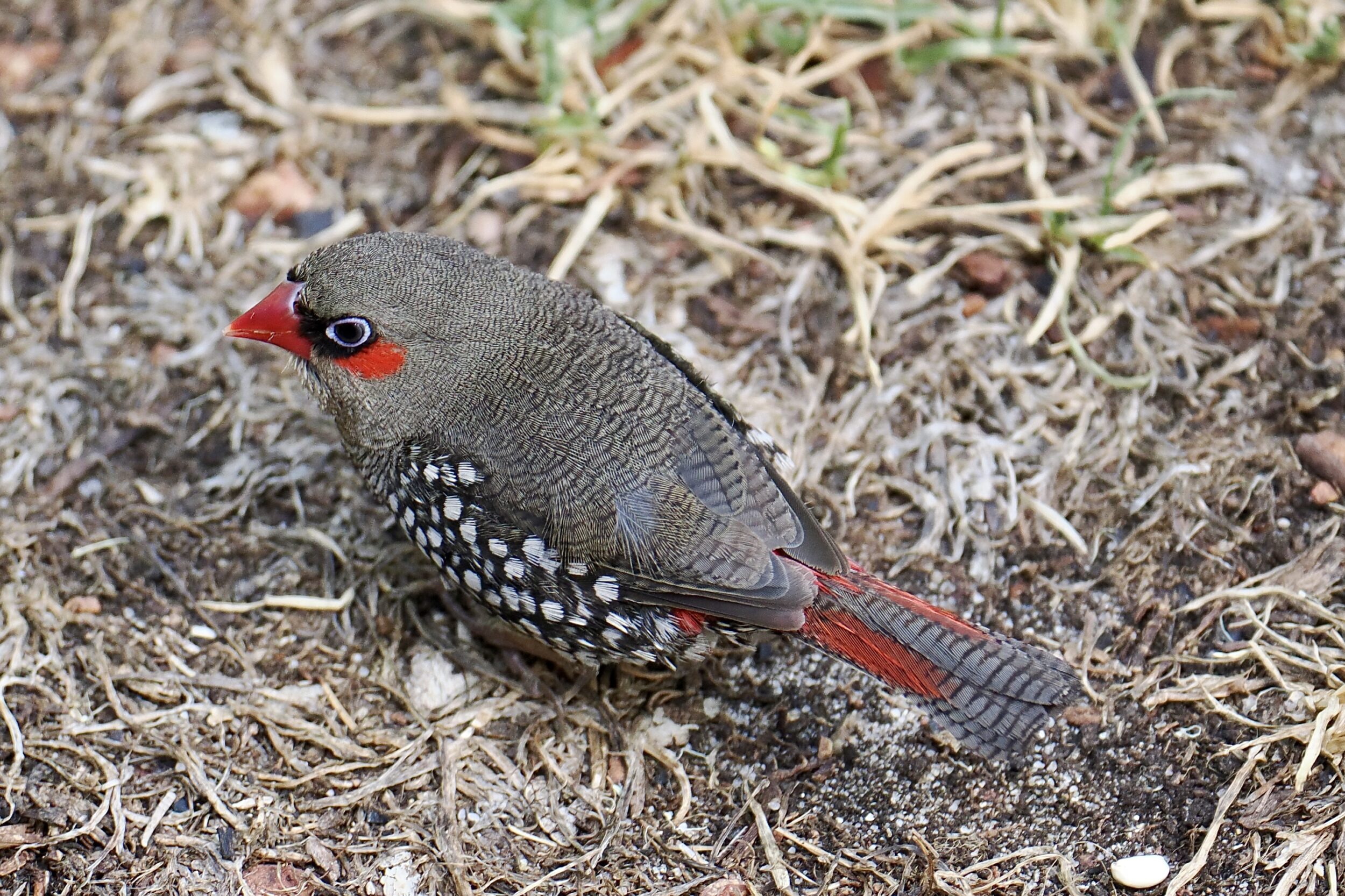
Deep South WA, Feb ‘25 (final in series: red-eared firetail)


Three of Australia’s nineteen to twenty-one recognised “finch” species are “firetails”.

(Australia has the world’s most “collectible”/“beautiful” finch species, but some members of the human species do not regard Australia’s finches as “true” finches)

Arguably, the finest-feathered firetail is the one that naturally occurs only in a small portion of a single Australian State.

Within its range, this species is neither rare nor threatened.

However, remarkably few humans have seen this bird.

An even smaller number have ever managed to see one, properly.

Comments closed

Deep South WA, Feb ‘25 (#43 in series: looking down from Stony Hill)


Stony Hill is the highest point on the Torndirrup Peninsula, which shields one of the world’s greatest natural harbours from the Southern Ocean.

Albany’s King George Sound is around twice as large as Sydney Harbour..and is every bit as splendid.

On the first day of November 1914, thirty-six ships sailed out of King George Sound; they (plus another two, which sailed from Fremantle) comprised the convoy that carried the original ANZACs.

Another, not-coincidental claim to fame: “King George” is the name of the most delicious of whiting species.

Comments closed

Deep South WA, Feb ‘25 (#42 in series: wave, with musical bonus)


Western Australia’s south coast is mostly unspoilt, uncrowded, wonderfully wild.

However, in February 2025 sunshine, strong winds and big waves were generally “AWOL”, and the usually-brilliant, clear light was mostly flat, hazy and/or smoke-tainted.

This trip yielded an unprecedentedly low number of worthwhile opportunities for landscape/seascape photography!

Nonetheless, even on a “flat, grey day”…

Comments closed