Skip to content →

Category: photographs

Word power: Kathryn Schulz on “the Misanthropocene”


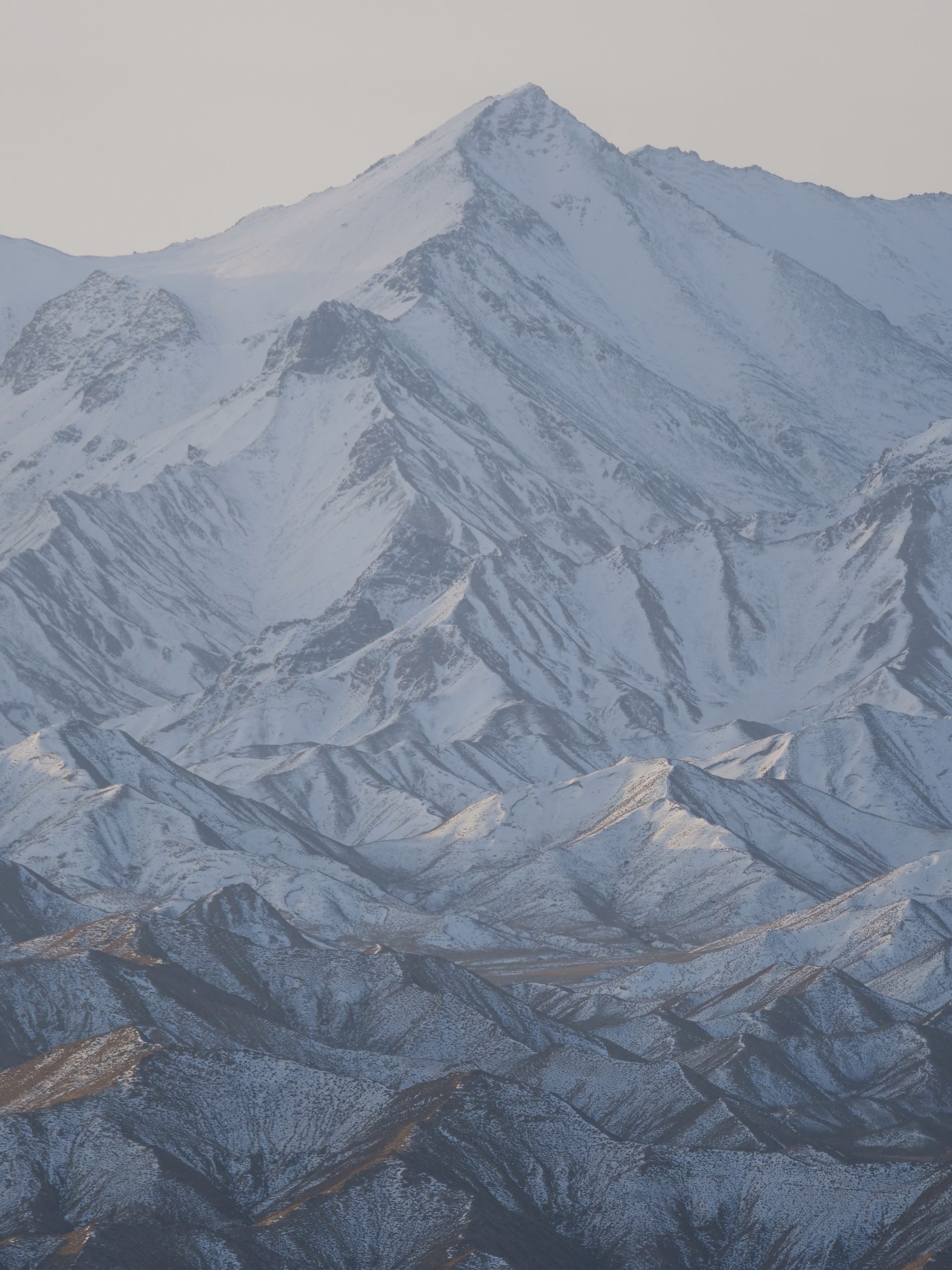
Kathryn Schulz’s superb essay is called What Do We Hope to Find When We Look for a Snow Leopard?

Although not primarily about snow leopards, it particularly refers to a 1978 “classic” – Peter Matthiessen’s The Snow Leopard – and to a recently-published book by a Parisian who also pursued an ardent desire to encounter a snow leopard, on “the roof of the world”.

Comments closed

Word power: “the Billy Joel of Australian politics”


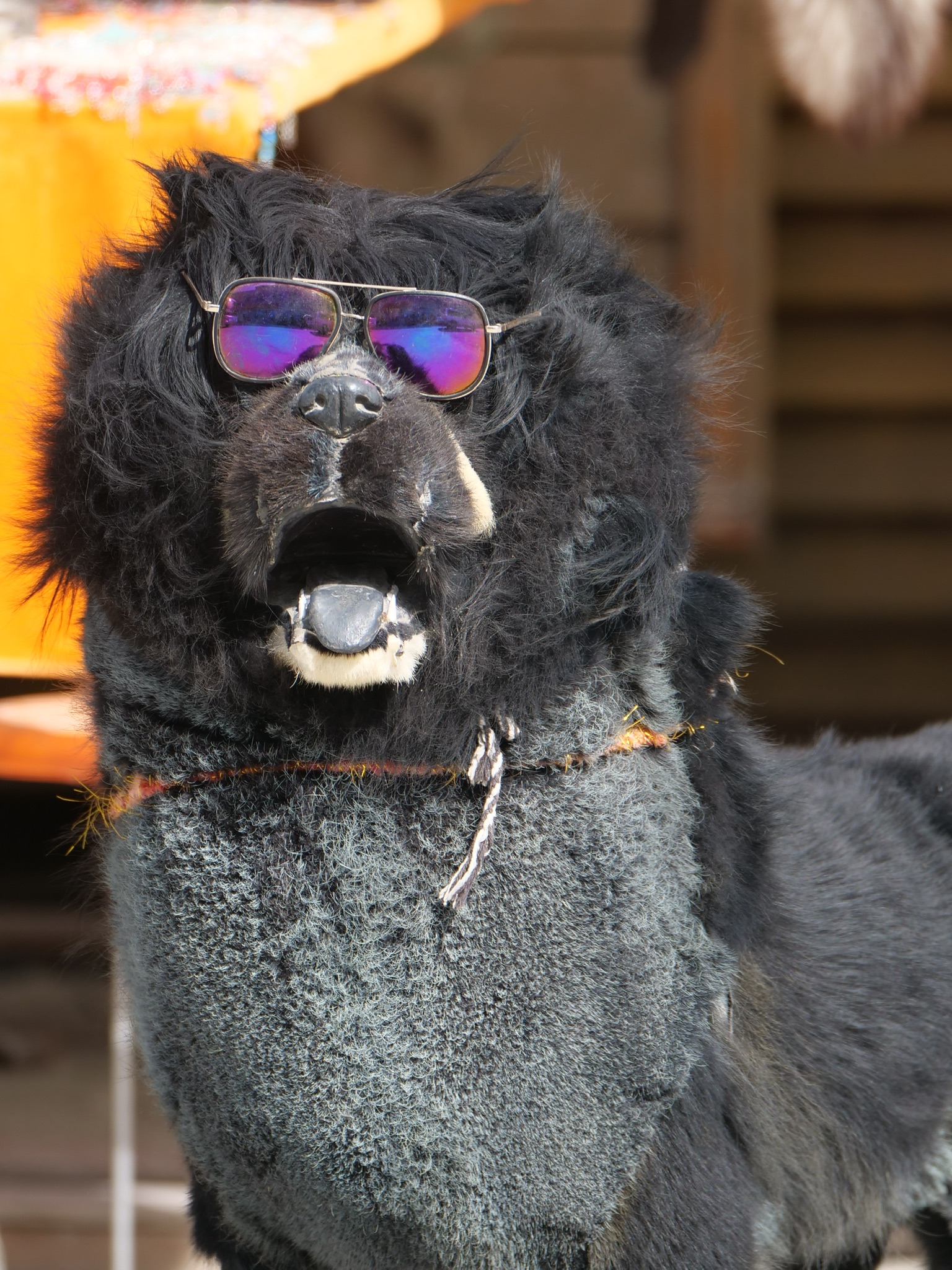
Did I stumble upon his/their avatar in a Tibetan Plateau marketplace?

Peter Lewis’s essay is an amusing and perceptive look at “Scotty”and Billy, as fellow “masters of pastiche”.

Morrison doesn’t even pretend to try to build his own coherent body of work. It’s not that he can’t come up with a tune. Far from it, there is a ditty for every occasion. It’s just that it’s not leading us anywhere.

Comments closed

Revelatory covers (#20 in series): “I’ll Be Seeing You”, sans words, but really singing…

Arguably the quintessential nostalgic song, I’ll Be Seeing You was composed in 1938. (music by Sammy Fain, words by Irving Kahal)

That year it was inserted into a Broadway musical…which flopped.

The song, however, became a “standard”, covered by countless singers…and not a few instrumentalists.

It was a #1 hit for Bing Crosby in 1944.

Frank Sinatra recorded it more than once.

Even Eric Clapton did so, in 2016.

The most celebrated recording – Billie Holiday’s 1944 version – is the one which reached Mars in 2018, as the conclusion to NASA’s final transmission to its Explorer rover.

However, the most “out of this world” version to reach this Earthling’s ears is a “live” and exploratory instrumental trio treatment, delivered in “the city of fallen angels”, in June 2016.
Comments closed

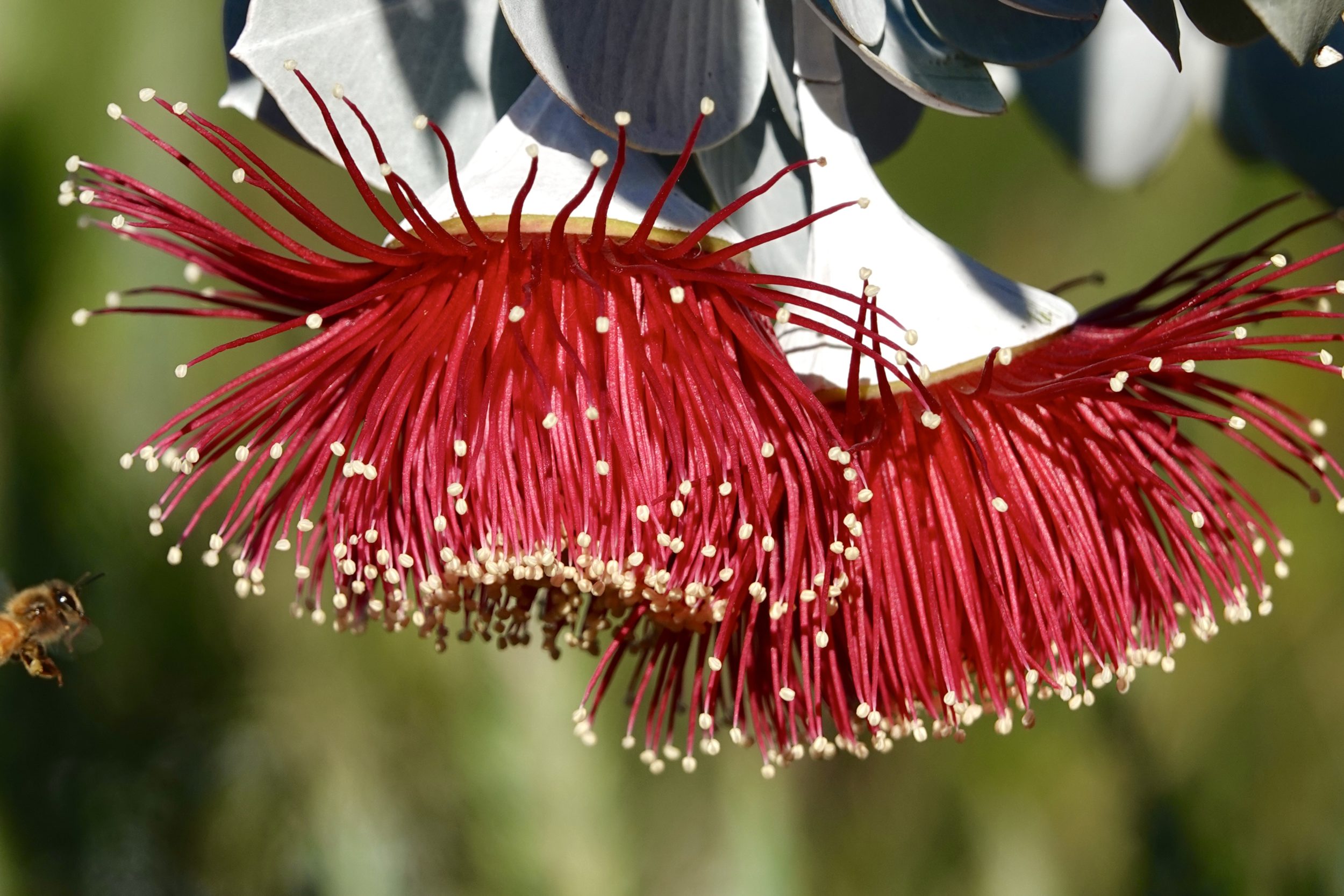
Mallees in May

Most mallee species are eucalypts, and more than half of Eucalyptus species are mallees.

Their generally modest height and oft-“untidy”/“shaggy” appearance blind some people to mallees’ beauty, their great diversity, and their oft-astonishing buds and flowers.

As with so many Australian species, the closer you look, the more spectacular, surprising and glorious they are.

One Comment

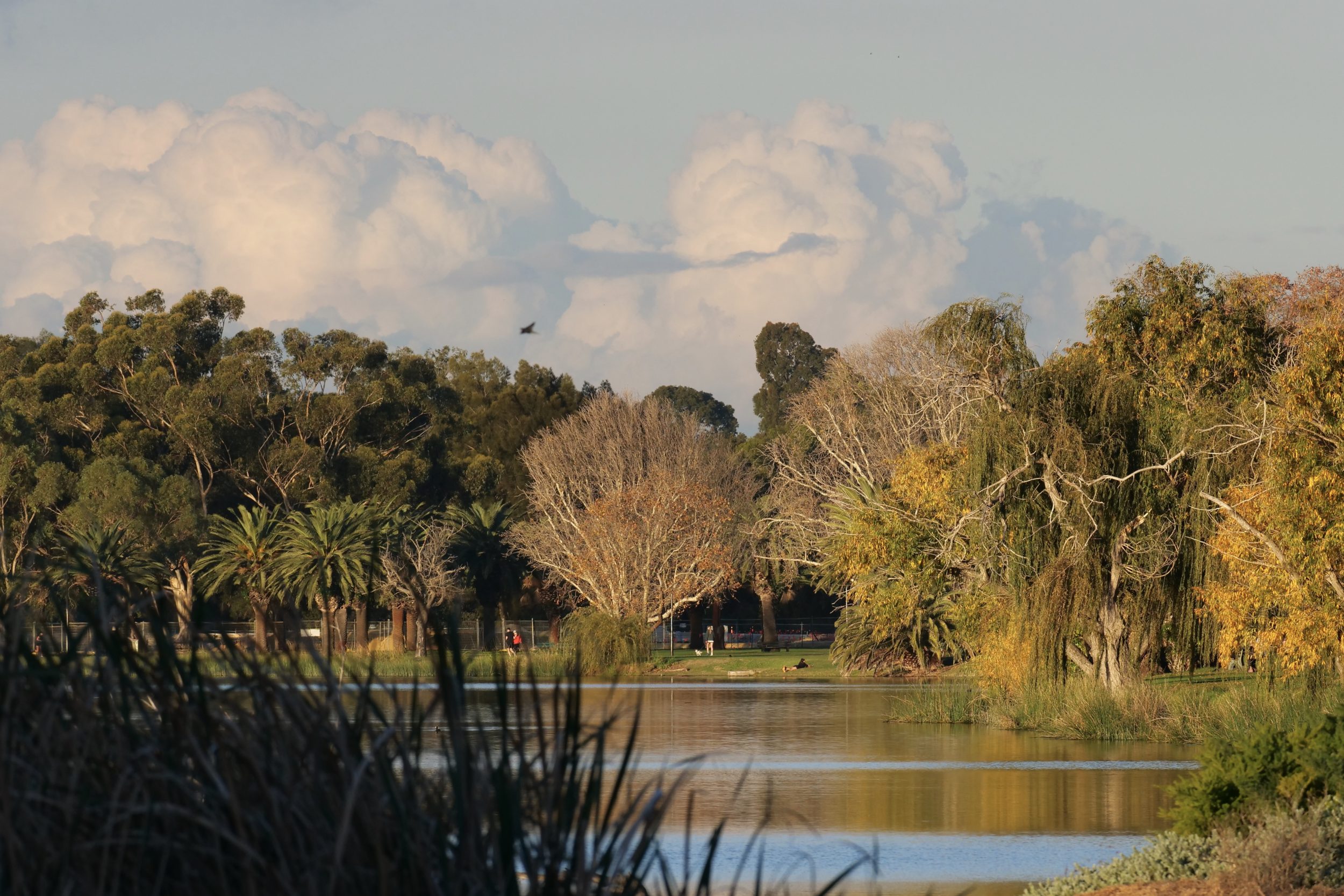
Such a winter’s day…

..is by no means uncommon in Perth, but this one delivered something amazing.

The photo above shows Lake Monger Reserve’s southernmost section – its faux “European” part – where exotic trees and lawn predominate, still.

The image below looks to the lake’s longer, eastern shore, where an ongoing rehabilitation process has re-established more appropriate riparian vegetation.

There, “local” plants now predominate. They – along with other measures to reduce eutrophication – are key to Lake Monger’s recently-improving health, after circa 170 years of seemingly-irreversible, human-induced decline.

Comments closed

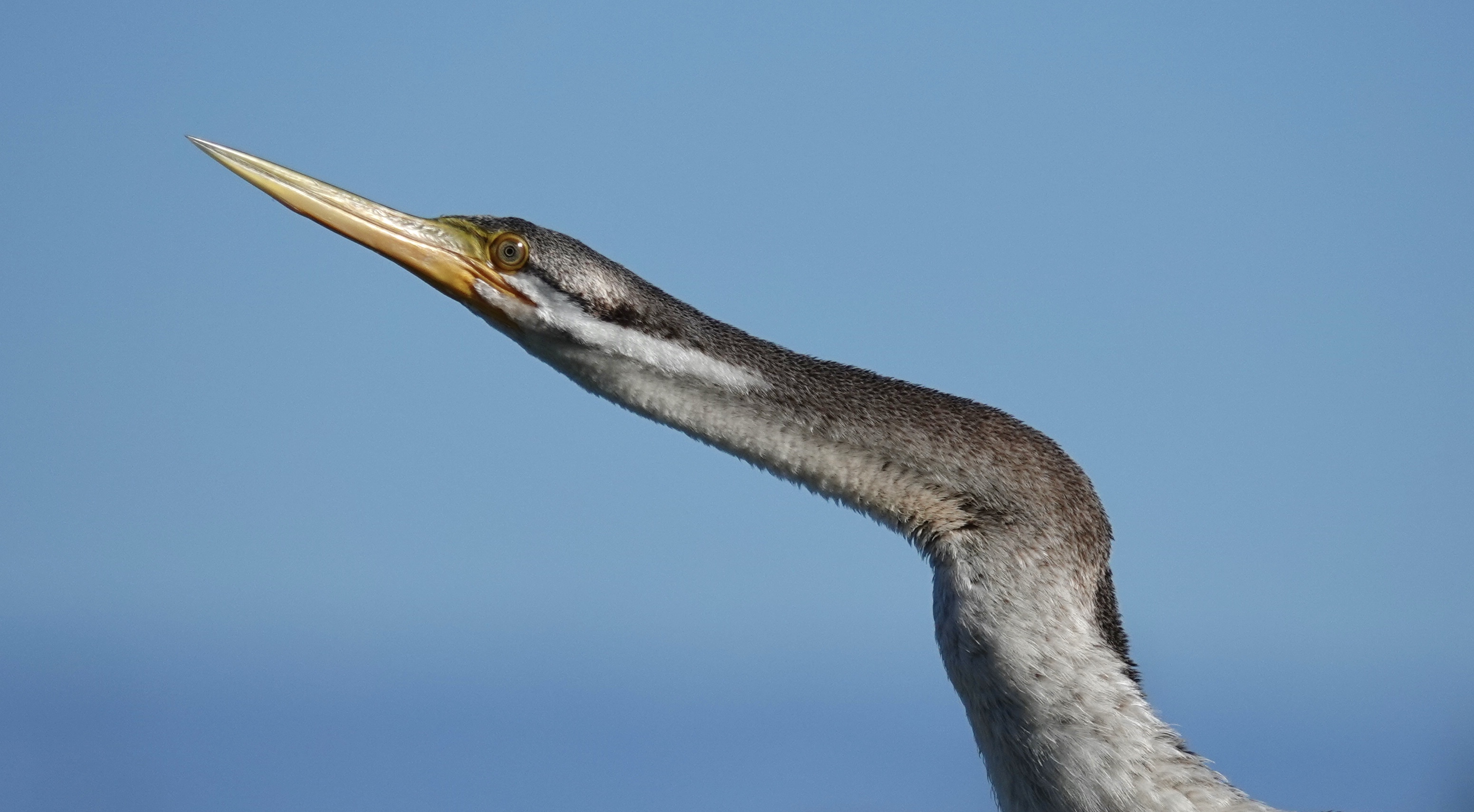
Snake Bird, Mandurah, WA

The Australasian Darter – Anhinga novaehollandiae – is our single member of the Anhinga genus, which has just four species.

All of its members are commonly known as “snake birds”.

You could consider their “snake” as a spearhead, with a brain-powered, spring-loaded, feathered shaft.

The shaft’s spring-loading is via their neck’s unique hinge mechanism, at the 8th & 9th vertebrae.

Comments closed

Word power: Peter Martin on “normal” Australian incomes v “top end of town”

Are many Australians woefully ignorant of what income levels currently sit within reasonable definitions of “normal” and “top end?”

Are the leaders of both of our major political parties deliberately furthering our ignorance?

According to Peter Martin’s solidly evidence-based article, the answer to both questions is a resounding “yes”.

Comments closed

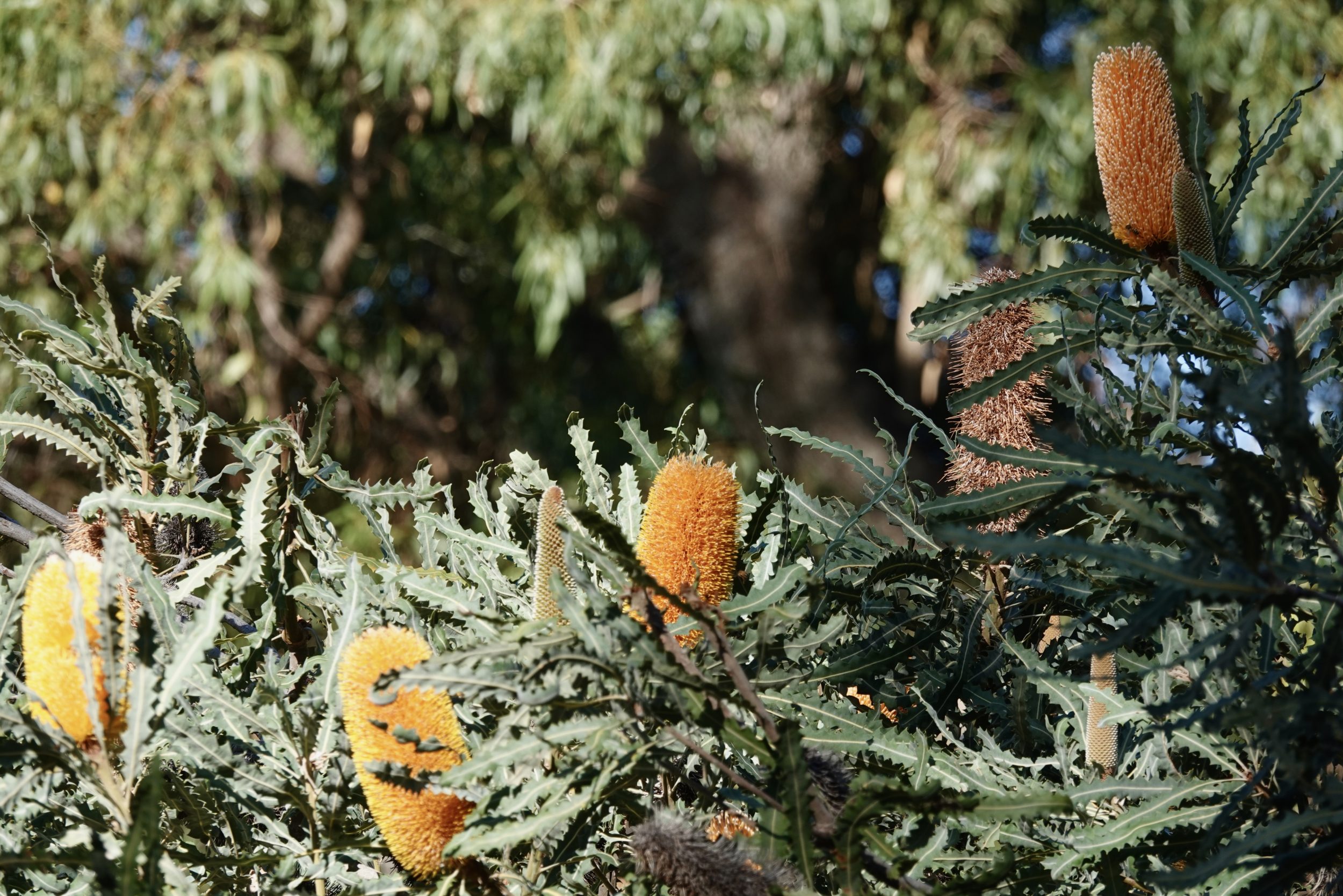
Kings Park Banksia Garden, May 2021

This post, the two recent Boab posts, and two future posts are all fruits of the afternoon of the same day – 20.05.21.

Southwestern Australia’s Spring flowering is indeed one of the world’s most astonishing and beautiful natural phenomena, and Kings Park in Spring is guaranteed to leave any Northern Hemisphere resident’s jaws agape.

It is, however, a BIG mistake to pay attention in Spring, only.

In southwest WA generally, and Kings Park specifically, you can easily see some extraordinary endemic species, in full bloom, at any time; Kings Park’s Banksia Garden never disappoints.

Comments closed