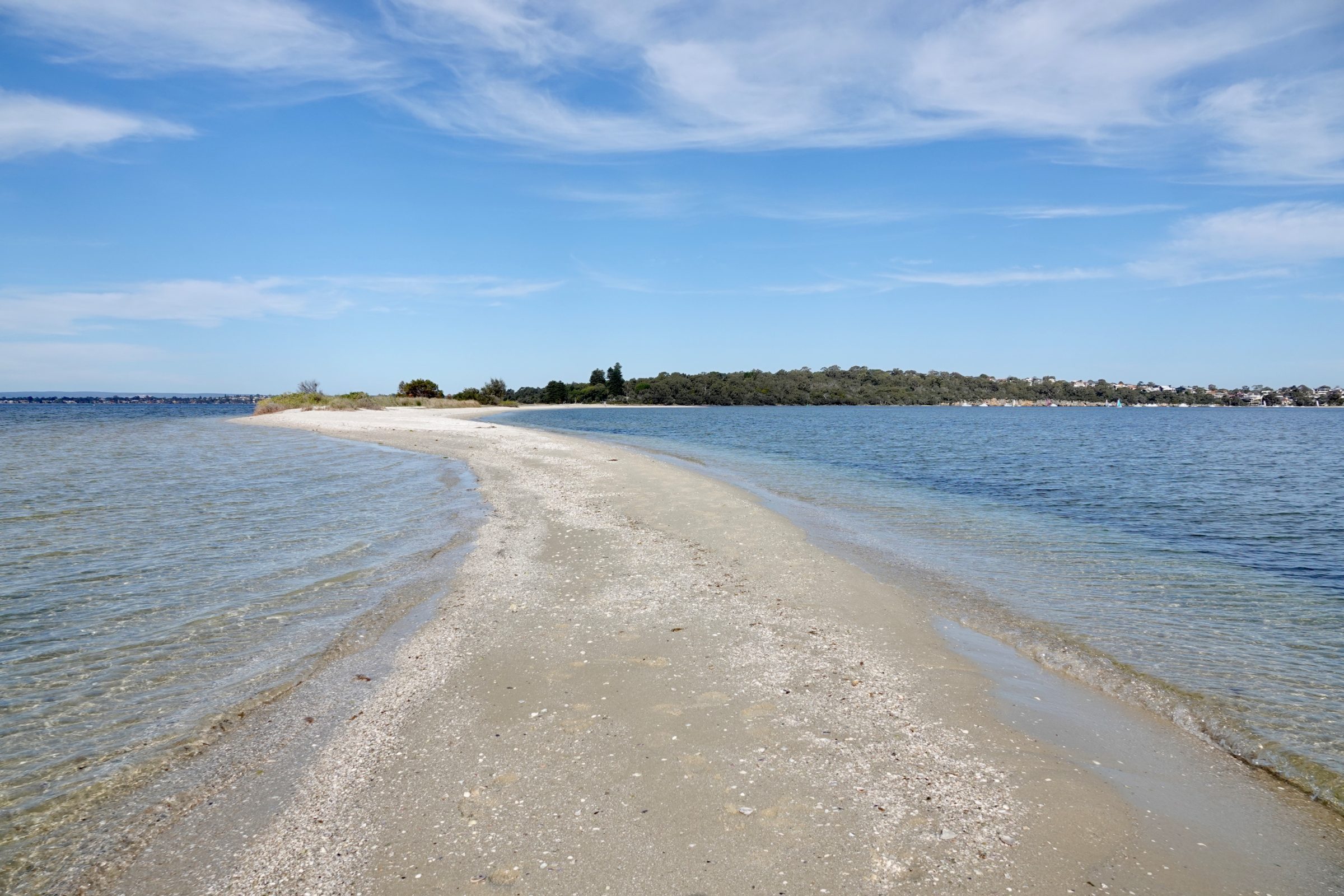
Perth is probably the world’s only substantial city where it is possible to walk for more than a kilometre along an unspoiled spit, on which shore birds nest, surrounded by a great expanse of clear, relatively unpolluted water.
One CommentCategory: photographs
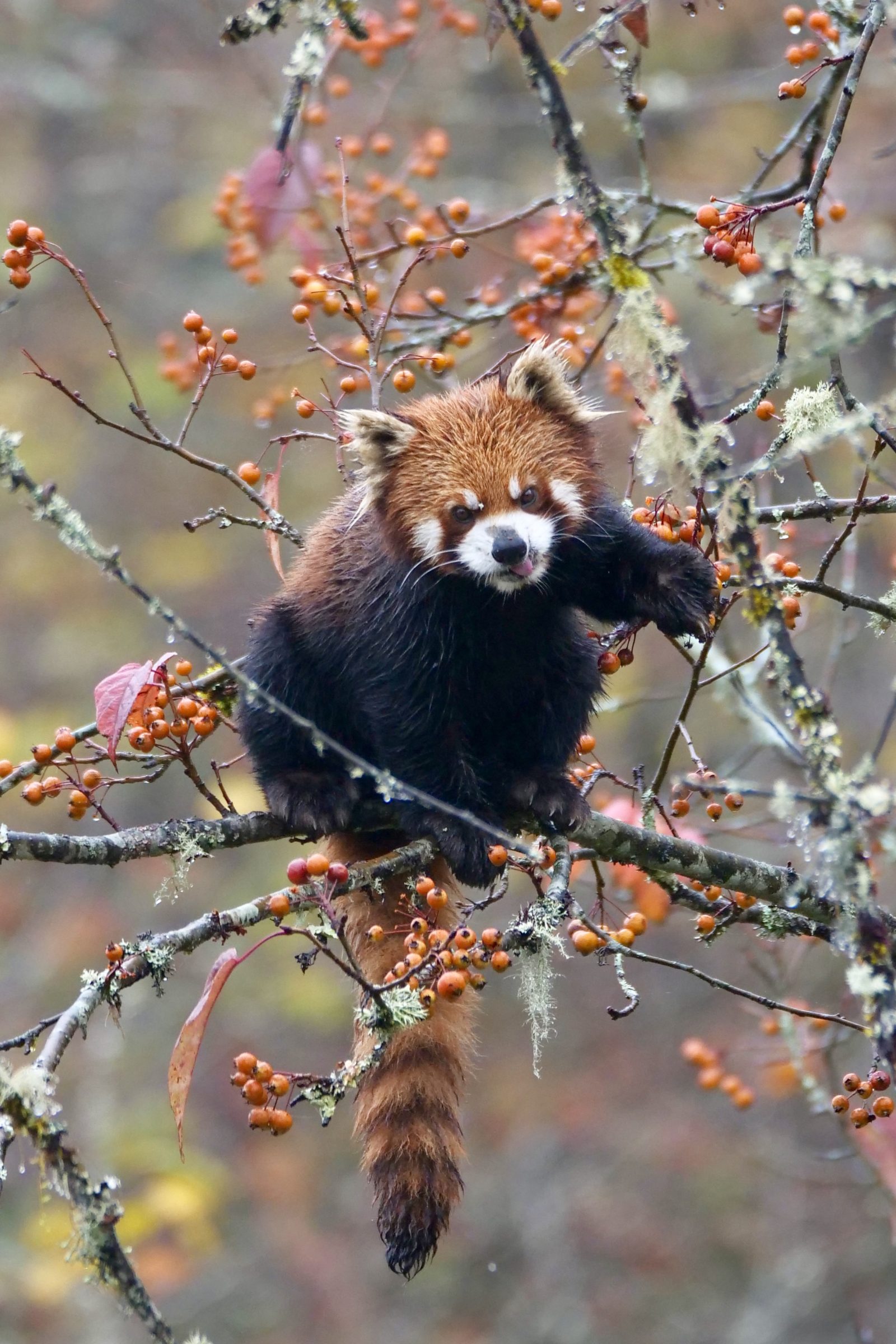
Red Pandas are their genus’s only (two) species; further, they are the only living members of their family, Ailuridae.
They are only very distantly related to Giant Pandas.
Giant Pandas are bears, members of the Ursidae family.
Red Pandas are more closely related to weasels, skunks and raccoons, as fellow members of the superfamily, Musteloidea.
Comments closed
Oblivion is a 1982 composition by Astor Piazzolla (1921-1992), Nuevo tango’s pre-eminent composer and bandoneon virtuoso.
Perhaps his most uncanny piece, it has survived/endured countless covers.
Some of its finest interpreters are not Argentinian, and although one of this post’s two very different versions does feature a “squeezebox”, it is not a bandoneon.
Comments closed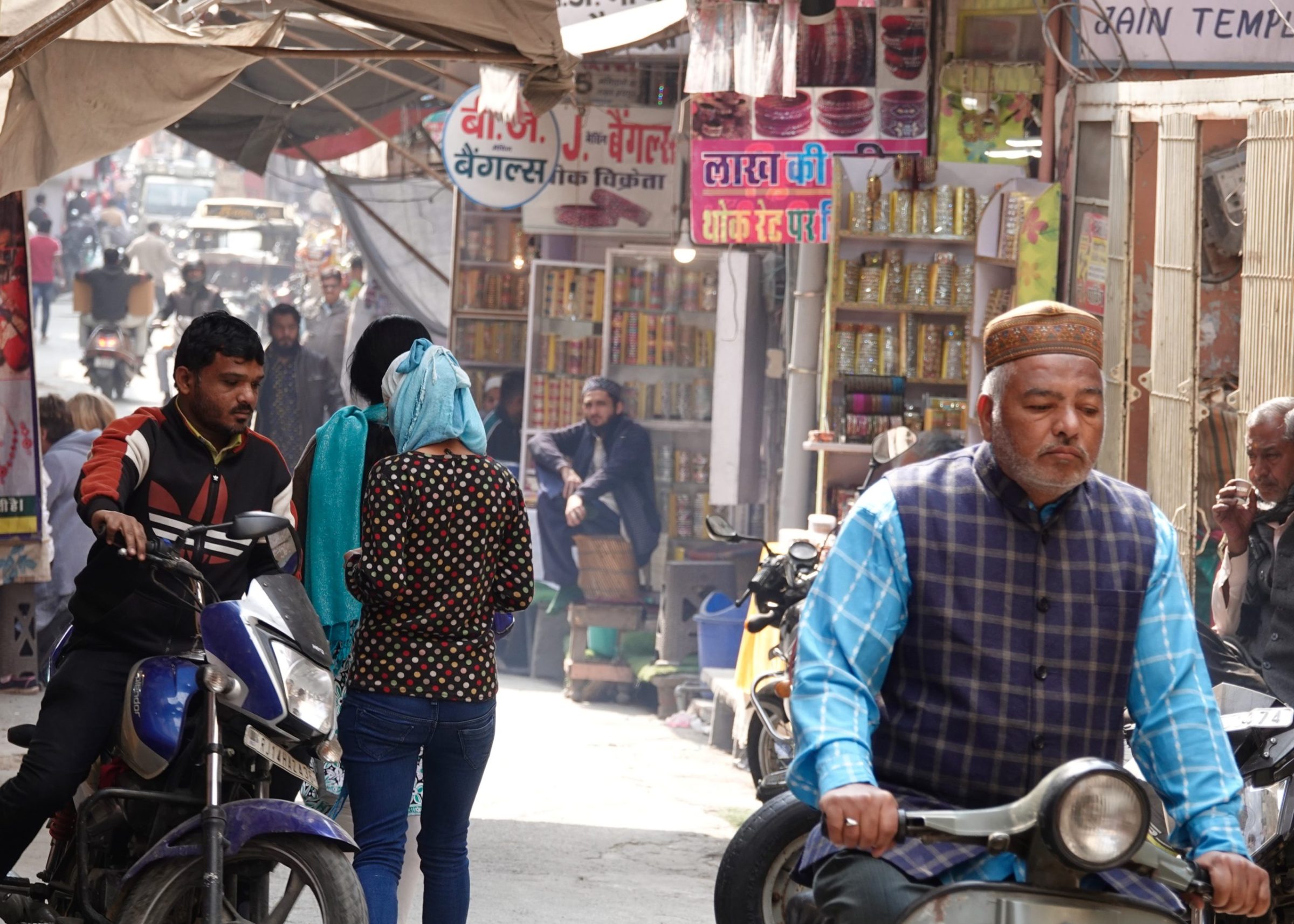
This post is the fruit of a lunchtime walk through the walled, “old city” section of Jaipur, Rajasthan’s largest city.
Approaching four million people, its metropolis has around twice as many residents as Perth’s.
Its “old” part’s hub makes any part of Perth – or of most “Western World” city CBDs – feel relatively monochrome, lifeless.
Comments closed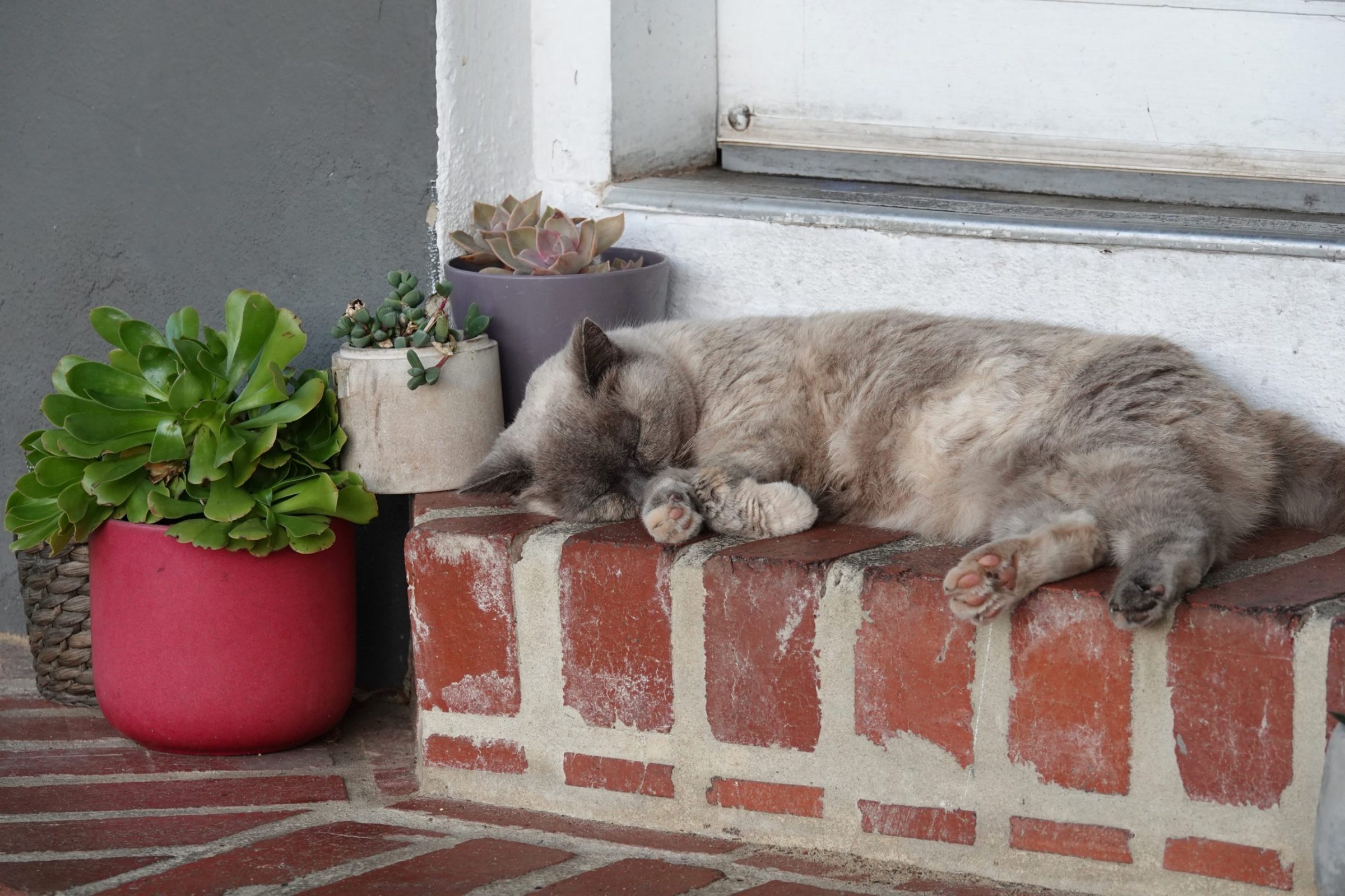
Humans may find Lead Belly’s wise advice rather easier to sing than to adopt, but a well-loved local “street cat” exemplifies the notion… most especially when the sun has suitably warmed her favourite footstep.
Comments closed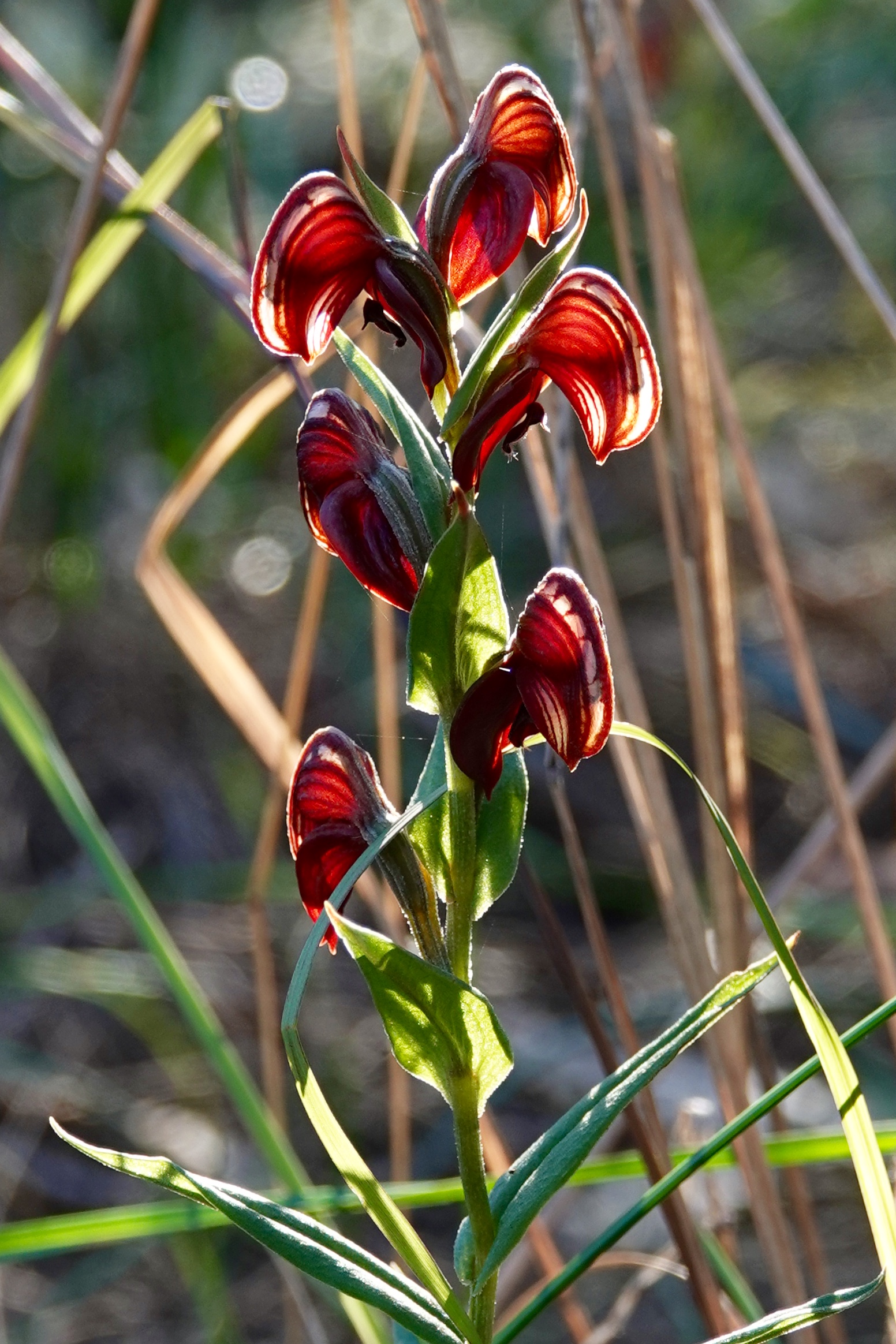
Greenhood orchids are currently blooming in Perth’s Kings Park.
Not all of them have green “hoods”!
Comments closed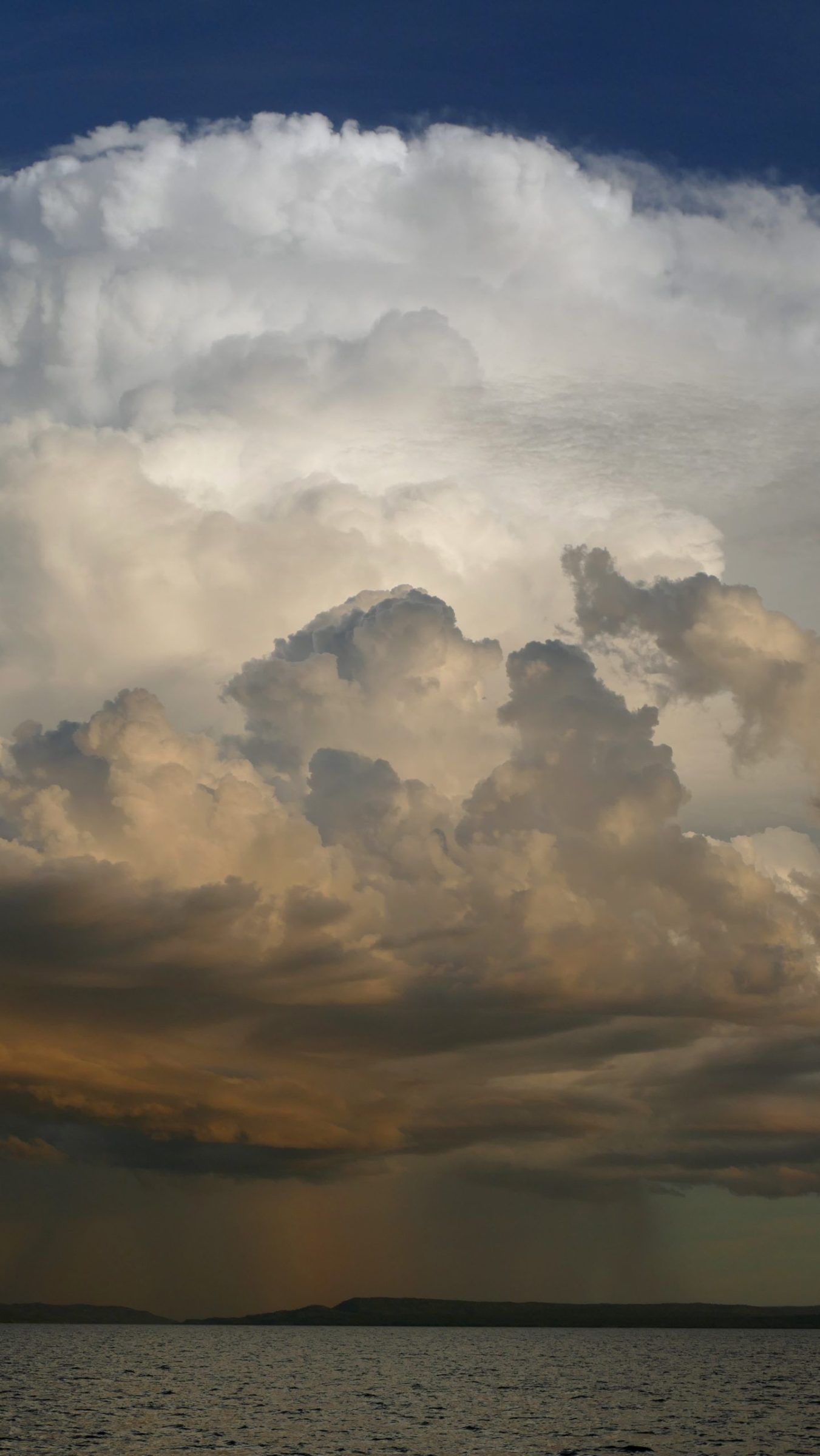
The world’s most extensive tropical coastal wilderness is that of the Kimberley, in northern Western Australia.
Its landscapes are epic.
So are the skyscapes; Kimberley thunderheads can dwarf Everest.
Comments closed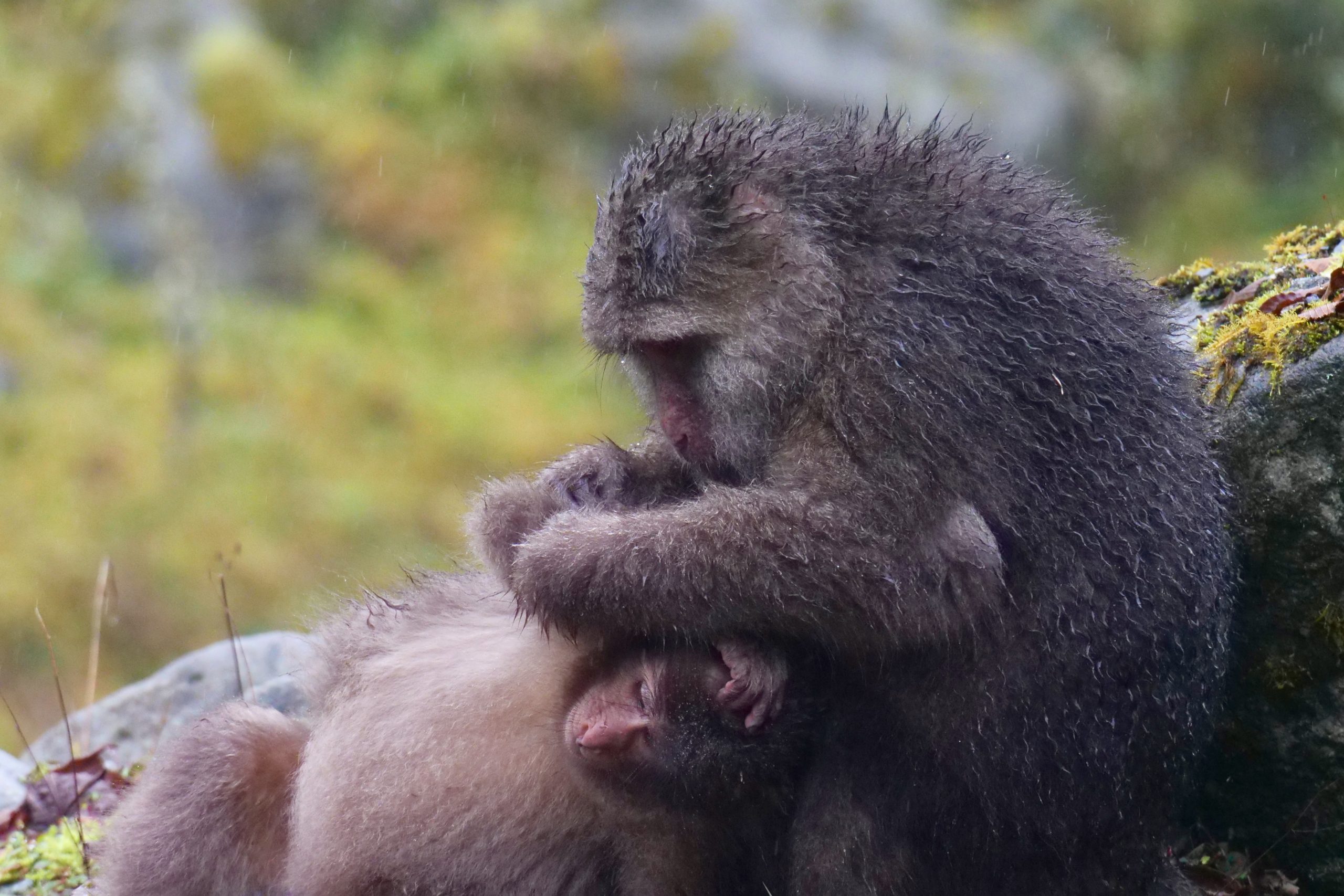
The featured image depicts maternal tenderness, but Macaca thibetana is also a strikingly aggressive, opportunistic species.
Unsurprisingly, this species’ “near threatened” status is the result of pressure/competition from our own aggressive, opportunistic species!
Tibetan Macaques live in cool subtropical Asian forests at elevations between 800 and 2500 metres above sea level.
Comments closed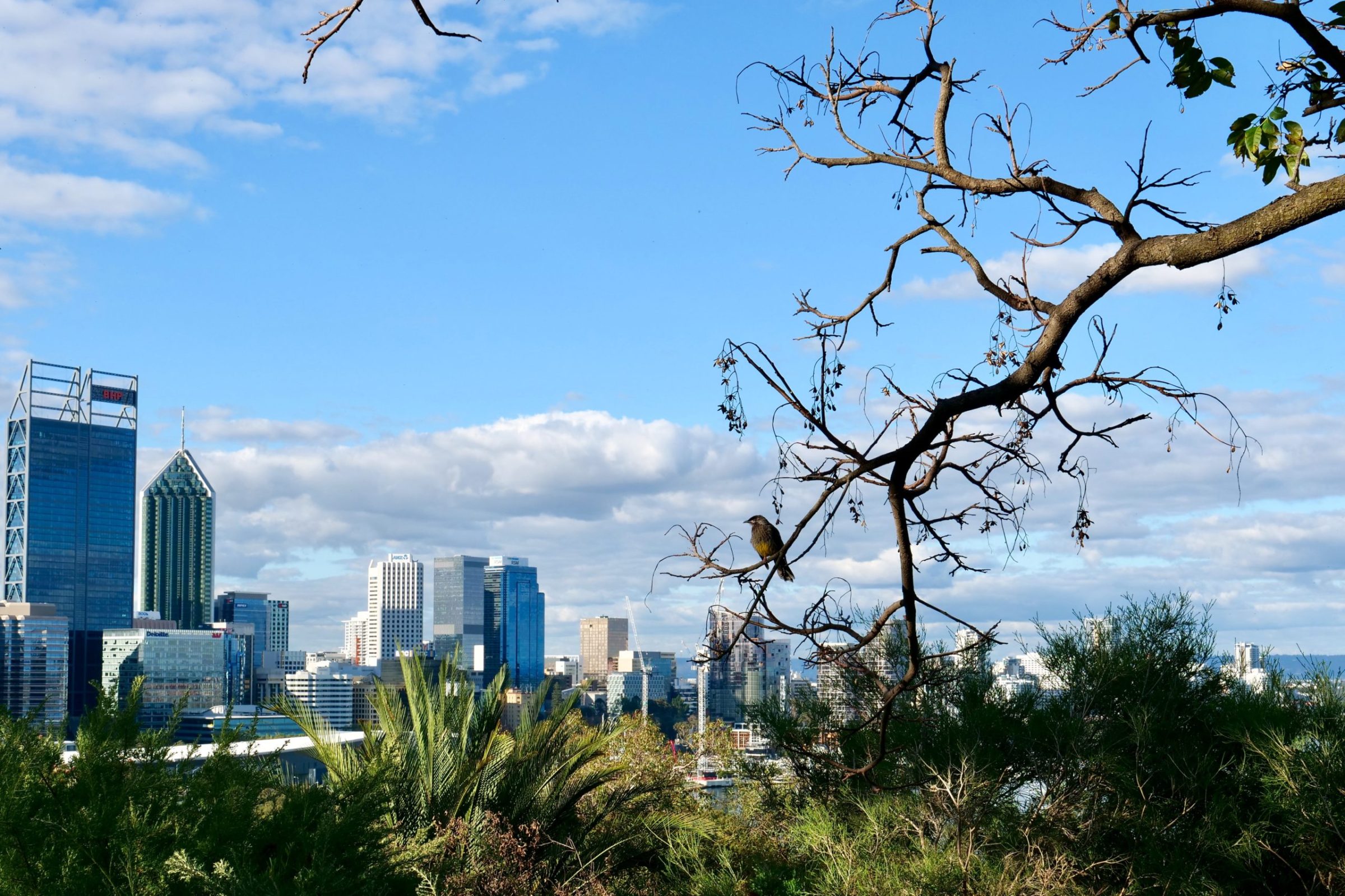
This post alerts you to two provocative essays about Australian governments’ approach to “public spending”.
One looks at general home truths, facts, fictions and illusions, with particular reference to our “post-pandemic” economic & social well-being.
The other addresses Australia’s response to “the threat from China”.
According to Richard Dennis, we Australians are reluctant to look into the simple truth hidden in plain sight:
One Comment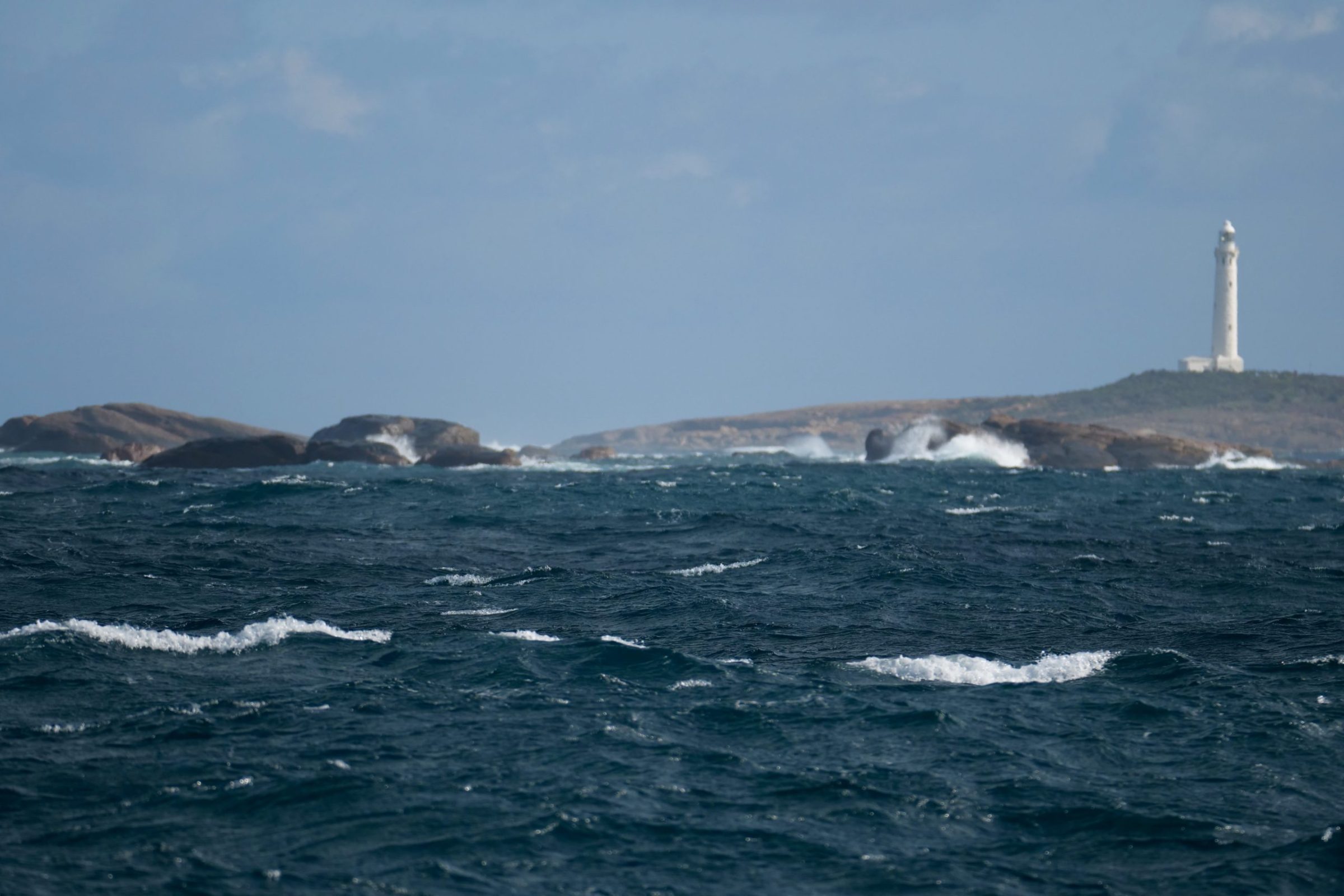
Four kilometres south of the little town of Augusta is Cape Leeuwin, atop which sits the Australian mainland’s tallest lighthouse.
The much-promoted notion that this is where two oceans meet is highly debatable; arguably, the Indian Ocean laps both sides of Cape Leeuwin.
Regardless, it is our continent’s bottom left hand “corner”, and the Augusta/Leeuwin “corner” is a wonderful place.
One Comment