Skip to content →

Category: photographs

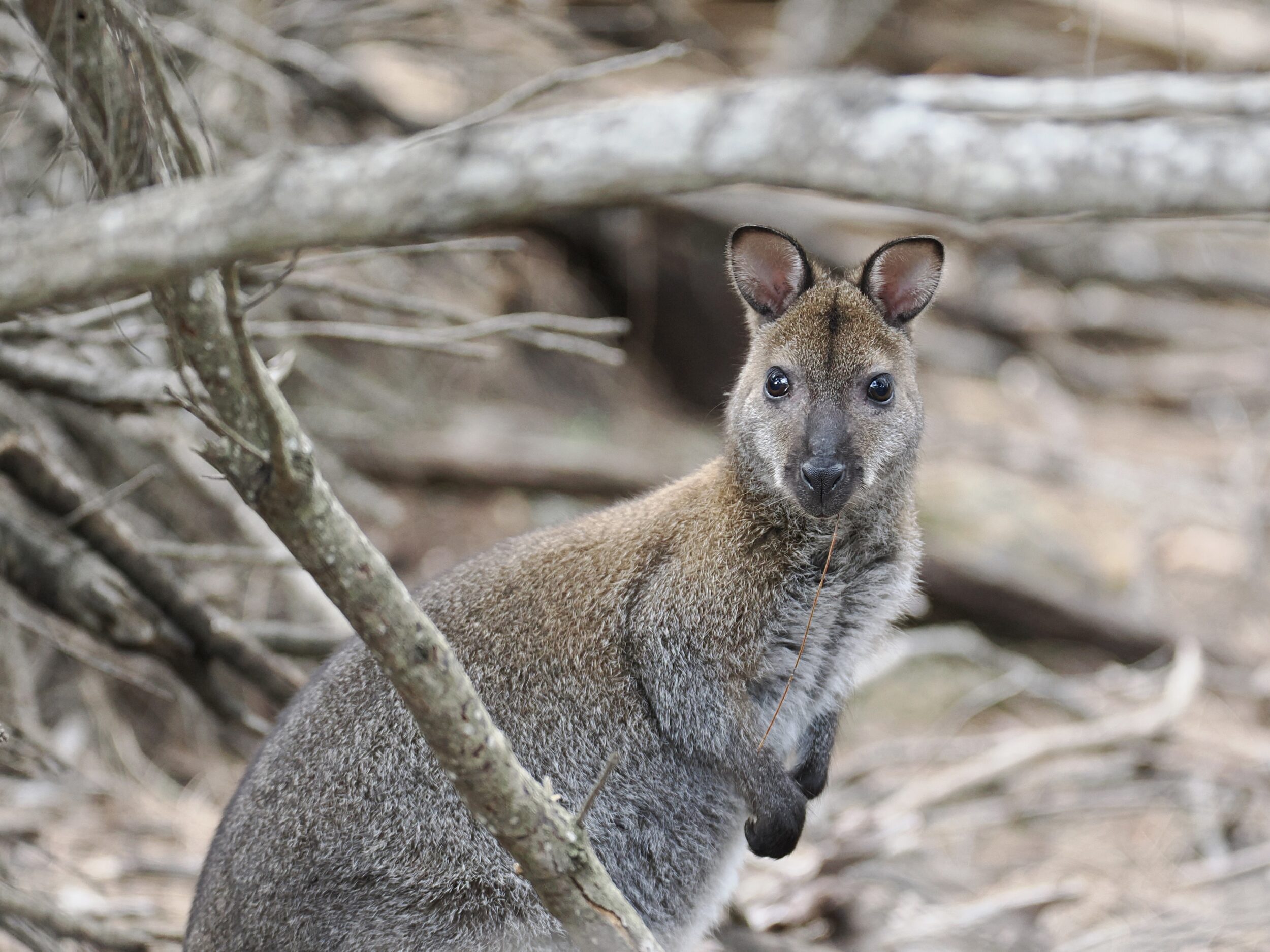
Flinders Island, March ‘25 (#6 in series: Bennett’s Wallaby)


20 minutes after the wedgetail “fly-by” (see #5 in this series), I enjoyed a much more intimate, ground-level, animal encounter.

Pictured is Notamacropus rufogriseus – a species which is particularly abundant in Tasmania, but is also common through much of eastern Australia’s coastal scrub and sclerophyll forests.

In Tasmania it is generally known as “Bennett’s wallaby”; in mainland Australia the more common name is “red-necked wallaby”; some humans regard the Tasmanians and the mainlanders as two distinct subspecies.

Doubtless, some would say the same of the two relevant human populations!

Comments closed
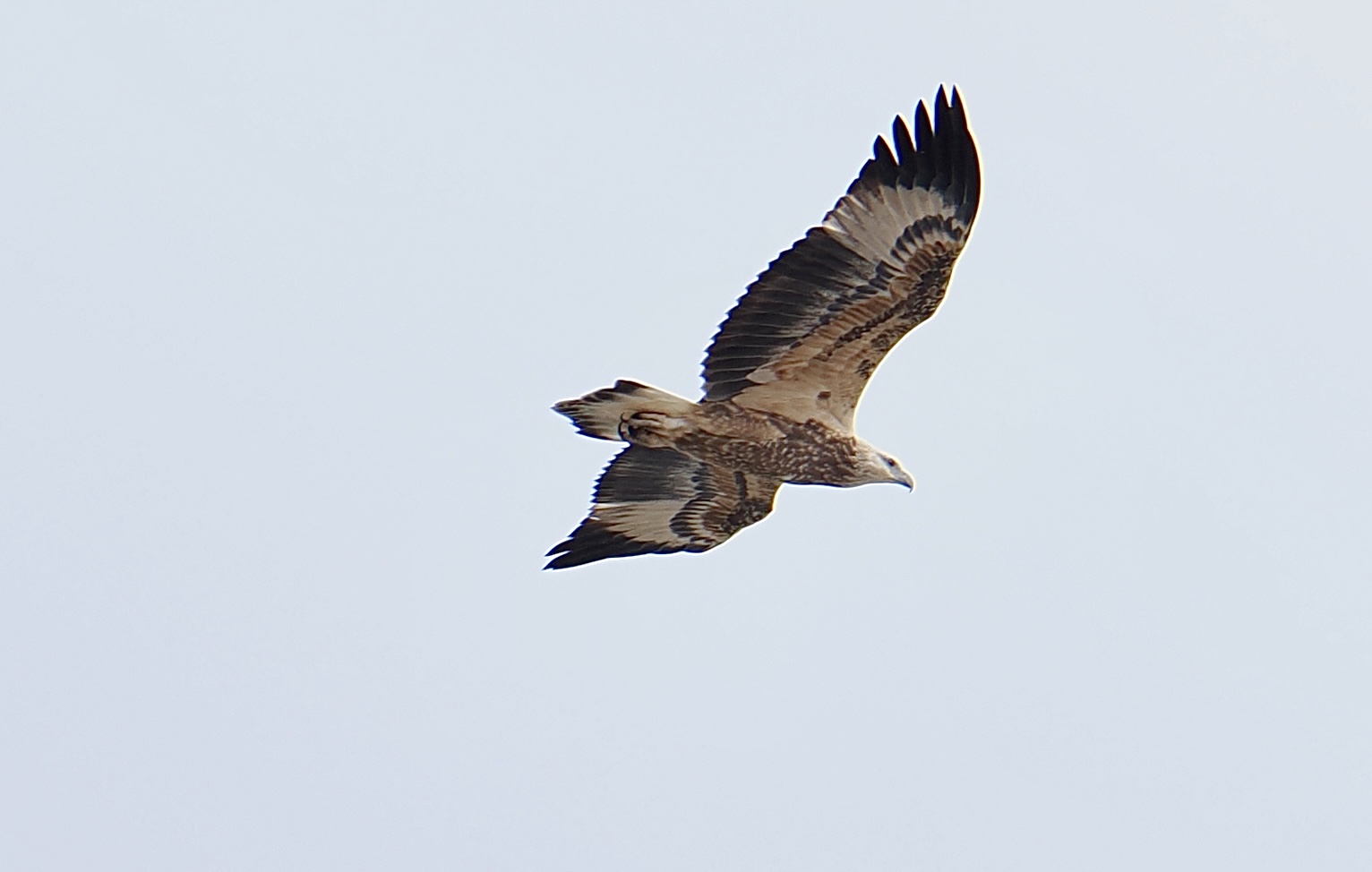
Flinders Island, March ‘25 (#5 in series: wedge-tail)


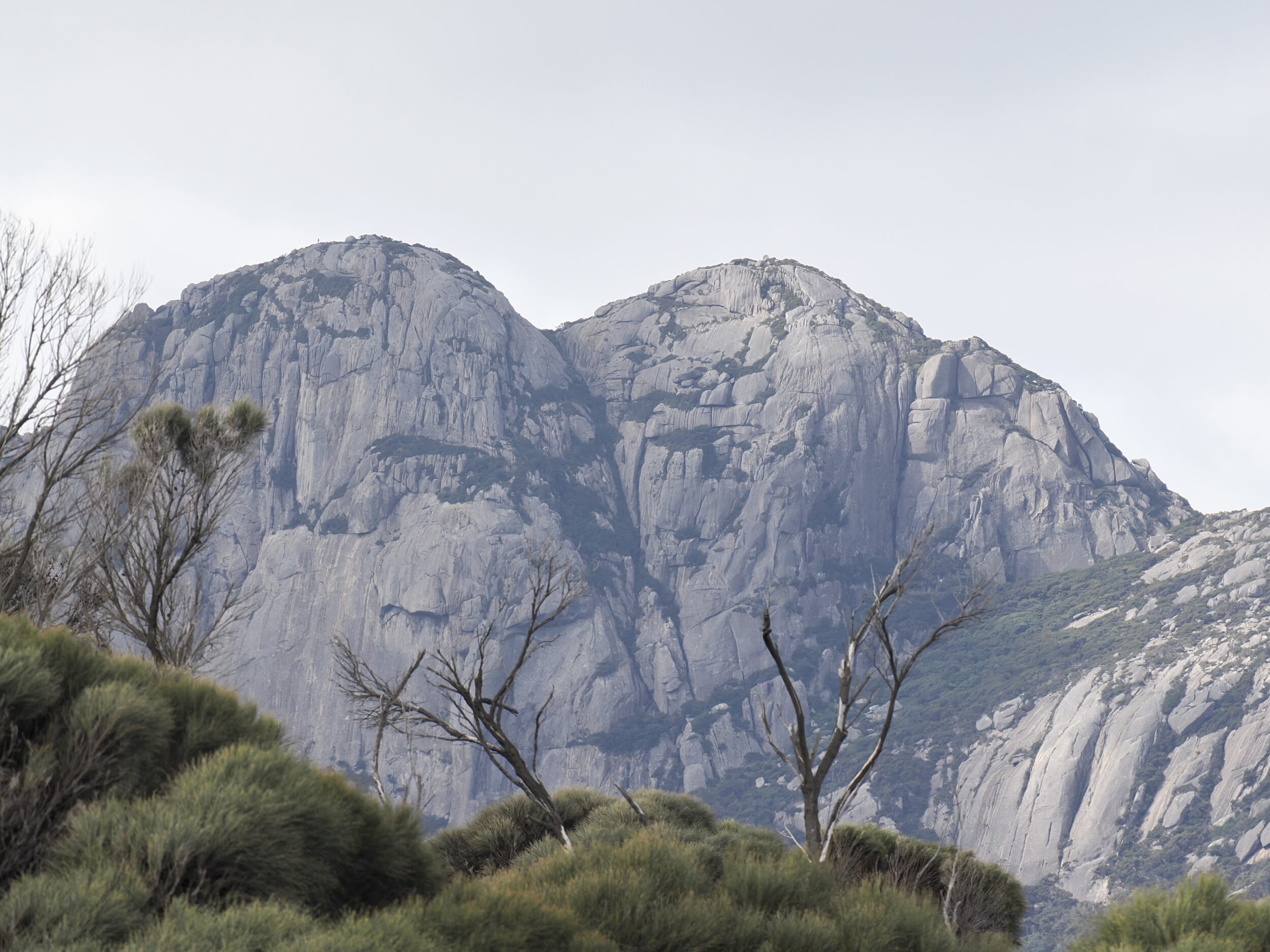
Just a few minutes after I’d photographed the Strzelecki peaks’ seaward-facing side, I noticed a large raptor, gliding above the nearby beach.

It was soon obvious that s/he was a wedge-tailed eagle – Australia’s largest raptor, and one of the world’s bigger eagles.

Comments closed

Word Power: “ Above all, the Liberals would do well to lose the sneer” + pertinent musical bonus.


The headline above is the key sentence in an essay published on 04 May 2025.

That essay’s headline: Are the Liberals in danger of becoming the Kodak of Australian politics?

Yesterday’s Pelican Yoga post included its most telling paragraph.

It is a direct quotation from a speech delivered in 1946 by a young, multiply-wounded ex-RAAF pilot;  in 1949 he became a Liberal senator.

In 1968 he – John Gorton – became Prime Minister.

As the essay’s author observes:

His vision was generous, compassionate and cosmopolitan: of an Australia and a wider world “in which meanness and poverty, tyranny and hate, have no existence.”

Comments closed

Flinders Island, March ‘25 (#4 in series: high points) + post-election “Word Power” teaser


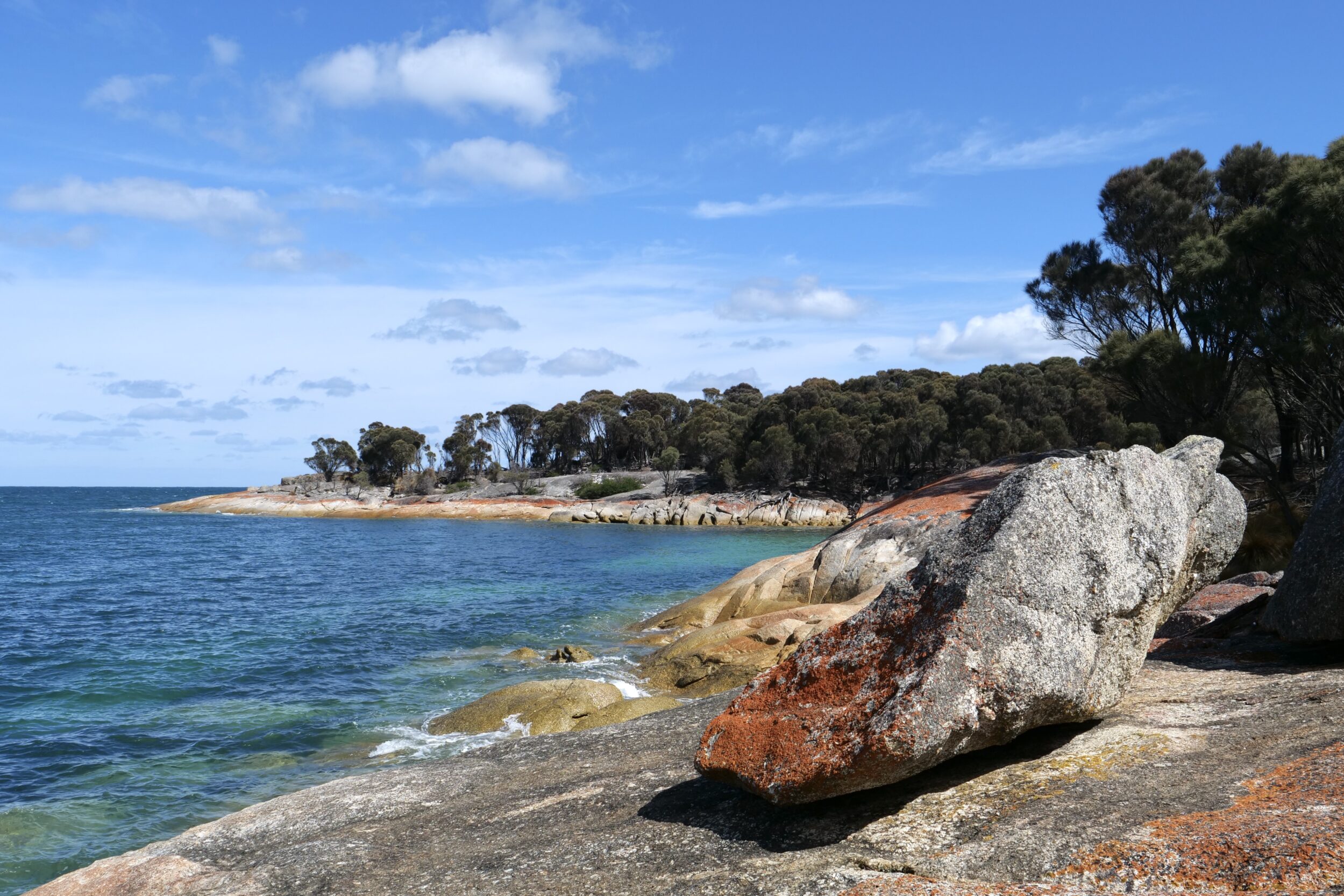
An hour earlier, I had been standing in brilliant sunshine, as my eyes and camera gazed across intensely blue water, a rocky shoreline, coastal scrub, and colourful, granite-loving lichens.

By 2.45 pm, however, our little group was walking under a light grey sky, and heading just a little inland.

It was no longer pointless to point a camera lens at the “roof” of Flinders Island.

Comments closed

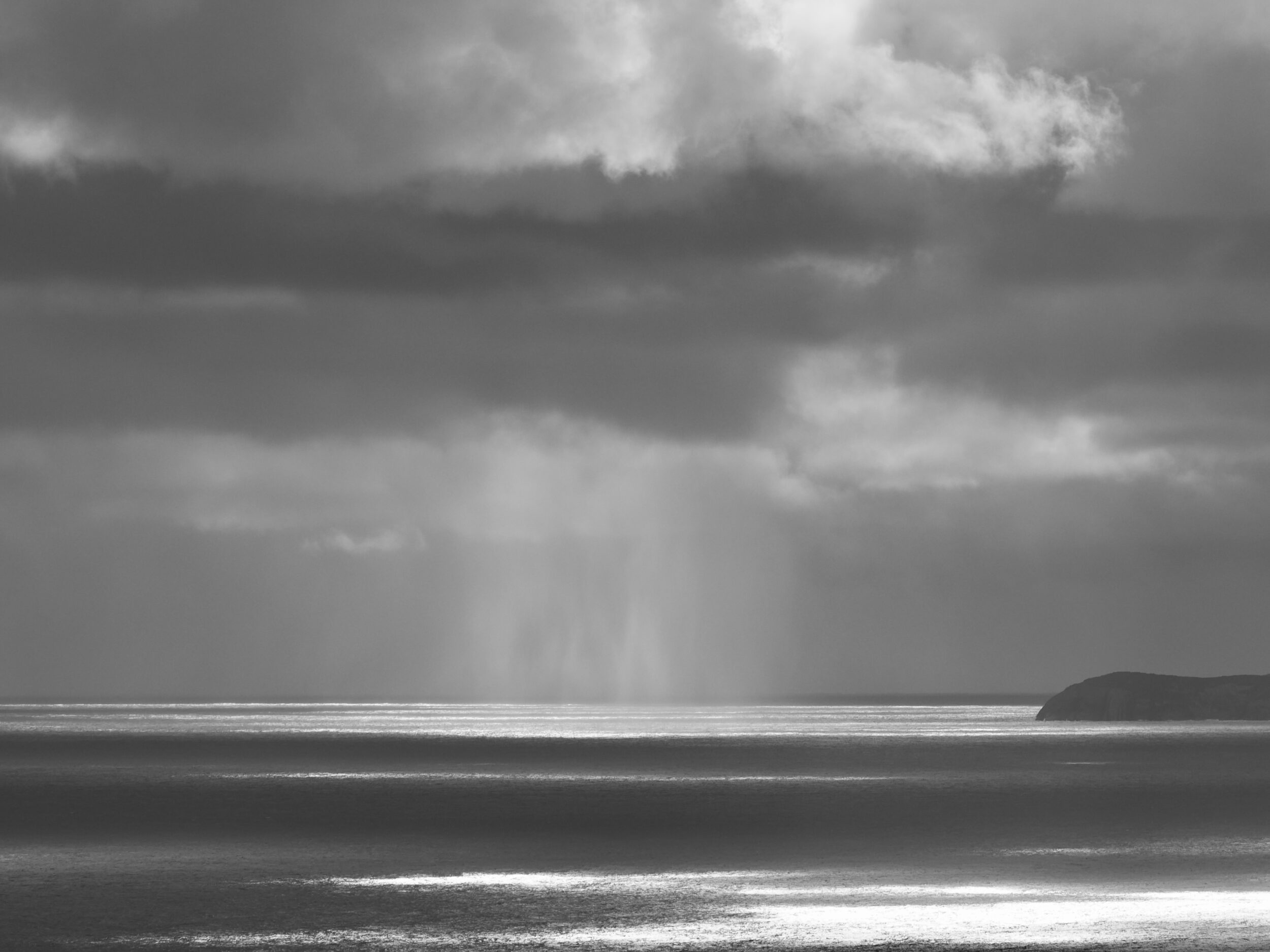
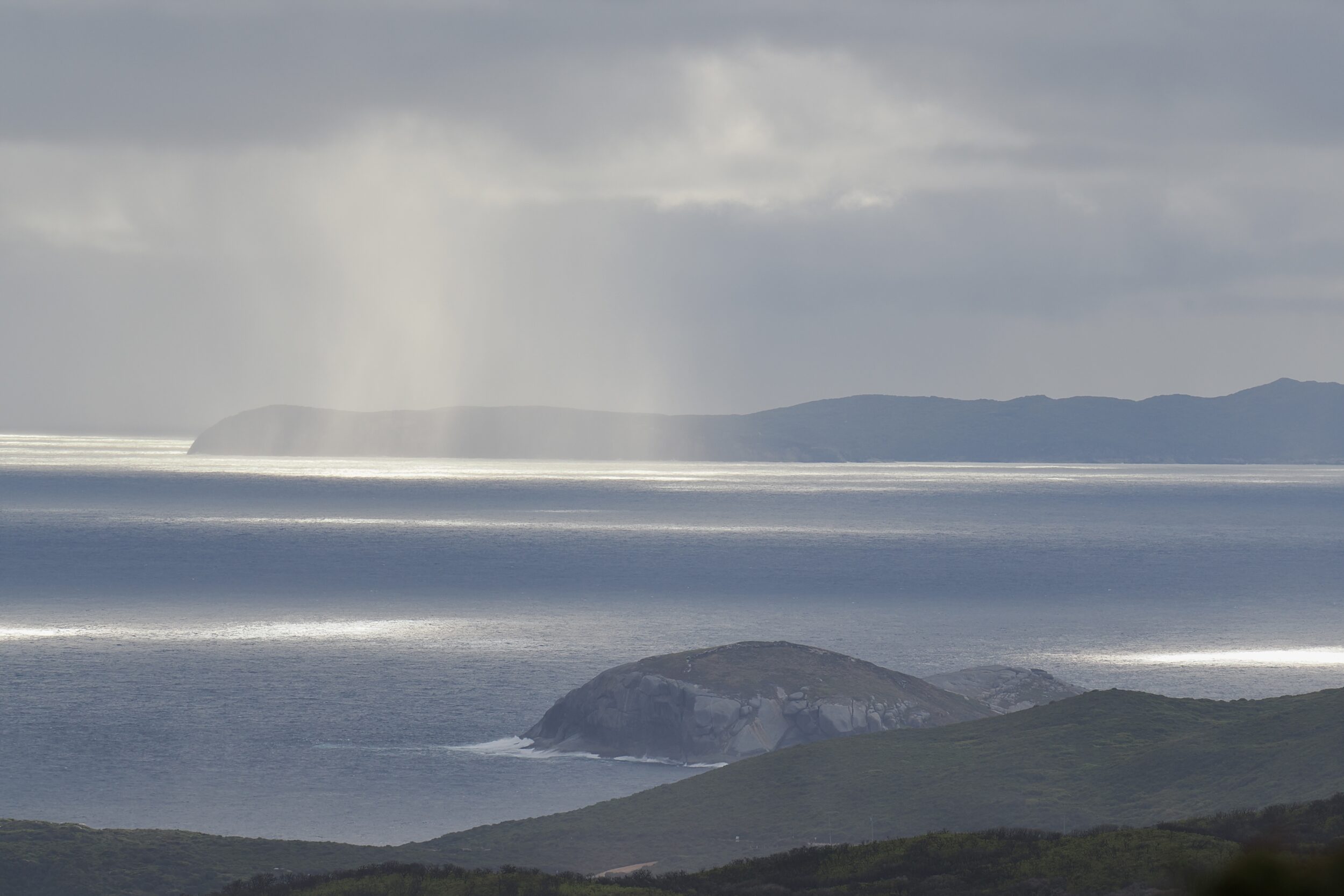
Flinders Island, March ‘25 (#3 in series: Trousers Point)


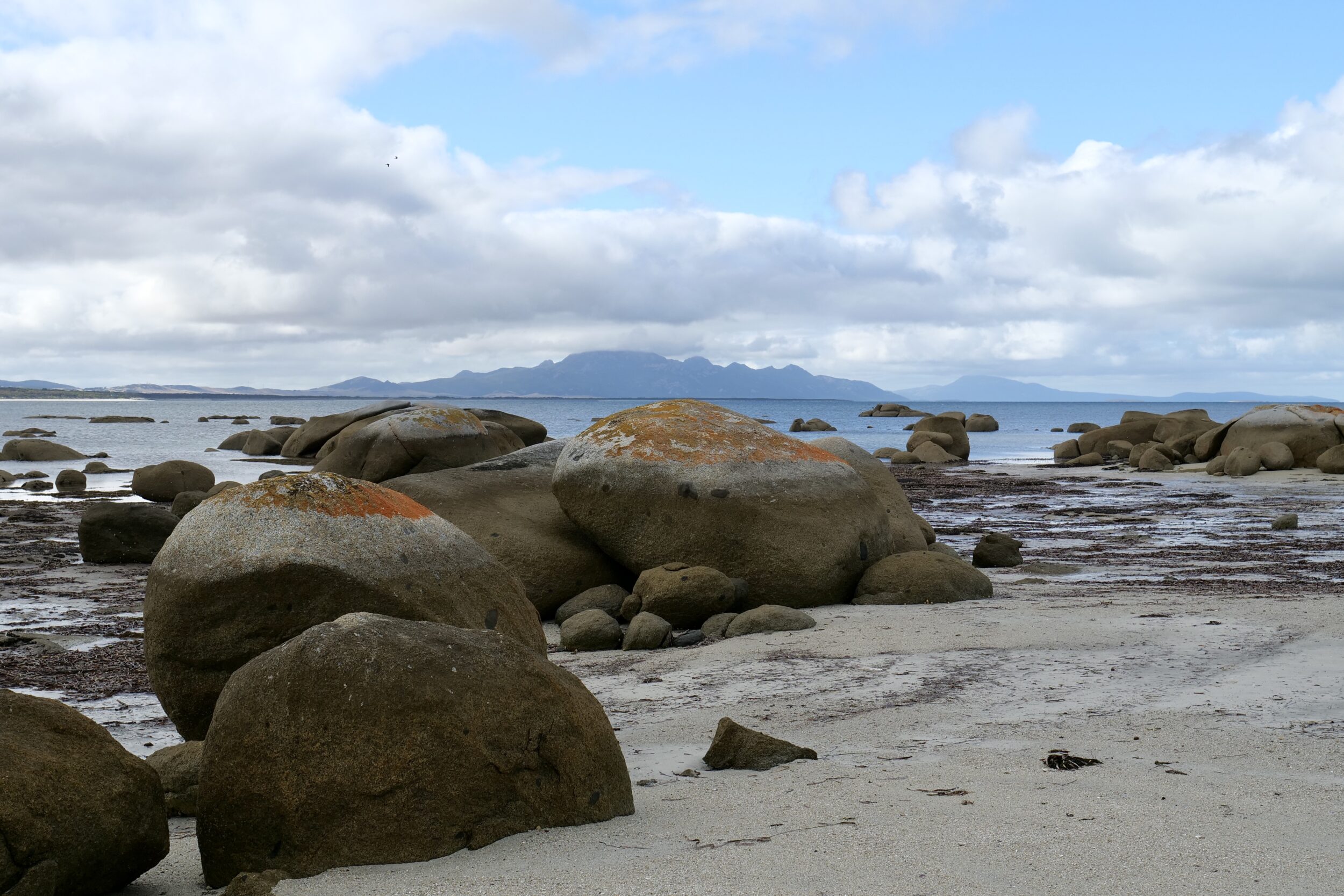
I took this post’s photo an hour or so after we had landed on Flinders Island.

Luggage collected, our little group proceeded to the picnic shelter which is adjacent to Trousers Point Beach.

I am keenly aware that “good” light can disappear or shift, quickly.

So, whilst everyone else started to eat, I ducked down to the shoreline, where I  took the featured image, at 1.49 pm on 17 March 2025,

The island’s most celebrated beach was just behind my left shoulder, with Flinders’ most spectacular peaks rising above it.

The sun, however, was in exactly the “wrong” place –  there was no point in pointing a camera lens at Trousers Point Beach and the mountains.

As you can see, the “lesser view” – looking the other way, working with the available light – was still splendid.

Comments closed

Flinders Island, March ‘25 (#2 in series: spine)


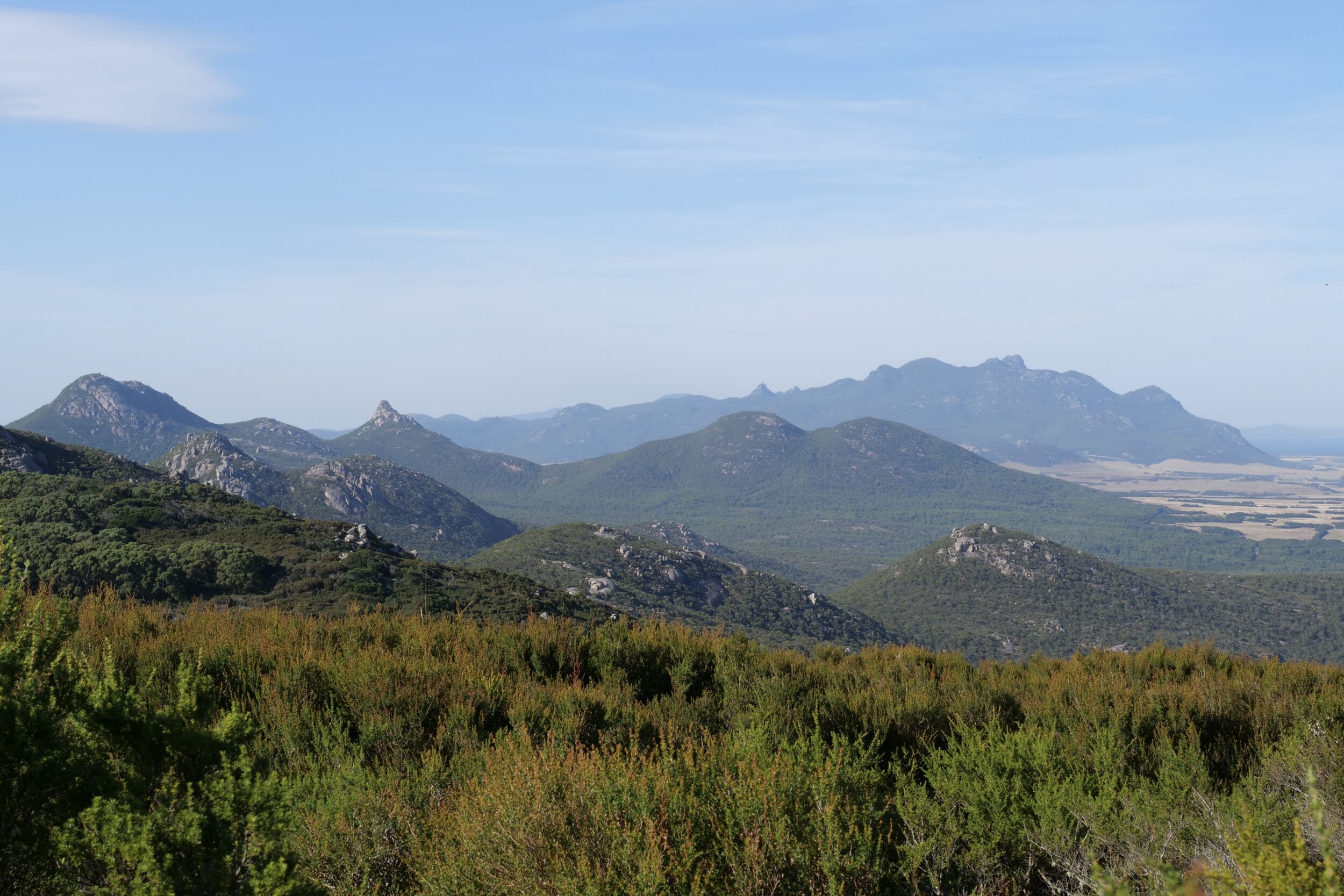
All photos in this post were taken from Walkers Lookout.

(actually, from just slightly below it, which is the better choice, if you are looking south)

Near to the centre of Flinders Island, Walkers Lookout offers sweeping vistas in every direction, as you can see, here.

The best views look south, across the Darling Range and then to the much higher Strzelecki Peaks which dominate Flinders Island’s southwestern “corner”…and define the featured image’s horizon.

Comments closed

Flinders Island, March ‘25 (#1 in series: characteristics)


It is Bass Strait’s largest island.

Among Tasmania’s more than 1,000 islands, only the “Apple Isle” is bigger.

However, Flinders Island’s nearly 1,400 square kilometres are home to fewer than 1,000 humans.

Any observant tourist will encounter many more wallabies than people; the same is true of wombats, cattle and Cape Barren geese.

Finding a splendidly wild and uncrowded beach is phenomenally easy; Flinders Island has more than 120 of them!

And if you are partial to granite and lichens….

Comments closed

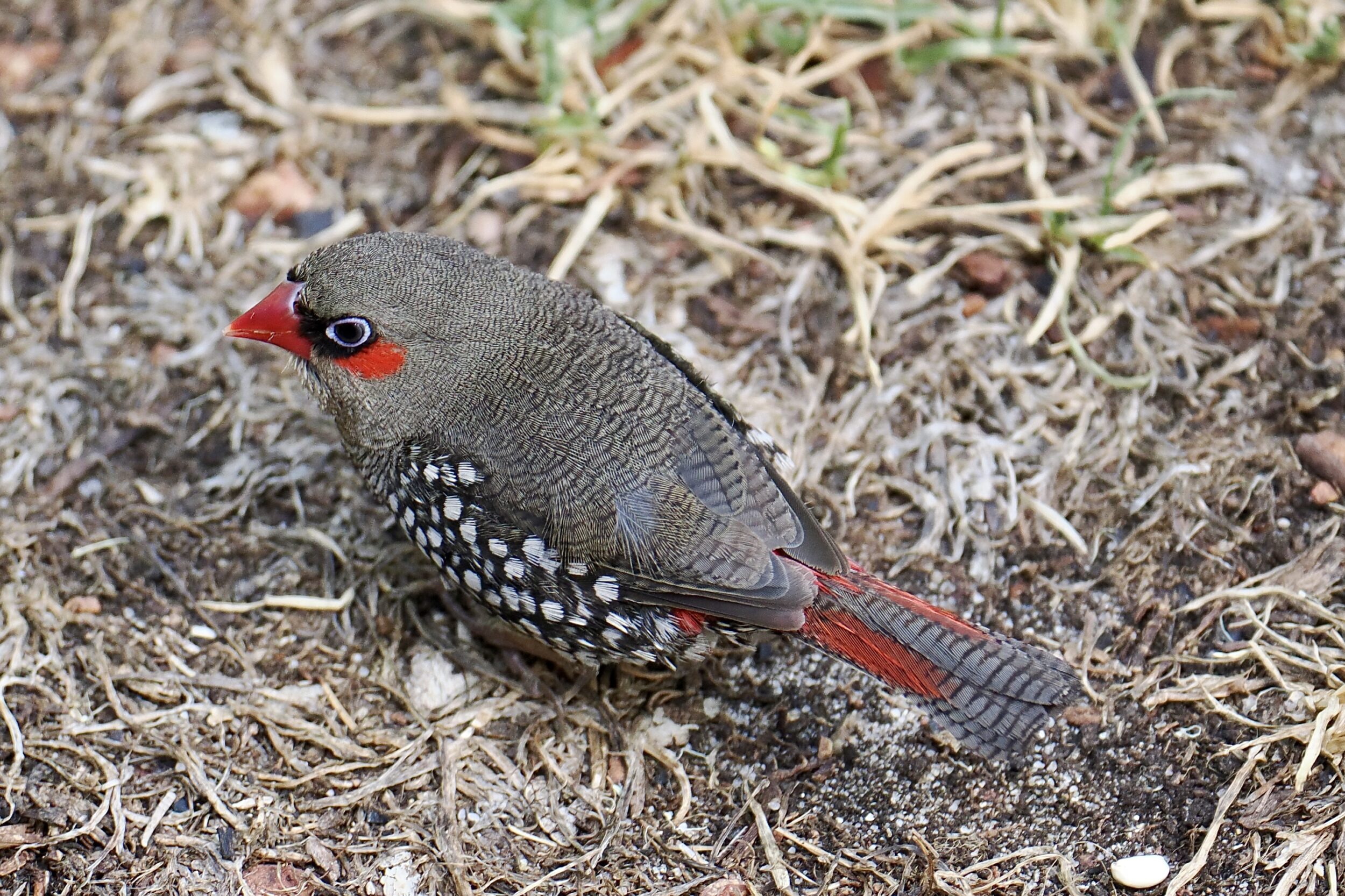
Deep South WA, Feb ‘25 (final in series: red-eared firetail)


Three of Australia’s nineteen to twenty-one recognised “finch” species are “firetails”.

(Australia has the world’s most “collectible”/“beautiful” finch species, but some members of the human species do not regard Australia’s finches as “true” finches)

Arguably, the finest-feathered firetail is the one that naturally occurs only in a small portion of a single Australian State.

Within its range, this species is neither rare nor threatened.

However, remarkably few humans have seen this bird.

An even smaller number have ever managed to see one, properly.

Comments closed

Deep South WA, Feb ‘25 (#43 in series: looking down from Stony Hill)


Stony Hill is the highest point on the Torndirrup Peninsula, which shields one of the world’s greatest natural harbours from the Southern Ocean.

Albany’s King George Sound is around twice as large as Sydney Harbour..and is every bit as splendid.

On the first day of November 1914, thirty-six ships sailed out of King George Sound; they (plus another two, which sailed from Fremantle) comprised the convoy that carried the original ANZACs.

Another, not-coincidental claim to fame: “King George” is the name of the most delicious of whiting species.

Comments closed