Skip to content →

Category: photographs

Morocco & Andalucia: “characteristic”: #15 in series: ornamentation “2”)


The Alhambra in Granada is one of the world’s man-made wonders.

Spain’s #1 tourist attraction is usually described as a “fortress and palace complex”.

Its structures span several centuries, and both “Moorish” and “Christian” Spain.

At its peak, in the 14th century CE – prior to late 15th century “Christian” Spain’s Reconquista – the Alhambra was a very sophisticated hilltop city in its own right, distinct from Granada-proper.

The Nasrid Palaces are the most glorious legacy of that period.

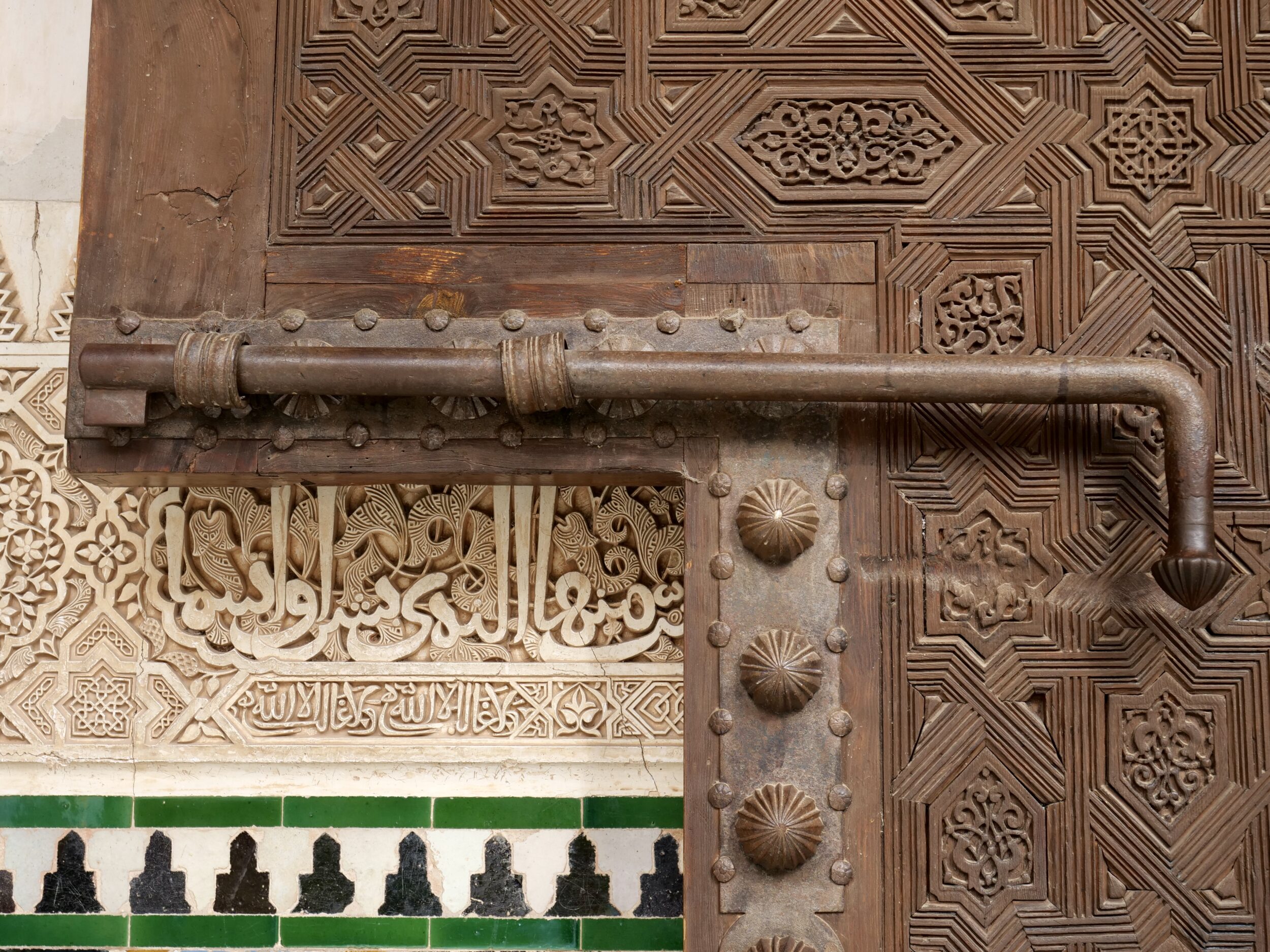
Collectively, their interior spaces (including walls and ceilings) are very probably “our”  planet’s most exquisite.

Almost every inch therein rewards close attention.

Comments closed
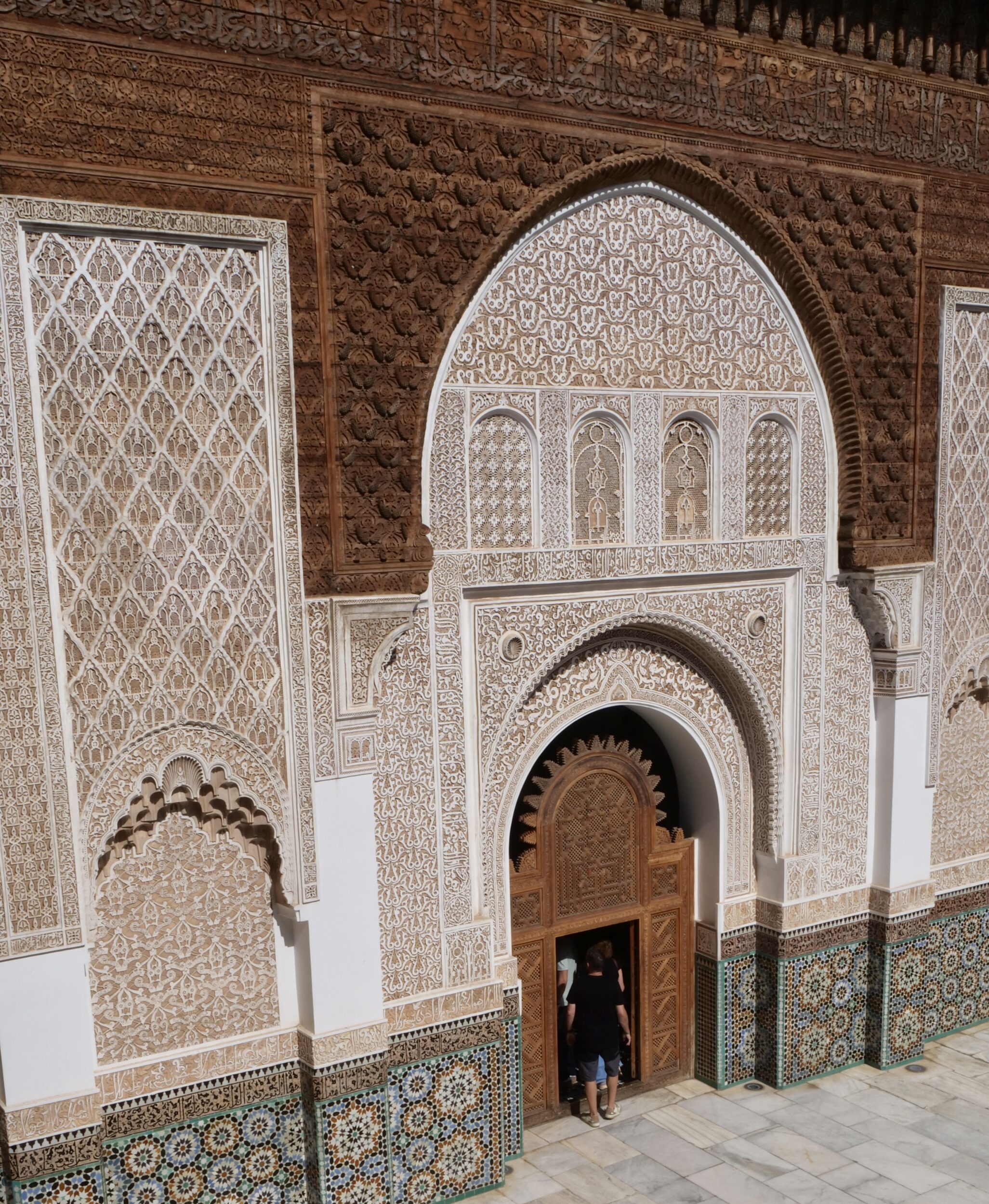
Morocco & Andalucia: “characteristic” (#14 in series: ornamentation “1”)


Morocco and Andalucia contain some of the world’s most exquisitely detailed interior surfaces.

A single site can include equally jaw-dropping examples across completely different surface types – wood, plaster and tile in the pictured madrasa, in Marrakech.

Madrasa (also commonly transliterated into English as “madrassa” or “madrasah”. In Morocco it is usually transliterated as “medersa”) is the Arabic term for any educational institution, whether secular or religious.

Comments closed

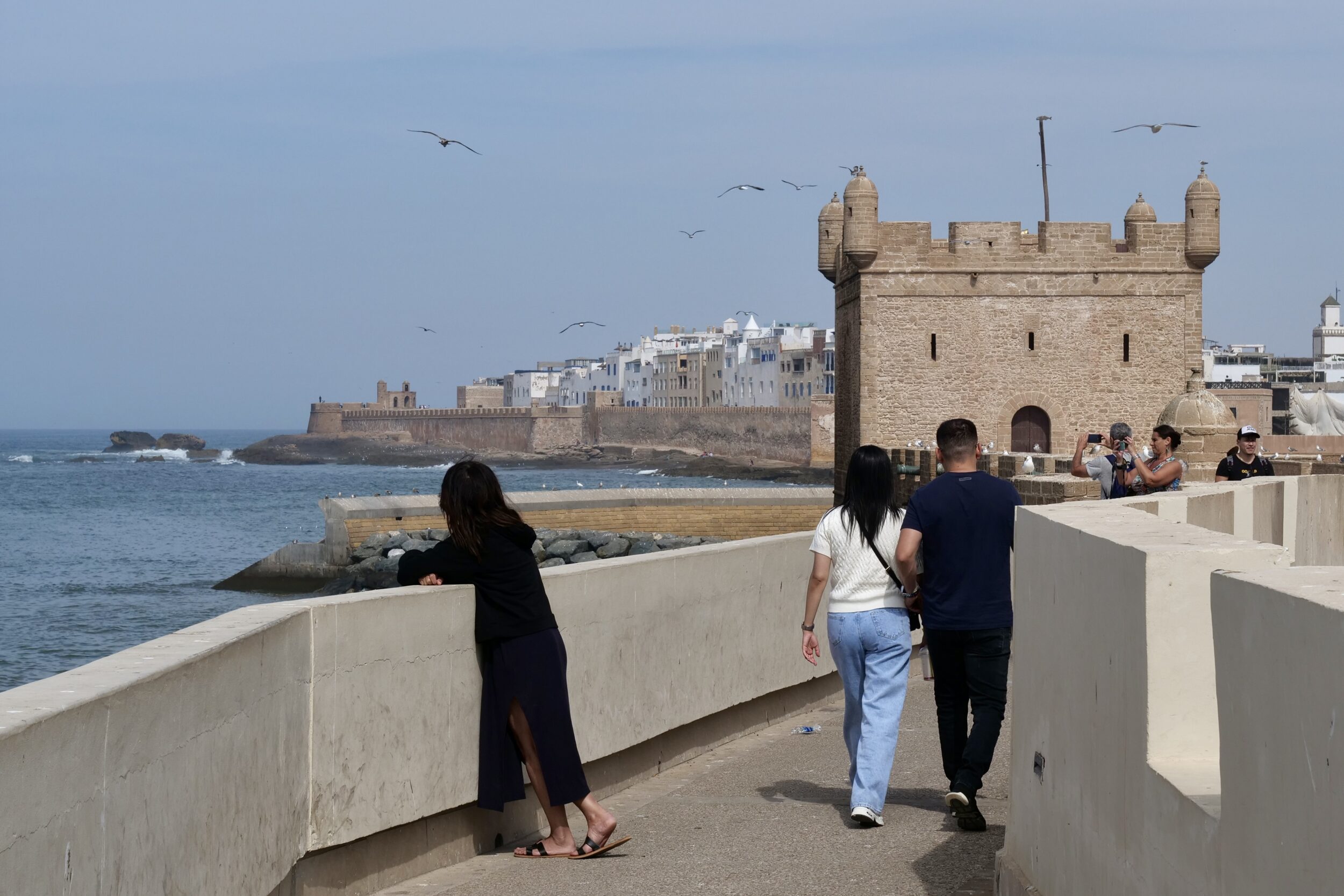
Morocco & Andalucia: “characteristic” (#13 in series: mighty walls “2”)


Essaouira is a very likeable city on Morocco’s Atlantic coast.

For many centuries it was highly “strategic”, and during the 19th century it was Morocco’s primary seaport.

Unsurprisingly, it has “changed hands” more than a few times.

Morocco and Spain are very richly endowed with impressive defensive structures.

Some were built by “conquerors”, others by “locals” who were trying to repel would-be conquerors.

All (or nearly all) such structures “failed”; they eventually fell into “the enemy’s” hands, and were then modified by the victor, who would later become the vanquished..and so on, over centuries.

Comments closed

Morocco & Andalucia: “characteristic” (#12 in series: mighty walls “1”)


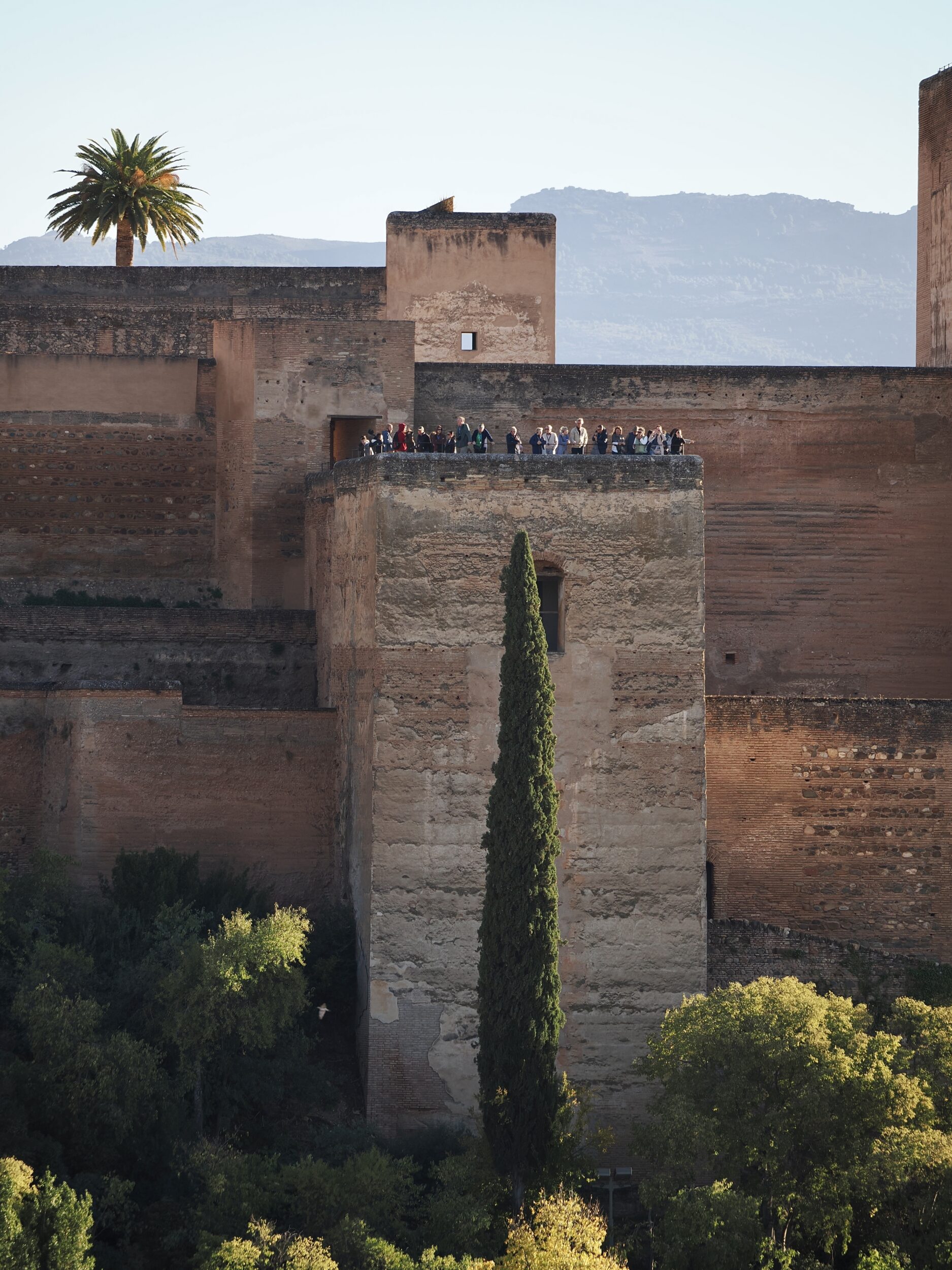
If you are partial to “historic”, imposing, dramatically situated fortresses, you will find Morocco and Spain very rewarding destinations.

Pictured above, bathed in autumnal late afternoon light, is part of the Alcazabar – the Alhambra’s fortress, which is also its oldest (surviving) section.

The Alcazabar was built by Granada’s Moorish rulers, nearly 800 years ago.

After the Reconquista of 1492 further modifications and additions were made by the “restored” Spanish Catholic regime.

Since 1975 – and the end of Franco’s Catholic-accented dictatorship – global tourism has “conquered”  Granada.

2 Comments

Morocco & Andalucia (#11 in series: Sahara’s edge)


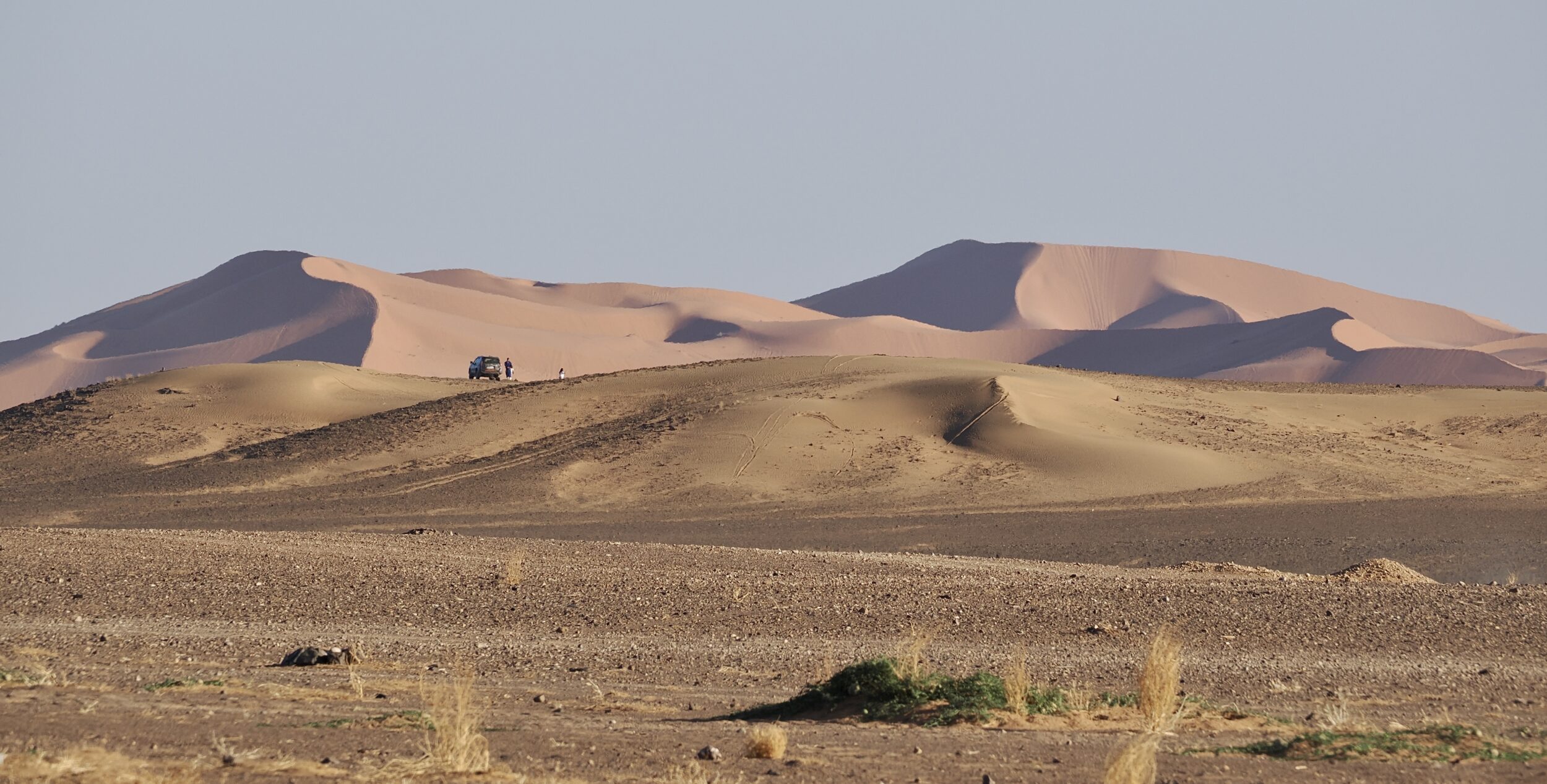
Southeastern Morocco affords tourists their easiest and safest access to the world’s largest desert.

For most of them, the Sahara’s dunes provide a capital “e”  “Exotic” experience.

Saharan tourism generates a lot of revenue and provides employment to many Moroccans.

It also creates a whole lot of unsolved “management issues” and environmental problems.

Comments closed

Morocco & Andalucia: “characteristic” (#10 in series: much older than “the oldest”)


I took this post’s photo at 3.16 pm on 14 October 2025.

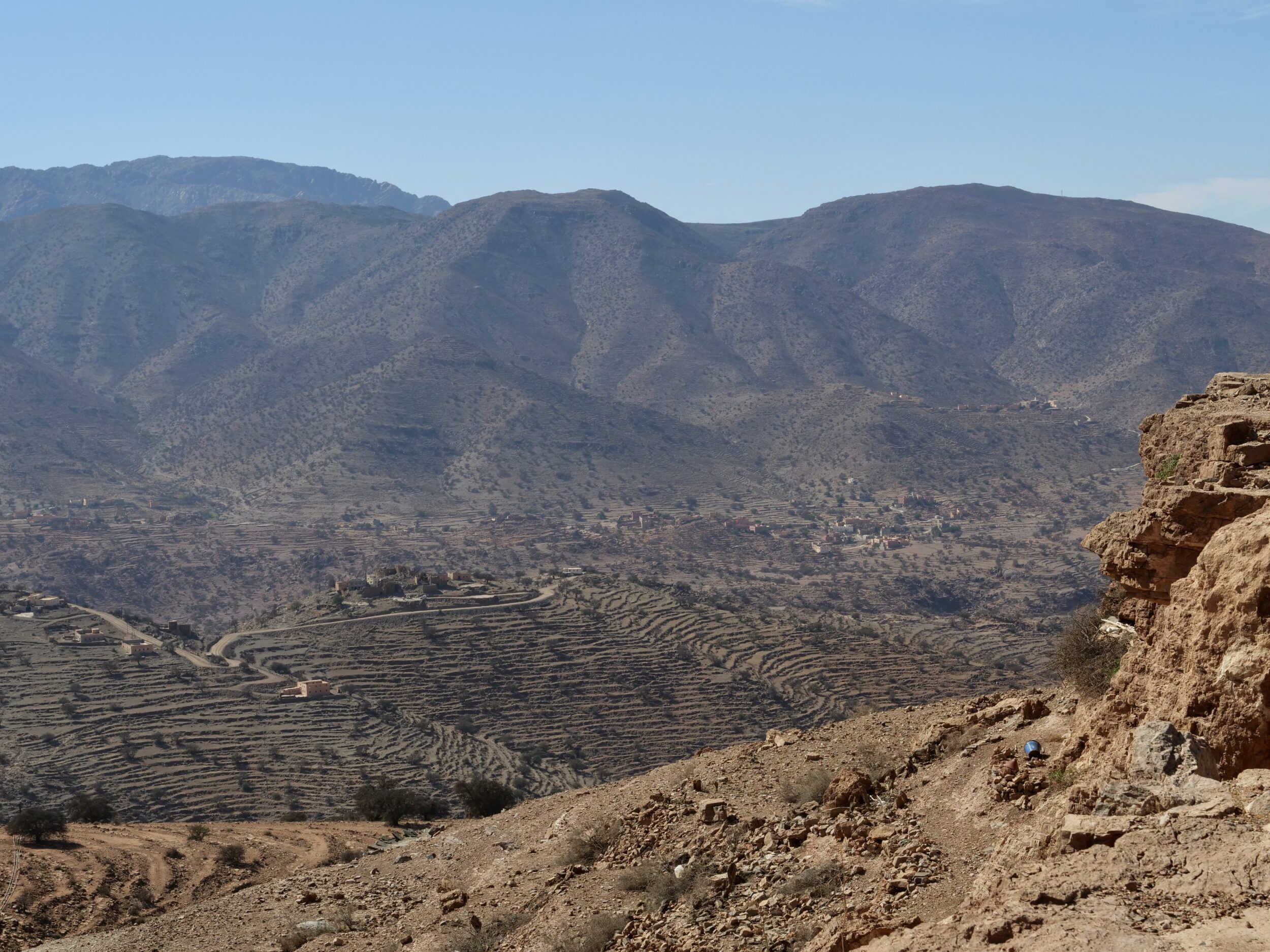
My vantage point was a ridge-top in Morocco’s Anti-Atlas – the southwestern part of the Atlas Mountains.

This region’s climate is very harsh, but the pictured valley has “traditionally” received enough water to support agriculture, which is why there is so much terracing.

Over the last several years, however, drought has rendered the terraces (temporarily?) useless.

Immediately behind me was a strategically-located, solid and venerable structure.

Effectively, it used to be a bank – a bank which was fully operational several centuries before the establishment of certain Italian and German financial institutions which are routinely described as “the world’s oldest banks”.

Comments closed

Morocco & Andalucia: “characteristic” (#9 in series: enduring, fighting, flux)


Australia is home to an indigenous culture which is almost unrivalled in its longevity.

(most Australians ignore – or are simply ignorant of – the existence of the San. Southern Africa’s so-called “Bushmen” also have a continuous culture which predates every “Western” one by tens of thousands of years. It is entirely possible that San culture may be even older than is Aboriginal Australia’s)

In terms of imposing buildings and “historic” streetscapes, however, Australia is a very young country.

Not so Morocco and Spain!

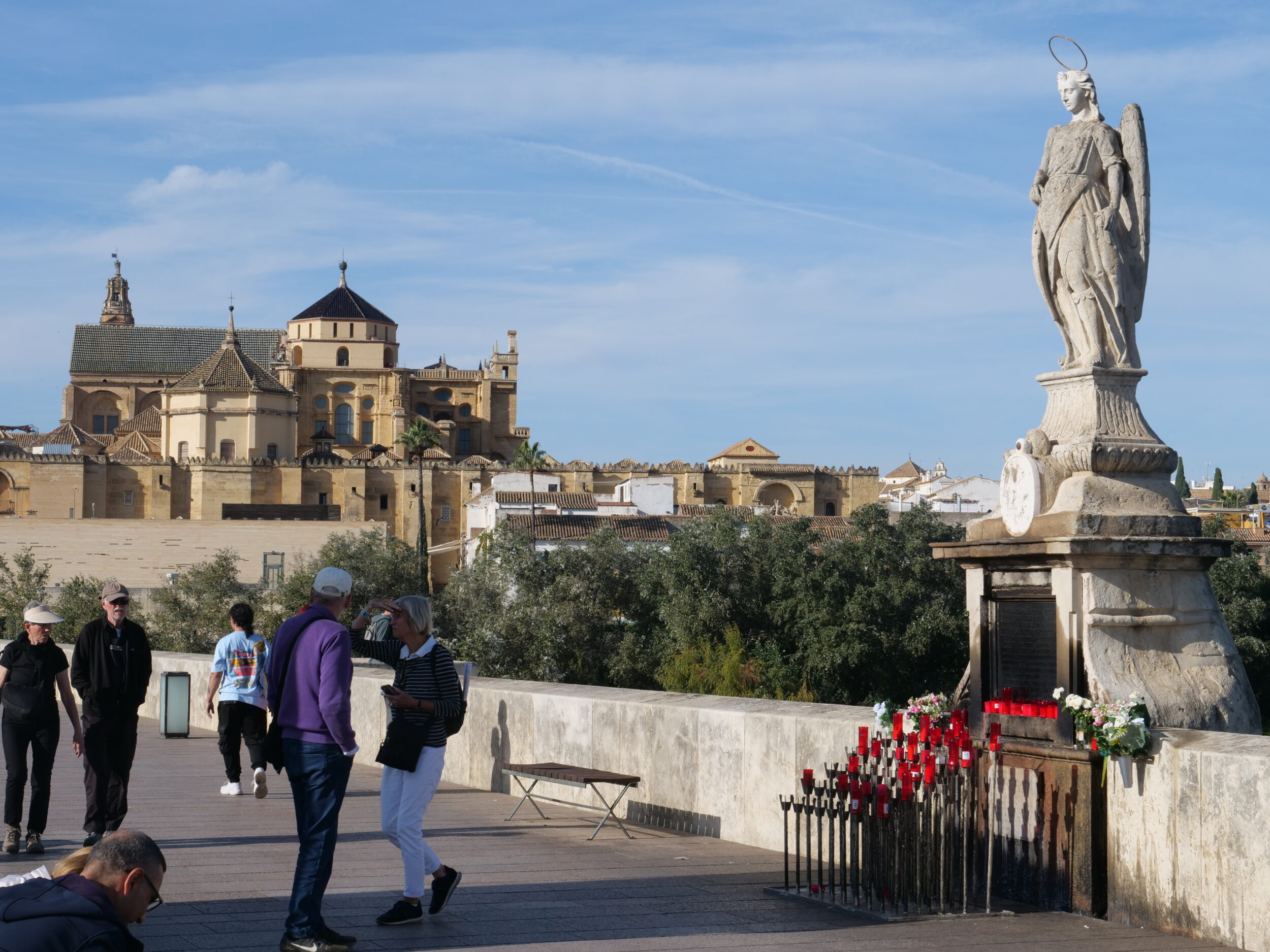
This post’s photo encompasses more than two thousand years’ worth of construction, conflict, destruction and renovation.

Comments closed

Morocco & Andalucia: “characteristic” (altitude & climate “2”)


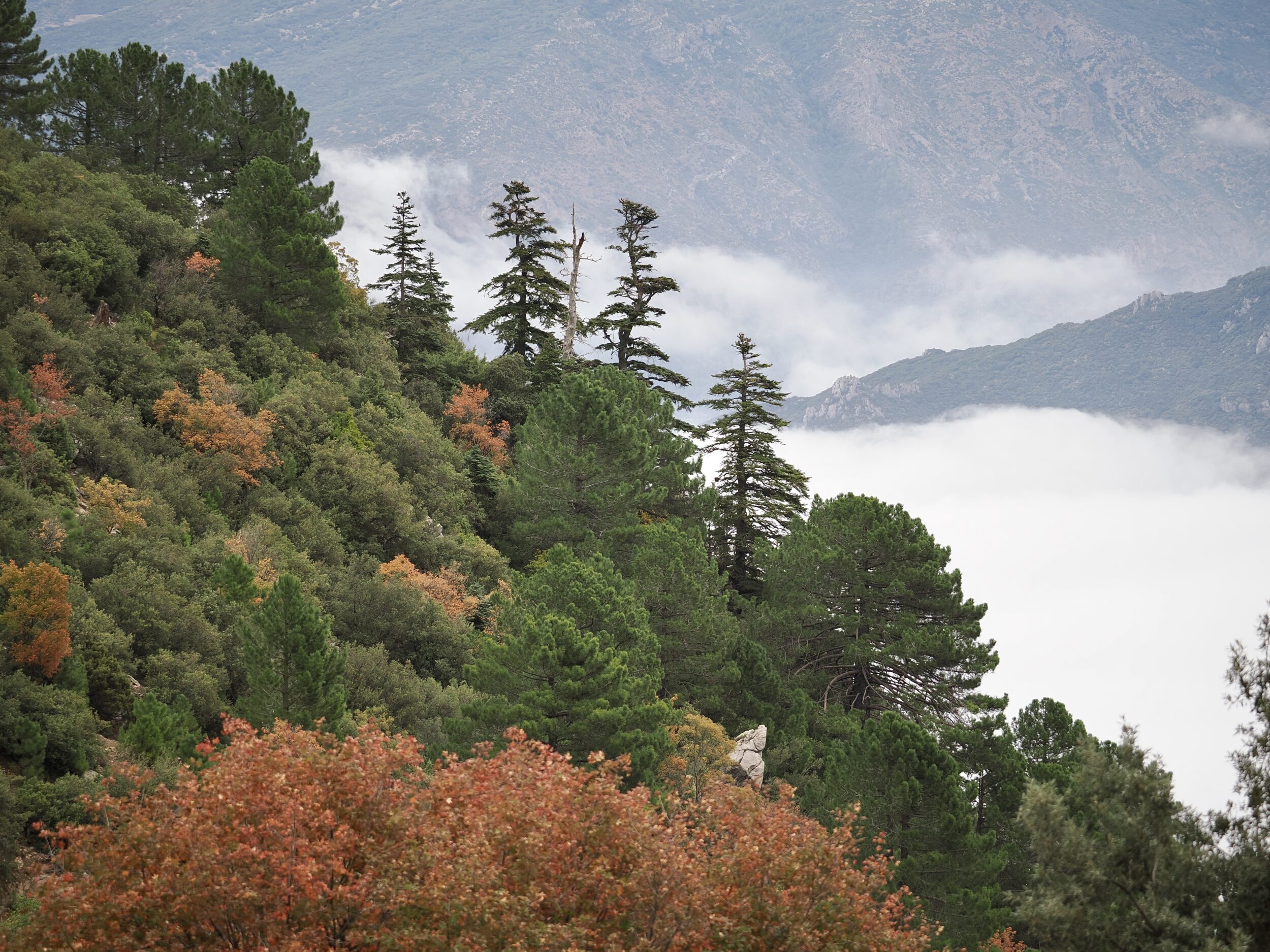
The pictured location is not in the Atlas Mountains, but is in Morocco.

Morocco’s northernmost mountain range rises to 2,456 metres above sea level – a deal more modest than the Atlas, but still 228 metres higher than the Australian continent’s high point.

The Rif Mountains’ western end is very much wetter than is any other part of Morocco.

In most winters the Rif’s upper slopes are probably the nation’s snowiest; at any time of year they offer dramatic vistas and some beautiful (albeit threatened/remnant) forests.

The Rif is “very Moroccan”, but its wetter, higher parts do not at all resemble most visitors’ preconceptions of what Morocco “should” look like.

Comments closed

Morocco & Andalucia: “characteristic” (# 7 in series: altitude & climate “1”)

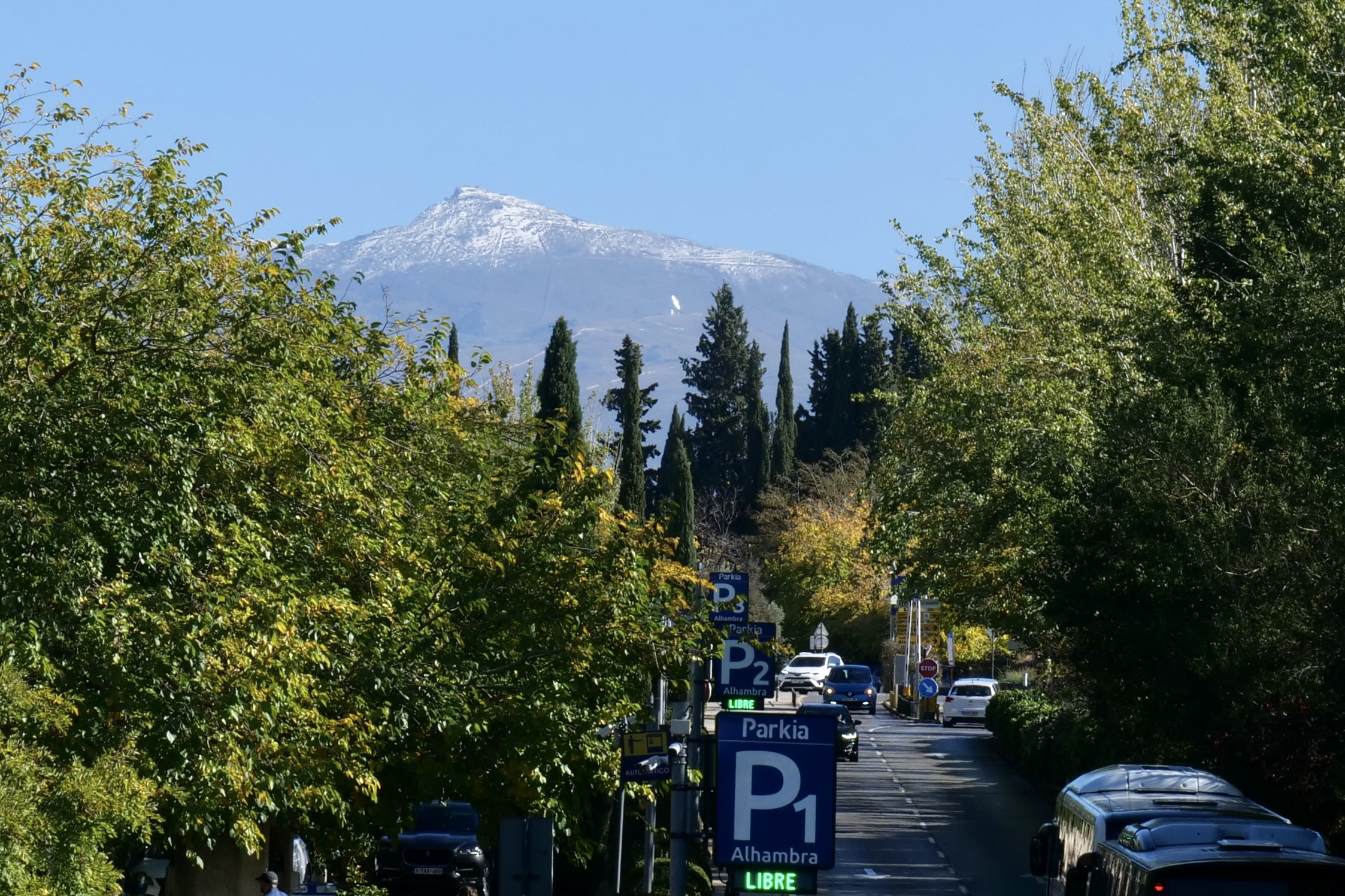
I took the photo in Granada, Andalucia, on the afternoon of 03 November 2025.

My vantage point was near the “main gate” to Spain’s #1 tourist attraction.

The urban ground on which I stood was probably just a little higher than is the highest point in “The Adelaide Hills”; Mt Lofty Summit  is 710 metres above sea level.

As a child, I regarded Mt Lofty as a “mountain”; for my first seven years it was the loftiest peak I had ever seen…or reached.

Pictured with a recent “dusting” of autumn snow, the high point in this post’s photo is Veleta.

Veleta’s summit is a very few metres shy of 3,400 metres; it is the Sierra Nevada’s second highest peak, and the entire Iberian Peninsula’s third highest point.

Spain is a much “higher” nation than most Australians imagine!

Comments closed

Morocco & Andalucia: “characteristic” (#6 in series: delicious pig)


This post’s “characteristic” is not shared with Morocco.

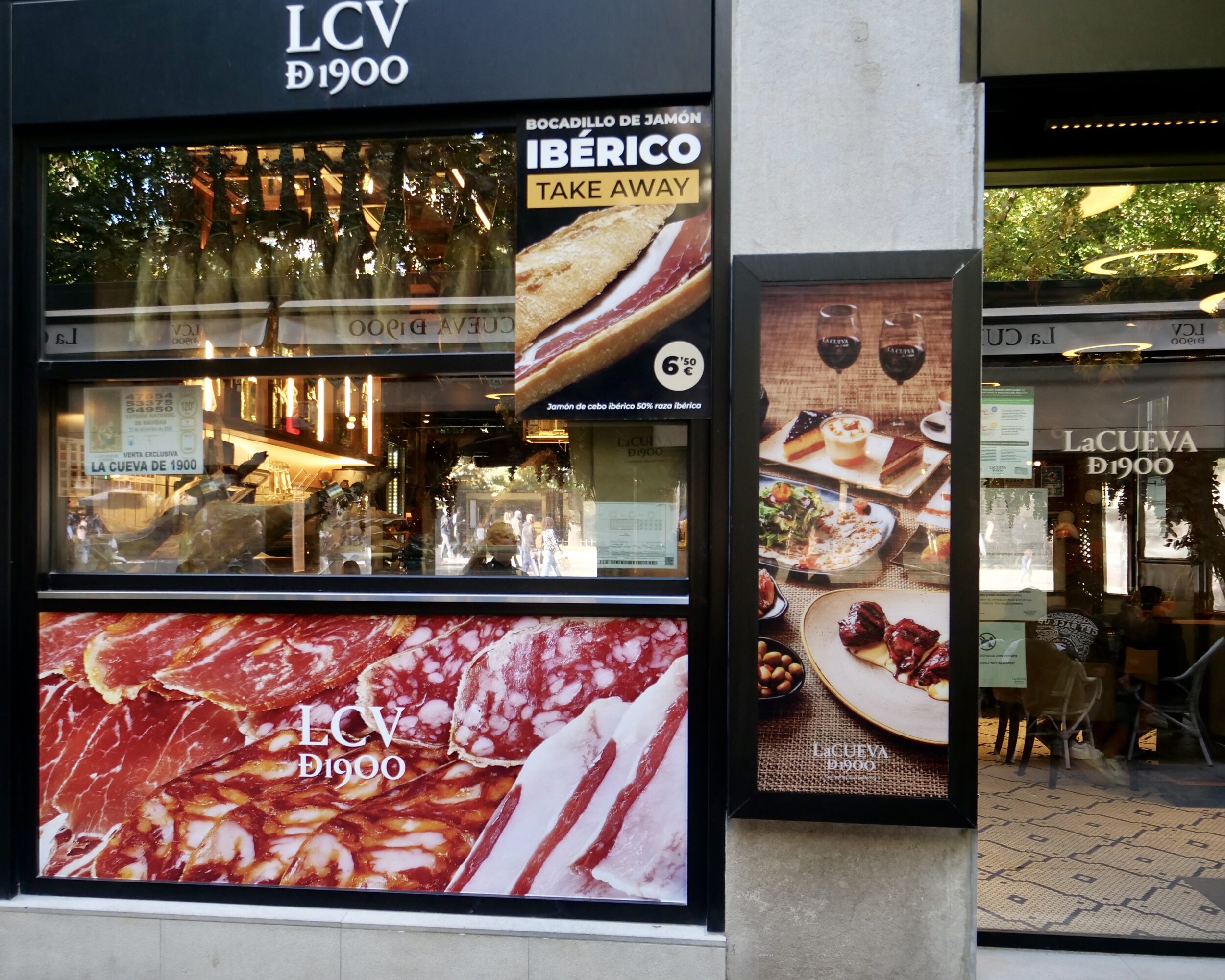
More than two thousand years ago Roman invaders enthused about the particular excellence of Iberian pork, most especially that from black pigs which ate acorns.

In 2025 Spain is almost certainly the world’s most “porkophiliac” nation.

For visitors who like to eat pigs, Spain is an unbeatable destination.

Q: What do the finest air-cured hams I have ever eaten, the best woodfired pork I have ever tasted and the most delicious slow-cooked pork dish I have ever encountered have in common?

A: All were eaten in Spain.

Sheer excellence is not the only reason that – via la Reconquista –  pork came to reign in the cuisine of Spain.

The Spanish Inquisition also played a key role!

Comments closed