Skip to content →

Category: photographs

“From behind” (#5 in single-image series: Madagascan barber)


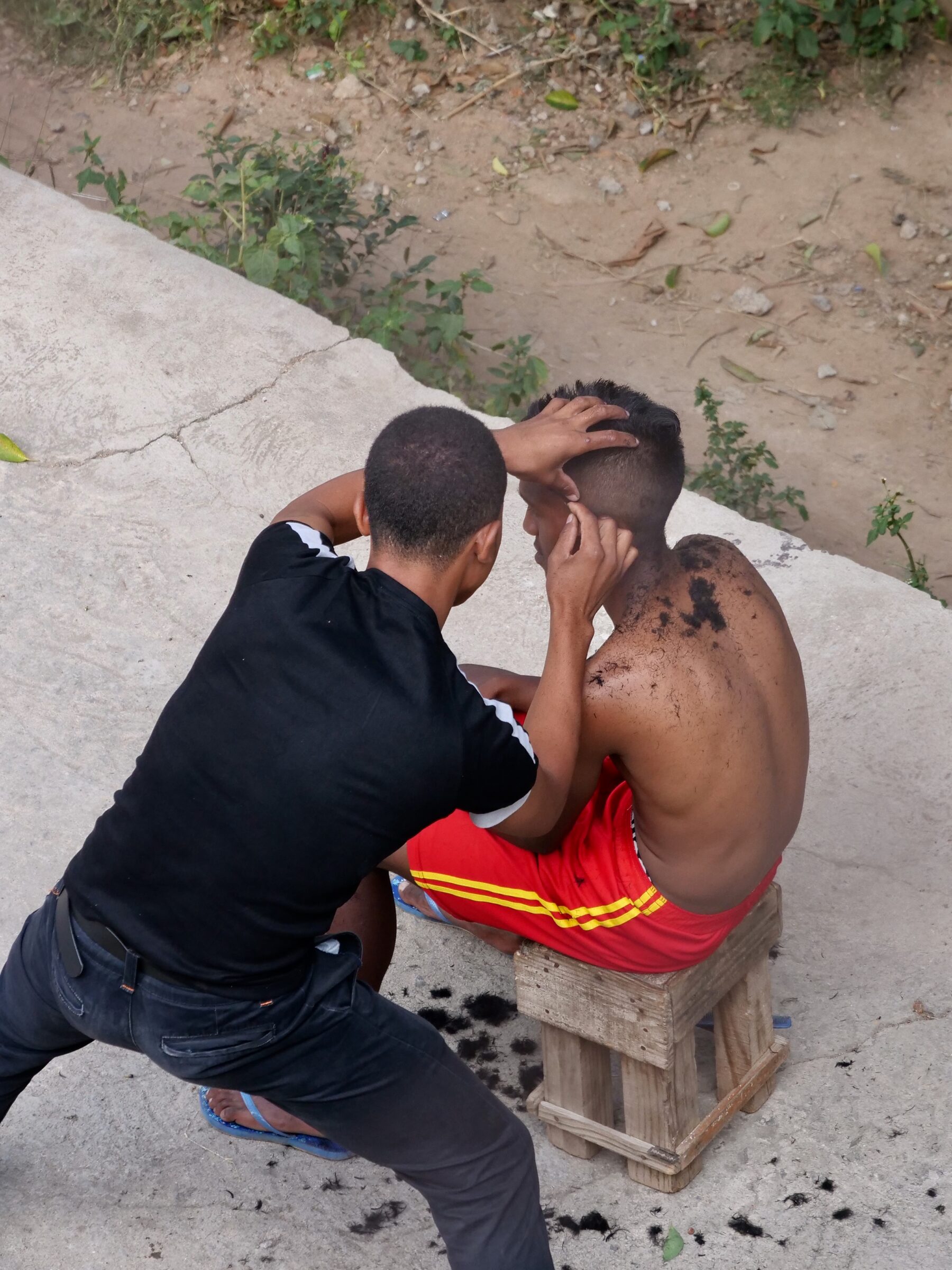
Antananarivo – often abbreviated to “Tana” – is the very congested capital city, and major metropolis, in one of the world’s most materially poor nations.

Many of its “entrepreneurial” residents cannot afford to buy or rent a walled and/or roofed structure in which to ply their trade.

This post’s street-working barber lacked anything remotely resembling his own “salon”, but his professional expertise and “service, with a smile” attitude were readily apparent.

Comments closed
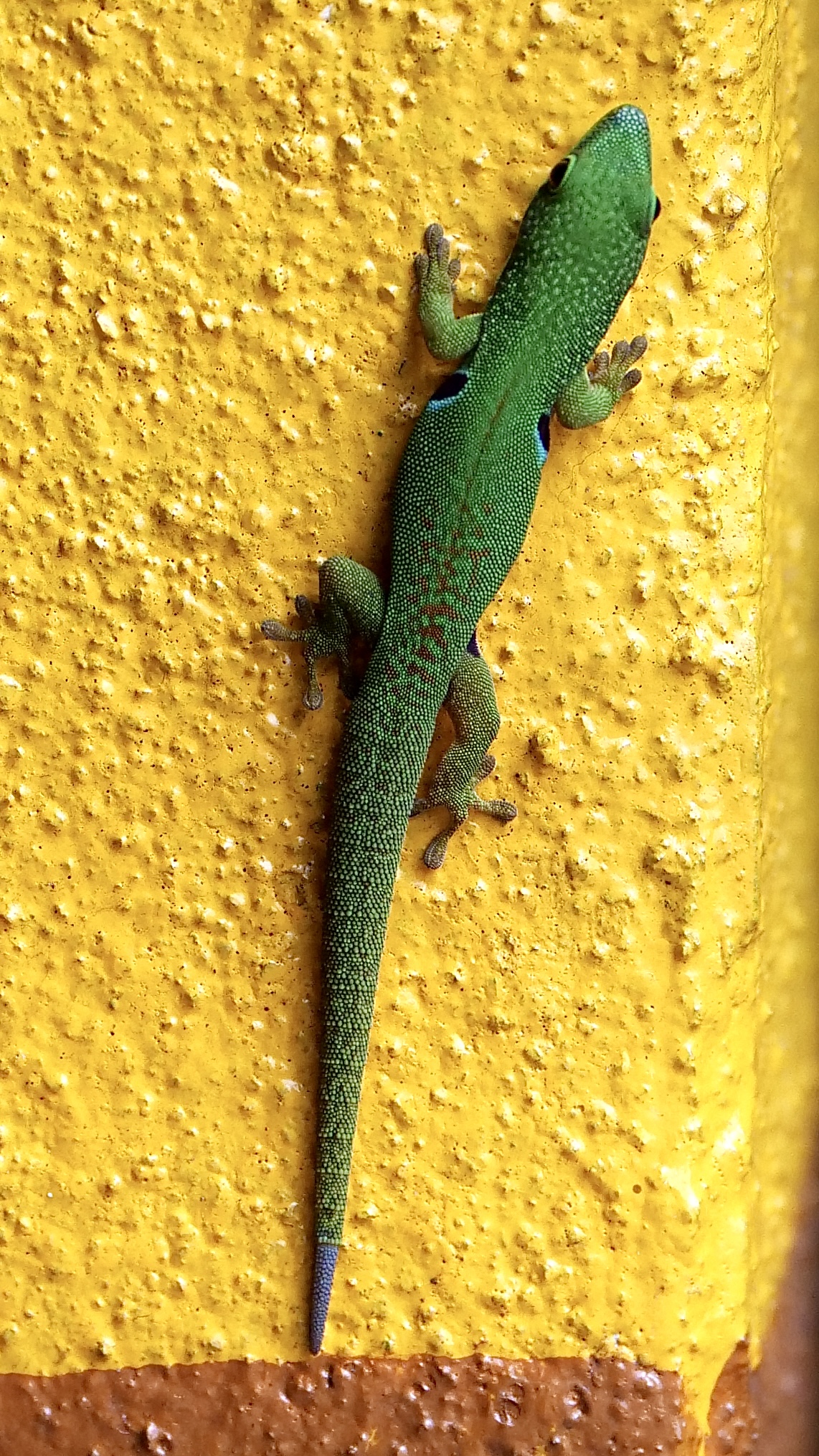
“From behind” (#4 in single-image series: a Madagascan gecko)


Most gecko species are nocturnal.

The 50+ known species in the genus Phelsuma are an exception, as per their common name: day geckos.

If you are lucky enough to see a day gecko, you will be able to see it under natural light.

For most of these mostly very colourful species, if you wish to see them in the wild, you will have to visit Madagascar…

Comments closed

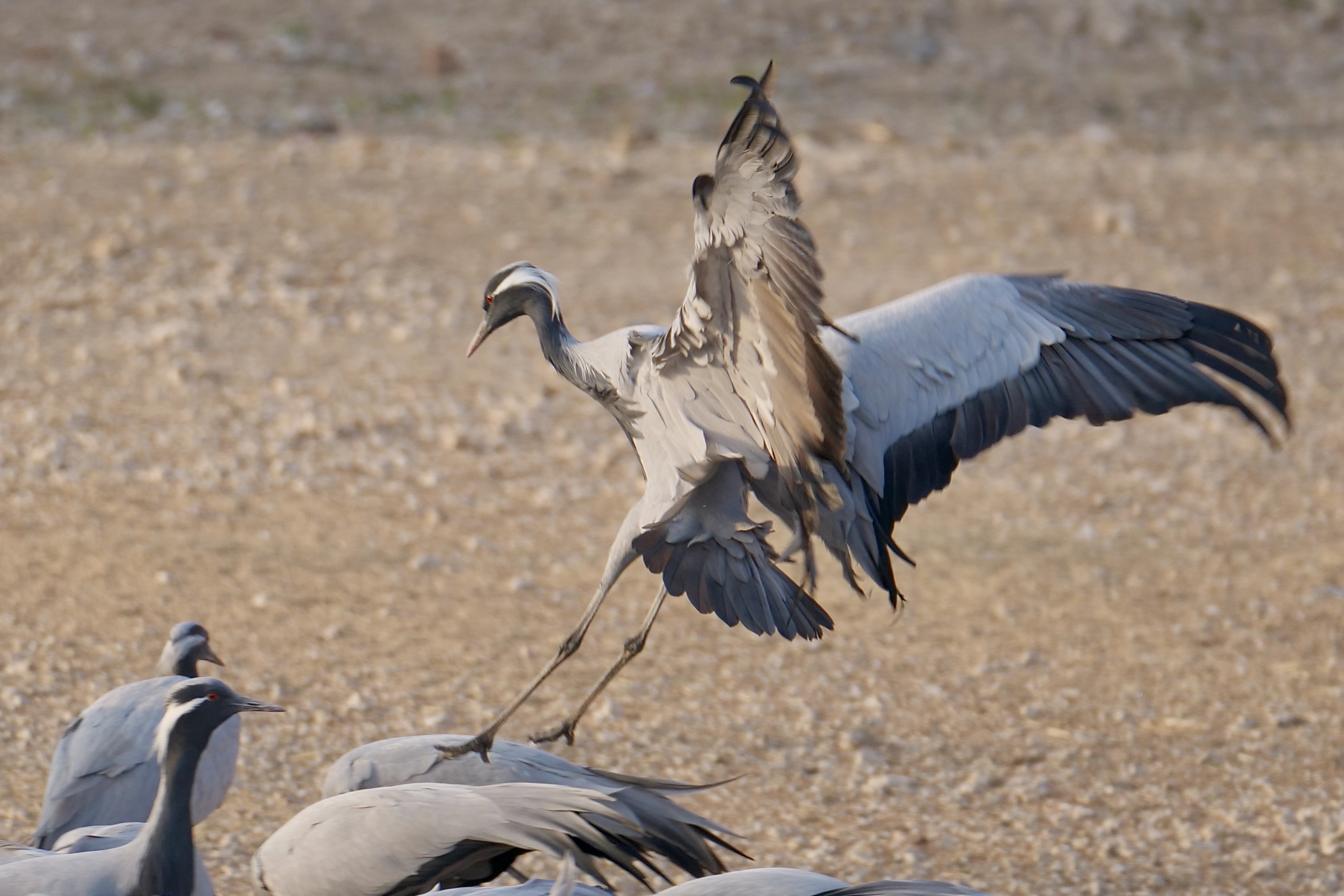
“From behind” (#3 in single-image series: demoiselle cranes)


Photographically speaking, birds on the wing are – in equal measure – irresistible, humbling and frustrating.

Their irresistible/frustrating aspect is especially apparent when a photographer attempts to capture/convey how a bird launches itself into the air, or returns to earth/tree-branch/rooftop/ledge/water’s surface…

“Successful results” are guaranteed to be rare events, and one’s “successes” usually prove “qualified” rather than “total”.

This post’s image is one such qualified success…

Comments closed

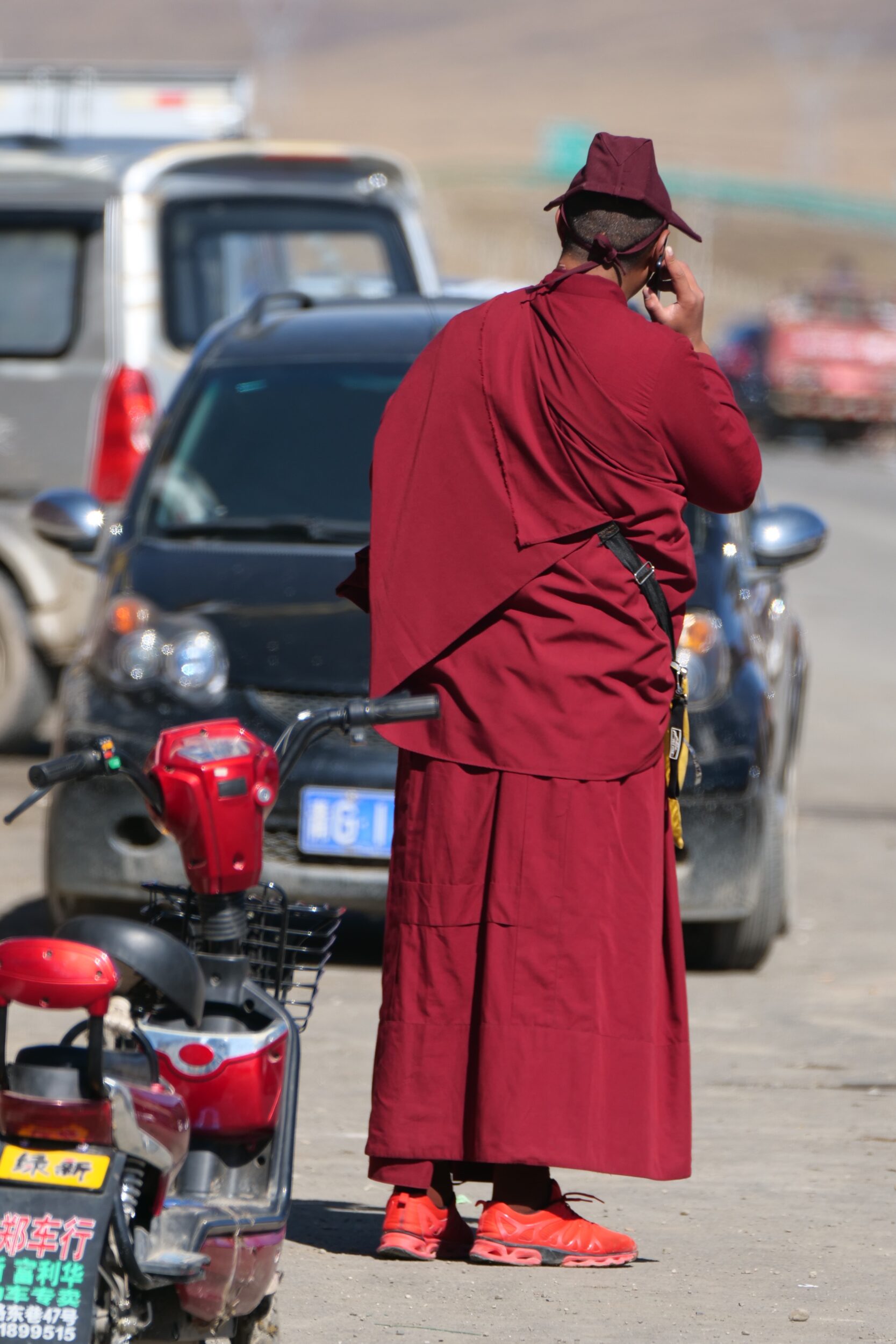
“From behind” (#2 in single-image series: switched-on monk)


This post’s subtitle owes an apology to Wendy Carlos.

(Wendy, who was originally named Walter, is most famous for her 1968 LP “Switched-on Bach”).

This post includes a musical bonus; like the featured image, it involves Tibetan Buddhism…but not J.S. Bach.

Comments closed

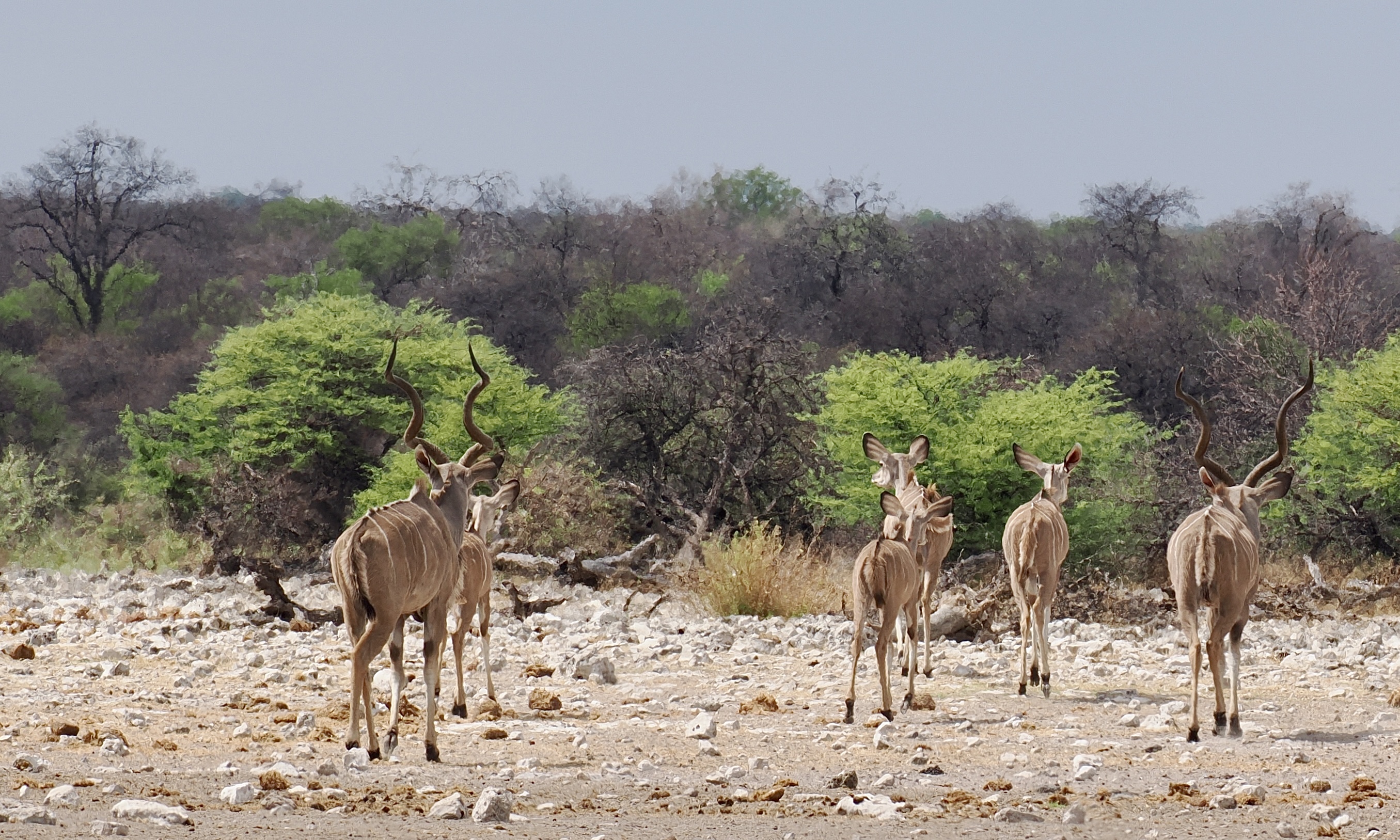
“From behind” (#1 in single-image series)


General rule, when photographing animals, humans included:

ensure that their eyes are fully visible, in sharp focus, and looking at “you”, the viewer.

As is true of so many “rules”, this one is worth knowing.

Generally, it is a good idea to abide by it…but sometimes, the better idea is to break it…

Comments closed

Sunny April afternoon, strolling on Swan’s edge (2 of 2)


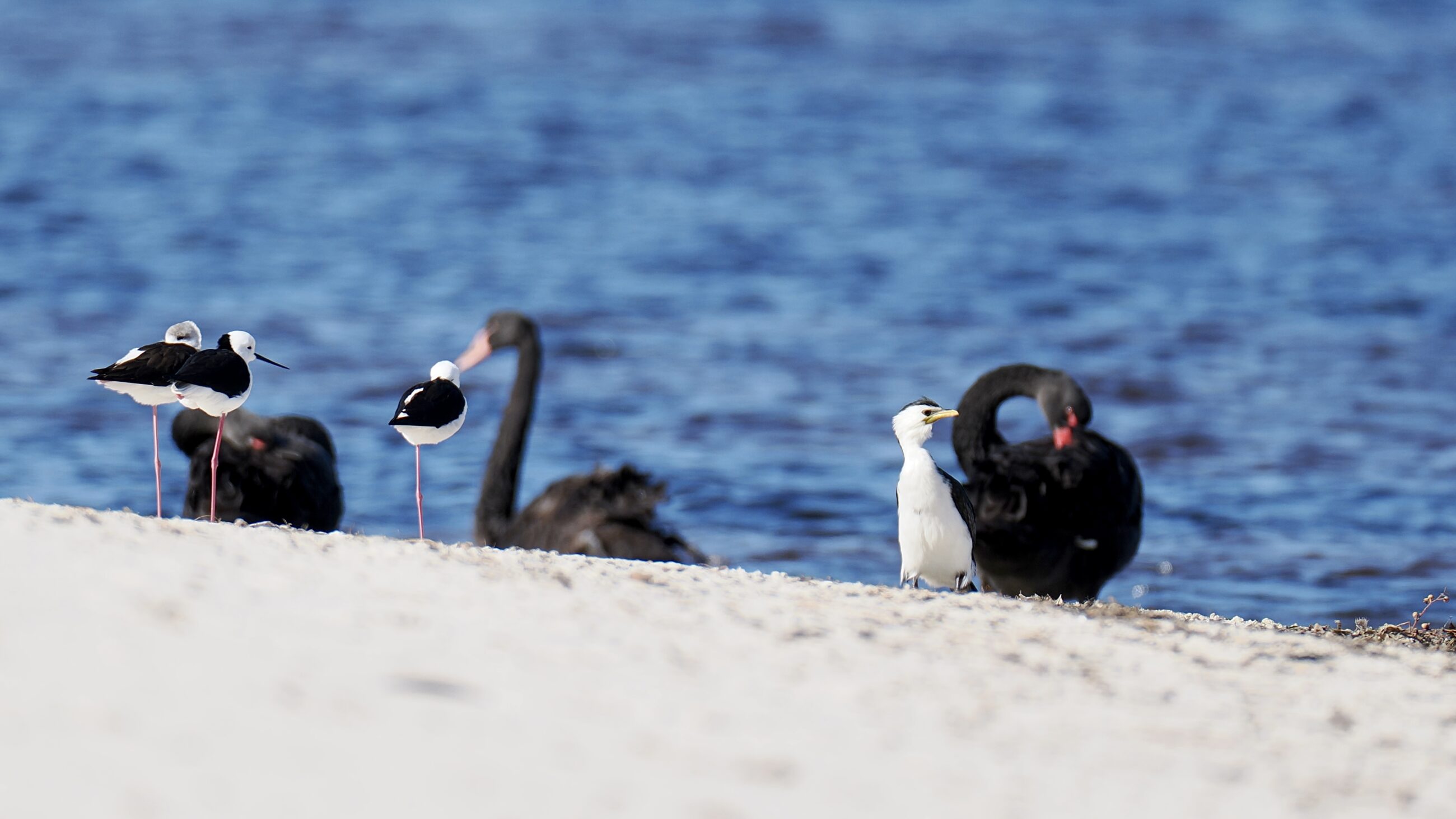
Long before Europeans reached Australia, what is now “Perth’s Pelican Point” was already a place of considerable significance to both humans and birds.

Given its inner urban location – as a bird flies, a couple of minutes or less from the CBD of a metropolis – it is no small achievement that the bipeds who effectively “own” Pelican Point’s actual point are avian, not human.

In the featured image: white-headed stilts, black swans, and a little pied cormorant.

Comments closed

Sunny April afternoon, strolling on Swan’s edge (1 of 2)


As you can see, on 18 April 2023, Perth and its big estuary – the Swan River – were bathed in bright sunlight.

It was a perfect day to enjoy good things which are not so readily available  – all, within just part of a single day – to most urban humans.

Where else would convenient, uncommonly cheap public transport (free, to “seniors”, outside “rush” hours) deliver you to one of Australia’s better pub lunches, after which the nearby riverside presents you with kilometres of glorious, publicly-accessible, uncrowded foreshore?

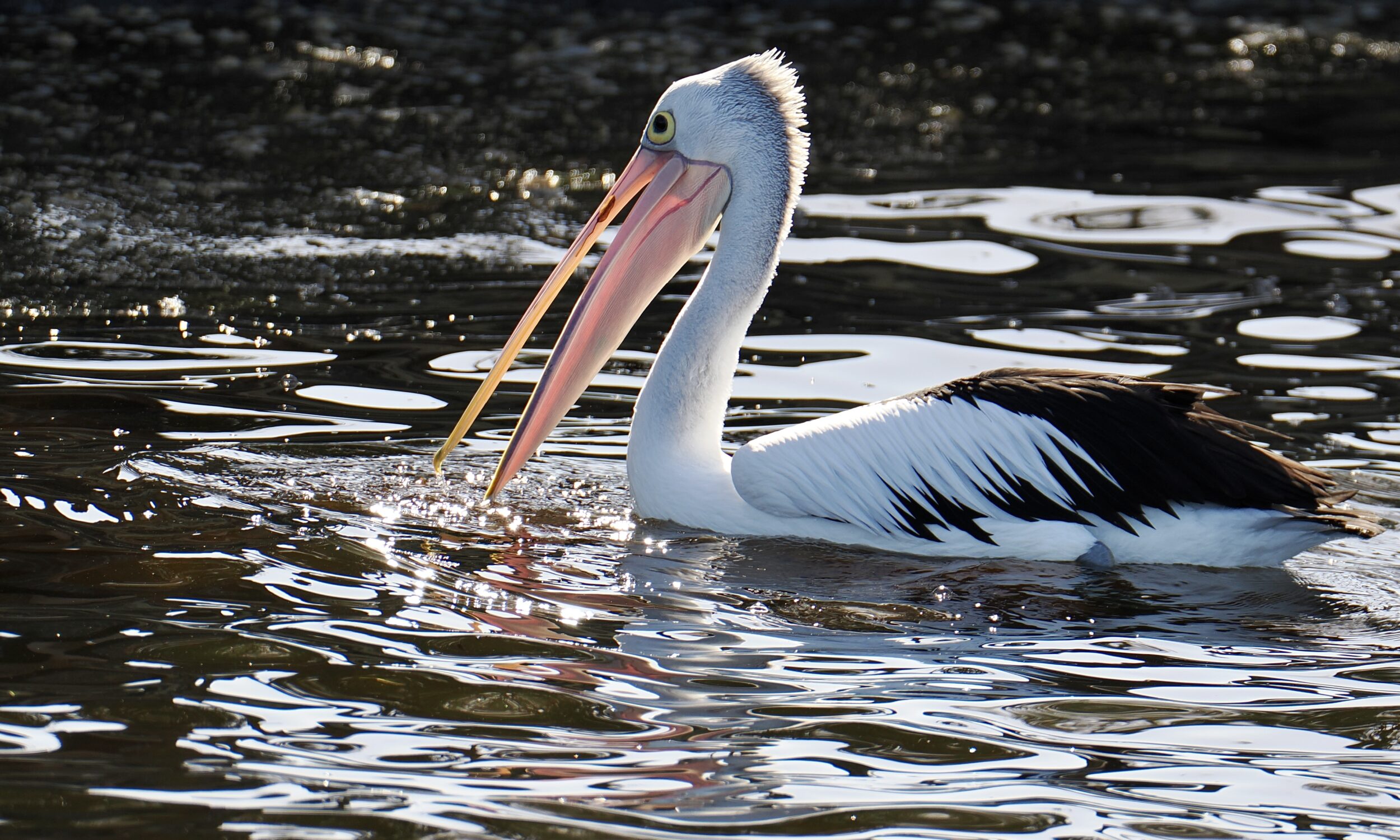
Even if you simply zip down to-fro the nearby jetty, you will enjoy a splendid vista and – almost certainly – a close encounter of the pelican kind.

And if you bother to walk along the foreshore….


Comments closed

Aliens land in world’s most isolated metropolis (teaser)


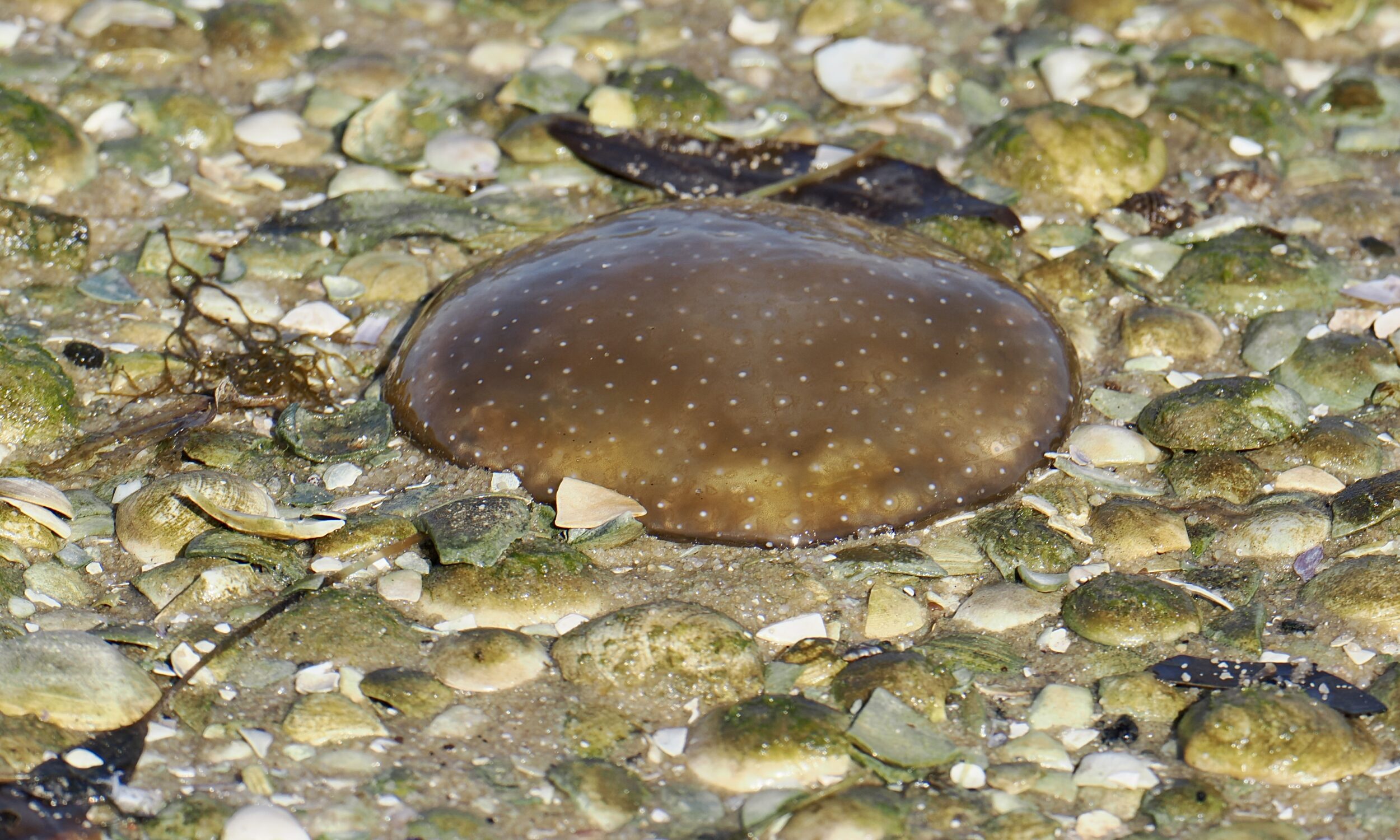
Pictured above is one of several “flying saucers”.

Apparently, all were abandoned, shortly after landing.

They were recently discovered and photographed by Pelican Yoga’s Extra-Terrestrial Intelligence Unit.

If you believe this – let alone the endlessly-repeated but false claim that Perth is the world’s most isolated city/capital city/ substantial city – please discuss further with Father Christmas, the Easter Bunny, Donald Trump, and the Tasmanian Tiger of your choice…

Comments closed

Three of the same (#14 in series: Burchell’s sandgrouse)


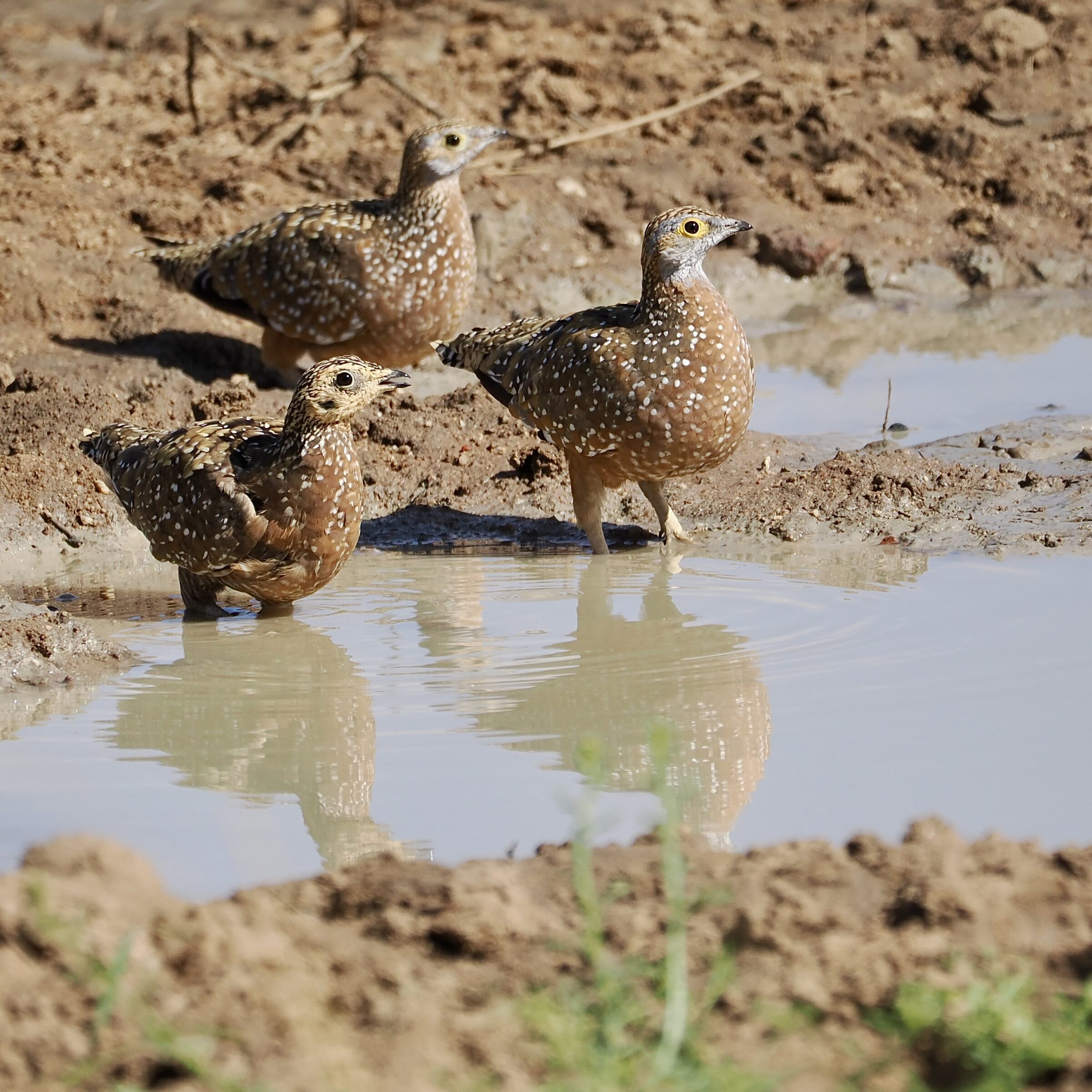
Reportedly, this species  – a southern African arid/semi-arid savannah/grassland specialist –  will sometimes fly 120 kilometres from its nest, in order to find water.

Happily, for many Burchell’s sandgrouse this is no longer necessary; boring humans  – well, humans who sink bores – have proved a boon to Pterocles burchelli.

Named after an English naturalist, they are somewhat pigeon-like in appearance…but not in their abilities and behaviour.

Comments closed