Skip to content →

Category: photographs

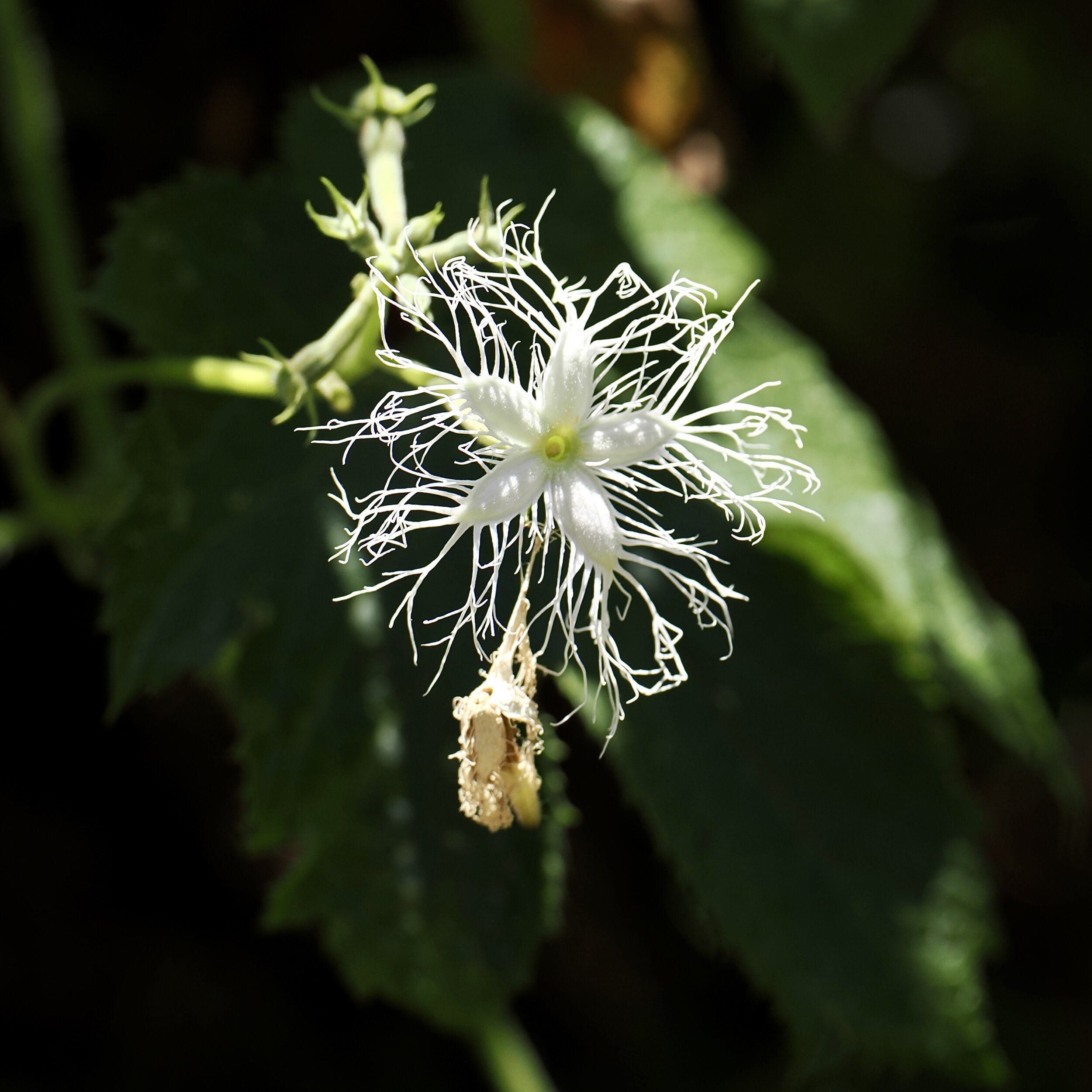
Flowering in “the forest where the snake dances” (#5 in series of single-image south India teasers)


You are looking at a member of the genus Trichosanthes, blooming in one of south India’s Sholas – high altitude forests which “punctuate” cooler, wetter parts of the Western Ghats.

Circa 2000 metres above sea level, this vine was discreetly thriving in a very small, very special national park.

Eventually, Kerala’s Pampadum Shola National Park will have its own multi-image post.

Comments closed
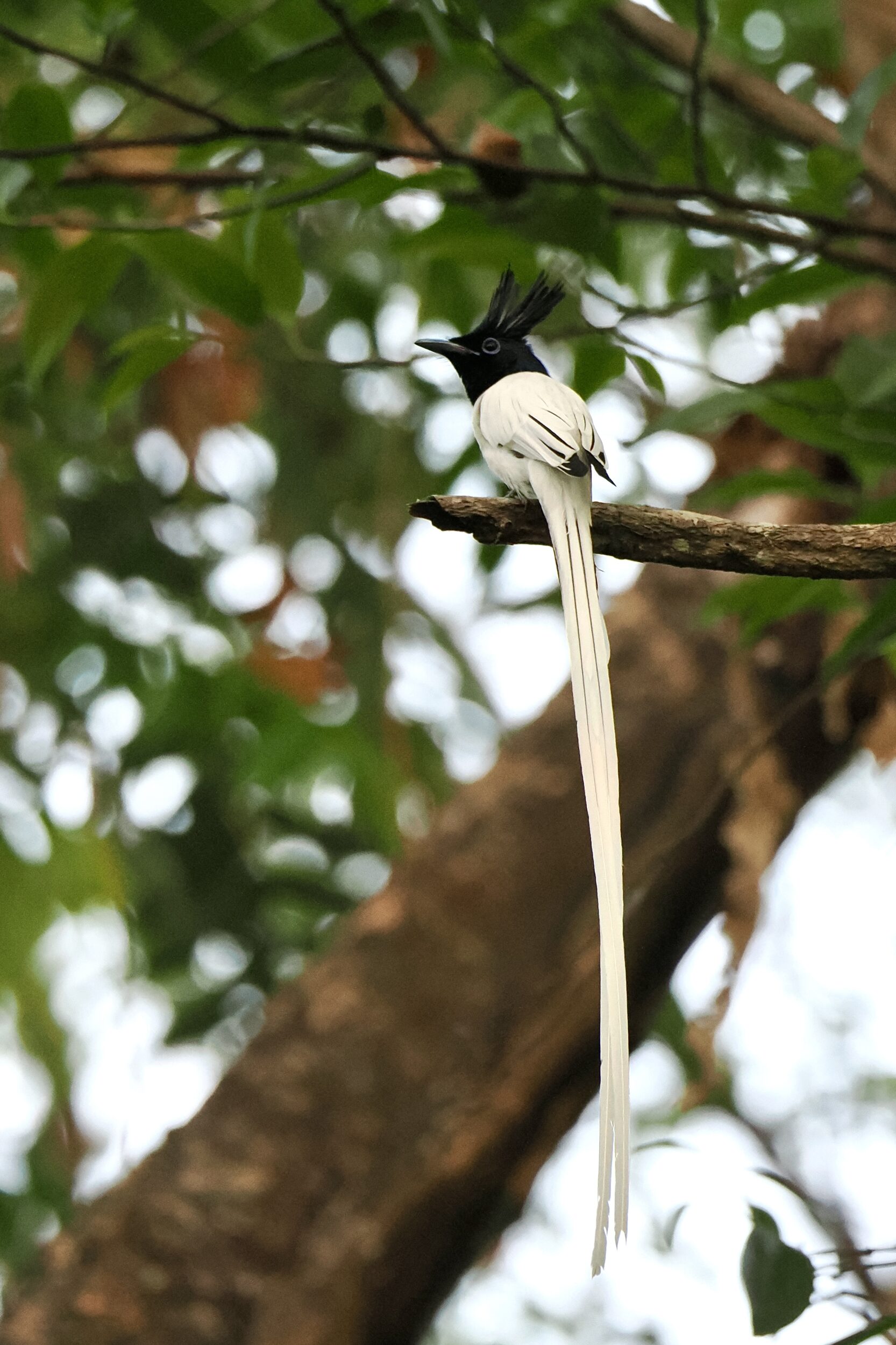
Indian paradise flycatcher (#4 in series of south India single-image teasers)


Delightfully perky as is its  “post-punk” crest, an adult male Indian flycatcher’s signature feature is the prodigious length of its “tail”/tail feathers.

Evidence suggests that here, size does matter: apparently, individuals with longer tail feathers enjoy greater breeding success.

Generally, extravagant tail feathers are a feature of promiscuous species, but the usually-monogamous Indian paradise flycatcher is a spectacular exception to this “rule”.

Comments closed

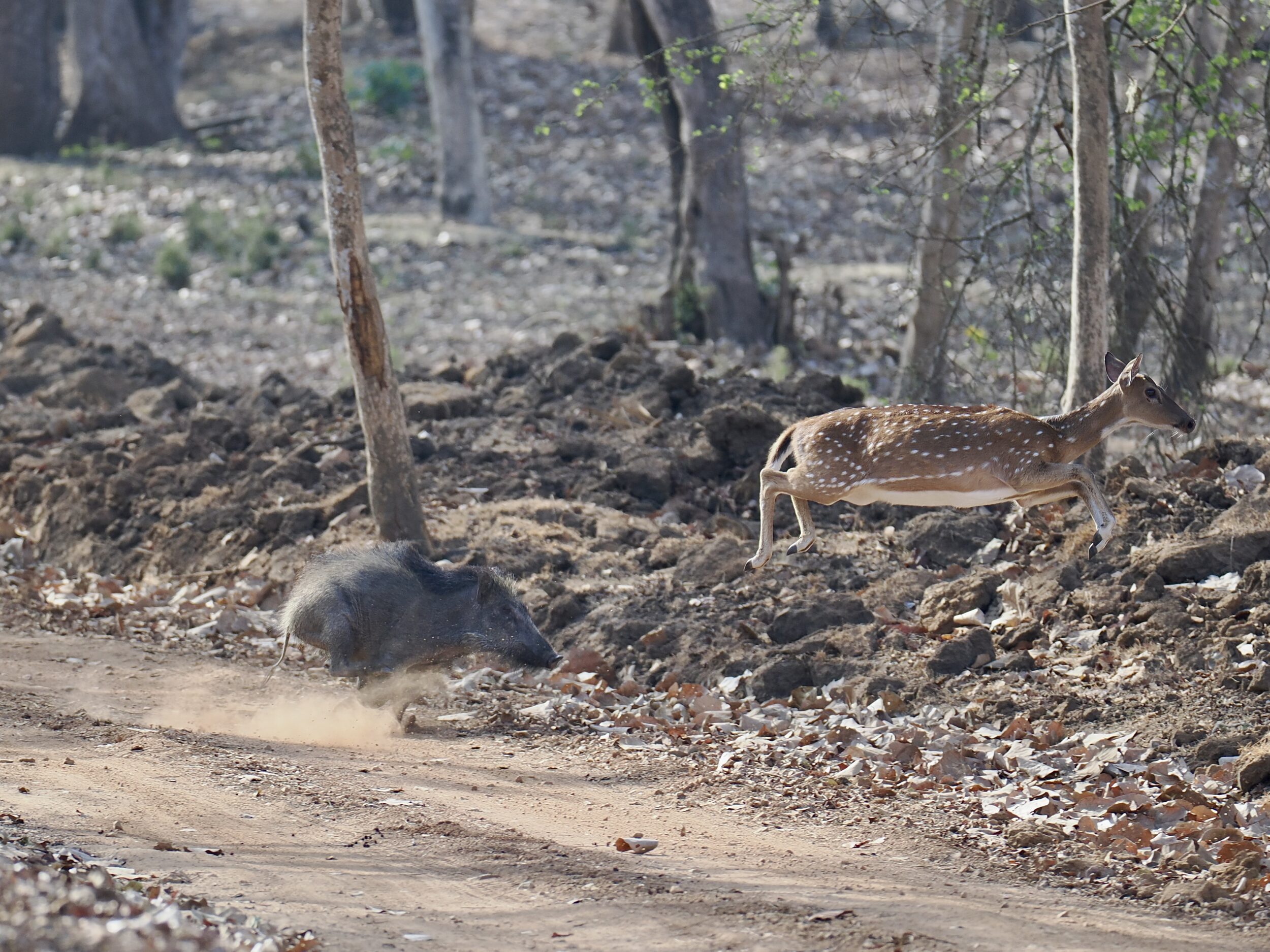
Wingless flight, Nagarhole Tiger Reserve (#3 in series of south India single-image teasers)


As you can see, India’s wild boar and spotted deer (aka “chital” or “axis deer”) are acutely aware that they rate highly on the list of tigers’ “preferred” prey!

The full list of tigers’ prey is long and sometimes-surprising; it ranges from termites to baby elephants.

Comments closed

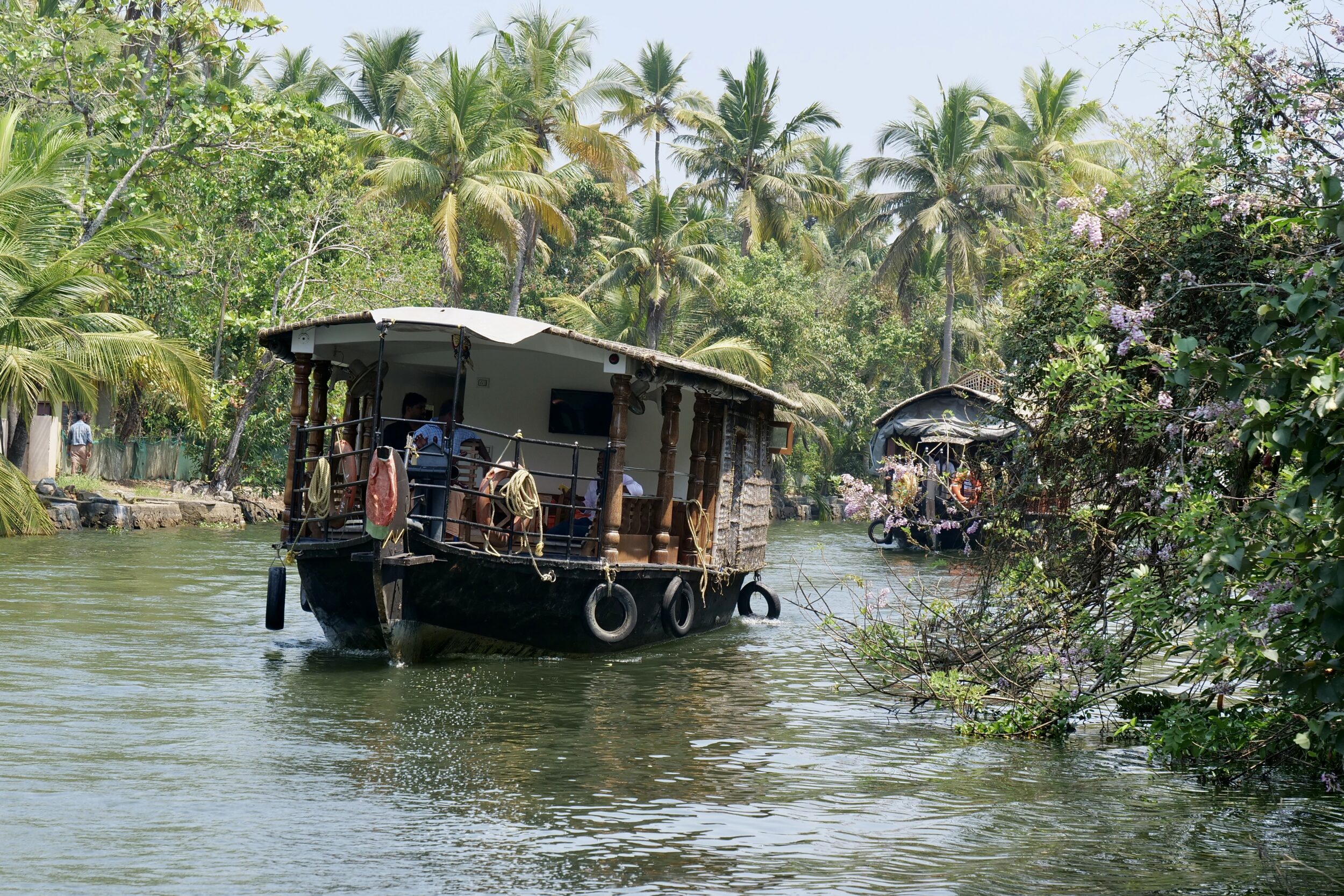
Much smaller than Tasmania, but bigger than Australia (#2 in series of south India single-image teasers)


In many respects, India’s south-westernmost state – Kerala – is India’s “best”.

By area, Kerala is just 57% the size of Tasmania.

By population, it exceeds Tasmania circa sixty times over; the entire population of Australia is less than 75% of Kerala’s.

Kerala includes both the lowest place in all of India and its highest point, south of the Himalayas.

Collectively, Kerala’s citizens are much more diverse, healthier, and more highly educated than are “average” Indians.

Keralans also eat some of the world’s most delicious food.

Comments closed

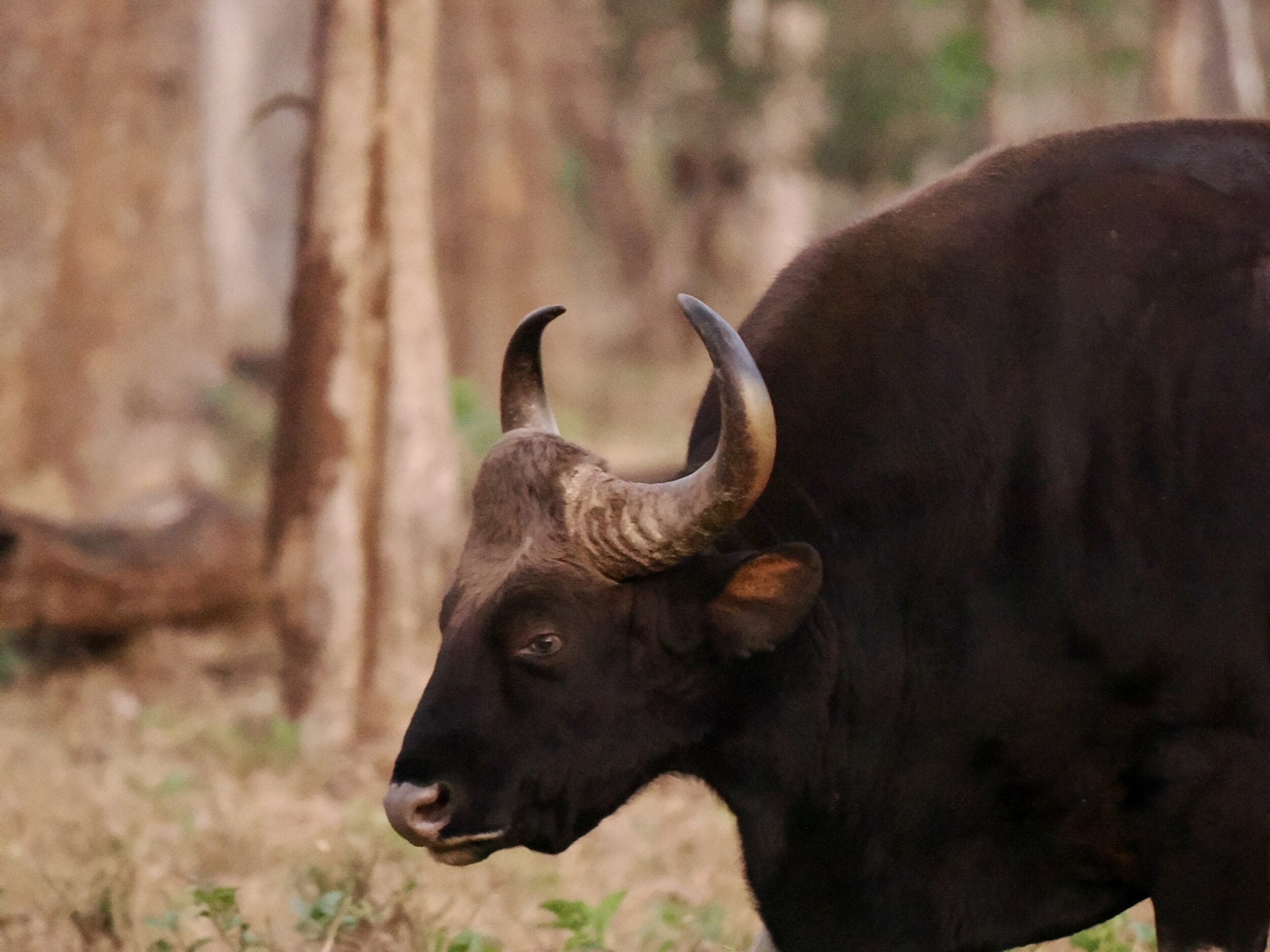
A LOT of bull (#1 in series of south India single-image teasers)


Bos gaurus
– gaur, sometimes (wrongly) called Indian “bison” – used to roam forests across south and southeast Asia.

Their number and range are much-diminished, and their conservation status is “Vulnerable”.

India is now gaurs’ stronghold; in suitable, “protected” Indian forests – most especially, in south India’s Western Ghats – the gaur population is increasing.

Older males are the world’s largest living cattle; 1 metric tonne is not exceptionally massive, and some of the oldest, darkest individuals weigh circa 1.5 tonnes!

Comments closed

Reading the signs (in northern Namibia: #7 in series)

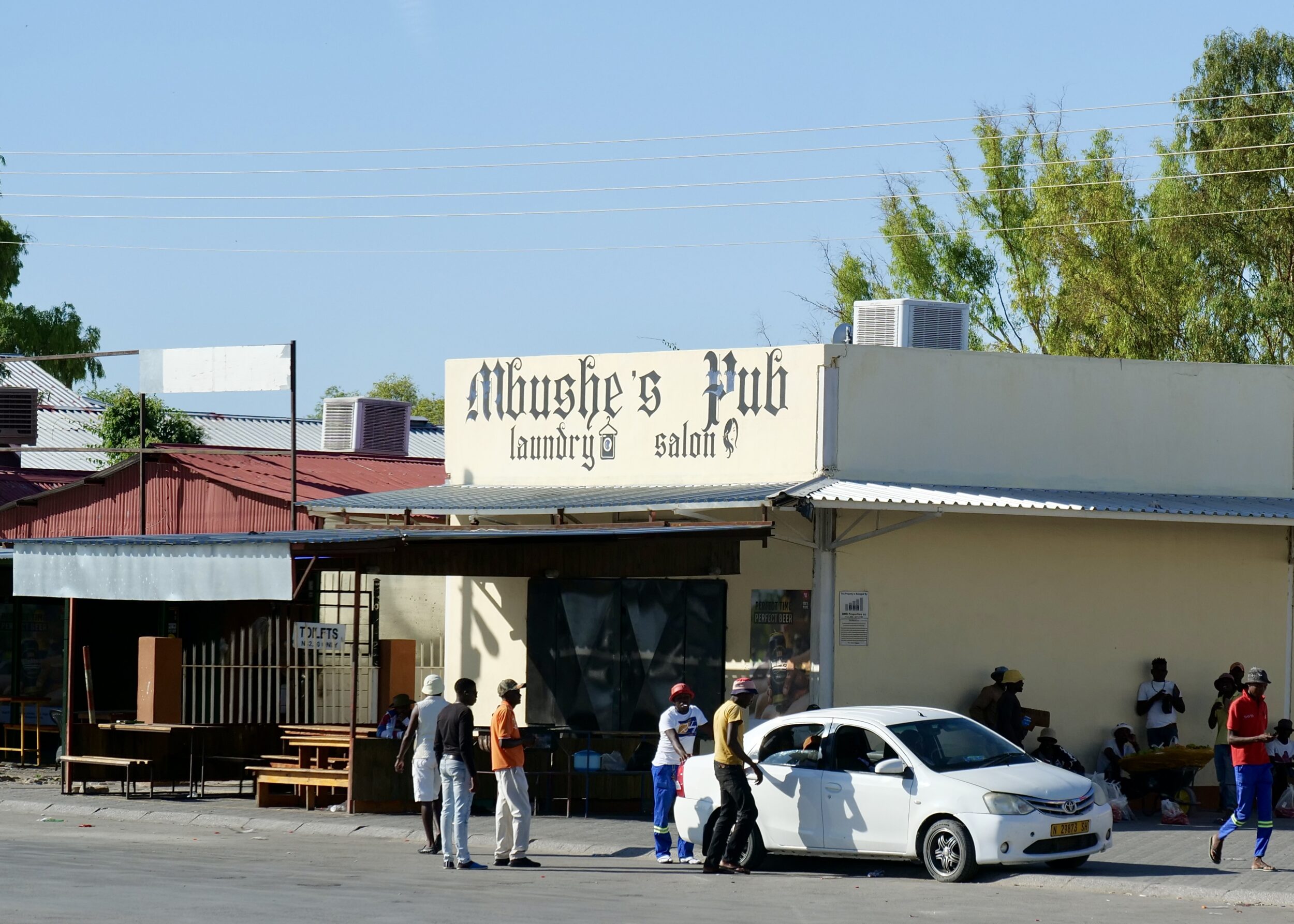
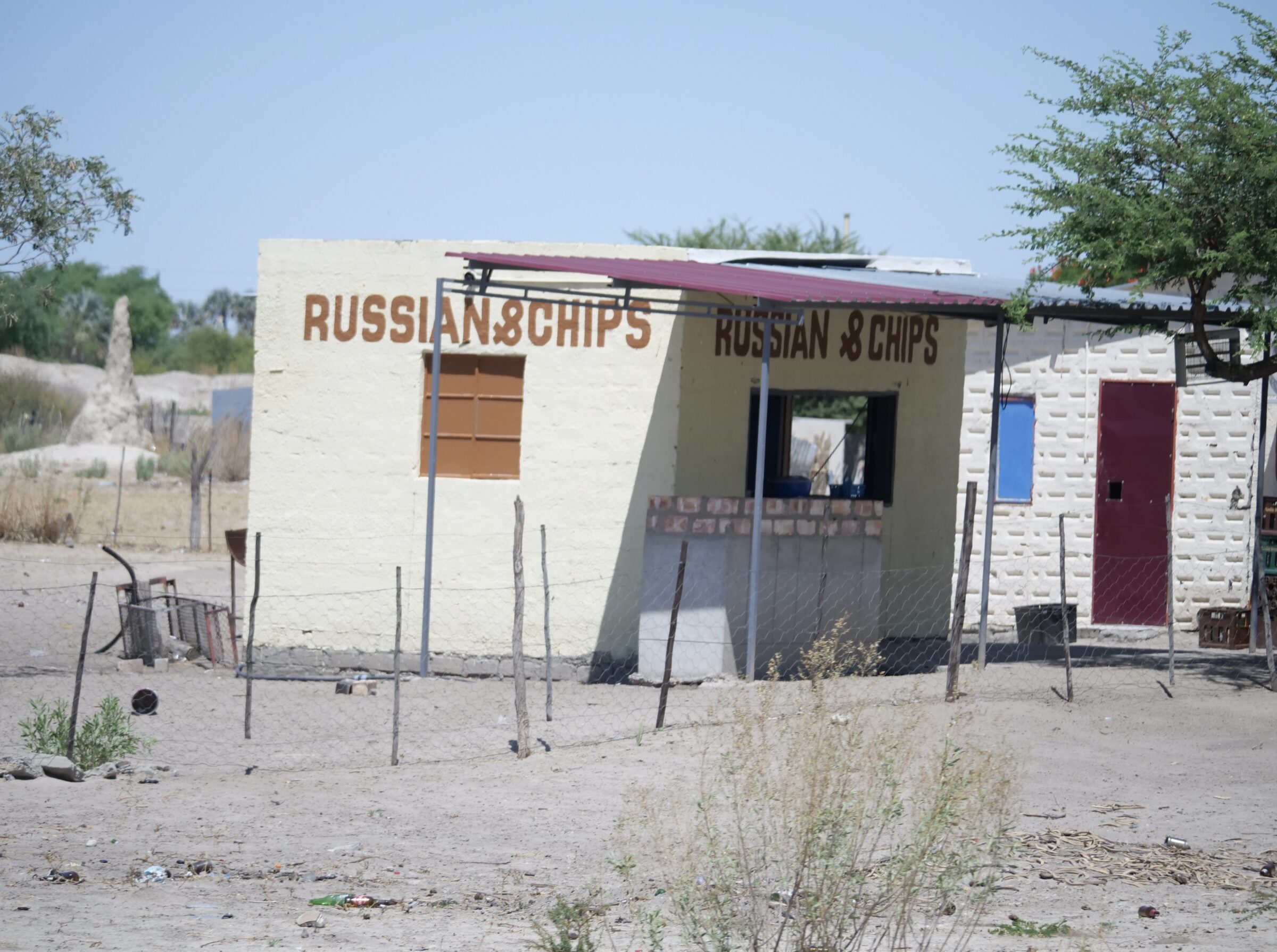
In northern Namibia – and just about anywhere else in Southern Africa – the pictured takeaway food outlet’s “alarming” sign would cause no unease whatsoever, nor would its meaning be unclear.

”Russians” – with or without chips – have long been a great favourite of southern Africans, whether “dining out” or “cooking up” in their own homes.

Comments closed