Skip to content →

Category: visual arts

Seasonal Greetings, with appropriate “decorations”


Pelican Yoga
wishes you all a happy and safe festive season.

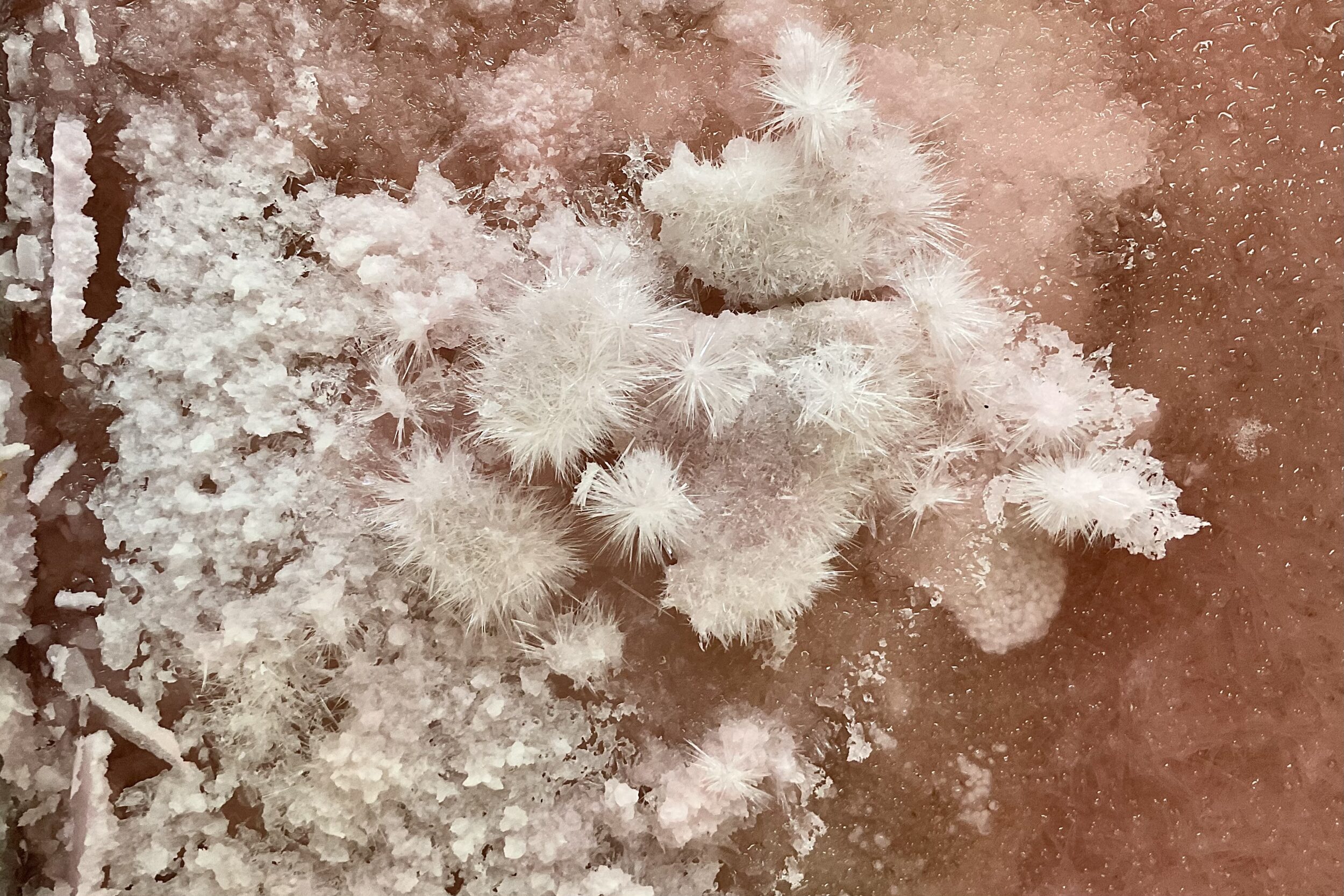
You may imagine that the pictured “decorations” involve snow and ice, either directly or as inspiration source, and that they express nostalgia for – or romantic notions about – the “properly Christmassy” Decembers of Santa’s homeland, deep in the northern hemisphere.

If so, you would be wrong on all counts!

Comments closed
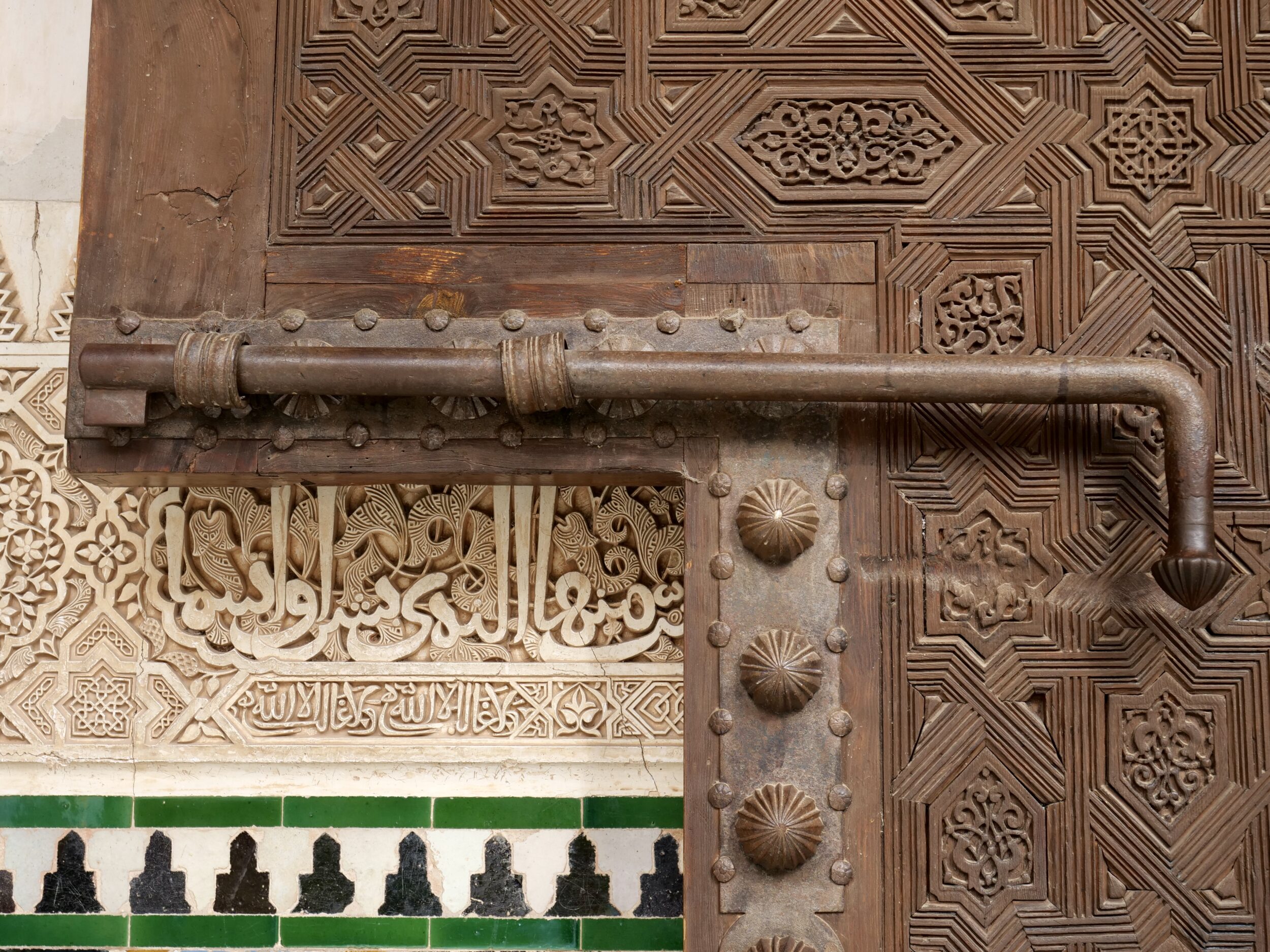
Morocco & Andalucia: “characteristic”: #15 in series: ornamentation “2”)


The Alhambra in Granada is one of the world’s man-made wonders.

Spain’s #1 tourist attraction is usually described as a “fortress and palace complex”.

Its structures span several centuries, and both “Moorish” and “Christian” Spain.

At its peak, in the 14th century CE – prior to late 15th century “Christian” Spain’s Reconquista – the Alhambra was a very sophisticated hilltop city in its own right, distinct from Granada-proper.

The Nasrid Palaces are the most glorious legacy of that period.

Collectively, their interior spaces (including walls and ceilings) are very probably “our”  planet’s most exquisite.

Almost every inch therein rewards close attention.

Comments closed

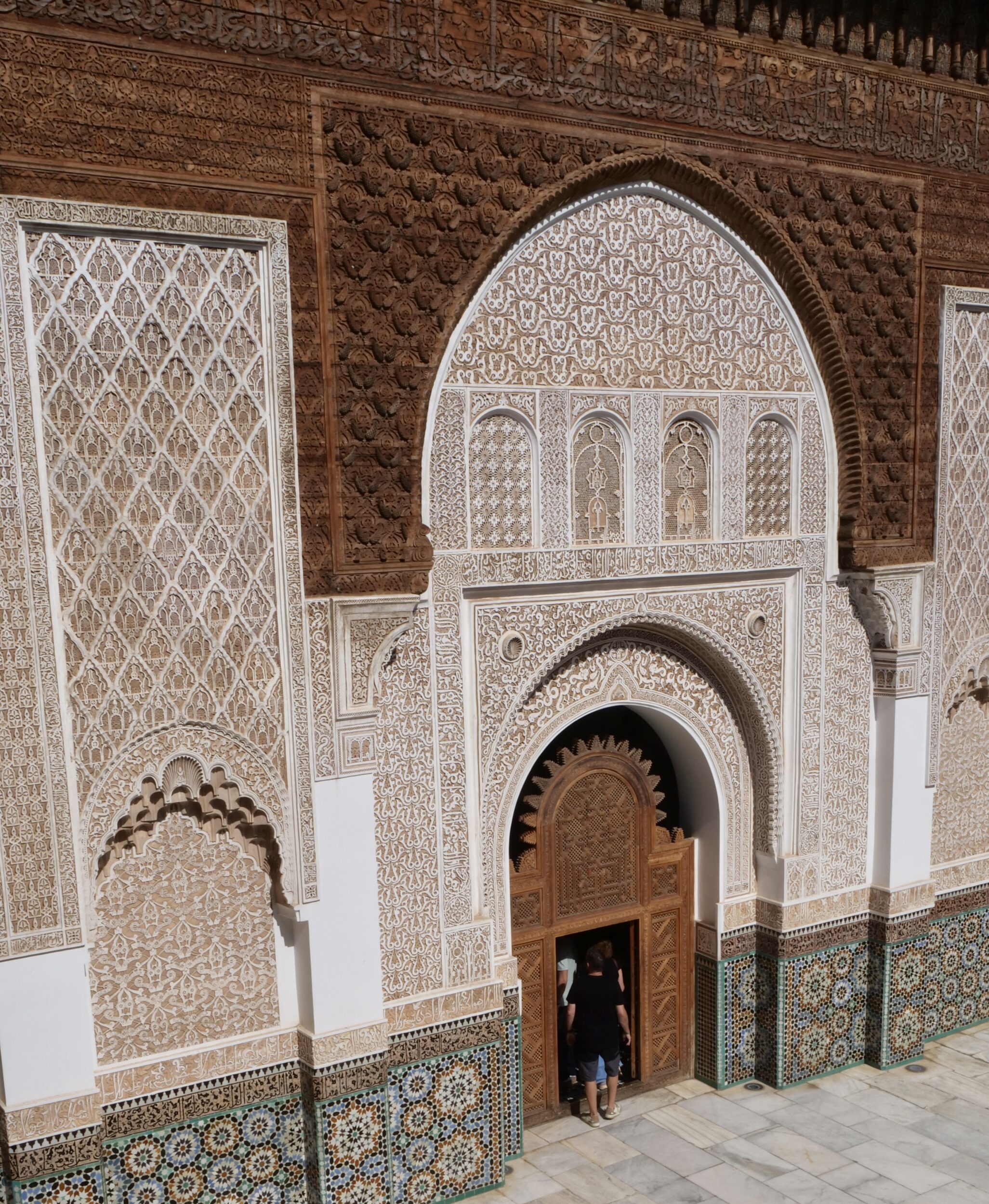
Morocco & Andalucia: “characteristic” (#14 in series: ornamentation “1”)


Morocco and Andalucia contain some of the world’s most exquisitely detailed interior surfaces.

A single site can include equally jaw-dropping examples across completely different surface types – wood, plaster and tile in the pictured madrasa, in Marrakech.

Madrasa (also commonly transliterated into English as “madrassa” or “madrasah”. In Morocco it is usually transliterated as “medersa”) is the Arabic term for any educational institution, whether secular or religious.

Comments closed

Morocco & Andalucia: “characteristic” (#4 in series: inward-looking “2” – Fez)


The Arabic word which is transliterated into English as “riad” or “riyadh” originally signified a garden or courtyard/ enclosed garden/patio of the formal, Islamic, so-called “paradise garden” type.

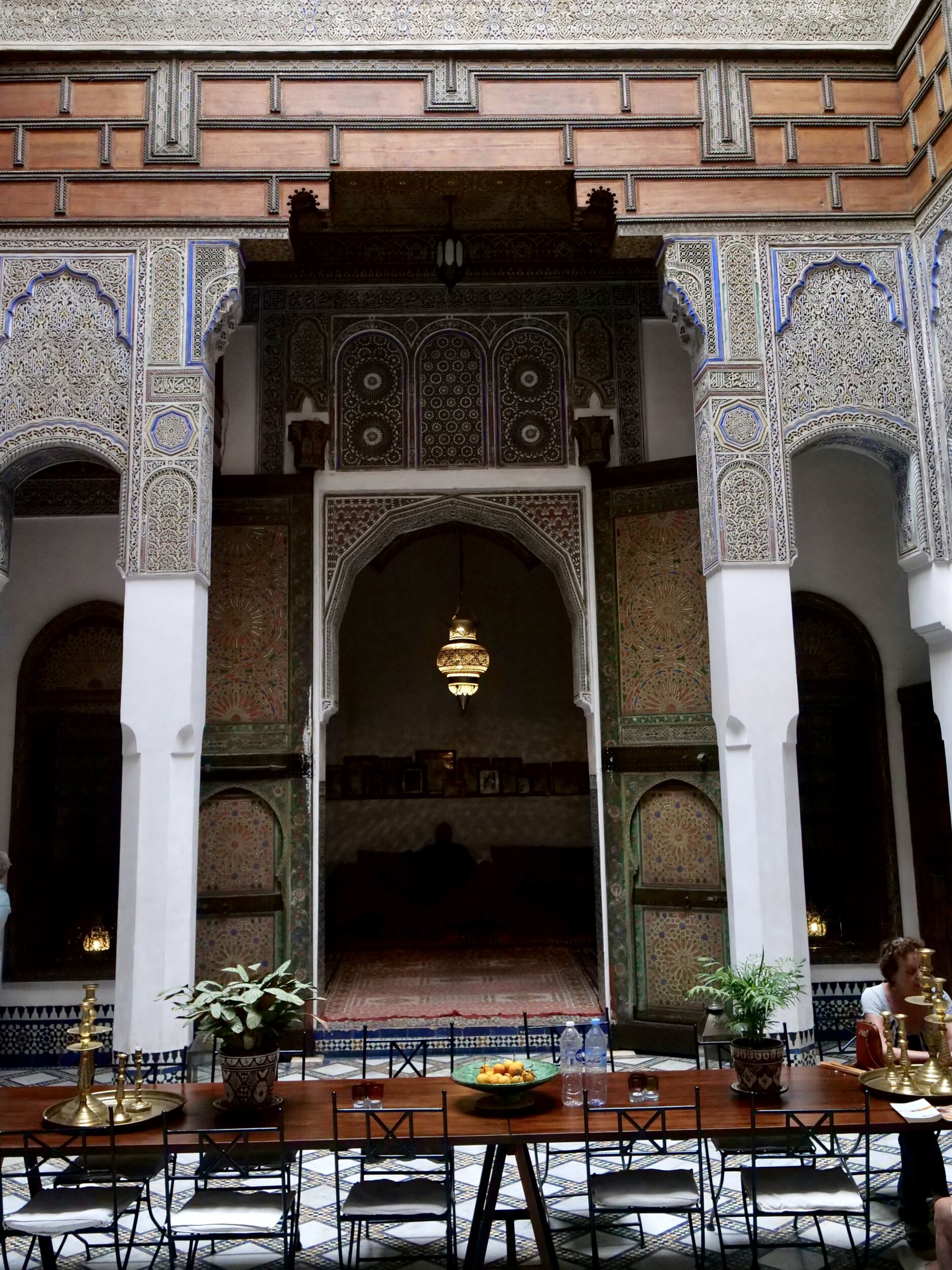
In current common usage “riad” (in Morocco, especially) is the word for a house/guesthouse/building in which its heart is such an open-aired but otherwise fully enclosed patio/courtyard.

Most such riads were originally the houses of wealthy merchants, built within the walls of a city’s “medina” – what is now its “old”/“walled” city.

The pictured example is surely one of the most exquisite.

Comments closed

Signage & Signification (#12 in series: Moroccan graffiti/street art)

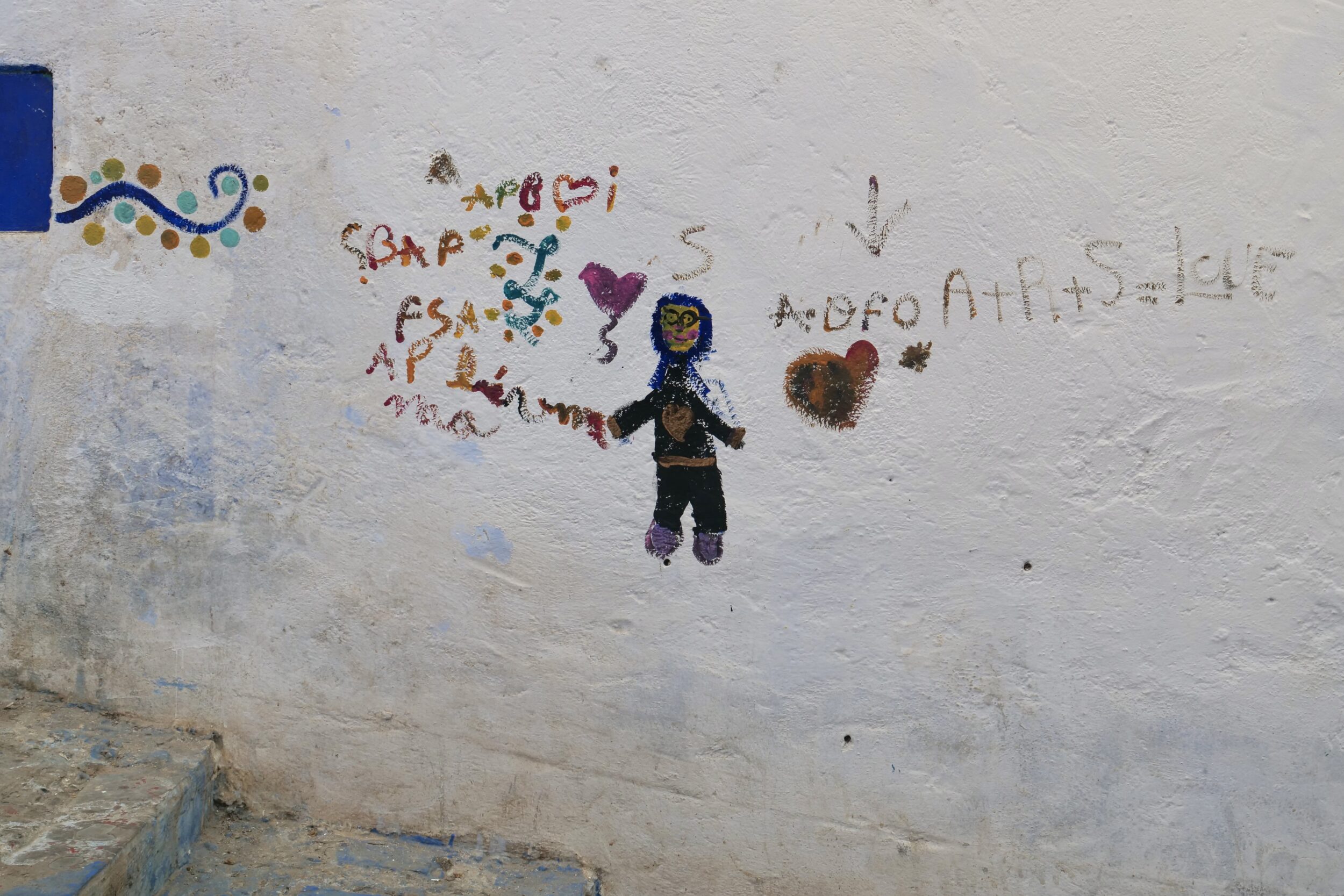
To a local resident, the meaning was probably perfectly clear.

To these visitors to Chefchaouen (Morocco’s famously “blue” city) it was a mystery, but we enjoyed looking at the pictured wall, which is on one of the city’s many narrow, cobbled, very steep streets and laneways.

Comments closed

“Old city”, Lahore (#35 in series: Badshahi Mosque “2”)


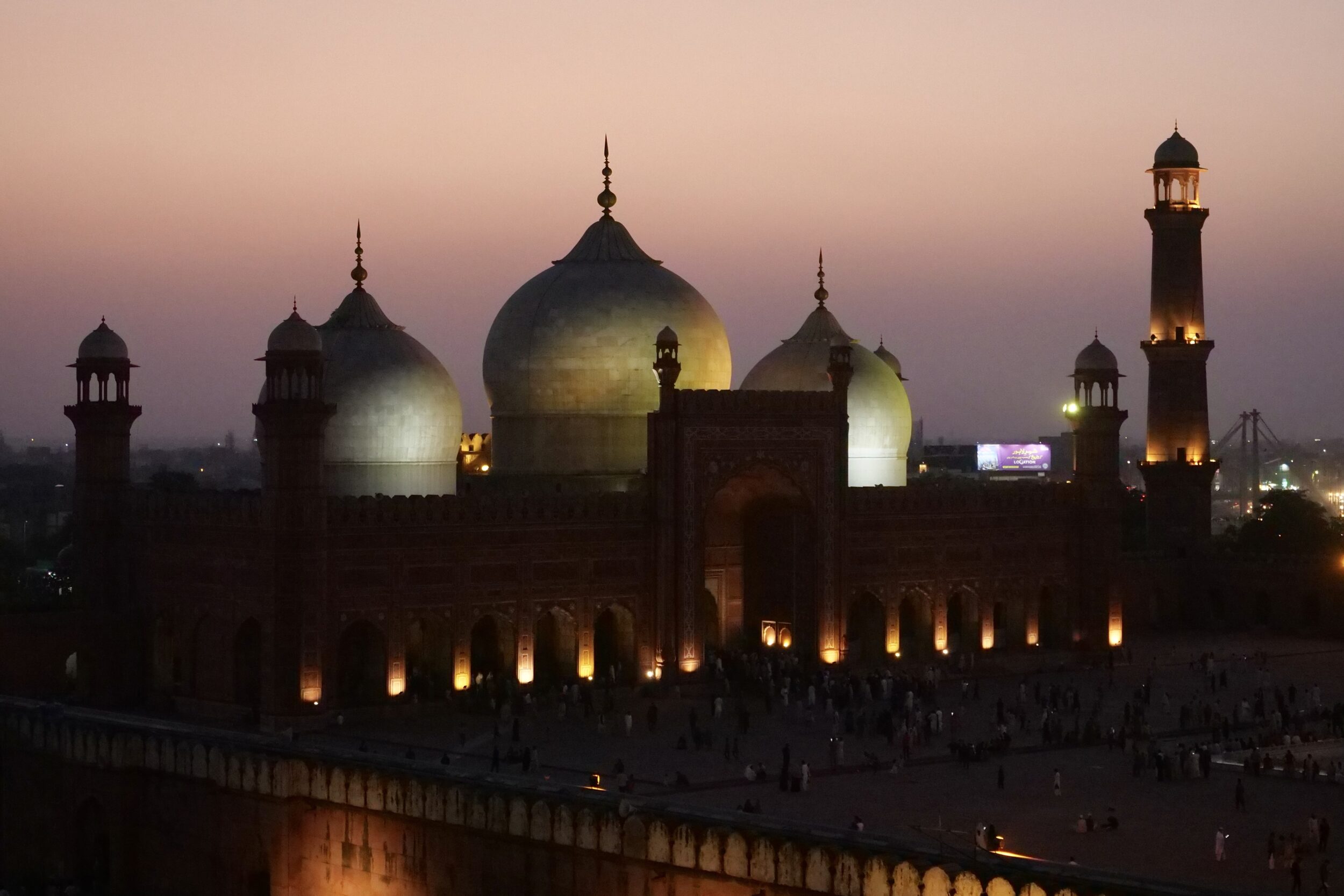
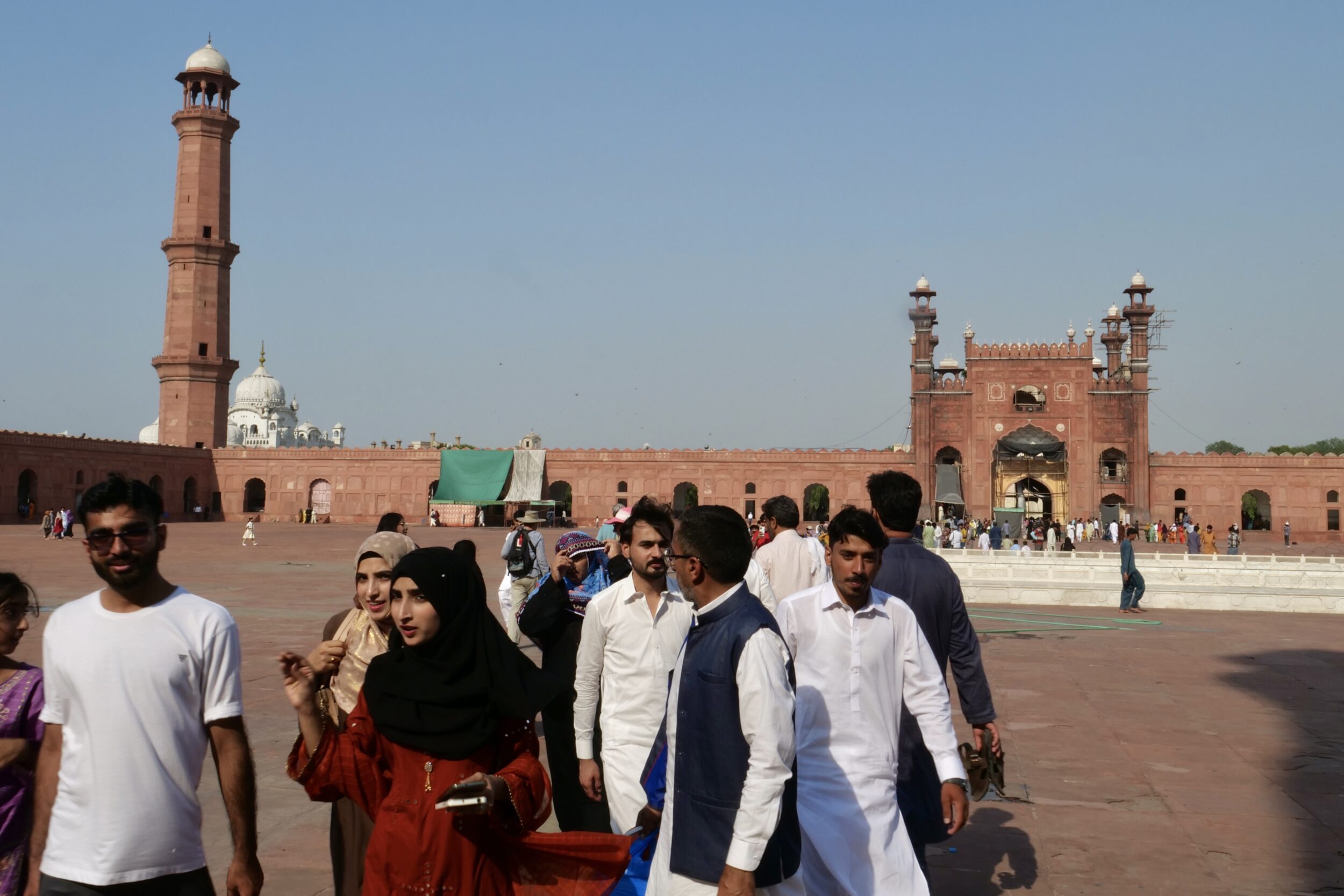
The featured image (immediately above) was taken at 3.47 pm on 12 May 2024; the main building was behind me, as I looked east-ish, across part of Badshahi Mosque’s courtyard.

That paved courtyard’s 25,600 square metres account for most of the mosque’s “footprint”.

Lahore Fort and Badshahi Mosque are almost adjacent.

Their main gates face each other, respectively, from the eastern and western sides of the Hazuri Bagh – a formerly-“royal” garden which is now a well-loved “public” space.

Comments closed

“Old city”, Lahore (#33 in series: Sheesh Mahal details…& the reason it exists)


Lahore Fort’s Sheesh Mahal and Agra’s Taj Mahal were both commissioned by the same Mughal emperor.

Each expressed – mostly, in white marble –  his abiding love for his favourite wife.

Shah Jahan (1592-1666) had three wives, but only one marriage was a “love match”.

He renamed his beloved, “Mumtaz Mahal” – “the exalted one of the palace”.

Allegedly, Mumtaz Mahal had a dream/vision of heaven; the Sheesh Mahal was her husband’s attempt to make that dream “real”.

Comments closed

“Old city”, Lahore (#32 in series: carved marble screens, Sheesh Mahal)


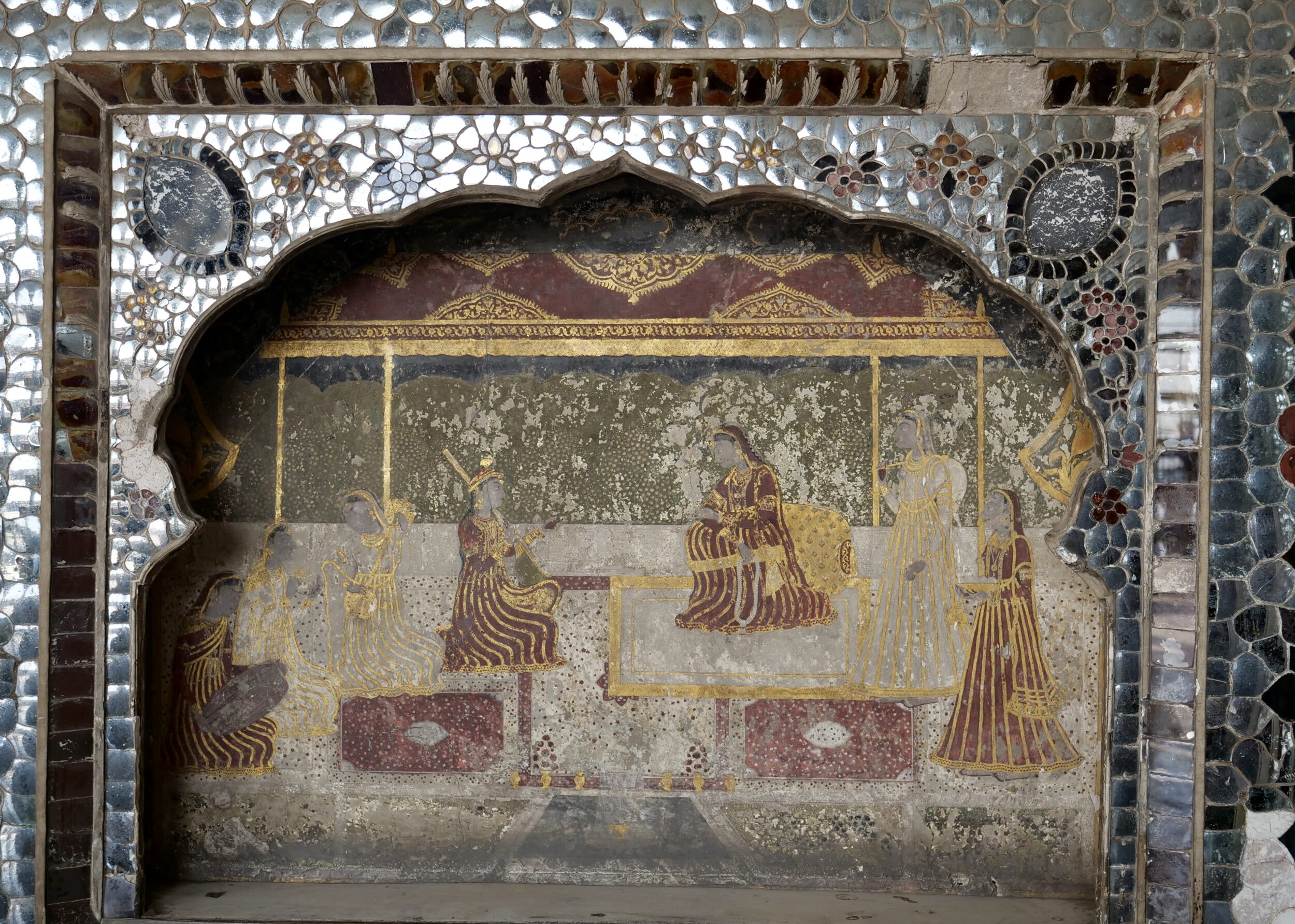
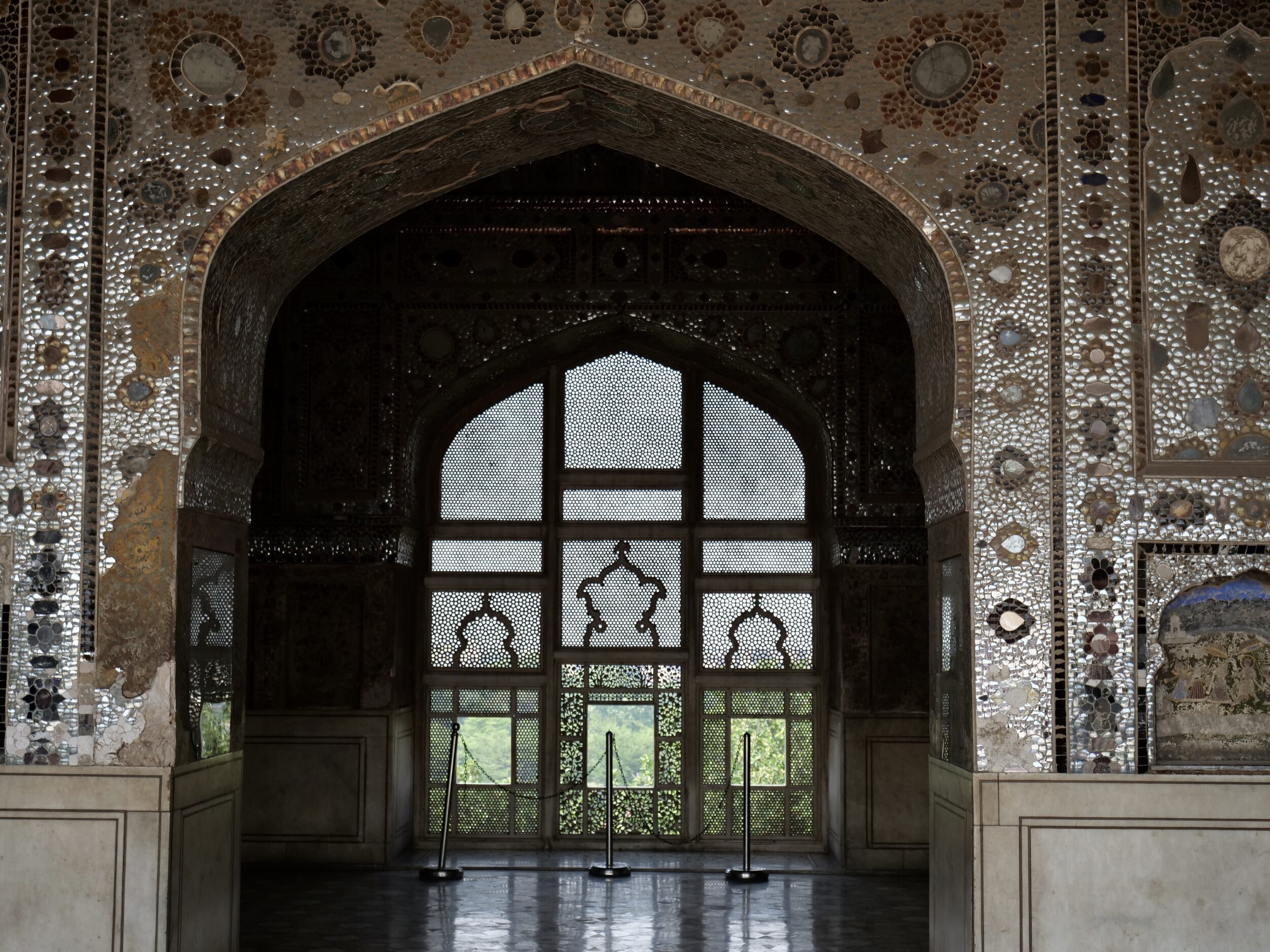
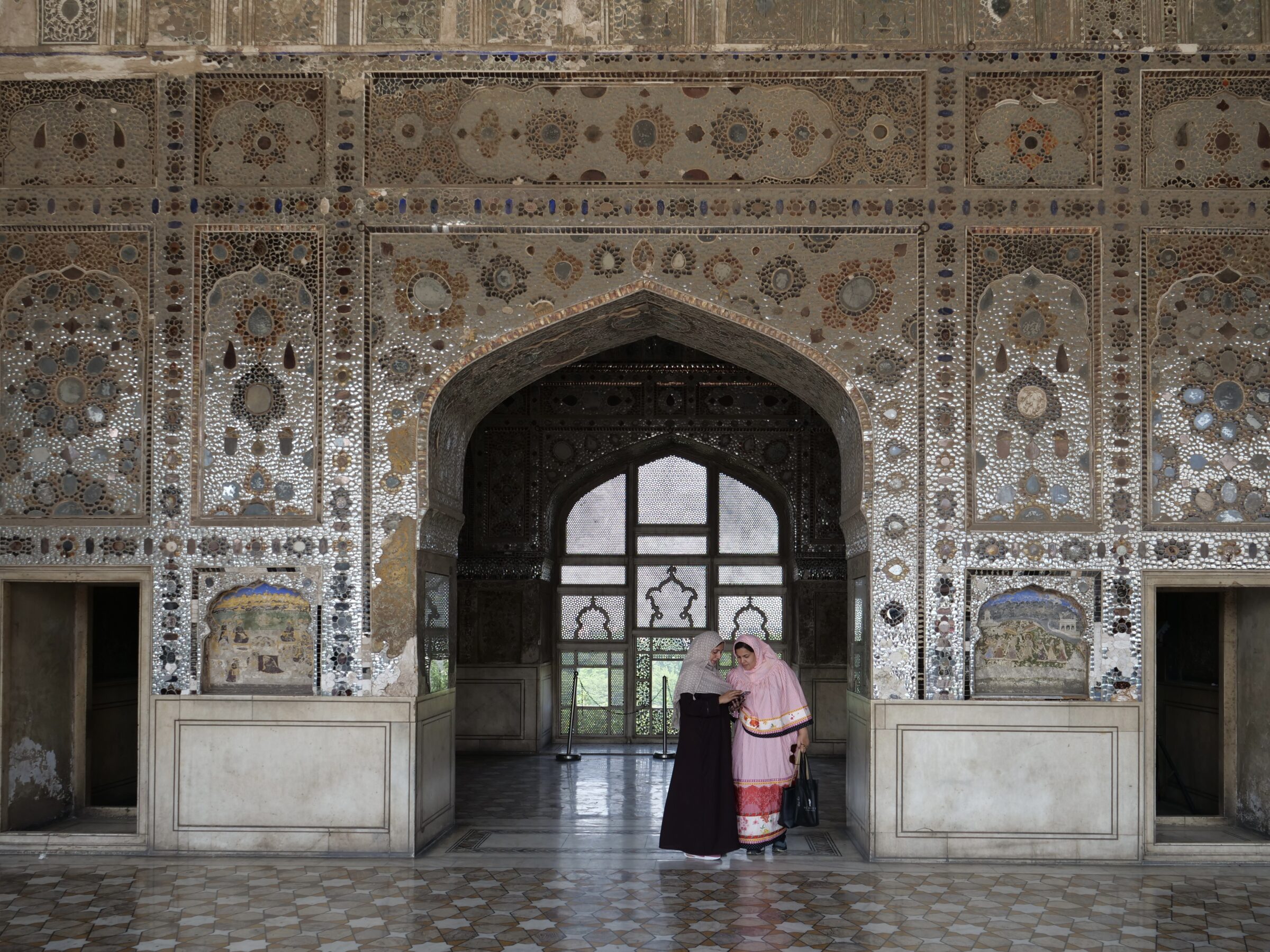
The highly elaborate “mirror work” decorations on its walls and ceilings are the signature feature of the Sheesh Mahal.

Much less “showy”, but at least as beautiful, are the carved marble screens on its northern side.

As well as being lovely to look at – and to look through – these screens are very “practical”.

Comments closed

“Old city”, Lahore (#31 in series: “palace of mirrors”)


Popularly known as “the palace of mirrors”, the Sheesh Mahal is the most opulent of Lahore Fort’s “notable monuments”.

It sits directly above the summer palace, in Lahore Fort’s northwestern corner.

The Sheesh Mahal’s glittering splendour is only visible from within what was originally a very “restricted” section of Lahore Fort.

This ornate pavilion/palace was constructed in the 17th century CE, for the exclusive use/pleasure of the imperial family. (plus their invited guests and closest aides)

Comments closed