Skip to content →

Category: visual arts

“Old city”, Lahore (#30 in series: open air, Lahore Fort)


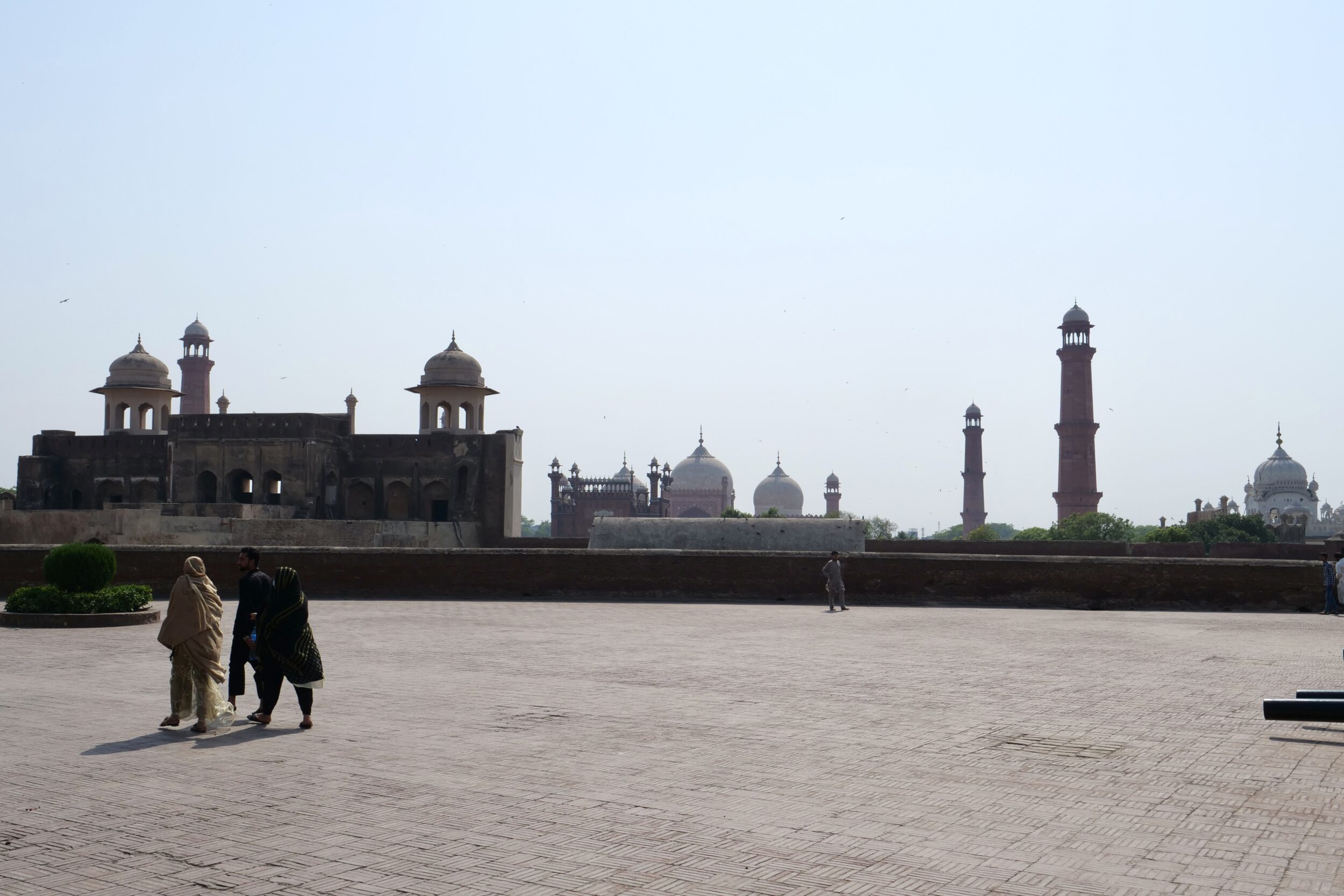
At 3pm on 12 May 2024 we were “upstairs”, in very bright sunshine, making our way to the Sheesh Mahal.

If the “selfie index” is any guide, this “palace of mirrors” is 21st century tourists’ favourite of the 21 “notable monuments” within Lahore Fort.

We’ll reach it in this series’ next (selfie-less) chapter.

Meanwhile, take a close look at the various structures visible in this chapter’s featured image…

Comments closed
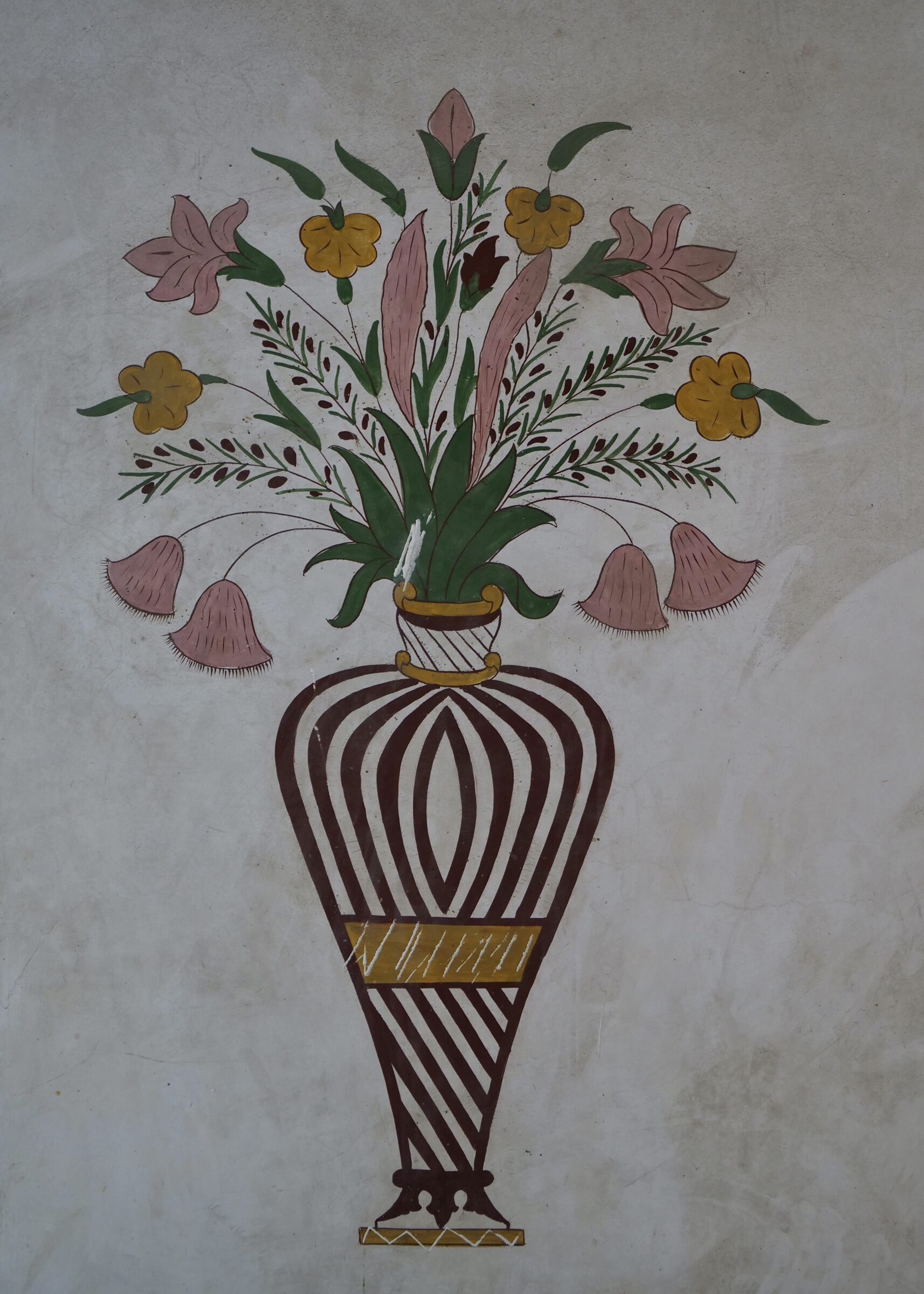
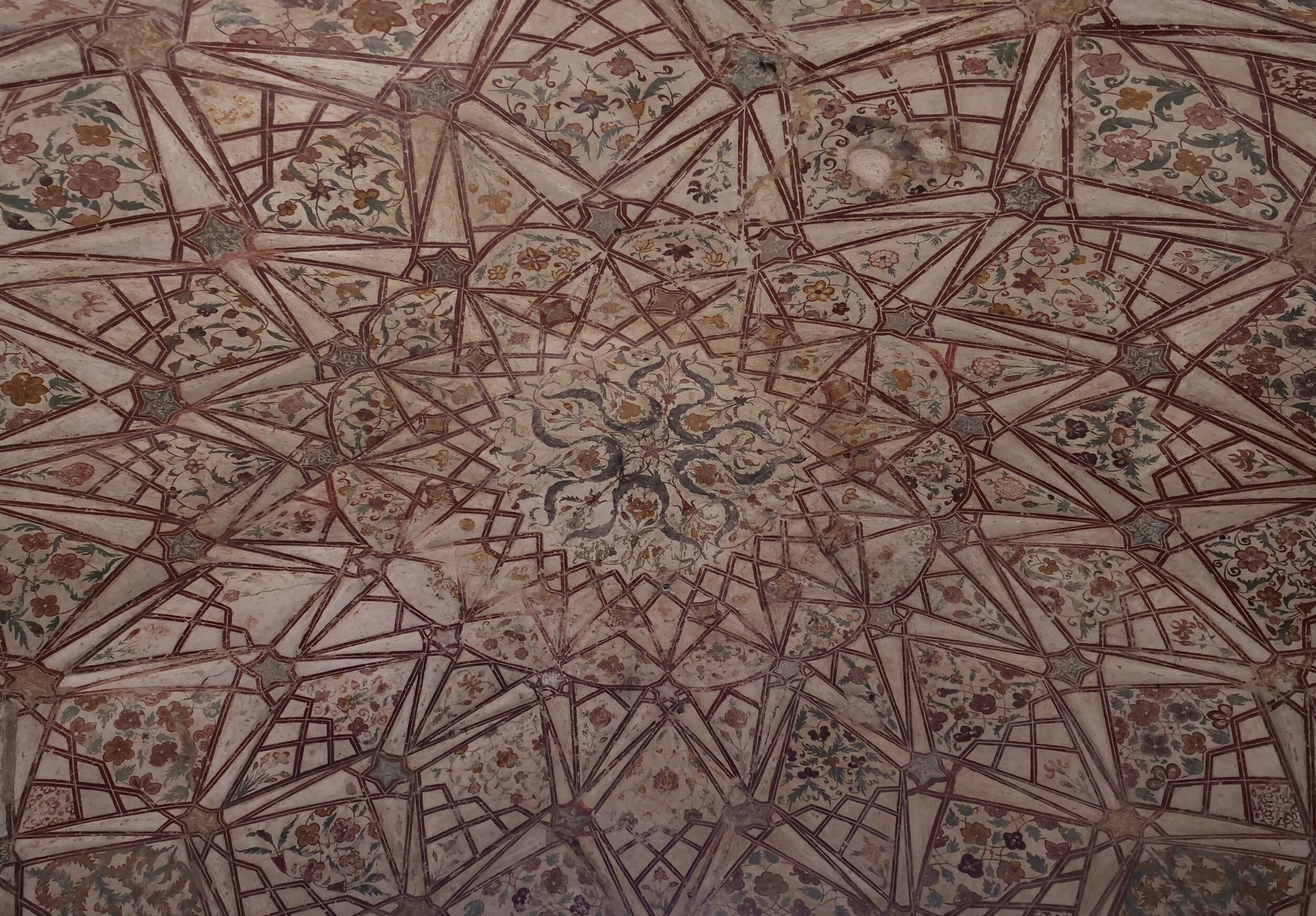
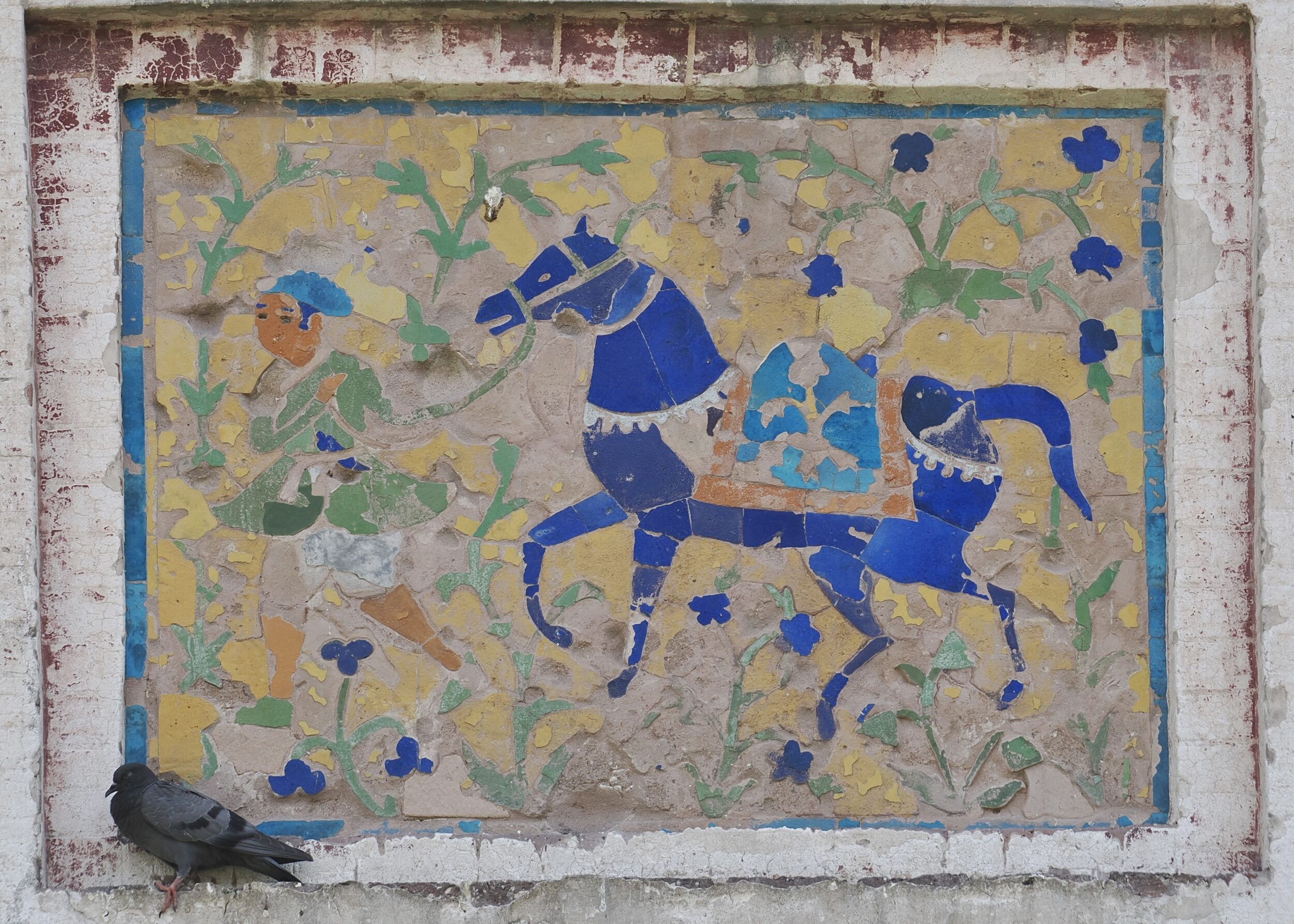
“Old city”, Lahore (#28 in series: summer palace, looking up)


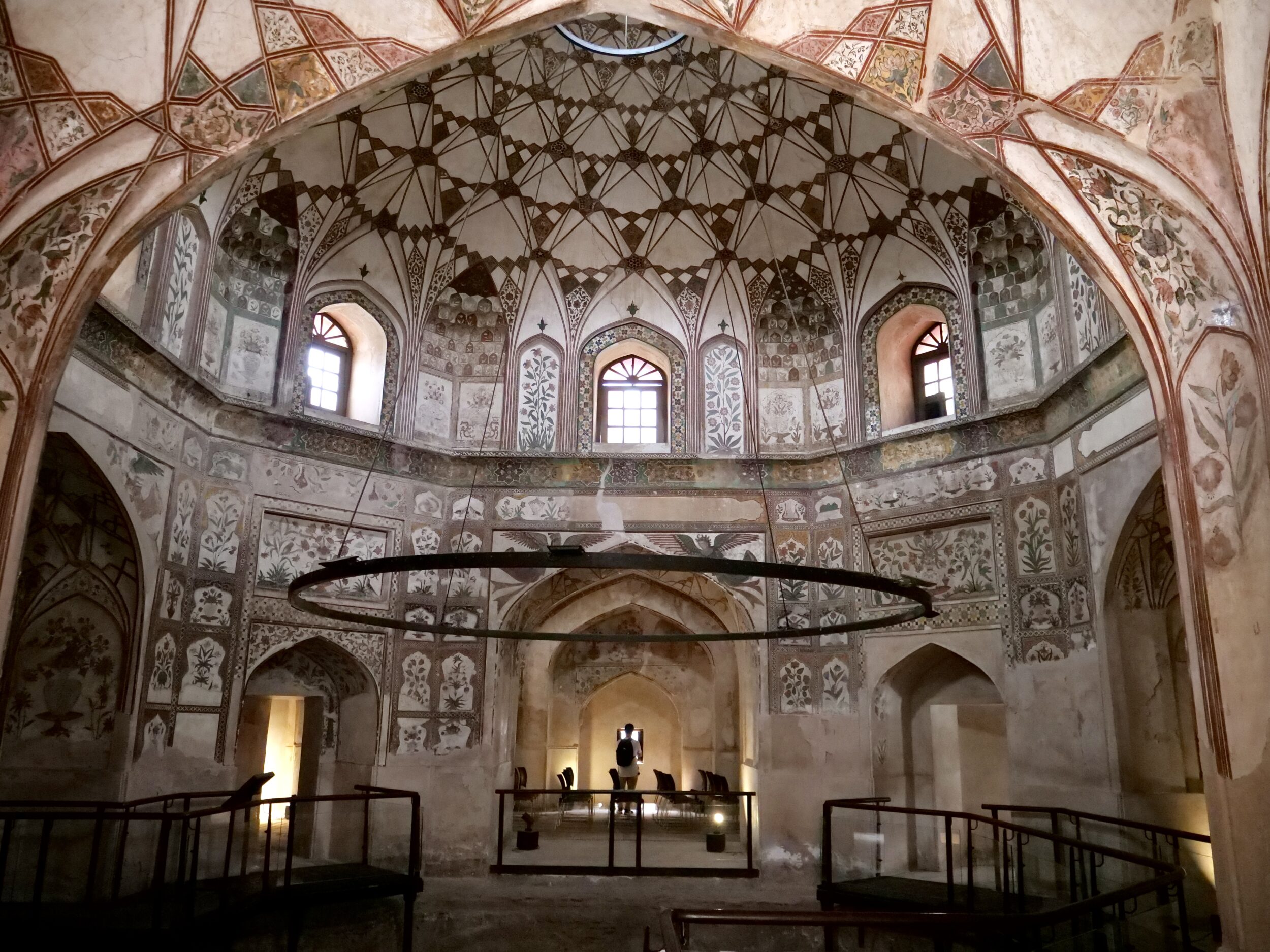
The featured image and the one immediately below both show “faded glory”.

A 21st century restoration effort has rendered 17th century splendour visible again, but a deal of the original’s vibrancy is almost certainly “gone, forever”.

However, the arch in the final image is an example of the “miracles” that dedicated scholars, architects, artists and artisans can achieve, even when the restoration effort’s beginning is a century or more “too late”.

Comments closed

“Old city”, Lahore (#27: Summer Palace, “wide” shots)


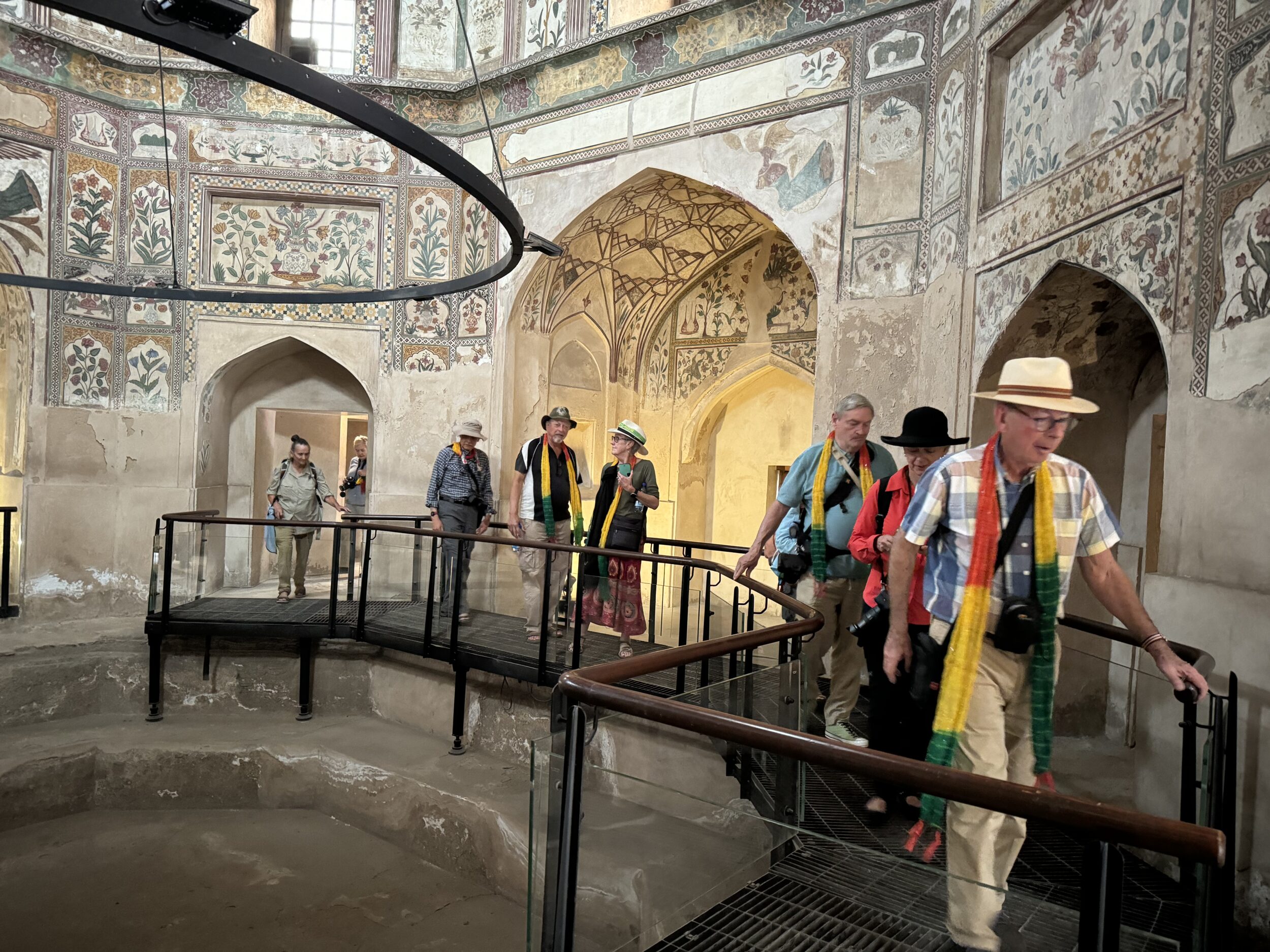
Originally very grand, Lahore Fort’s Summer Palace has been greatly damaged and degraded – well beyond the point where an “entirely accurate”,”full” restoration would be possible, even if “limitless” funds and expertise were available

That said, however belated, the current, ongoing restoration efforts are carefully considered, meticulously executed, and have no whiff of “Disney”.

Comments closed

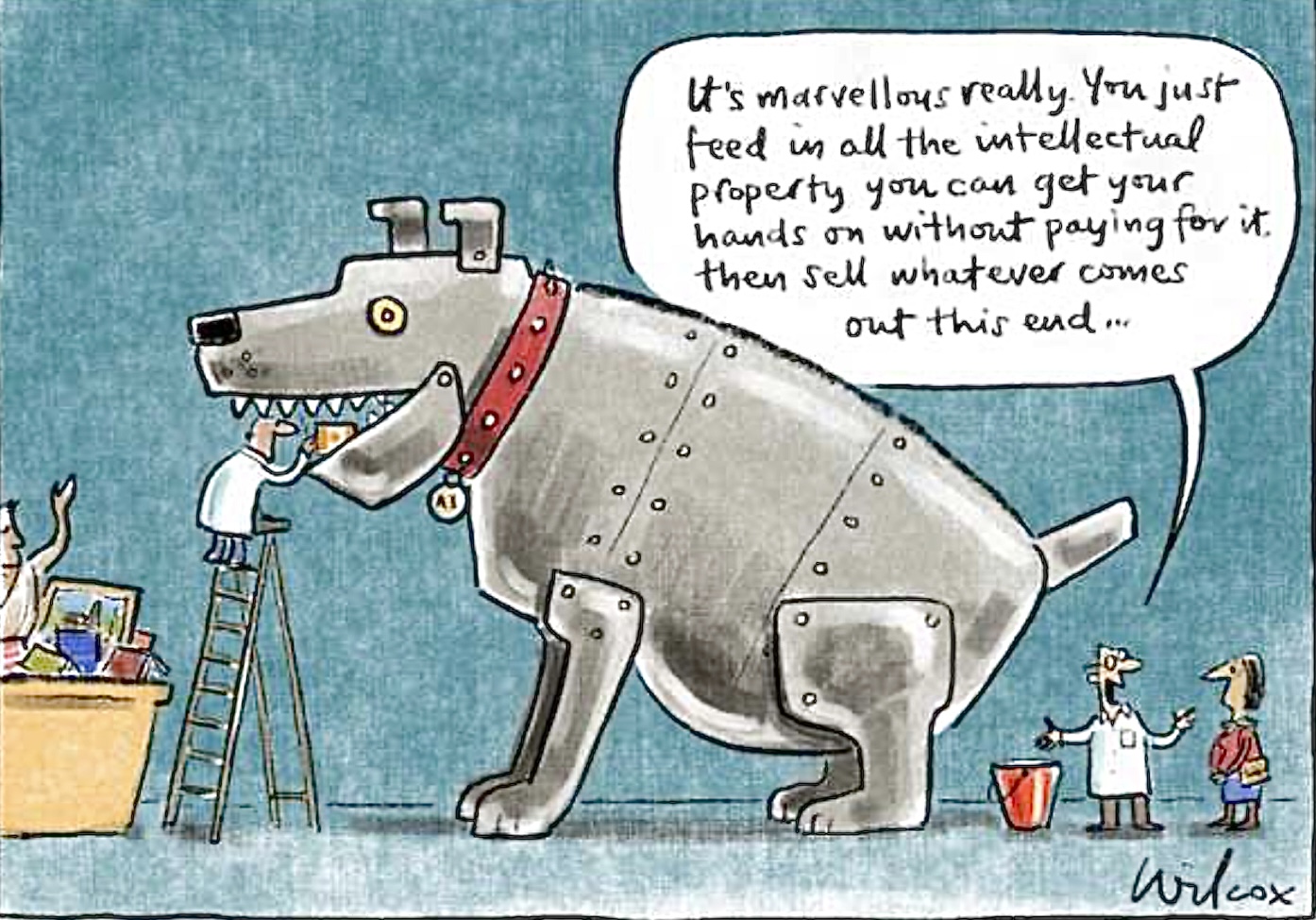
Word power: Cathy Wilcox explains how AI works.


The above cartoon was published this week in “The Age” & “The Sydney Morning Herald”.

Artificial Intelligence offers a whole lot of possibilities, not all of which are dire.

However, it is undeniable that AI has already become the great enabler of greedy bastards who seek to profit by plagiarising (and “dumbing down”) the work/s of the world’s writers, musicians and visual artists.

Hats off to Cathy Wilcox for using her natural intelligence to depict this reality so vividly.

One Comment

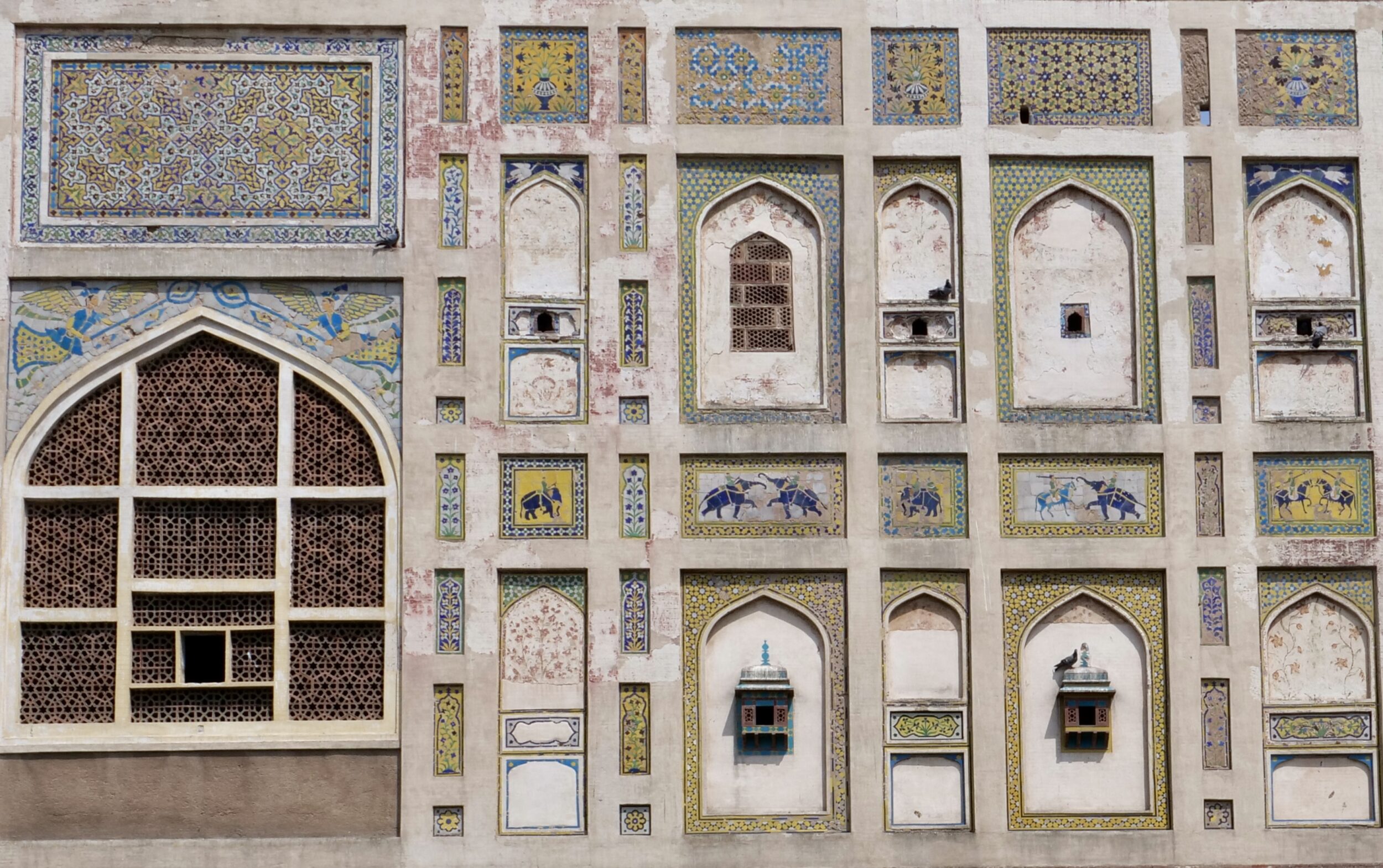
“Old city”, Lahore (#24 in series: world’s largest “picture wall”)


Lahore Fort’s “picture wall” is one of “our” planet’s man-made wonders.

It may or may not be “the world’s biggest mural” – as is sometimes claimed – but it is certainly the largest Persian-style picture wall.

The artistic quality, variety and intricacy are breathtaking…most especially when one remembers that the picture wall comprises more than 6,600 square metres!

The not-quite-concluded 21st century “restoration” of this 17th century masterpiece has been hugely ambitious, but very well-considered…and not “overdone”.

This happened just in time; early this century the much-degraded picture wall came alarmingly close to its irreversible, nigh-total disintegration.

Comments closed

“Old city”, Lahore (#21 in series: geometry and cheek)


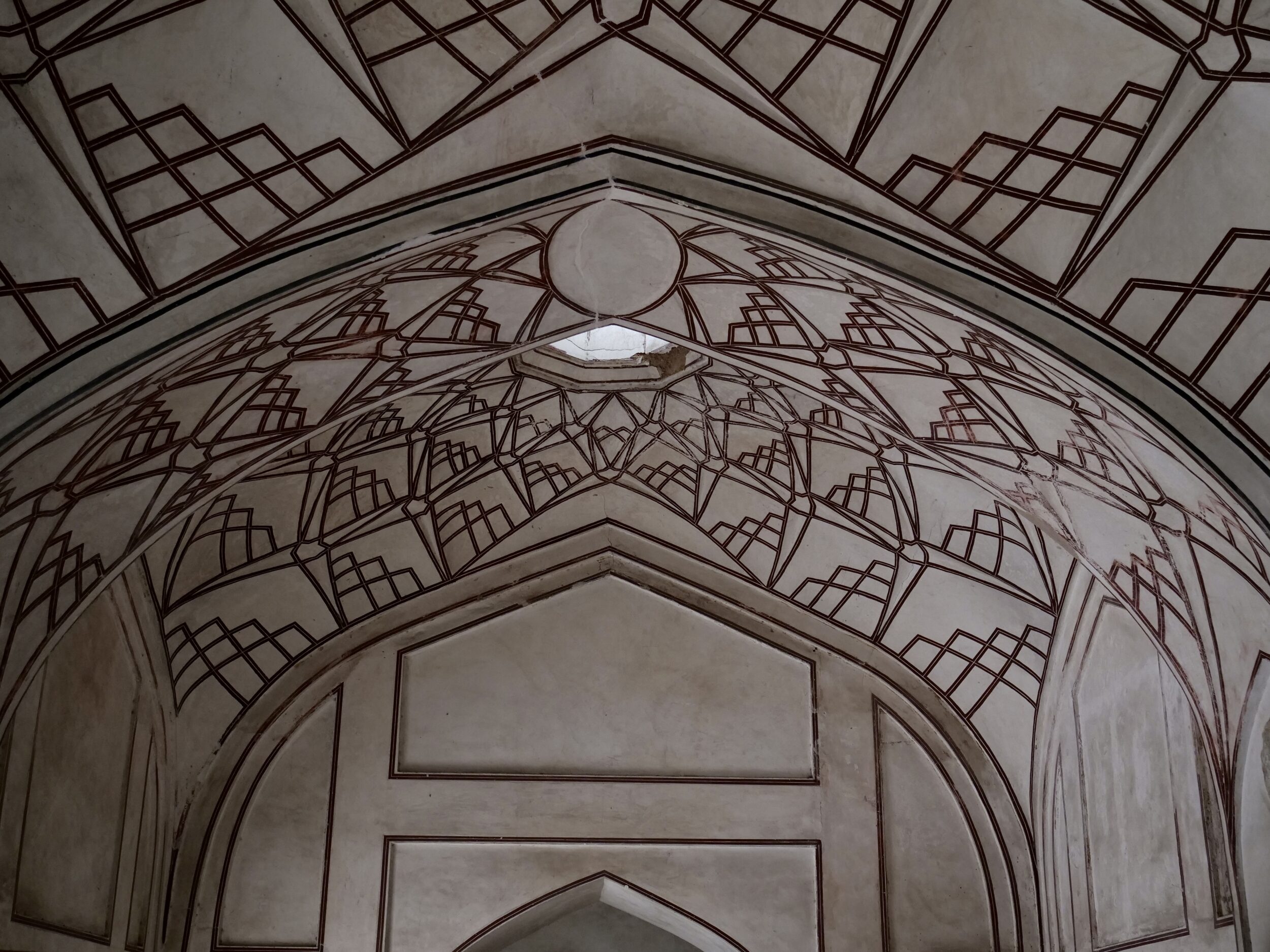
The Shahi Hammam’s smaller rooms’ decorative frescoes – as illustrated in this post’s featured image – are geometric/“abstract” and very “spare”.

They are no less beautiful than the big rooms’ much more elaborate and oft-“representational” frescoes.

Contrary to widespread belief, Islam does not impose a blanket ban on “representational” visual art in general, nor on the depiction of humans, specifically.

For instance, “Persian miniature” – one of the best-loved, most influential forms of visual art – was fostered by Muslim rulers; a key feature of the genre is its depiction of (non -sainted) human beings.

That said, what you can see below is something that would never have been approved.

It is a cheeky, “improper” bit of egocentricity on the part of one anonymous artist/artisan.

Comments closed

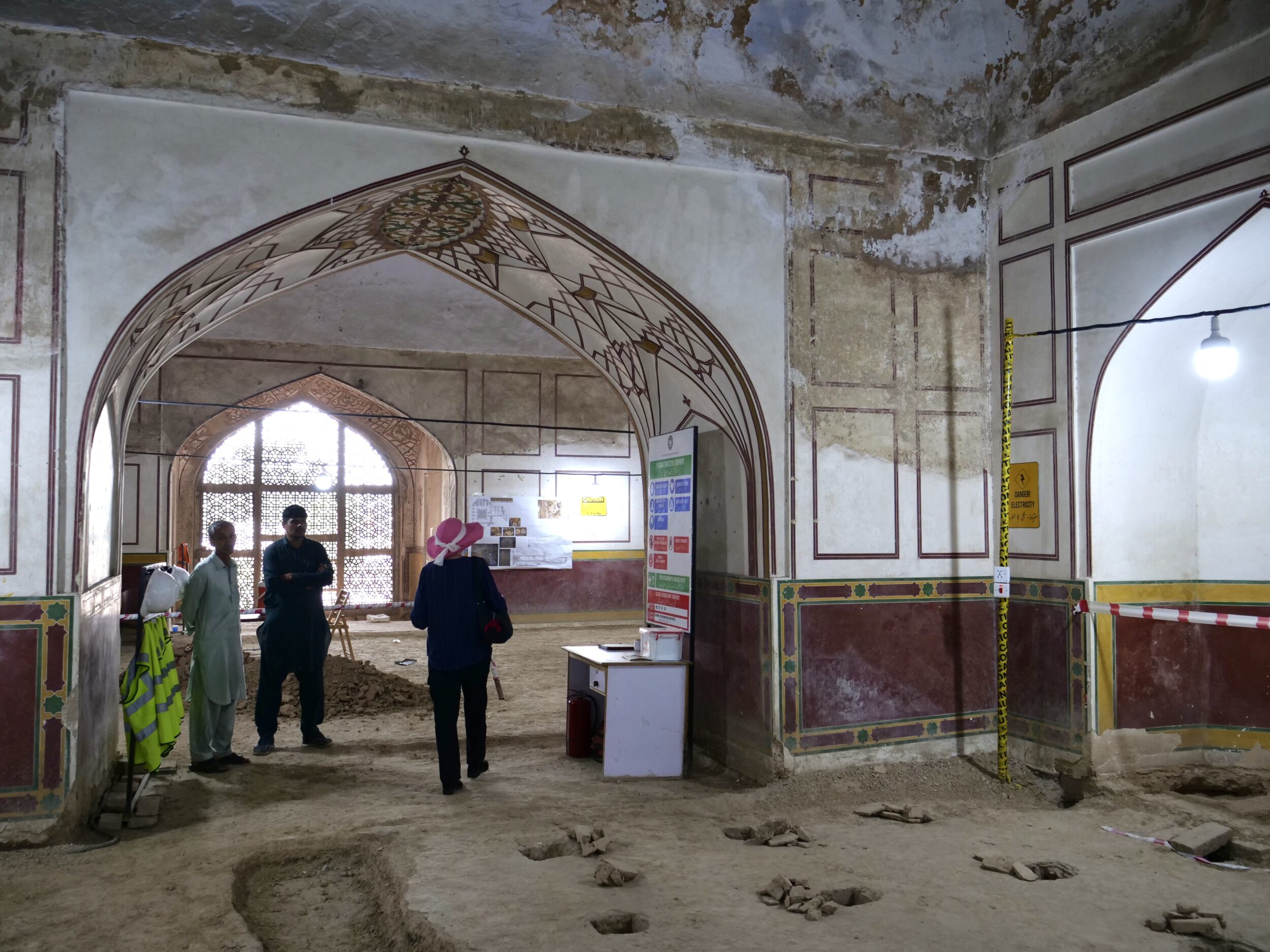
“Old city”, Lahore (#20 in series: Shahi Hammam’s “cold room”)


My photo shows the grandest of this monumental bathhouse’s 21 rooms.

The “cold room” was the “entry statement” – the place where public “occasions” and gatherings could occur, separate from the actual baths, their steam, their heat and their need for “privacy”.

Westerners tend to call any such building a “Turkish Bath”.

Turkey, however, never had a monopoly on public hot baths. (nor did Asia. For example, the English city of Bath is so-named after the public baths constructed by its Roman conquerors)

As tended to be true of Mughal Empire structures on the Indian subcontinent, this building’s aesthetics are somewhat eclectic, but the predominant “accent” of the Shahi Hammam  is “Persian”…definitely not “Turkish”.

Comments closed

“Old city”, Lahore (#19 in series: entering the Shahi Hammam)


The Shahi Hammam was constructed in the 1630s CE, in conjunction with the nearby Wazir Khan mosque.

Both a “royal” and a “public” bathhouse, the gloriously decorated Shahi Hammam was very much more than an “ablution block”; it was a meeting place, a social hub, and it provided a large portion of the mosque’s income.

However, the Mughal Empire soon declined and fell.

Comments closed