Skip to content →

Tag: architecture

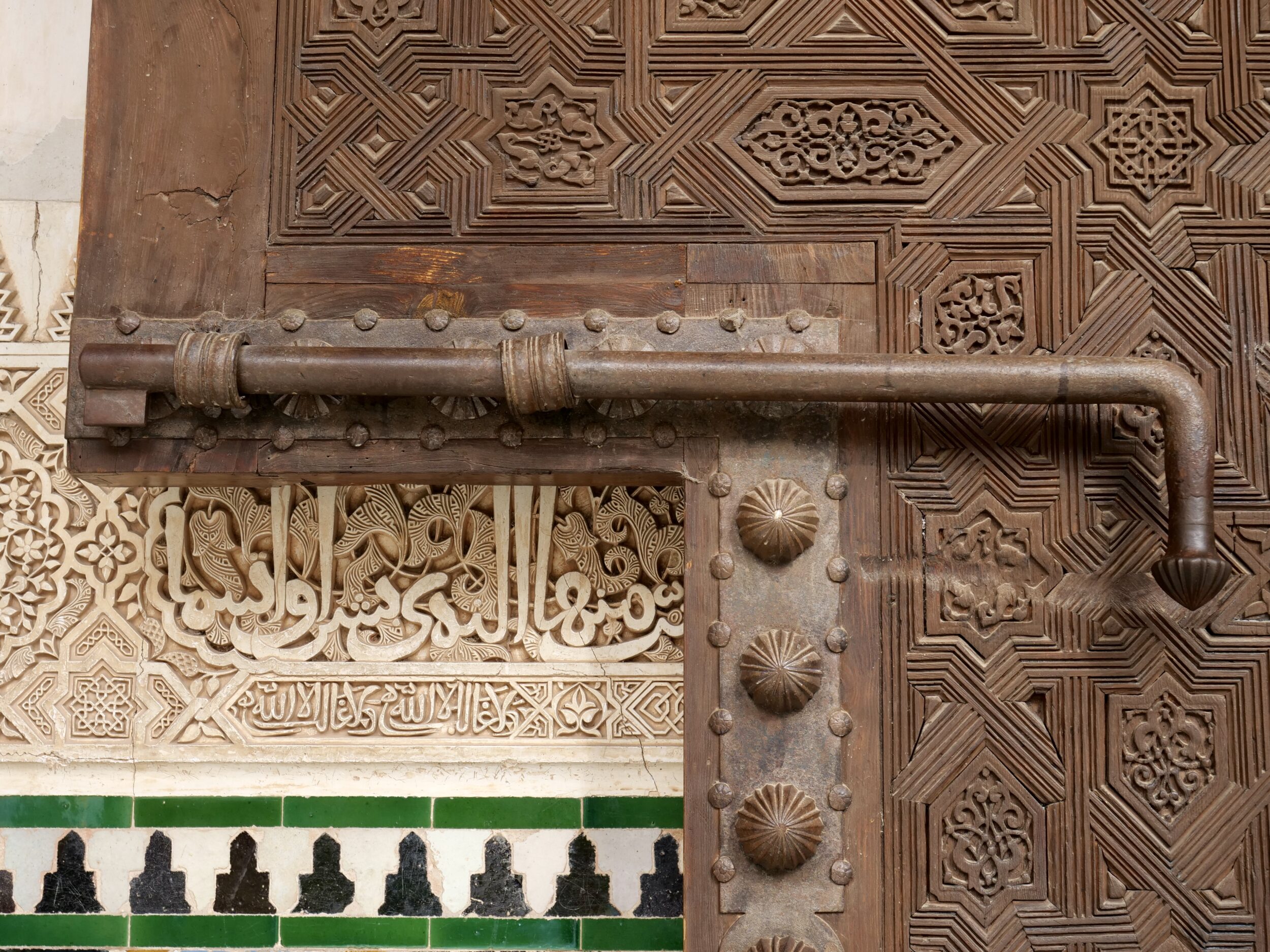
Morocco & Andalucia: “characteristic”: #15 in series: ornamentation “2”)


The Alhambra in Granada is one of the world’s man-made wonders.

Spain’s #1 tourist attraction is usually described as a “fortress and palace complex”.

Its structures span several centuries, and both “Moorish” and “Christian” Spain.

At its peak, in the 14th century CE – prior to late 15th century “Christian” Spain’s Reconquista – the Alhambra was a very sophisticated hilltop city in its own right, distinct from Granada-proper.

The Nasrid Palaces are the most glorious legacy of that period.

Collectively, their interior spaces (including walls and ceilings) are very probably “our”  planet’s most exquisite.

Almost every inch therein rewards close attention.

Comments closed
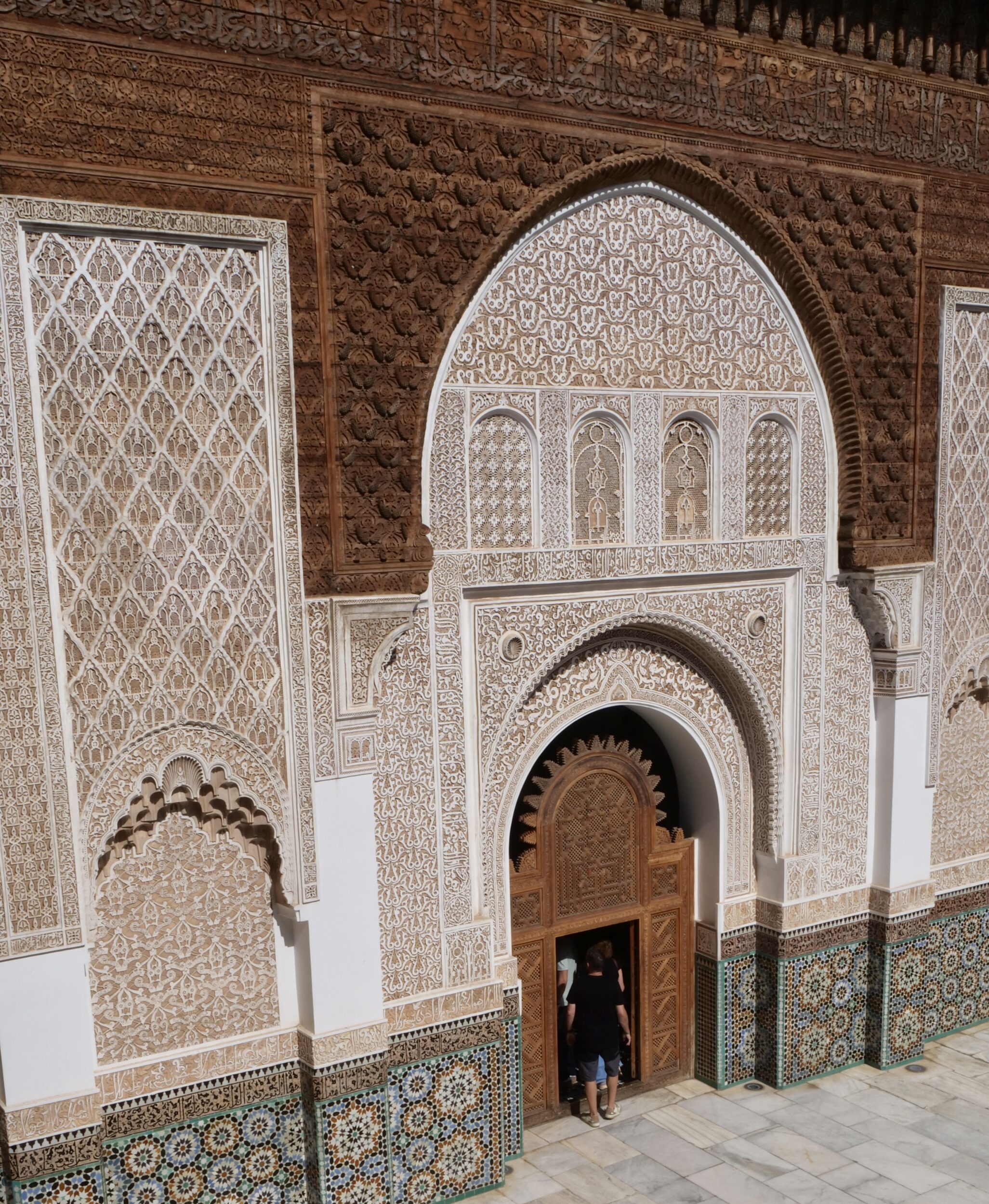
Morocco & Andalucia: “characteristic” (#14 in series: ornamentation “1”)


Morocco and Andalucia contain some of the world’s most exquisitely detailed interior surfaces.

A single site can include equally jaw-dropping examples across completely different surface types – wood, plaster and tile in the pictured madrasa, in Marrakech.

Madrasa (also commonly transliterated into English as “madrassa” or “madrasah”. In Morocco it is usually transliterated as “medersa”) is the Arabic term for any educational institution, whether secular or religious.

Comments closed

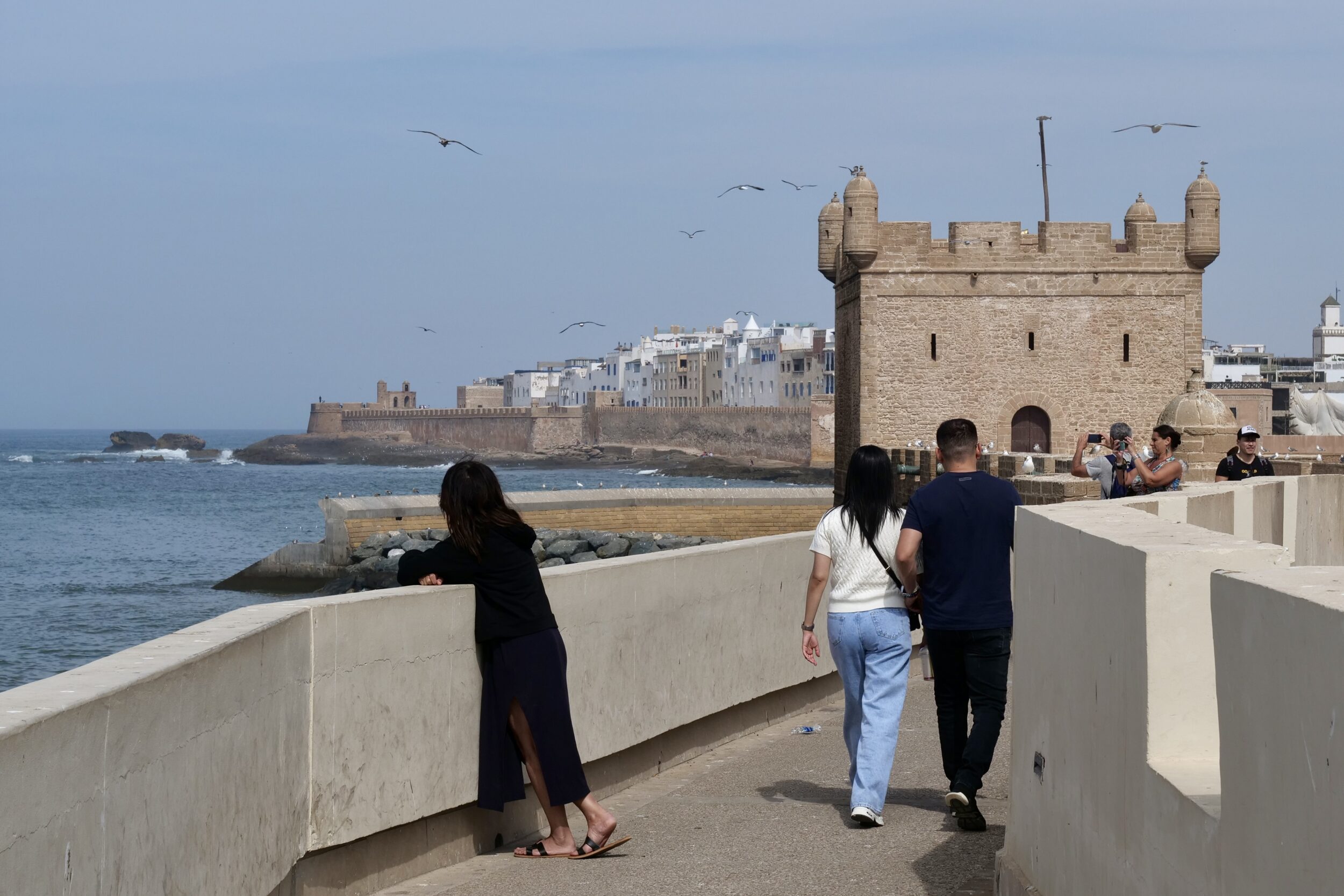
Morocco & Andalucia: “characteristic” (#13 in series: mighty walls “2”)


Essaouira is a very likeable city on Morocco’s Atlantic coast.

For many centuries it was highly “strategic”, and during the 19th century it was Morocco’s primary seaport.

Unsurprisingly, it has “changed hands” more than a few times.

Morocco and Spain are very richly endowed with impressive defensive structures.

Some were built by “conquerors”, others by “locals” who were trying to repel would-be conquerors.

All (or nearly all) such structures “failed”; they eventually fell into “the enemy’s” hands, and were then modified by the victor, who would later become the vanquished..and so on, over centuries.

Comments closed

Morocco & Andalucia: “characteristic” (#12 in series: mighty walls “1”)


If you are partial to “historic”, imposing, dramatically situated fortresses, you will find Morocco and Spain very rewarding destinations.

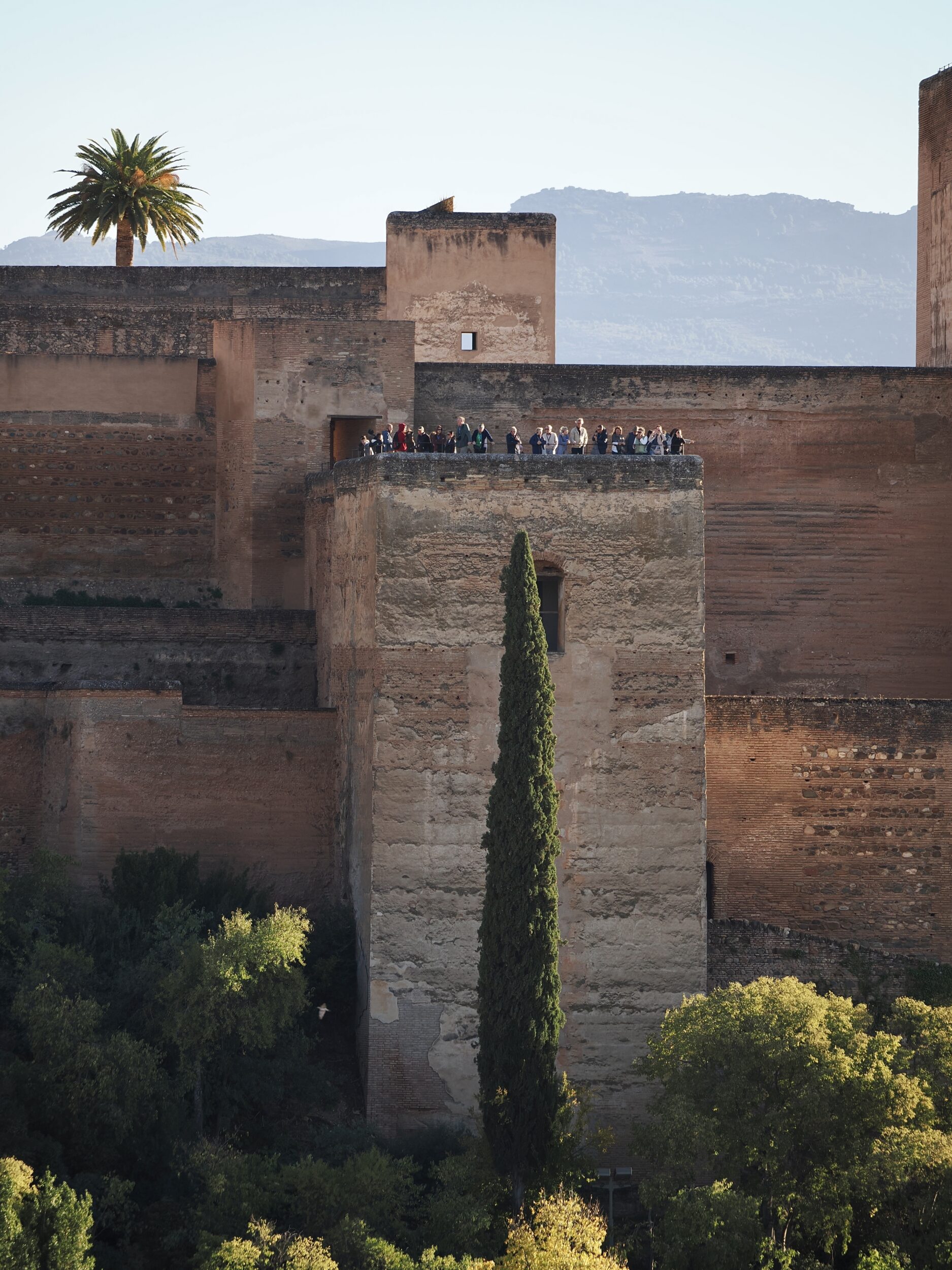
Pictured above, bathed in autumnal late afternoon light, is part of the Alcazabar – the Alhambra’s fortress, which is also its oldest (surviving) section.

The Alcazabar was built by Granada’s Moorish rulers, nearly 800 years ago.

After the Reconquista of 1492 further modifications and additions were made by the “restored” Spanish Catholic regime.

Since 1975 – and the end of Franco’s Catholic-accented dictatorship – global tourism has “conquered”  Granada.

2 Comments

Morocco & Andalucia: “characteristic” (#10 in series: much older than “the oldest”)


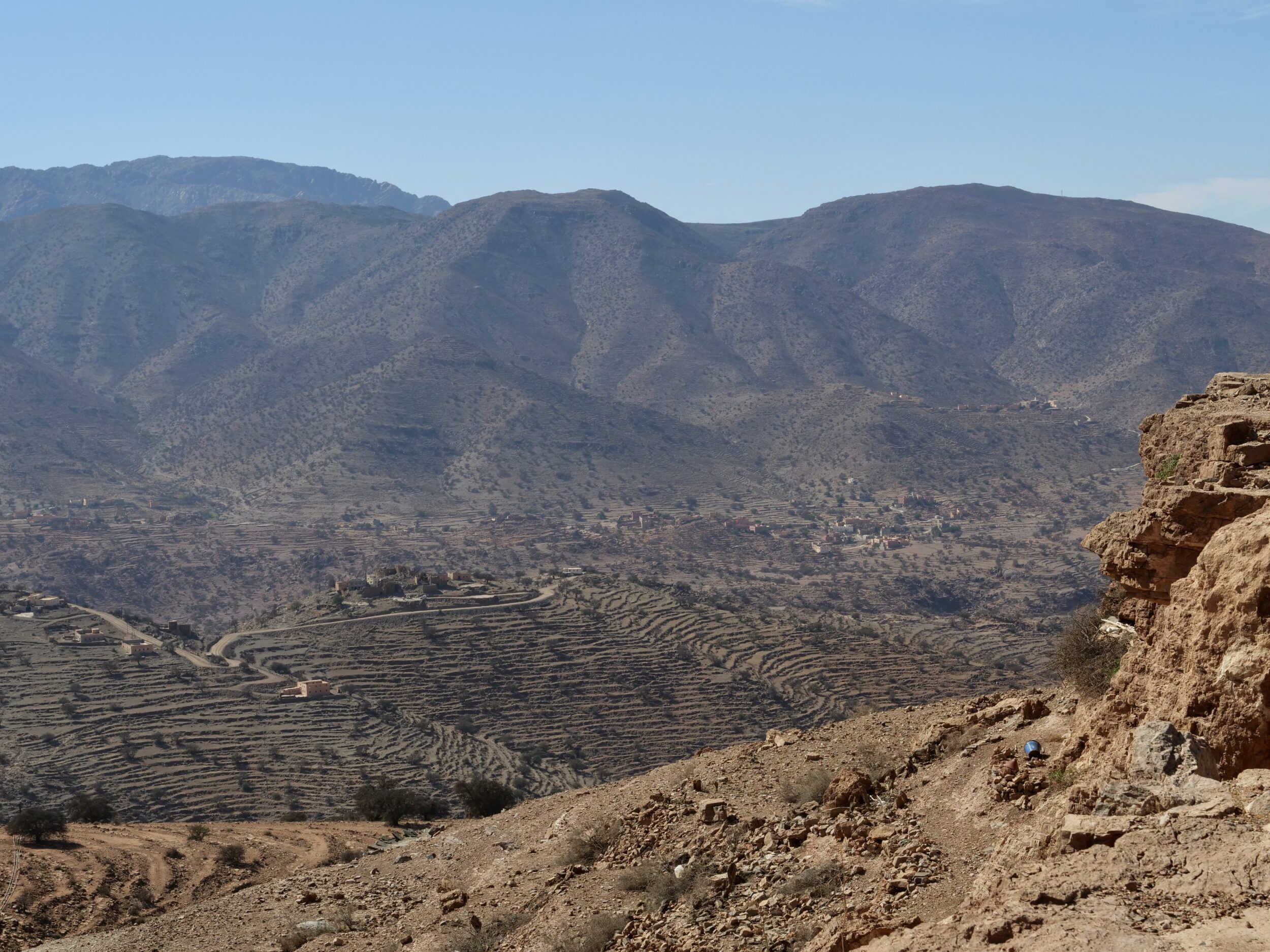
I took this post’s photo at 3.16 pm on 14 October 2025.

My vantage point was a ridge-top in Morocco’s Anti-Atlas – the southwestern part of the Atlas Mountains.

This region’s climate is very harsh, but the pictured valley has “traditionally” received enough water to support agriculture, which is why there is so much terracing.

Over the last several years, however, drought has rendered the terraces (temporarily?) useless.

Immediately behind me was a strategically-located, solid and venerable structure.

Effectively, it used to be a bank – a bank which was fully operational several centuries before the establishment of certain Italian and German financial institutions which are routinely described as “the world’s oldest banks”.

Comments closed

Morocco & Andalucia: “characteristic” (#9 in series: enduring, fighting, flux)


Australia is home to an indigenous culture which is almost unrivalled in its longevity.

(most Australians ignore – or are simply ignorant of – the existence of the San. Southern Africa’s so-called “Bushmen” also have a continuous culture which predates every “Western” one by tens of thousands of years. It is entirely possible that San culture may be even older than is Aboriginal Australia’s)

In terms of imposing buildings and “historic” streetscapes, however, Australia is a very young country.

Not so Morocco and Spain!

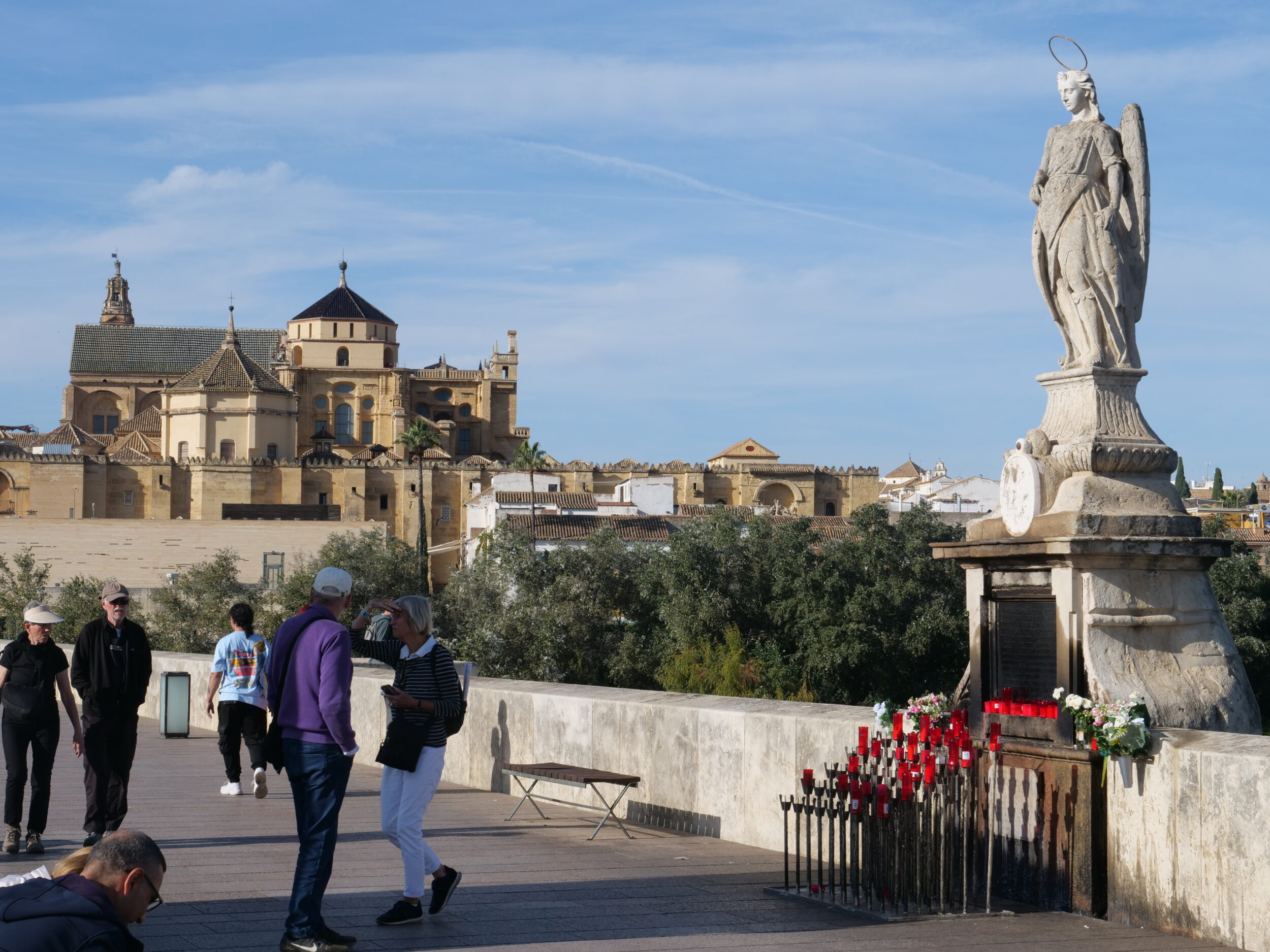
This post’s photo encompasses more than two thousand years’ worth of construction, conflict, destruction and renovation.

Comments closed

Morocco & Andalucia: “characteristic” (#4 in series: inward-looking “2” – Fez)


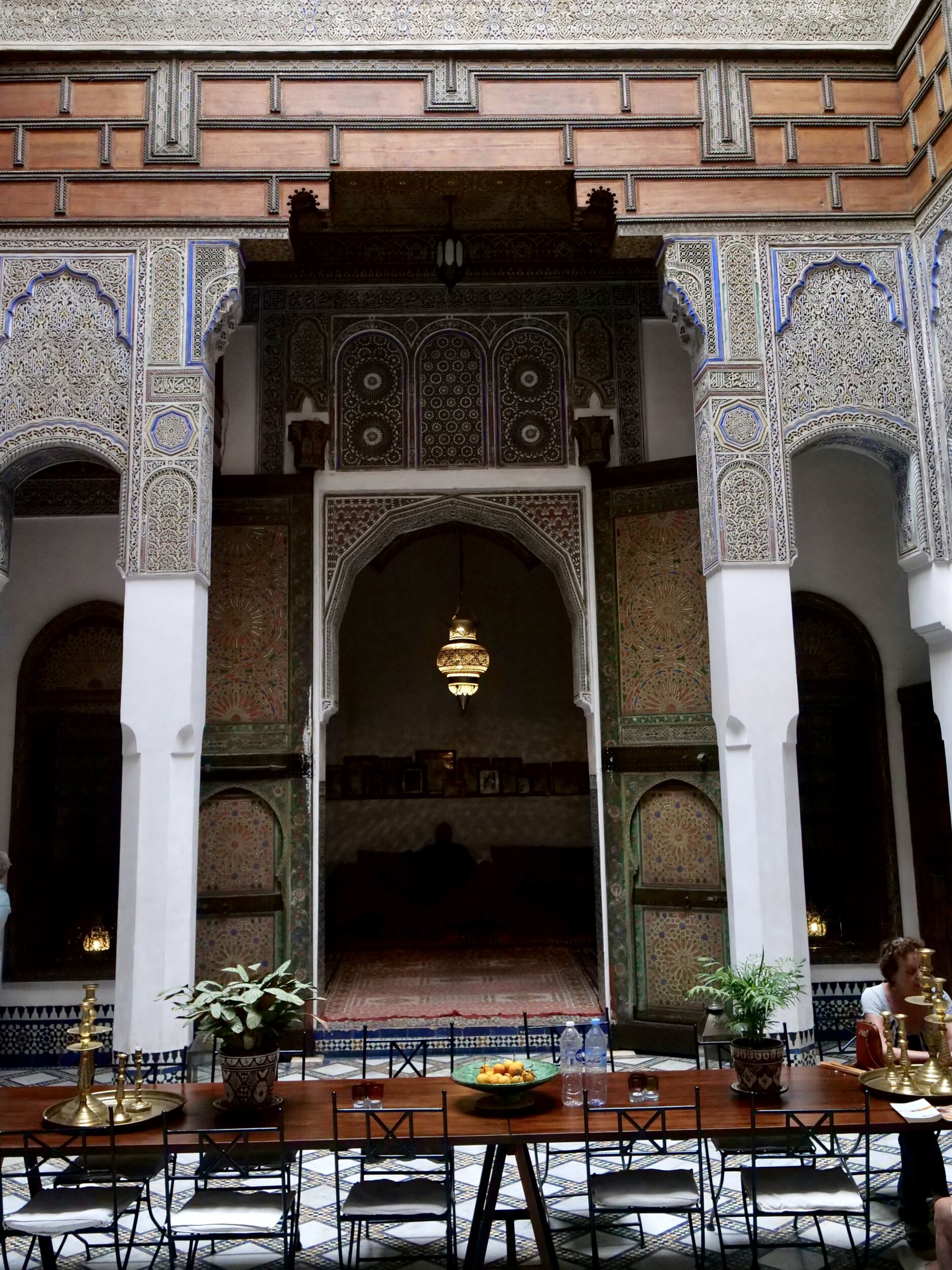
The Arabic word which is transliterated into English as “riad” or “riyadh” originally signified a garden or courtyard/ enclosed garden/patio of the formal, Islamic, so-called “paradise garden” type.

In current common usage “riad” (in Morocco, especially) is the word for a house/guesthouse/building in which its heart is such an open-aired but otherwise fully enclosed patio/courtyard.

Most such riads were originally the houses of wealthy merchants, built within the walls of a city’s “medina” – what is now its “old”/“walled” city.

The pictured example is surely one of the most exquisite.

Comments closed

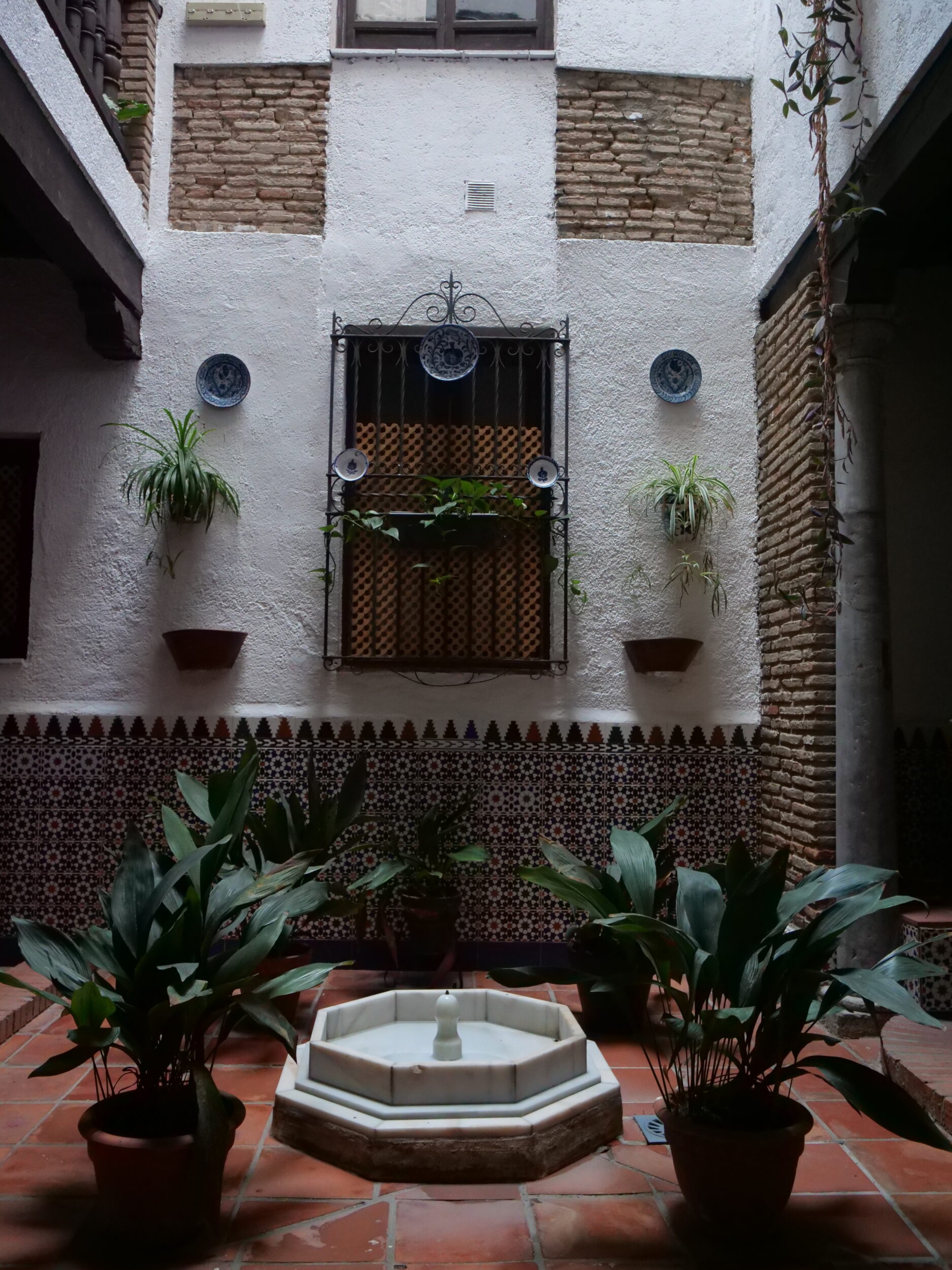
Morocco & Andalucia: “characteristic” (#3 in series: inward-looking “1” – Granada)


In much of Spain and Morocco it is very hot for a deal of the year.

This, in large part, explains why many wealthy persons’ houses traditionally had few external windows, very small ones, or absolutely none.

Many such houses had very thick walls, with “surprisingly” plain exterior surfaces.

These houses look in, not out.

Their rooms face a well-shaded courtyard.

Invariably, that courtyard has plants and a water feature; usually, it includes various, oft-beautiful decorative elements. The decorations may be very spare, or highly intricate/elaborate.

The pictured example is in Granada, Spain,

Comments closed

Winter 2025, South West WA (#2 in series: winter light)


Well-known fact about Perth: it is handsomely the sunniest of Australia’s capital cities.

Perth averages 3,200 hours per year – circa 8.8 hours per day.

Little-known, counter-intuitive fact about Perth: its average annual rainfall is considerably higher than Melbourne’s…and London’s.

(Melbourne has twice as many rainy days, and many more hours of drizzle. Perth’s rain – is typically much more “squally”)

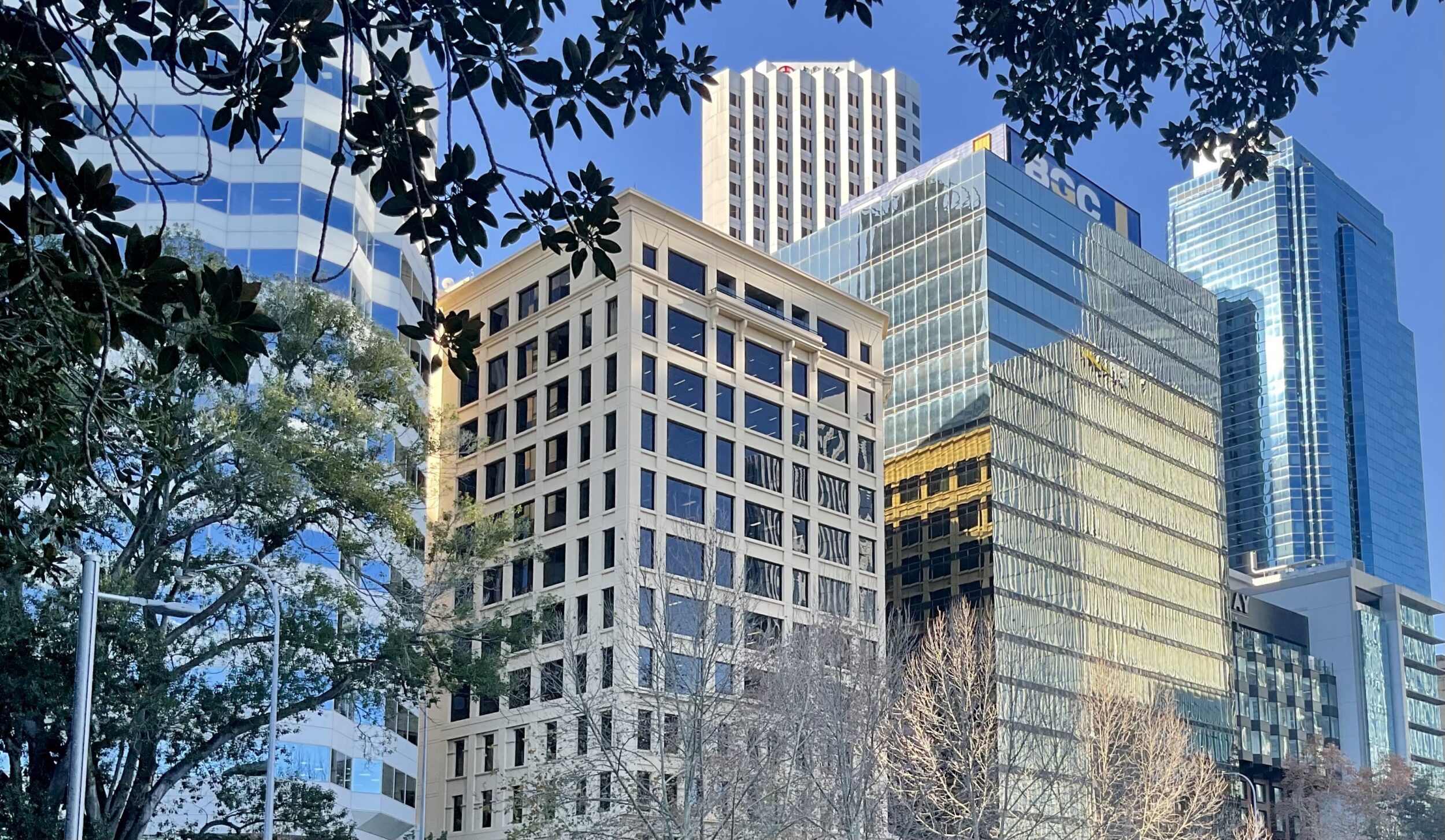
Perth’s winter light is often glorious; it can flatter everything it touches – even very “generic” CBD architecture.

Comments closed