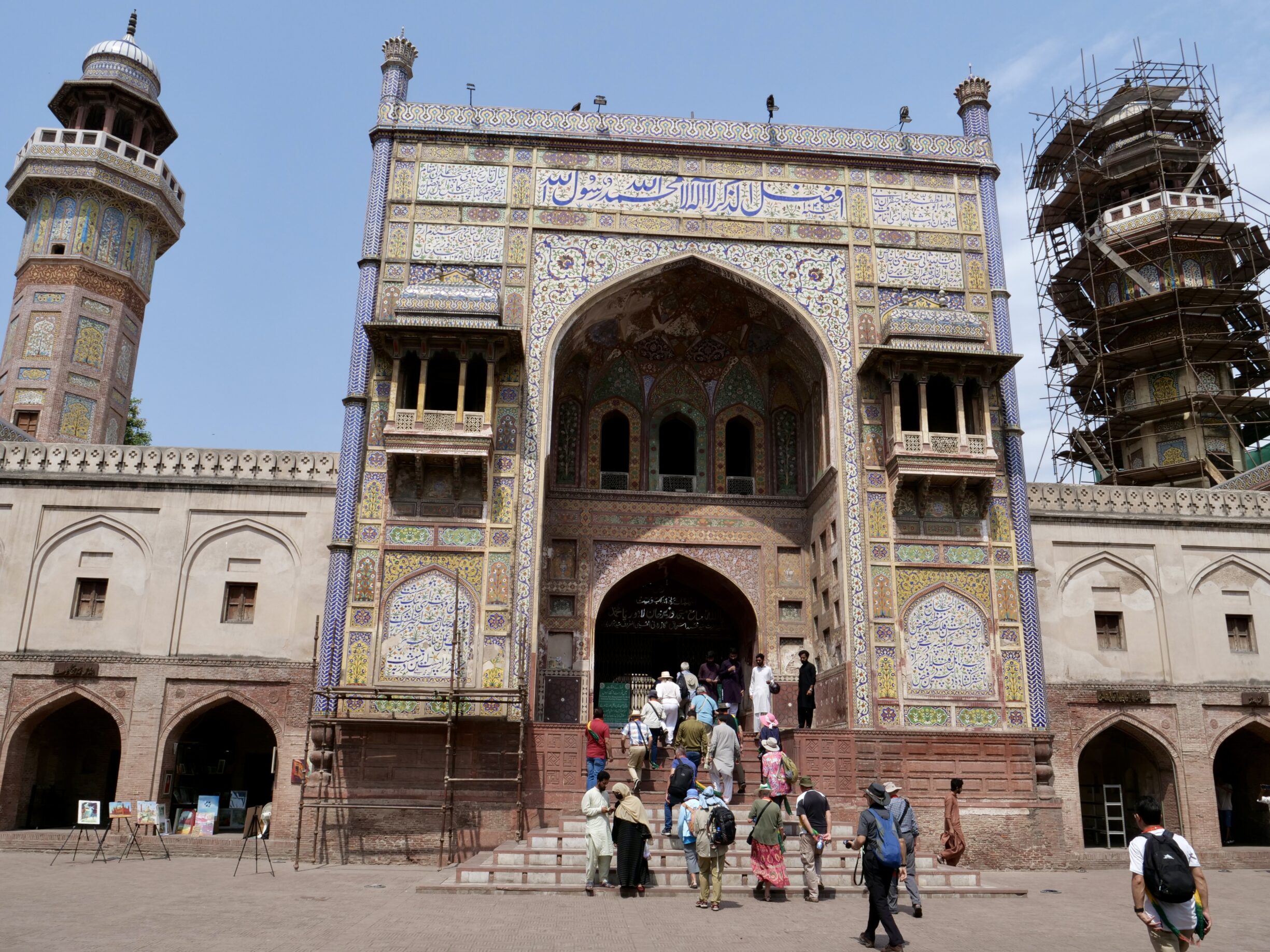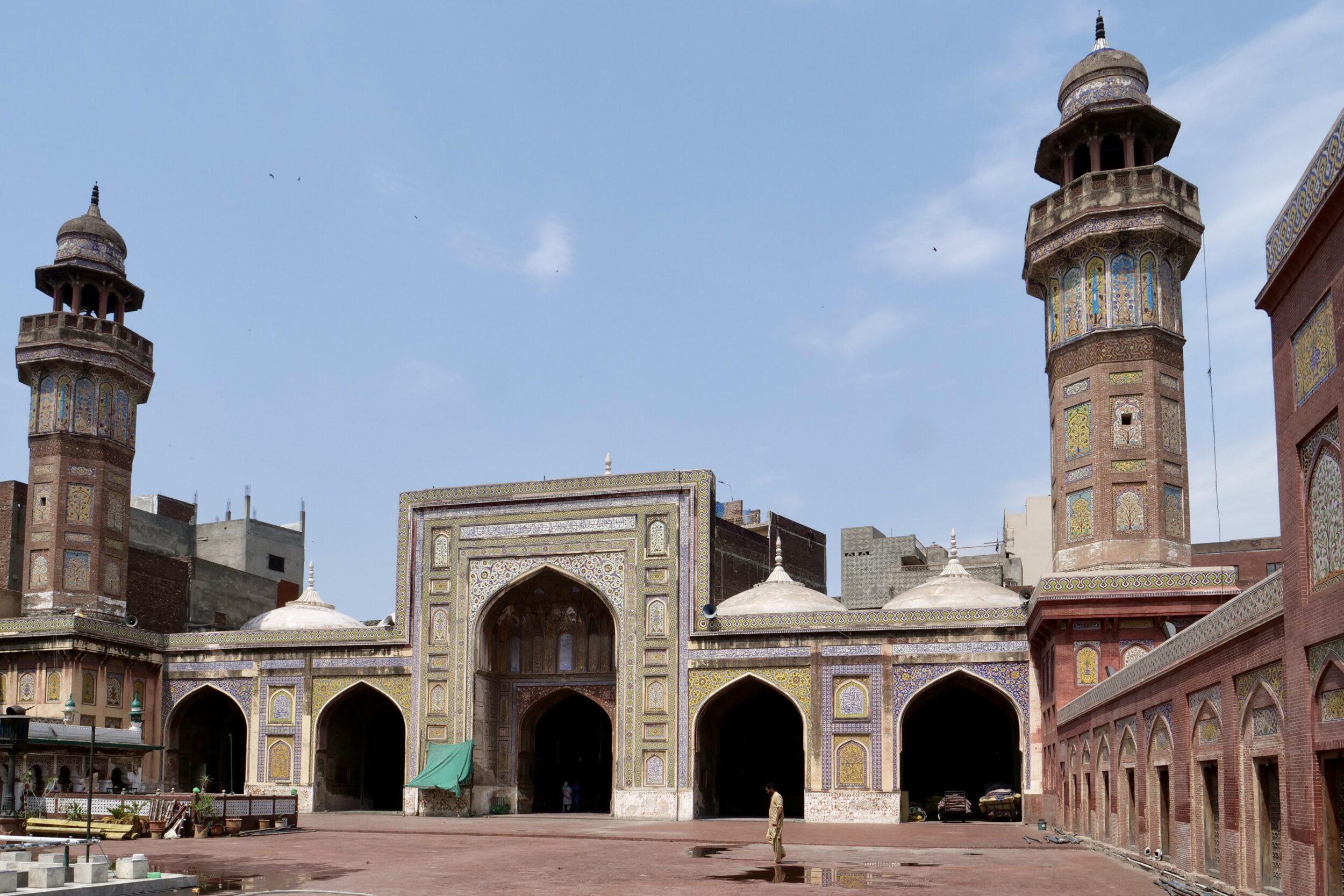
Once one is through the main gate, separated from the streets outside – and in the courtyard, gazing across to the mosque-proper – a first-time visitor can appreciate Wazir Khan mosque’s elegance and beauty.
Comments closedNatural splendour, real musics, wines, wordpower
Once one is through the main gate, separated from the streets outside – and in the courtyard, gazing across to the mosque-proper – a first-time visitor can appreciate Wazir Khan mosque’s elegance and beauty.
Comments closed
Efforts to restore and preserve Wazir Khan mosque have been ongoing since 2009; the “expected completion date” continues to move further into the future.
Its 17th century CE construction was a much speedier affair; building commenced in 1634 and was completed in 1641.
It is the subcontinent’s most elaborately decorated Mughal era mosque.
The facade and external gate pictured above are certainly “impressive”, but they are definitely not this particular mosque’s most impressive feature, nor its most beautiful/elegant, nor its best-preserved/restored.
Comments closed
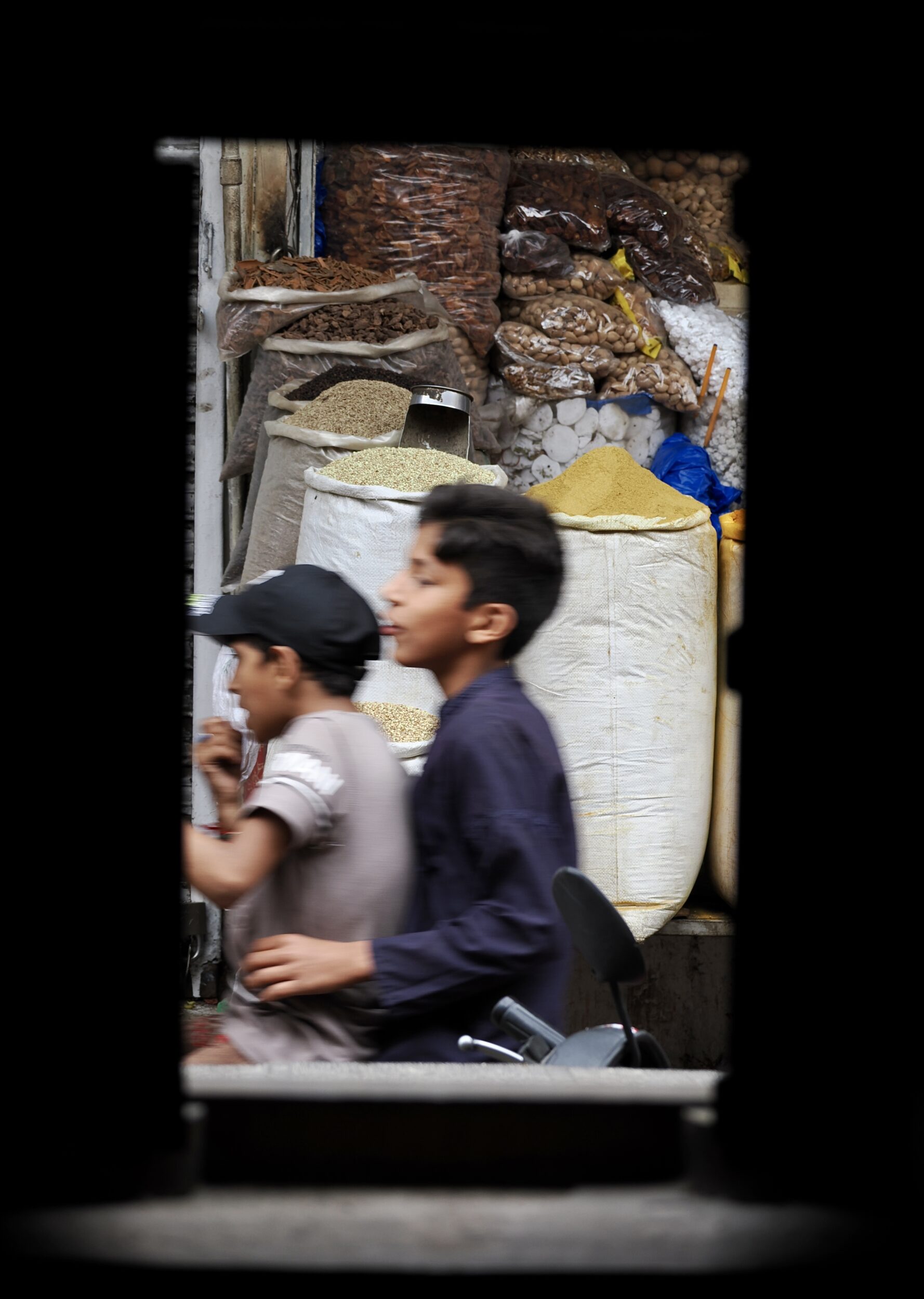
The featured image’s young boys were zipping along a typically-narrow, lively street.
I was standing just-inside the “Royal Baths” – a meticulously restored building which is one of the walled city’s greatest treasures. (eventually, this series will “explore” the Shahi Hammam)
Presumably, “minimum legal driving age” rules are not rigorously enforced in Lahore!
Comments closed
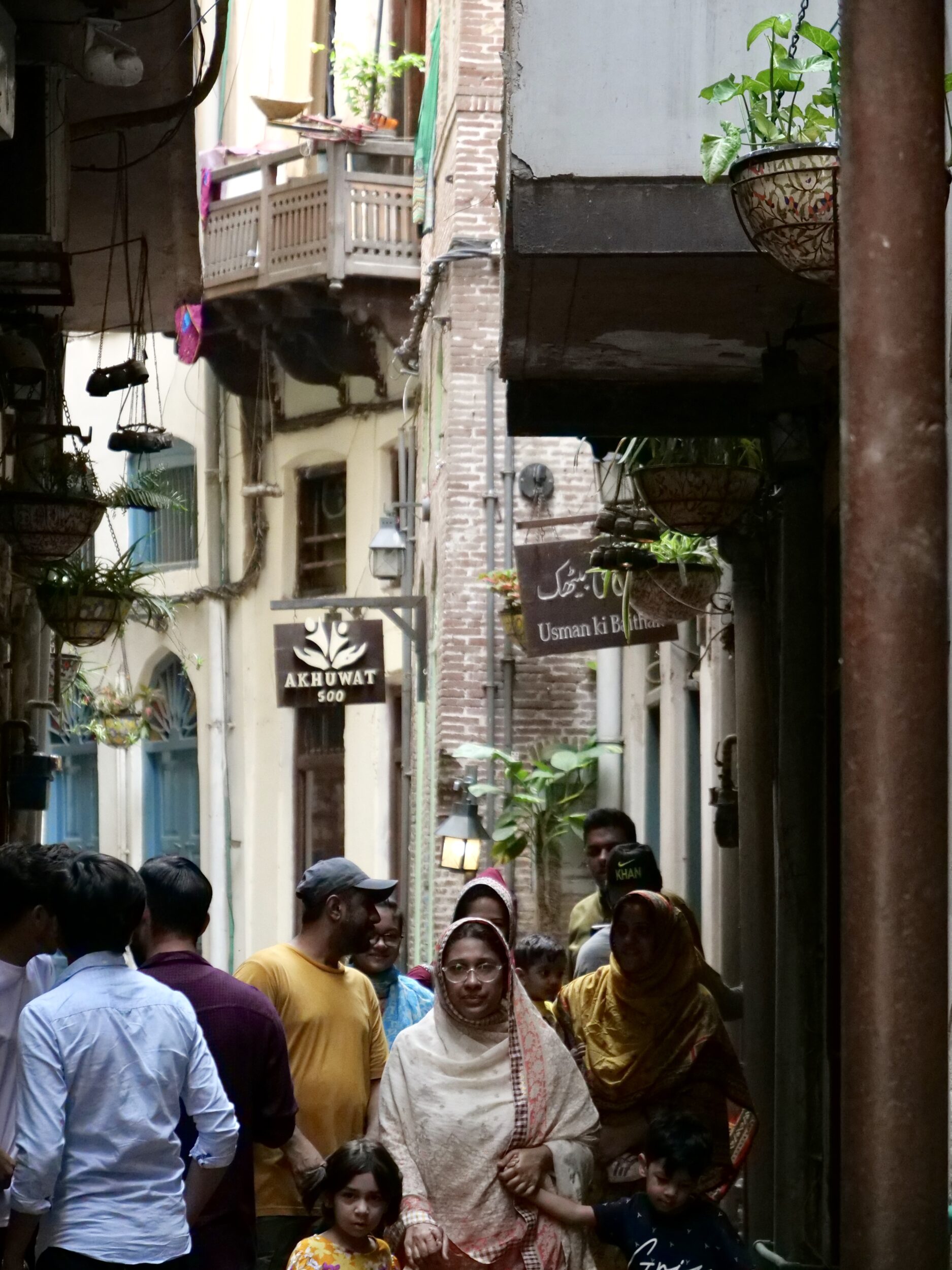
Above, you are looking at the meticulously restored/refreshed Gali Surjan Singh, which is now one of the most “upmarket” streets in the Walled City of Lahore.
This is a street where dining and shopping options are abundant.
For obvious reasons, the same is not true of nearby Patli Gali, pictured below.
Nonetheless, precisely because it is allegedly the narrowest “visitor-friendly” street in Lahore’s entire megacity, Patli Gali is a “must see” for visitors to Lahore’s walled city.
Comments closed
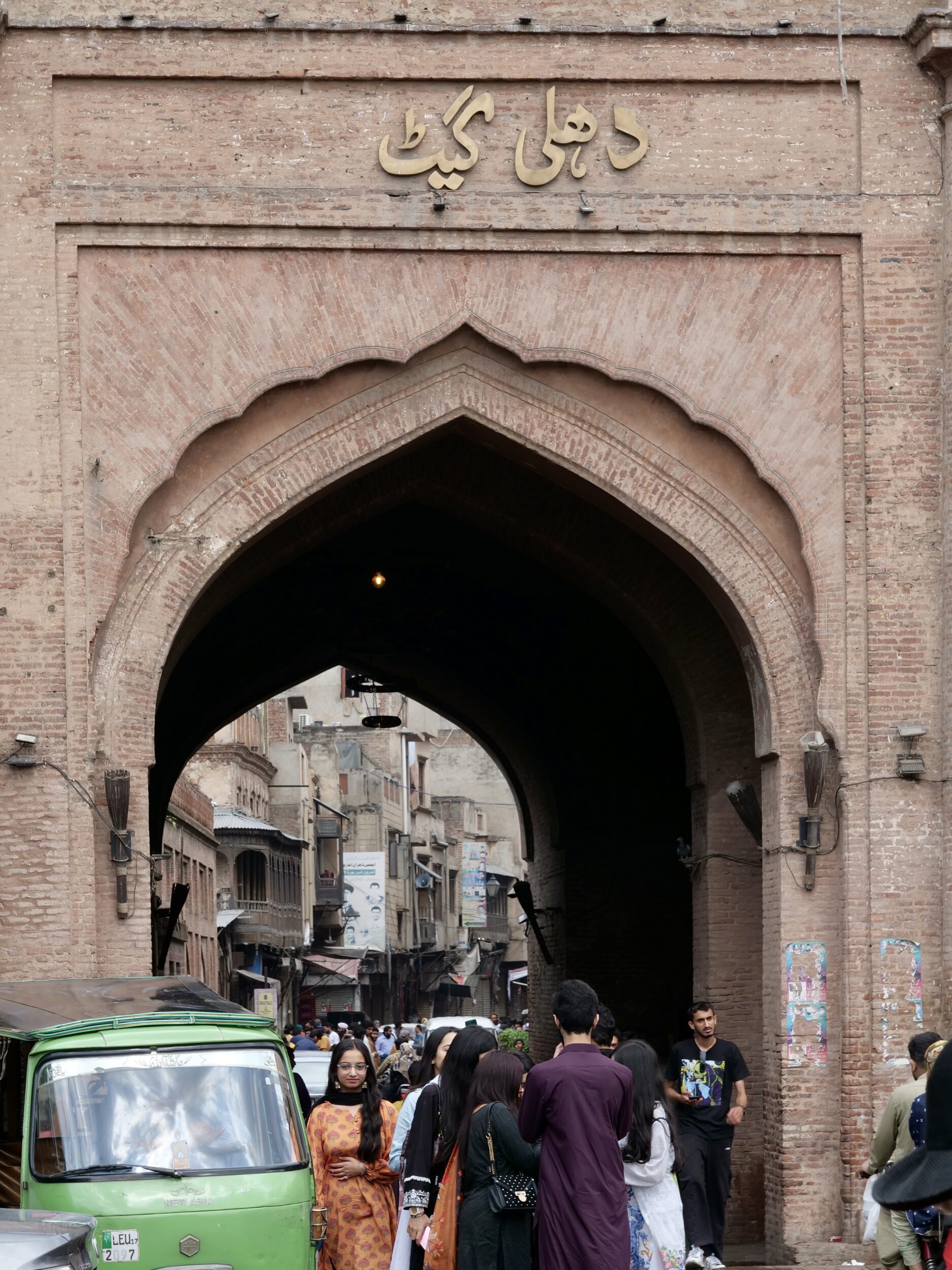
“Old Delhi” is renowned worldwide; arguably, it is the most “happening” urban place on “our” planet.
My beloved and I are among many millions of Westerners who have experienced Old Delhi, directly. (more than once)
Very few 21st century Westerners have visited the Walled City of Lahore.
Also known as “old Lahore”, or as the “old city”, it is rather less frenetic than Old Delhi.
It is, however, very much richer in architectural/artistic splendour than is Old Delhi.
We begin this series at Lahore’s Delhi Gate. (not coincidentally, Old Delhi has a Lahore Gate)
An old Punjabi saying about Lahore is akin to a declaration made by at least two proud Italian cities: that one should see Naples/Venice, then die.
Comments closed
As last updated on 02 January 2025, on www.WA.gov.au:
If you are thinking about owner-building your own home or small commercial building, you will need to have been granted owner-builder approval from the Building Services Board before you can be granted a building permit from your local government authority.
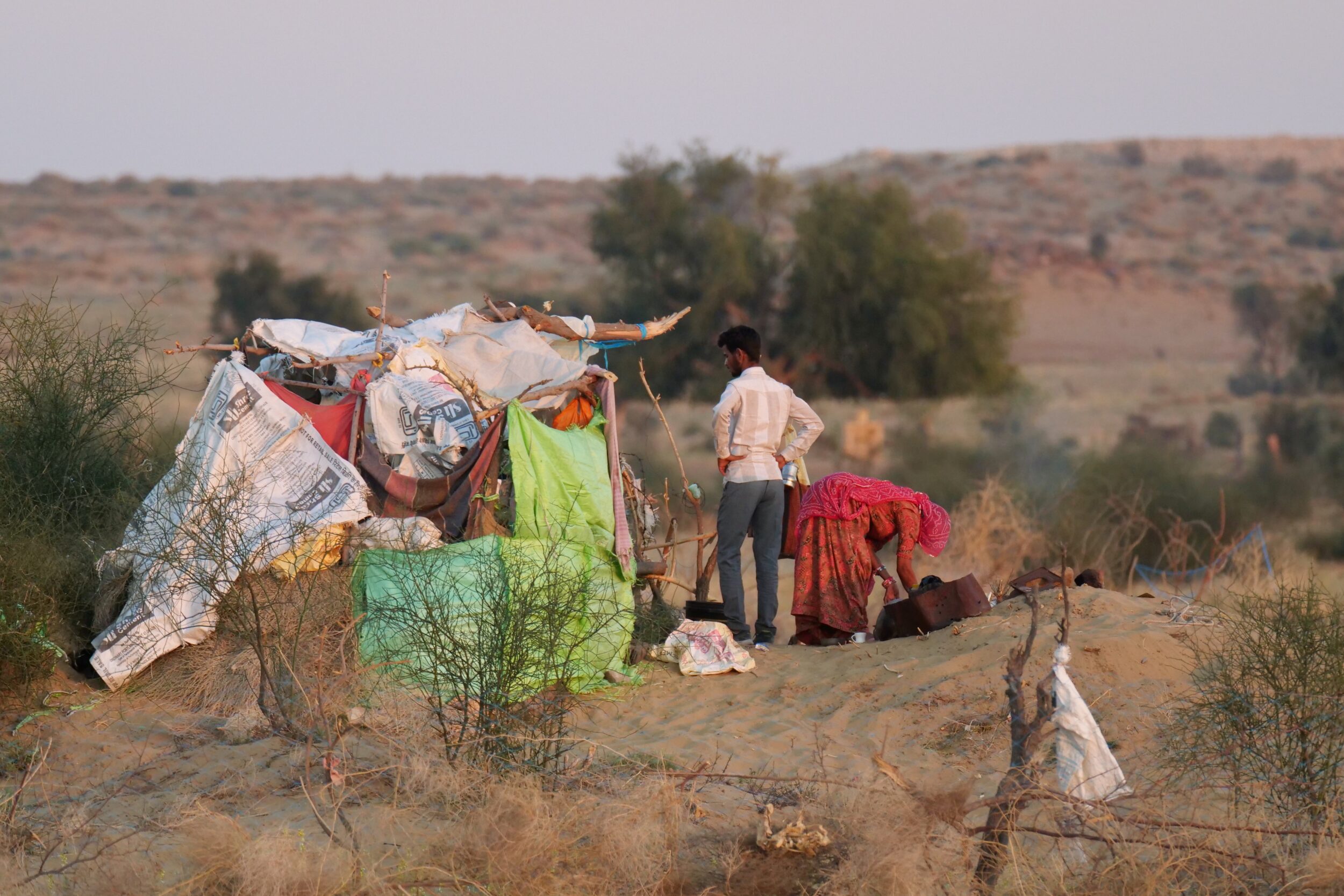
Indian bureaucracy is globally-notorious, but in at least some parts of Rajasthan, the “DIY housing sector” is subject to very much less “regulation” than is Western Australia’s.
Comments closed
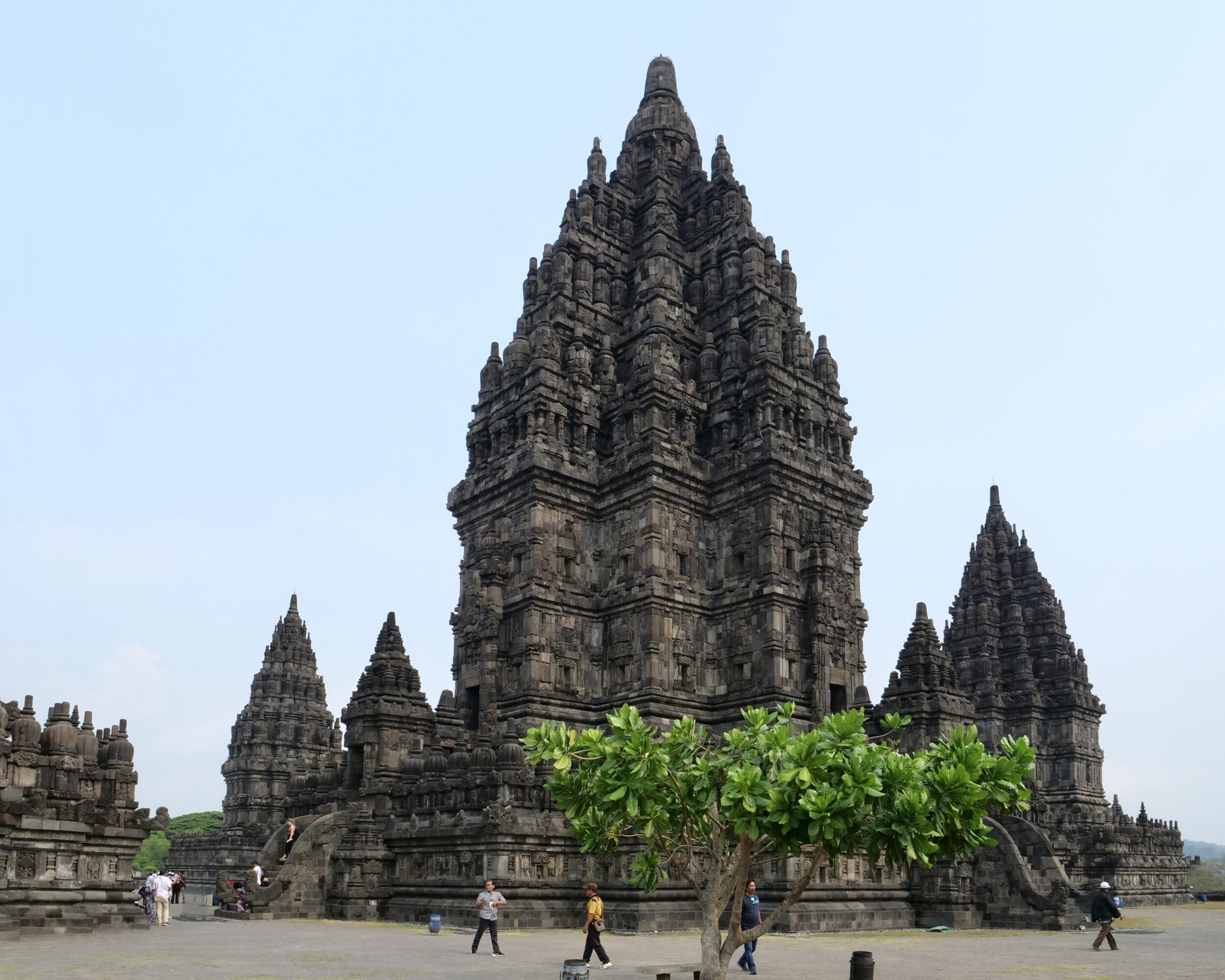
Much of what once comprised the Hindu temple site at Prambanan is still in ruins…or no longer present, at all.
For many centuries makers of other structures pillaged building materials from here.
On the afternoon of October 19 2024, we were just a short drive away from Yogyakarta in south-central Java.
Our feet stood on a very large site; also standing upright were 16 carefully restored/reconstructed temples and shrines.
If we had arrived 1,100 years earlier, we would have been surrounded by 240 of them!
The “biggest/tallest/central” 8, however, do all now stand tall again.
In 2024 Prambanan is certainly one of the world’s “jaw dropping” temple sites.
The tallest temple – pictured above – is Shiva’s.
Comments closed
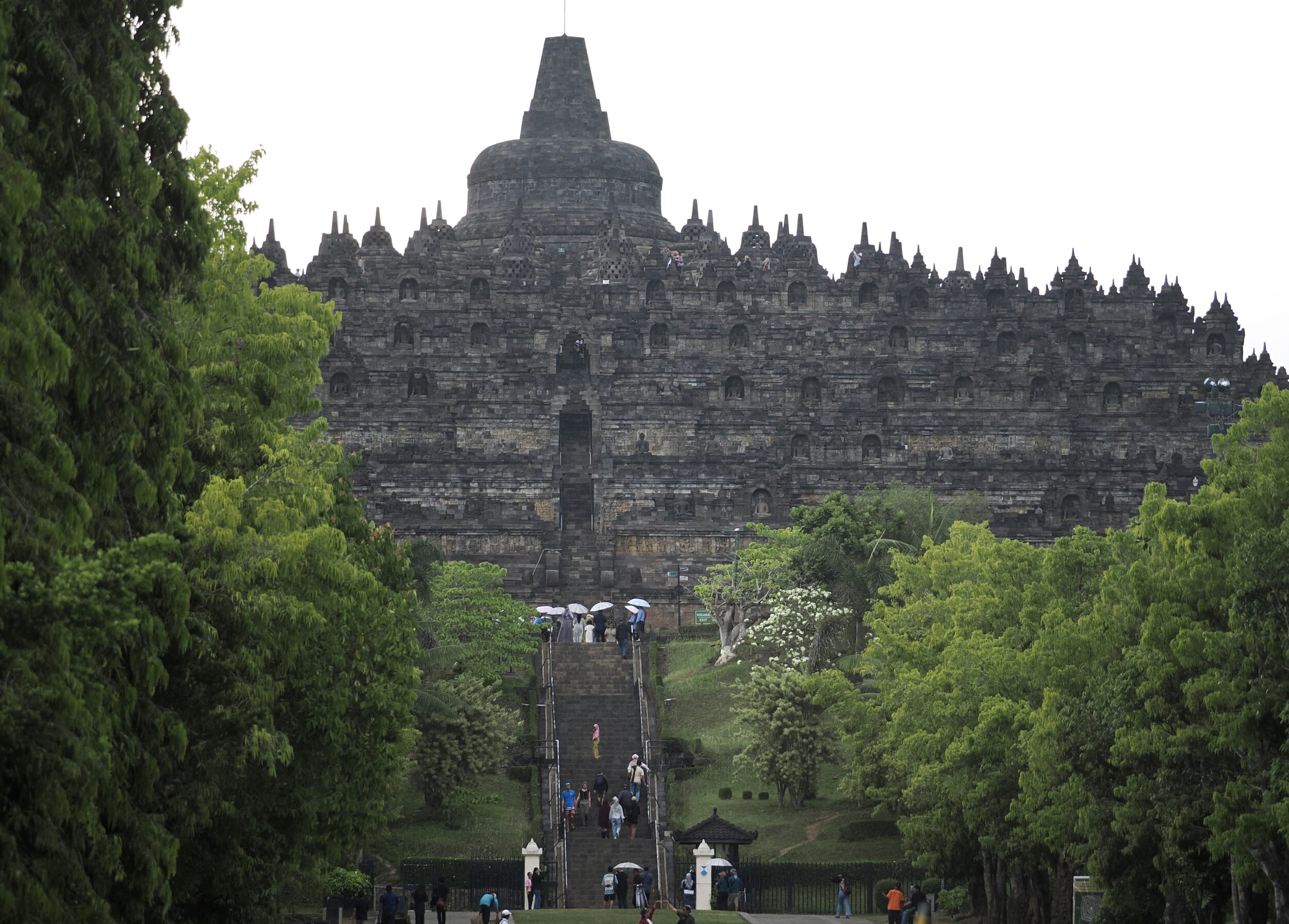
Q: where would you find the world’s largest Buddhist temple?
A: in the world’s most populous Muslim-majority nation.
Beautifully sited on a lush plain, between volcanoes, Borobudur is in Central Java,
Java is “our” planet’s most populous island…but is far from its most frantic/frenetic.
My photo was taken at 3.41 pm on 18 October 2024; the prevailing mood was “a relaxed state of high anticipation”.
A few raindrops gently fell, while we waited for our appointed time to ascend the temple steps.
(visitor numbers – and their access and behaviour – are now strictly regulated. Borobudur’s hitherto “laissez faire” regime had been rapidly destroying what the too-many, too-careless tourists had come to see)
The prevailing mood and the rain’s intensity were about to change…dramatically!
Comments closed
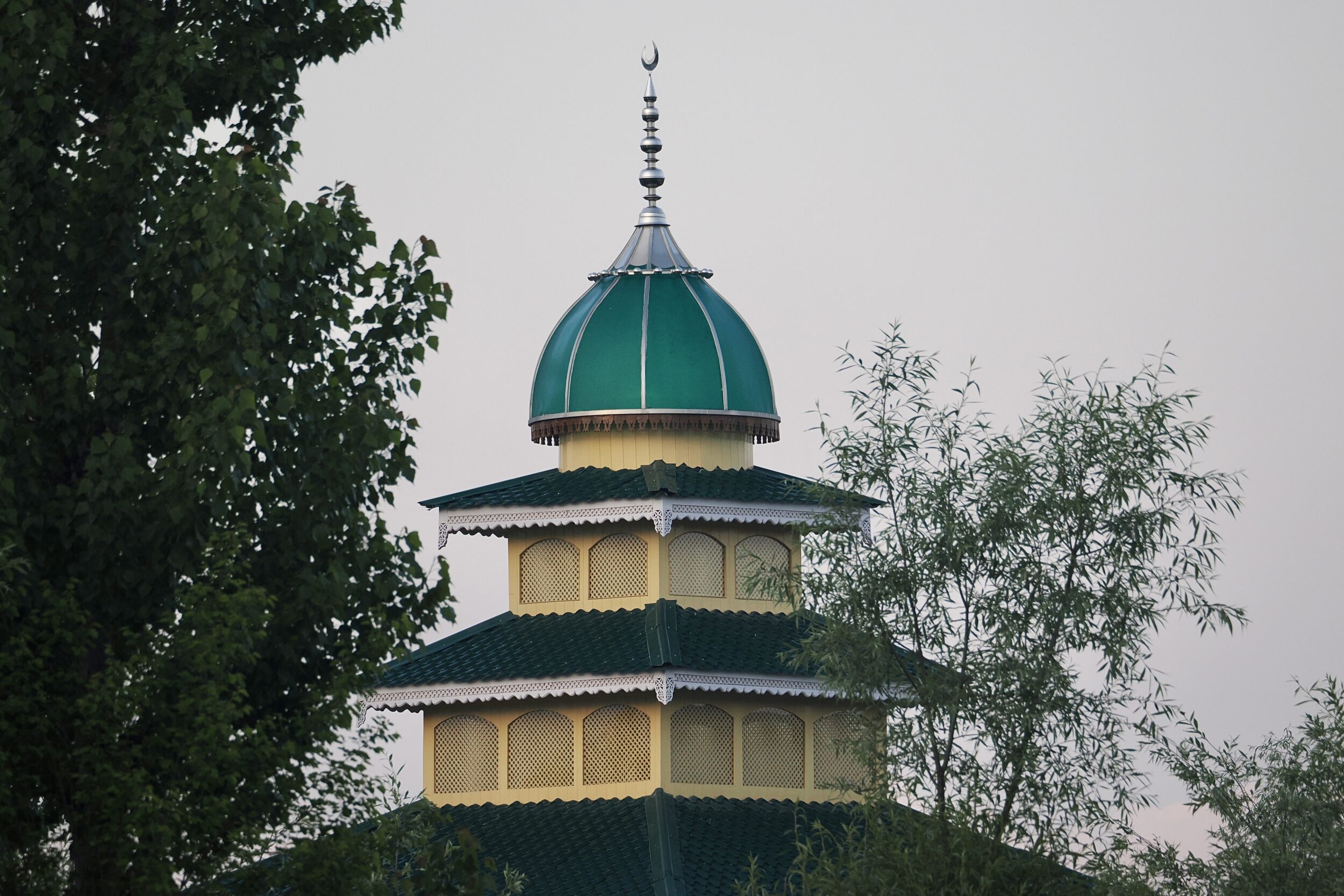
Not very many paddle-strokes – and a short walk – distant from Dal Lake’s floating market is the pictured, “pagoda-esque” mosque.
Srinagar’s older mosques are distinctly Kashmiri in style.
They surprise and delight many visitors – ourselves included.
Comments closed
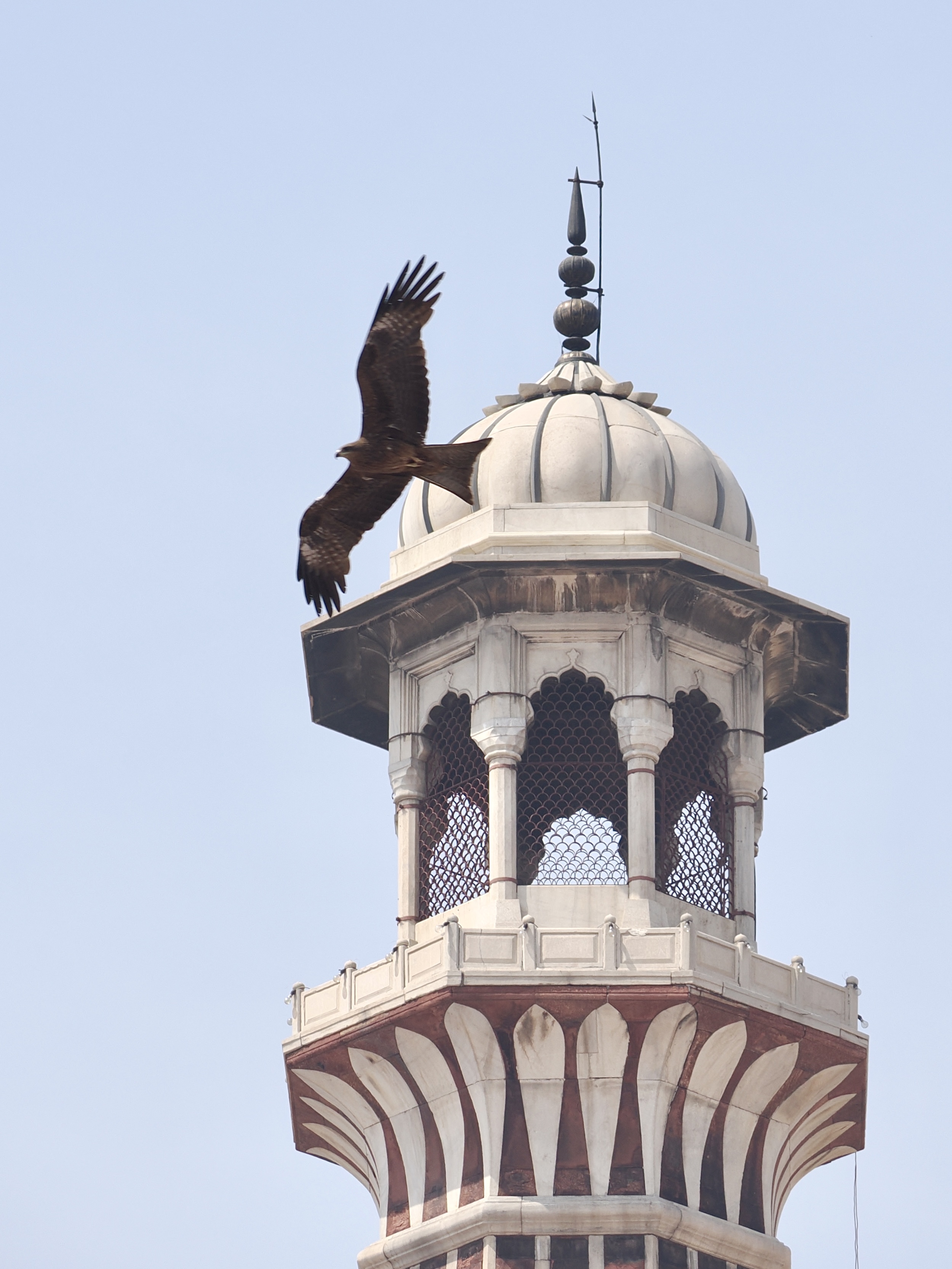
Q: who usually rules the skies over the Indian subcontinent’s megacities?
A: Milvus migrans – black kites.
One of the world’s most abundant raptor species (possibly, the most abundant) has proved very adept at taking advantage of the “rubbish” discarded by urban humans.
If one is almost anywhere within a big Indian city, one needs no bird-watching expertise to see black kites; simply look up, and there they are!
”Holy” places are no exception…
Comments closed