According to the sun, it was not yet 11 am on 24 May 2024.
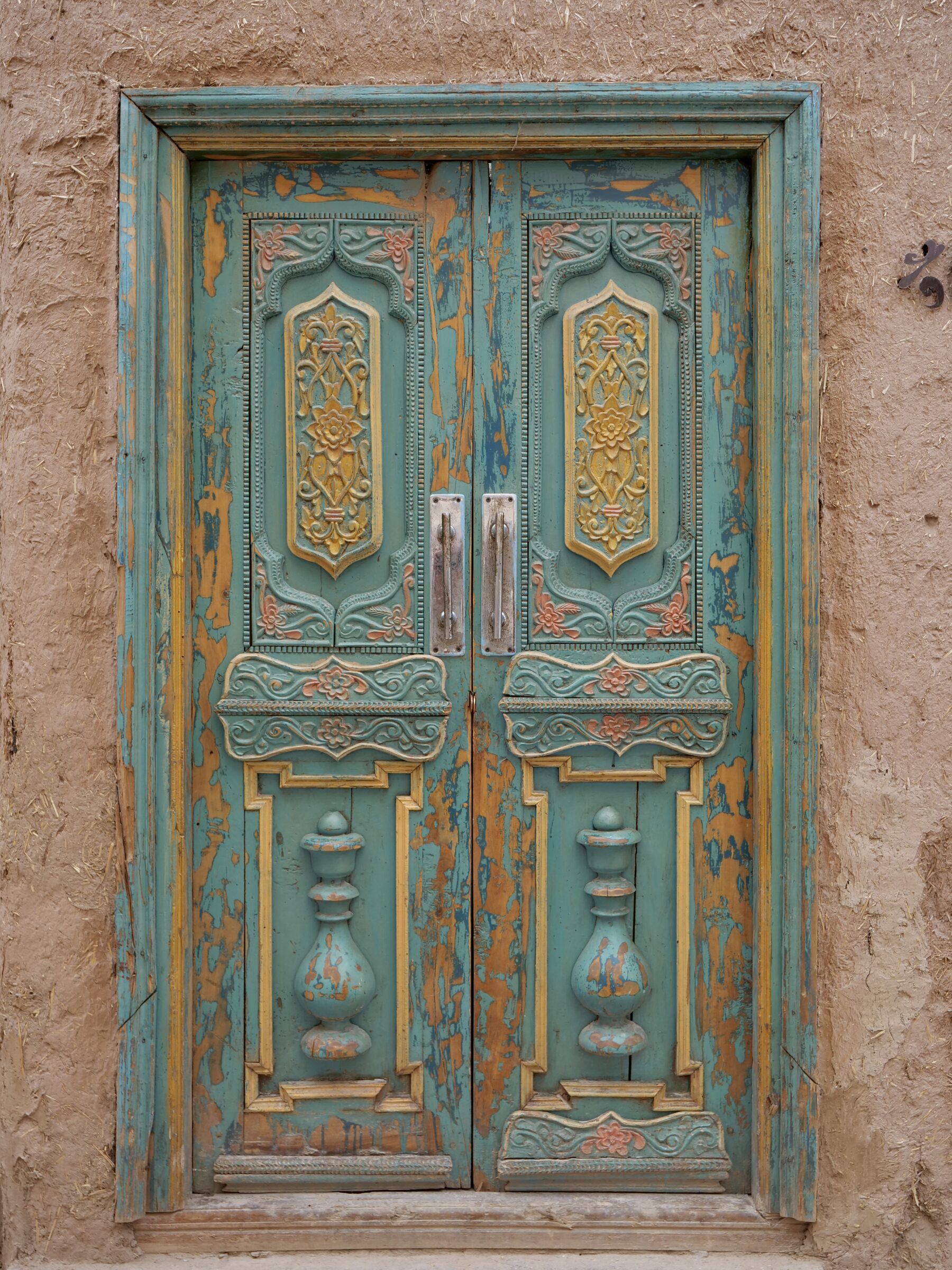
I took the photo in Kashgar’s “old city”, looking across to “new” Kashgar’s TV tower.
Comments closedNatural splendour, real musics, wines, wordpower
According to the sun, it was not yet 11 am on 24 May 2024.
I took the photo in Kashgar’s “old city”, looking across to “new” Kashgar’s TV tower.
Comments closed
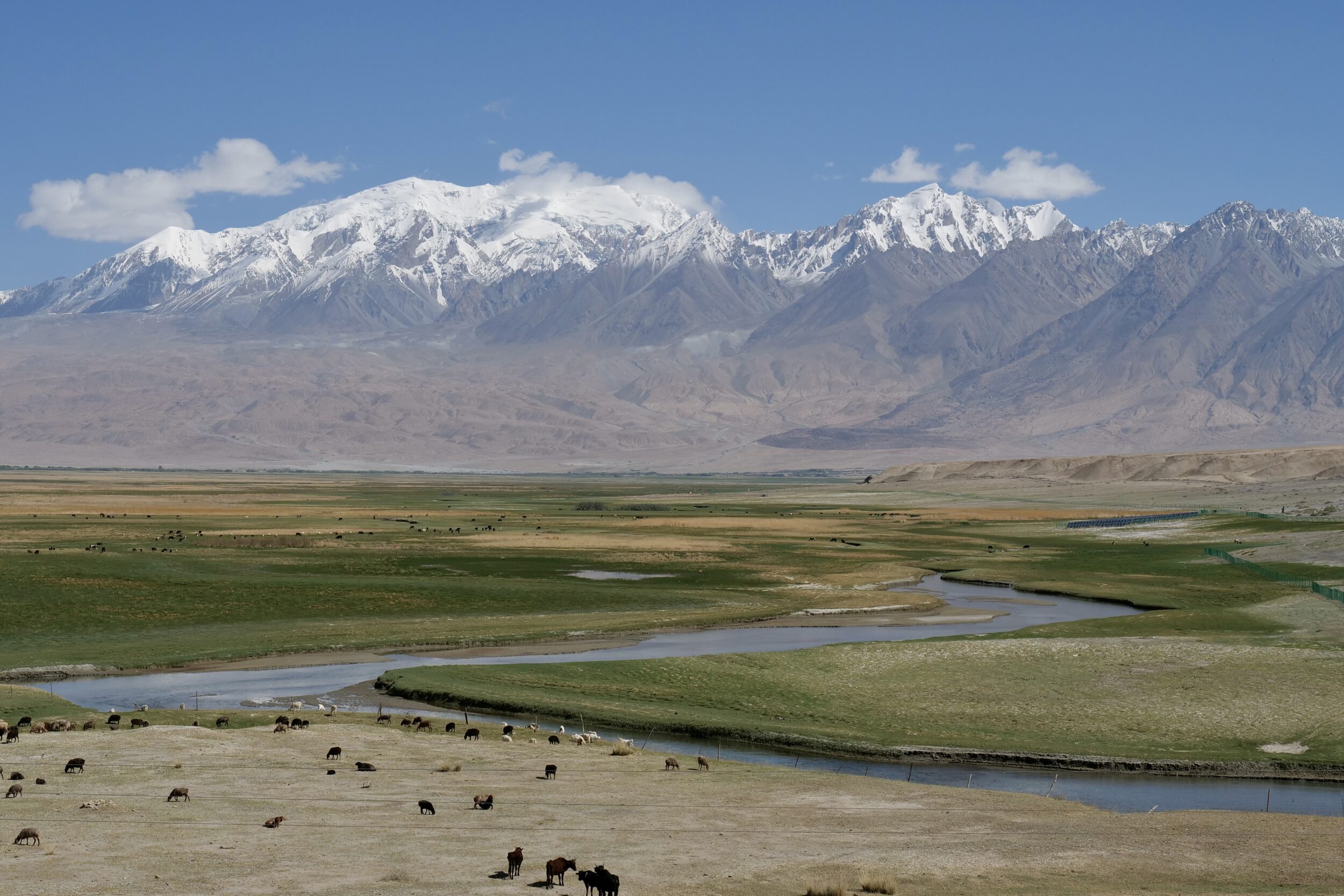
The pictured location is circa 80 minutes driving distance from White Sand Lake, and within two hours or so of downtown Kashgar.
(astonishingly low speed limits apply to buses on the Chinese section of the Karakoram Highway, even in benign weather. The road itself is excellent. A rational, less rigid approach to speed limits would enable considerably shorter, safe driving times on days when ice and snow are entirely absent from the Highway’s surface. On the day when the rules become rational, motorists should be sure to wave at the pigs who’ll then be flying high, above)
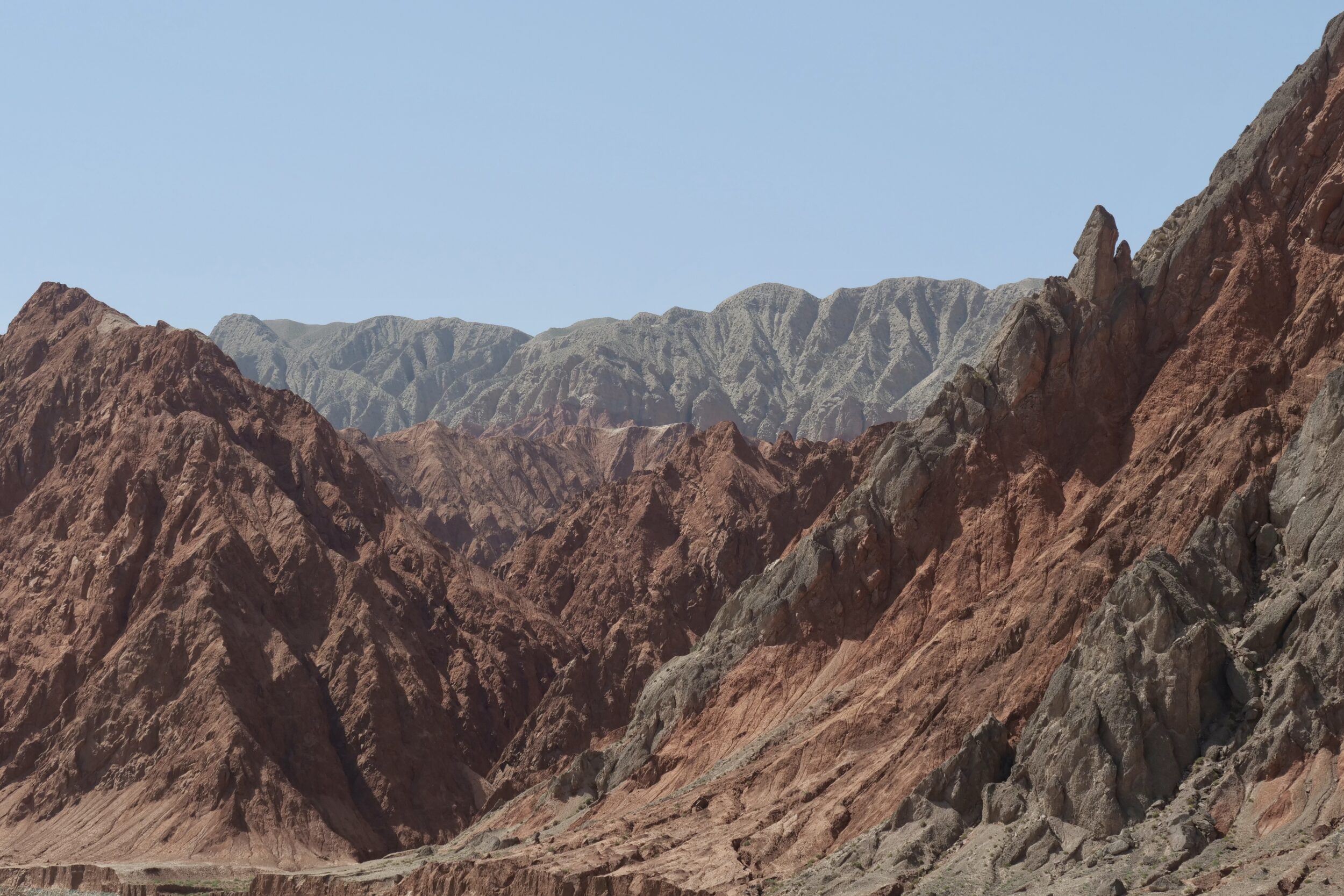
I took this photo from the bed of the Ghez River, adjacent to where it is crossed by the Karakoram Highway.
Comments closed
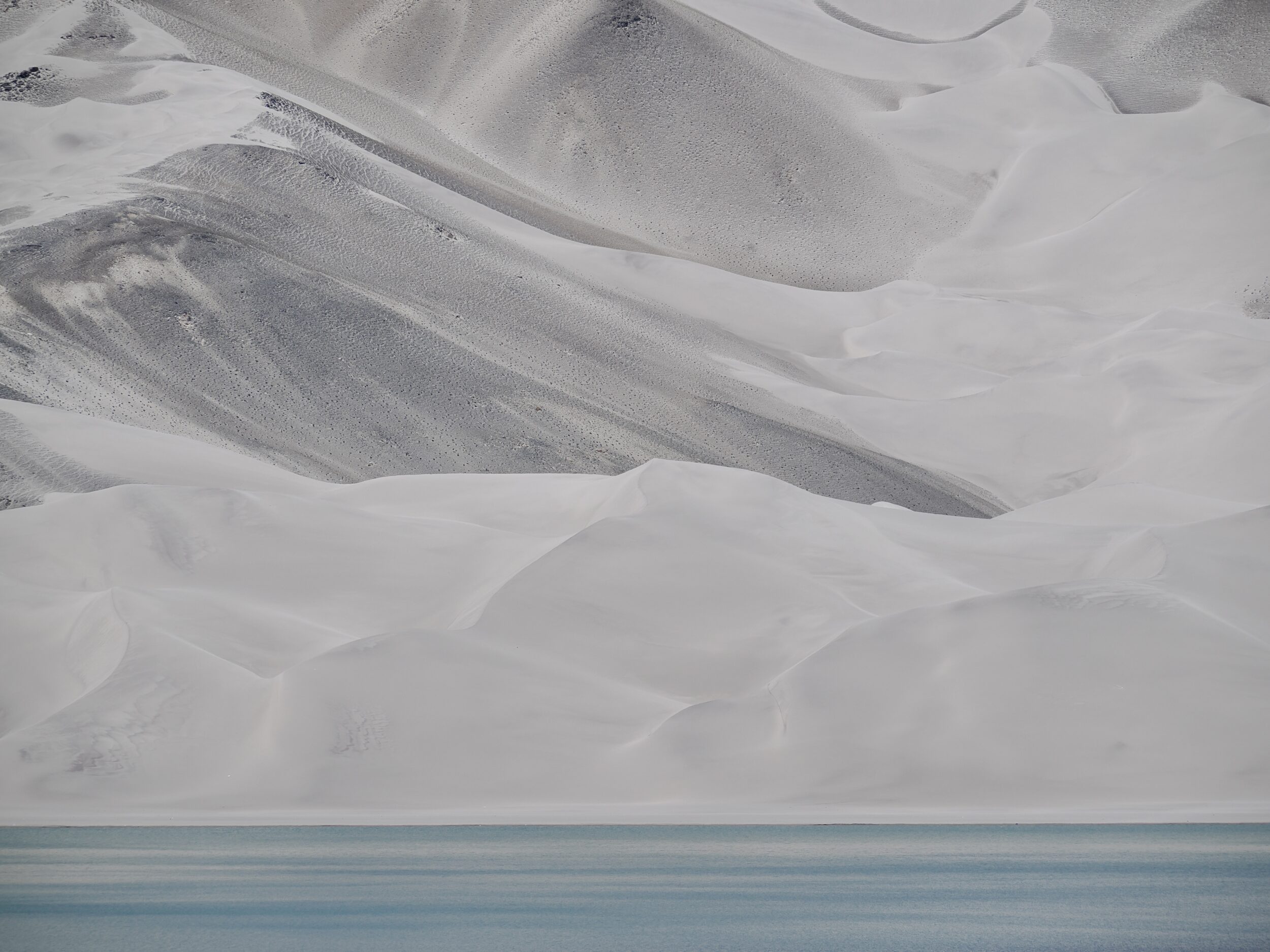
“White Sand Lake” is the most common of many names given to the pictured place.
Some call it a lake, others call it a mountain.
The lake’s surface is circa 3,300 metres above sea level, on the Pamir Plateau.
It is adjacent to the Karakoram Highway, around 150 kilometres south of Kashgar city.
Comments closed
Not directly present in my photo, but close by and clearly visible to any sighted human, standing a few footsteps away from our table: Karakul Lake – the Pamir Plateau’s highest substantial lake.
The highest of the mountains that look down upon its shores is more than 4, 000 metres further above sea level.
Among mountains outside of the Himalaya, Karakoram and Hindu Kush ranges, Kongur Tagh (7,649 metres, the Pamirs’ tallest) is the highest of them all.
Our lunch was absolutely delicious; “great view” and “great food” are not always mutually-exclusive.
Comments closed
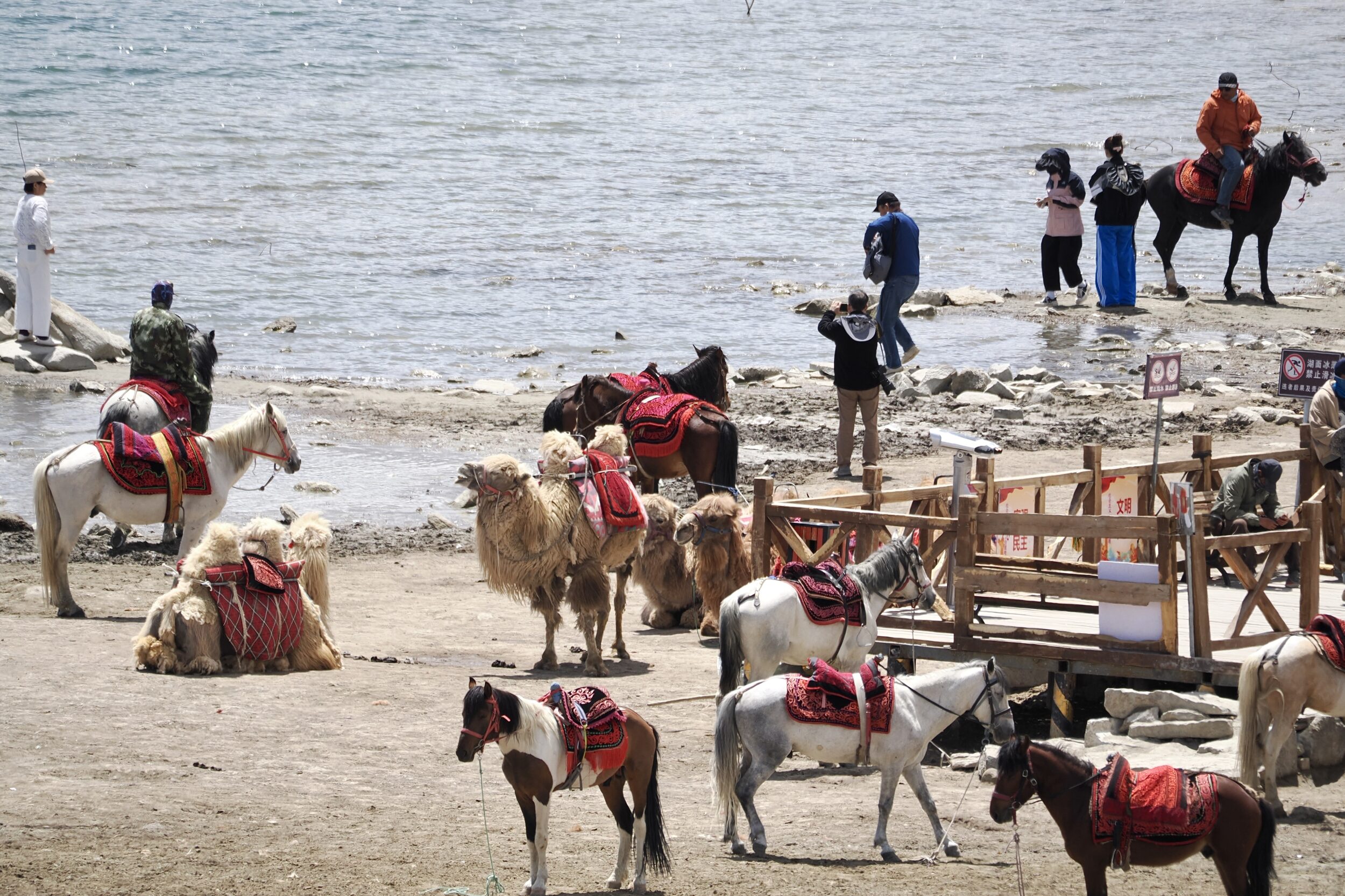
Upon reaching the very popular tourist stop beside Karakul Lake – just off the Chinese section of the Karakoram Highway, between Tashkurgan and Kashgar – I understood the purpose of the horse and rider pictured in this series’ previous post.
For the moment at least, they were engaged in the tourism trade, rather than herding.
Comments closed
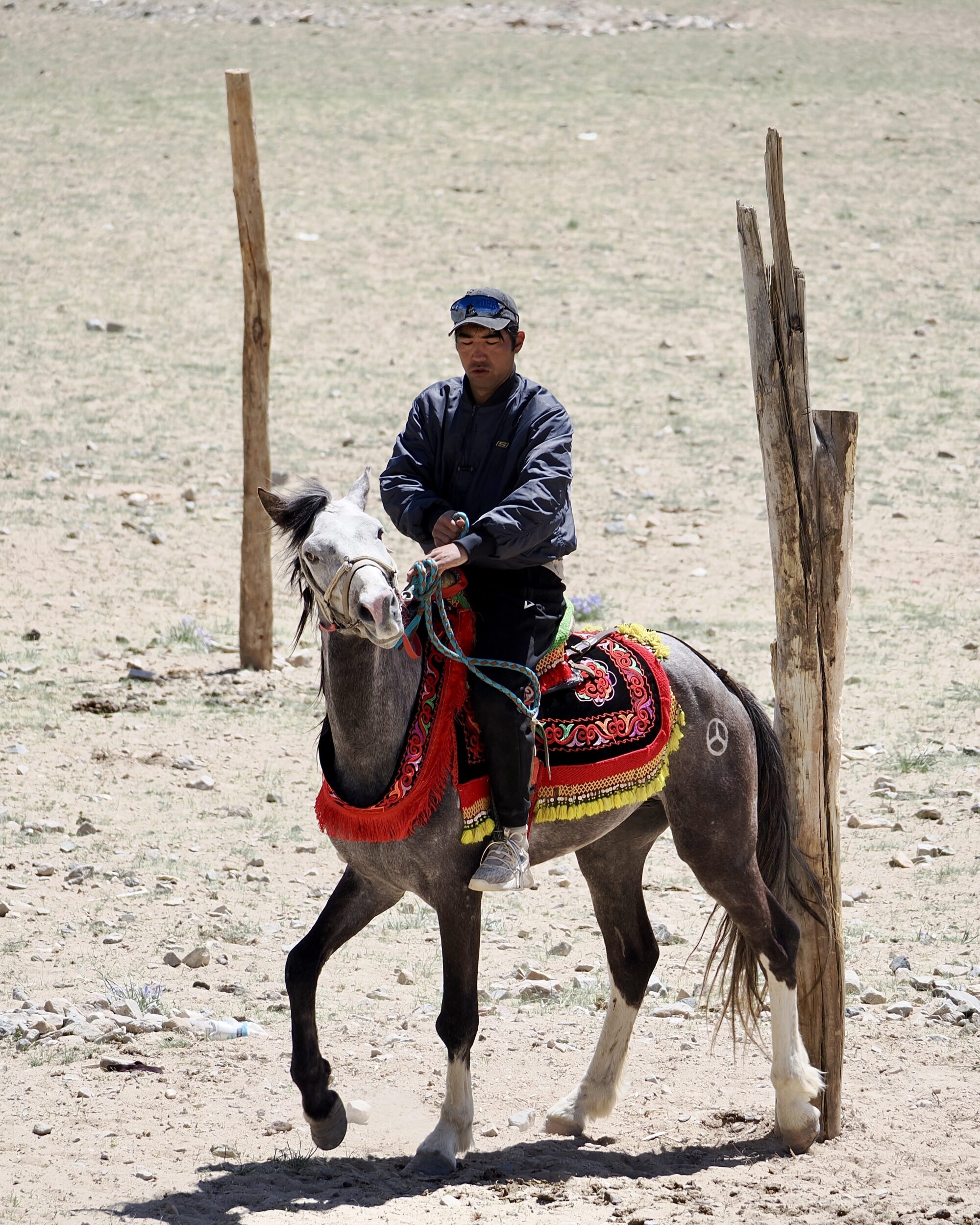
Obviously, the pictured horse is not a “Merc”, I am sure that Mercedes is not its name, and there is no reason to believe that the rider’s other horse is a Porsche.
Still, I was greatly surprised to see a 3-star-branded steed.
When I took this photo we were only a few kilometres from Karakul Lake, in China’s northwestern corner, where several international borders are very much closer than is Beijing.
At 1.21 pm on 24 May 2024, I thought we were looking at one of a group of several nomadic/quasi-nomadic herders, and their horses.
However, I was puzzled by the apparent absence of sheep, goats or cattle…
Comments closed
On 24 May 2024 we travelled from Tashkurgan (China’s westernmost substantial town) to Kashgar, aka “Kashi”.
For many centuries Kashgar – the third of our “expedition”’s three Ks – was a major hub on “The Silk Road”.
In the direction we drove, our route was the Karakoram Highway’s final 291 kilometres.
The Chinese section’s landscapes are generally less “vertiginous, on both sides” than are those along the Highway’s actually-Karakoram, Pakistan section.
From Tashkurgan through to Kashgar, vistas tend to be much wider, more likely to be rimmed by mountains rather than absolutely dominated by them.
Big mountains and glaciers are still abundant.
Comments closed
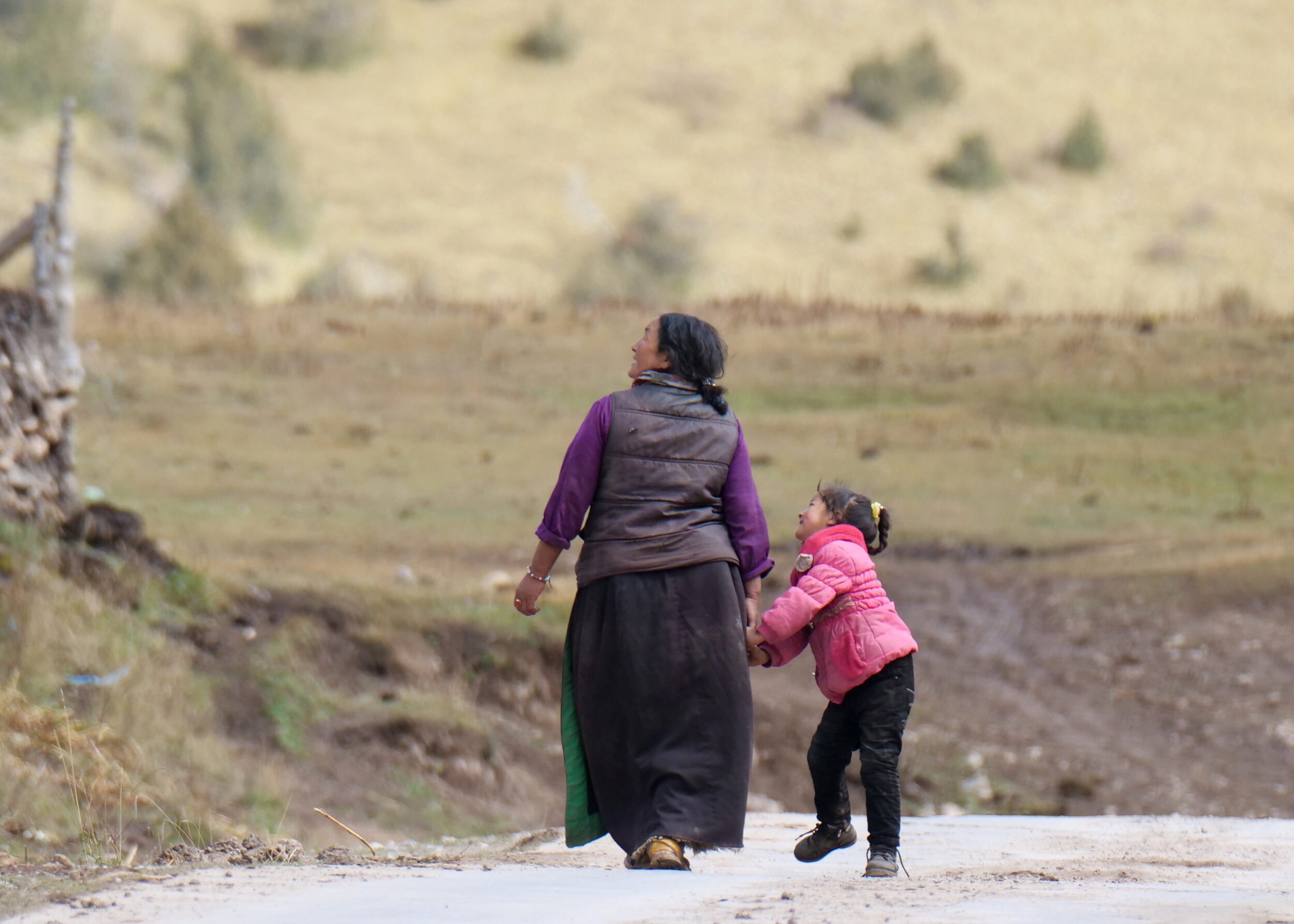
I loved the little moment which the image captures.
Had I been in front of the mother and daughter – and thereby made my presence intrusive – the moment simply would not have happened…at that moment, at least.
Comments closed
This post’s Tibetan Plateau location is higher and wilder than was true of #8 in this series.
The Chang Tang – also rendered into English as “Changtang” – is a very harsh environment, mostly grasslands at more than 4,000 metres above sea level, punctuated by mountains.
Much of it is protected in one of the world’s largest national parks, but climate change’s impact – here, mostly negative – is proving particularly extreme, rapid.
Goa – or Tibetan Gazelle – live here in still-considerable, but declining numbers.
Comments closed
Dead yaks reputedly provide rather more than half of the food eaten by Gyps himalayensis, but many members of Homo sapiens have also been devoured.
“Live” humans, fear not!
These very large raptors are scavengers, not hunters.
For countless human generations – via so-called “Tibetan Sky Burials”, in which religious rites are meticulously conducted, but the recently-deceased are not buried – Himalayan Griffon Vultures have done high-altitude humans a valuable service.
Comments closed