Skip to content →

Tag: Deep South WA

Winter 2025, South West WA (#10 in series: Point D’Entrecasteaux)


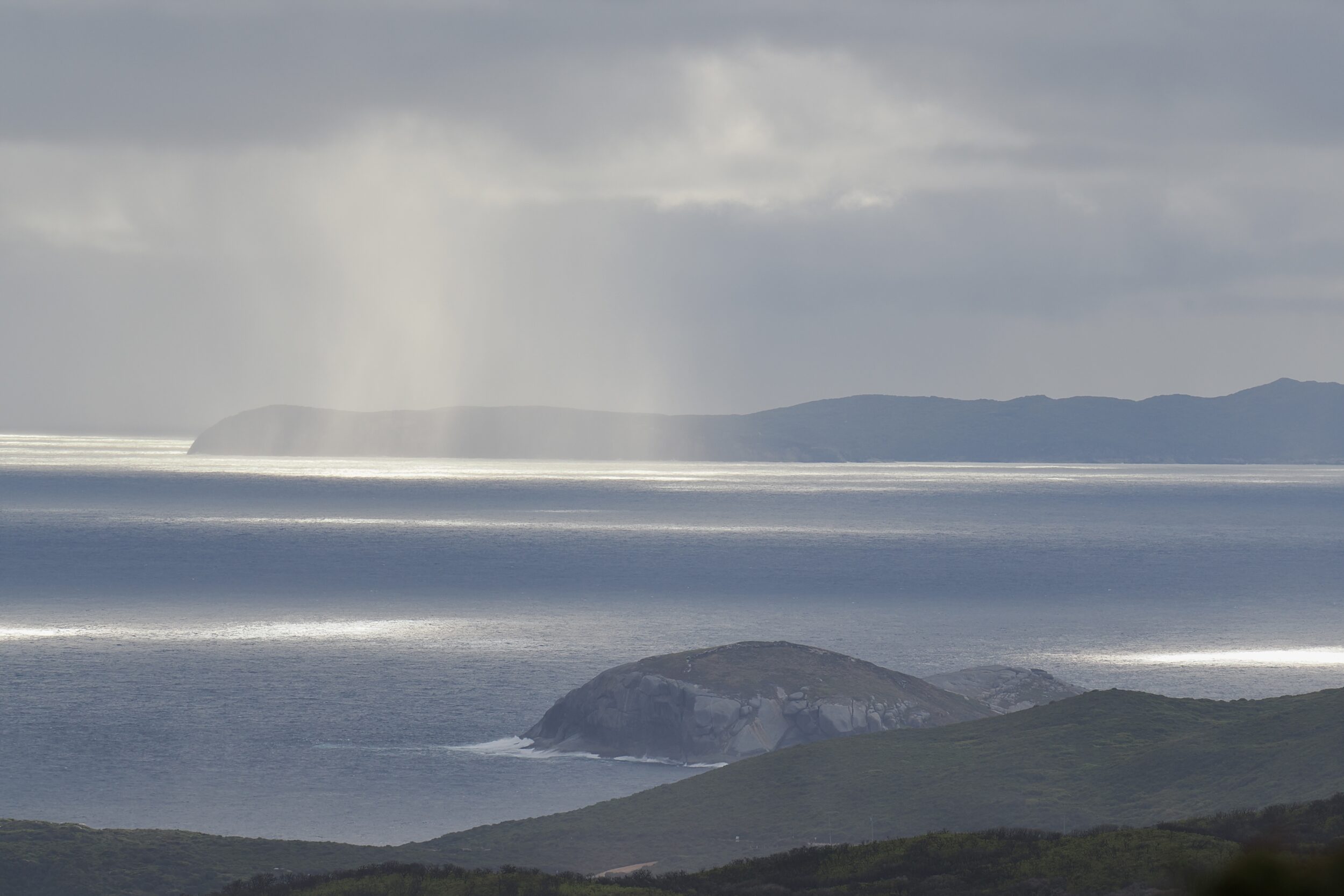
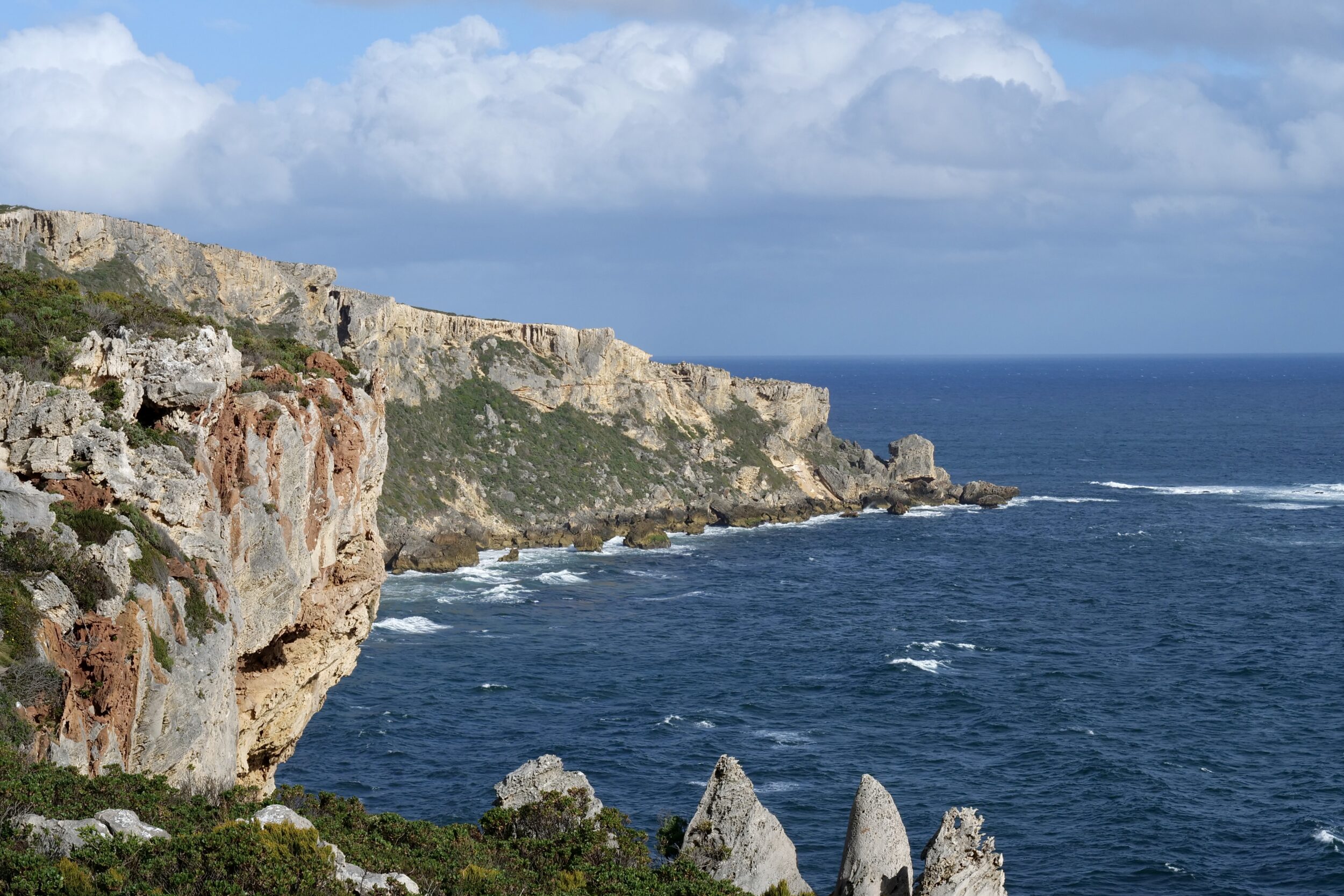
Point D’Entrecasteaux is a dramatic, generally-windswept headland, which affords splendid vistas in every direction.

Adjacent to the hamlet of Windy Harbour, it is less than one hour away from Pemberton; the drive is scenic, and all on sealed roads.

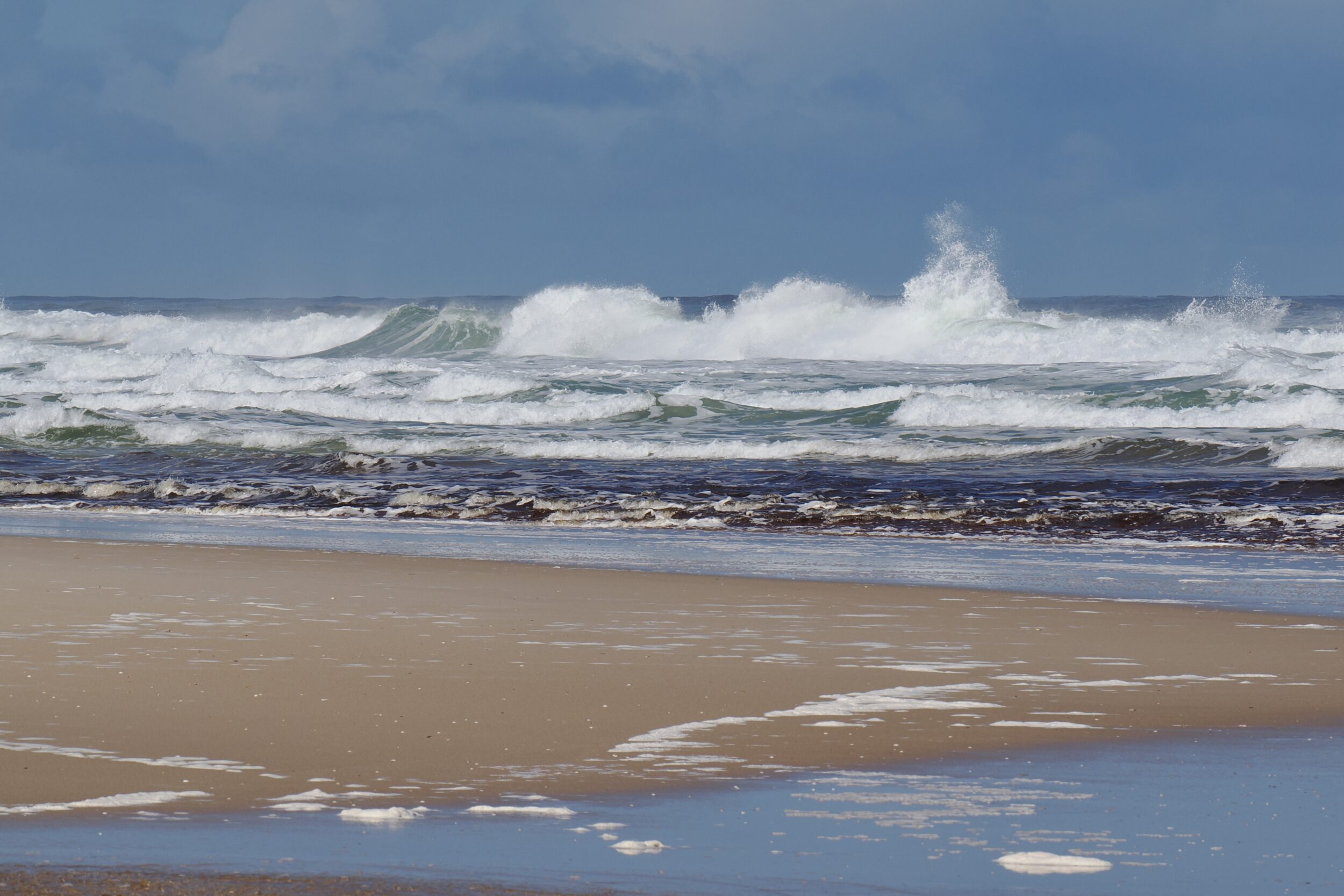
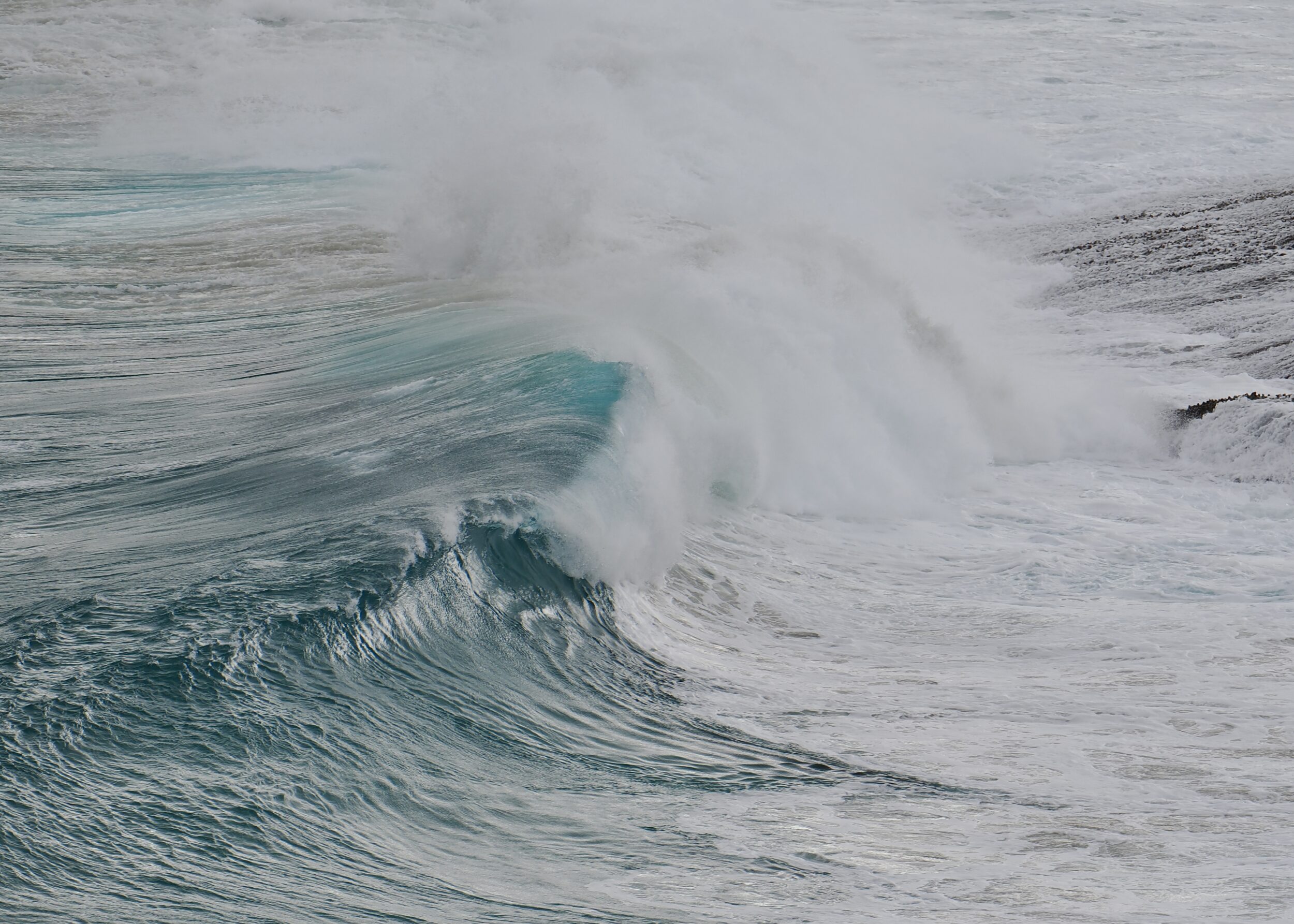
On this blustery winter afternoon we were eagerly anticipating some very large waves, a whole lot of spray, maybe some whales, probably some ‘roos.

Comments closed
Winter 2025, South West WA (#8 in series: “Big Sandy”…


..,but definitely not  “wasteland”)

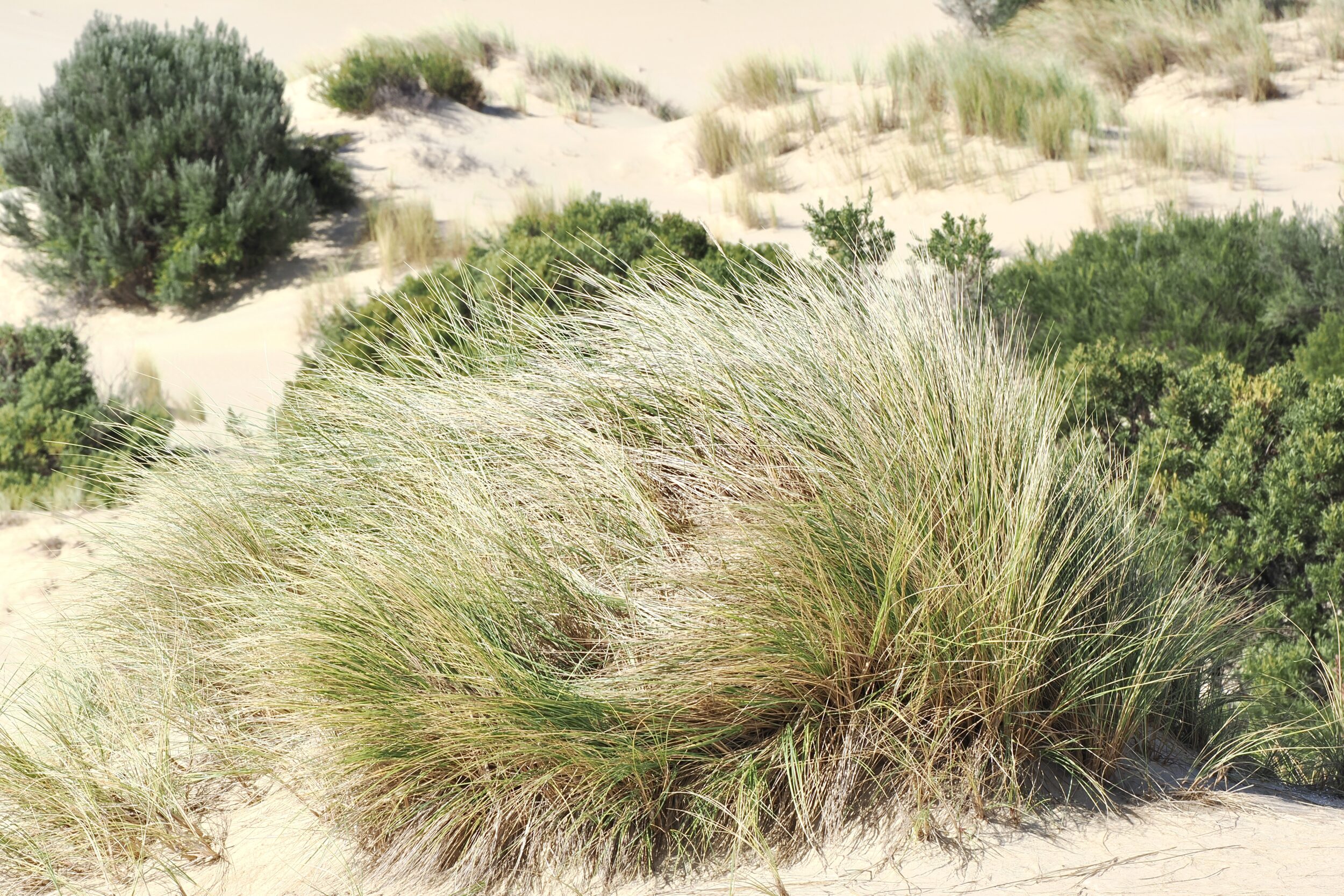
To reach the mouth of the Warren River on Yeagarap Beach one has to traverse the Southern Hemisphere’s largest landlocked mobile dune system.

The Yeagarap Dunes cover nearly 30 square kilometres.

As it moves progressively further inland – at a rate of circa 4 metres per year – this dune system “eats”/buries forest,  and reshapes/shifts/dams some local lakes and wetlands.

And the dune system’s own “mosaic” of vegetation patterns is far from “fixed”.

It ranges from very steep, nearly-naked sand dunes to dense bush “hollows”, where the leaf-littered sandy “floor” is exquisitely punctuated by wildflowers in springtime.

One Comment

Winter 2025, South West WA (#6 in series: river v ocean)


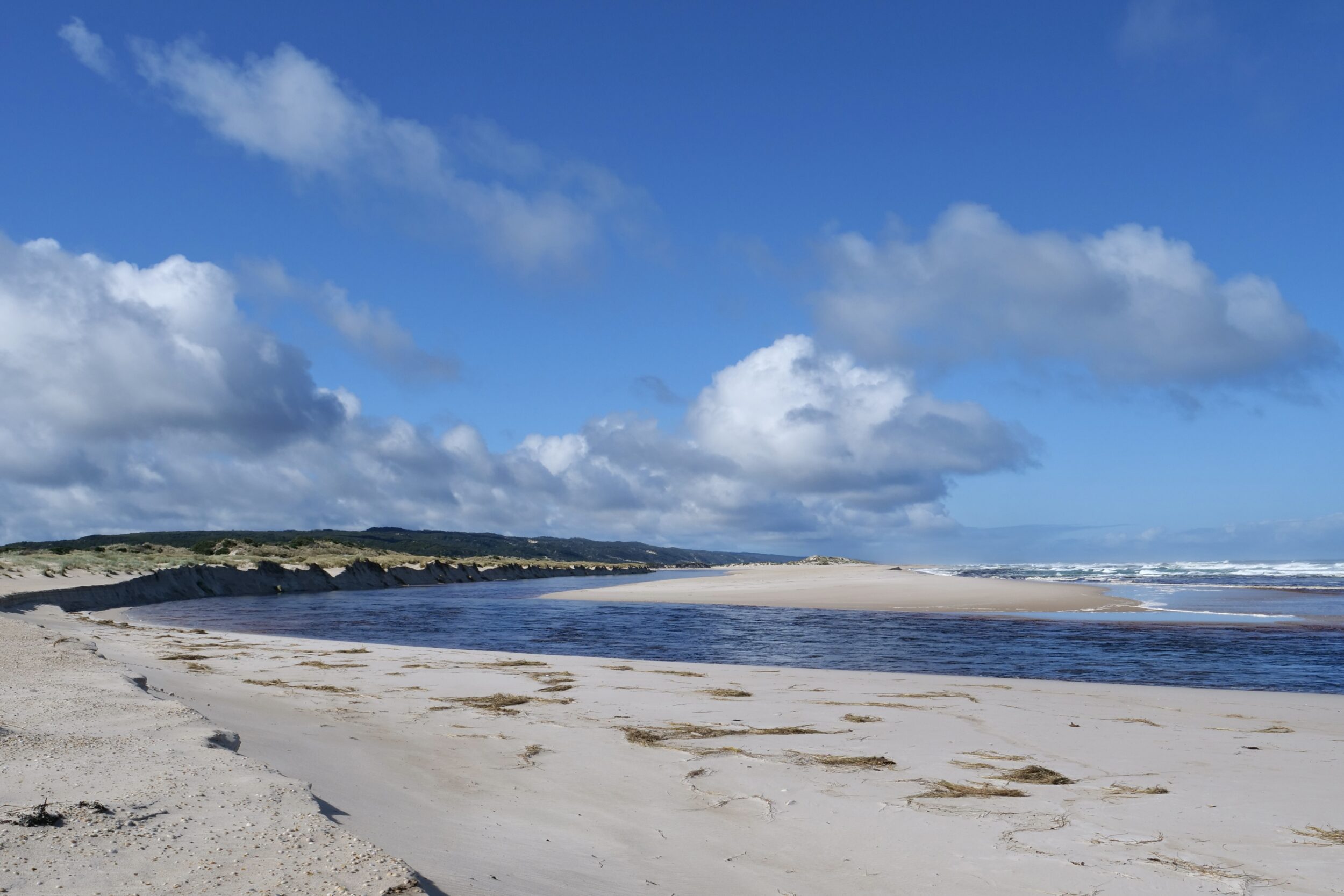
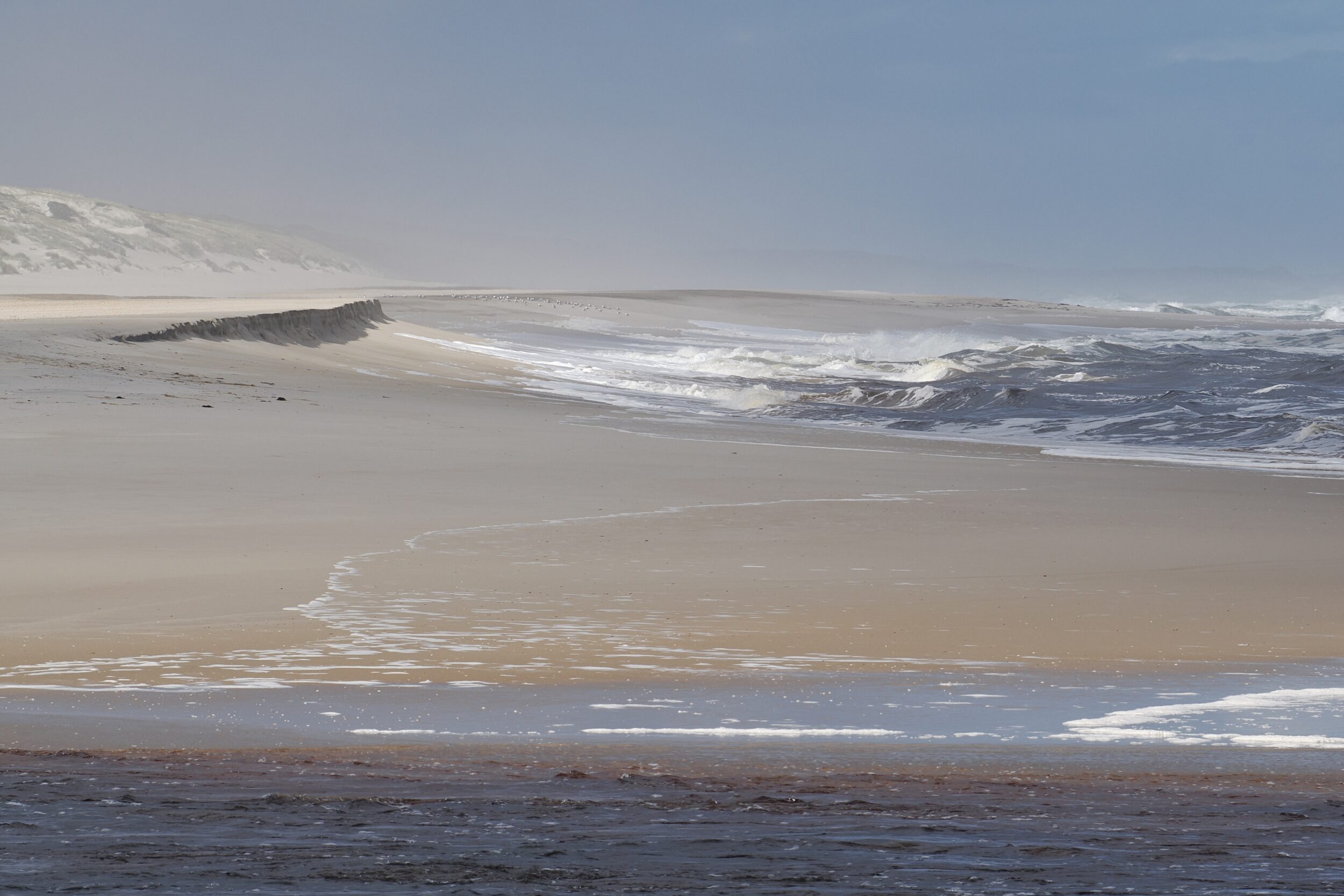
A river’s mouth and the beach it breaches – or only sometimes manages to breach –  can be very dynamic places.

From one visit to another, they may display utterly different “faces” to an occasional visitor.

Anyone familiar with the mouth of the not-so-mighty Murray, adjacent to the Coorong, knows that even a river mouth’s “precise” location can be a highly-movable feast…or famine.

This is also true of many much more “modest” rivers, such as the Warren.

On the winter morning of 16 August, this particular meeting of river and ocean underwent many changes in mood, even within a single half-hour.

Comments closed

Winter 2025, South West WA (#4 in series: an untarnished shore)


Untarnished, but sometimes “stained”…benignly.

I took the photo at 11.19 pm on 16 August, when a handful of humans stood on Yeagarup Beach.

This is where the Warren River meets the Southern Ocean.

In global terms, the Warren is “modest”, in both length and average flow rate.

However, its lower reaches are glorious.  Beautiful, globally unique, very tall, never-logged forests segue to dunes, an estuary and a truly wild ocean shore.

As evident in the featured image, when a “properly” wet winter feeds it, the Warren carries enough tannin-rich water to darken the Southern Ocean’s edge.

(and – as a future chapter will show – the river’s mouth then moves “up the beach”, which it reshapes)

Comments closed

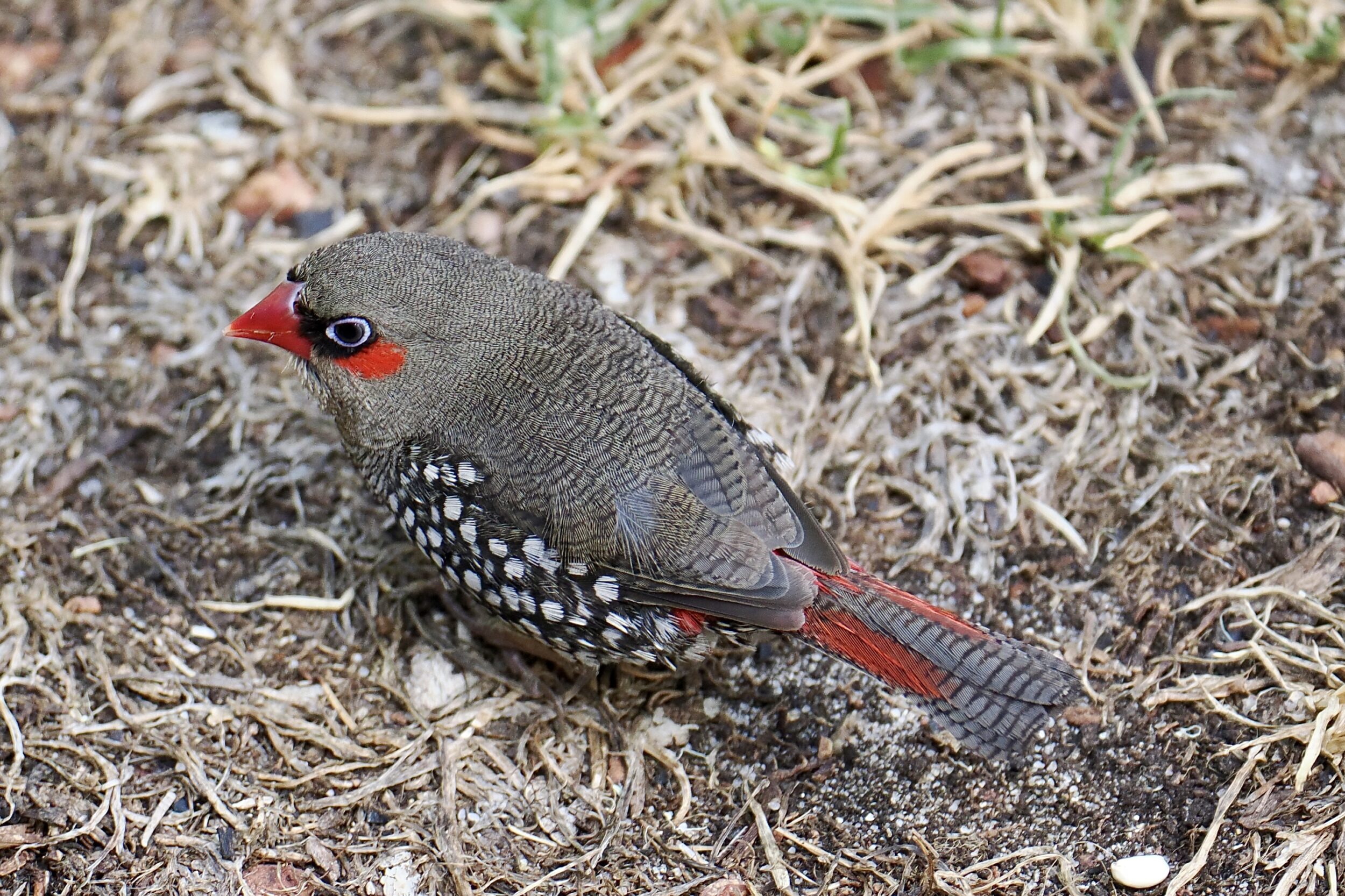
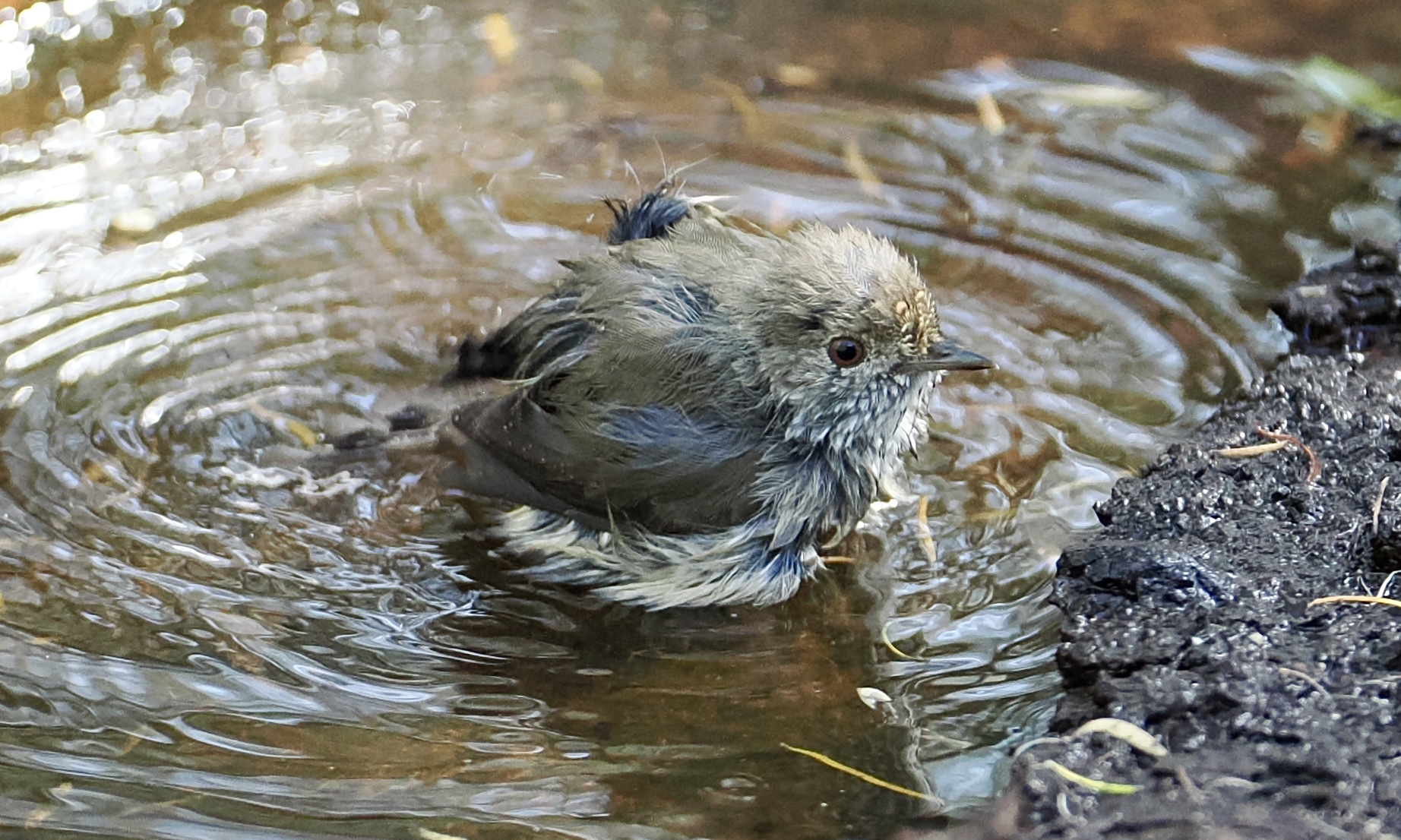
Deep South WA, Feb ‘25 (final in series: red-eared firetail)


Three of Australia’s nineteen to twenty-one recognised “finch” species are “firetails”.

(Australia has the world’s most “collectible”/“beautiful” finch species, but some members of the human species do not regard Australia’s finches as “true” finches)

Arguably, the finest-feathered firetail is the one that naturally occurs only in a small portion of a single Australian State.

Within its range, this species is neither rare nor threatened.

However, remarkably few humans have seen this bird.

An even smaller number have ever managed to see one, properly.

Comments closed

Deep South WA, Feb ‘25 (#43 in series: looking down from Stony Hill)


Stony Hill is the highest point on the Torndirrup Peninsula, which shields one of the world’s greatest natural harbours from the Southern Ocean.

Albany’s King George Sound is around twice as large as Sydney Harbour..and is every bit as splendid.

On the first day of November 1914, thirty-six ships sailed out of King George Sound; they (plus another two, which sailed from Fremantle) comprised the convoy that carried the original ANZACs.

Another, not-coincidental claim to fame: “King George” is the name of the most delicious of whiting species.

Comments closed

Deep South WA, Feb ‘25 (#42 in series: wave, with musical bonus)


Western Australia’s south coast is mostly unspoilt, uncrowded, wonderfully wild.

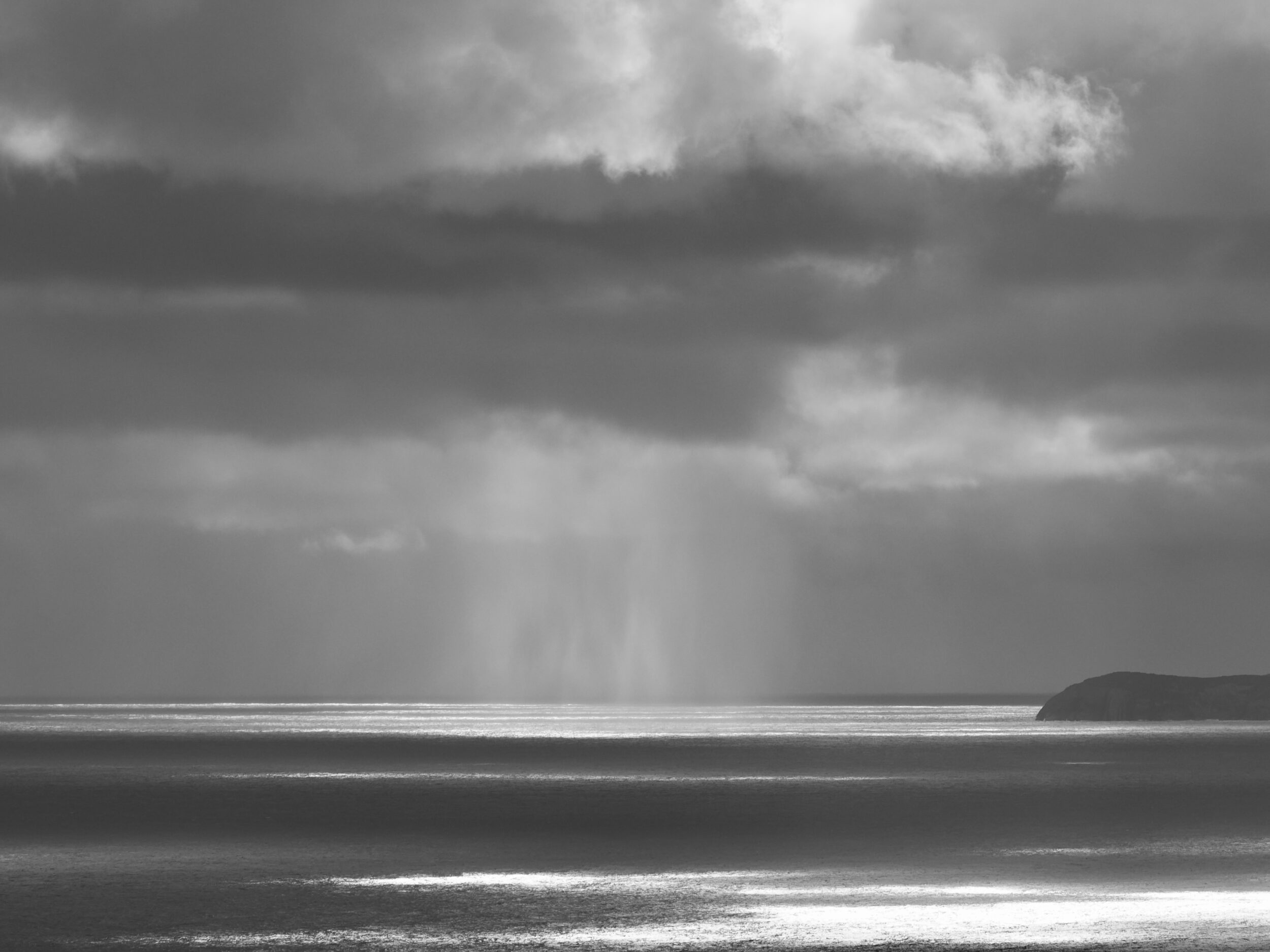
However, in February 2025 sunshine, strong winds and big waves were generally “AWOL”, and the usually-brilliant, clear light was mostly flat, hazy and/or smoke-tainted.

This trip yielded an unprecedentedly low number of worthwhile opportunities for landscape/seascape photography!

Nonetheless, even on a “flat, grey day”…

Comments closed