Skip to content →

Tag: Deep South WA

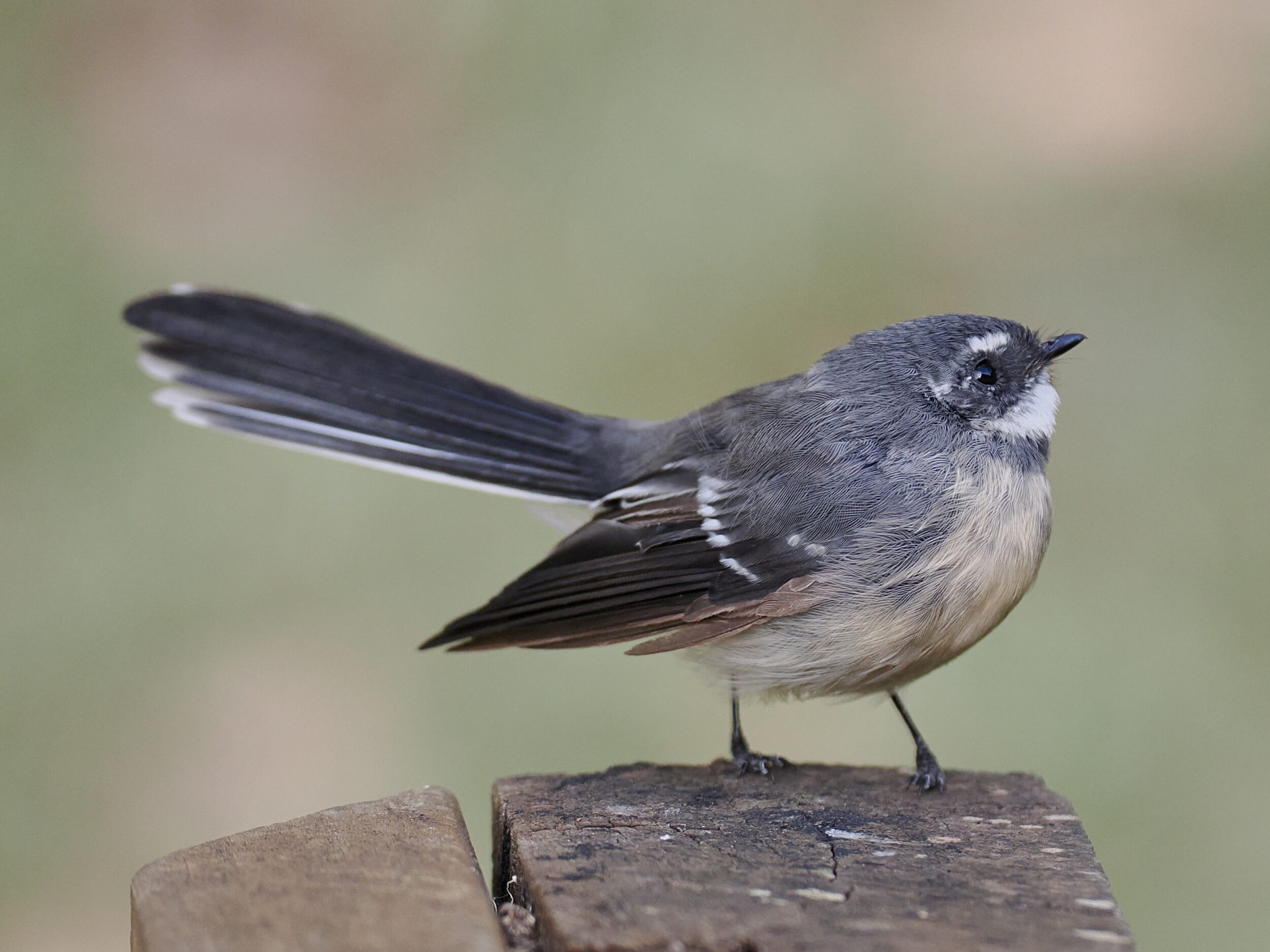
Deep South WA, Feb ‘25 (#40 in series: once was not enough)


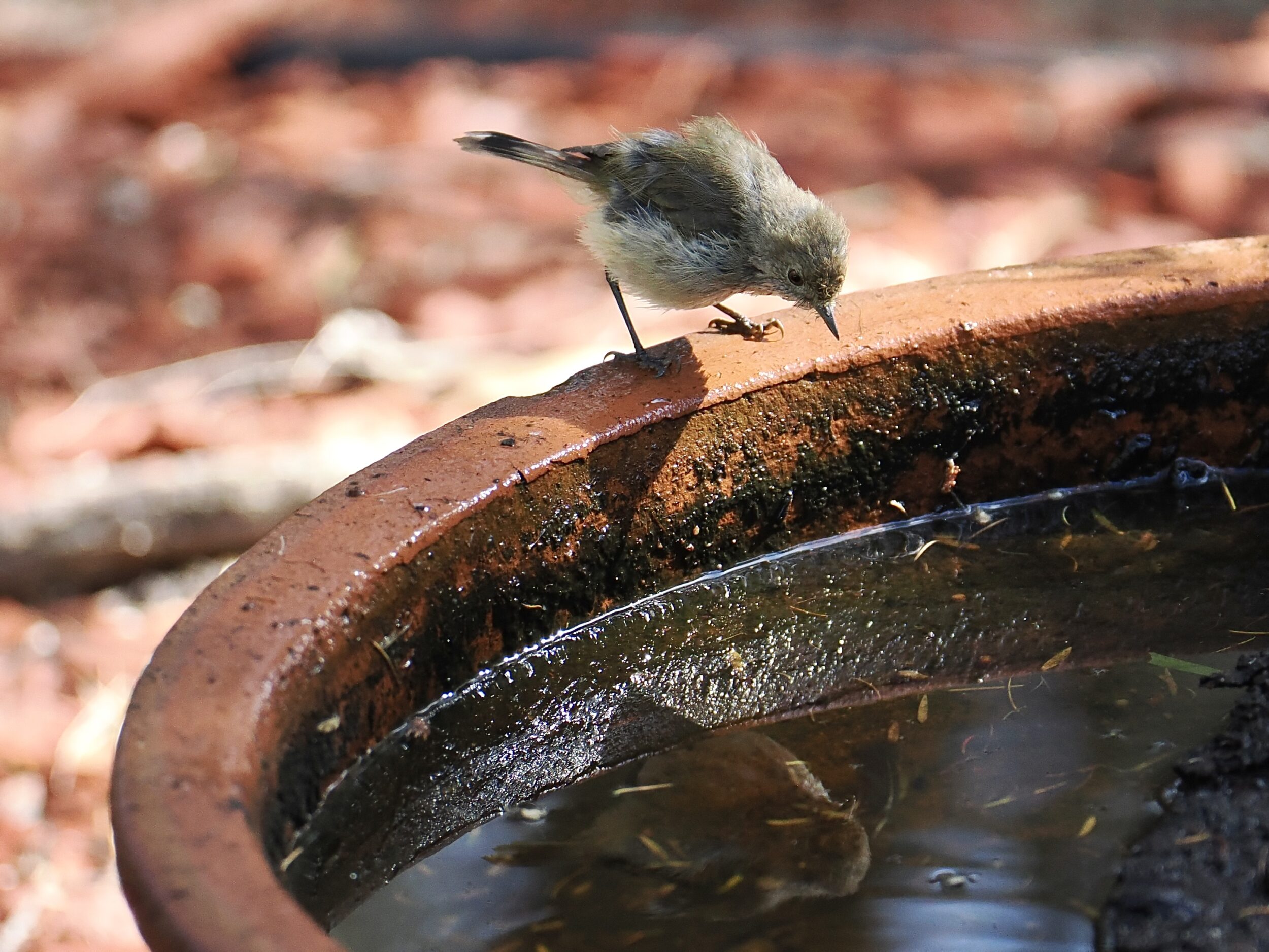
Chapters #39 through #41 feature the same individual; #39’s photo was taken immediately after that morning’s first sighting of him/her.

S/he was so sodden as to be unrecognisable, in terms of species or age.

The featured image, above, was taken three minutes later.

I then assumed that our hero/ine was relishing the morning sunshine’s drying power… and would soon be airborne.

I was wrong.

Comments closed
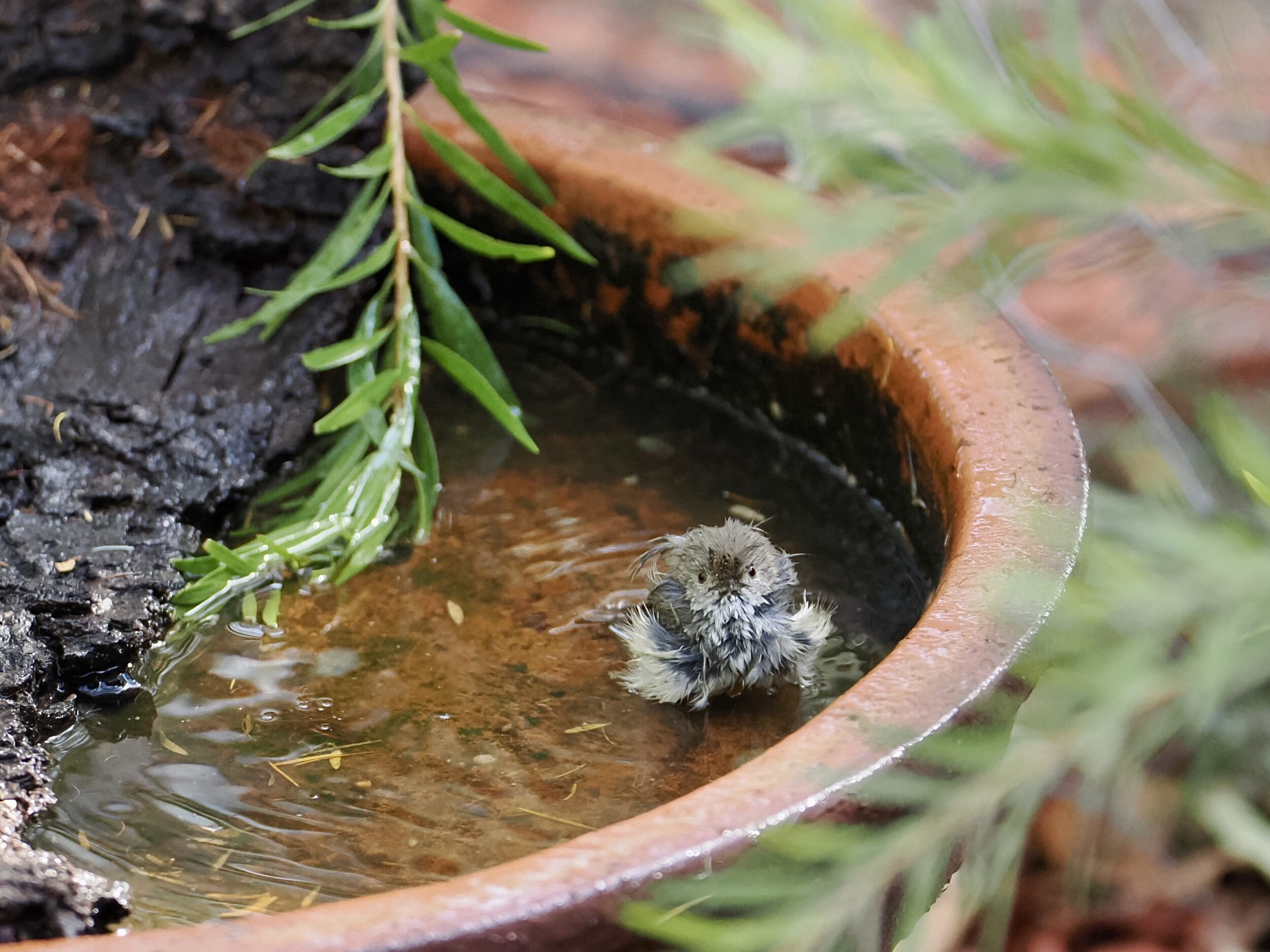
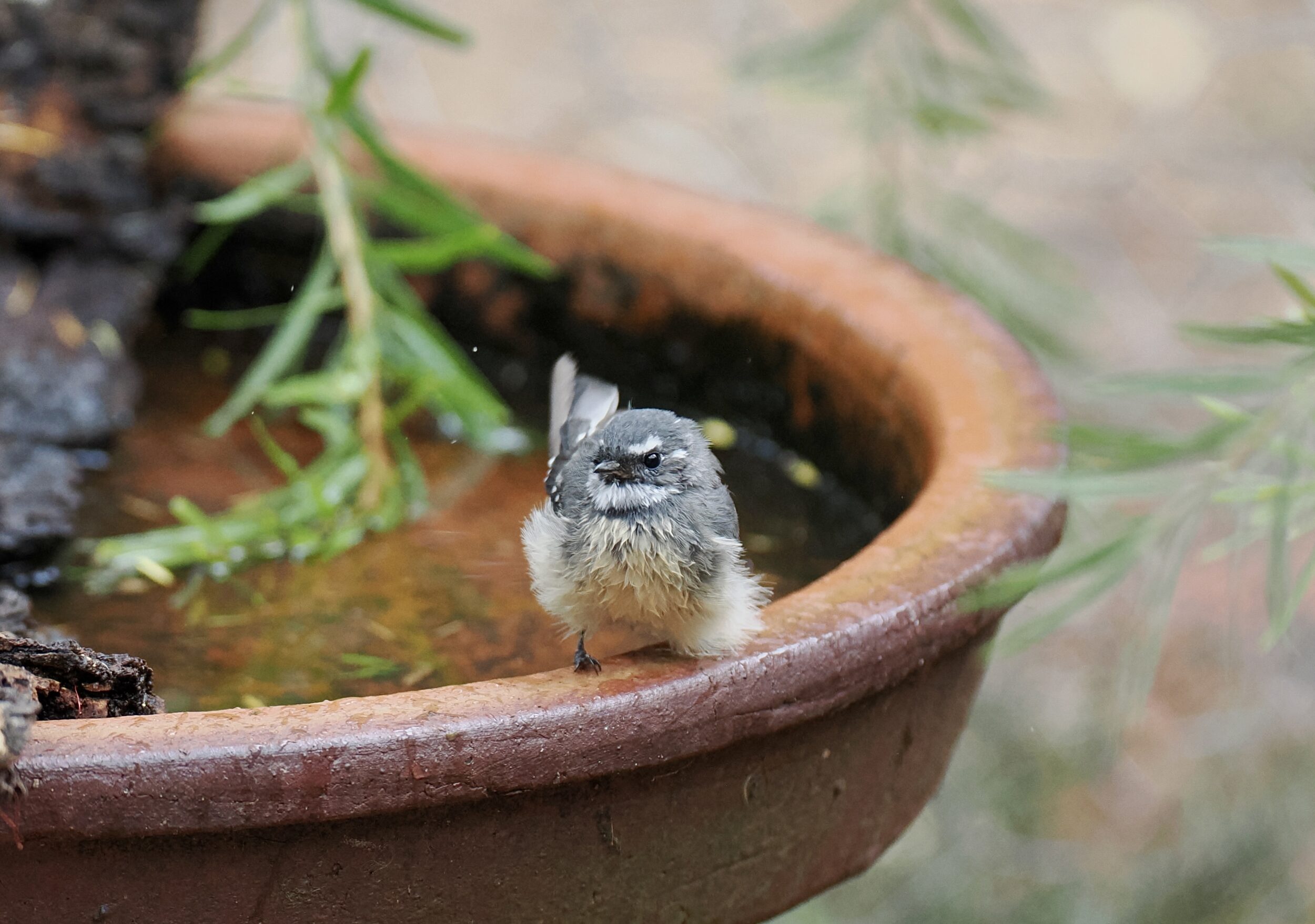
Deep South WA, Feb ‘25 (#38 in series: grey fantail, wet)


This chapter’s three previously-unpublished photos show the same individual.

They were taken within a single minute, on the morning of 07 February 2025.

Above and below, this grey fantail had just emerged from what soon proved to be the first of two immersions.

Comments closed

Deep South WA, Feb ‘25 (#37 in series: grey fantail, dry)


You are looking at a very widely-distributed , small, insectivorous bird.

His or her feathers are not wet, so the bird appears to be a deal bigger/meatier than it really is.

Rhipidura albiscapa – the grey fantail – is very easy to see, across most of non-arid Australia.

I photographed the pictured individual at 5.47 pm on 11 February 2025, near Youngs Siding.

One Comment

Deep South WA, Feb ‘25 (#35 in series: threatened giants “3”)


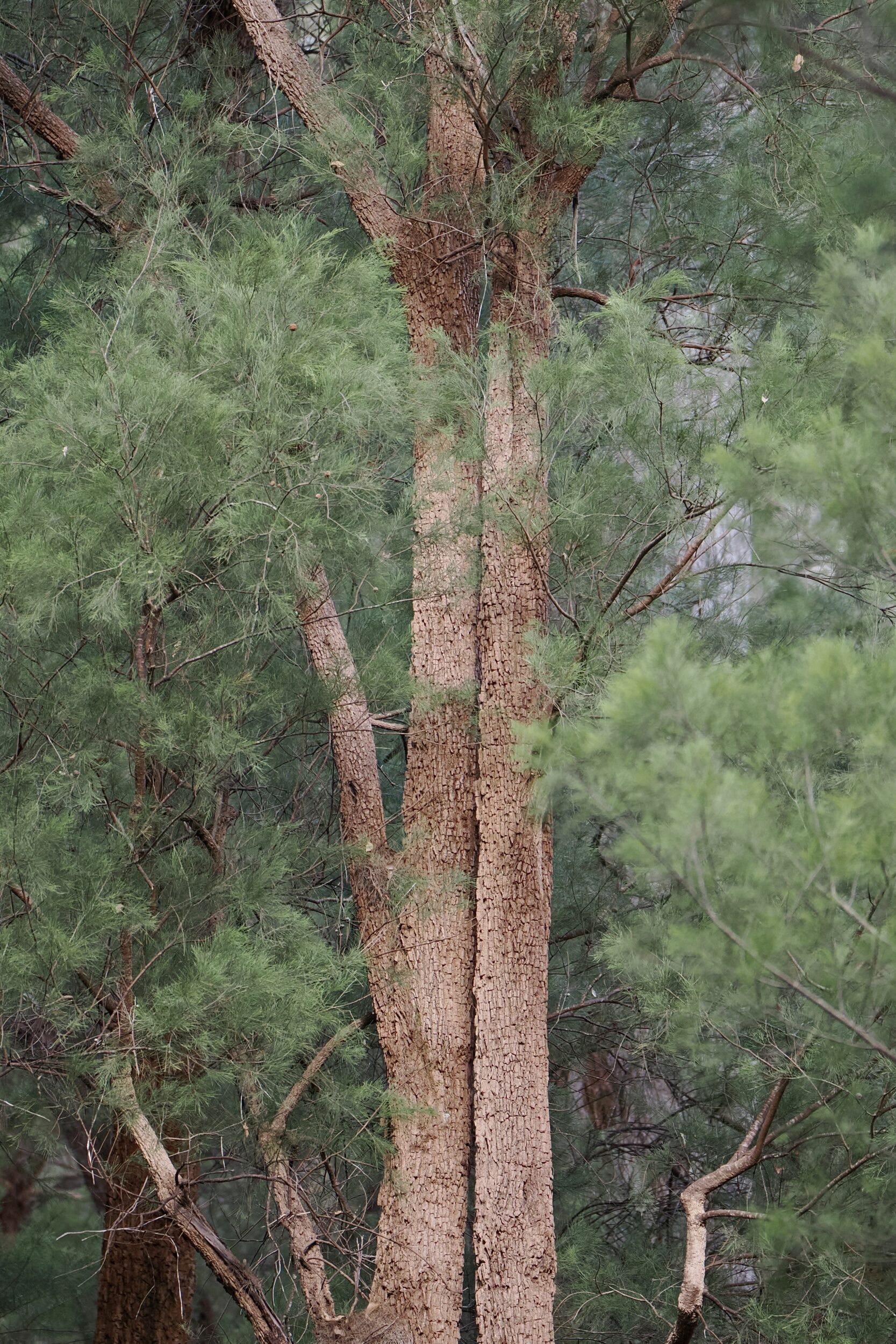
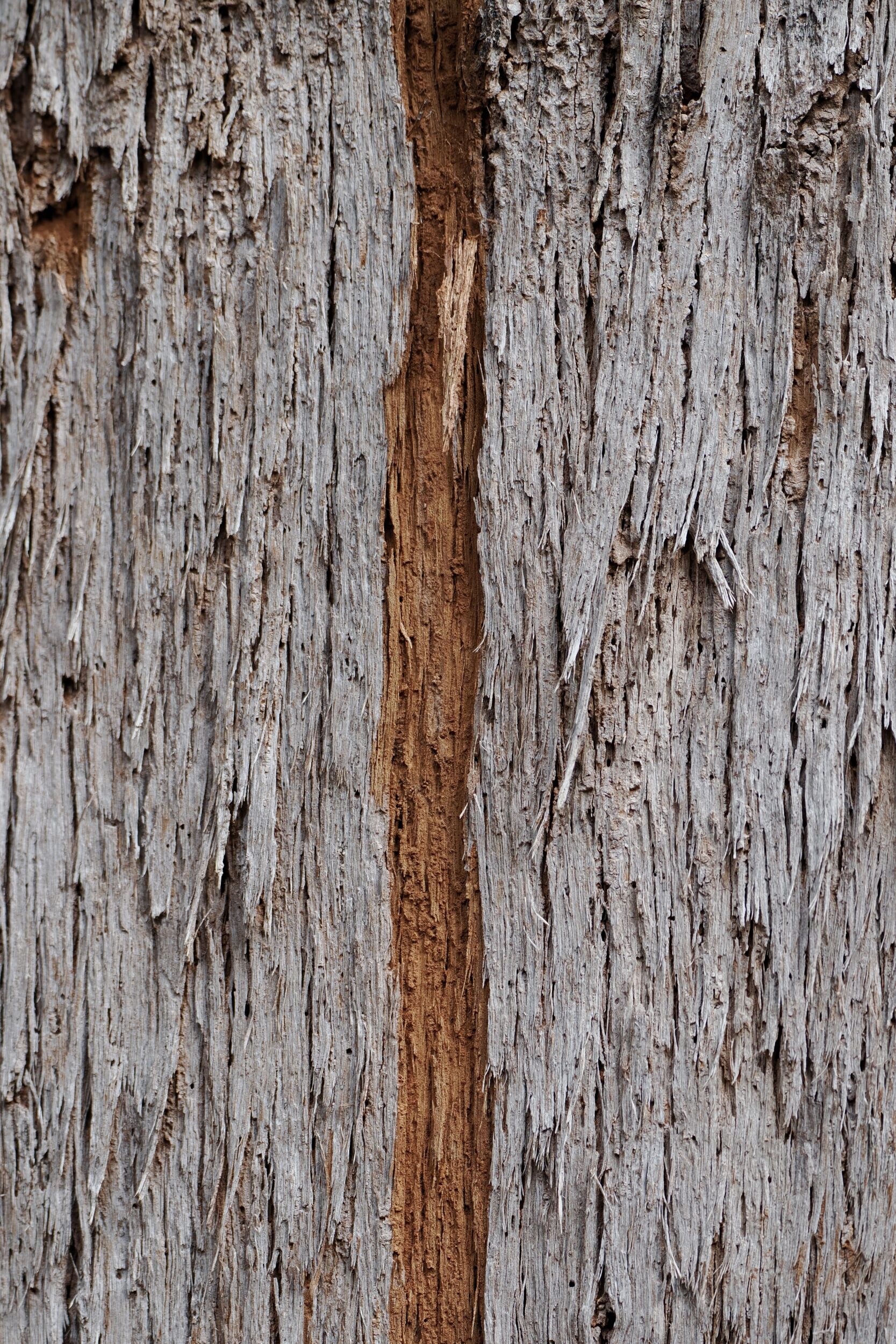
Eucalyptus Jacksonii is one of three Tingle species; the other two are less gigantic, but still very substantial.

All have very thick “skins”, as pictured.

They occur only within the “Walpole Wilderness”.

Like their “biggest brother”, a Rate’s tingle (Eucalyptus brevistylis) or a yellow tingle (Eucalyptus guilfoylei) can live for 400 years.

It appears increasingly likely that no 21st century “newborn” is even remotely likely to attain such a lifespan.

Comments closed

Deep South WA, Feb ‘25 (#34 in series: threatened giants “2”)


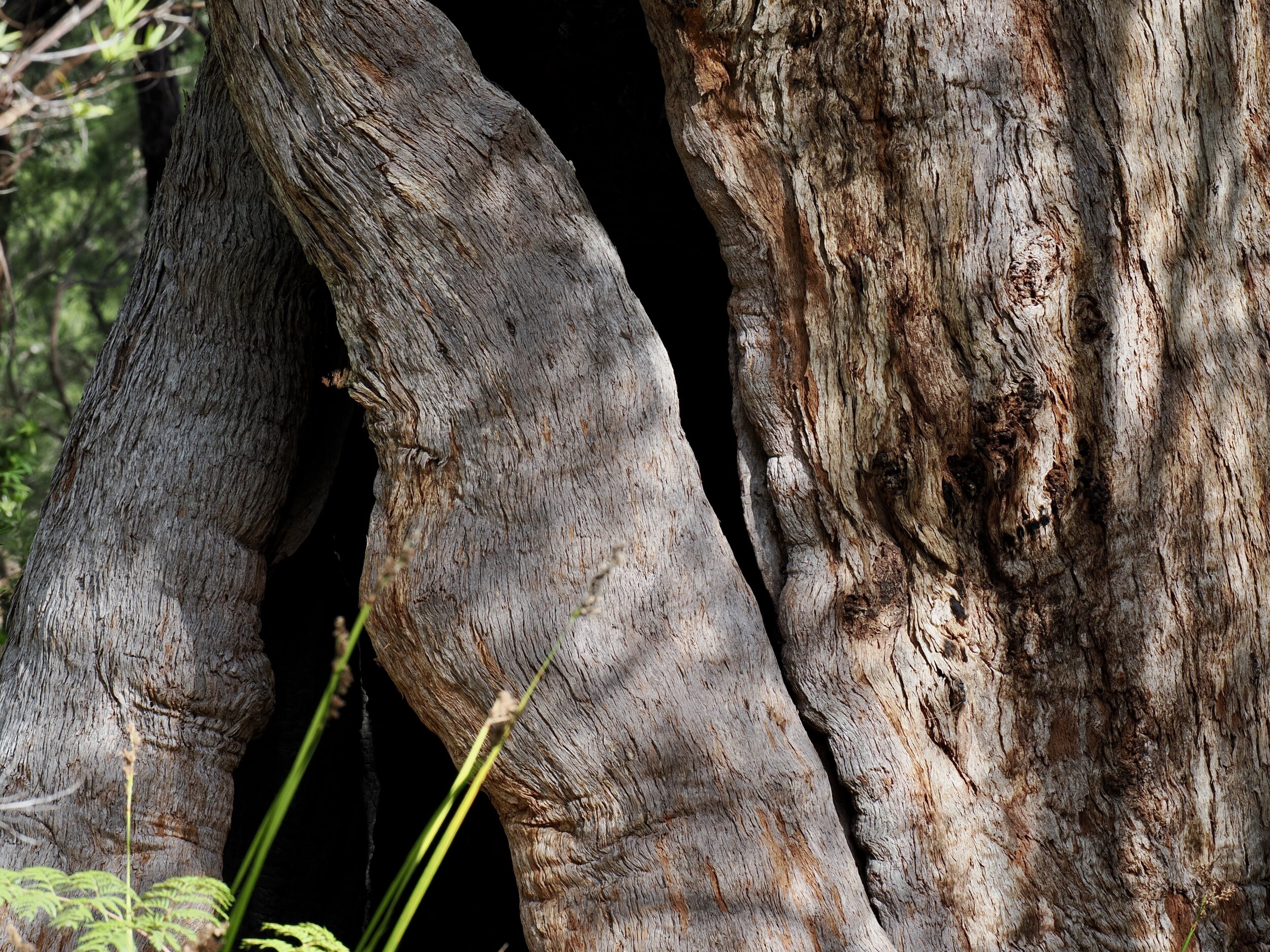
The photo shows part of the base of a Red Tingle, Eucalyptus Jacksonii; no other Eucalypt  attains a greater girth.

The pictured example is not as “obese” as the nearby “Giant Tingle Tree”, but it is also several hundred years old, and massive.

Comments closed

Deep South WA, Feb ‘25 (#33 in series: threatened giants “1”)


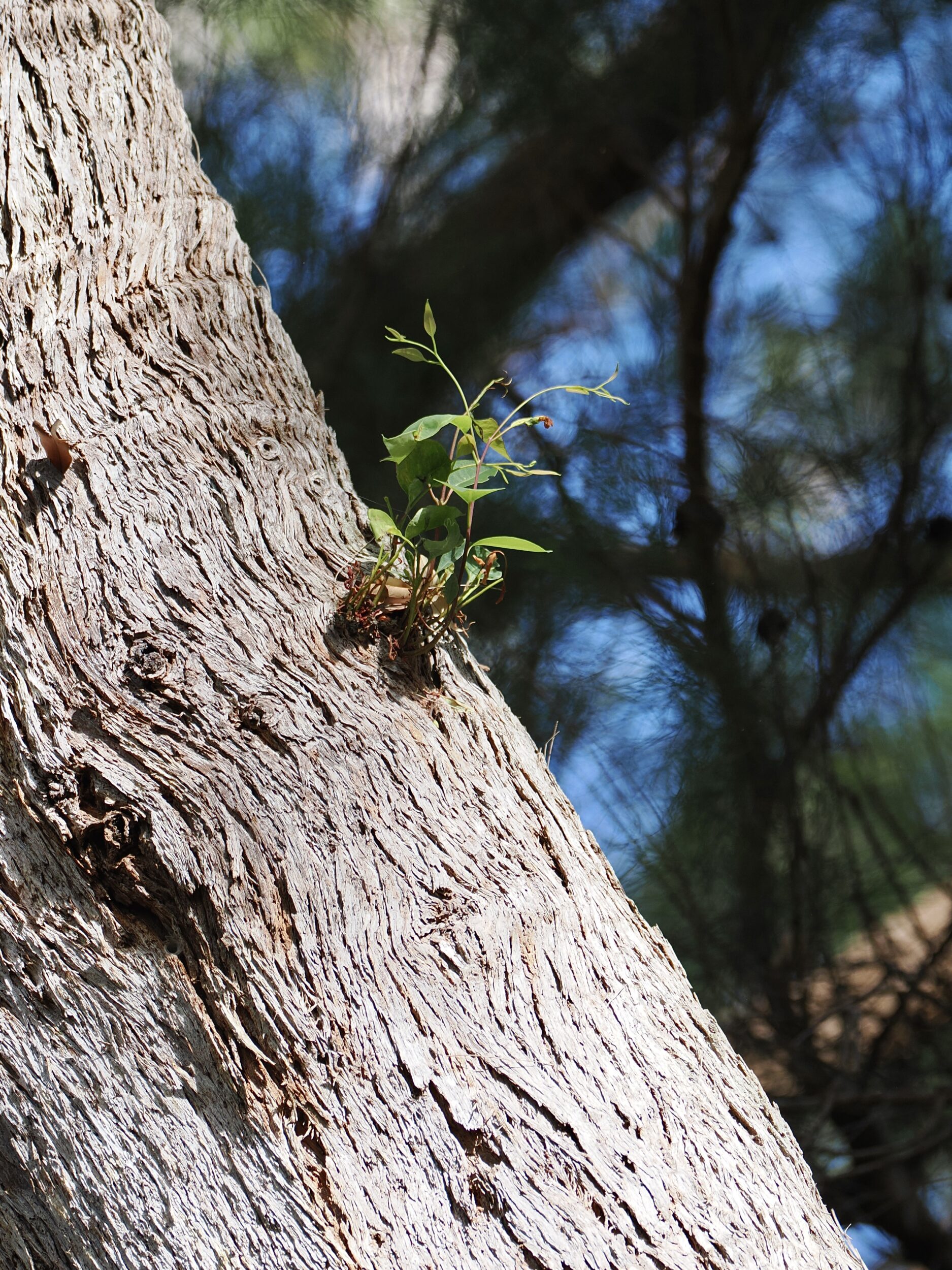
You are looking at new growth on a very old, very large tree.

The Red Tingle – Eucalyptus Jacksonii – is a survivor, just, from a much wetter time.

Its “suitable habitat” has shrunk to a tiny portion of Western Australia’s south coast; almost all of it within Walpole-Nornalup National Park, which contains the wettest part of southern Western Australia.

Comments closed

Deep South WA, Feb ‘25 (#32 in series: “feel the serenity”)


The first two hours of daylight at “our” birdbath were sometimes even more frenetic than was the “afternoon rush” depicted in this series’ previous chapter.

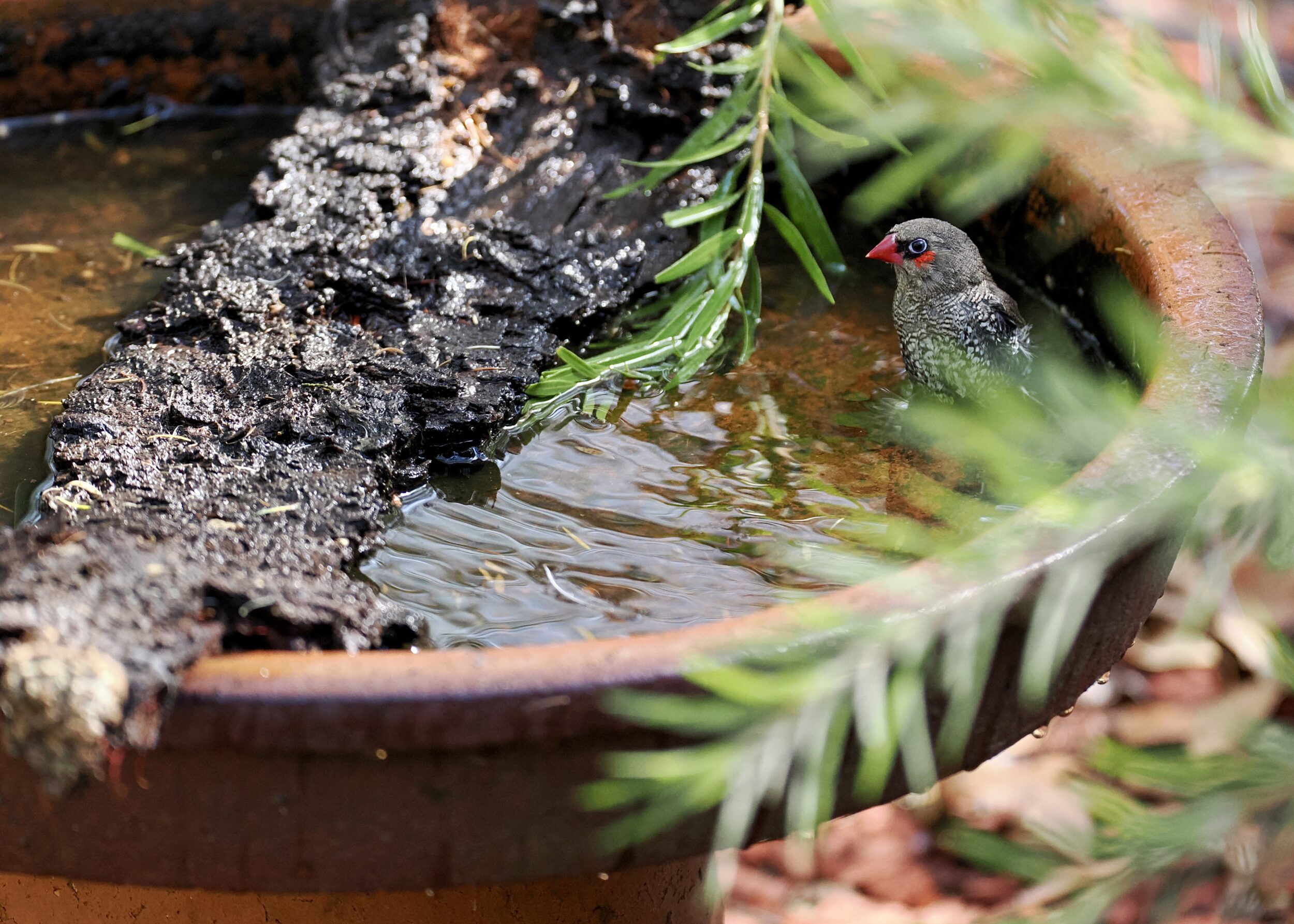
After 8.30 am, however, the “morning peak” had passed, and a reclusive, petite bird could bathe, alone, and enjoy at least a semblance of privacy and calm.

Within a not very large radius of where we were staying is all of the pictured species’ habitat

Comments closed

Deep South WA, Feb ‘25 (#31 in series: “rush hour” at the birdbath)


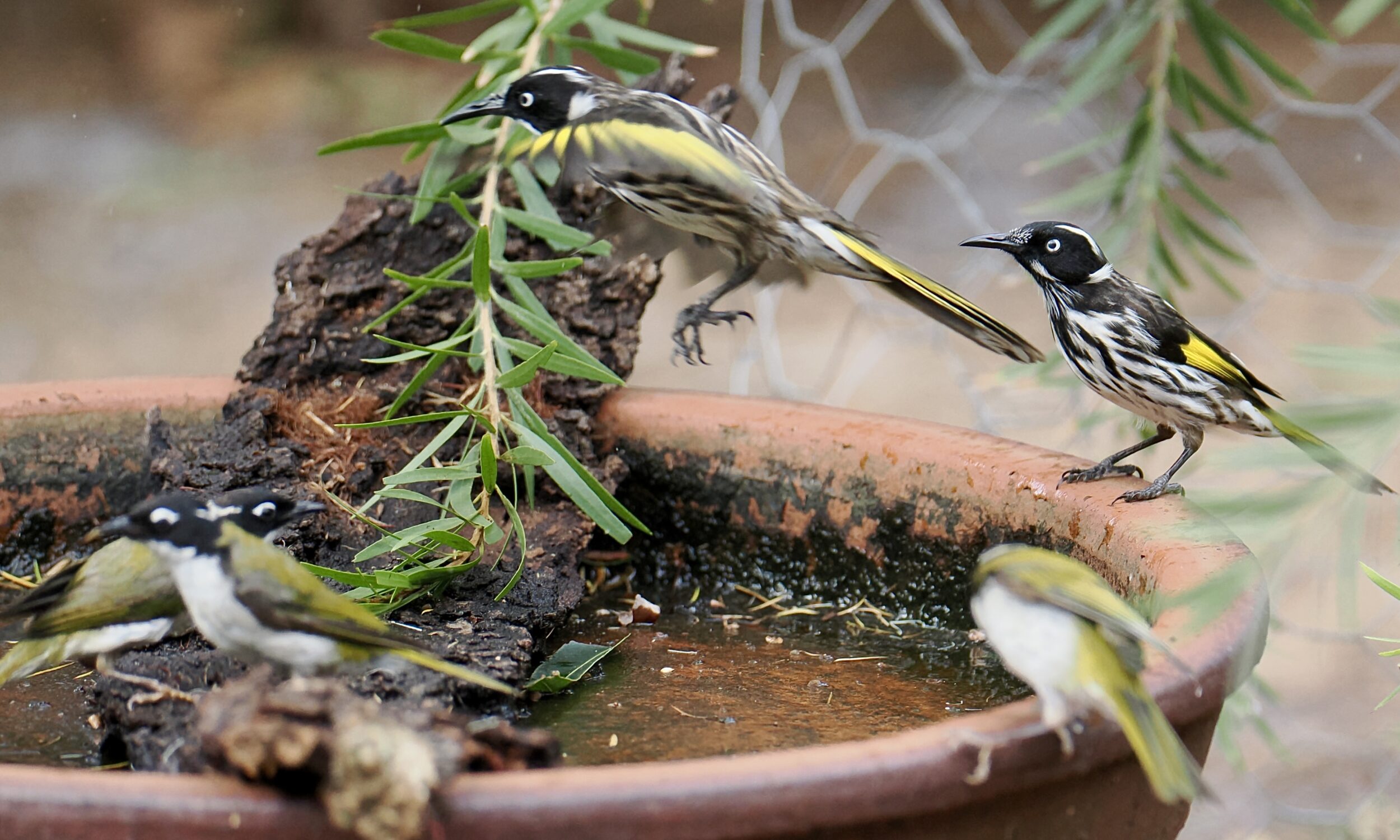
As is true of humans’ bathrooms, bathhouses and drinking venues, other species’ “watering holes” can be a “serene place of refuge” at one time of day, and “mayhem” at another.

On 08 February 2025, 3pm to 4 pm was “peak hour” at the birdbath in front of “our” cottage near Youngs Siding.

It looked sorely in need of an Air Traffic Control Tower!

Comments closed