Skip to content →

Tag: Deep South WA

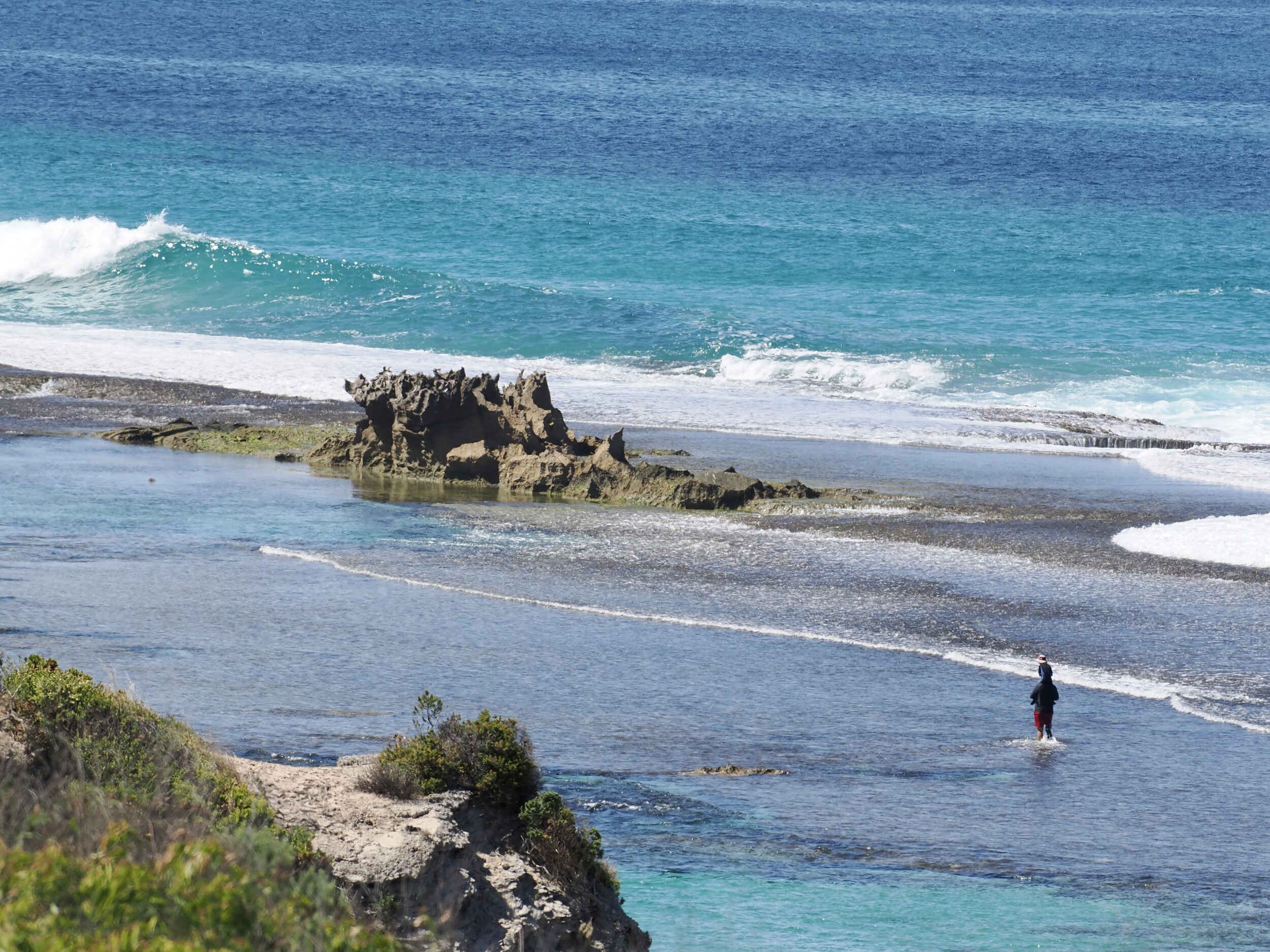
Deep South WA, Feb ‘25 (#10 in series: “secret beach”, from above)


This post’s featured image includes the father-daughter co-stars of #9 in this series,

I took this post’s photo half an hour earlier, at 10.19 am, just after we had parked the car, and just before we headed down to our favourite “secret beach”.

It is immediately east of Anvil Beach.

Mid-morning on 16 February 2025 was “singular” in several respects..

On no other occasion had we seen the sea so flat, off Anvil Beach.

Never before had the car park been so “full”.

And we saw a seal…which had everyone’s approval!

Comments closed
Deep South WA, Feb ‘25 (#9 in series: fishing & fatherhood, with musical bonus)


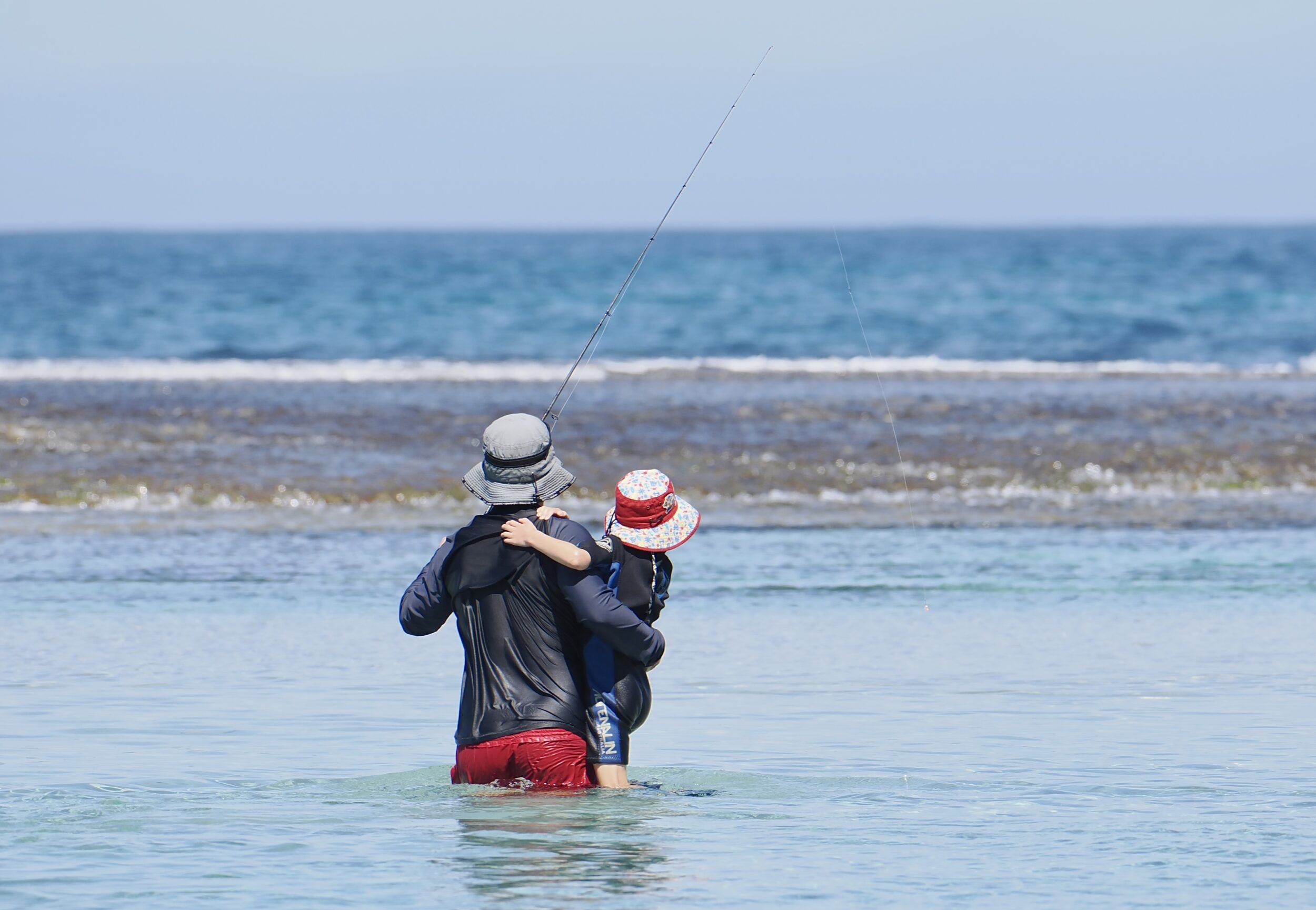
“Stay here with Mom. Dad’s going fishing.”

In the pictured instance no such words had been spoken, nor contemplated.

It was a quiet delight to observe a father who so well understood that “joyful fishing is not just about catching fish”.

Comments closed

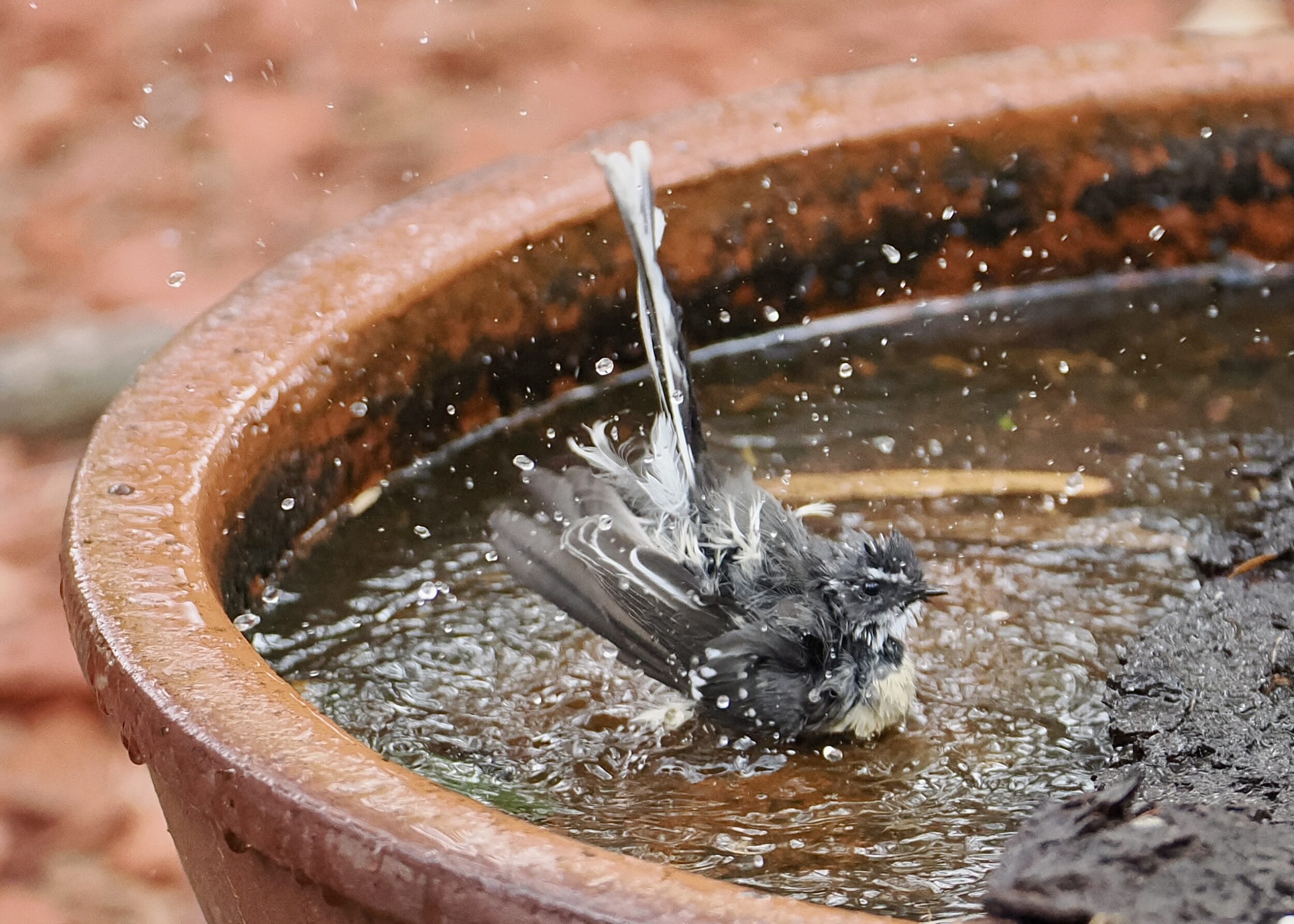
Deep South WA, Feb ‘25 (#8 in series: honeyeaters, drinking)


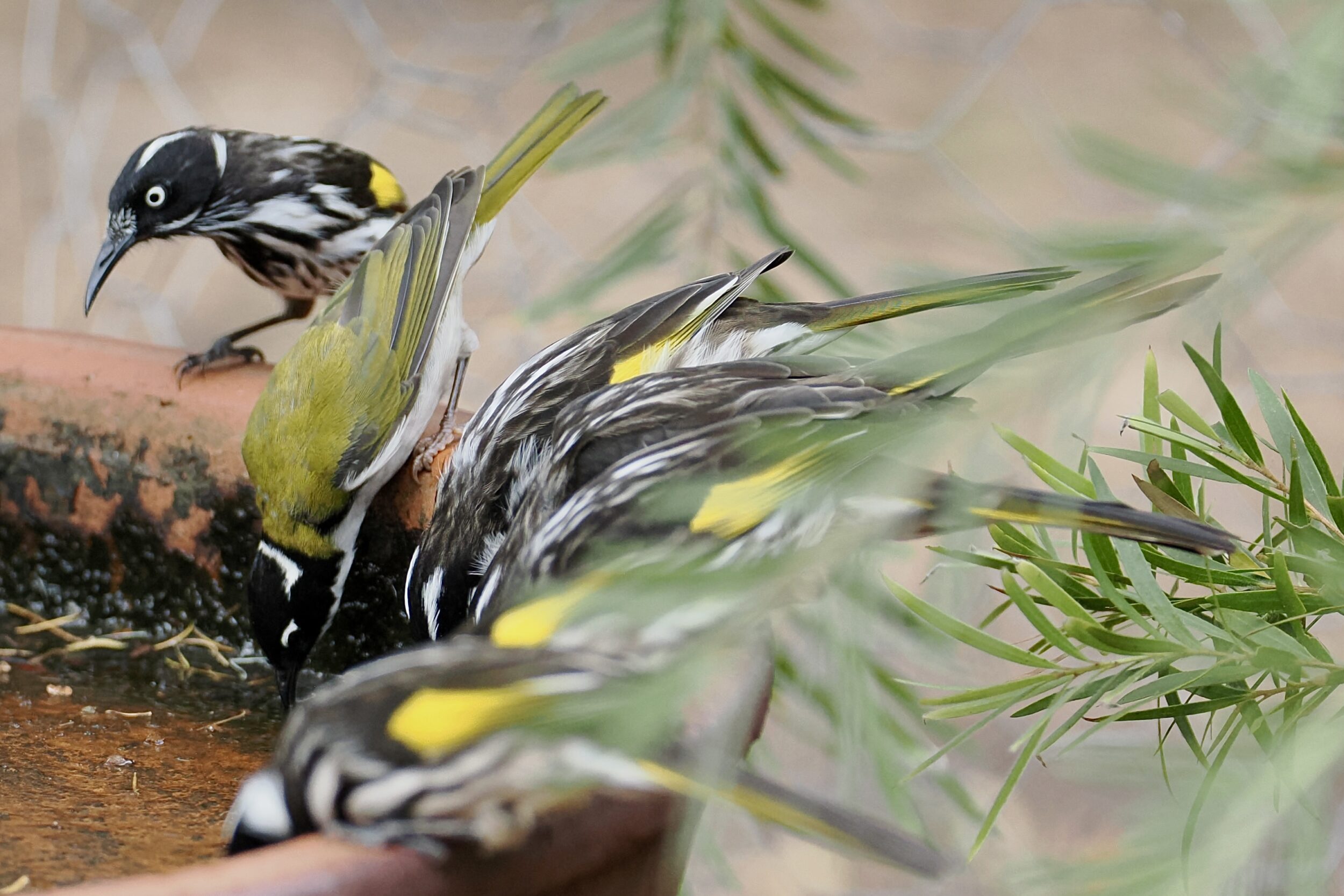
Some birds – individuals & species – prefer to be alone, when drinking or bathing.

Others are happy to “share the facilities”…or they have to share them; flocking birds may be within a group of many – even many thousands – of individuals.

On some afternoons in February 2025 (near Youngs Siding, between Albany & Denmark) the “line up” at the birdbath reminded me of “the six o’clock swill” – an unlovely feature of most Australasian pub “culture” for surprisingly much of the 20th century.

Comments closed

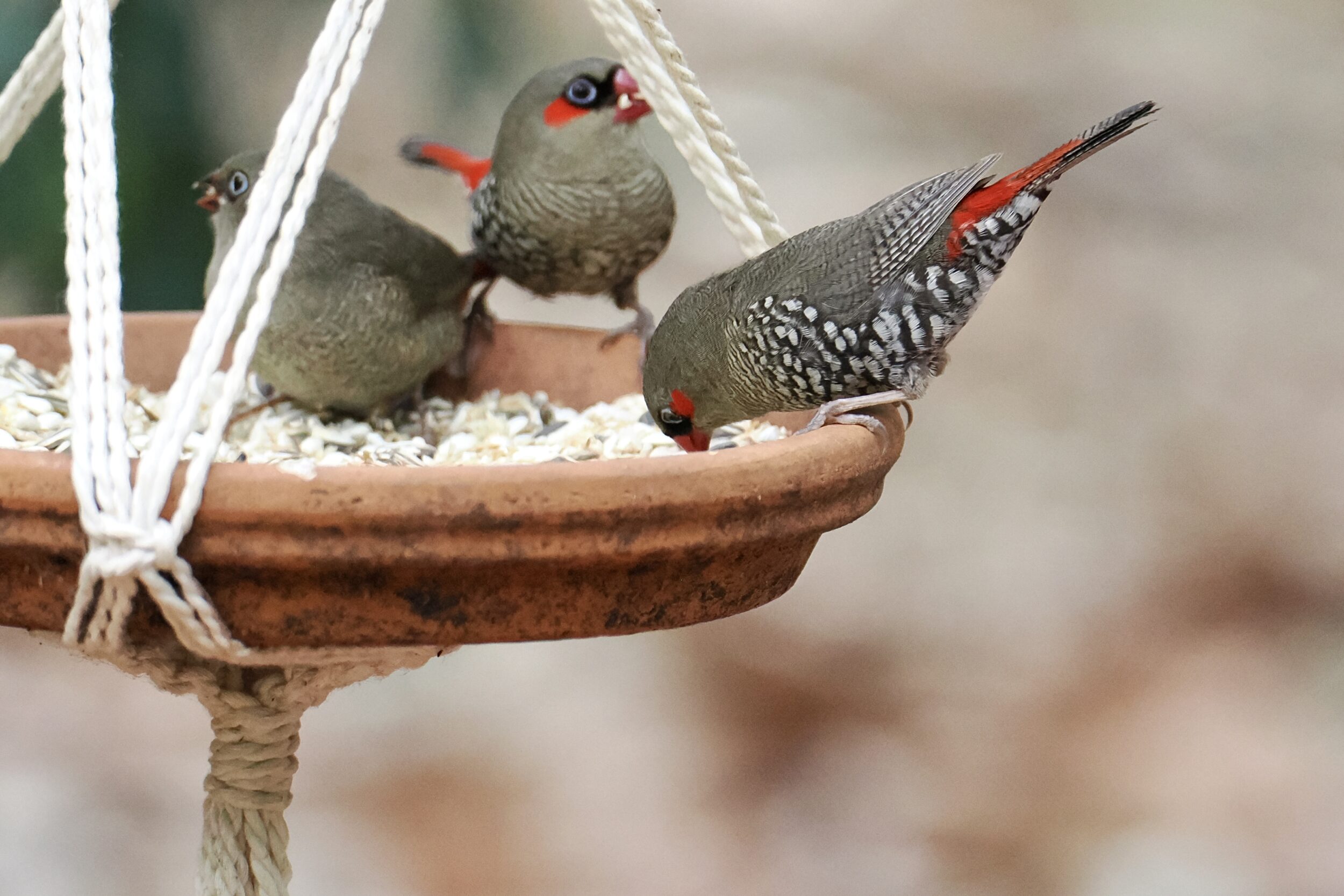
Deep South WA, Feb ‘25 (#7 in series: finches, feeding)


Two descriptions of the pictured, “secretive” species:

Red-eared firetails are usually only glimpsed briefly, if at all, as they move rapidly and discreetly through their habitat. (Wikipedia)

It is a solitary species and is generally found in the most retired spots in the thickets, where its mournful, slowly drawn-out note only serves to add to the loneliness of the place. Its powers of flight, although sometimes rapid, would seem to be feeble, as they are merely employed to remove it from tree to tree. The natives of the mountain districts of Western Australia have a tradition that the first bird of this species speared a dog and drank its blood, and thus obtained its red bill.  (John Gilbert, as cited in John Gould’s Handbook, published in 1865)

Comments closed

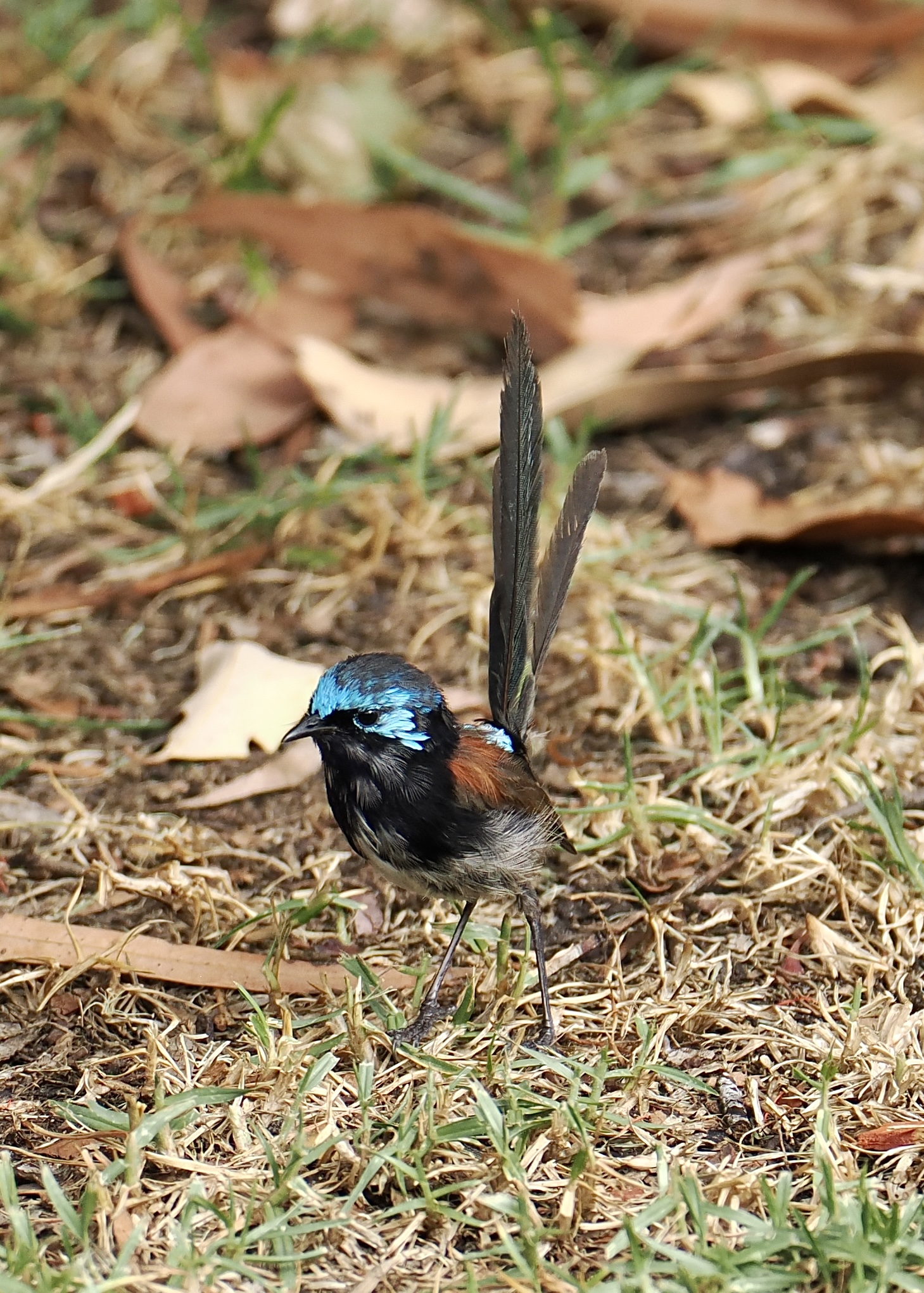
Deep South WA, Feb ‘25 (#5 in series: flaunting it)


No prize for guessing that you are looking at a male of its species.

This species – Malurus elegans, the Red-winged fairywren – can only be looked at in Australia’s southwestern corner.

Shy and secretive. Difficult to observe, says The Complete Guide to Australian Birds.

Comments closed

Deep South WA, Feb ‘25 (#2 in series: Harewood Forest walk)

Harewood Forest is definitely not “virgin”.

Until well into the 19th century it was a pristine, very tall, Karri-dominant forest

By circa 1900 no grand trees remained; all millable timber had been “mined”.

Happily, however, the forest has regrown well.

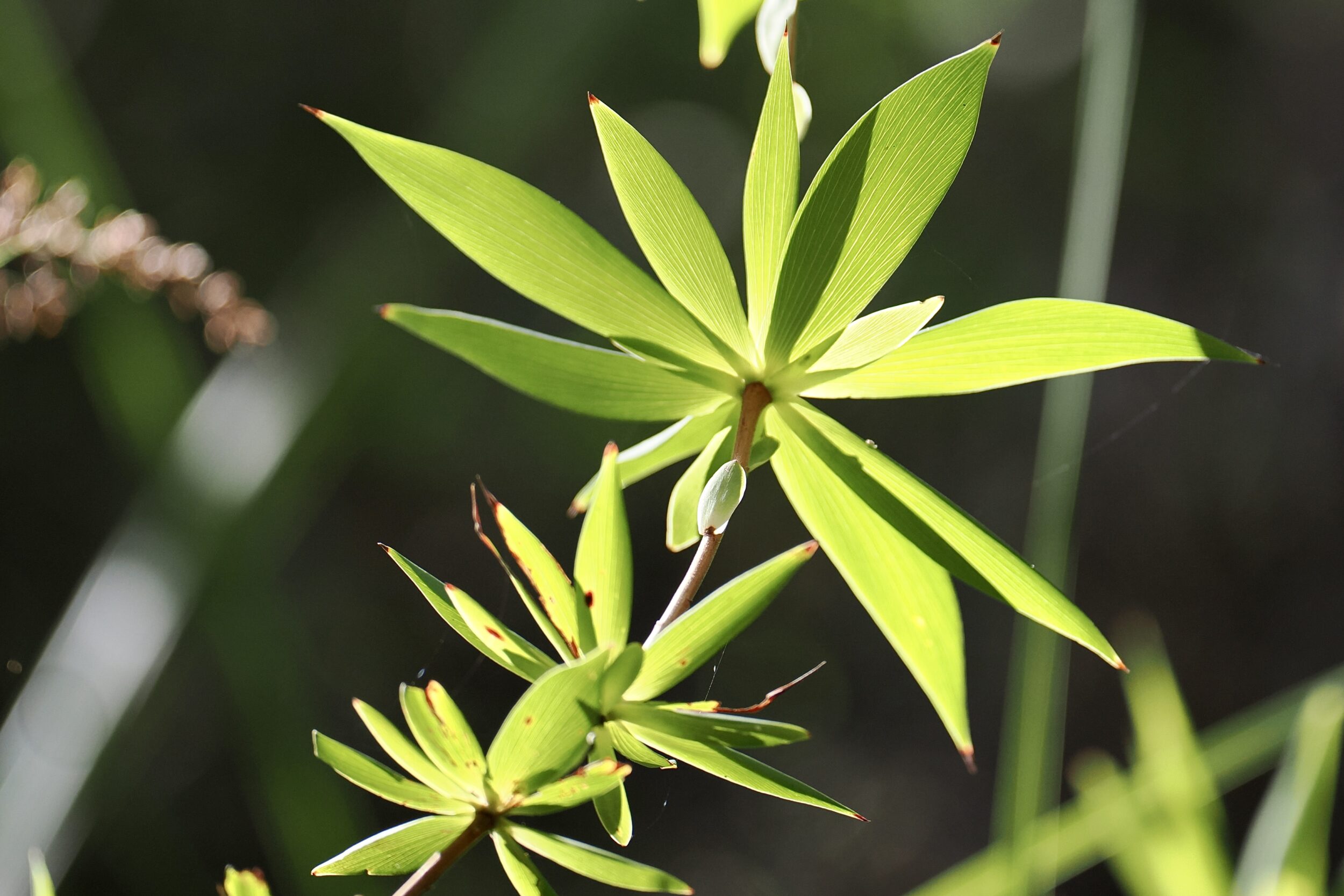
Magnificent as are southwest WA’s tall trees – all, WA-endemic –  they are far from their forests’ only “WA-only”, wonderful/wondrous-strange plants.

Comments closed

Grand sands (final episode: Muttonbird Beach + musical bonus)


Where else in the world could one be less than 20 kilometres distant from an eminently civilised town of more than 40,000 permanent residents (plus a large number of tourists) , and enjoy the pictured experience?

My beloved and I are not visible in the featured image.

It does, however, show all other humans present at Muttonbird Beach during the late afternoon “golden hour” on 21 March 2021.

To reach this glorious, safe-swimming spot, on a perfect “beach day”, we drove for less than 30 minutes, on good roads…

Comments closed