Skip to content →

Tag: Granada

Morocco & Andalucia: “characteristic” (#17 in series: flamenco..with musical bonus)


In 2010 UNESCO inscribed flamenco on its “Representative List of the Intangible Cultural Heritage of Humanity”:

(Gnawa was added to that list in 2019)

A lot of mostly-awful, so-called “flamenco” is not remotely actual flamenco,

Outside Spain, most recordings marketed as flamenco are merely “flamenco”-flavoured pap; their makers & marketers know little about the real thing, and have no passion for it.

Virtuosic dancing, singing and playing (hands & feet are key instruments too – not just guitars), in-the-moment interplay, and improvisatory flair are equally key elements …as is duende.

Without duende  – an “untranslatable” word that denotes an abundance of intent/spirit/heart/presence-in-the-moment – flamenco has no raison d’être.

It is no small miracle that genuine flamenco continues to thrive in its “cradle”: Andalucia.

Comments closed
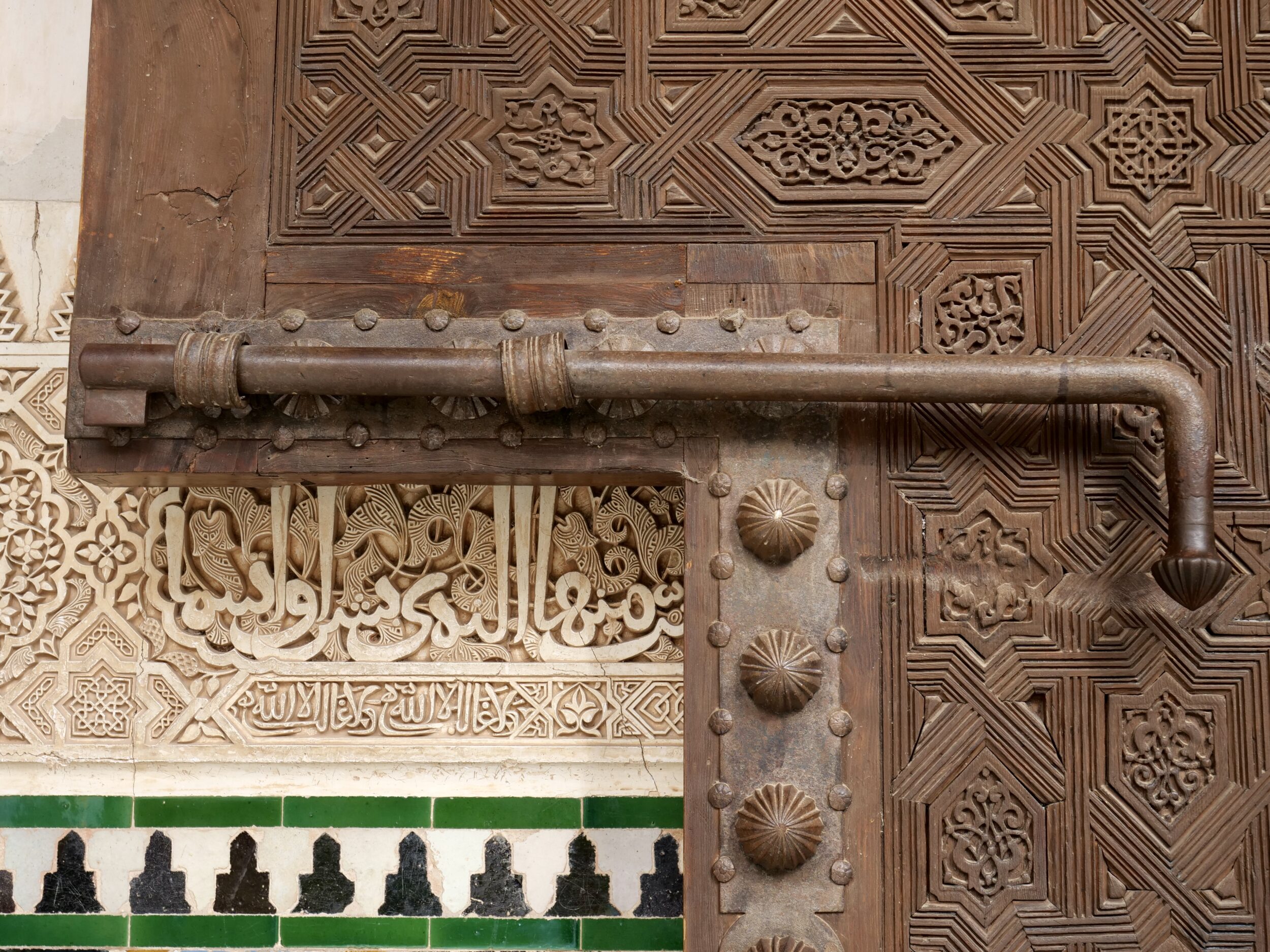
Morocco & Andalucia: “characteristic”: #15 in series: ornamentation “2”)


The Alhambra in Granada is one of the world’s man-made wonders.

Spain’s #1 tourist attraction is usually described as a “fortress and palace complex”.

Its structures span several centuries, and both “Moorish” and “Christian” Spain.

At its peak, in the 14th century CE – prior to late 15th century “Christian” Spain’s Reconquista – the Alhambra was a very sophisticated hilltop city in its own right, distinct from Granada-proper.

The Nasrid Palaces are the most glorious legacy of that period.

Collectively, their interior spaces (including walls and ceilings) are very probably “our”  planet’s most exquisite.

Almost every inch therein rewards close attention.

Comments closed

Morocco & Andalucia: “characteristic” (#12 in series: mighty walls “1”)


If you are partial to “historic”, imposing, dramatically situated fortresses, you will find Morocco and Spain very rewarding destinations.

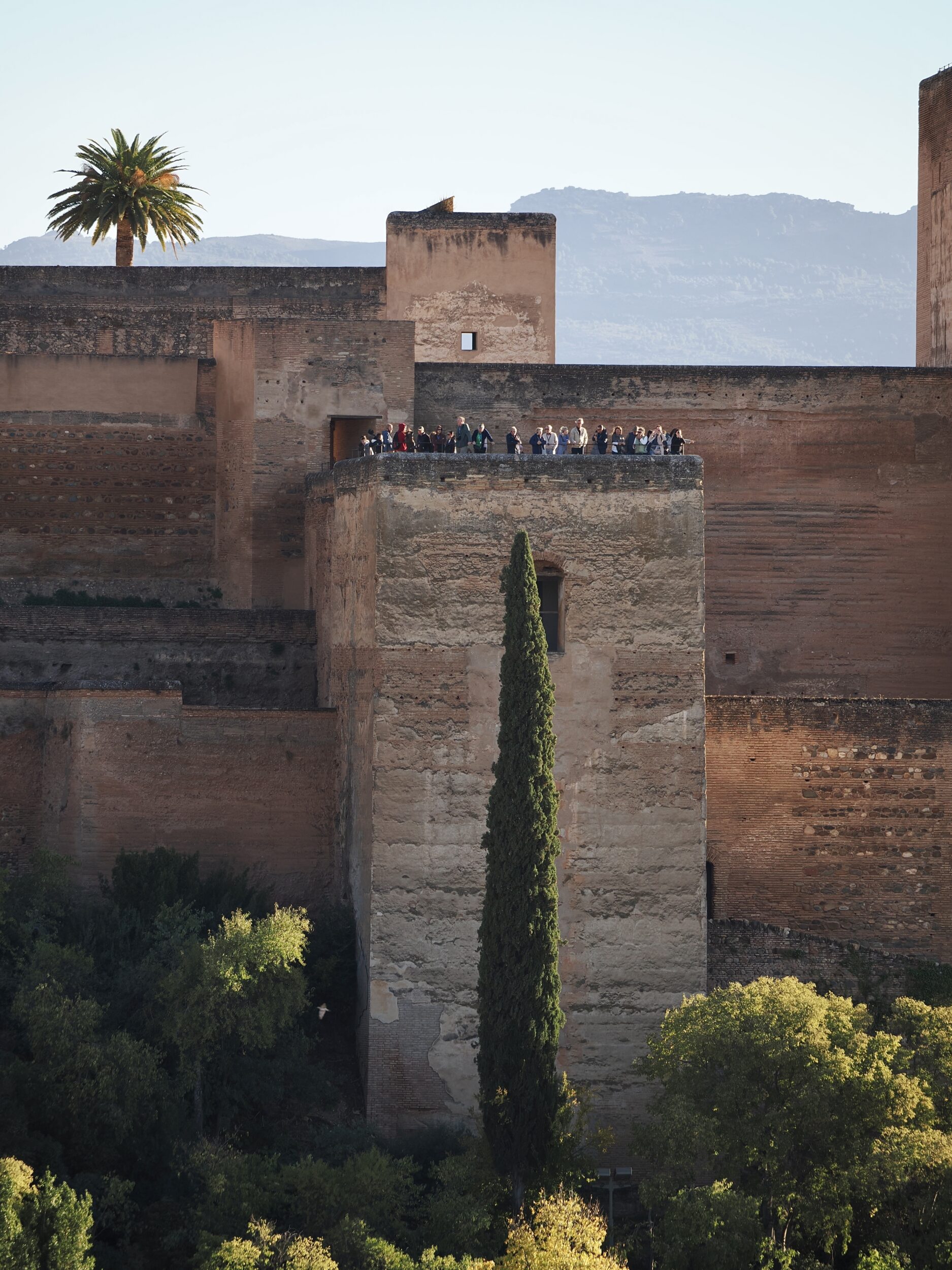
Pictured above, bathed in autumnal late afternoon light, is part of the Alcazabar – the Alhambra’s fortress, which is also its oldest (surviving) section.

The Alcazabar was built by Granada’s Moorish rulers, nearly 800 years ago.

After the Reconquista of 1492 further modifications and additions were made by the “restored” Spanish Catholic regime.

Since 1975 – and the end of Franco’s Catholic-accented dictatorship – global tourism has “conquered”  Granada.

2 Comments

Morocco & Andalucia: “characteristic” (# 7 in series: altitude & climate “1”)

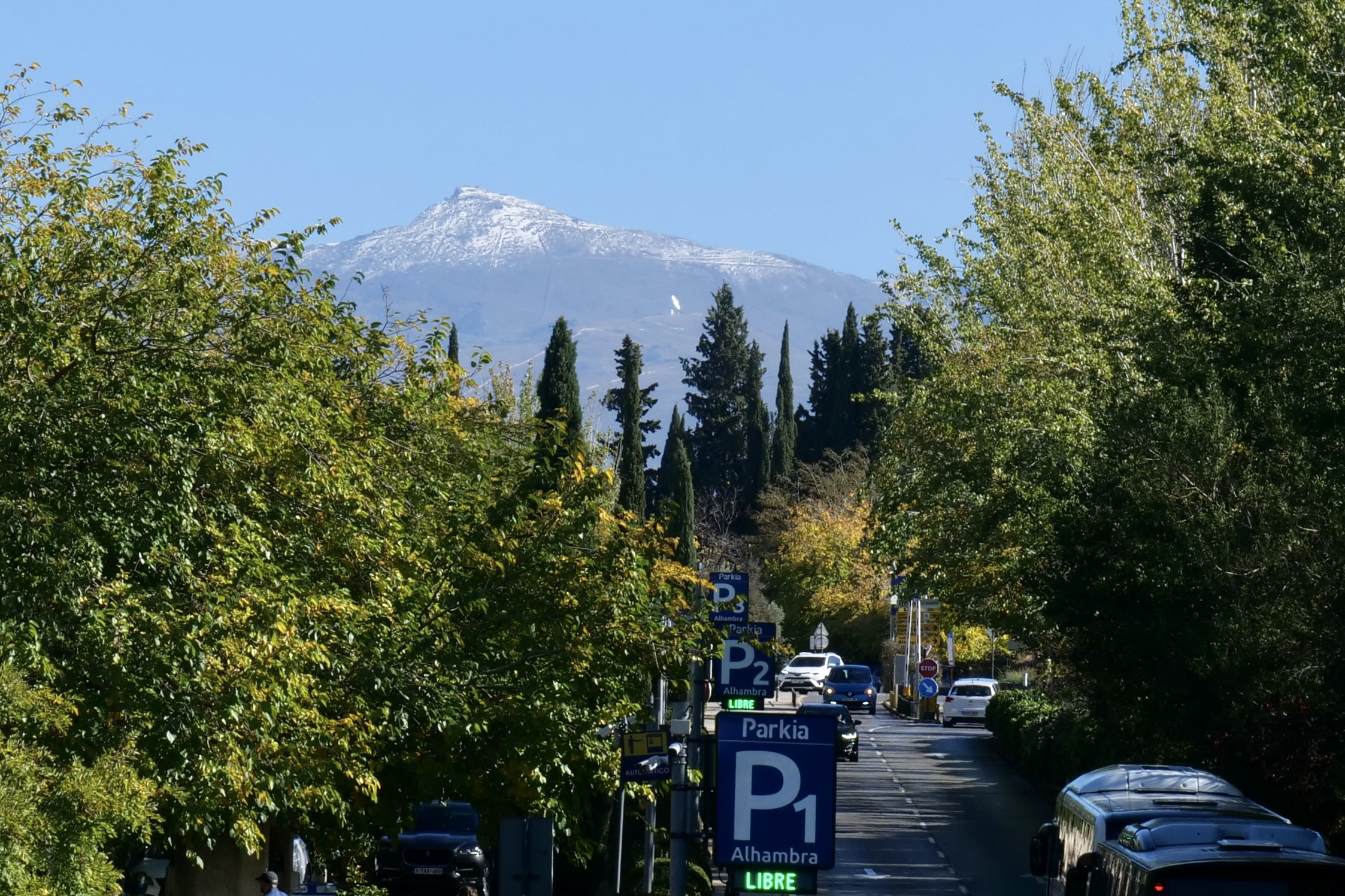
I took the photo in Granada, Andalucia, on the afternoon of 03 November 2025.

My vantage point was near the “main gate” to Spain’s #1 tourist attraction.

The urban ground on which I stood was probably just a little higher than is the highest point in “The Adelaide Hills”; Mt Lofty Summit  is 710 metres above sea level.

As a child, I regarded Mt Lofty as a “mountain”; for my first seven years it was the loftiest peak I had ever seen…or reached.

Pictured with a recent “dusting” of autumn snow, the high point in this post’s photo is Veleta.

Veleta’s summit is a very few metres shy of 3,400 metres; it is the Sierra Nevada’s second highest peak, and the entire Iberian Peninsula’s third highest point.

Spain is a much “higher” nation than most Australians imagine!

Comments closed

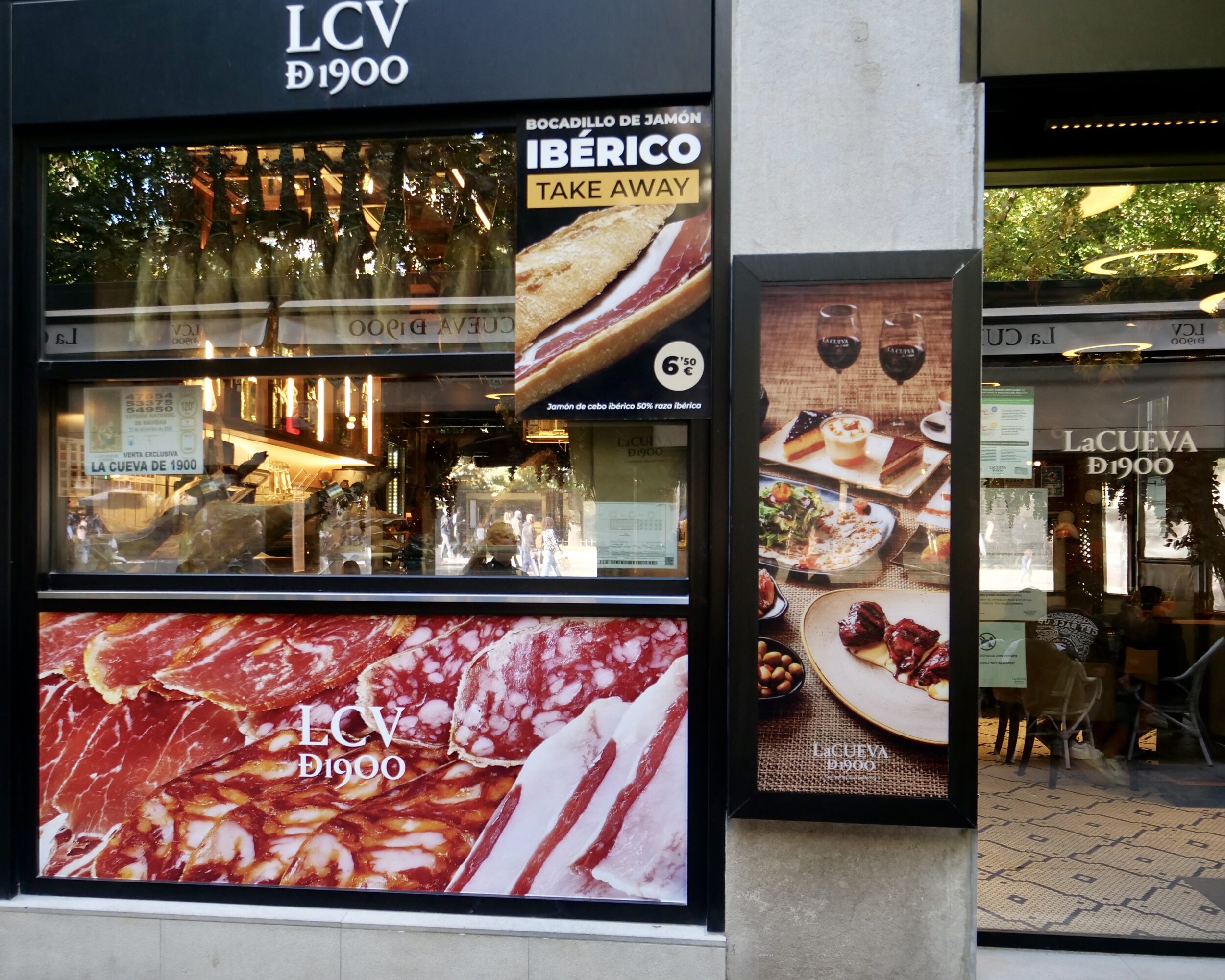
Morocco & Andalucia: “characteristic” (#6 in series: delicious pig)


This post’s “characteristic” is not shared with Morocco.

More than two thousand years ago Roman invaders enthused about the particular excellence of Iberian pork, most especially that from black pigs which ate acorns.

In 2025 Spain is almost certainly the world’s most “porkophiliac” nation.

For visitors who like to eat pigs, Spain is an unbeatable destination.

Q: What do the finest air-cured hams I have ever eaten, the best woodfired pork I have ever tasted and the most delicious slow-cooked pork dish I have ever encountered have in common?

A: All were eaten in Spain.

Sheer excellence is not the only reason that – via la Reconquista –  pork came to reign in the cuisine of Spain.

The Spanish Inquisition also played a key role!

Comments closed

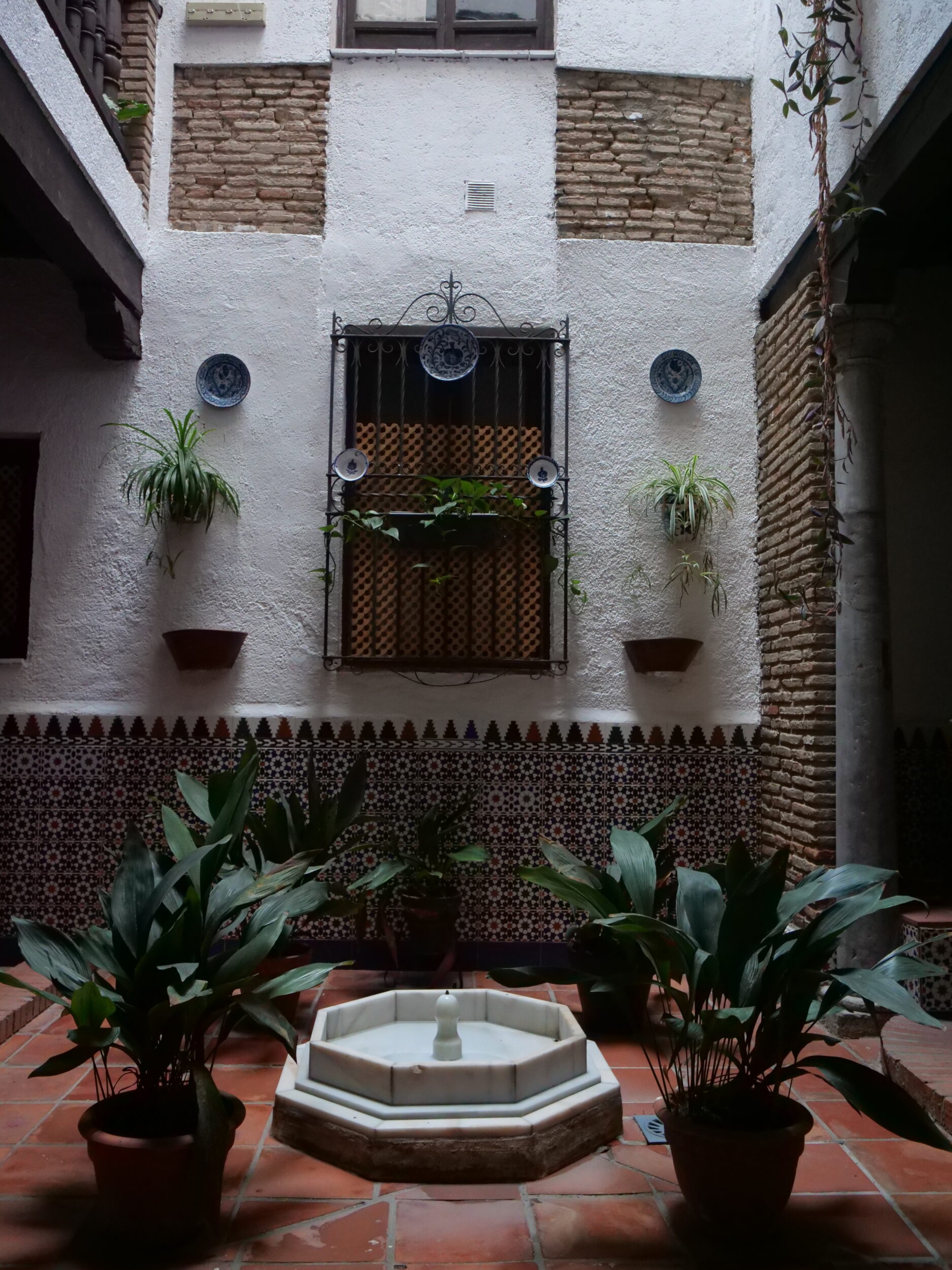
Morocco & Andalucia: “characteristic” (#3 in series: inward-looking “1” – Granada)


In much of Spain and Morocco it is very hot for a deal of the year.

This, in large part, explains why many wealthy persons’ houses traditionally had few external windows, very small ones, or absolutely none.

Many such houses had very thick walls, with “surprisingly” plain exterior surfaces.

These houses look in, not out.

Their rooms face a well-shaded courtyard.

Invariably, that courtyard has plants and a water feature; usually, it includes various, oft-beautiful decorative elements. The decorations may be very spare, or highly intricate/elaborate.

The pictured example is in Granada, Spain,

Comments closed

Signage & Signification (final in series: a Spanish hotel’s pointed reminder to guests from the USA)


Actually, two continents comprise most of the Americas, but the Spanish hotelier’s point is well-made.

I suspect that few guests from the USA even notice the “writing on the hotel lobby wall”,  let alone grasp its message.

This hotel has a most “unlikely” name, given its quintessentially Andalusian location.

The Hotel America has 17 rooms and a (good) courtyard restaurant which serves homestyle Granadan food.

Comments closed