Skip to content →

Tag: karri

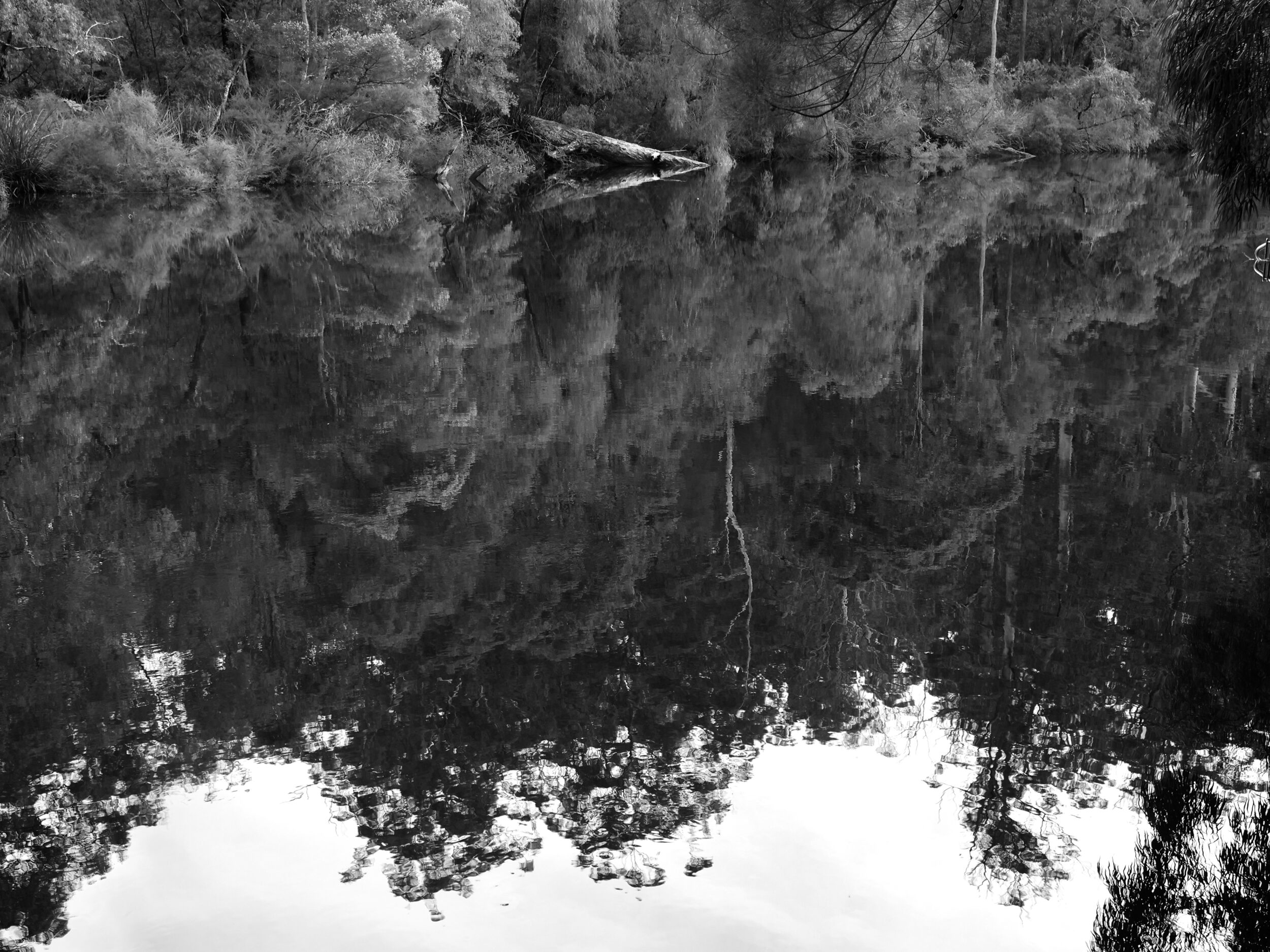
Winter 2025, South West WA (#15 in series: river as mirror)


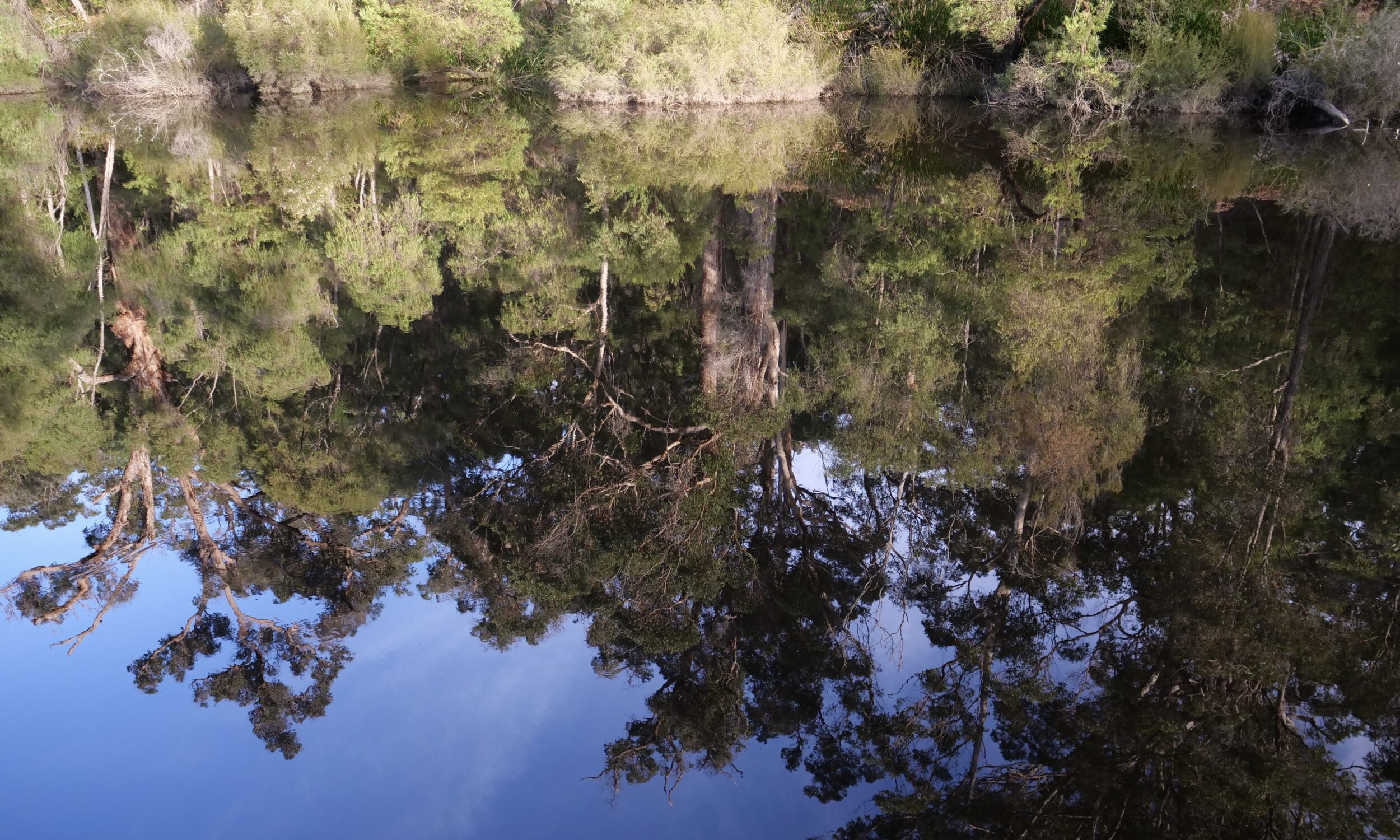
30 minutes on from the taking of the previous chapter’s photos, we were just a little further upstream.

The sun was low in the sky, which was still mostly-blue – or had again become so.

Briefly, no wind was blowing.

This particular stretch of the Warren River was now almost-entirely unruffled.

Comments closed

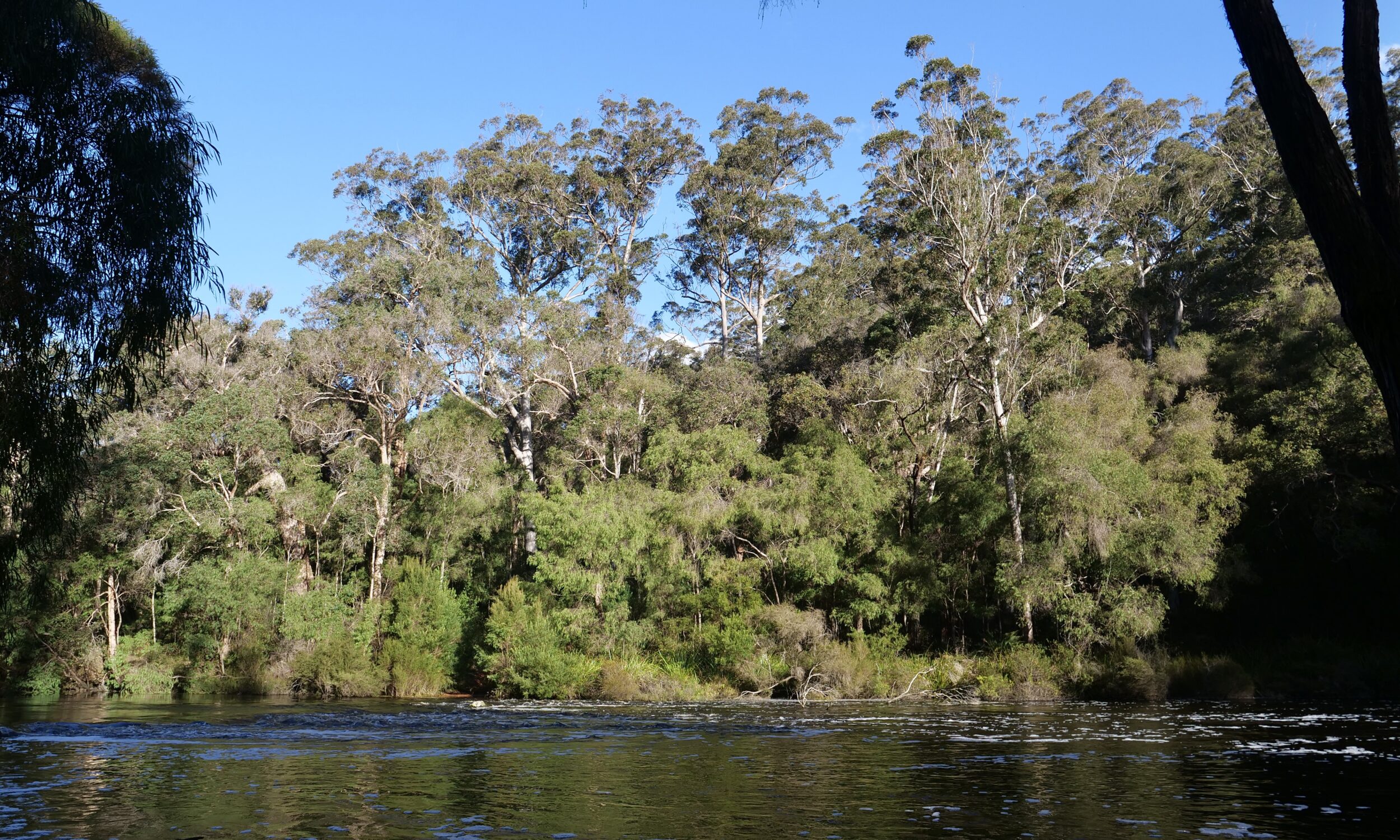
Winter 2025, South West WA (#14 in series: watching the river flow)


In Warren National Park on the afternoon of 18 September 2025 the weather was highly dynamic.

Whatever was your favourite kind of winter weather – windy or calm, raining or dry, sunny or overcast – you could reasonably expect at least one fleeting dose of it within the space of a single hour.

This post shows the Warren River, the forest through which it flows and the sky above, as they appeared at 4.20 and 4.21 pm.

Comments closed

Winter 2025, South West WA, (#9 in series: Karri forest – colour & monochrome)


Western Australia’s tallest tree species naturally occurs only in a small, relatively wet portion of the state’s southwest.

Karri – Eucalyptus diversicolour – is one of Australia’s tall Eucalypts; collectively, they are the world’s tallest flowering plants.

Karri is not the tallest of them, but the biggest karri trees are among “our” planet’s  most massive living individuals.

Counter-intuitive, but true: Europe’s tallest (reliably measured)  tree is a karri, planted circa 130 years ago in Portugal.

The Karri Knight (circa 75 metres) is a little shorter than is the tallest WA-resident karri.

Virgin karri forest is extraordinarily beautiful, and can only be experienced in a small number of Western Australian places.

Warren National Park has no peer, at least among those which are readily 2WD-accessible.
Comments closed

Deep South WA, Feb ‘25 (#21 in series: Porongurup “4”)


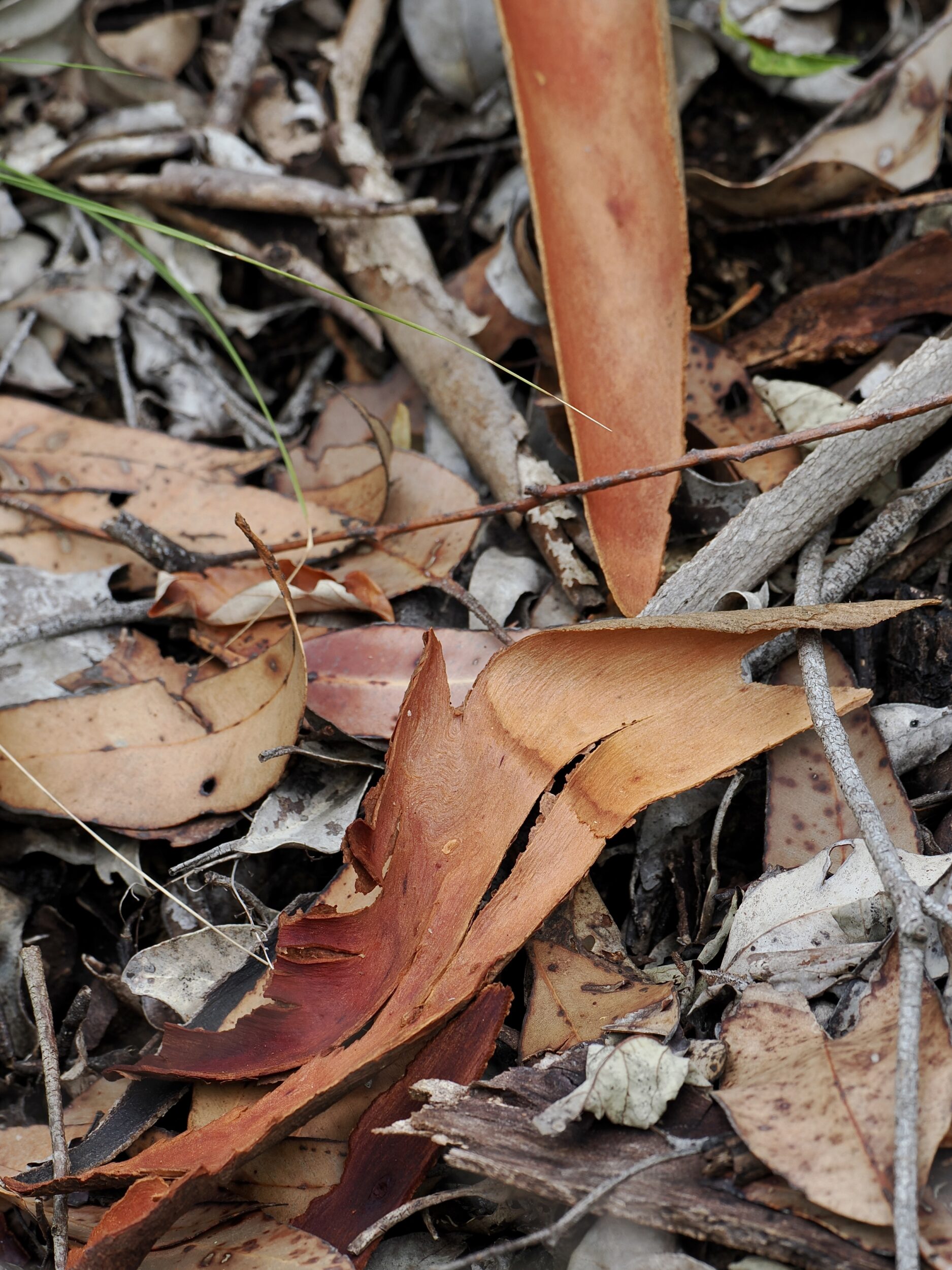
A forest floor’s “natural abstracts” often delight me rather more than do some allegedly “iconic” abstract artworks on “important” galleries’ walls.

As is true of all photos in the current series’ “Porongurup” sequence, the photo is ©️ Doug Spencer, & was taken in mid-afternoon of 12 February 2025, on the northern side of Porongurup National Park.

Comments closed

Deep South WA, Feb ‘25 (#20 in series: Porongurup “3”)

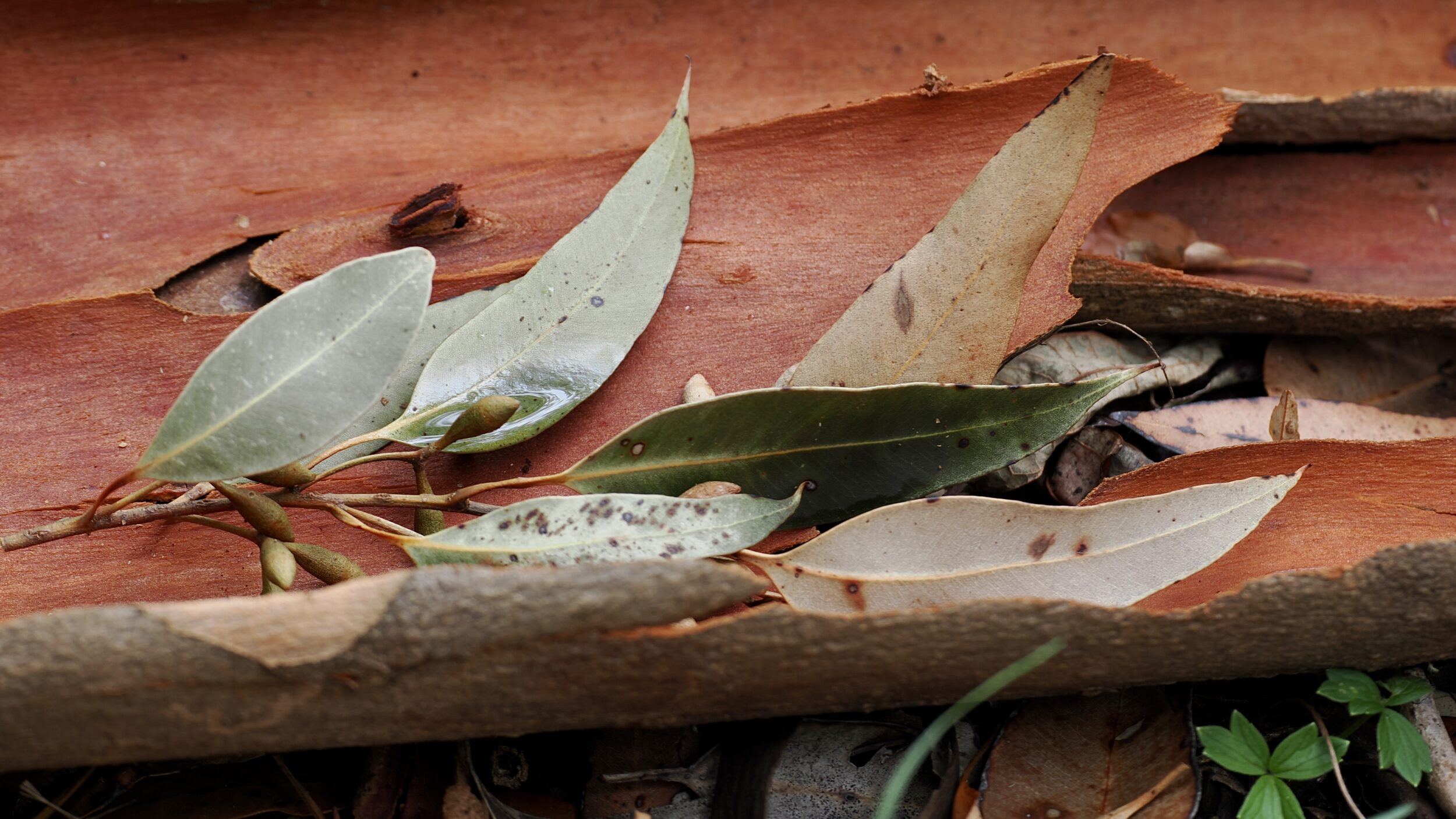
Any forest’s floor will repay your close attention, at any time.

This is true even when an unusually-prolonged dry spell has ensured that on this day the relevant forest will fail to deliver its usual visual treat in the “fungi department”.

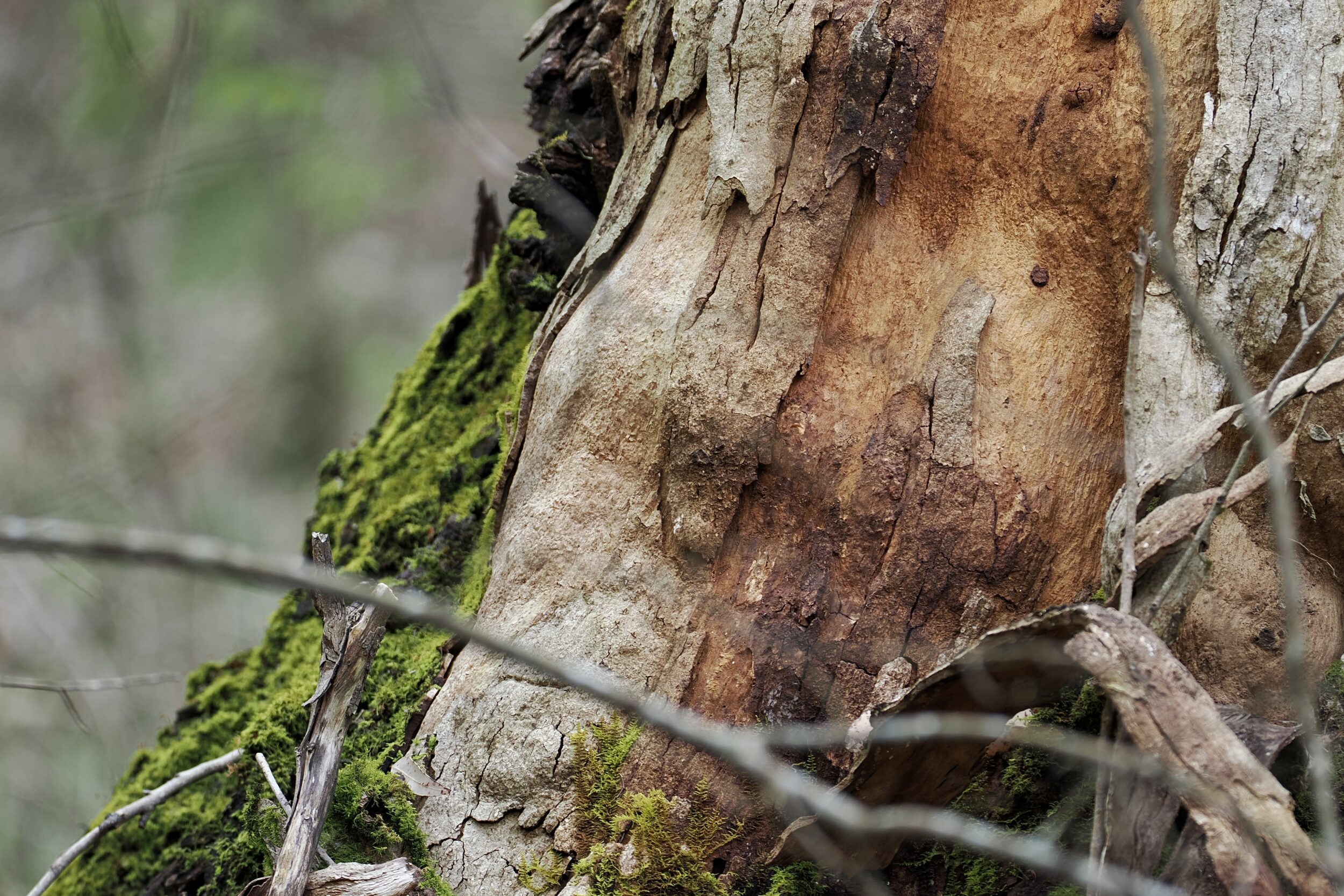
However, in the “Karri trees’ annual exfoliation department” all was as it should be on 12 February 2025 in Porongurup National Park.

Comments closed

Deep South WA, Feb ‘25 (#19 in series: Porongurup “2”)


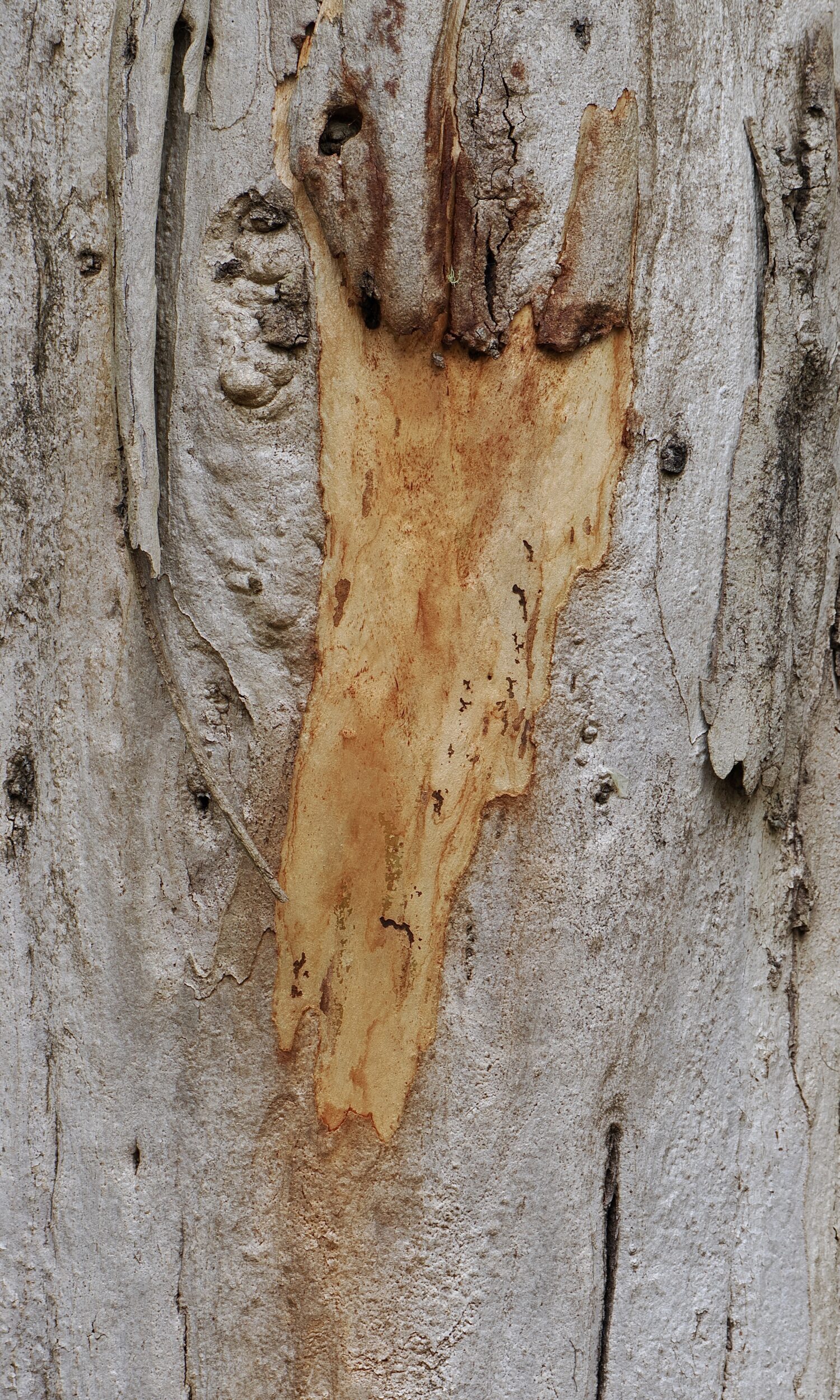
You are looking at the “skin” on a venerable Karri’s trunk, as it was on the afternoon of 12 February 2025.

Six months earlier – or six months later – it would have looked remarkably different, in both colour and texture.

Karri shed and renew their bark in an annual cycle.

“Karri loam” – the particular soil type in which Karri trees grow – is primarily composed of decomposed Karri bark!

Comments closed

Deep South WA, Feb ‘25 (#18 in series: Porongurup “1”)


This series has more birds, but not just yet; the next several episodes look at details of a forest.

These chapters are the fruit of a short walk on a wintry summer’s day.

50 kilometres northeast of Albany, the Porongurups are a “modest” mountain range – only about 15 kilometres long.

They rise no higher than 670 metres ASL, but have enough altitude – and are close enough to the Southern Ocean – to create their own microclimate.

The Porongurups are much cooler and also very much more moist than is everywhere else within sight of them.

They are remnants of what, more than one billion years ago, were much mightier mountains.

Comments closed

Deep South WA, Feb ‘25 (#2 in series: Harewood Forest walk)

Harewood Forest is definitely not “virgin”.

Until well into the 19th century it was a pristine, very tall, Karri-dominant forest

By circa 1900 no grand trees remained; all millable timber had been “mined”.

Happily, however, the forest has regrown well.

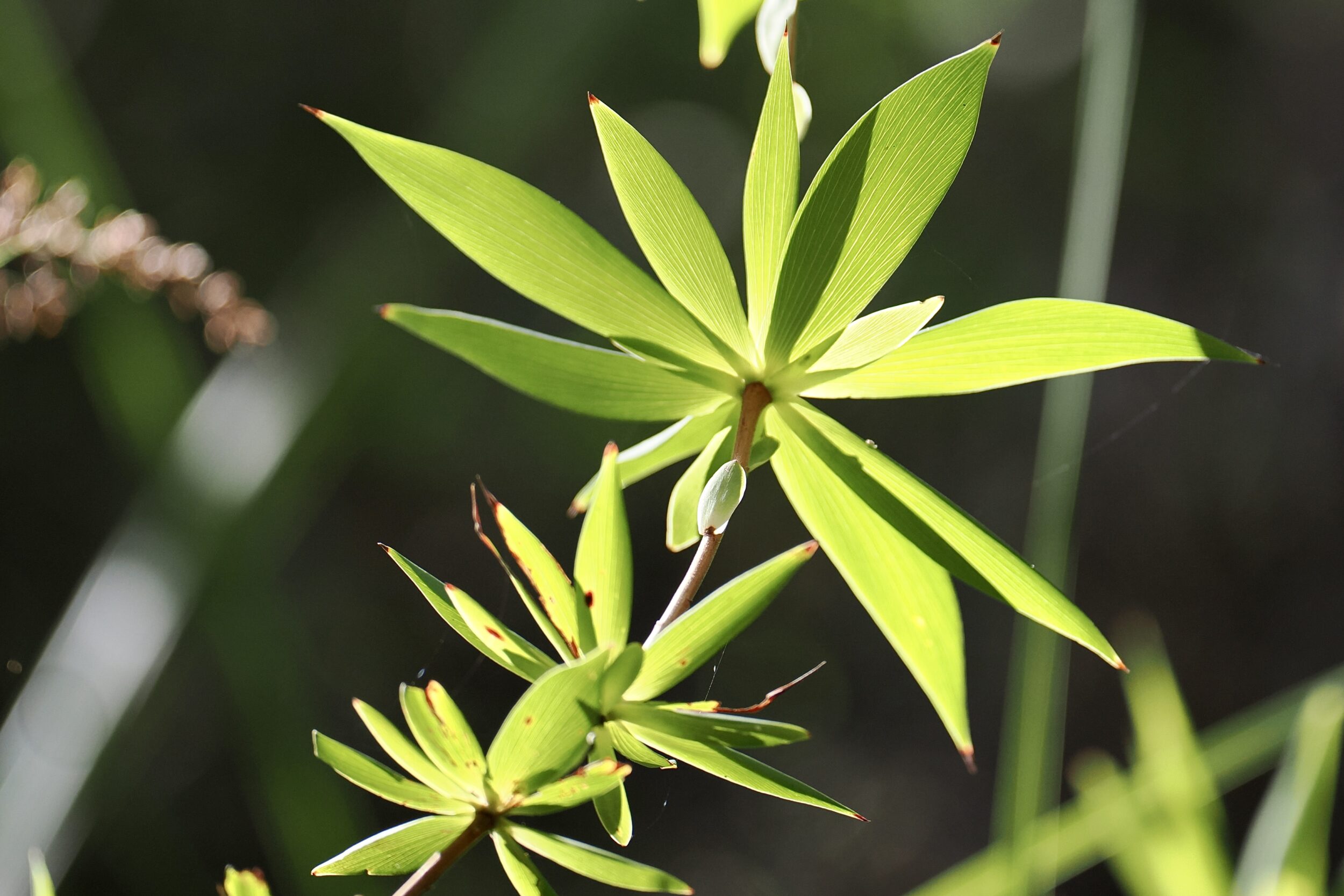
Magnificent as are southwest WA’s tall trees – all, WA-endemic –  they are far from their forests’ only “WA-only”, wonderful/wondrous-strange plants.

Comments closed

Grand sands (#41 in series: dunes, devouring forest & wetlands)


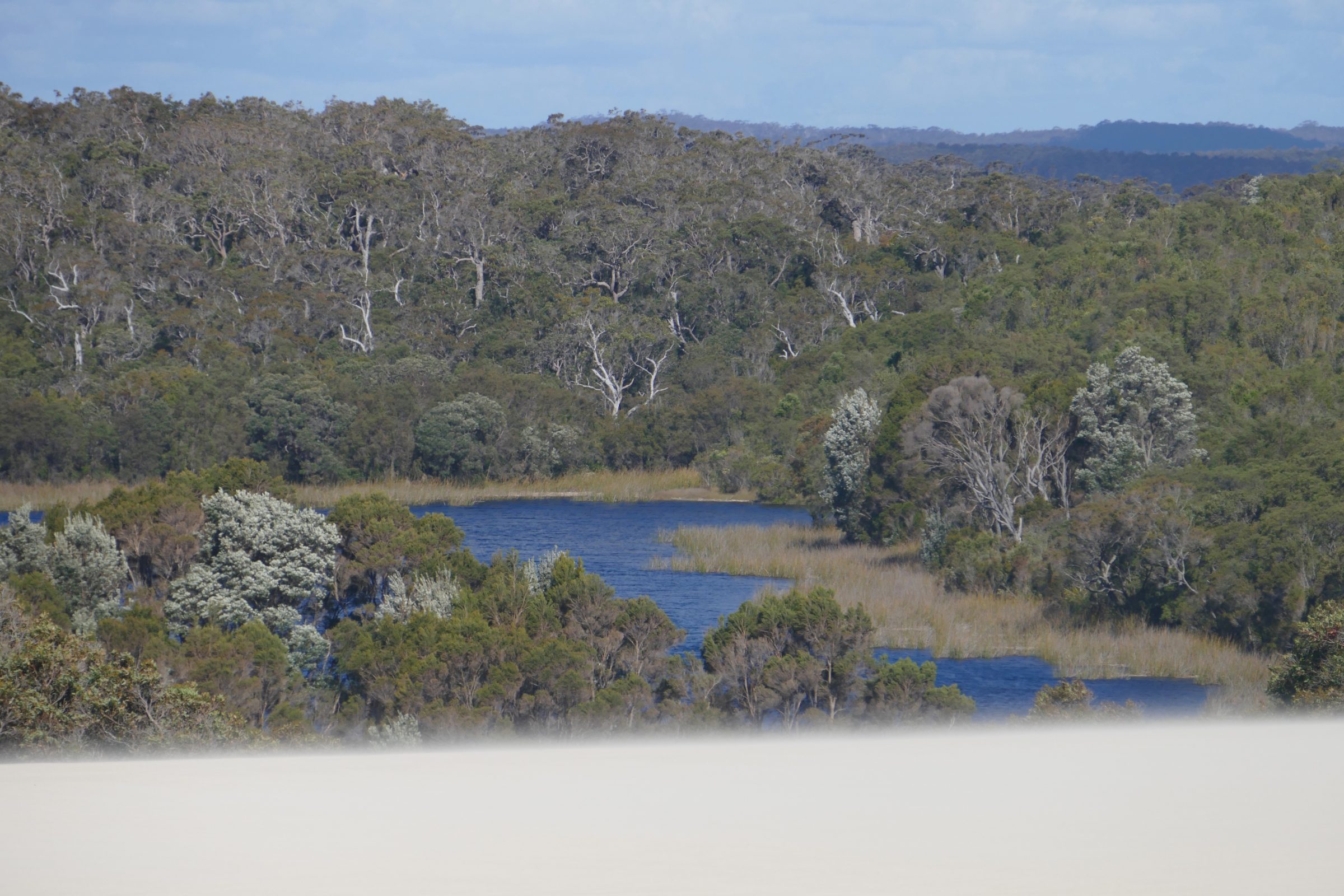
20 kilometres southwest of Pemberton, in southwestern WA’s “Karri country”, the Yeagarup Dunes cover circa 30 square kilometres.

They are the Southern Hemisphere’s largest mobile, land-locked dune system.

The Yeagarup Dunes are currently advancing inland at circa 4 metres per year.

This post’s photos were taken from the top of their “hungry” edge, on 27 October 2016.

Comments closed

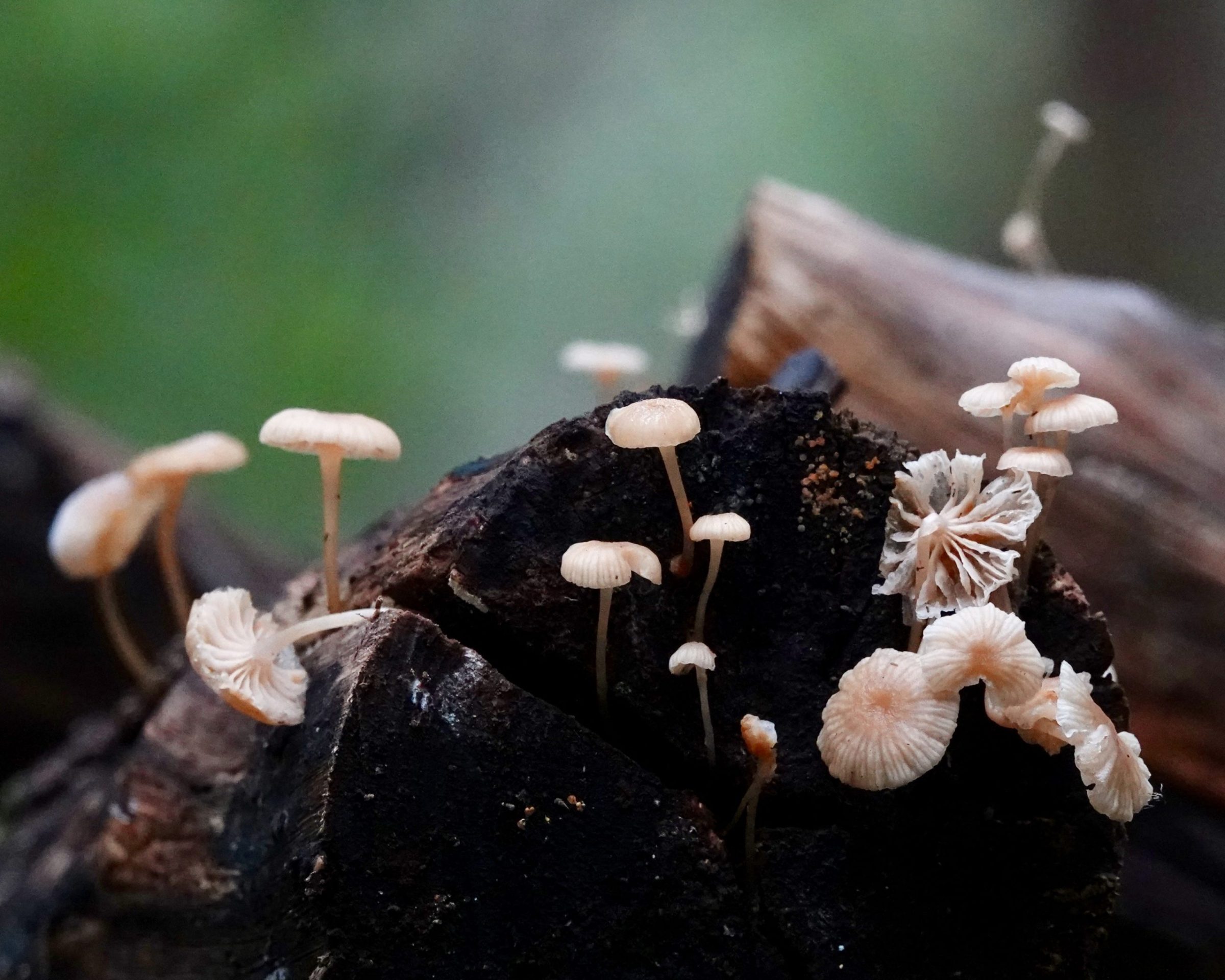
Karri forest: macrofungi in winter


Southwestern Western Australia is rightly renowned for the extraordinary diversity of its flowering plants.

Its fungi are even more diverse.

Fungi species comprehensively outnumber the combined total of plant and animal species.

Macrofungi are the ones with fruiting bodies big enough to be visible to an observant, naked human eye, in the wild.

Comments closed