Skip to content →

Tag: Kashgar

Signage & Signification (#10 in series: 100% pure propaganda)


The fabled “Silk Road” city of Kashgar (aka Kashi) in southern Xinjiang has been a trading hub for thousands of years.

One of China’s westernmost cities, it is home to circa one million residents, and is a fascinating destination.

Its gleaming, newish museum is huge.

Unsurprisingly, it houses many historical treasures.

It is billed as a “must see”.

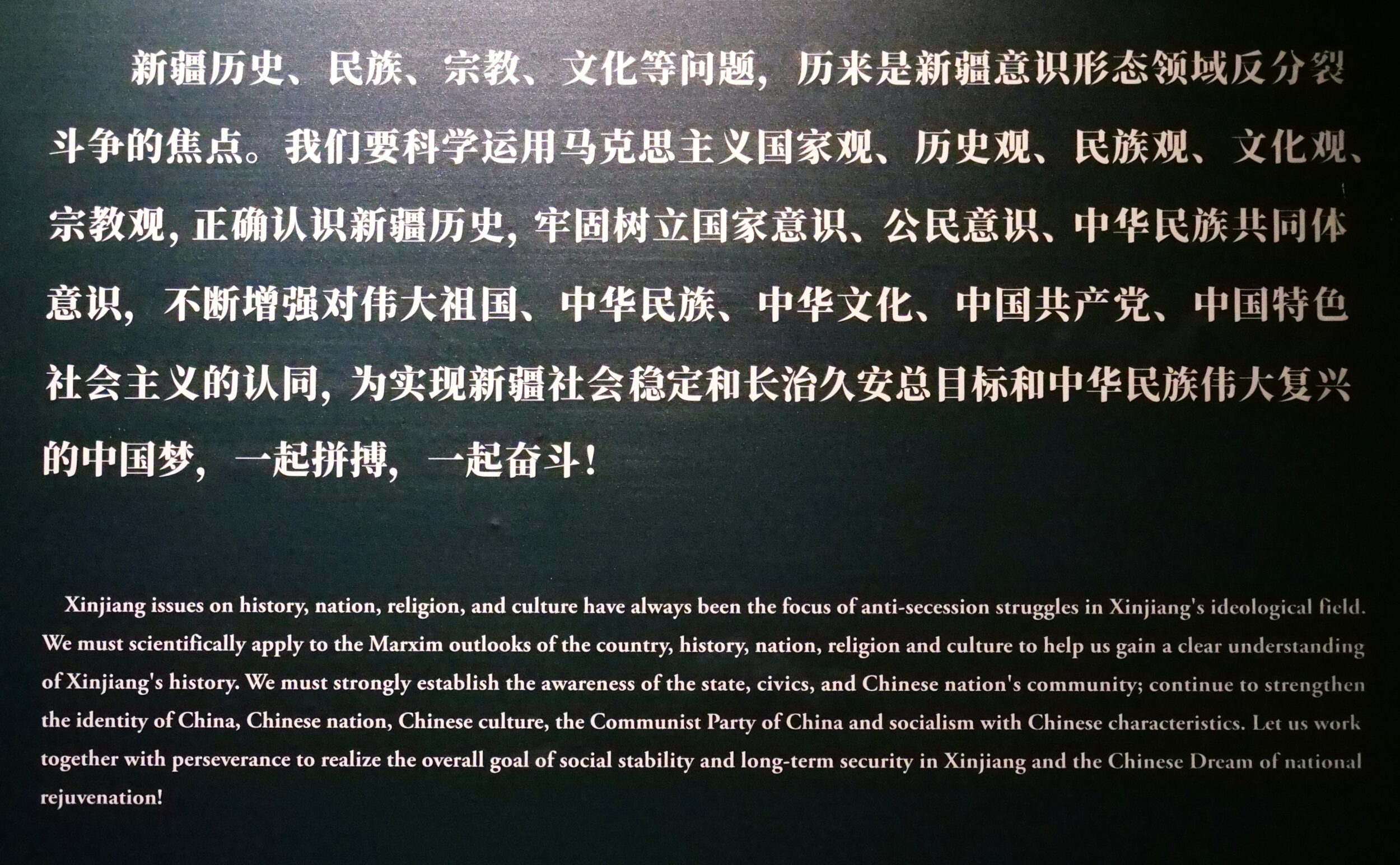
If your desire is to learn anything meaningful about Xinjiang’s history, Kashgar Museum is in fact a “must miss”.

However, as a cheerlessly relentless example of the lies and utter drivel which totalitarian states inflict upon their citizens (and visitors), Kashgar Museum certainly offers a “world class” experience.

Comments closed
Signage & Signification (#7 in series: unappetising, in “translation”)


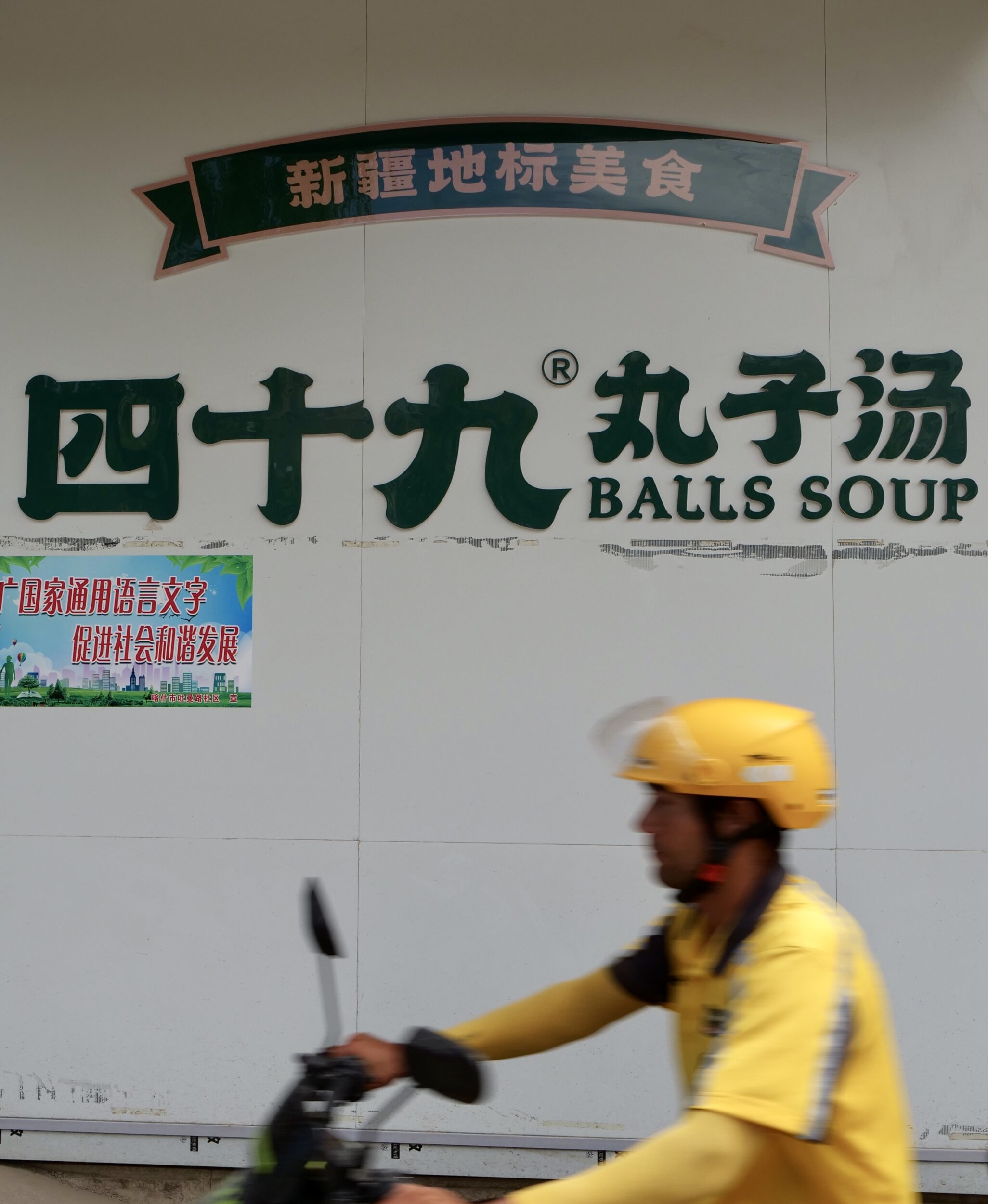
On 25 May 2024 I took the photo as we sped by the pictured billboard.

It was lunchtime in Kashgar – the “fabled” Silk Road city in western China, where it is known as “Kashi”.

Doubtless, before it was “translated” into English, the description of the soup was altogether more enticing.

Comments closed

Triple K “expedition” (final, in teaser series: “backstage”, in a Kashgar tea house)


This particular tea house was commendable: the ambience was authentic, unfussily lovely, its tea & “goodies” were very palatable, and the “live” music was of a high standard – not merely “close enough, for tourists”.

Keyboards, synthetic “beats” and excessive reverb + compression were all pleasingly absent.

“Attracting tourists” was part of this tea house’s equation, but only part; very evidently, many local people liked it.

Comments closed

Triple K “expedition” (#45 in teaser series: tip-top bottoms, Kashgar)


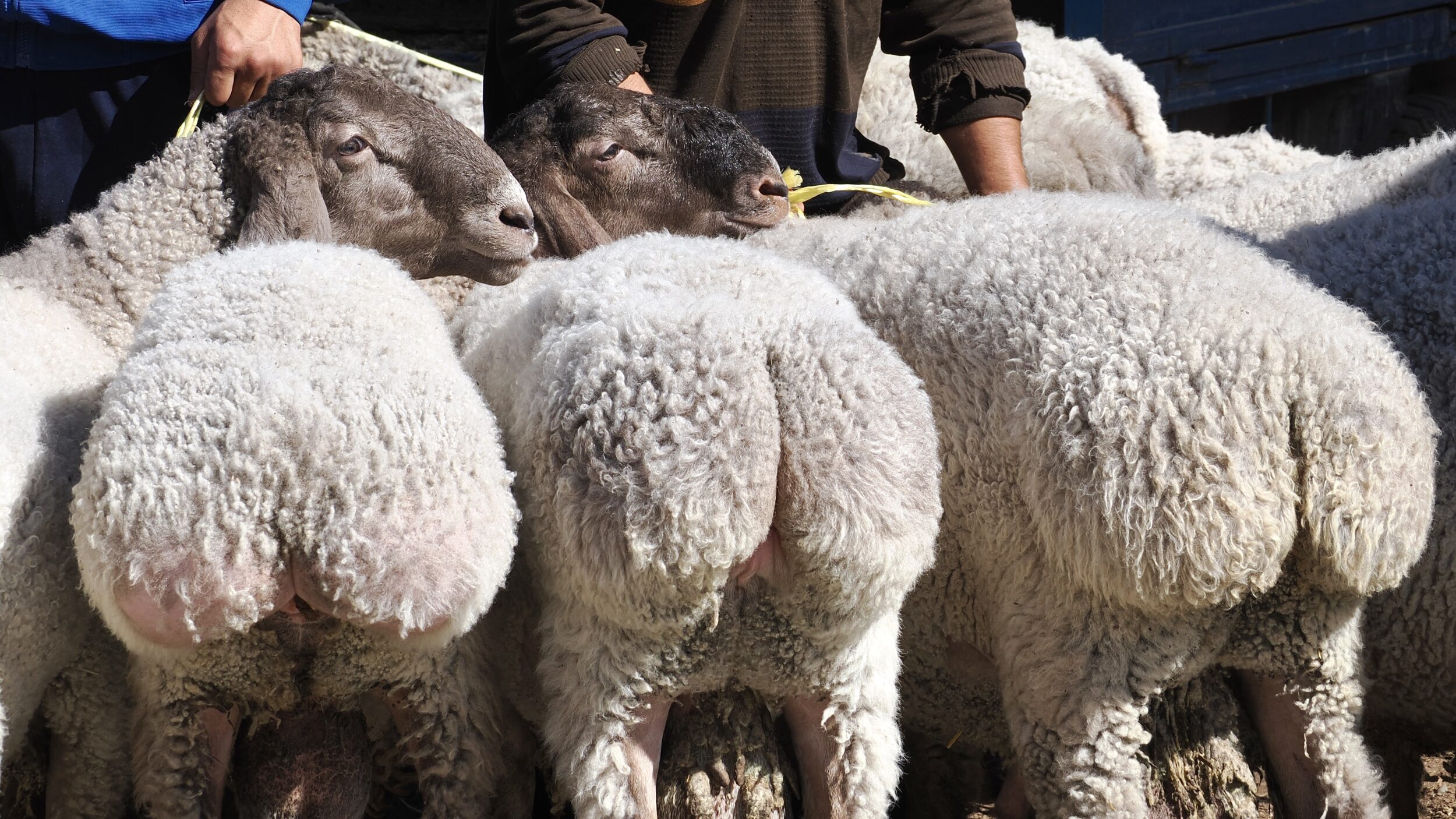
The above photo was taken in Kashgar’s livestock market – a fascinating place, which Pelican Yoga will eventually explore in much more detail.

The particular characteristics that define “premium” sheep are partly environmental, and partly cultural; the “best” sheep on offer in China doubtless look “highly exotic” to most Australians.

To most Chinese people, Australia’s highly-prized merinos would doubtless appear equally  “strange”.

Comments closed

Triple K “expedition” (#44 in teaser series: technicolour tea)


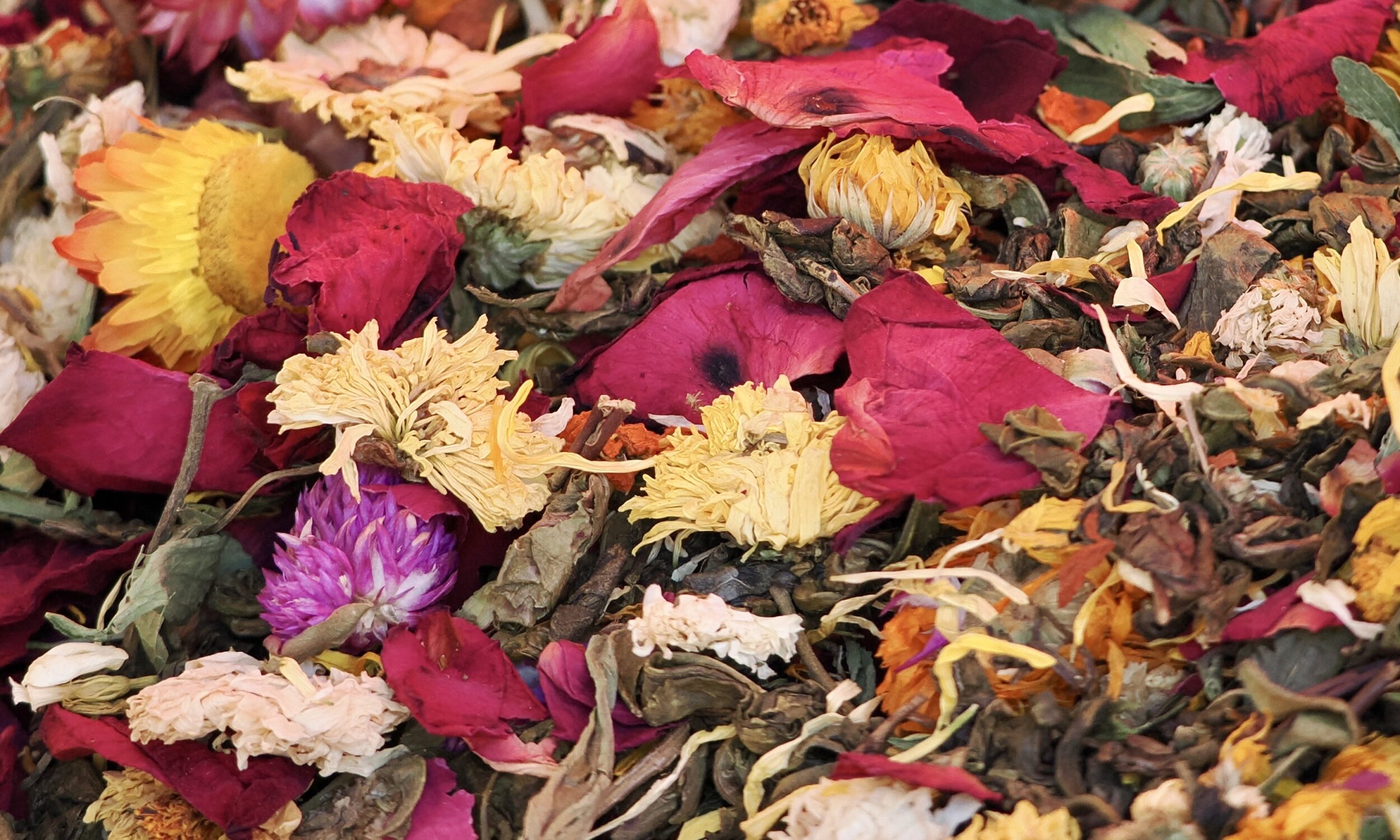
Uyghur teas do not necessarily primarily involve leaves of Camellia sinensis.

(Camellia sinensis is the leaf source for nearly all of the world’s non-“herbal” teas)

Leaves – of whatever species – are not necessarily the key element in Uyghur teas.

More than one species was sourced for the pictured “loose” tea; its “hero” ingredients are flowers.

Comments closed