Skip to content →

Tag: Lahore Fort

“Old city”, Lahore (#33 in series: Sheesh Mahal details…& the reason it exists)


Lahore Fort’s Sheesh Mahal and Agra’s Taj Mahal were both commissioned by the same Mughal emperor.

Each expressed – mostly, in white marble –  his abiding love for his favourite wife.

Shah Jahan (1592-1666) had three wives, but only one marriage was a “love match”.

He renamed his beloved, “Mumtaz Mahal” – “the exalted one of the palace”.

Allegedly, Mumtaz Mahal had a dream/vision of heaven; the Sheesh Mahal was her husband’s attempt to make that dream “real”.

Comments closed
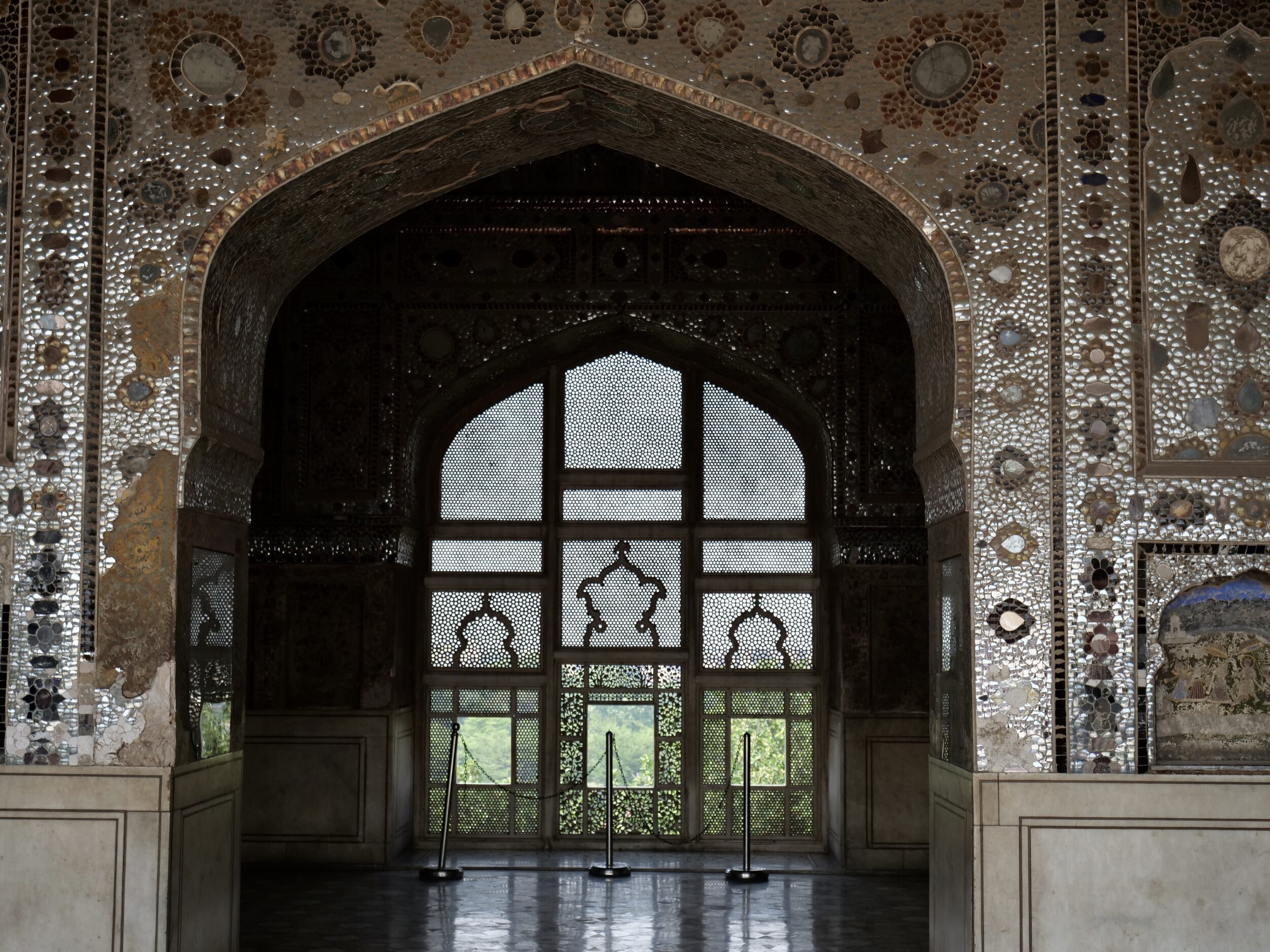
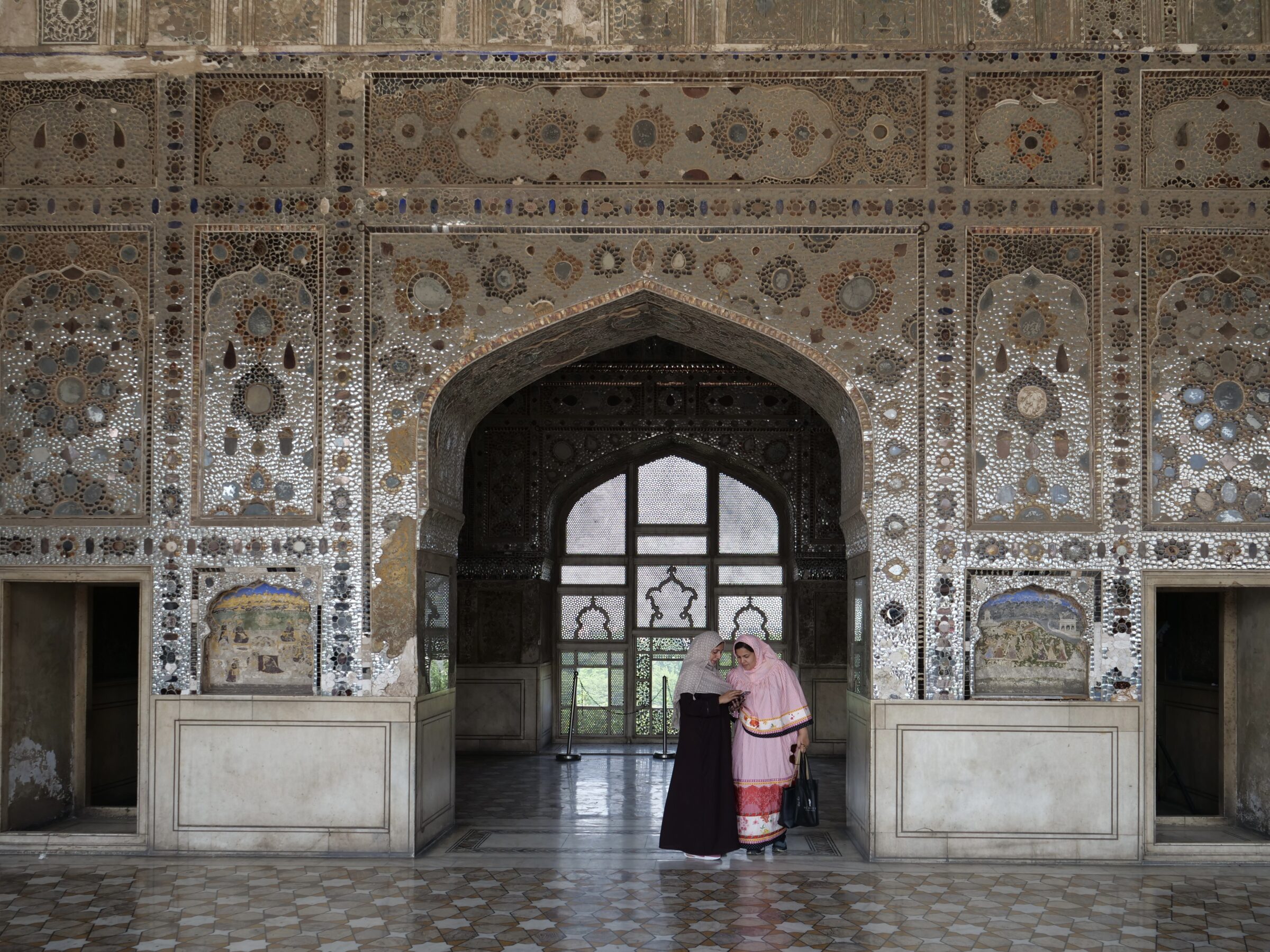
“Old city”, Lahore (#32 in series: carved marble screens, Sheesh Mahal)


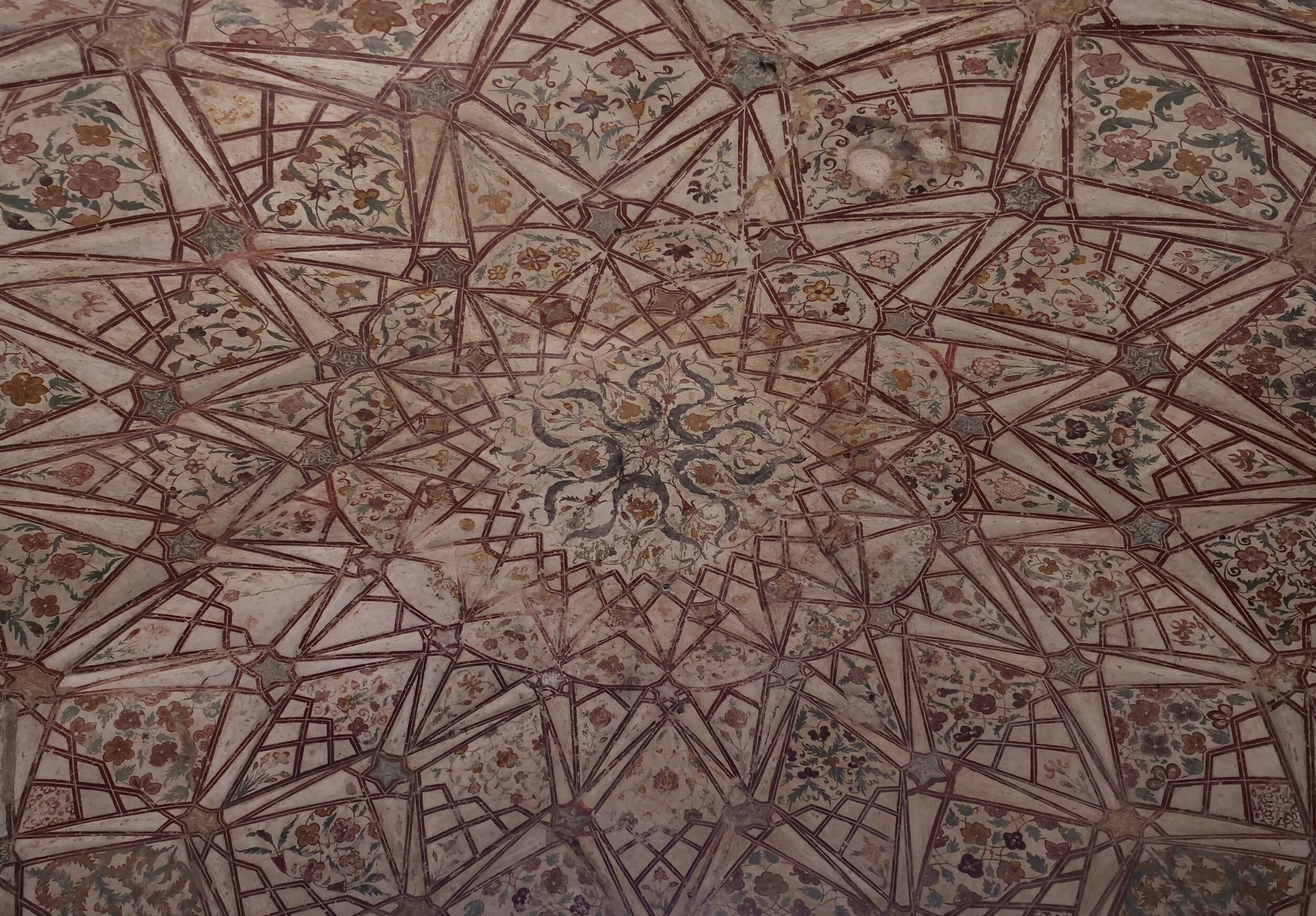
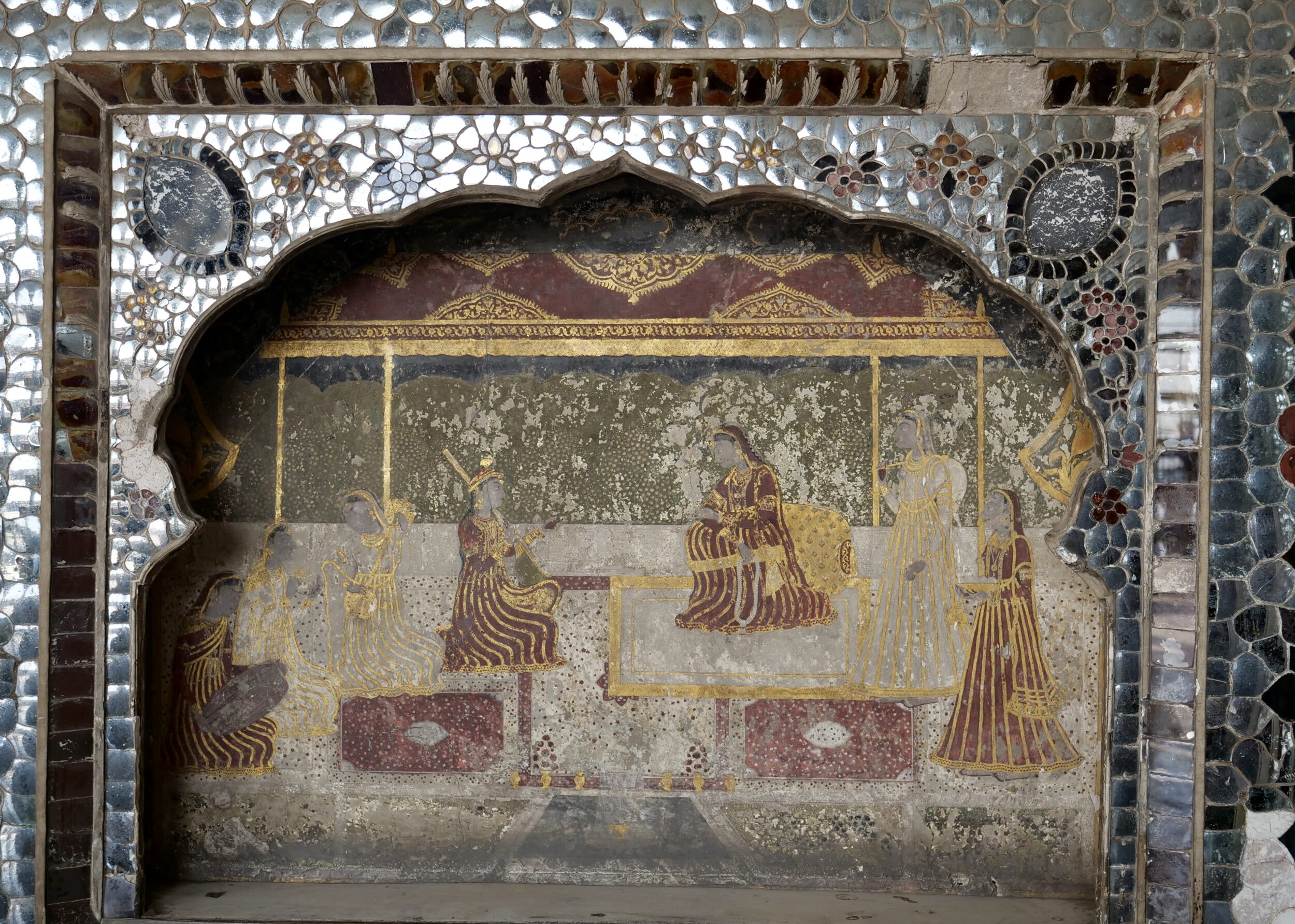
The highly elaborate “mirror work” decorations on its walls and ceilings are the signature feature of the Sheesh Mahal.

Much less “showy”, but at least as beautiful, are the carved marble screens on its northern side.

As well as being lovely to look at – and to look through – these screens are very “practical”.

Comments closed

“Old city”, Lahore (#31 in series: “palace of mirrors”)


Popularly known as “the palace of mirrors”, the Sheesh Mahal is the most opulent of Lahore Fort’s “notable monuments”.

It sits directly above the summer palace, in Lahore Fort’s northwestern corner.

The Sheesh Mahal’s glittering splendour is only visible from within what was originally a very “restricted” section of Lahore Fort.

This ornate pavilion/palace was constructed in the 17th century CE, for the exclusive use/pleasure of the imperial family. (plus their invited guests and closest aides)

Comments closed

“Old city”, Lahore (#30 in series: open air, Lahore Fort)


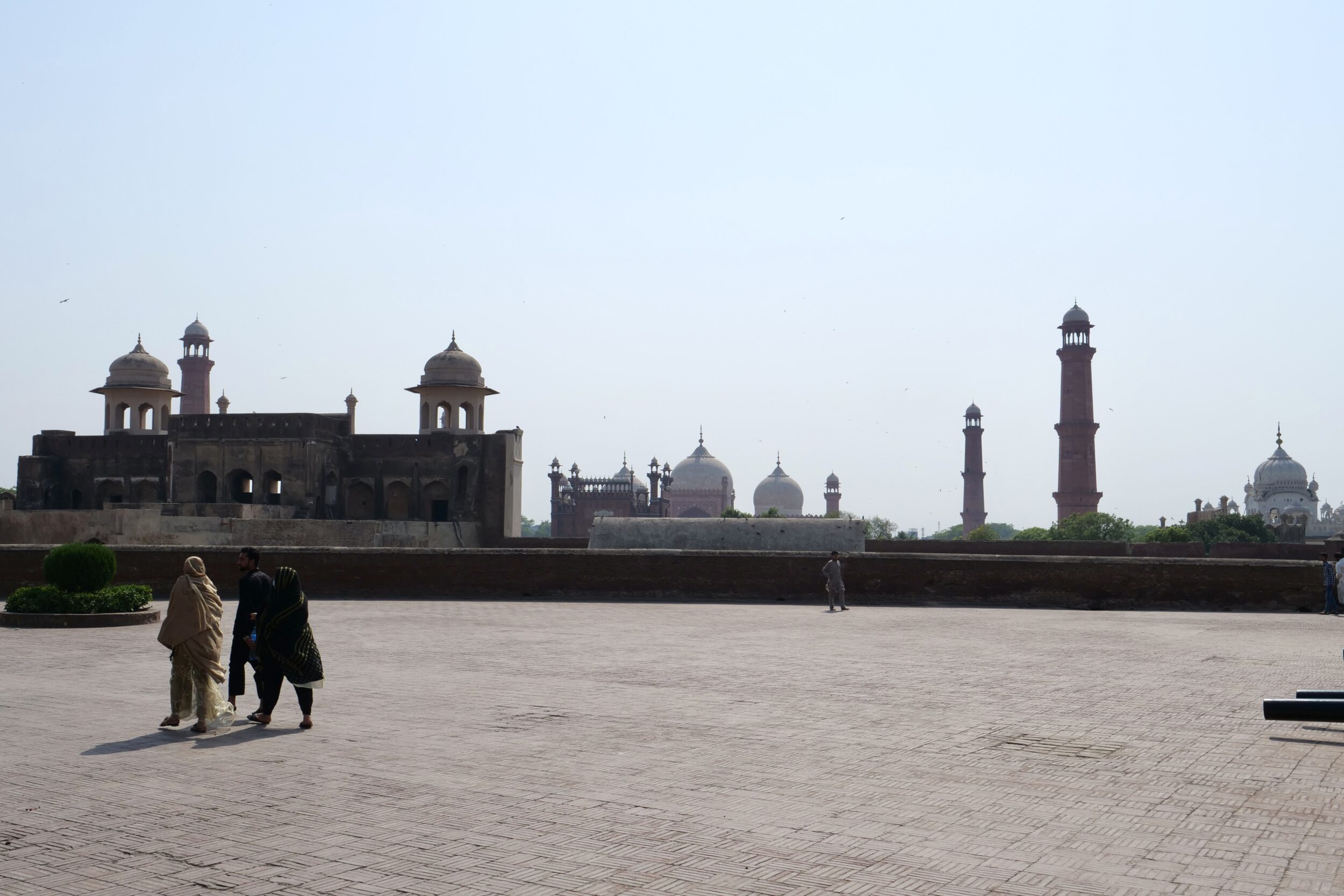
At 3pm on 12 May 2024 we were “upstairs”, in very bright sunshine, making our way to the Sheesh Mahal.

If the “selfie index” is any guide, this “palace of mirrors” is 21st century tourists’ favourite of the 21 “notable monuments” within Lahore Fort.

We’ll reach it in this series’ next (selfie-less) chapter.

Meanwhile, take a close look at the various structures visible in this chapter’s featured image…

Comments closed

“Old city”, Lahore (#28 in series: summer palace, looking up)


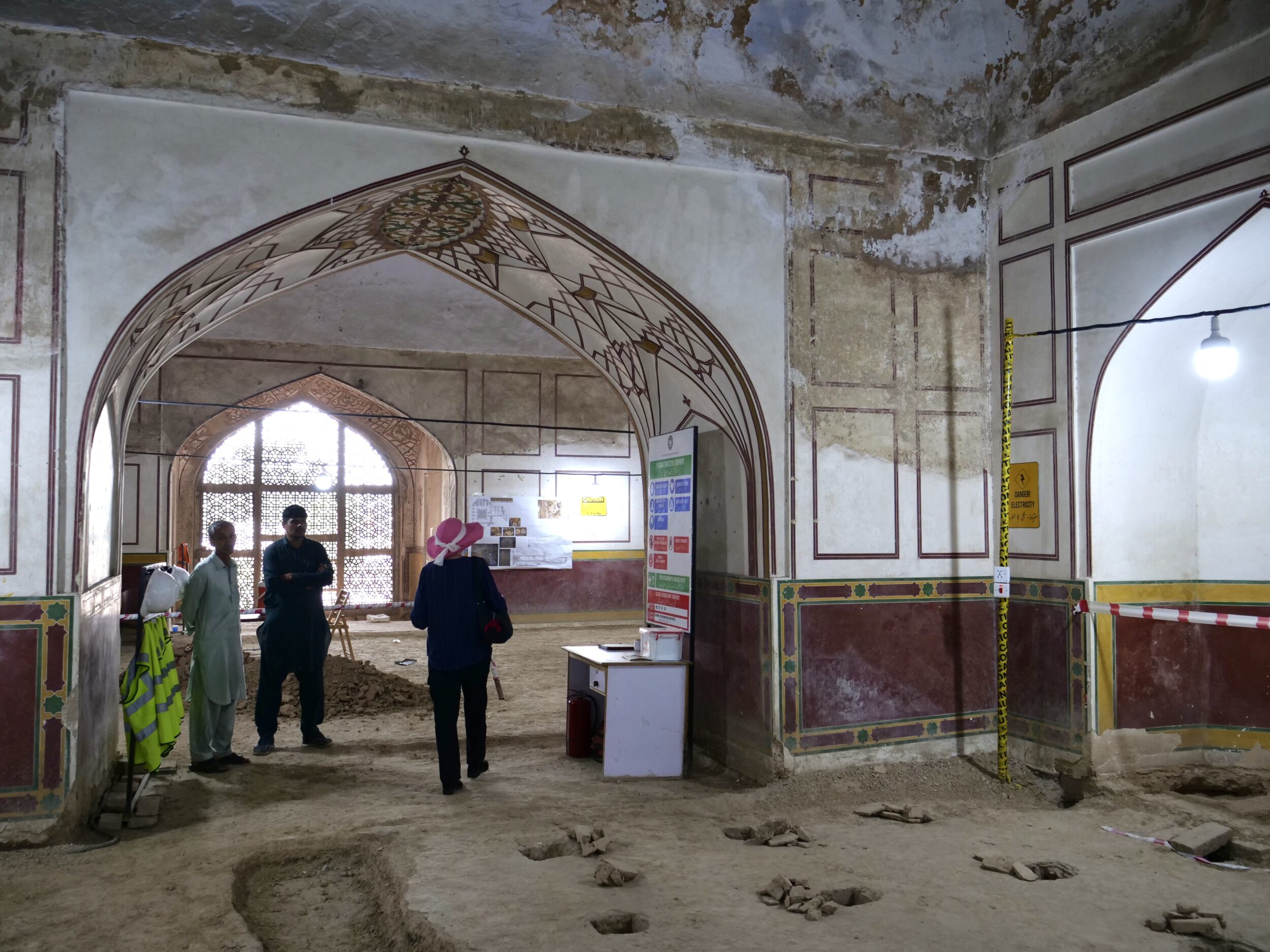
The featured image and the one immediately below both show “faded glory”.

A 21st century restoration effort has rendered 17th century splendour visible again, but a deal of the original’s vibrancy is almost certainly “gone, forever”.

However, the arch in the final image is an example of the “miracles” that dedicated scholars, architects, artists and artisans can achieve, even when the restoration effort’s beginning is a century or more “too late”.

Comments closed

“Old city”, Lahore (#27: Summer Palace, “wide” shots)


Originally very grand, Lahore Fort’s Summer Palace has been greatly damaged and degraded – well beyond the point where an “entirely accurate”,”full” restoration would be possible, even if “limitless” funds and expertise were available

That said, however belated, the current, ongoing restoration efforts are carefully considered, meticulously executed, and have no whiff of “Disney”.

Comments closed

“Old city”, Lahore (#26 in series: inside the Fort’s outer wall)


Immediately after admiring Lahore’s picture wall we went “inside” the actual wall.

This was “illegal”, but we did so as honoured guests.

Our chaperone was a senior heritage architect, involved in the ongoing excavation and restoration of Lahore Fort’s summer palace.

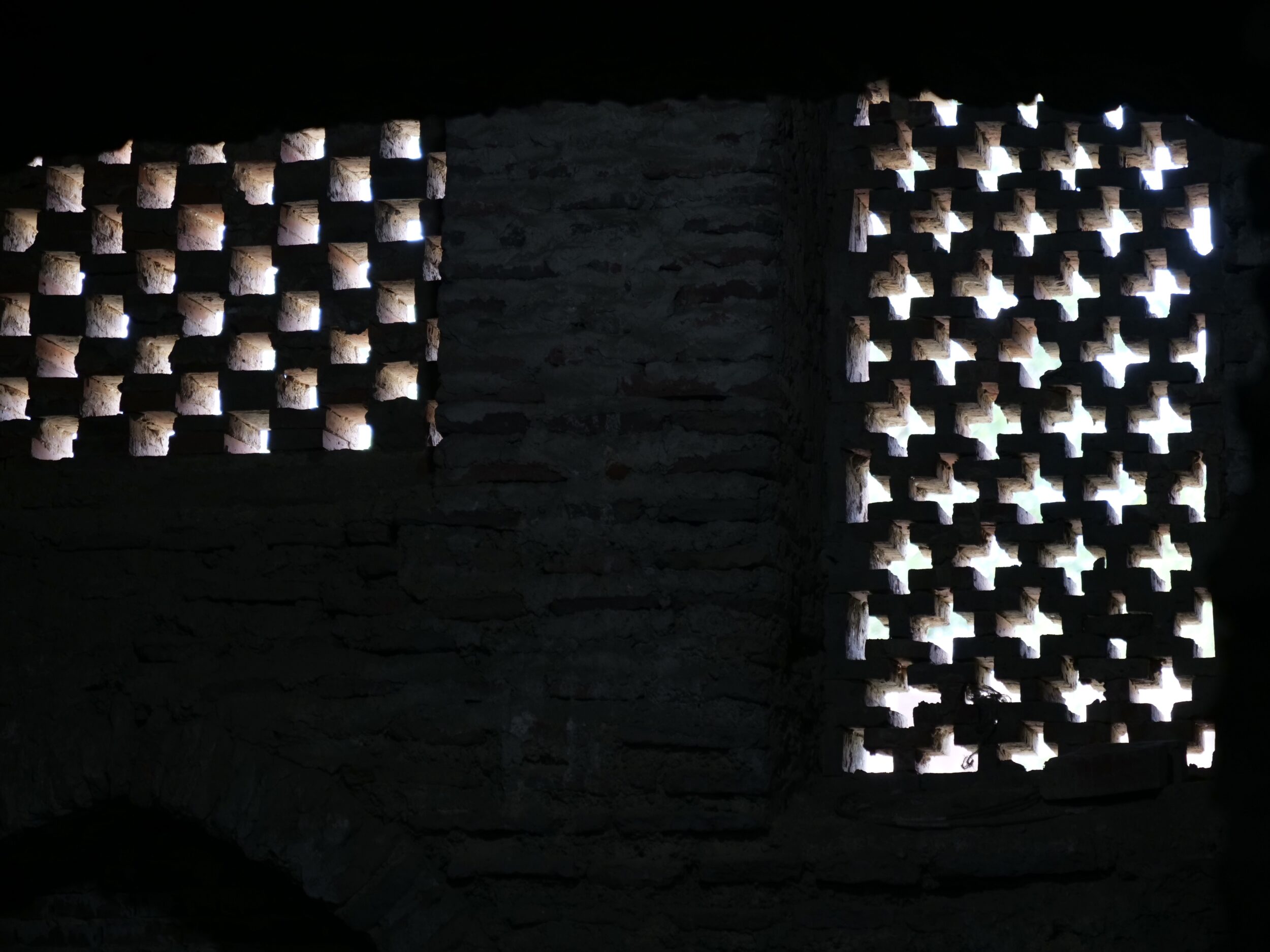
Above, you are looking at one of the simpler parts of its elaborate cooling system.

The outermost of the summer palace’s many chambers are literally within the cavity of the fort’s massive outer wall.

Comments closed

“Old city”, Lahore (#24 in series: world’s largest “picture wall”)


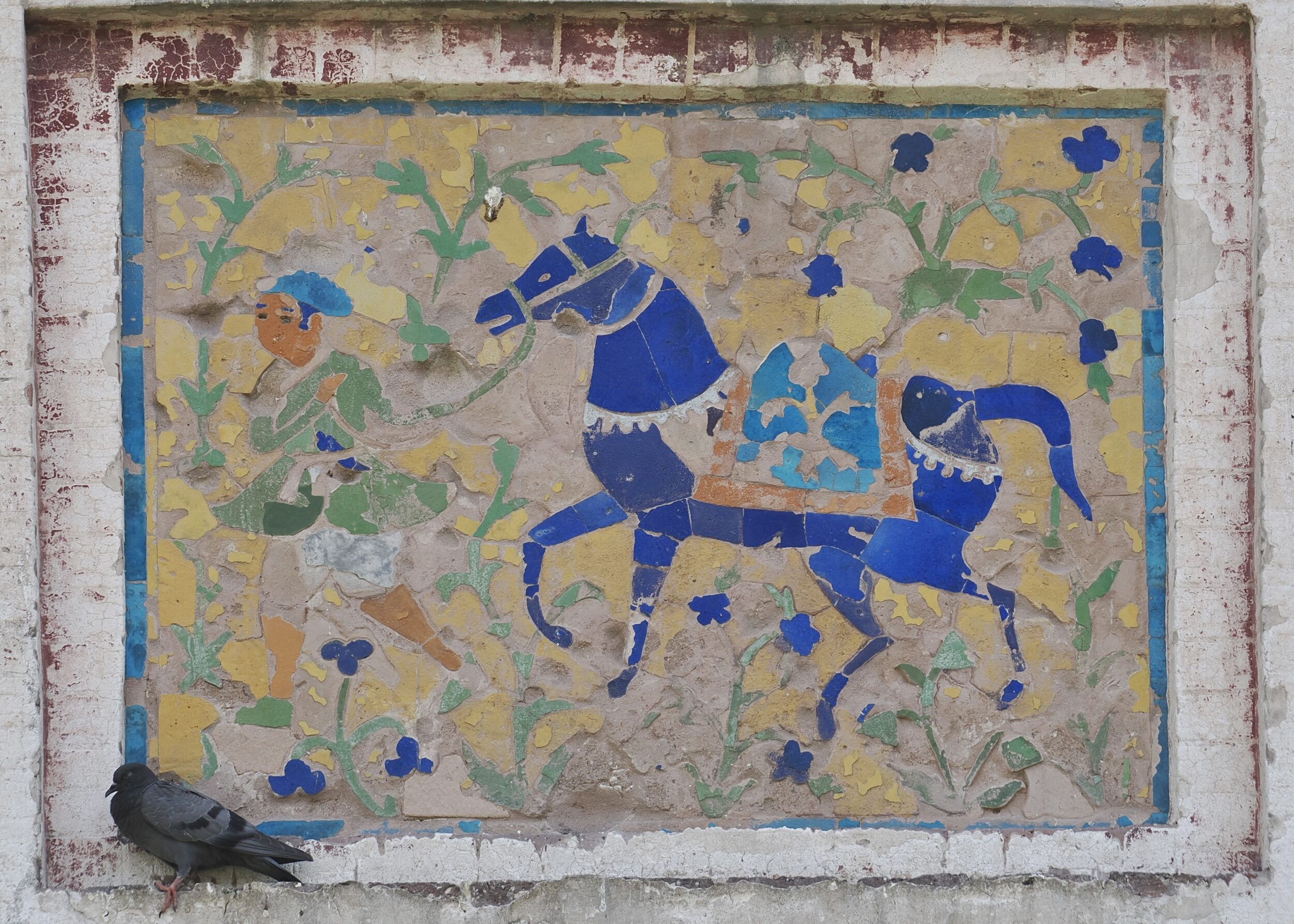
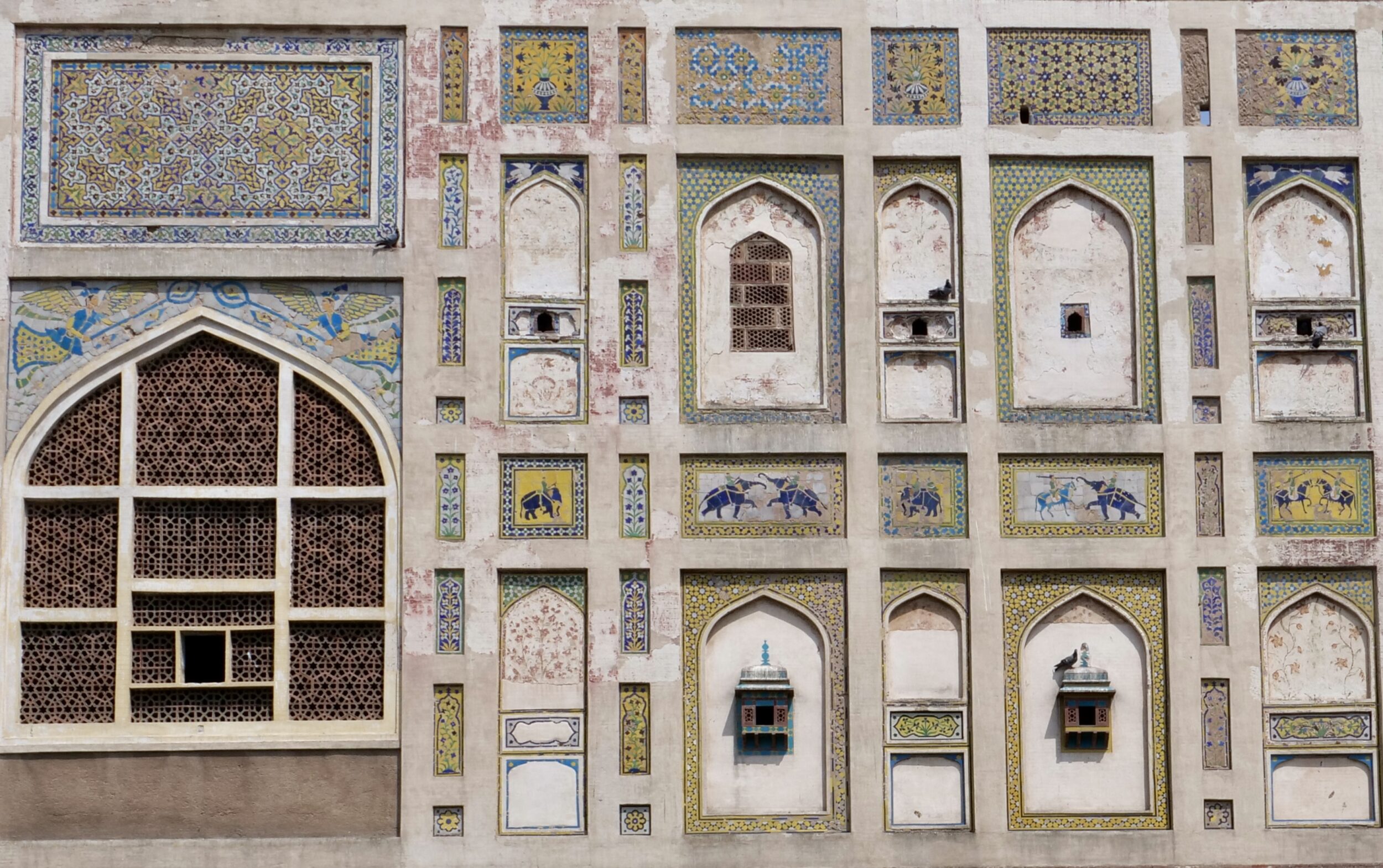
Lahore Fort’s “picture wall” is one of “our” planet’s man-made wonders.

It may or may not be “the world’s biggest mural” – as is sometimes claimed – but it is certainly the largest Persian-style picture wall.

The artistic quality, variety and intricacy are breathtaking…most especially when one remembers that the picture wall comprises more than 6,600 square metres!

The not-quite-concluded 21st century “restoration” of this 17th century masterpiece has been hugely ambitious, but very well-considered…and not “overdone”.

This happened just in time; early this century the much-degraded picture wall came alarmingly close to its irreversible, nigh-total disintegration.

Comments closed