Skip to content →

Tag: Madagascar

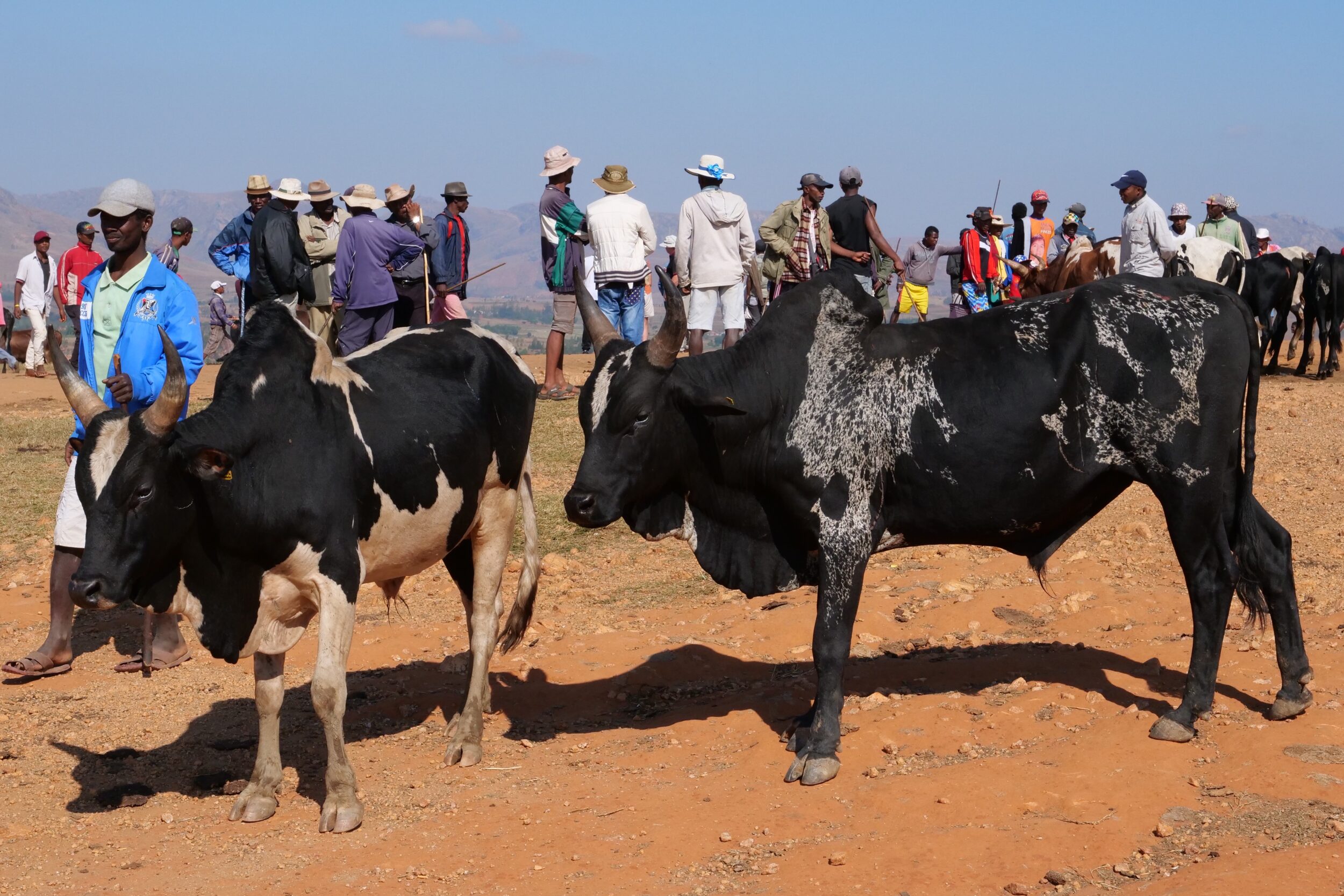
“Domesticated”: unwild animals (#3 in series: “sacred”/ “living bank accounts”)

I took the photo on 18 May 2018, on “the 8th continent”, as Madagascar is nicknamed.

Ambalavao is the southernmost substantial town in Madagascar’s central highlands; its weekly cattle market is the nation’s biggest.

All the cattle are Zebu – an originally-Indian breed, which became emblematically “Madagascan”; this has been so for rather more than a millennium.

Culturally/religiously, Zebu are enormously important; Madagascans revere them, some men test/display their “virility” in highly-ritualised (generally, non-lethal) fights with them.

Zebu beef is the most highly-prized animal protein.

There has long been a tradition (also highly-ritualised) of Zebu-rustling.

The traditional form of cattle-theft did not involve murder, armed intimidation, internationally-linked organised crime, and wholesale corruption.

In 21st century Madagascar all of the aforementioned are signature features of the so-called “Zebu War”.

Leave a Comment
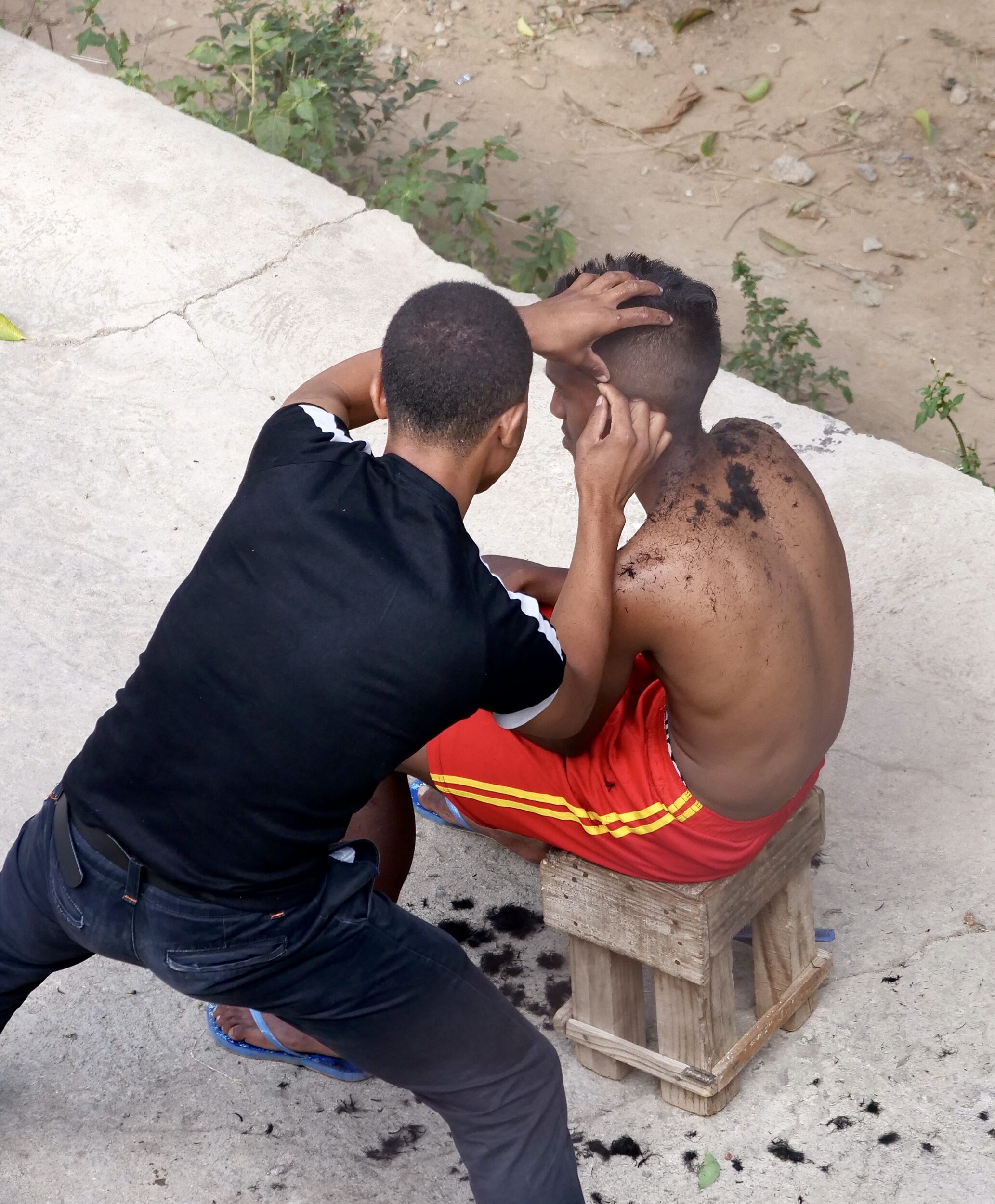
Looking down (#39 in series: on a Madagascan barber, sans salon)


An elevated vantage point sometimes offers an interesting, “different” view of human activity, and the opportunity to record it, candidly.

As the featured activity would suggest, I was looking down to a very “modest” street.

However, my vantage point for all images in this post was the most “desirable” location in Madagascar’s national capital – the royal palace complex, which sits atop the city’s highest hill.

Comments closed

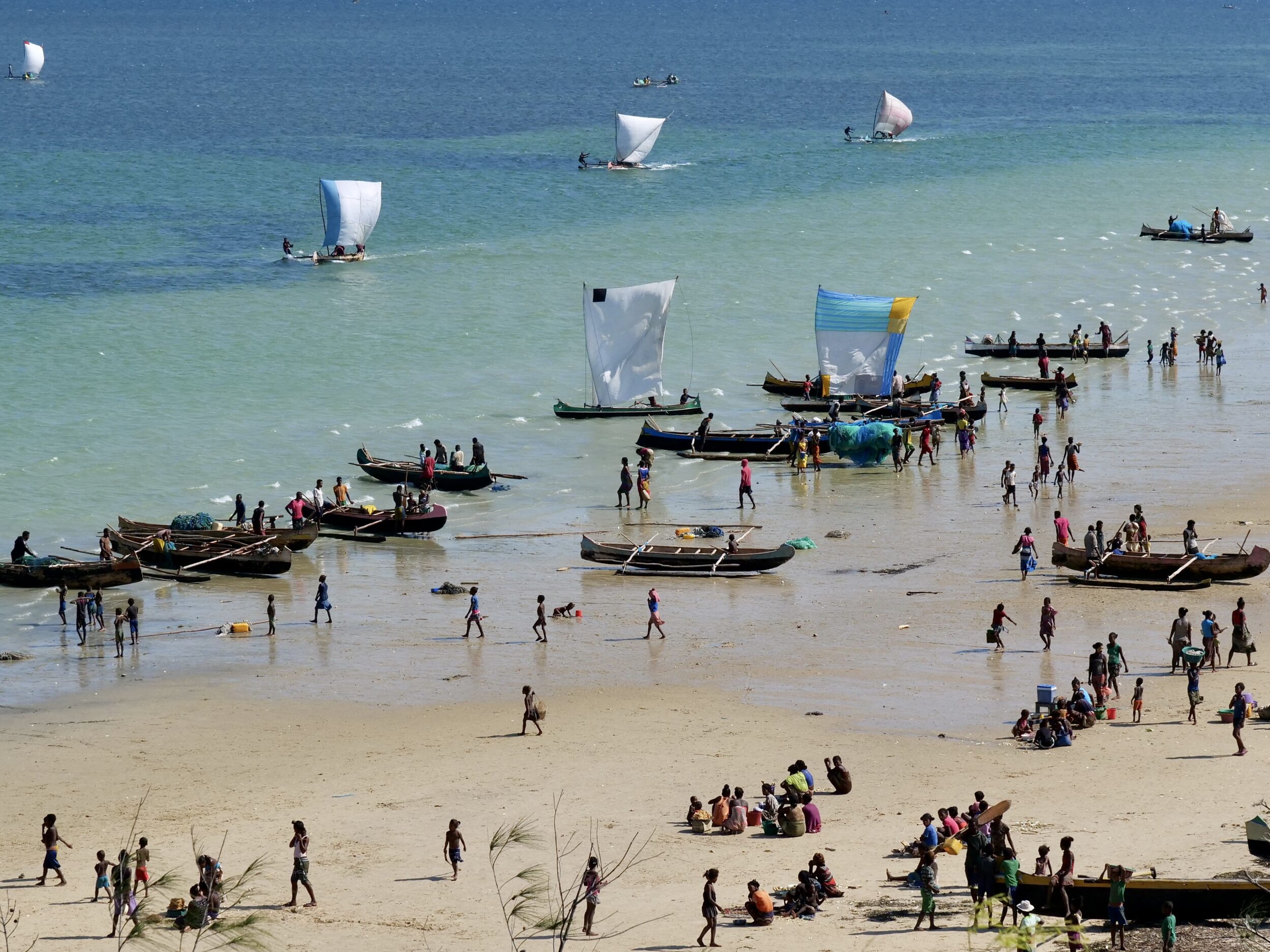
Grand sands (#50 in series: “catch” lands on Madagascan beach)


Hoteliers and tour operators like to describe the pictured beach as “idyllic”.

Ifaty is a village in southwestern Madagascar; fishing is its raison d’être., although tourism has become increasingly significant in recent years.

Its seafront “lagoon” is sheltered by one of the world’s major coral reefs.

On the reef’s far side is the Mozambique Channel, which is 1,700 ks long, 419 ks wide at its narrowest point, and surprisingly deep – up to nearly 3,300 metres, with an average depth of around 2,700 metres.

I took the photo just before midday on 19 May 2018, as the big daily event was unfolding.

Comments closed

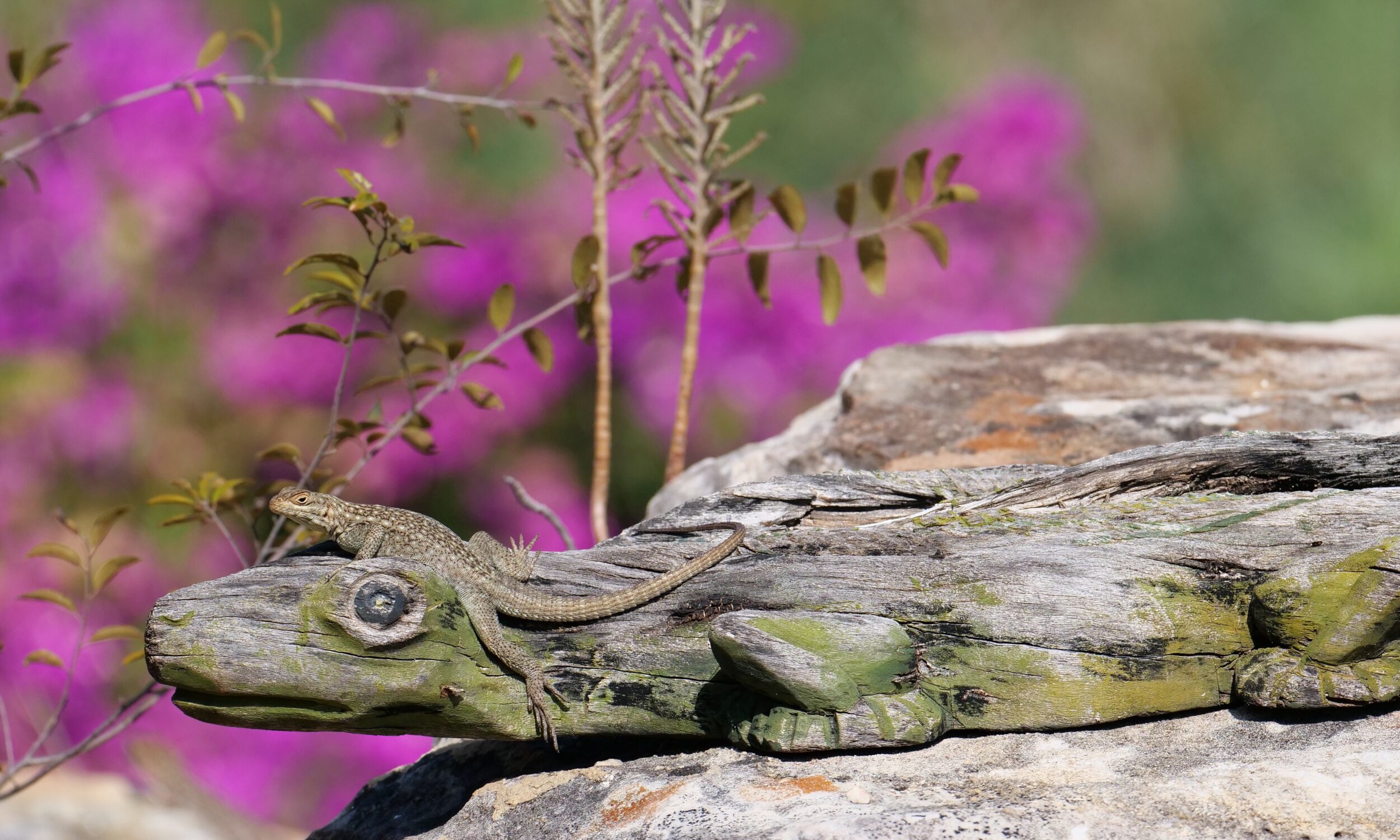
Quirky moments (#8 in series: Madagascan lizard atop Madagascan “lizard”, with musical bonus)


Presumably, the living lizard had no sense of the pictured circumstance’s synchronicity, let alone any awareness that a human passer-by might find it quirky or amusing.

Comments closed

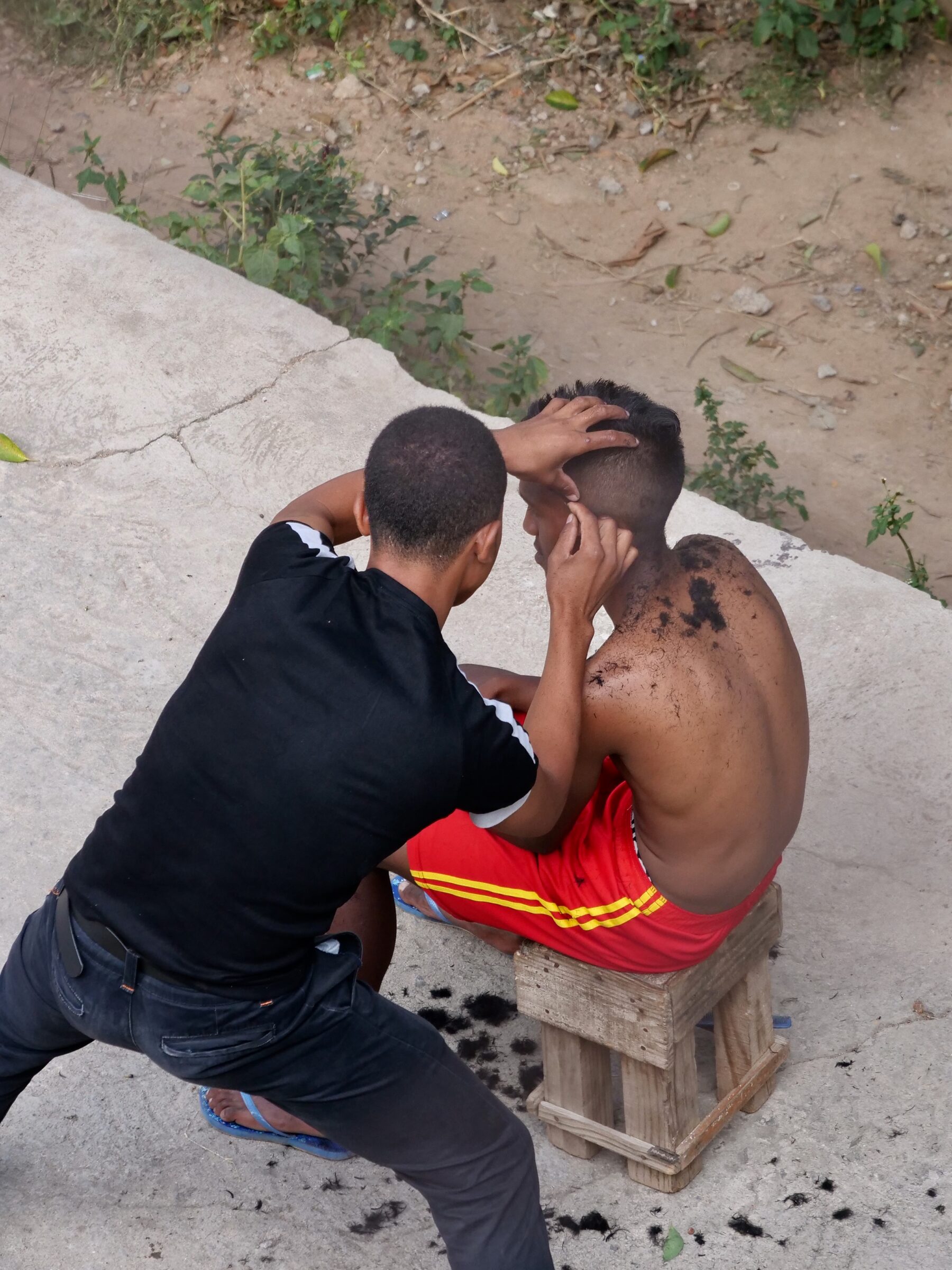
“From behind” (#5 in single-image series: Madagascan barber)


Antananarivo – often abbreviated to “Tana” – is the very congested capital city, and major metropolis, in one of the world’s most materially poor nations.

Many of its “entrepreneurial” residents cannot afford to buy or rent a walled and/or roofed structure in which to ply their trade.

This post’s street-working barber lacked anything remotely resembling his own “salon”, but his professional expertise and “service, with a smile” attitude were readily apparent.

Comments closed

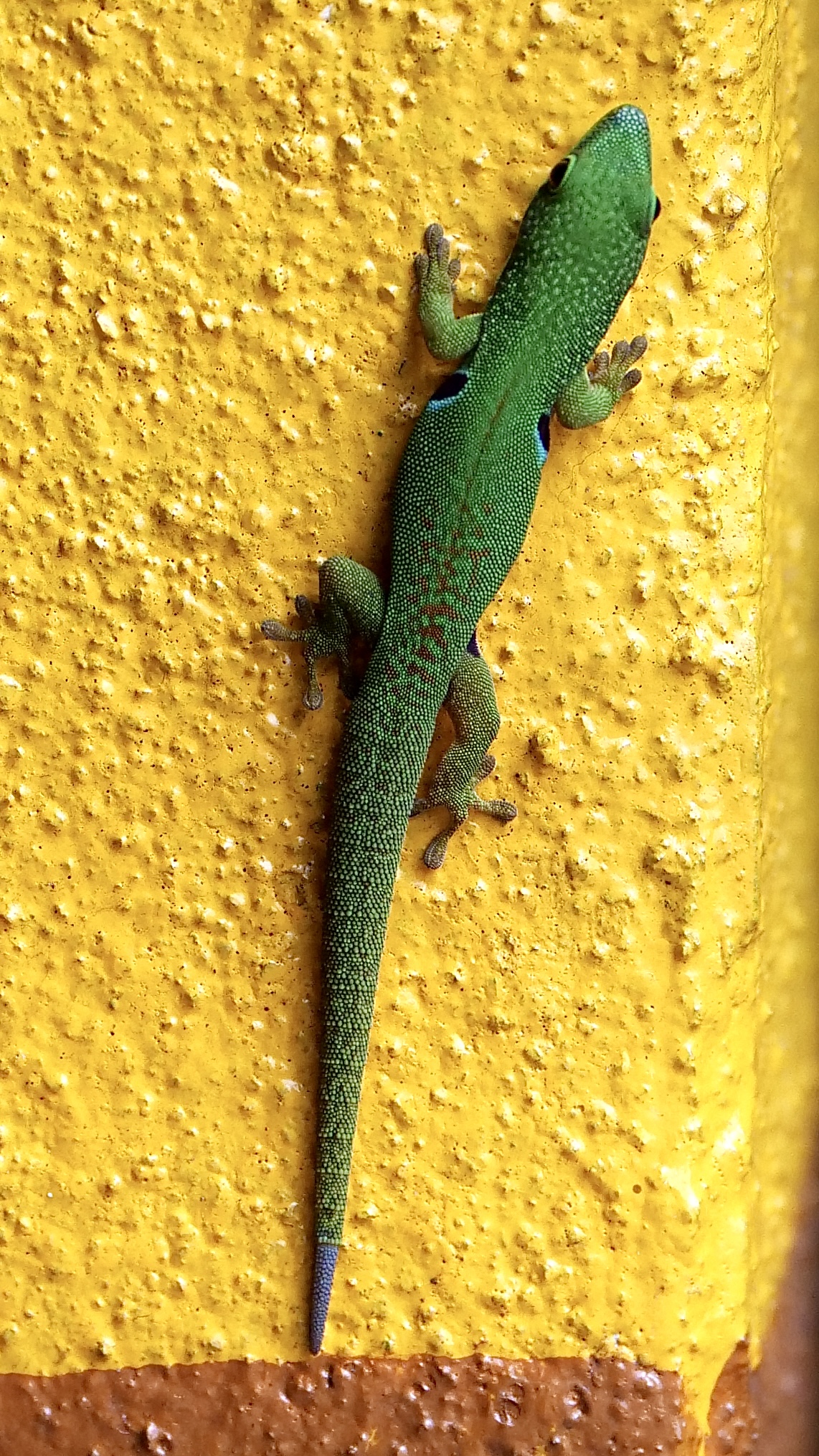
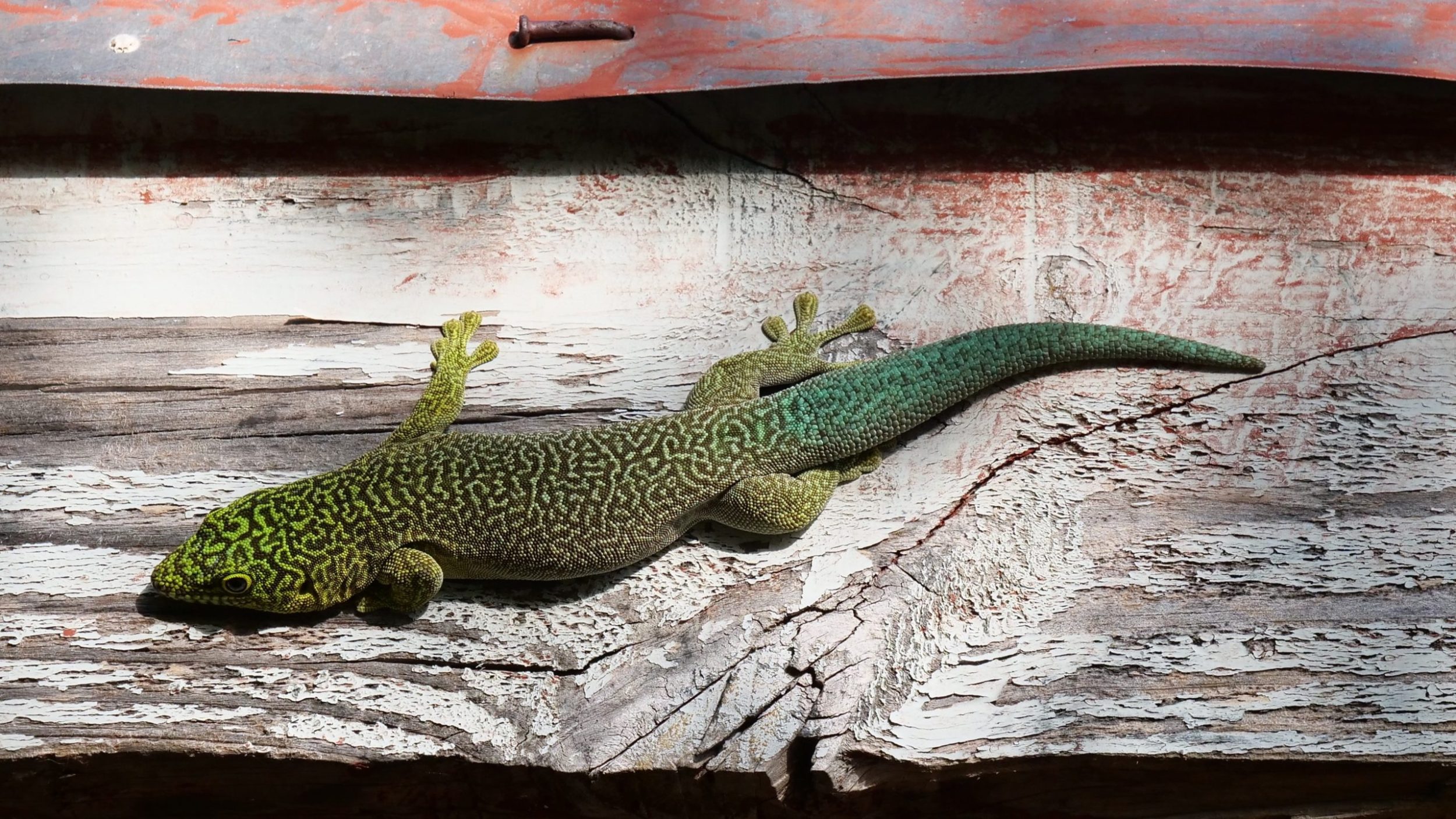
“From behind” (#4 in single-image series: a Madagascan gecko)


Most gecko species are nocturnal.

The 50+ known species in the genus Phelsuma are an exception, as per their common name: day geckos.

If you are lucky enough to see a day gecko, you will be able to see it under natural light.

For most of these mostly very colourful species, if you wish to see them in the wild, you will have to visit Madagascar…

Comments closed

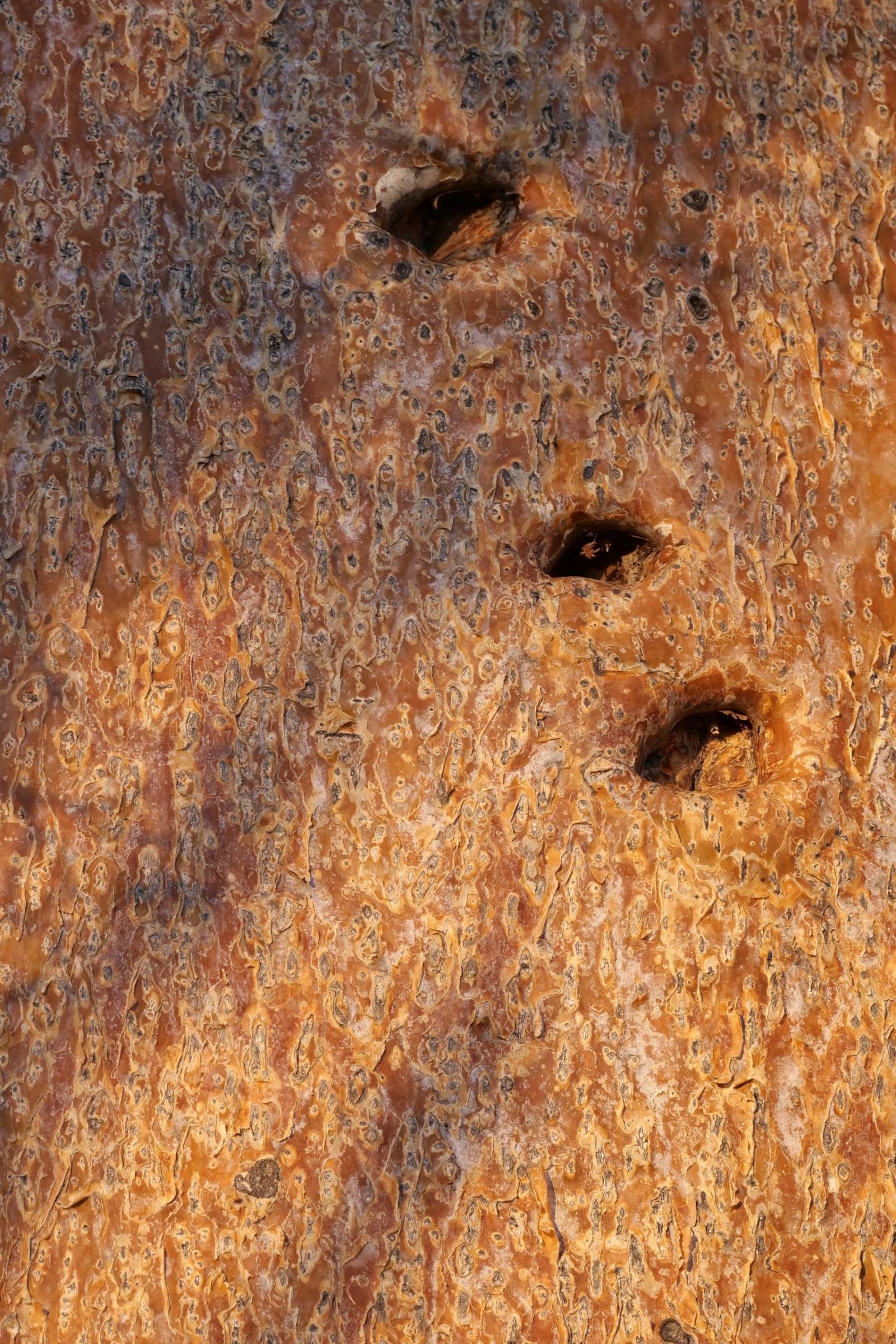
“Upside down” trees (#28 in “a shining moment” series)


The “skin” of almost any tree will reward your close attention.

There are just nine recognised species in the genus Andansonia the baobabs.

One is Australian.

Two live in Africa and the Arabian Peninsula.

The other six – this one included – are Madagascan, only.

Comments closed

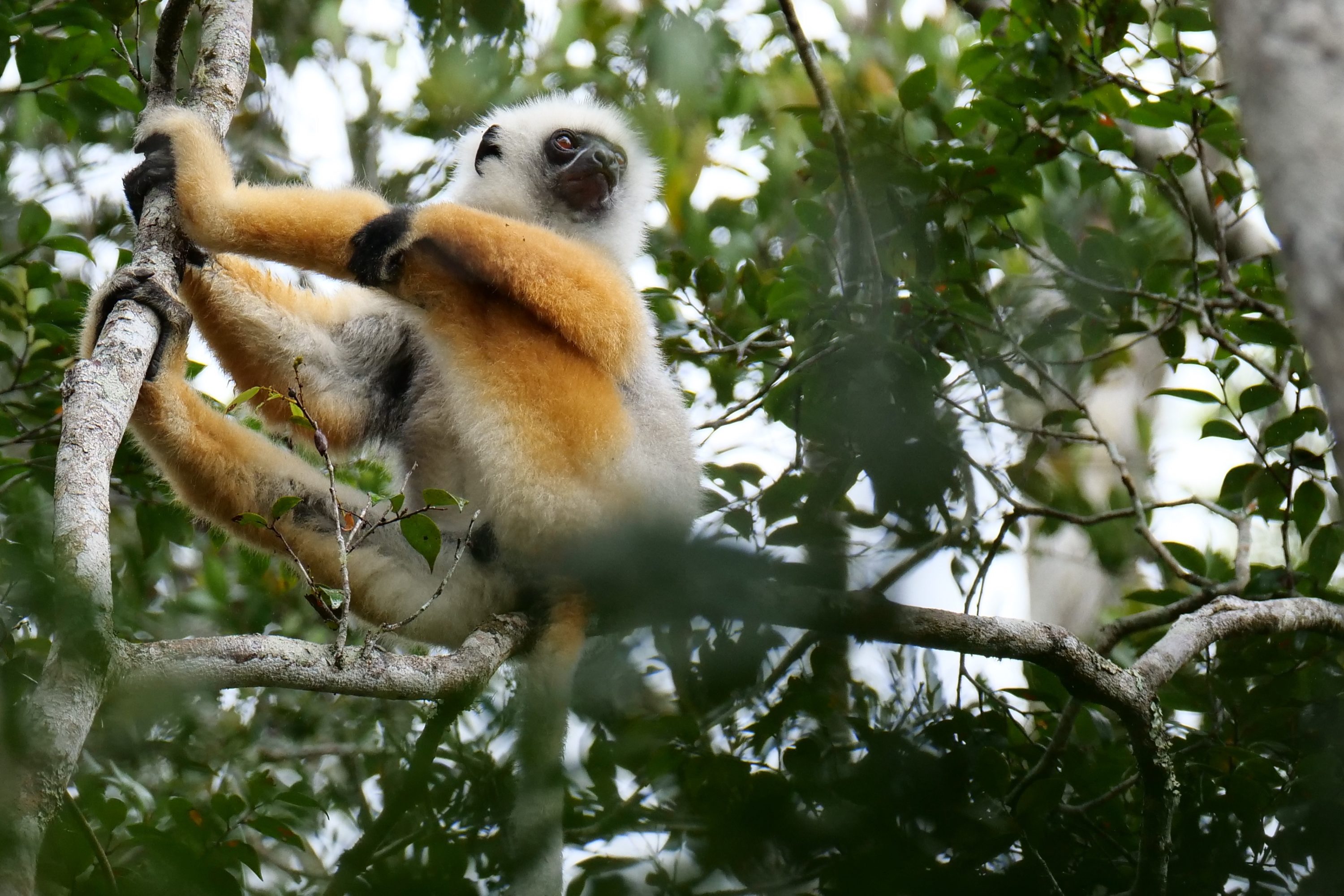
Lemurs (4th in series): Diademed Sifaka

Propithecus diadema  – the Diademed Sifaka or Diademed Simpona – is a large, utterly distinctive lemur.

It is critically endangered, but relatively easy to see in the (rapidly diminishing) wild, only a few hours away from Madagascar’s capital city.

The next image will explain why many people regard the Diademed  Sifaka as the loveliest lemur.

Comments closed