Skip to content →

Tag: Pemberton

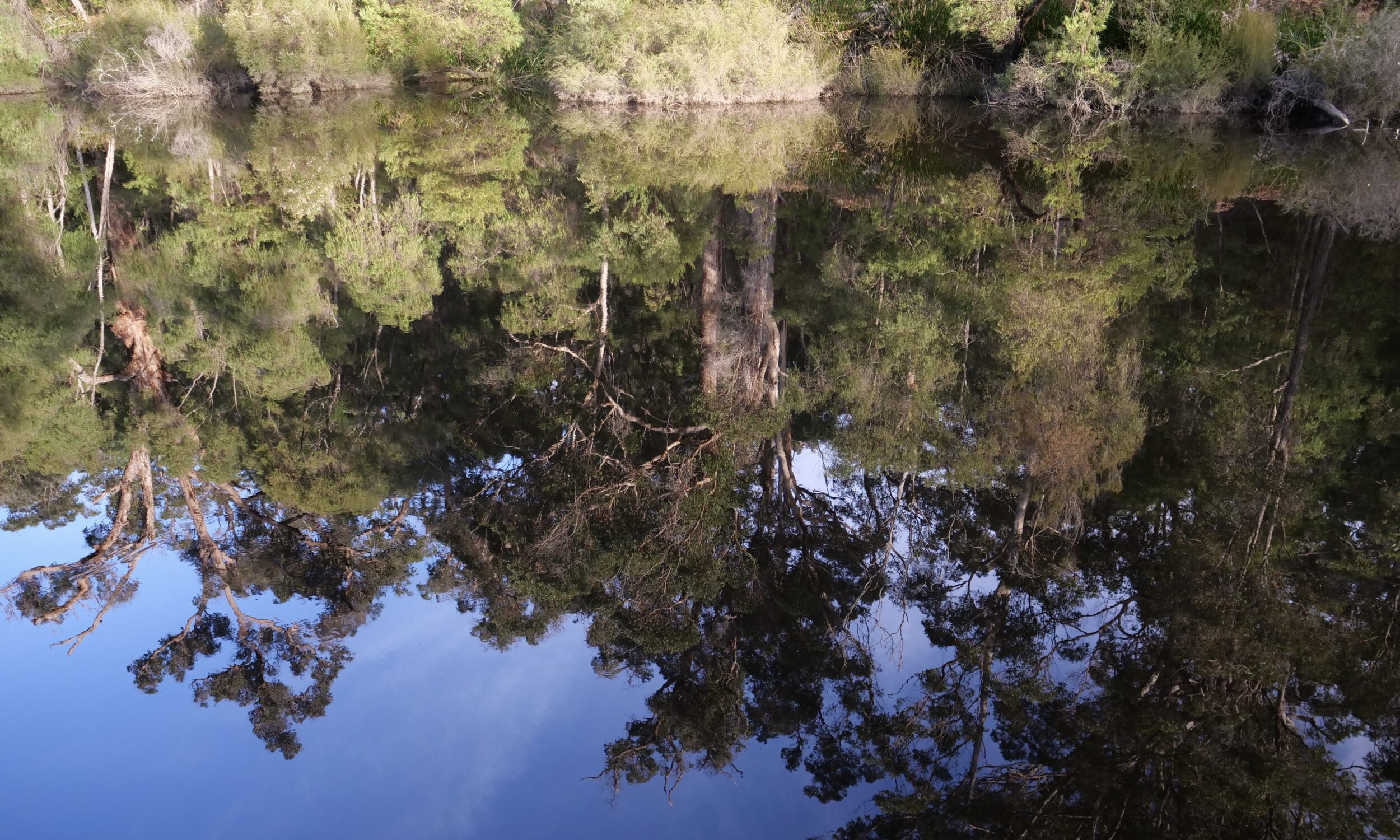
Winter 2025, South West WA (#16 in series: forest understorey & river-mirror, under grey sky)


What a difference five minutes can make!

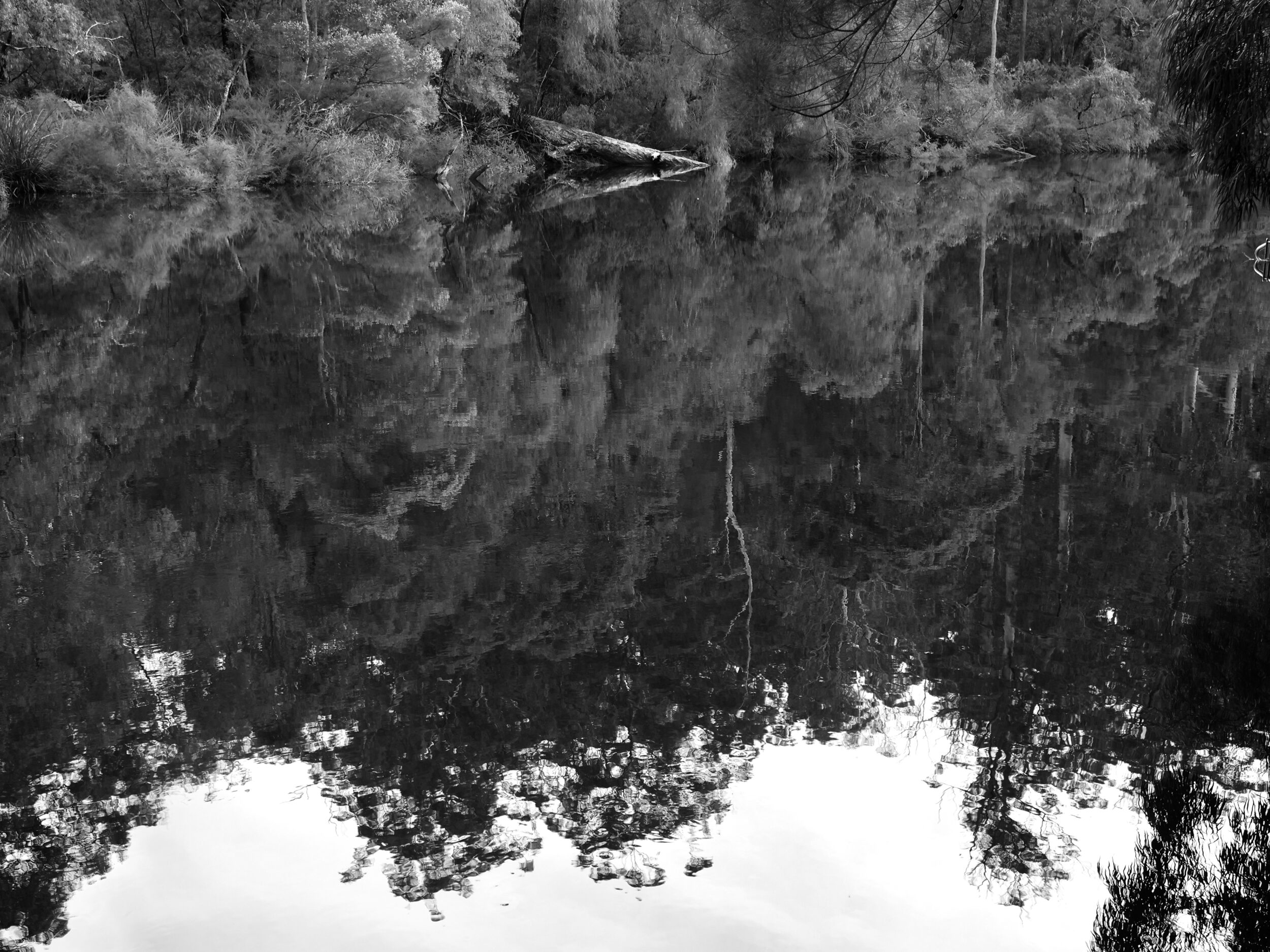
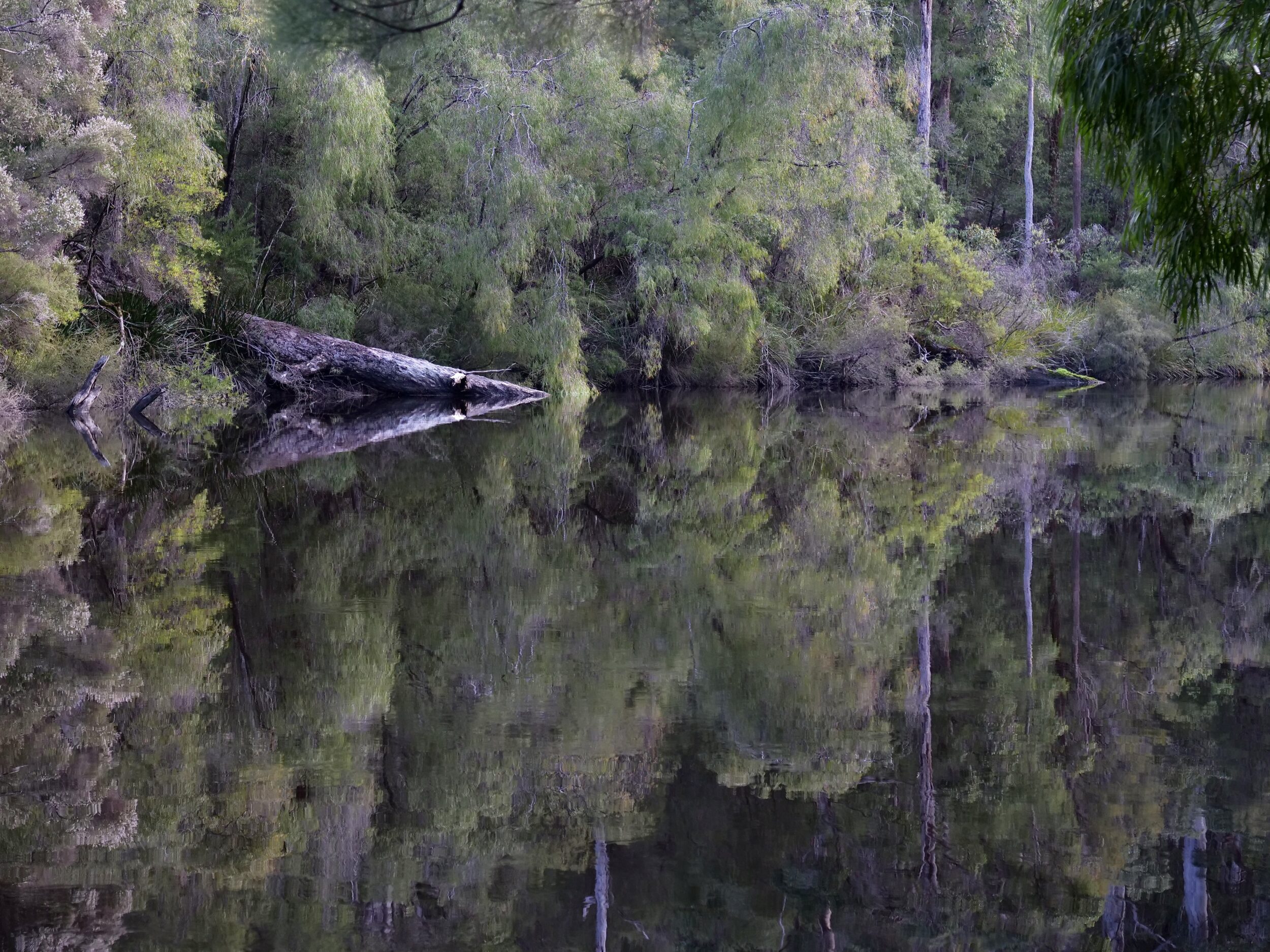
By 4.55pm on 18 August 2025 the skies above Warren National Park had become overcast, whilst the Warren River’s surface remained “glassy”.

The gentler light improved a camera’s ability to capture the subtle beauty of the forest’s understorey – as viewed directly, and as reflected by the river.

Comments closed

Winter 2025, South West WA (#15 in series: river as mirror)


30 minutes on from the taking of the previous chapter’s photos, we were just a little further upstream.

The sun was low in the sky, which was still mostly-blue – or had again become so.

Briefly, no wind was blowing.

This particular stretch of the Warren River was now almost-entirely unruffled.

Comments closed

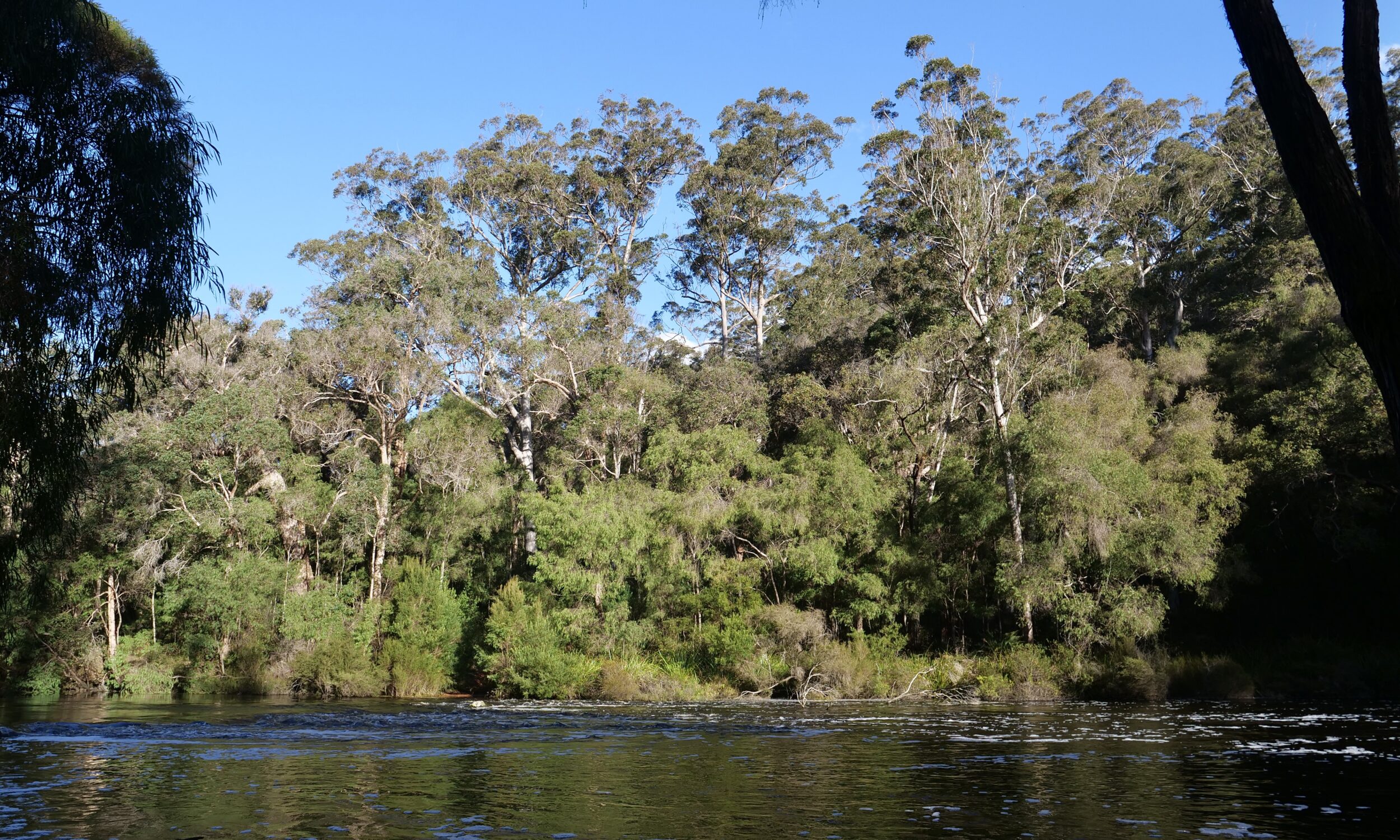
Winter 2025, South West WA (#14 in series: watching the river flow)


In Warren National Park on the afternoon of 18 September 2025 the weather was highly dynamic.

Whatever was your favourite kind of winter weather – windy or calm, raining or dry, sunny or overcast – you could reasonably expect at least one fleeting dose of it within the space of a single hour.

This post shows the Warren River, the forest through which it flows and the sky above, as they appeared at 4.20 and 4.21 pm.

Comments closed

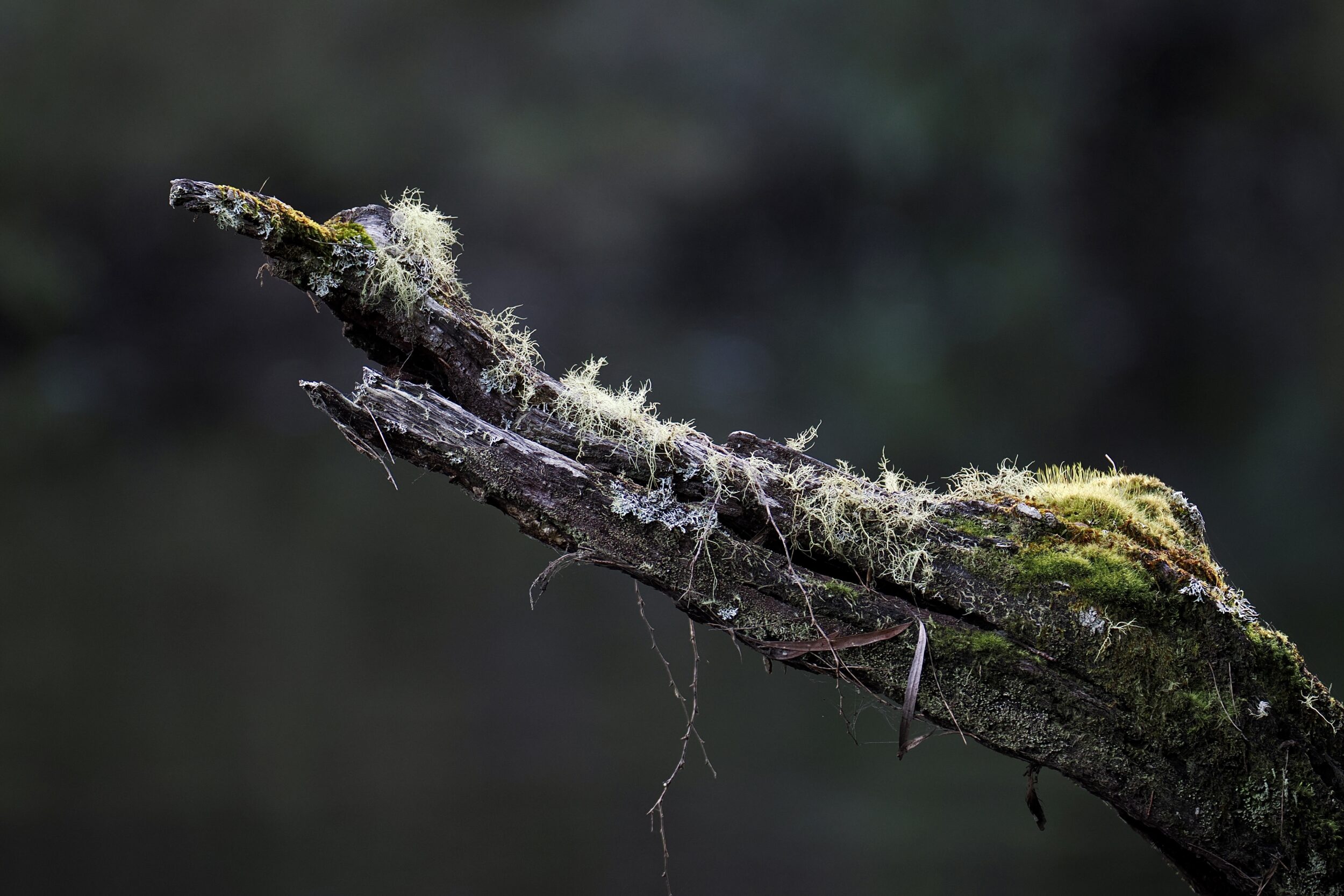
Winter 2025, South West WA (#13 in series: little, living)


Warren National Park’s Karri-dominated forest is – by Australian standards – a moist, cool environment, albeit definitely not rainforest.

Most visitors mostly look up; for many tourists, the Warren’s big trees are the tallest living things they have ever seen.

It is also a good idea to look down, to pay attention to non-huge things, and to remember that “dead” wood is never lifeless.

Comments closed

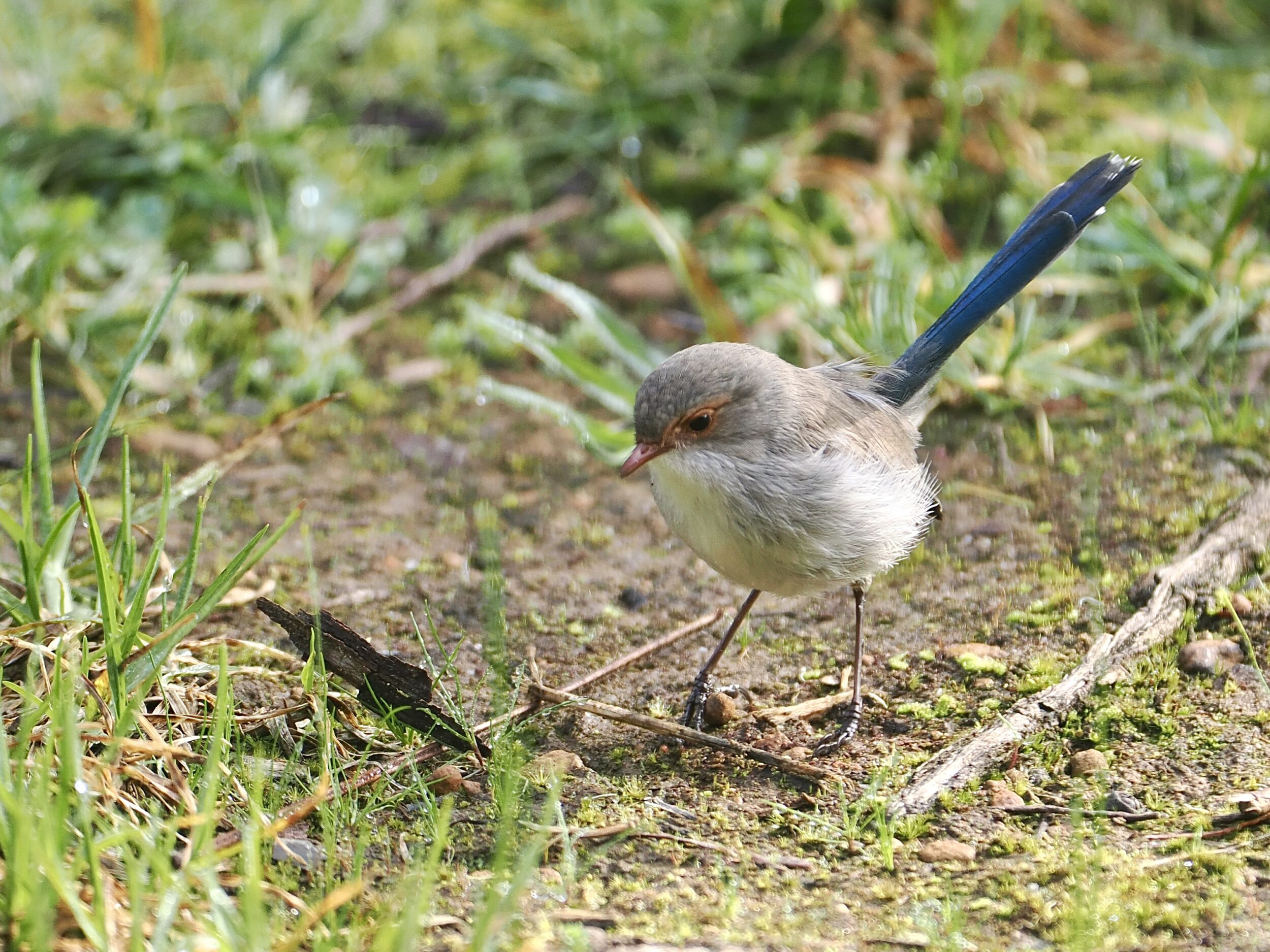
Winter 2025, South West WA (#12 in series: “fairy”, just outside)


At 9.11 am on 17 August 2025 the pictured individual was very close to us.

She was just on the other side of the living room window.

All of us were enjoying the morning sun, after a very rainy night in and around Pemberton.

The particular location is one where we really like to stay…and which fairywrens (and many other petite birds) also like.

(the relevant cottages are less than a five minute drive from Pemberton. They share their name with the adjacent forest, and are blessed with generous, nature-loving owners)

The hero/ine of #11 in this series – photographed the previous afternoon, less than 100 metres away – was definitely a white-browned scrubwren,

This post’s heroine is definitely a female fairywren, but her beak makes me unsure of her species.

Comments closed

Winter 2025, South West WA (#11 in series: not rare, but rarely seen)


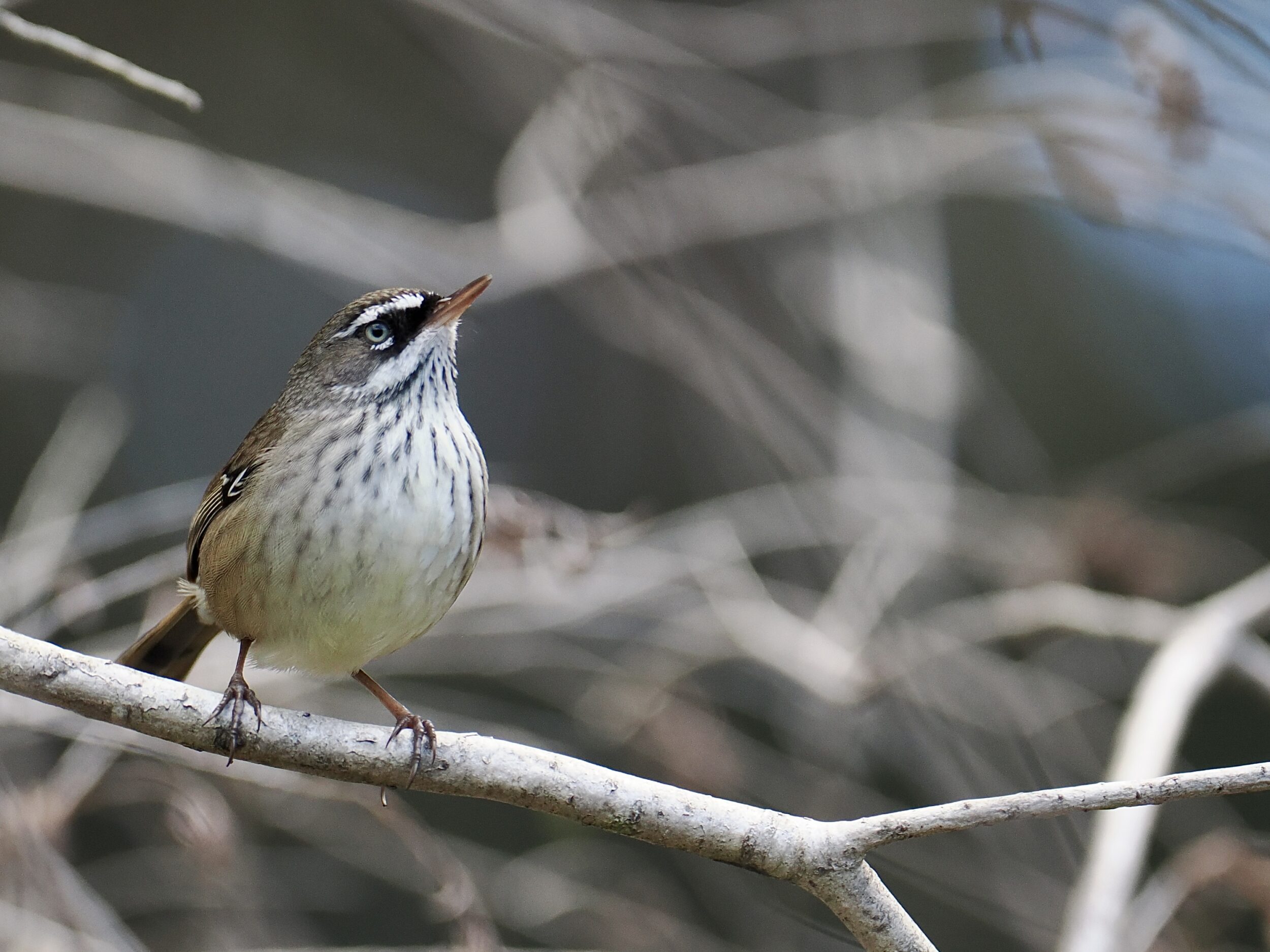
You are looking at a very shy, very small, very “busy”, mostly-insectivorous and allegedly “drab” bird.

S/he is a West Australian version of Sericornis frontalis – the white-browed scrubwren.

White-browed scrubwrens are a single species, but with many regional variations.

The alleged number of its subspecies varies hugely – from two through to ten.

Many human Australians have heard its (surprisingly loud) call, but surprisingly few have ever enjoyed a clear, full-frontal view of a white-browed scrubwren.

I have several (brief) times had a close and clear view, but until 4.13 pm on 16 August 2025 I had never enjoyed a relatively-prolonged and intimate encounter with a member of this species, in “flaunting” mode.

One Comment

Winter 2025, South West WA, (#9 in series: Karri forest – colour & monochrome)


Western Australia’s tallest tree species naturally occurs only in a small, relatively wet portion of the state’s southwest.

Karri – Eucalyptus diversicolour – is one of Australia’s tall Eucalypts; collectively, they are the world’s tallest flowering plants.

Karri is not the tallest of them, but the biggest karri trees are among “our” planet’s  most massive living individuals.

Counter-intuitive, but true: Europe’s tallest (reliably measured)  tree is a karri, planted circa 130 years ago in Portugal.

The Karri Knight (circa 75 metres) is a little shorter than is the tallest WA-resident karri.

Virgin karri forest is extraordinarily beautiful, and can only be experienced in a small number of Western Australian places.

Warren National Park has no peer, at least among those which are readily 2WD-accessible.
Comments closed

Winter 2025, South West WA (#8 in series: “Big Sandy”…


..,but definitely not  “wasteland”)

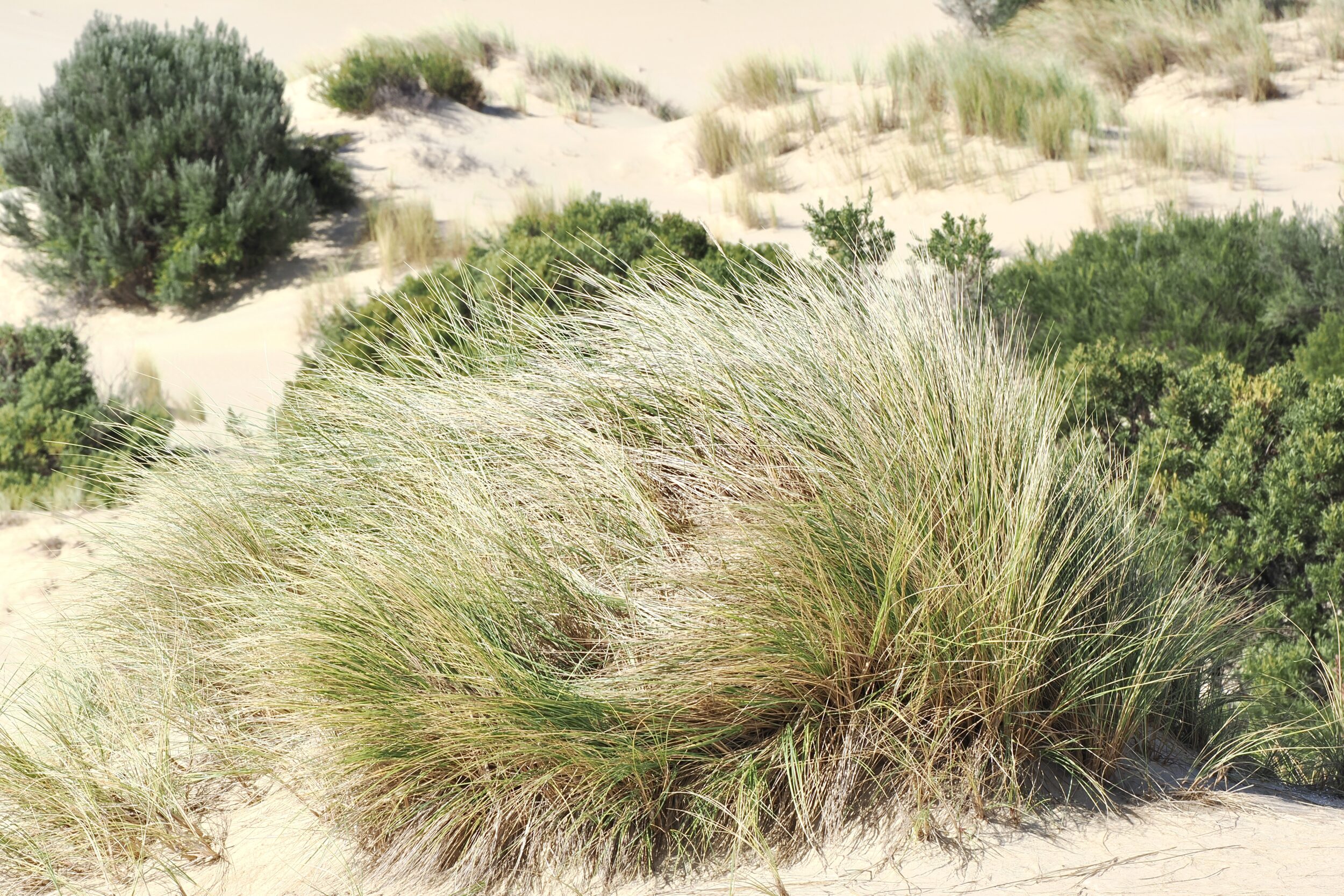
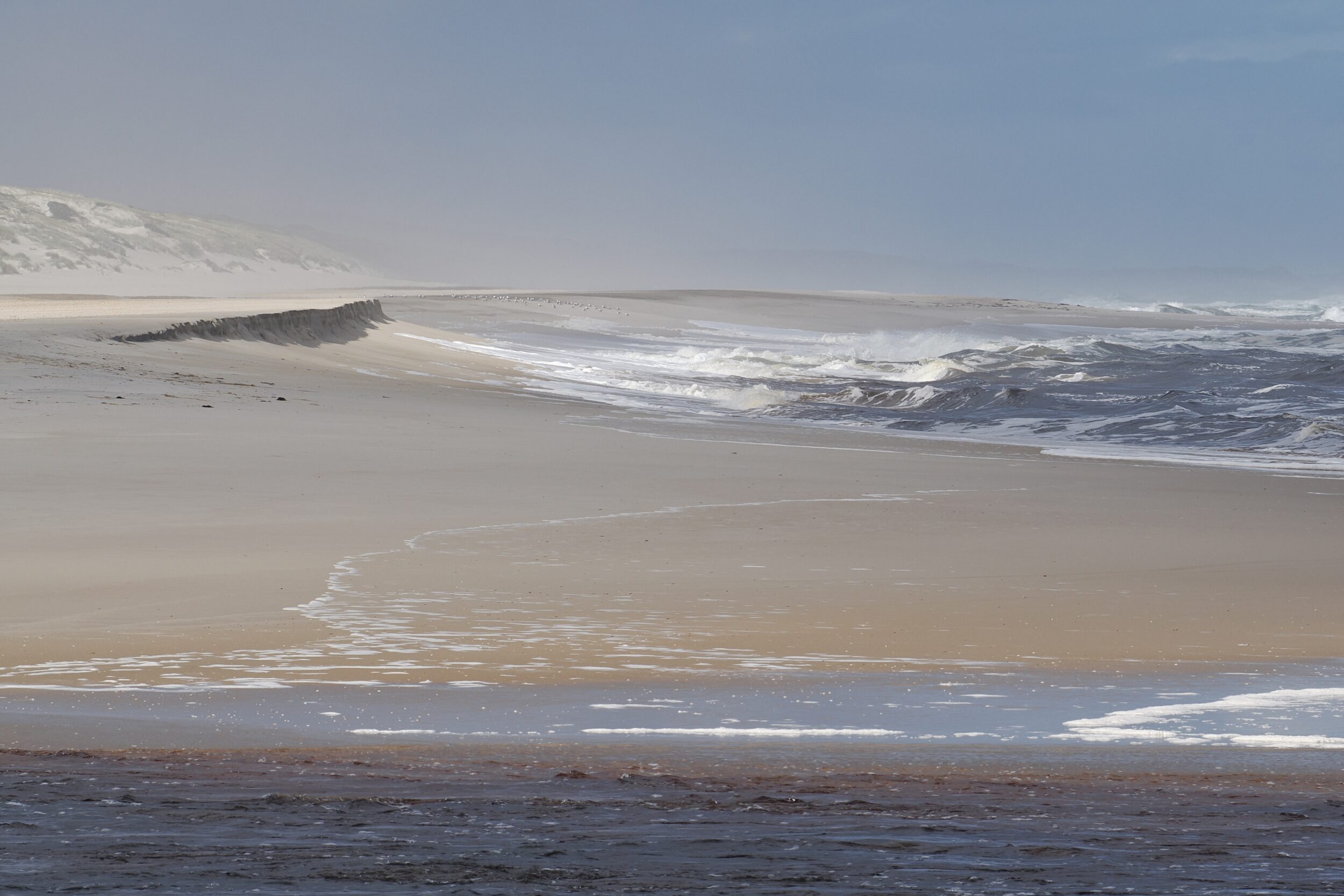
To reach the mouth of the Warren River on Yeagarap Beach one has to traverse the Southern Hemisphere’s largest landlocked mobile dune system.

The Yeagarap Dunes cover nearly 30 square kilometres.

As it moves progressively further inland – at a rate of circa 4 metres per year – this dune system “eats”/buries forest,  and reshapes/shifts/dams some local lakes and wetlands.

And the dune system’s own “mosaic” of vegetation patterns is far from “fixed”.

It ranges from very steep, nearly-naked sand dunes to dense bush “hollows”, where the leaf-littered sandy “floor” is exquisitely punctuated by wildflowers in springtime.

One Comment

Winter 2025, South West WA (#7 in series: foaming at the mouth)


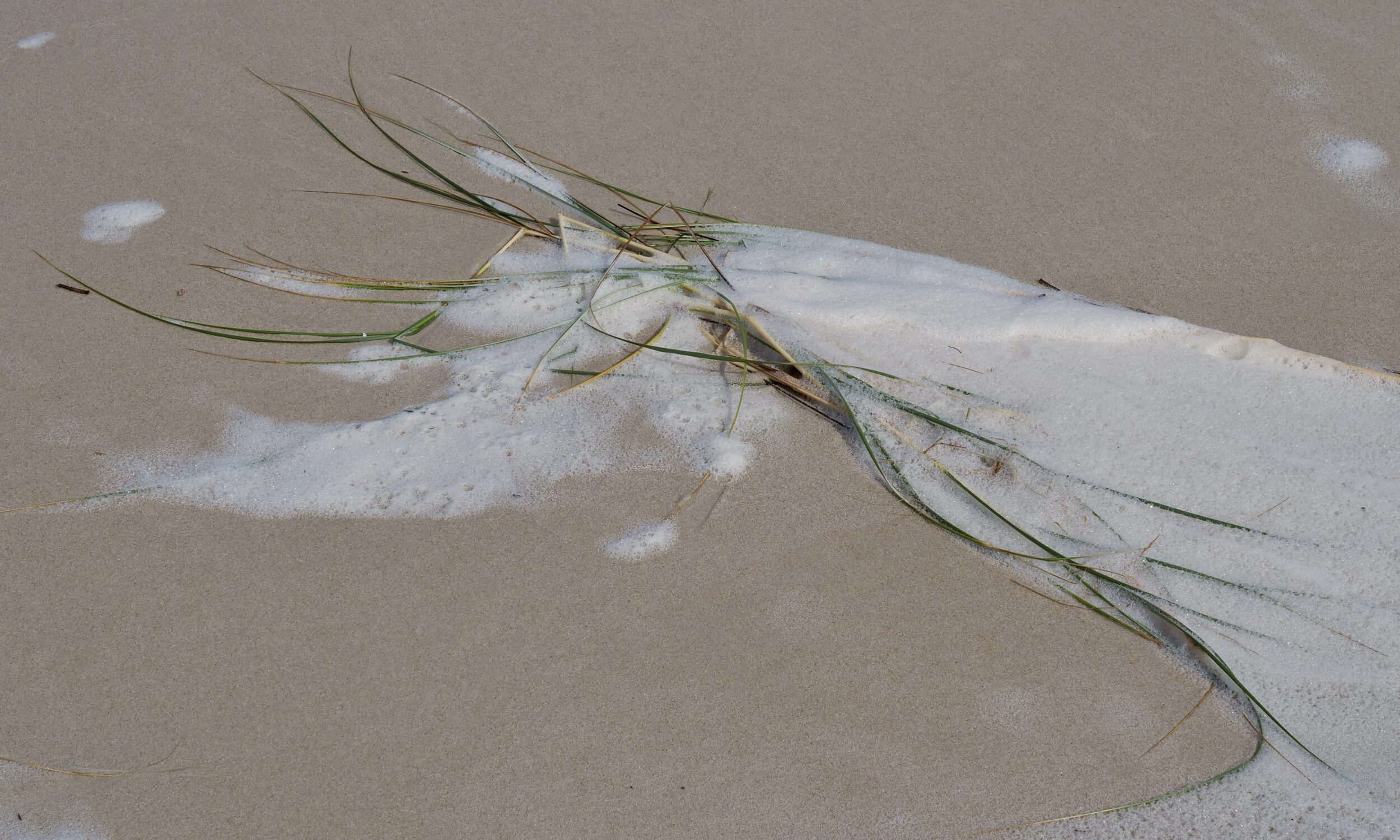
My feet were planted on the same strand, and this post’s photo was taken only moments later than was the final image in this series’ chapter #6.

Common to both: foam…foam with which one can be “relaxed and comfortable”.

Its presence on Yeagarup Beach was entirely benign.

No alga was “blooming”.

The Warren River’s and the relevant section of the Southern Ocean’s waters were not polluted.

Q: so what was going on?

Comments closed

Winter 2025, South West WA (#6 in series: river v ocean)


A river’s mouth and the beach it breaches – or only sometimes manages to breach –  can be very dynamic places.

From one visit to another, they may display utterly different “faces” to an occasional visitor.

Anyone familiar with the mouth of the not-so-mighty Murray, adjacent to the Coorong, knows that even a river mouth’s “precise” location can be a highly-movable feast…or famine.

This is also true of many much more “modest” rivers, such as the Warren.

On the winter morning of 16 August, this particular meeting of river and ocean underwent many changes in mood, even within a single half-hour.

Comments closed