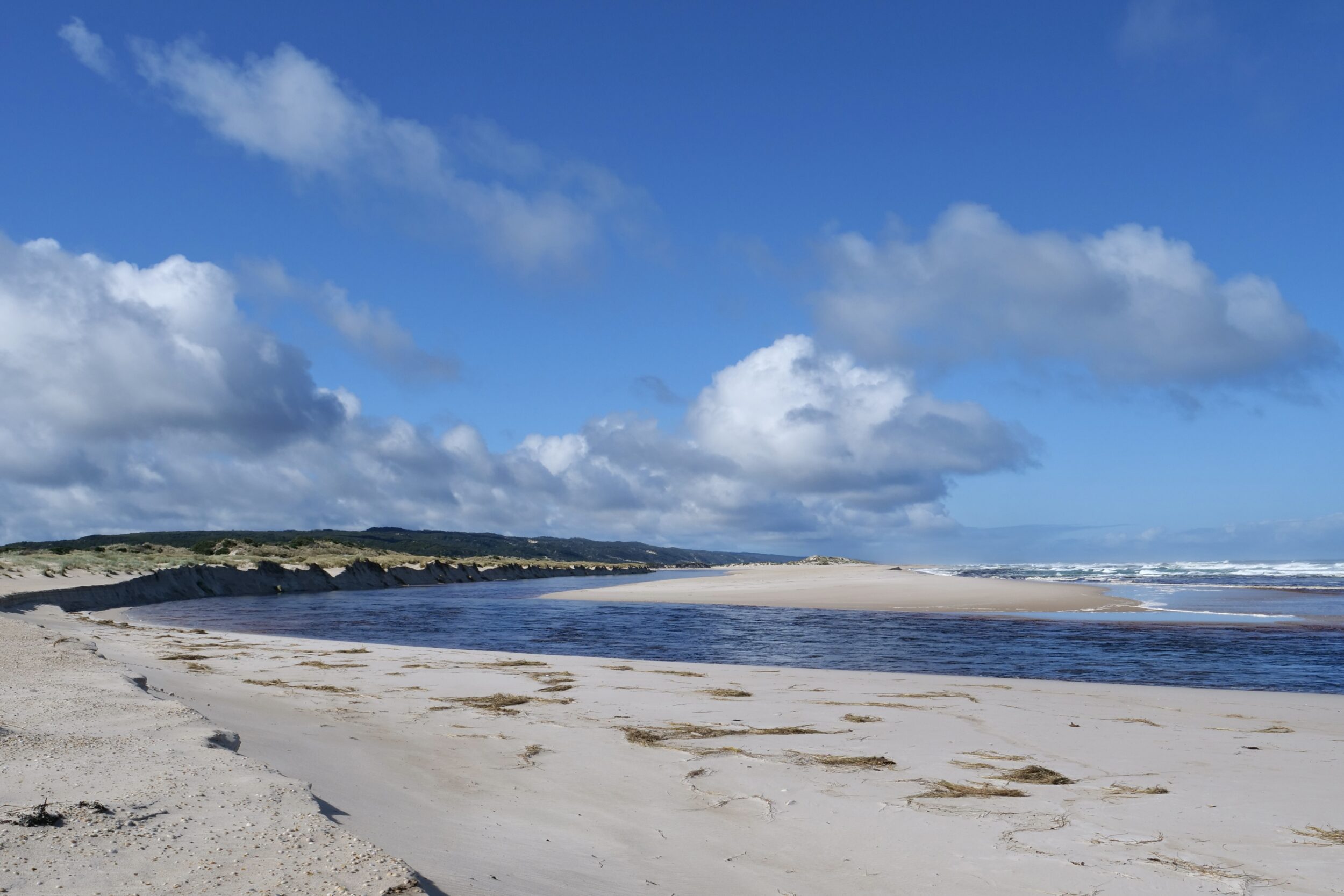
This post’s and the previous chapter’s photos were taken within the space of one minute, from almost the very same spot on Yeagarup Beach.…
Comments closedTag: Pemberton
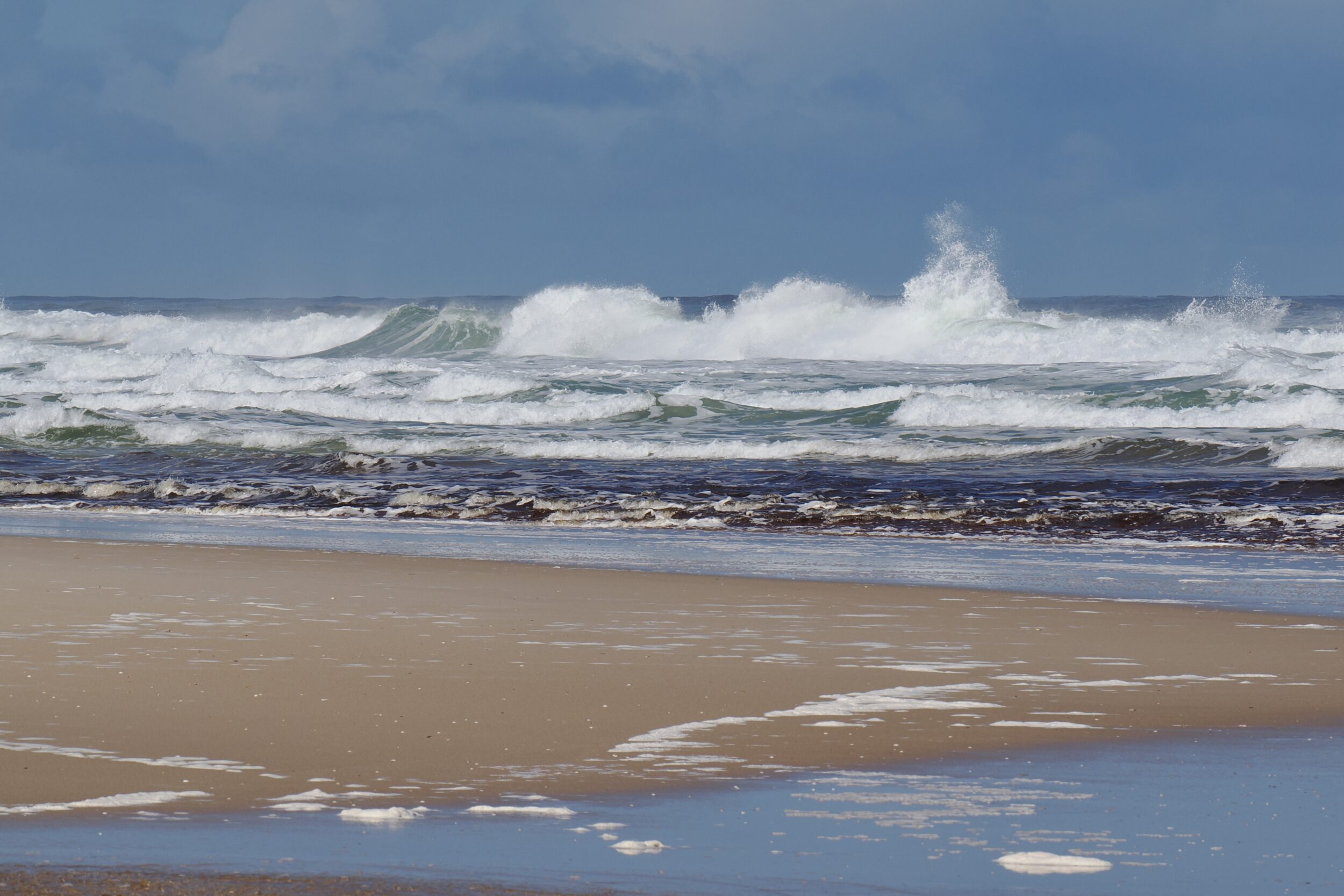
Untarnished, but sometimes “stained”…benignly.
I took the photo at 11.19 pm on 16 August, when a handful of humans stood on Yeagarup Beach.
This is where the Warren River meets the Southern Ocean.
In global terms, the Warren is “modest”, in both length and average flow rate.
However, its lower reaches are glorious. Beautiful, globally unique, very tall, never-logged forests segue to dunes, an estuary and a truly wild ocean shore.
As evident in the featured image, when a “properly” wet winter feeds it, the Warren carries enough tannin-rich water to darken the Southern Ocean’s edge.
(and – as a future chapter will show – the river’s mouth then moves “up the beach”, which it reshapes)
Comments closed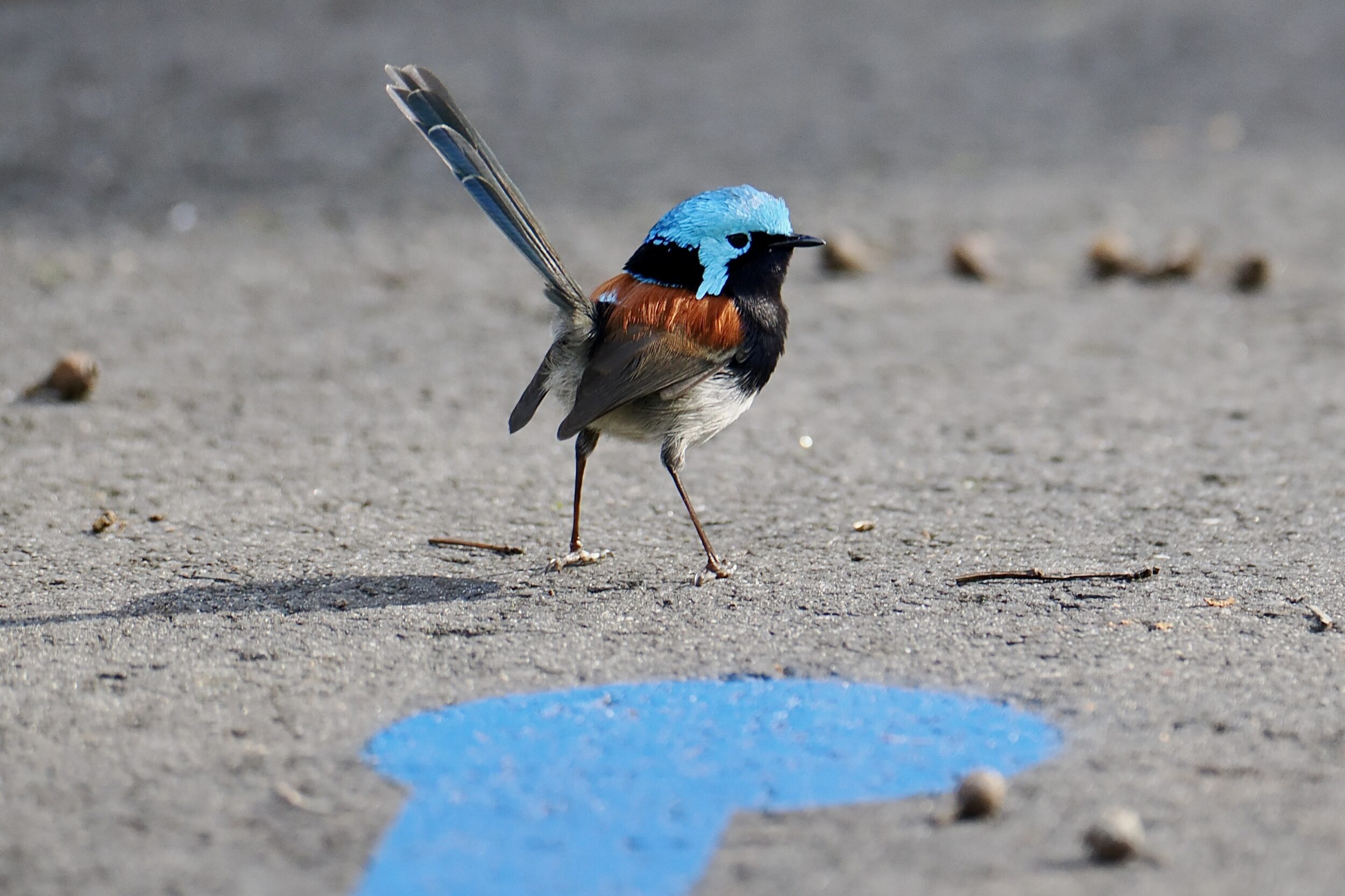
The featured image (above) was taken at 2.51 pm on 18 August 2025, near Beedelup Falls, in southwestern Western Australia’s “Karri country”.
Although not a very fine photo, it does show some very unusual behaviour.
”Flaunting it” is something to which any male member of the genus Malurus – the eleven Australian species generally known as “fairywrens” – devotes a deal of his life.
Generally, however, these “show-offs” are very wary; as soon as a flaunting fairywren senses a human’s presence, he “disappears”.
Q: So why was the pictured individual right out in the open, on a sealed roadway’s surface, and utterly unalarmed by my very obvious, very close presence?
Comments closed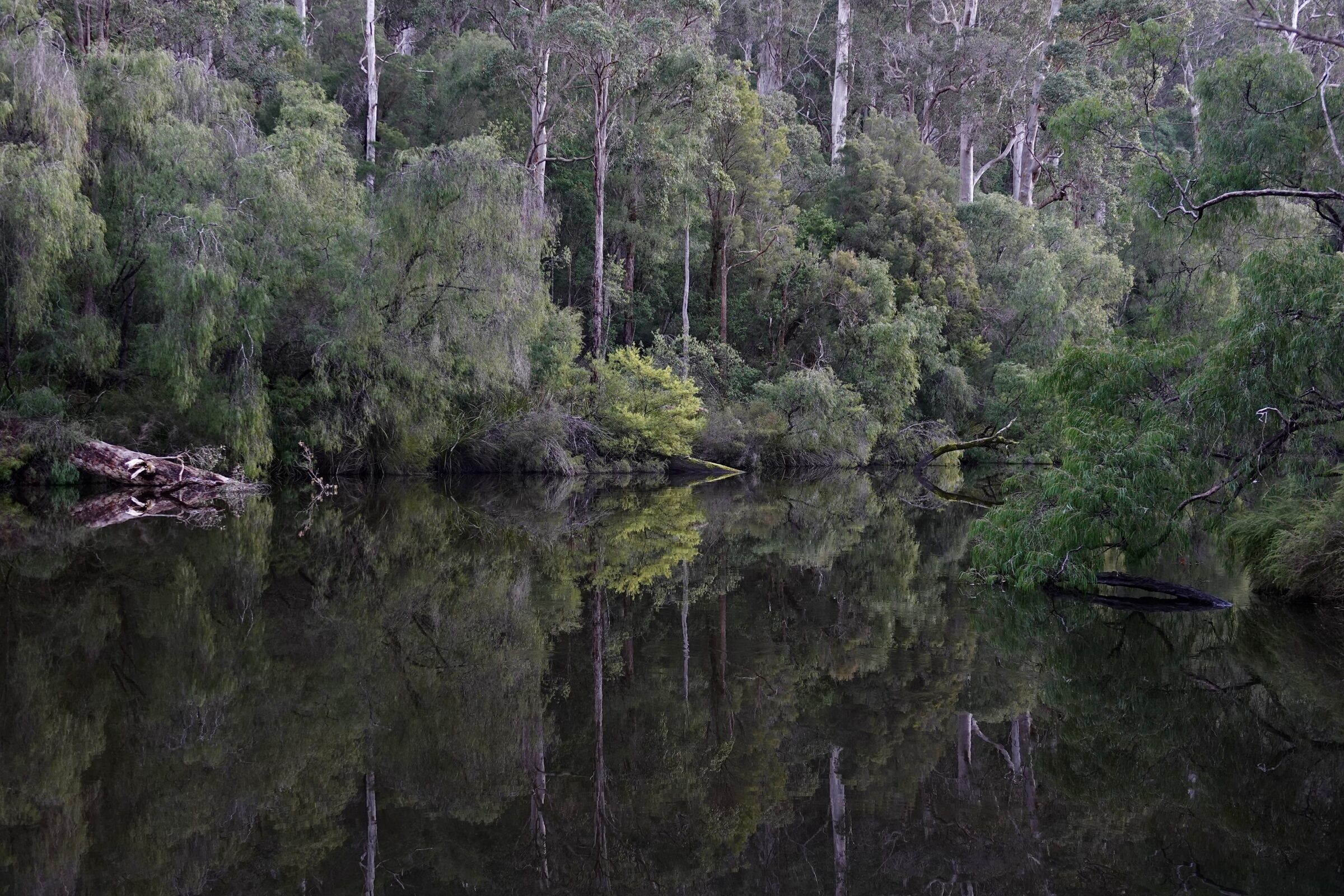
For easy access to magnificent virgin Karri forest, there is no better place than Warren National Park.
Its main entry point is only a few minutes’ drive from Pemberton.
My beloved and I have been there many times.
No two times are the same, even when they are only hours apart!
Comments closed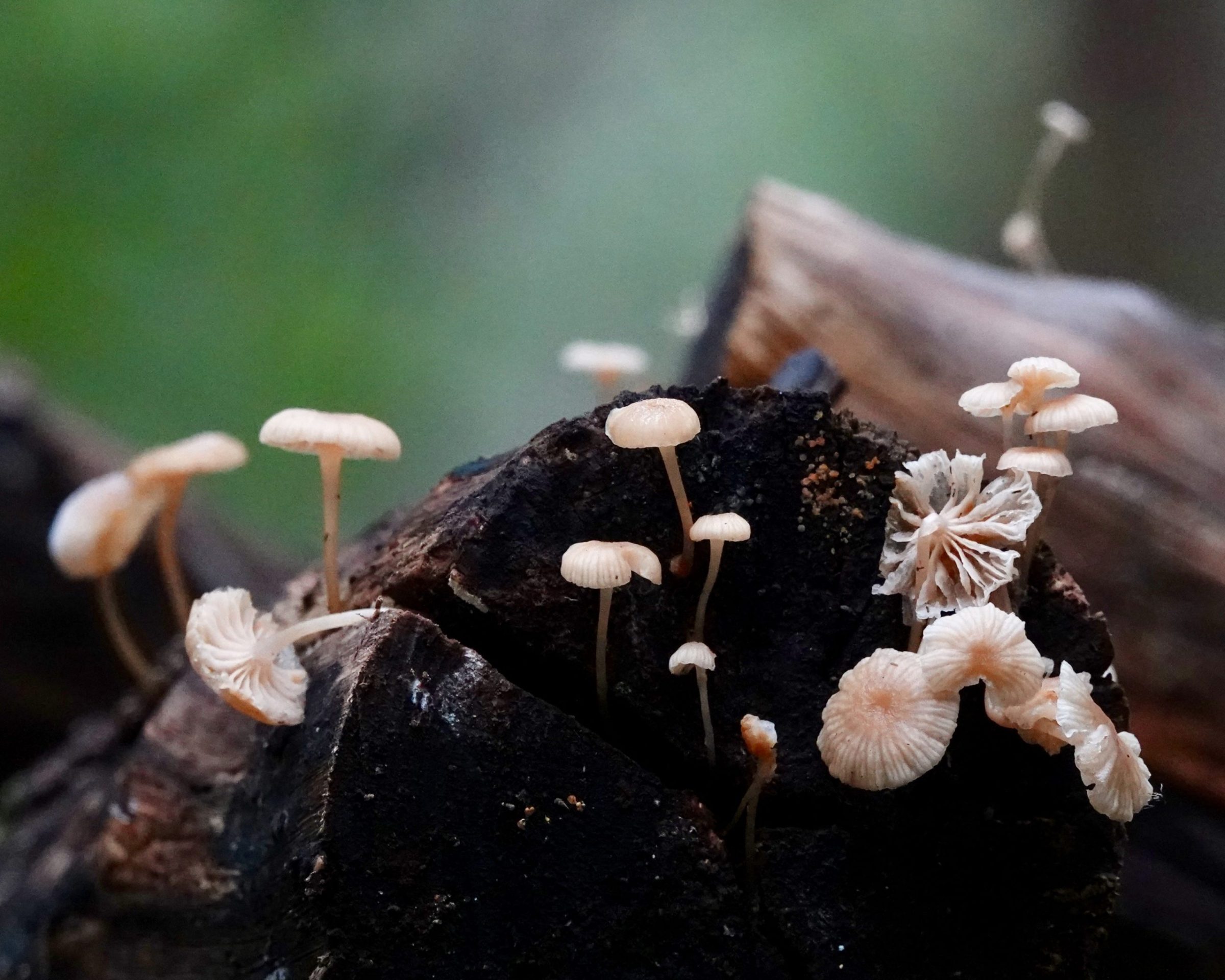
Southwestern Western Australia is rightly renowned for the extraordinary diversity of its flowering plants.
Its fungi are even more diverse.
Fungi species comprehensively outnumber the combined total of plant and animal species.
Macrofungi are the ones with fruiting bodies big enough to be visible to an observant, naked human eye, in the wild.
Comments closed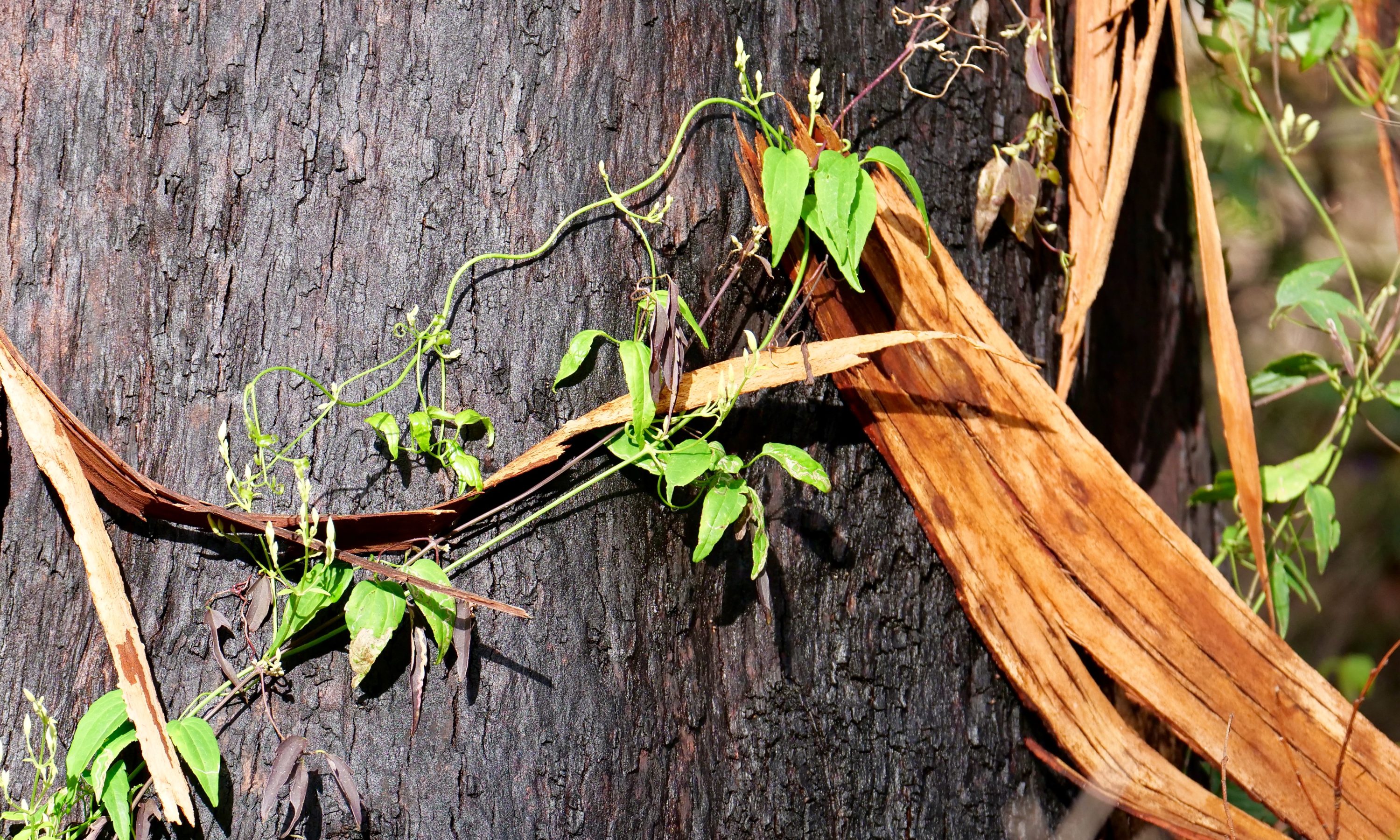
Both are integral to this forest type; the “how” and the “how often” of the former are endlessly debated/contested.
All photos taken on the notional “last day of winter”, August 31 2018; most of them in the so-called “100 Year Forest” near Pemberton.
One Comment