Skip to content →

Tag: Perth

Spring 2025 in Perth (#4 in series: waxflowers, “2” of 2)


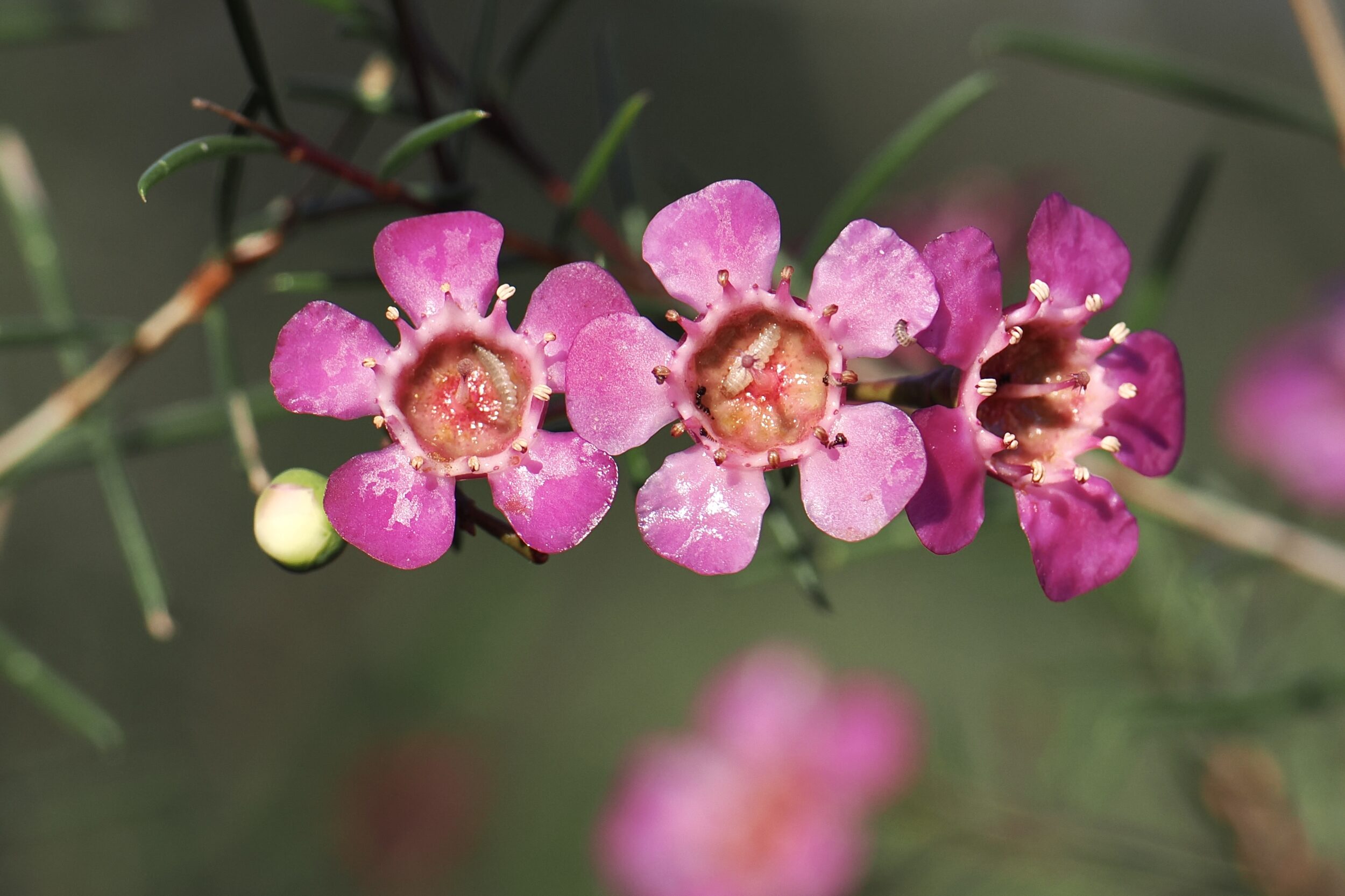
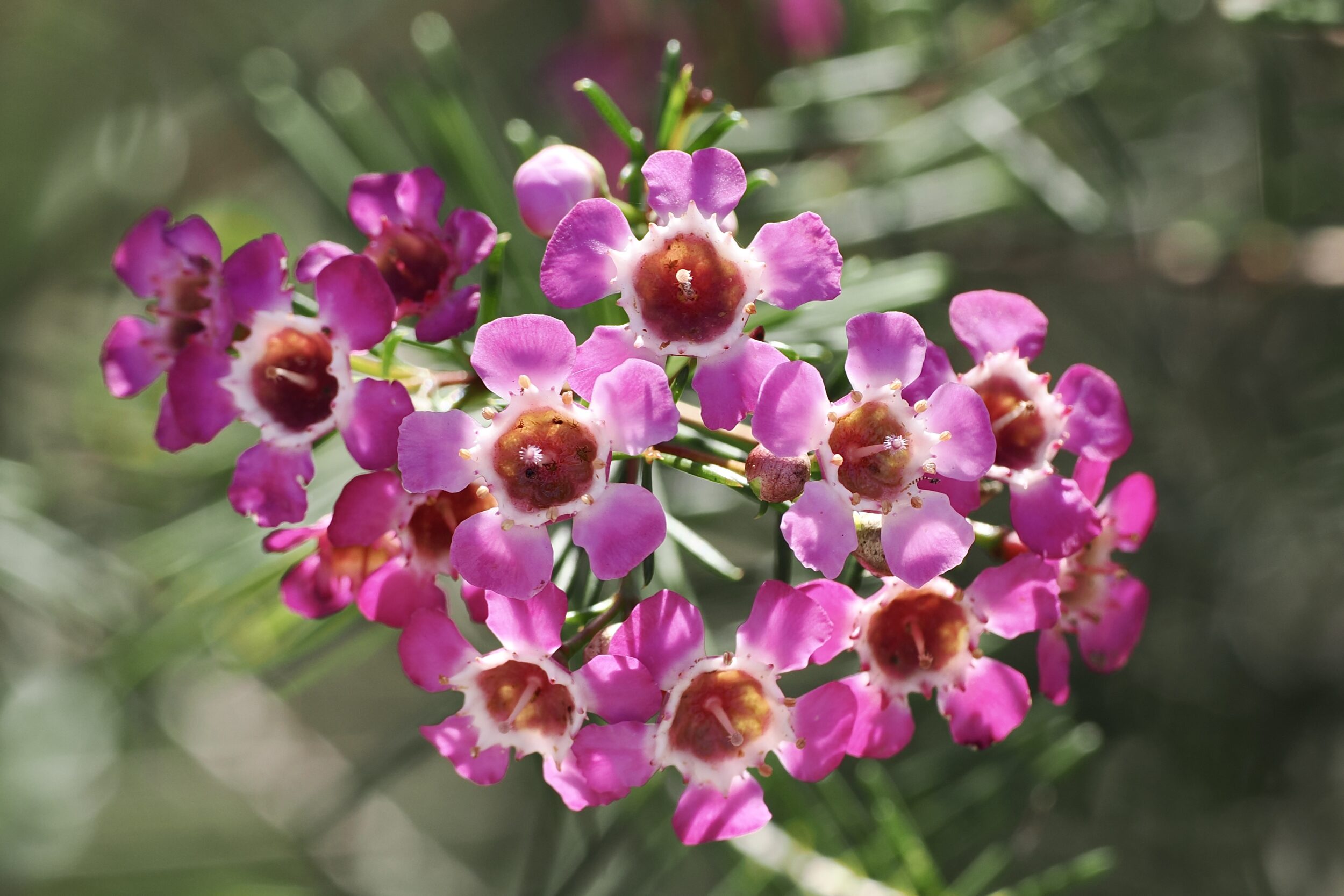
Very often, much more is going on within a single flower than is readily apparent to an observing human’s naked eye.

The deployment of a long or macro lens will often yield a surprise – sometimes lovely, sometimes startling.

If you zoom in on/enlarge the image below you will see two beetles.

They are at/near the top of the photo’s most prominent pistil – the white one, in sharp focus.

For a more “macabre” experience, look at the munching/nectar-sipping young animals that have “invaded” the very heart of two of the three flowers in the featured image, above.

Comments closed
Spring 2025 in Perth (#3 in series: waxflowers, “1” of 2 )


Chamelaucium – the genus known as waxflowers – has fourteen generally-recognised species.

They are members of the Myrtle family.

Some – most especially Geraldton wax, Chamelaucium uncinatum – are highly prized, globally, by florists and gardeners.

However, as is true of so many highly distinctive flowering plants, the natural range for all members of this genus is entirely confined to parts of southwestern Western Australia.

Comments closed

Spring 2025 in Perth, WA (#2 in series: Pink fairies at Lake Claremont)


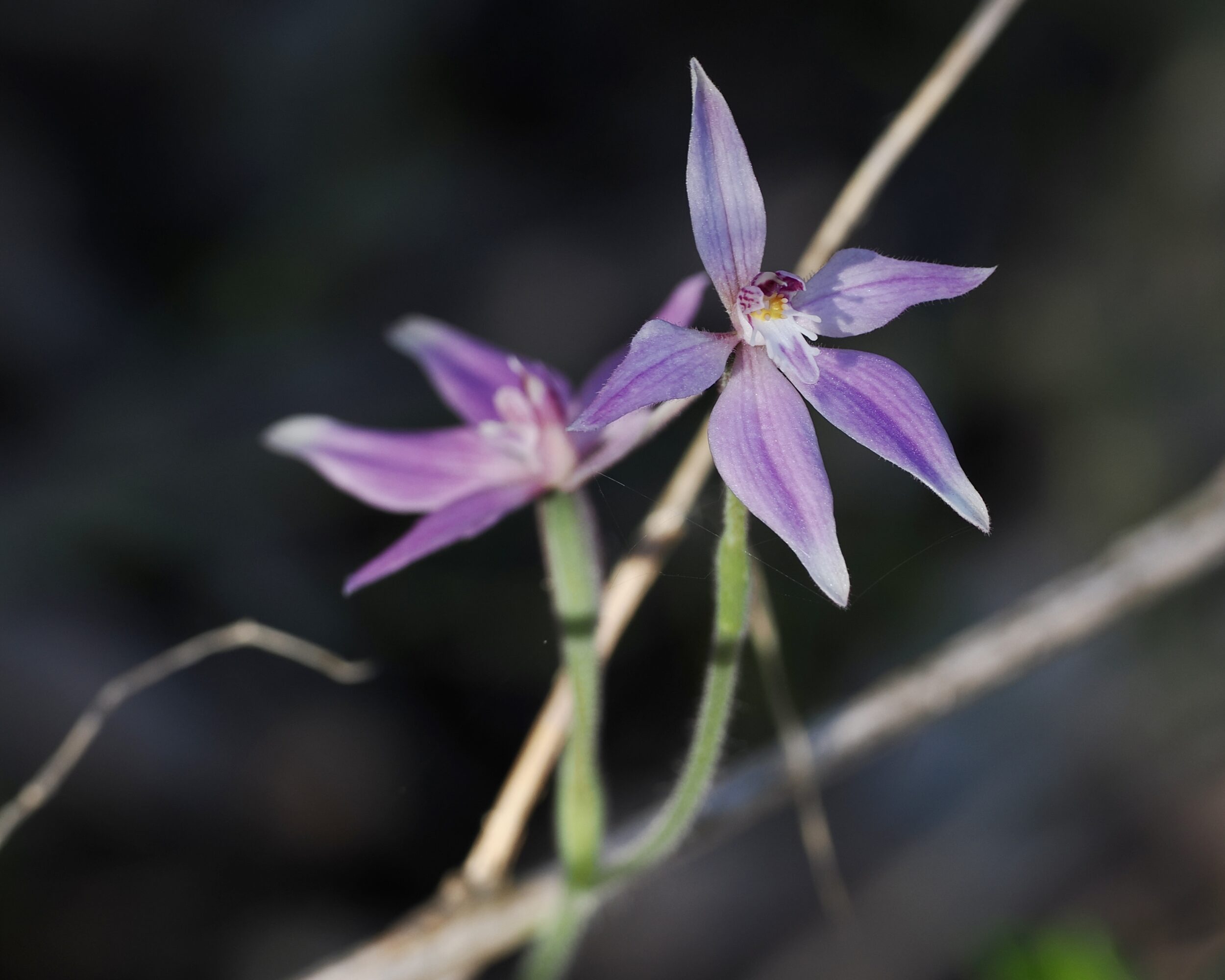
The relevant “fairies” are Caladenia Latiffolia – an Australian orchid species, commonly known as “pink fairy orchids”, or simply “pink fairies”.

I took the photo near the western side of Lake Claremont at 3.46 pm on 19 September.

The floral diversity in southwest WA is phenomenal, globally.

Many of the region’s beautiful, often wondrous-strange flowering plants are endemic – in the wild, they occur nowhere else on earth.

Not a few are endemic to just a tiny portion of WA; for a few species, their entire “home range” is a single hill in The Stirling Range.

Comments closed

Spring 2025 in Perth, WA (#1 in series: emblematic animals)


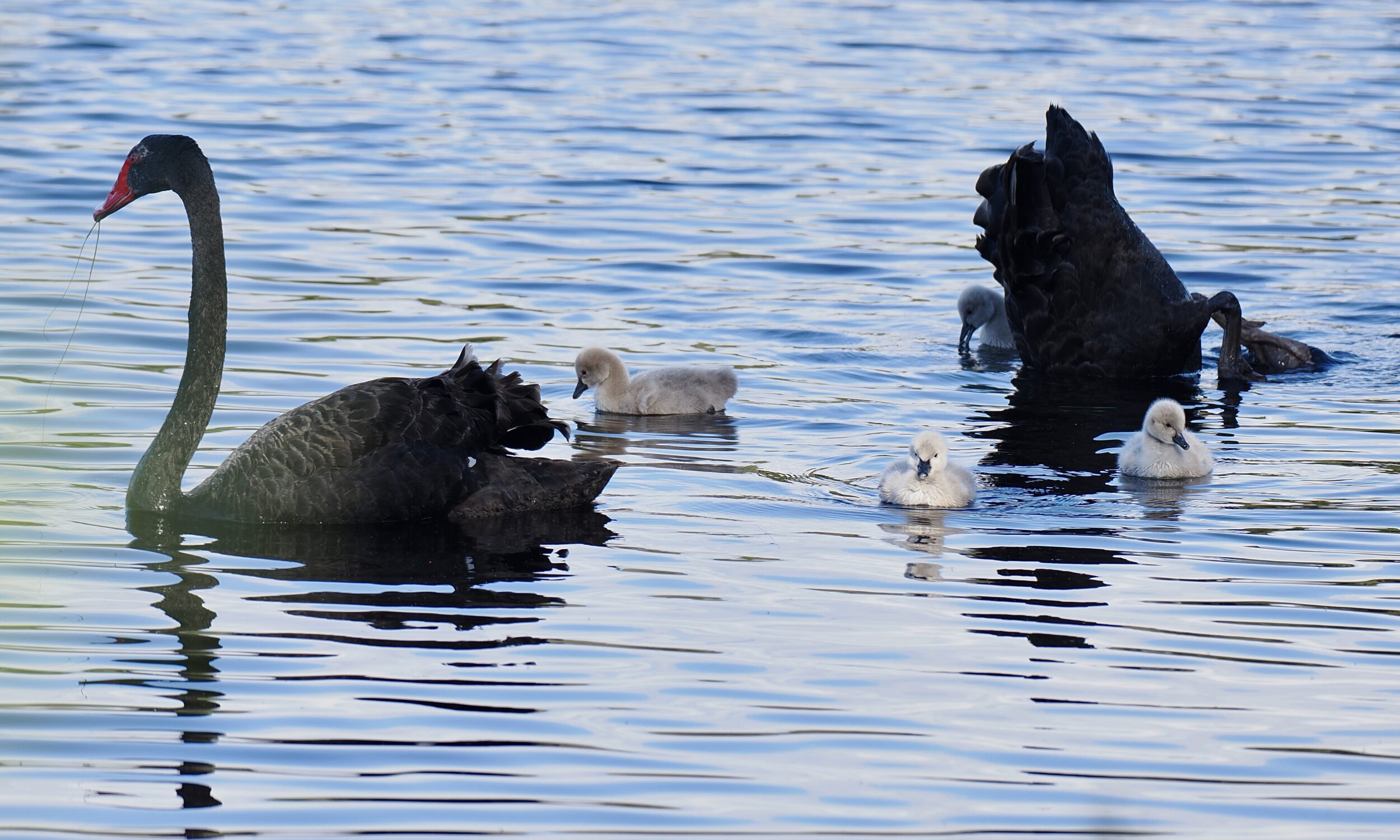
Cygnus atratus – the black swan – is widespread over much of Australia, but is most especially associated with Western Australia.

From 1854 through to Federation in 1901 it appeared on every West Australian postage stamp.

It is still the local “heraldic beast”: prominent on WA’s flag and Coat of Arms.

This species is not endangered, and enjoys protected status in all Australian states and territories.

Black swans are mostly monogamous and both parents are very attentive to their offspring.

Breeding usually occurs in winter.

Spring is generally the best/easiest season to observe parents and cygnets on “open” water.

Comments closed

Winter 2025, South West WA (#3 in series: historically, rare in urban areas)


Urban-resident Australian humans who were born after 1970 may find it very hard to believe, but this post’s headline is accurate.

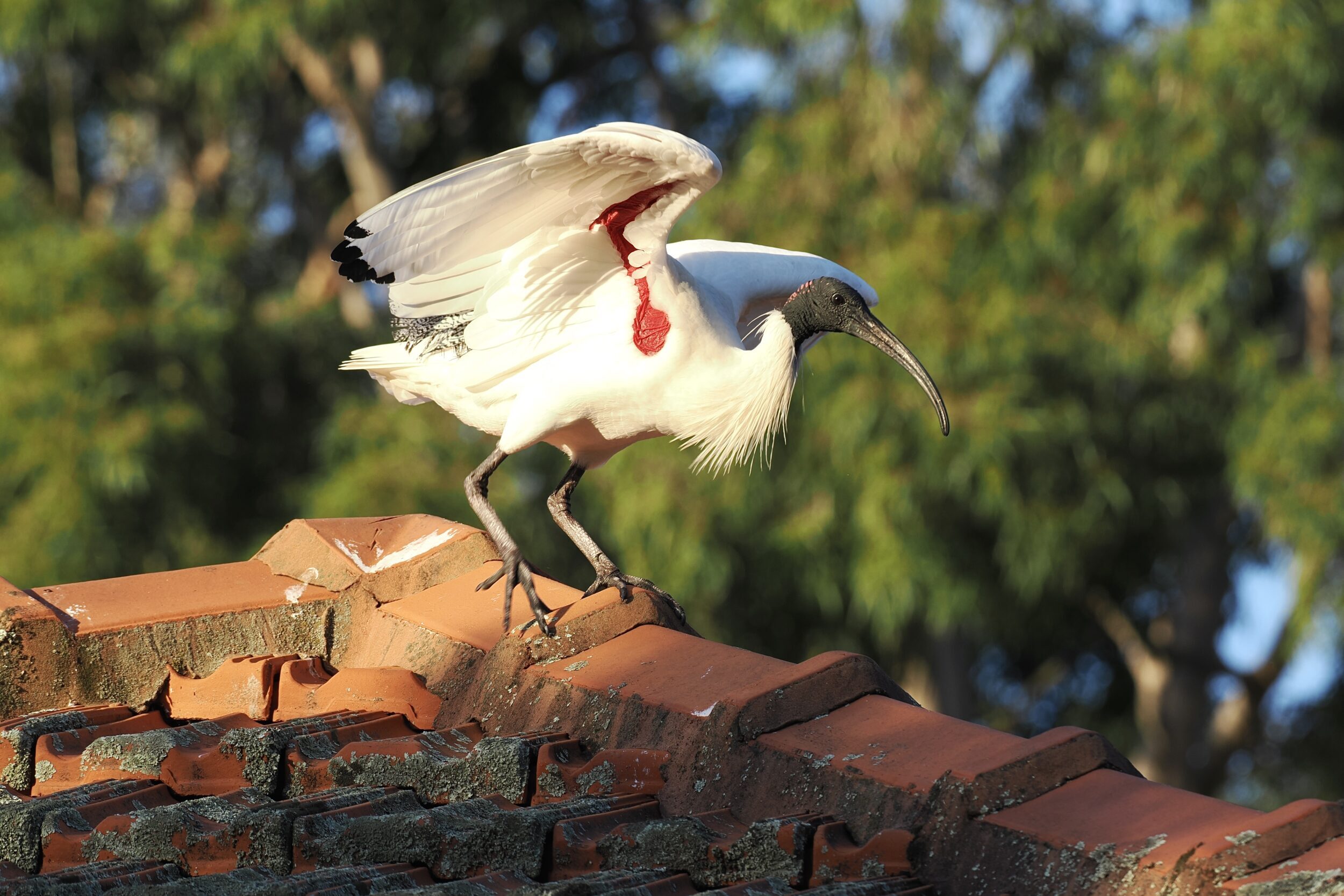
Relatively speaking, Threskiornis molucca – the Australian white ibis – is a newcomer to urban life.

However, the so-called “bin chicken” was already resident on the Australian continent long before Homo sapiens arrived – let alone post-1788 humans and rubbish bins.

It is absolutely not a “feral” bird.

Contrary to what many Australians believe, it and the so-called “Sacred” or “Egyptian” ibis are entirely different species; the latter has never called Australia home.

Still, the roof of a “Federation Era” house in any Australian city – such as the Subiaco one, above – almost certainly never felt the pitter-patter of Threskiornis molucca‘s not-so-tiny feet until the final quarter of the 20th century,  or the first quarter of the 21st.

Comments closed

Winter 2025, South West WA (#2 in series: winter light)


Well-known fact about Perth: it is handsomely the sunniest of Australia’s capital cities.

Perth averages 3,200 hours per year – circa 8.8 hours per day.

Little-known, counter-intuitive fact about Perth: its average annual rainfall is considerably higher than Melbourne’s…and London’s.

(Melbourne has twice as many rainy days, and many more hours of drizzle. Perth’s rain – is typically much more “squally”)

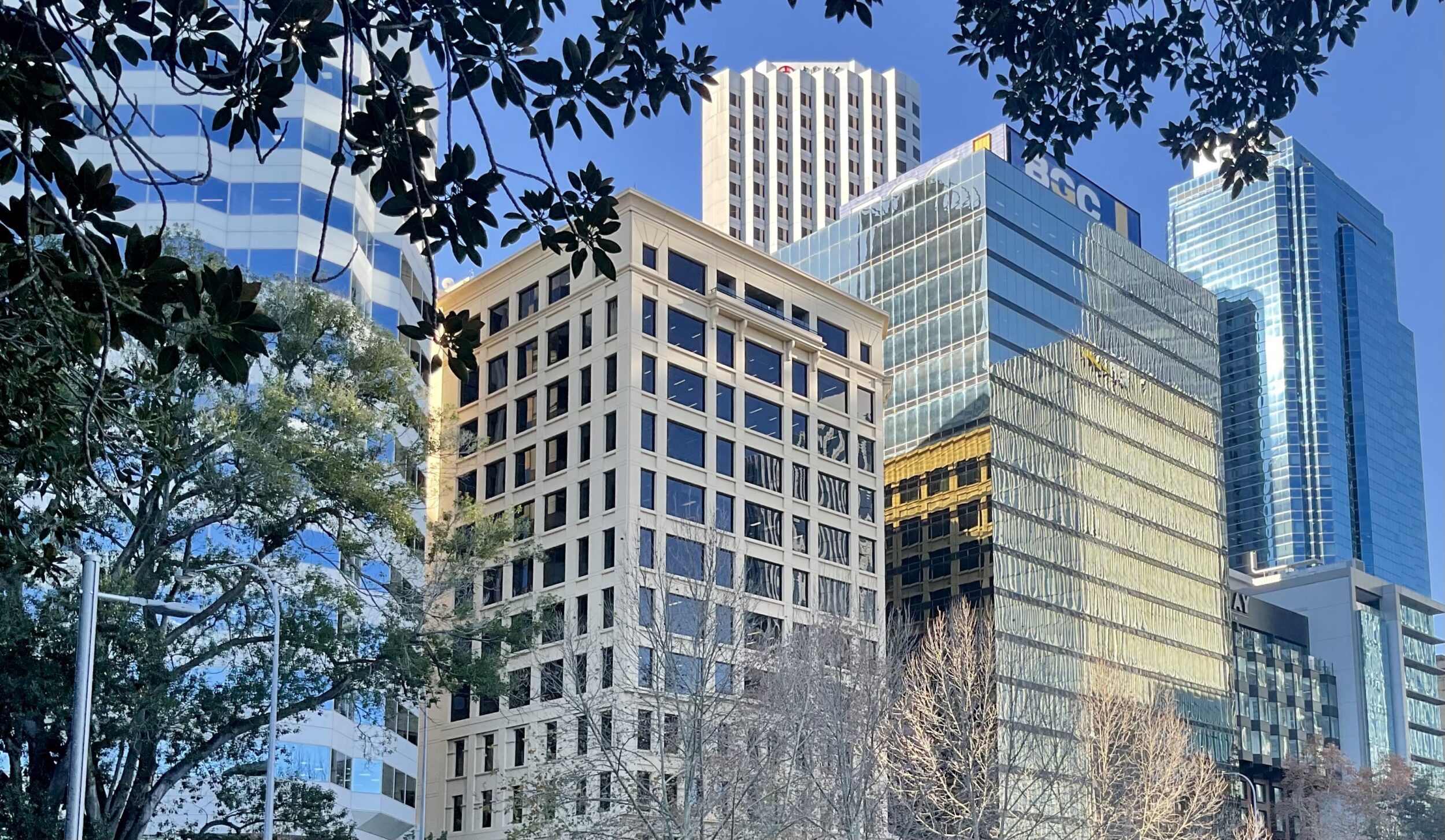
Perth’s winter light is often glorious; it can flatter everything it touches – even very “generic” CBD architecture.

Comments closed

Wireless Hill – feathers & flower spikes (#3 of 3)


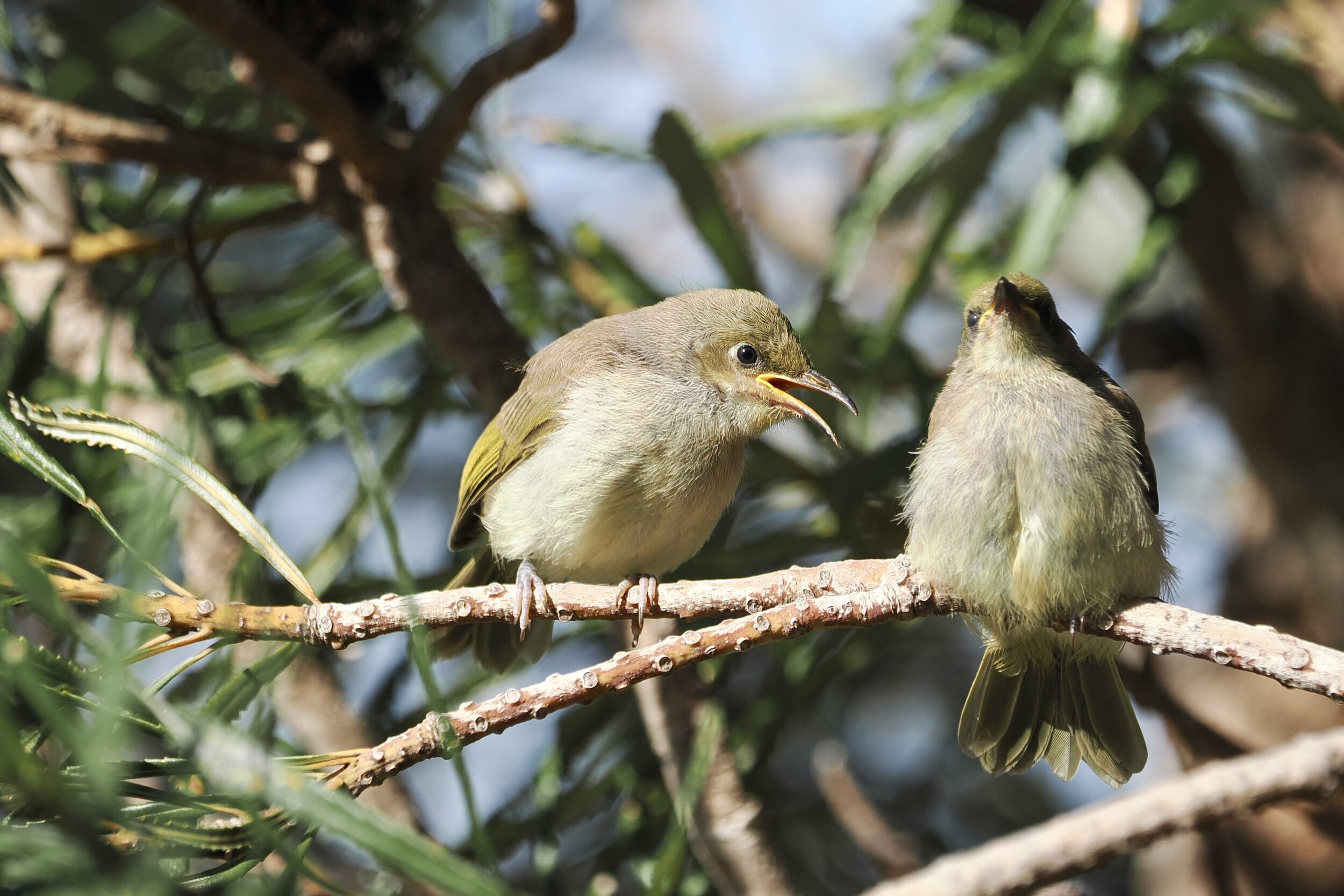
In appearance, Lichmera indistincta – the brown honeyeater – is a strong contender for an “undesirable” title: Australia’s most plain/drab/nondescript honeyeater.

This species’ song, however, is widely considered the finest of any Australian honeyeater’s; clear recordings of it are here. (the second grab is the better one)

The pictured brown honeyeaters are young individuals who dine on pollen & nectar from plants that naturally occur only in southwest Western Australia.

However, brown honeyeaters are highly adaptable; they live across parts of all mainland Australian states and territories, except Victoria;

Comments closed

Wireless Hill – feathers & flower spikes (#2 of 3)


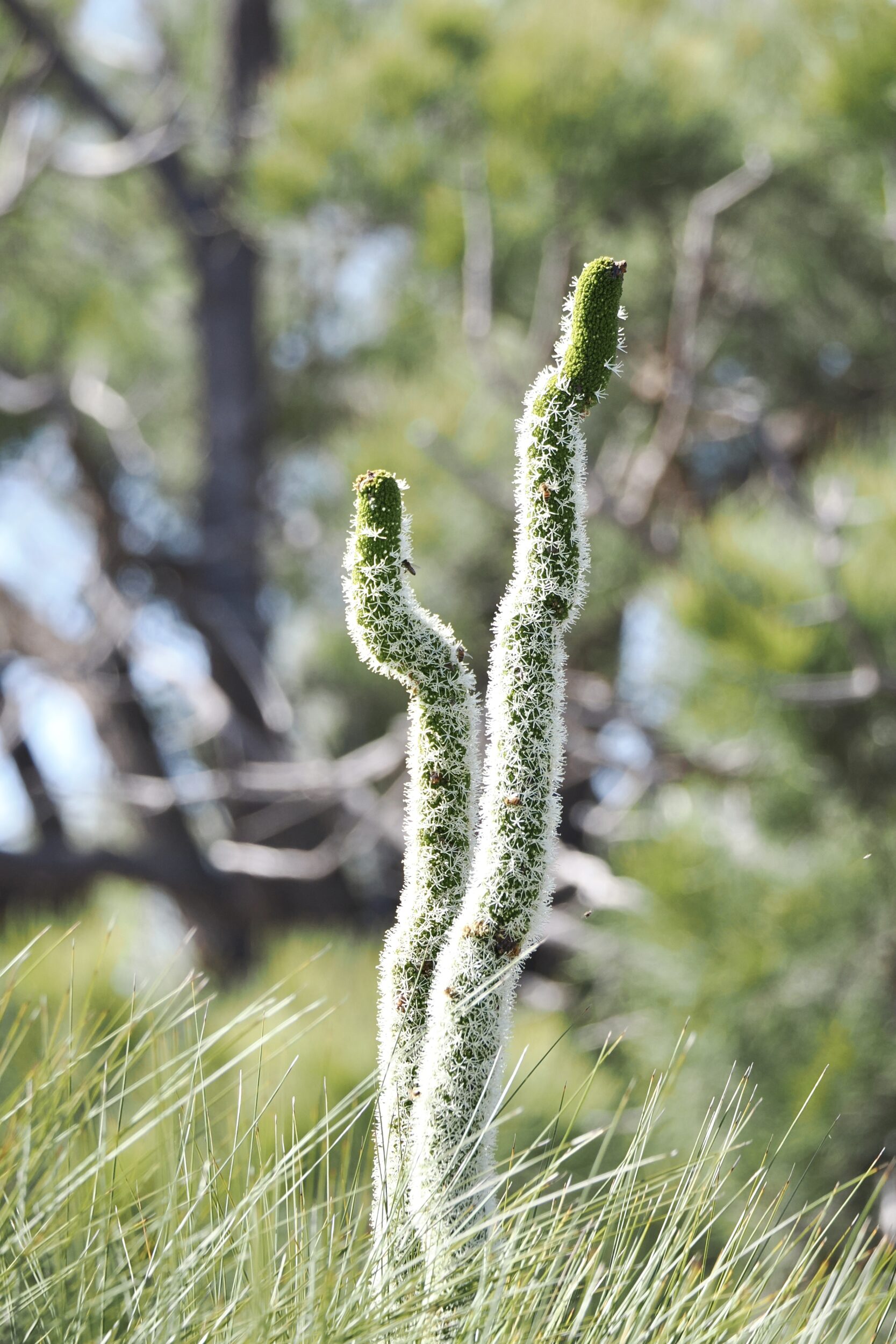
They are not at all closely related to Banksias, but so-called “grasstrees” – which are neither trees nor grasses – also sport spectacular “spikes”.

Each such spike is occasionally “clothed” with an enormous number of flowers.

A “grasstree” flower spike can soar two or more metres – sometimes straight-line vertically, sometimes contortedly.

All grasstrees are endemic to Australia; many species occur  in very particular regions, but at least one kind naturally occurs in at least one of every Australian state or territory.

This post’s heroes are endemic to southwest WA.

Comments closed