Skip to content →

Tag: Sicily

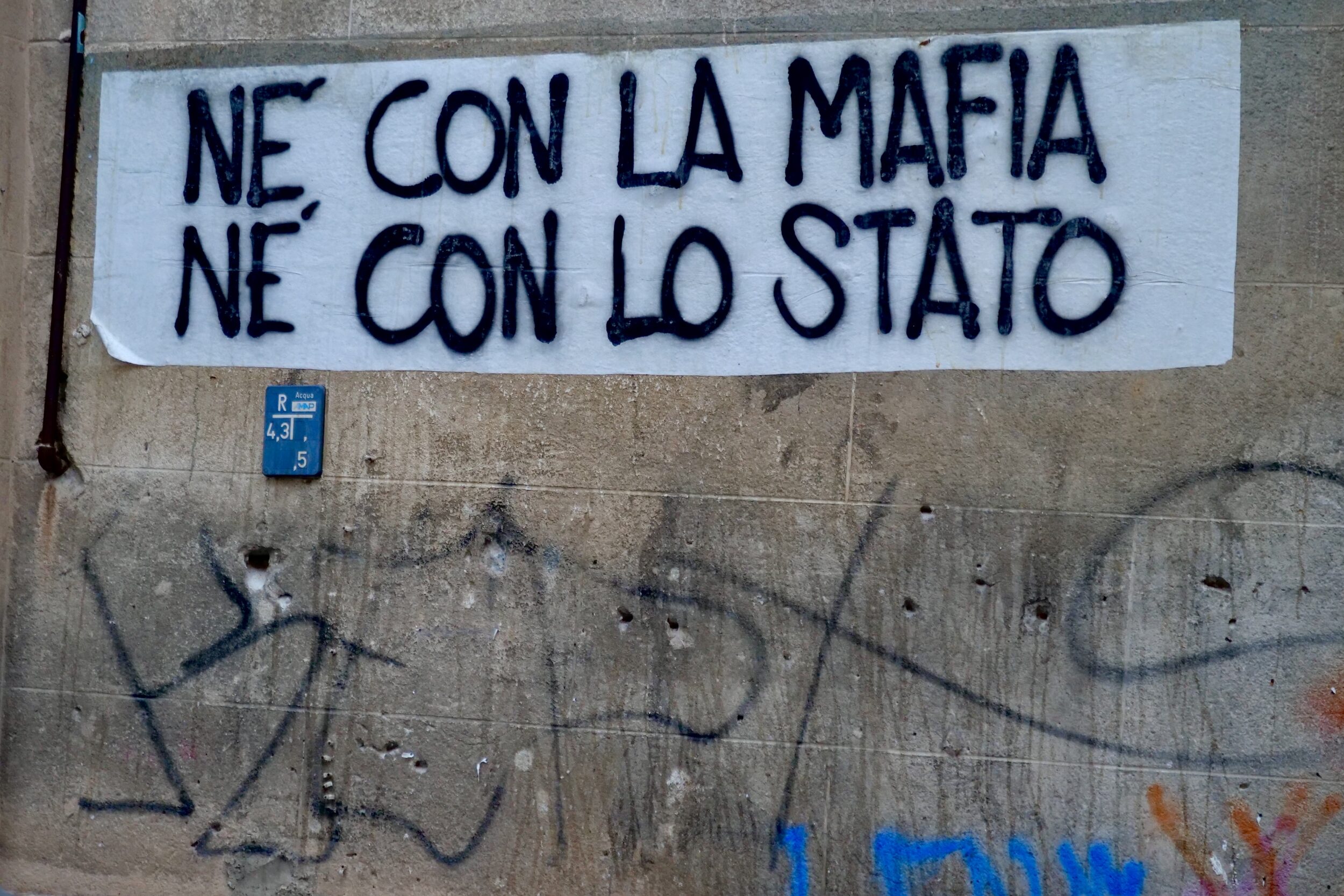
Signage & Signification (#11 in series: defiant but vague)


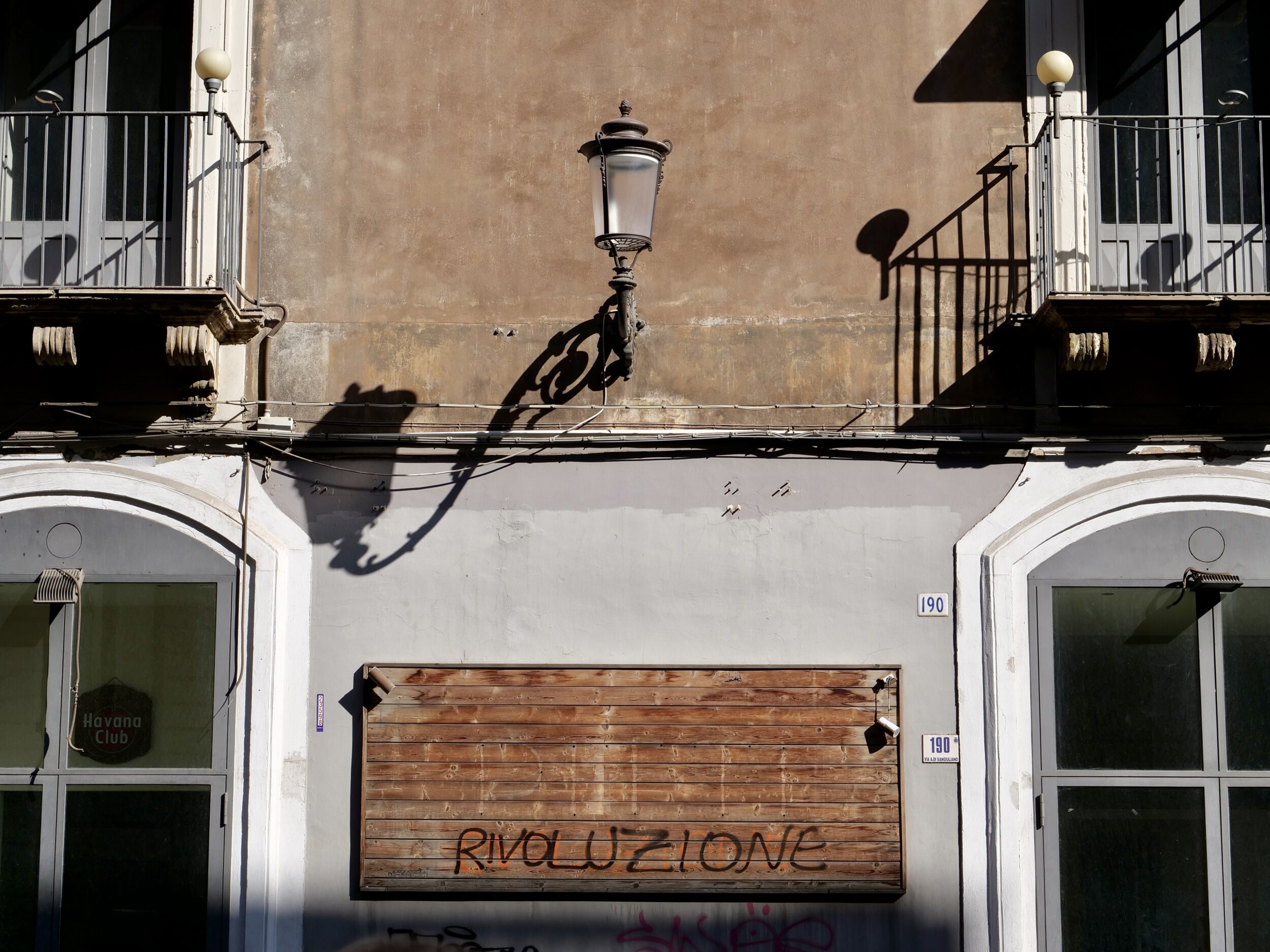
The location is a “historic”, cobbled street in Catania, which sits below Mount Etna.

Contrary to popular misconception, Europe’s biggest volcano has never “devastated” Catania. (although an earthquake once did)

Catania is second to Palermo in population, but Catania is Sicily’s industrial/commercial hub.

If Sicily/Italy ever does go down whatever “revolutionary road” the graffitist had in mind, let us hope that it leads to a less corrupt, less bloodthirsty, more fair and more freedom-favouring future than any avid student of history would have good reason to expect!

Comments closed
Signage & Signification (#5 in series: accidental sociology)


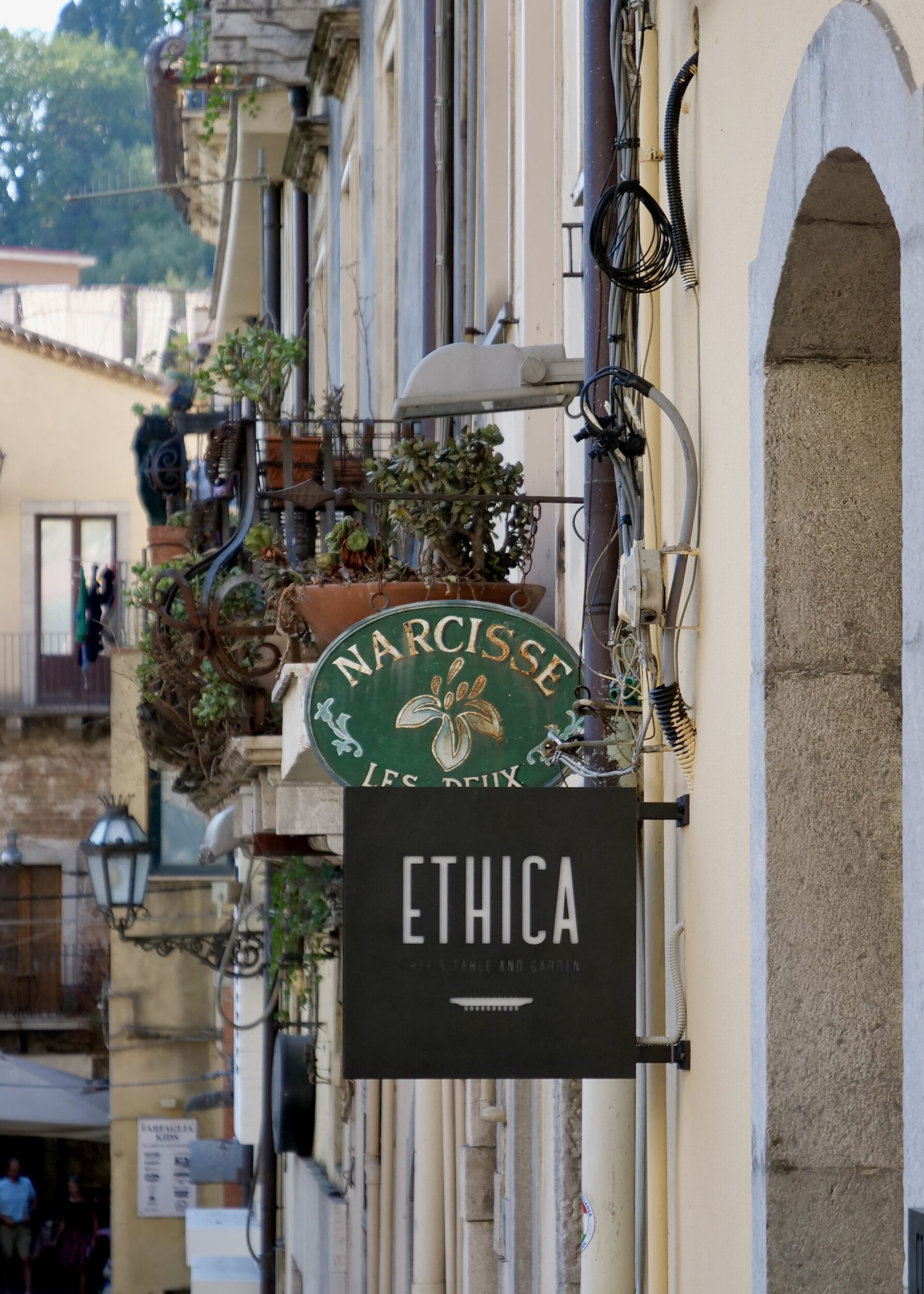
In one of Europe’s most “touristic” towns –  Taormina, Sicily – two adjacent signs have accidentally combined forces to “call out” one of the characteristic idiocies of the 21st century’s first quarter.

”Narcissism” and “ethics” used to be entirely discrete/separate terms.

In our present, overly-performative, hyper-partisan world the two words are oft sorely-misused.

They are also frequently (albeit unwittingly) wed… forming an unholy alliance, oft-accompanied by “alternative” “facts”, “personal” “truths” and other weasel-wordery.

Comments closed

Word Power: is “The Donald” a “Don”?


A: yes, in the Mafia/ Crime Boss sense of “Don”, according to a seasoned, well-respected observer of US Presidential politics.

Behold Donald Corleone, the US president who behaves like a mafia boss – but without the principles. Of course, one hesitates to make the comparison, not least because Donald Trump would like it. And because the Godfather is an archetype of strength and macho glamour while Trump is weak, constantly handing gifts to America’s enemies and getting nothing in return.

Comments closed

Aspects of Etna (#17 in series: cloudless, suddenly, briefly)


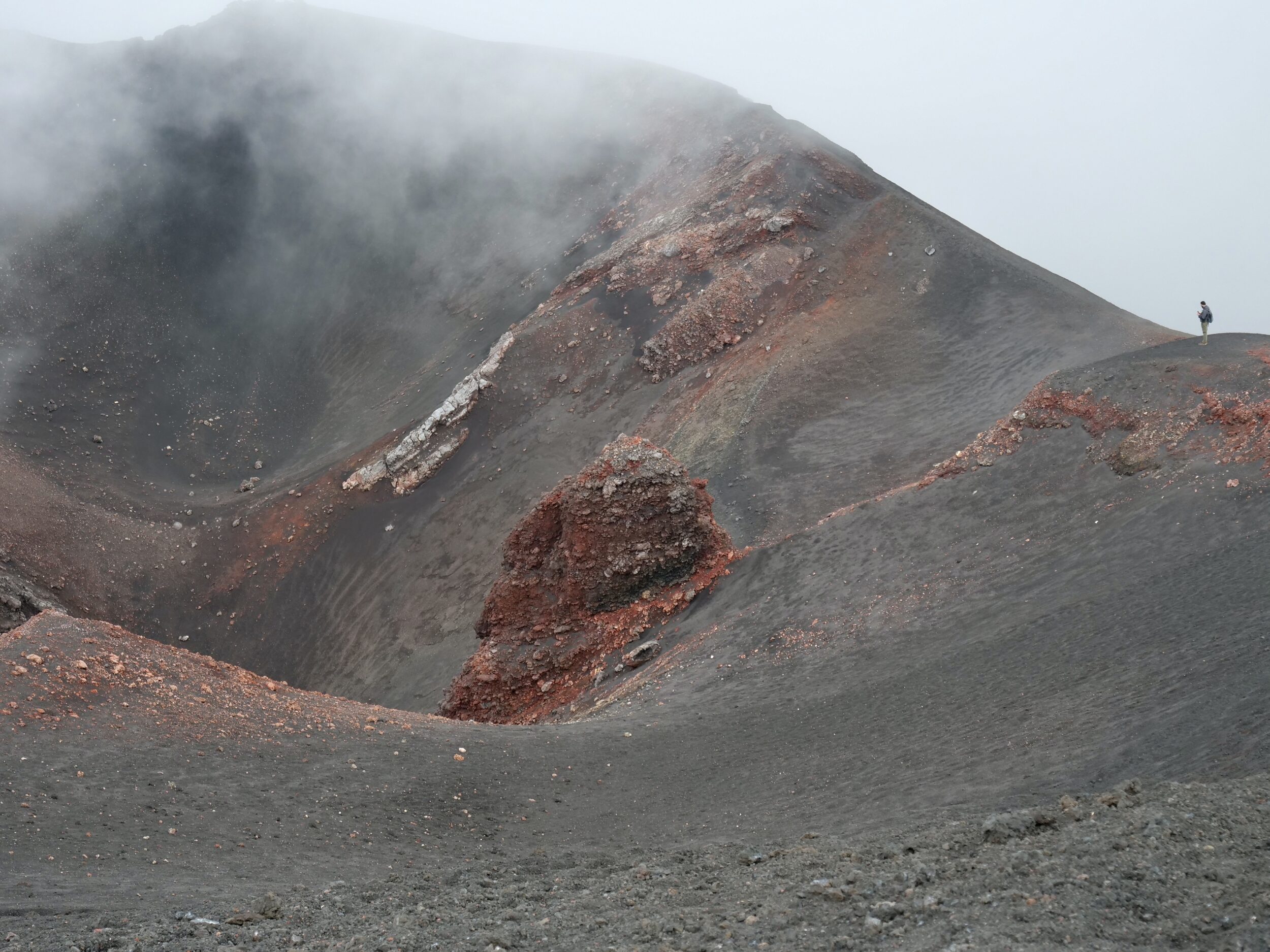
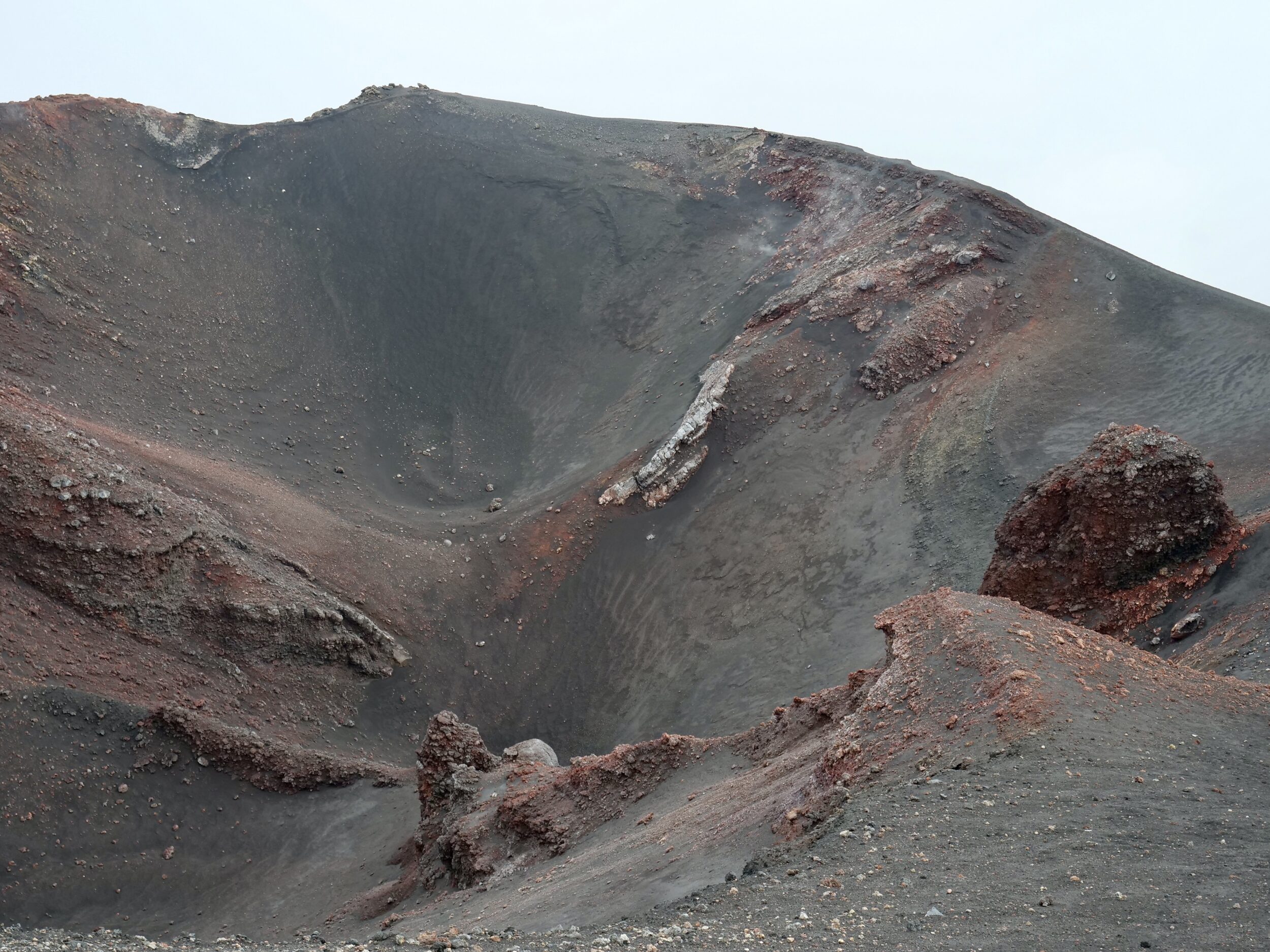
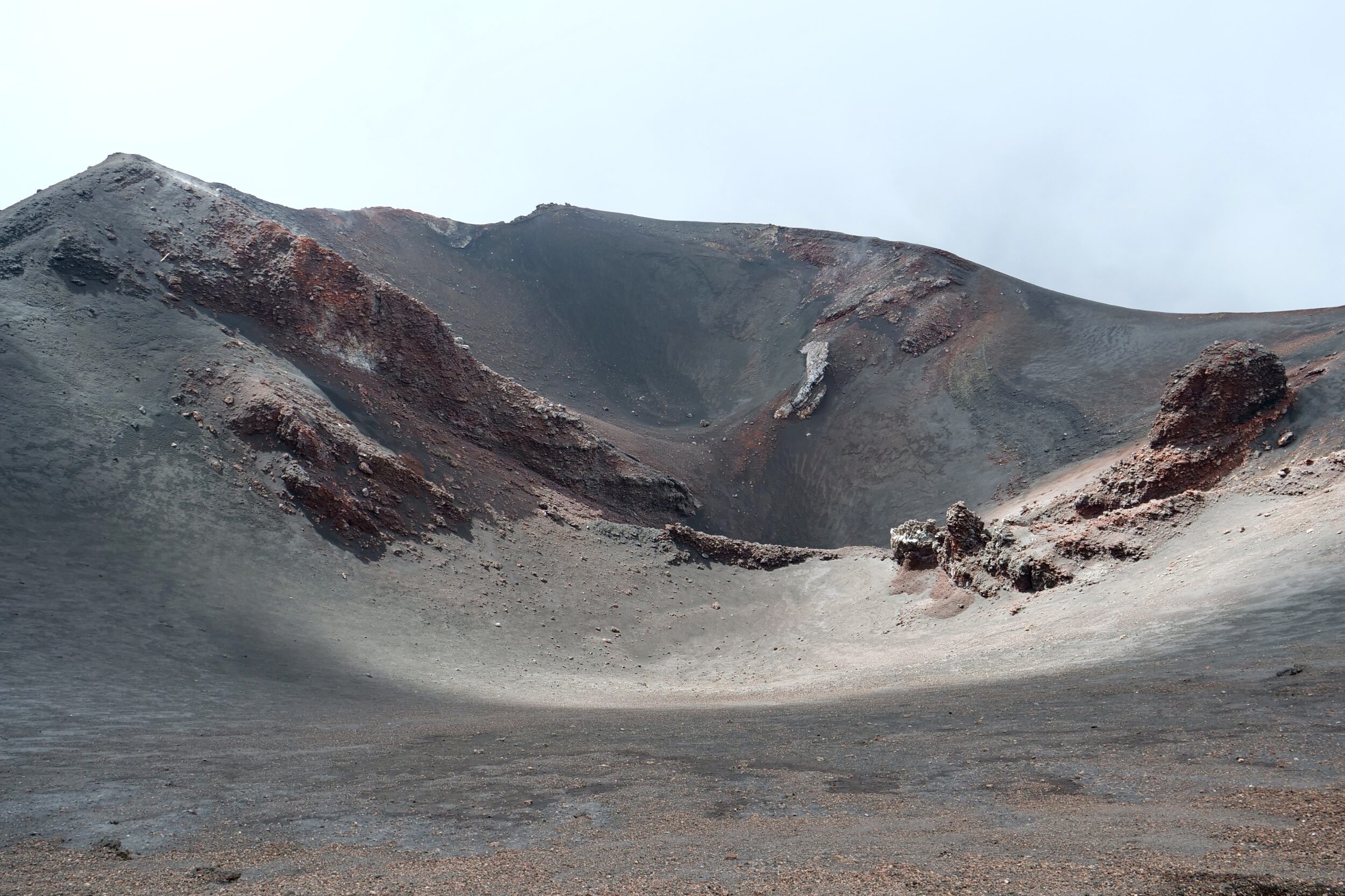
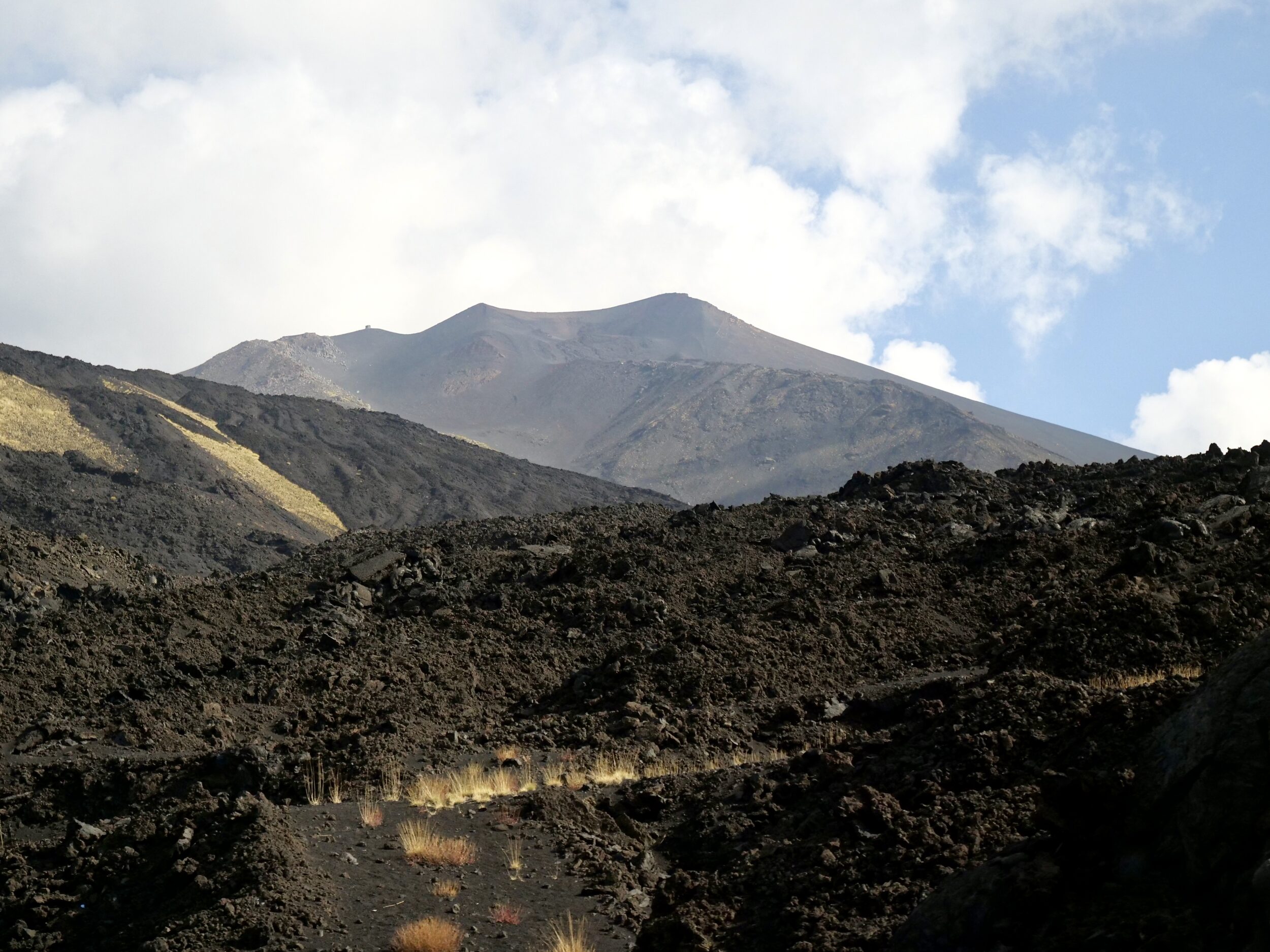
The big volcano is very dynamic, always engaged in a closely monitored – but not entirely predictable – “dance” of destruction, construction, collapse, erosion and “quieter periods”.

The cloud-dance on Etna’s upper slopes is even more quickly-shifting – variously, arriving, departing, thinning, thickening, “setting in”, and “burning off”/“dissolving”.

Just a couple of minutes earlier – when I took the previous post’s photos – we were yet to enjoy more than fleeting glimpses of small parts of this post’s crater-scape.

Comments closed

Aspects of Etna (#16 in series: as the “cloud cap” begins to “burn off”)


This post’s photos were taken 15-20 minutes after the previous chapter’s.

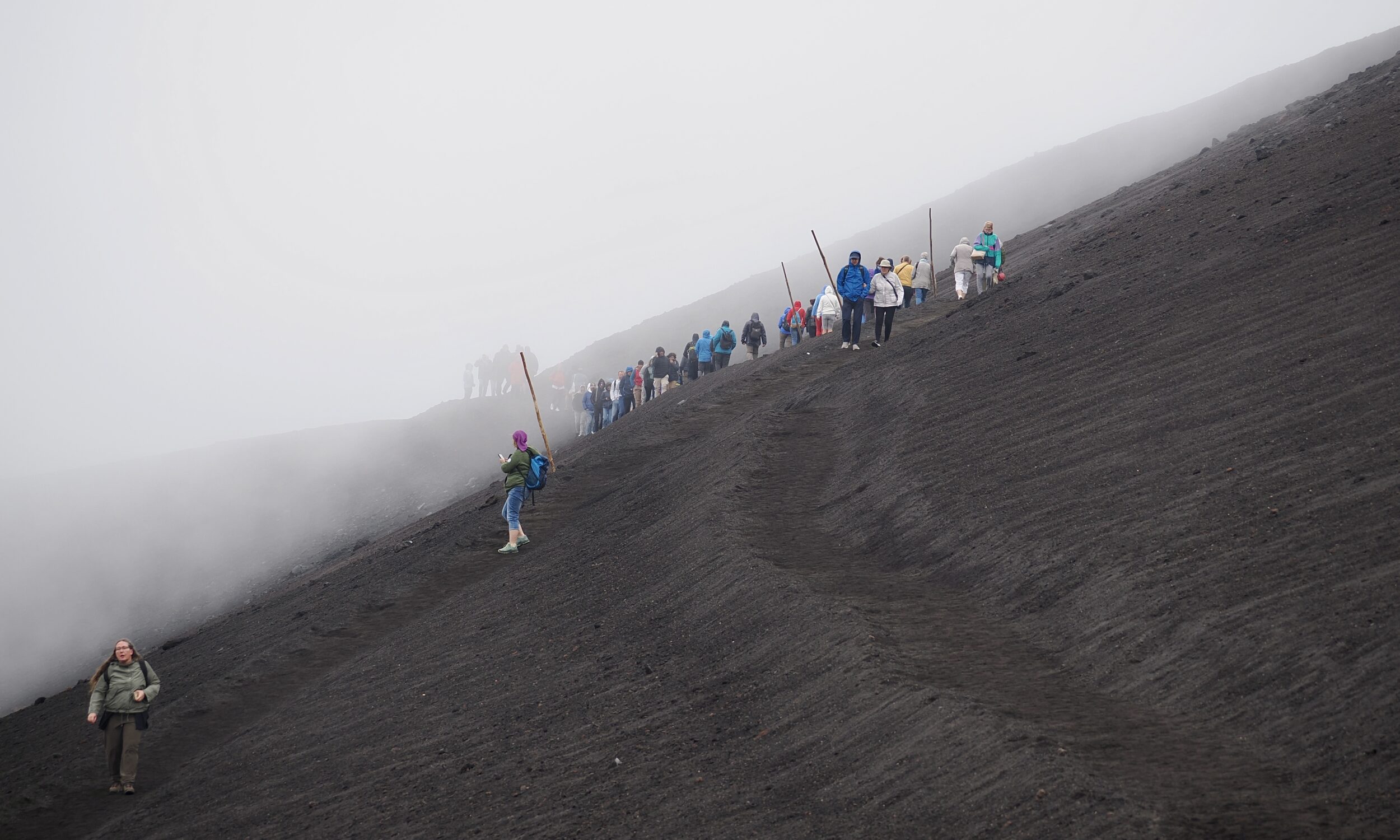
We had walked up a little higher, staying on a marked path.

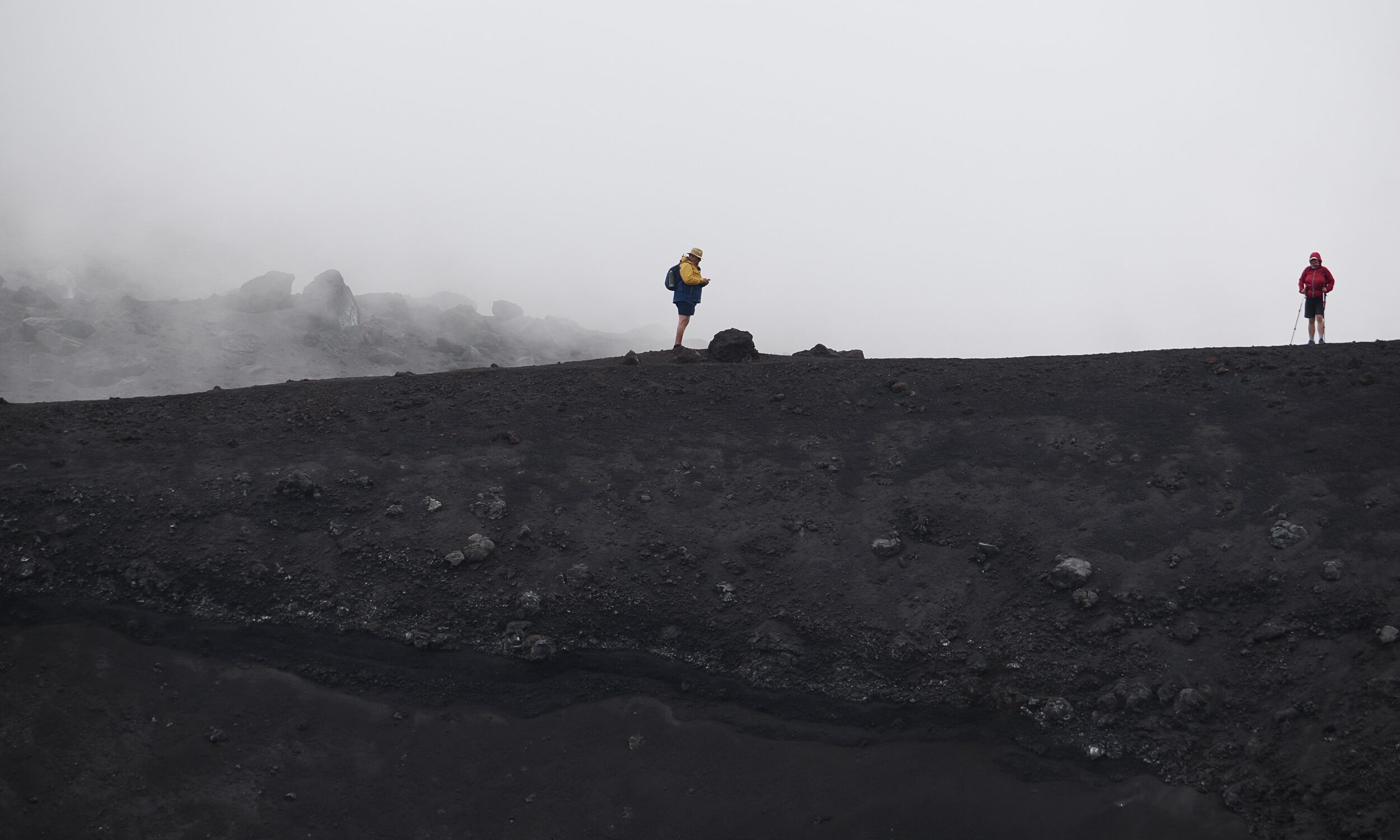
For several minutes, most of upper Etna had been invisible to us, but the clouds which had fully-enshrouded us were now fracturing, lifting, starting to “dissolve”.

At 11.40 am we were probably standing a whisker below 3000 metres above sea level; the pictured, freer-roaming folks were, variously, a little higher up or lower down.

Comments closed

Aspects of Etna (#14 in series: Etna’s cableway)


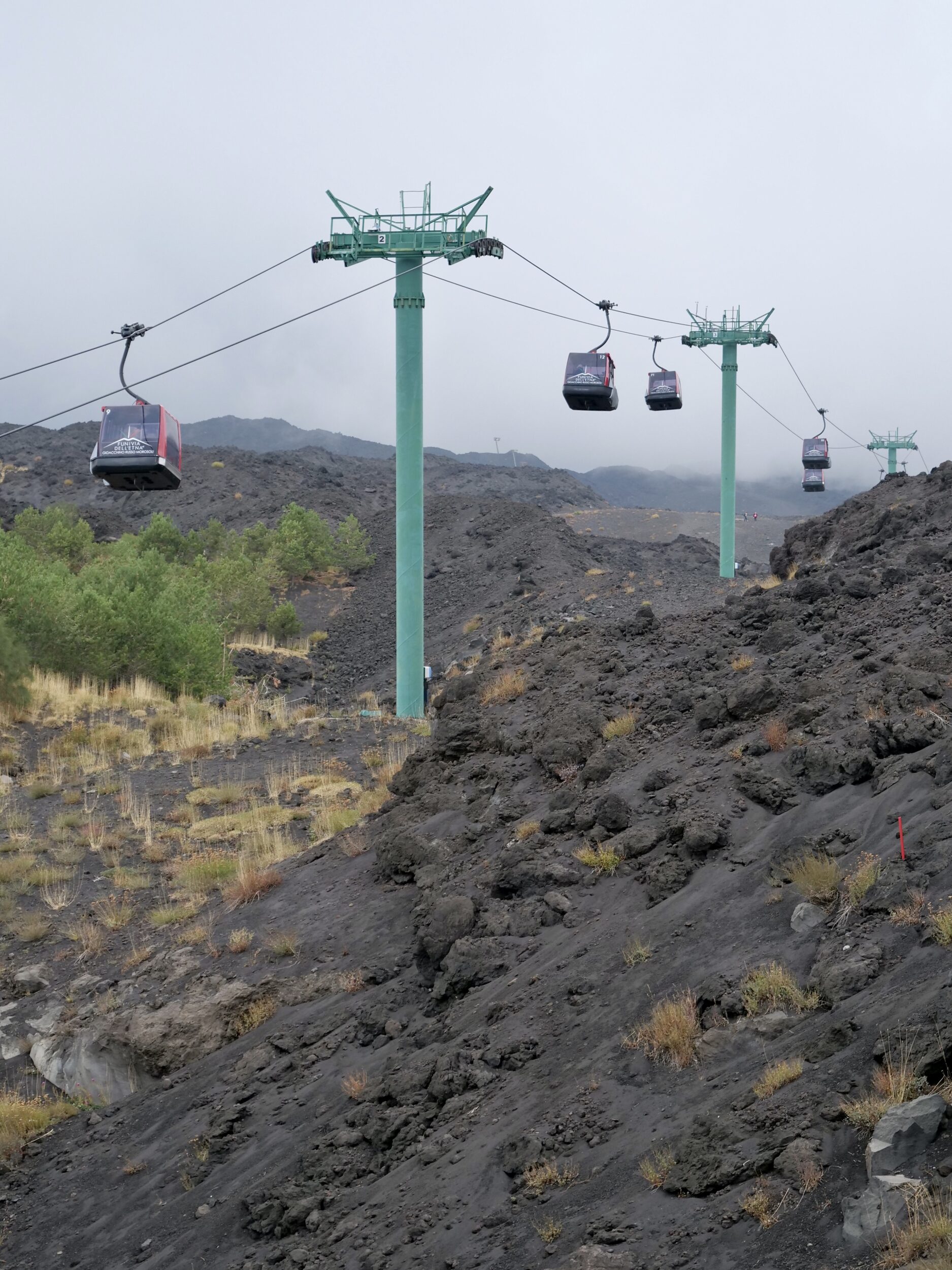
Construction of a cableway on Mount Etna began in the 1950s.

The first version began operations in 1966.

Etna first  “intervened” in 1971, destroying the cableway’s upper section.

Various other eruptions have since wreaked varying degrees of destruction, resulting in repeated closures, rebuilds and realignments.

Since the spring of 2023, the cableway and its (new) cable cars have been as they appear in my photo.

Comments closed