Skip to content →

Tag: South Australia

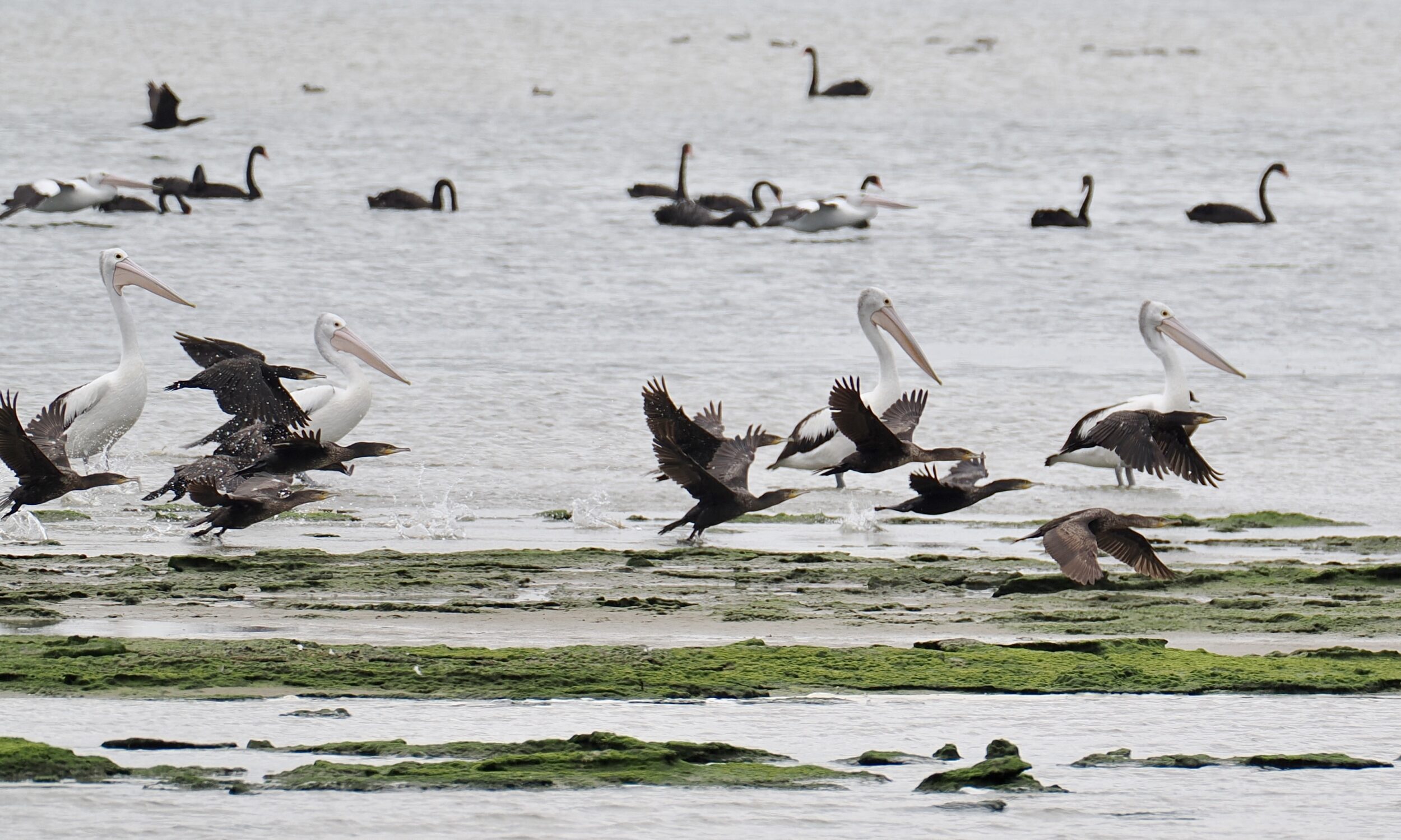
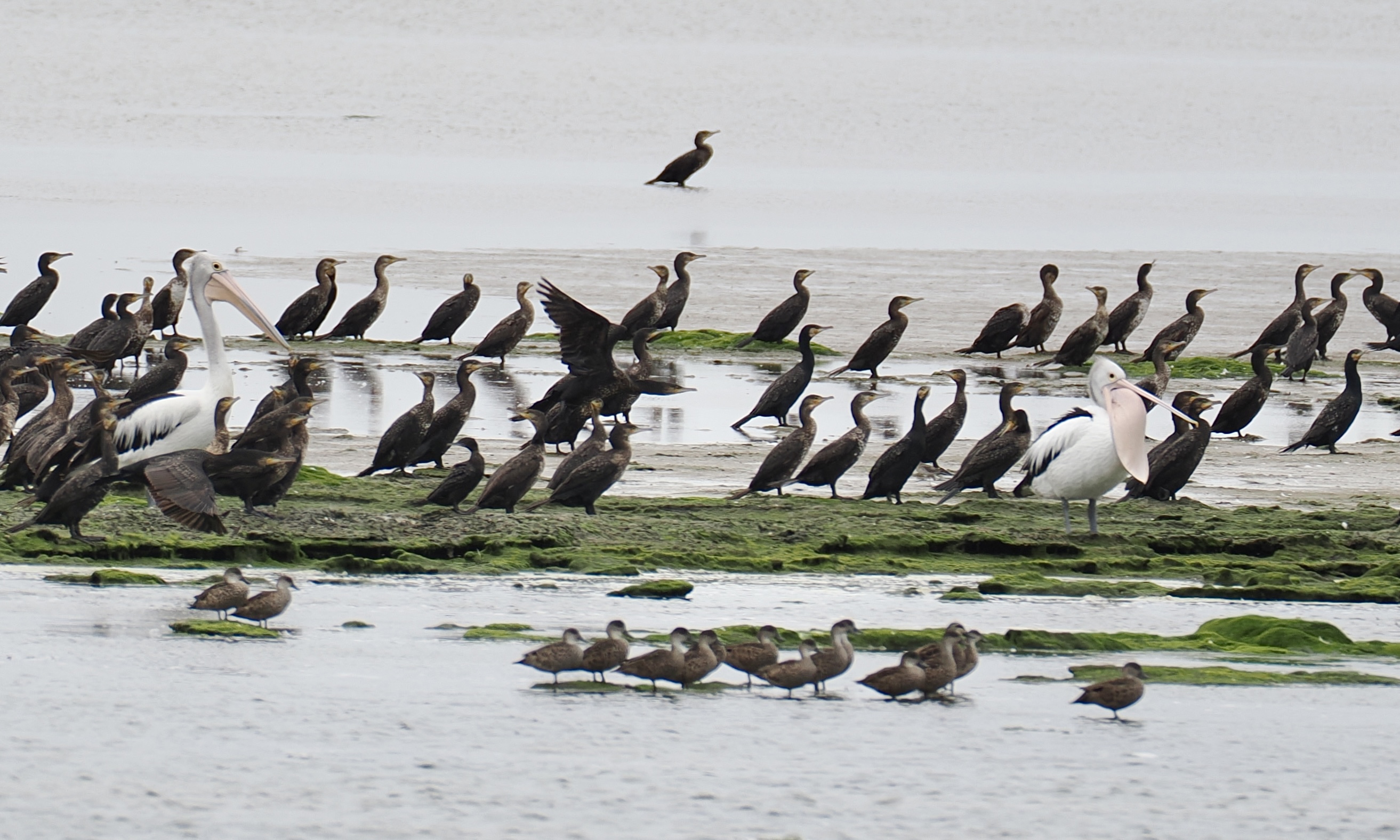
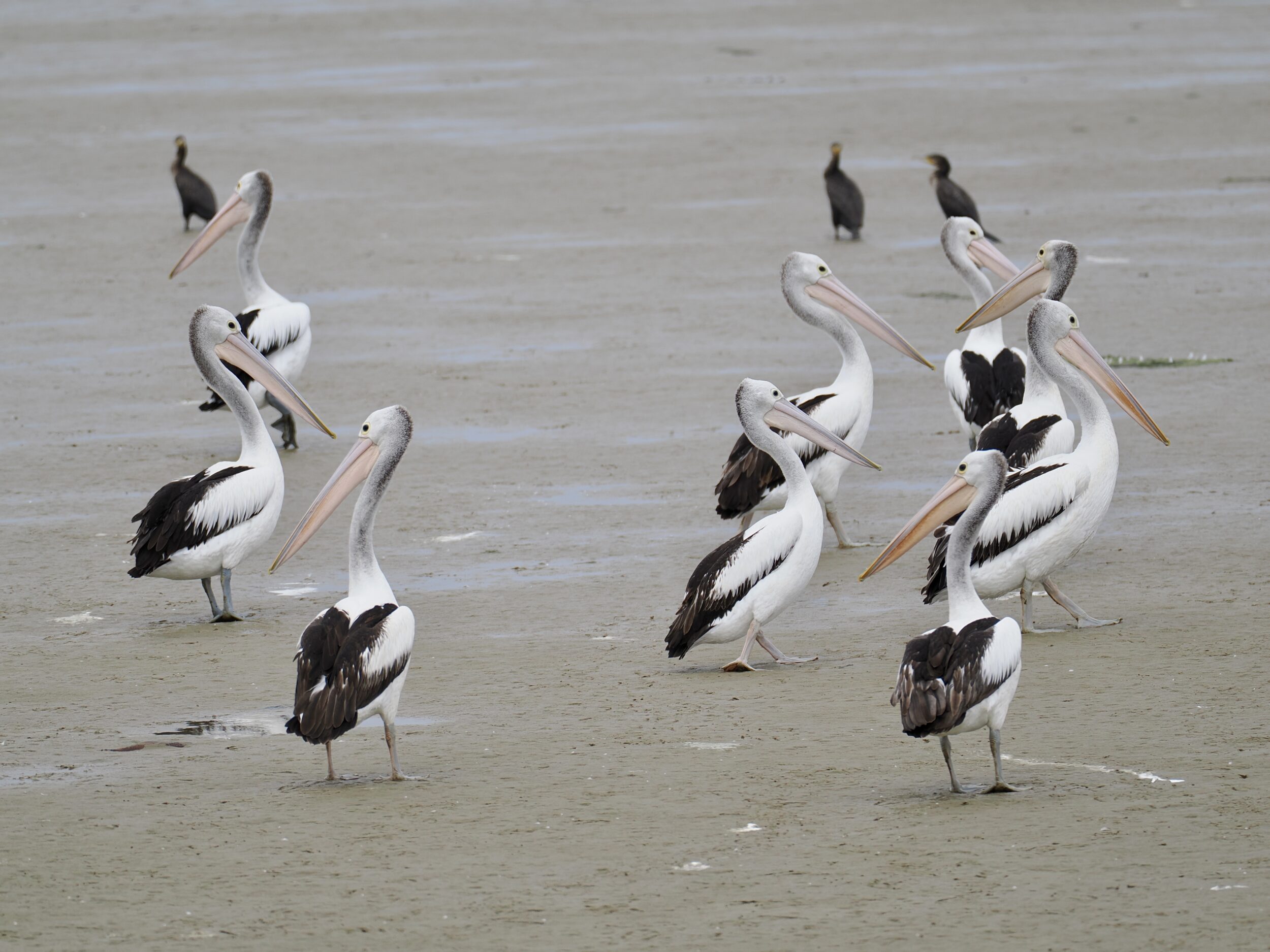
Coorong, autumn 2024 (#9 in series: promenade/runway)


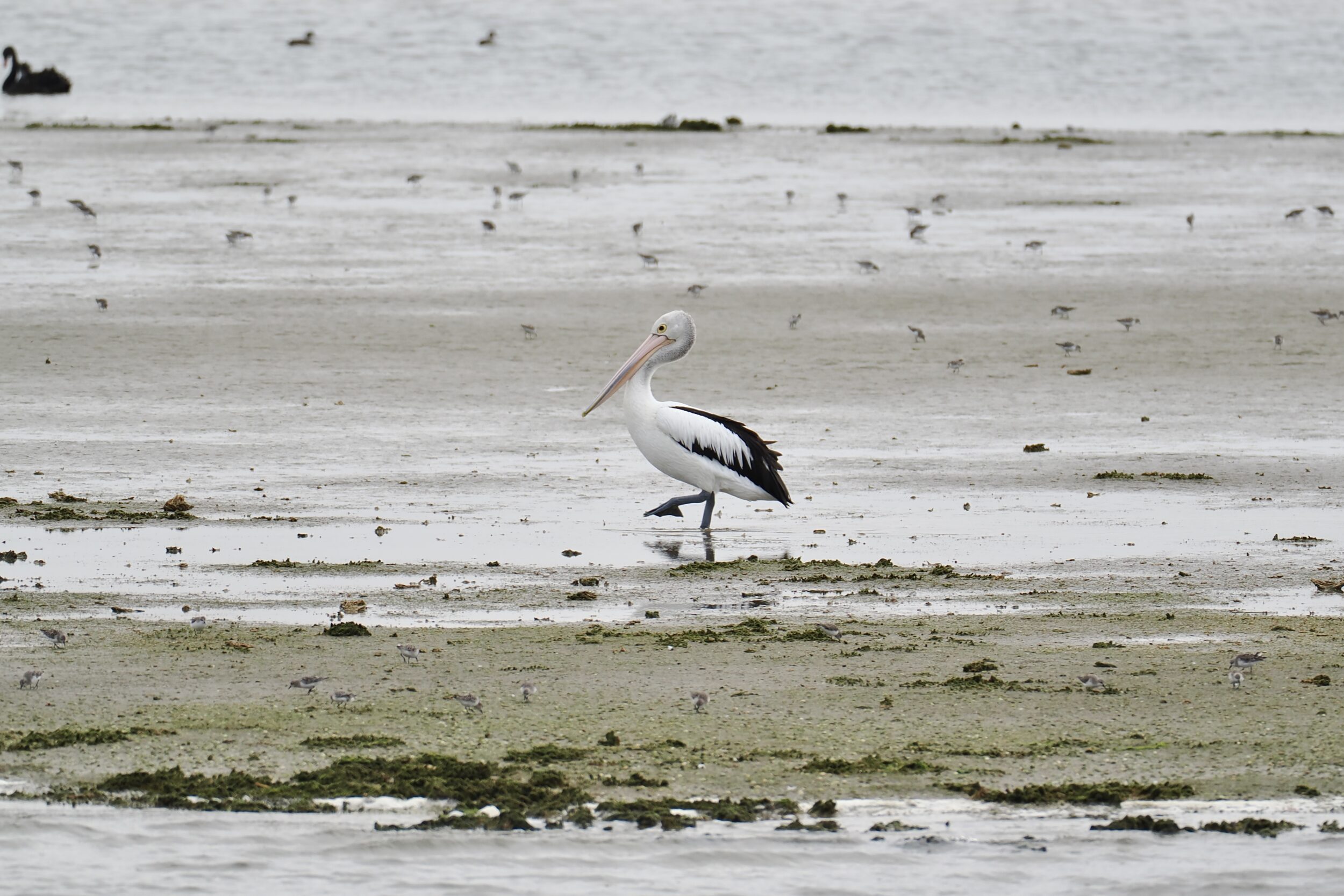
This post’s two photos were taken within thirty seconds of each other.

Promenading pelicans sometimes resemble corpulent “captains of industry” at a “prestigious”, corporate “backslapping”,”bonding” or “charitable” event…or attendees at a political party’s “pay for access”  fundraiser.

One Comment

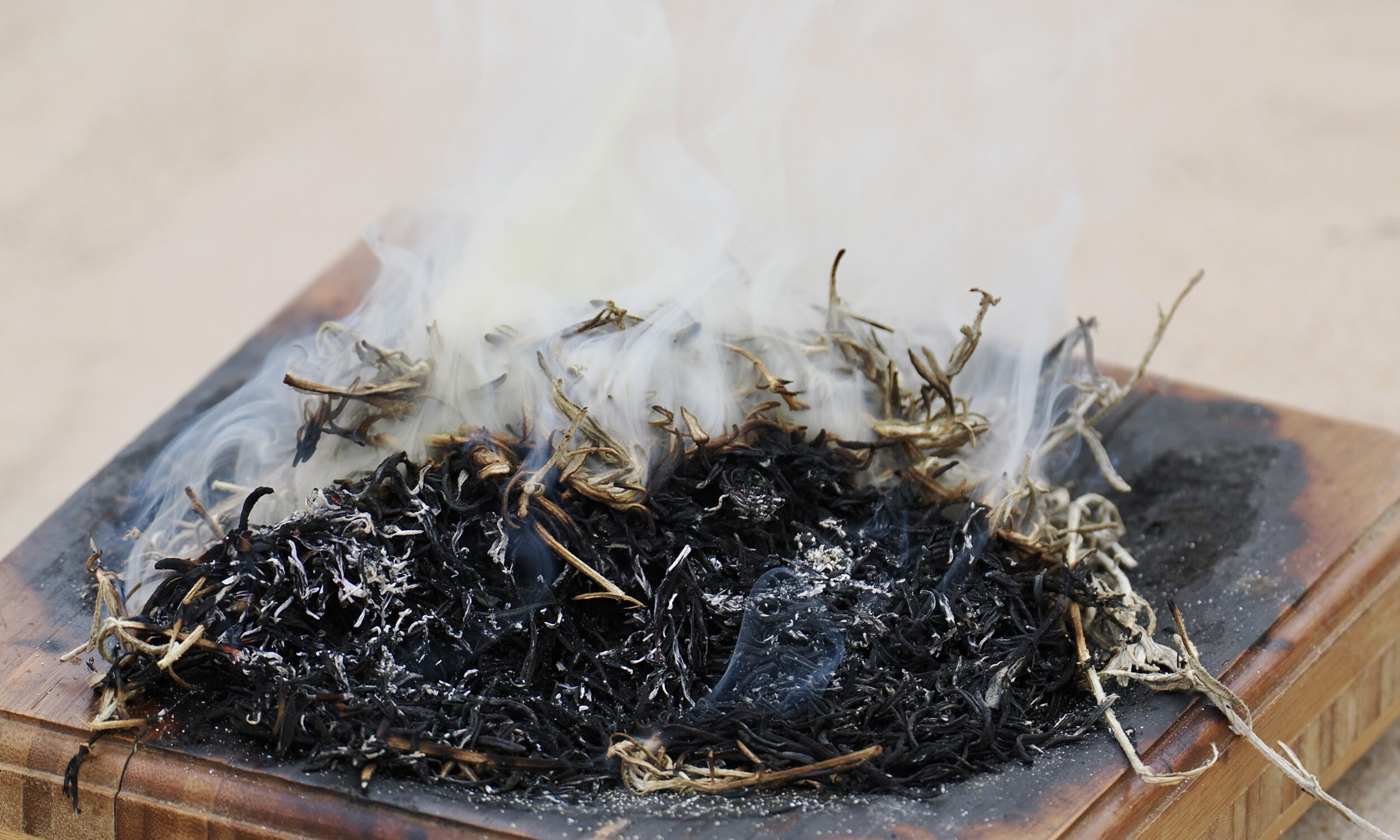
Coorong, autumn 2024 (#6 in series: smoking)


For many thousands of years, before Europeans arrived, the Younghusband Peninsula was one of Australia’s most densely (human) populated places.

When we landed on it on the morning of 13 March 2024, we were accompanied by Ngarrindjeri elder Darryl Koolmatrie.

At Godfrey’s Landing he formally welcomed us.

Comments closed

Coorong, autumn 2024 (#4 in series: Murray mouth)


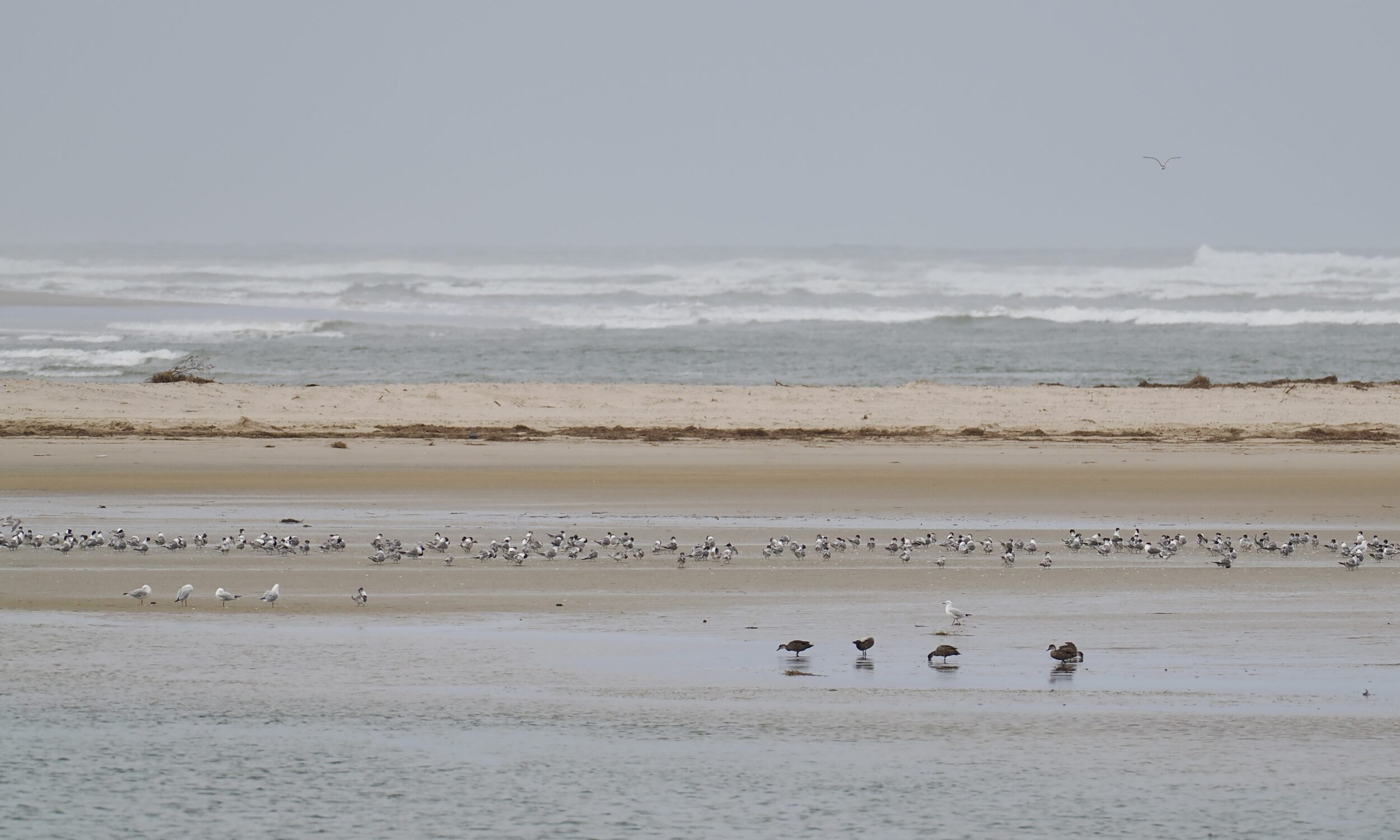
The (constantly-shifting) mouth of the Murray-Darling river system is also the Coorong’s mouth.

If the Murray is “roaring”, its “fresh” water “flushes” the Coorong – Australia’s longest lagoon; if it is not “roaring”, the combined forces of incoming ocean water and evaporation of the lagoon’s water make the Coorong progressively more saline.

The Coorong’s southern lagoon – a long way south of the Murray – is usually hypersaline.

This post’s photos were both taken from the Coorong’s northern part, looking at the Pullen Spit, and across it to the Southern Ocean.

In effect, the Pullen Spit is the northern bank of the Murray’s mouth.
Comments closed

Coorong, autumn 2024 (#2 in series, long-nosed, sated)


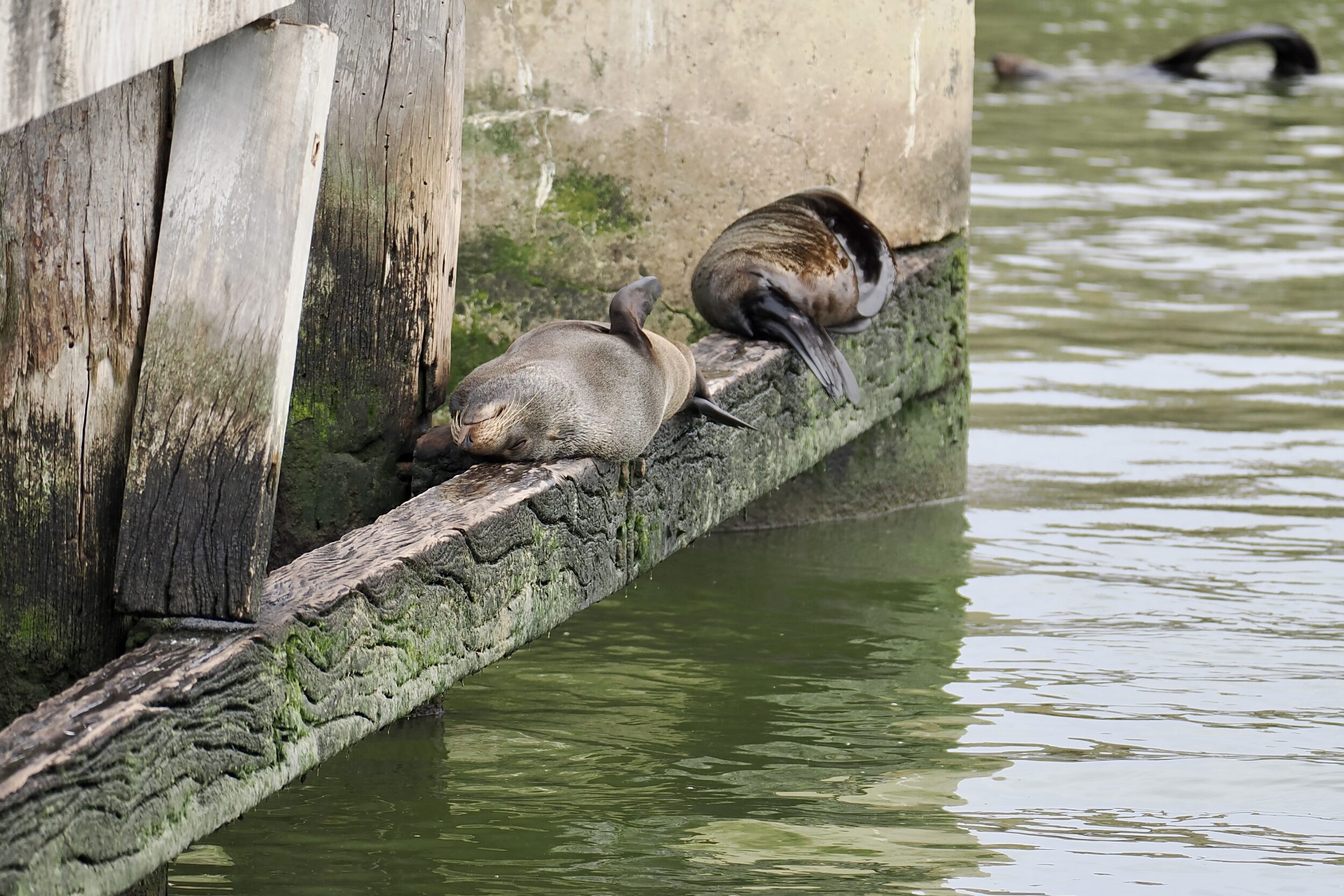
The European carp which infest and degrade the Murray-Darling River system are disdained by most Australian human eaters of fish.

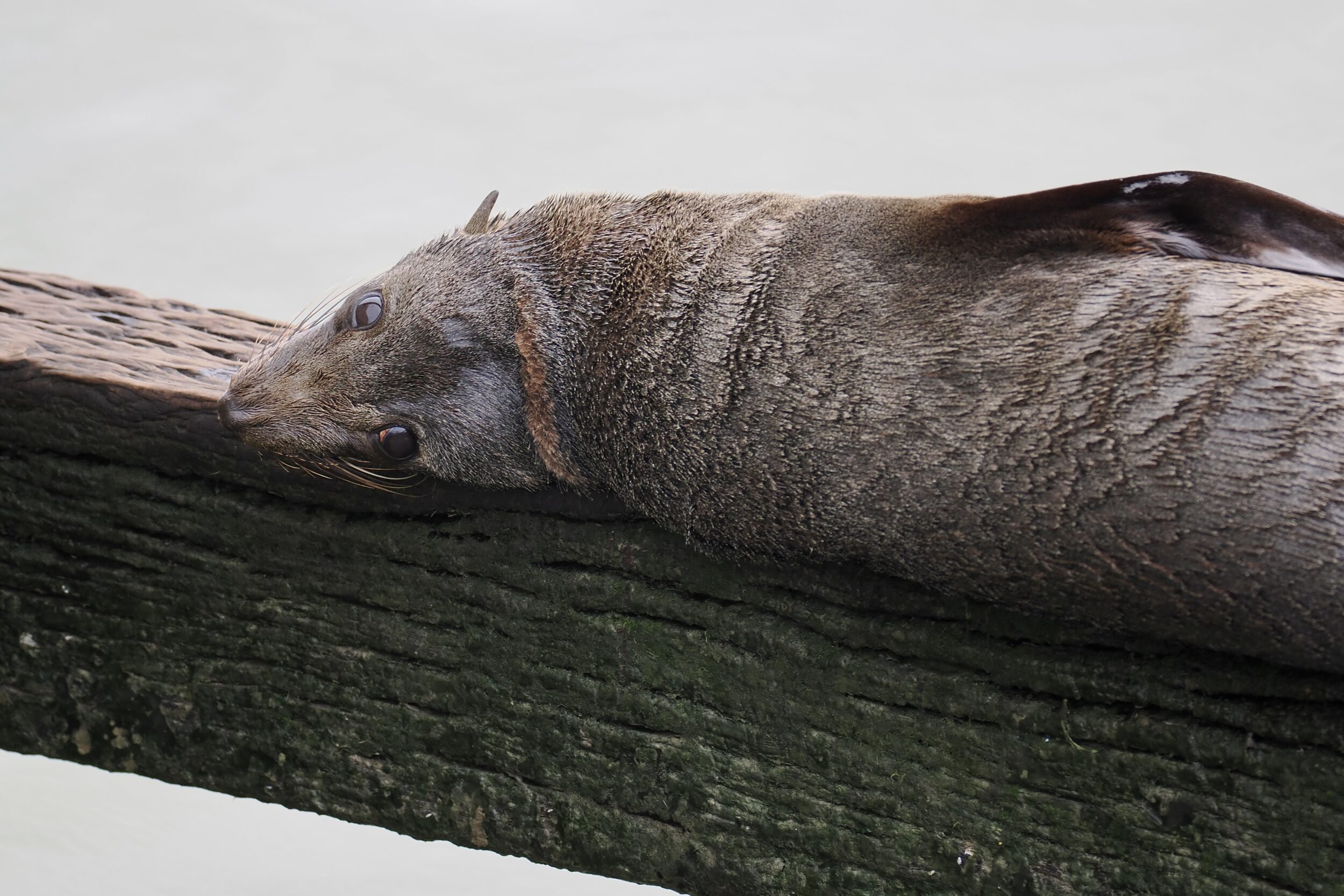
For a seal at Goolwa, however, a carp is a “highly-desirable, easily-caught meal”.

The recent “flood years” have flushed and funnelled umpteen millions of European carp  through the Goolwa Barrage’s opened gates.

If long-nosed fur seals could speak English, they’d probably describe the Goolwa Barrage’s current hunting and dining “scene” as akin to “shooting fish in a barrel”.

Comments closed

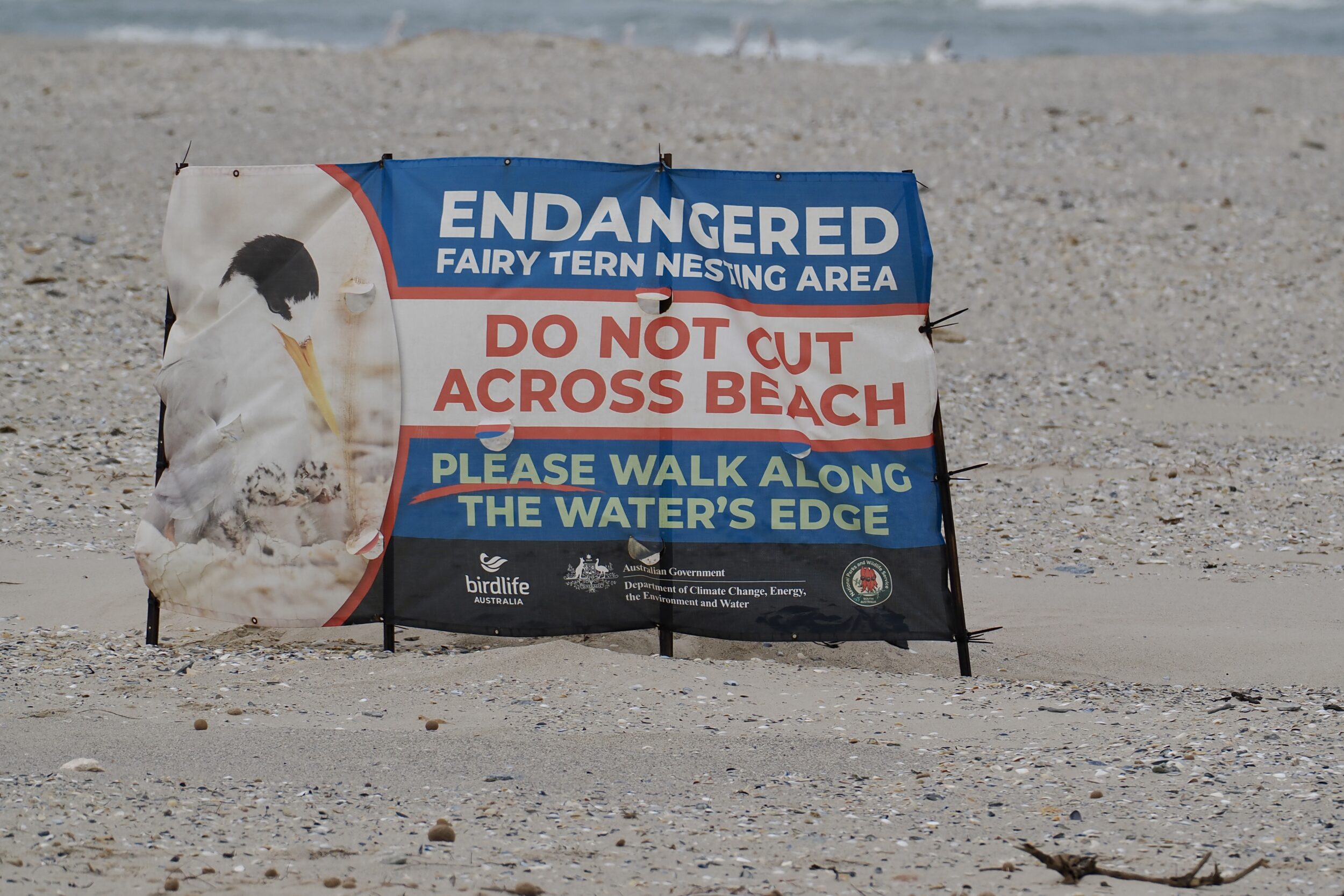
Coorong, autumn 2024 (#1 in series: not a “kiwi”)


As regular readers would already know, the Coorong is one of our favourite places.

This series is the fruit of our most recent visit, on 13 March 2024.

In the wake of the 2022-23 floods – which produced the Murray-Darling river system’s biggest flows in many years – the Coorong was enjoying better overall “”health” than had been the case over the preceding several decades.

Most tourist visitors enter the Coorong via the Goolwa Barrage, where this series begins.

Comments closed

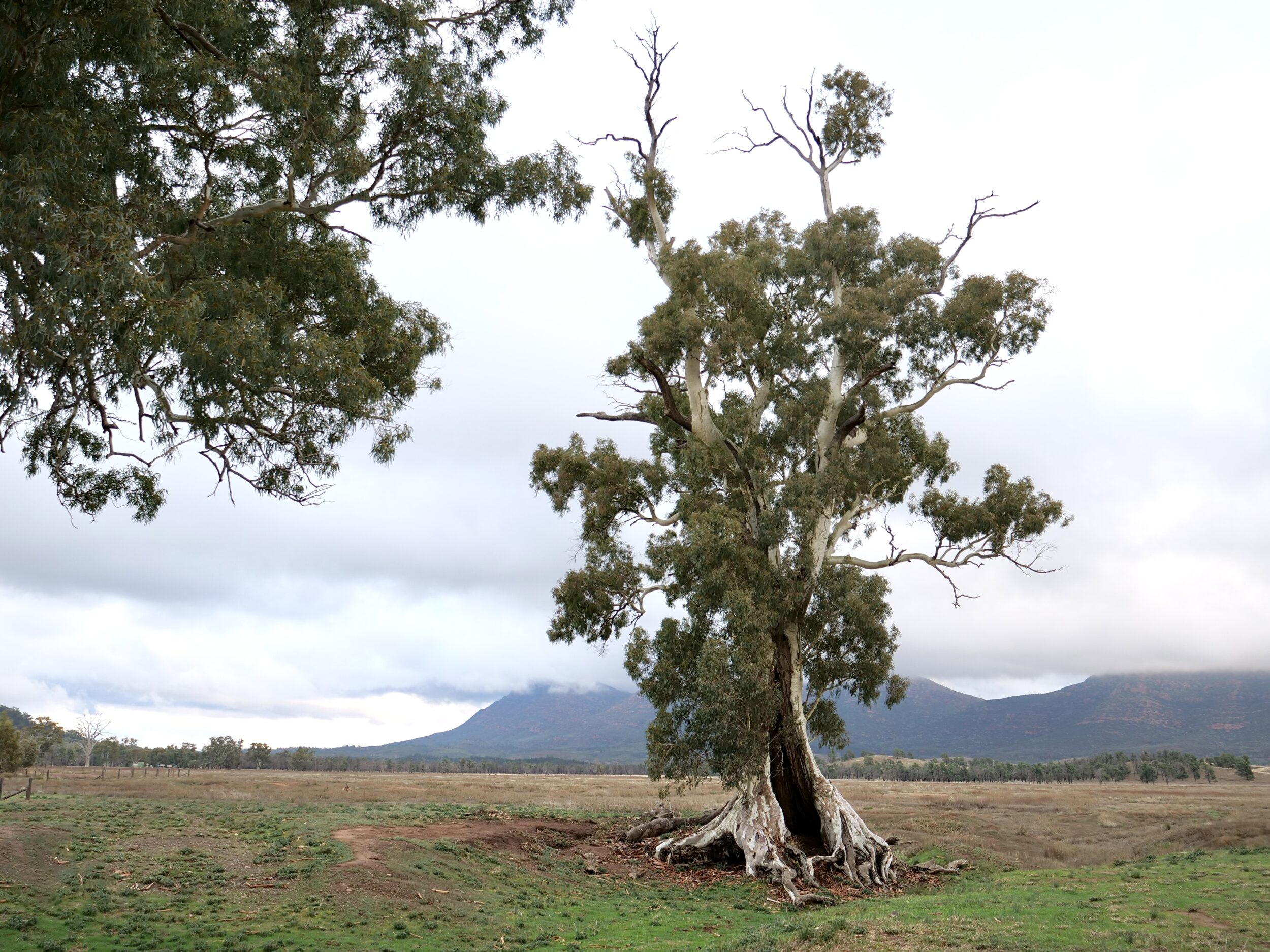
Winter light, Flinders Ranges, 05/06/2023 (final in series: the “Cazneaux Tree”)


Venerable and majestic as it is, the pictured river red gum is neither the tallest, nor most massive, nor oldest example of the Australian mainland’s most widely distributed and most widely-loved eucalypt species.

The pictured tree, however was “the hero” in the most famous photograph ever taken of Eucalyptus camaldulensis.

87 years ago one of the most influential Australian photographers saw this tree, standing on a sparsely vegetated plateau, with Wilpena Pound’s flanks behind it.

The tree has stood there for at least several centuries; “the Pound” is circa 800 million years older.

Harold Cazneaux (aka “H.P. Cazneaux”) captioned his 1937 tree portrait, The Spirit of Endurance.

Comments closed