Skip to content →

Tag: western India

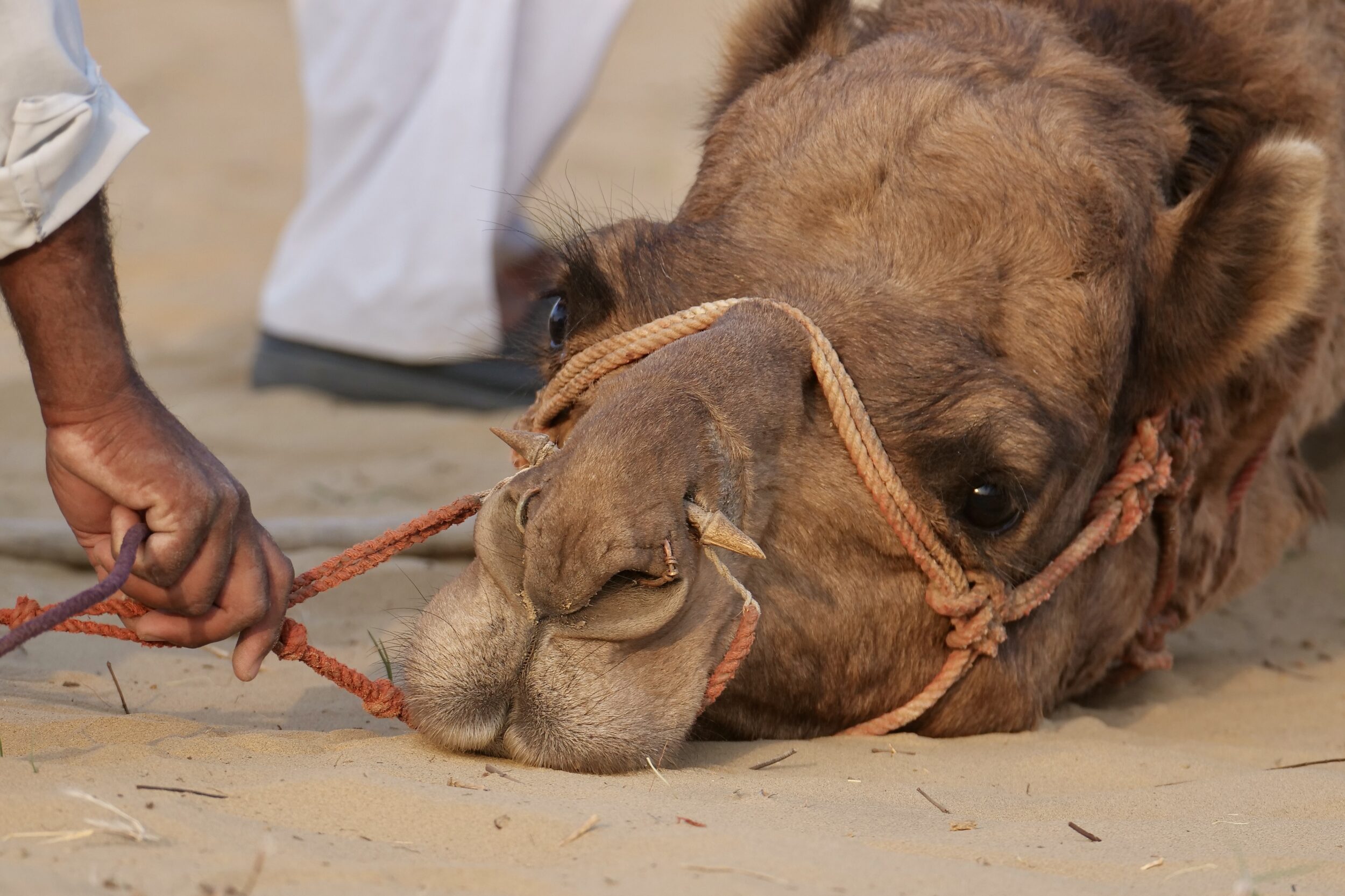
“Domesticated”: unwild animals (#14 in series: almost “curtains” for India’s camels & their kindly herders?)


Globally, camel numbers are “exploding”, but India’s population is a small fraction of what it was half a century ago; it is still declining, rapidly.

India’s camels might be in the process of “disappearing”, along with a globally-unique and uncommonly-benevolent approach to camel husbandry.

Rajasthan – specifically, its part of the Thar Desert – has always accounted for most of India’s camels.

It is also home to most of the Raikas;  for many generations they have revered, herded, trained, milked and bred camels. (and sheep).

Members of this indigenous tribe/cultural group abhor the very idea of killing or mistreating camels.

Leave a Comment
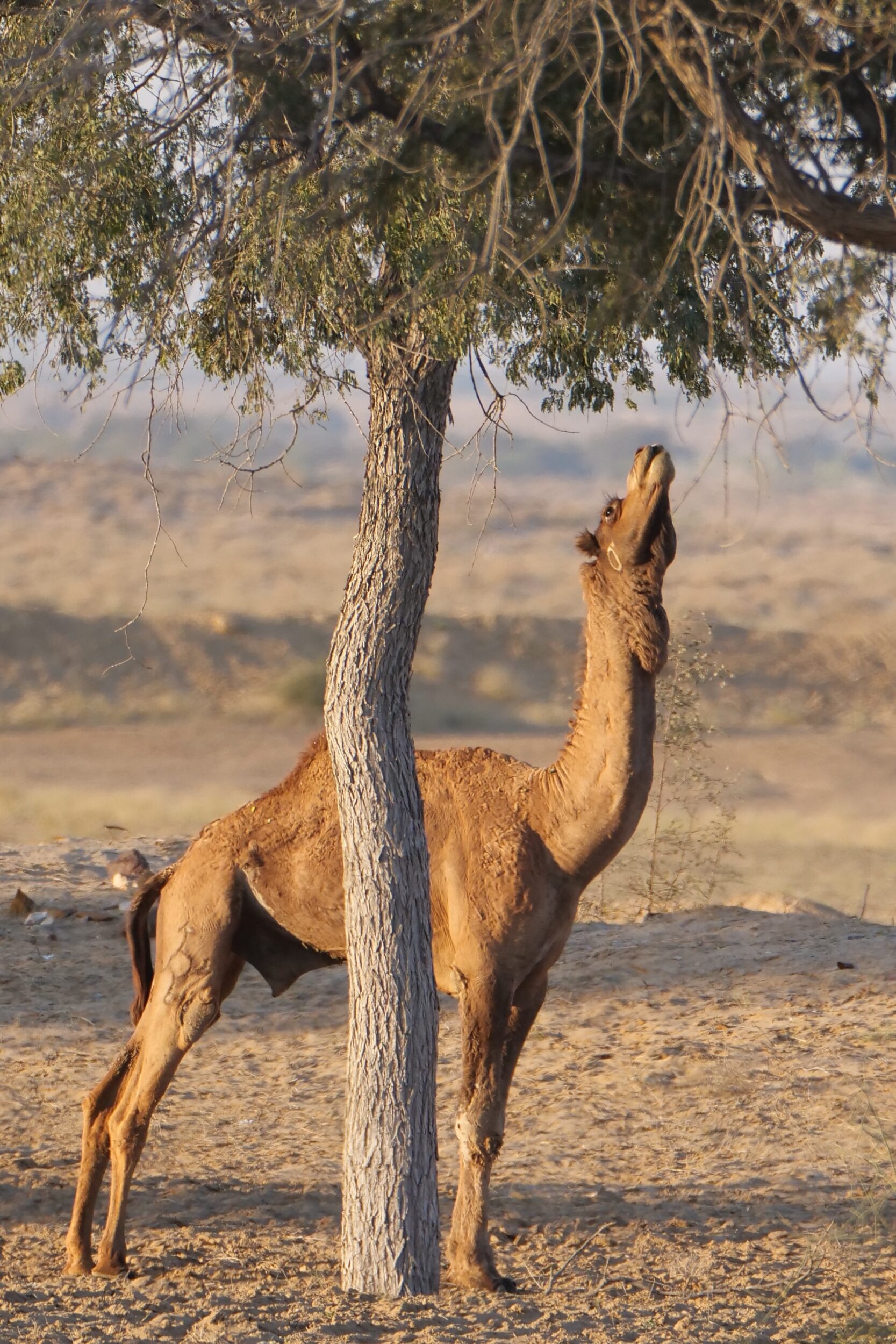
“Domesticated”: unwild animals (#13 in series: “ship of the desert”, in “giraffe mode”)


So many things which are oft-said about camels – and widely-believed – are simply untrue.

“Australia has the world’s largest camel population” is a ludicrous assertion; many other countries have many more camels.

However, another oft-made claim – that more camels now live in Australia than in Egypt – probably is true.

Australia almost certainly has the largest population of feral camels…all of the same species as the individual pictured above, in Rajasthan – Camelus dromedarius, the dromedary.

It is sometimes (wrongly) called “the Arabian camel”.

Currently, more than 90% of “our” planet’s camels are dromedaries.

Leave a Comment

“Domesticated”: unwild animals (#12: counting sheep)


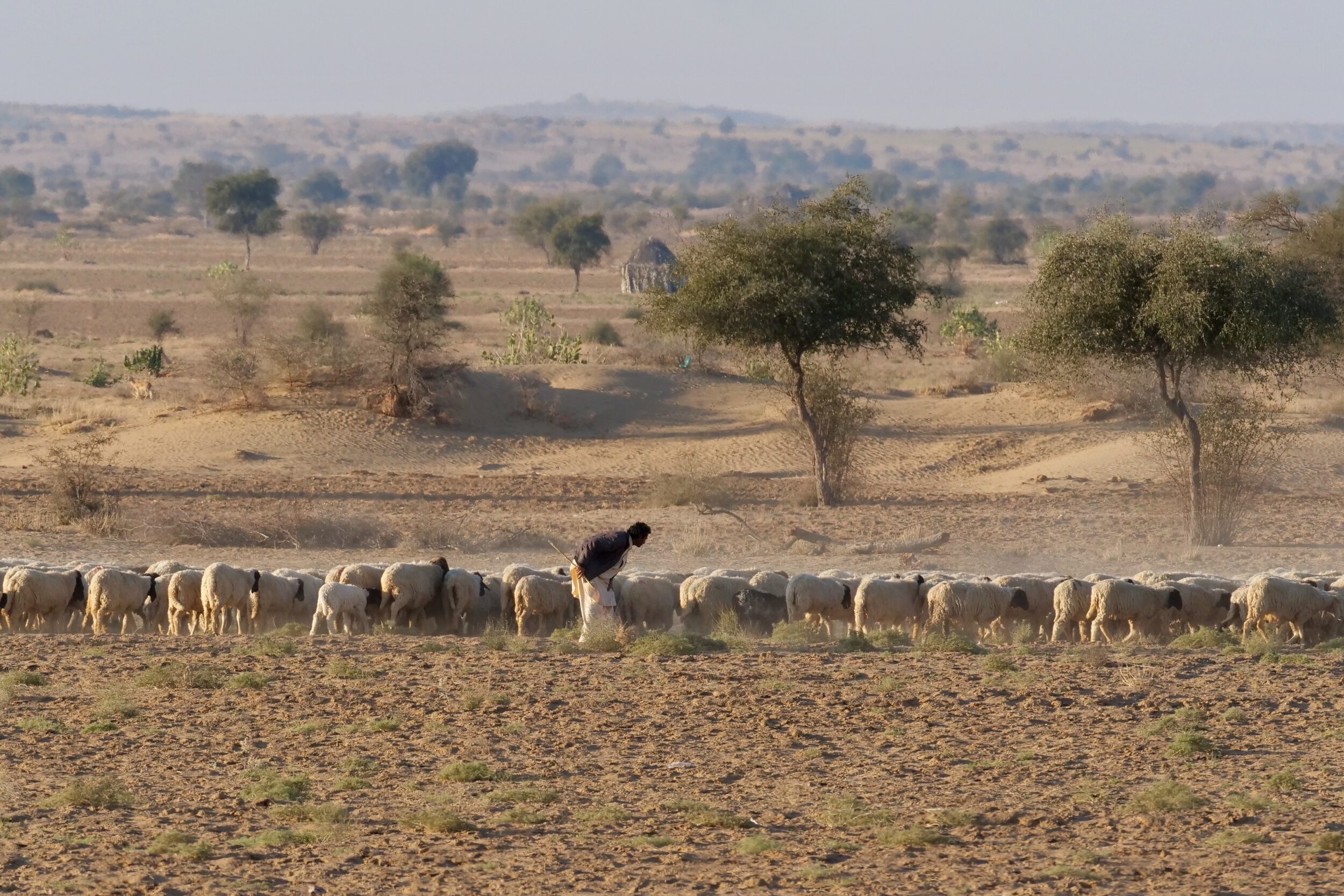
Per hectare, sheep are more populous in Rajasthan’s portion of the Thar Desert than is true of sheep, per hectare, across Australia.

Much the greater portion of the Thar Desert’s circa 264,000 square kilometres is in western India, mostly in Rajasthan. (circa 60% of the Thar Desert is within Rajasthan)

Sheep numbers are highly variable, and hugely difficult to count, accurately.

That said, circa 8 million of Rajasthan’s sheep live in the Thar Desert, as do circa 30 million humans.

On a “per unit area” basis, no other desert on earth goes remotely close to matching those figures.

As this post’s images illustrate, the ways in which Rajasthan’s humans “manage” their livestock (and land) are utterly unlike what Australian humans regard as “normal”.

Leave a Comment

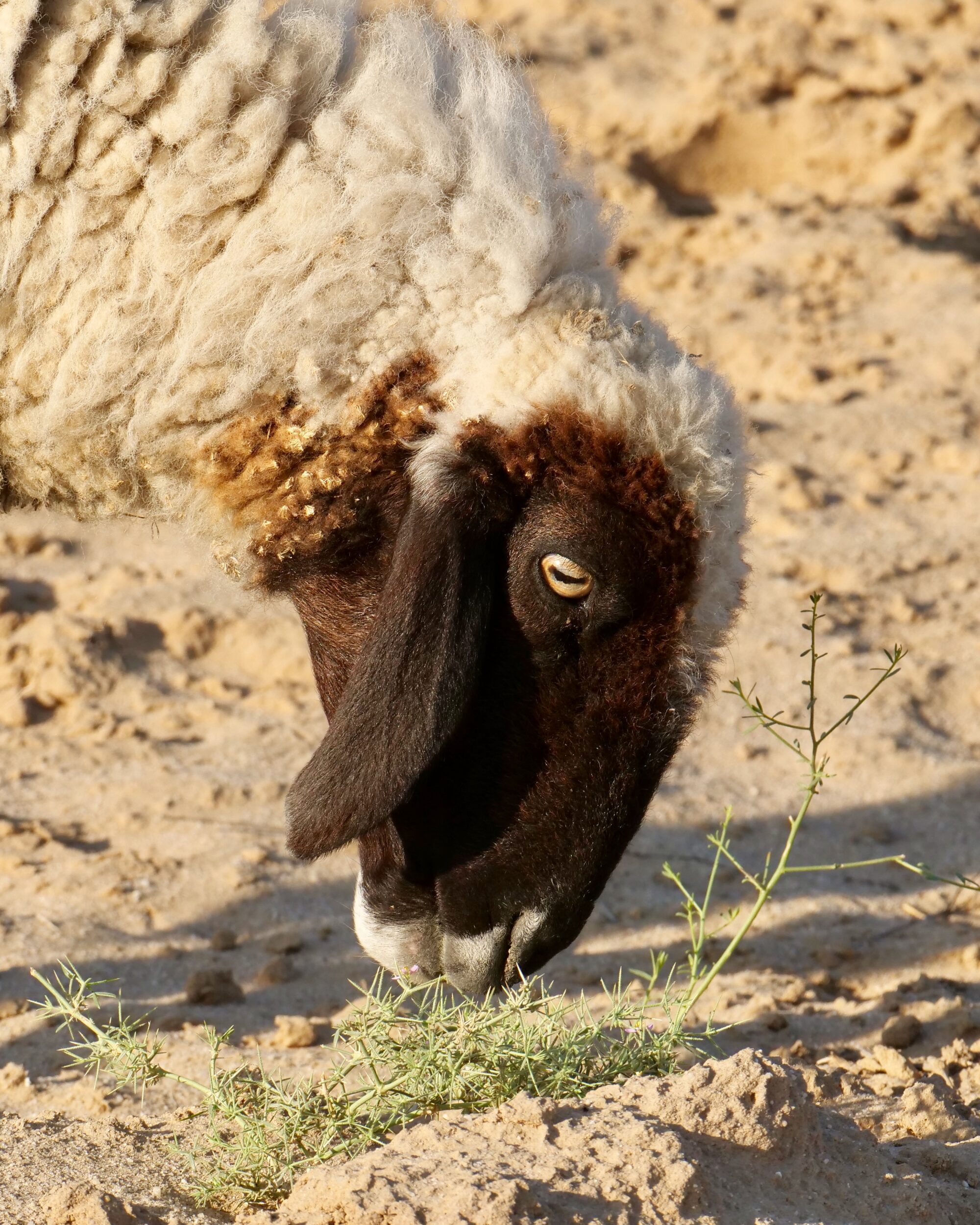
“Domesticated”: unwild animals (#11 in series: hardy sheep)


Some domesticated sheep (and their owners) survive – even thrive – in astonishingly “difficult” environments .

The pictured individual is a member of a well-tended flock in a desert that is home to enormously more humans than most of the world’s humans would regard as remotely “possible”

Leave a Comment

Quirky moments (#10 in series: avian avatars)


I dislike anthropomorphism, especially when it “cutesifies” animals that are not cute.

I wish we humans would learn to appreciate other animals in their own right, as themselves, rather than wilfully misreading their behaviours and facial expressions.

For instance, quokkas’ characteristic facial shapes/expressions do not in fact signify happiness.

That said, I am sometimes hugely amused by a particular animal’s fortuitous resemblance to a particular, famous/infamous human…or human-made humanoid.

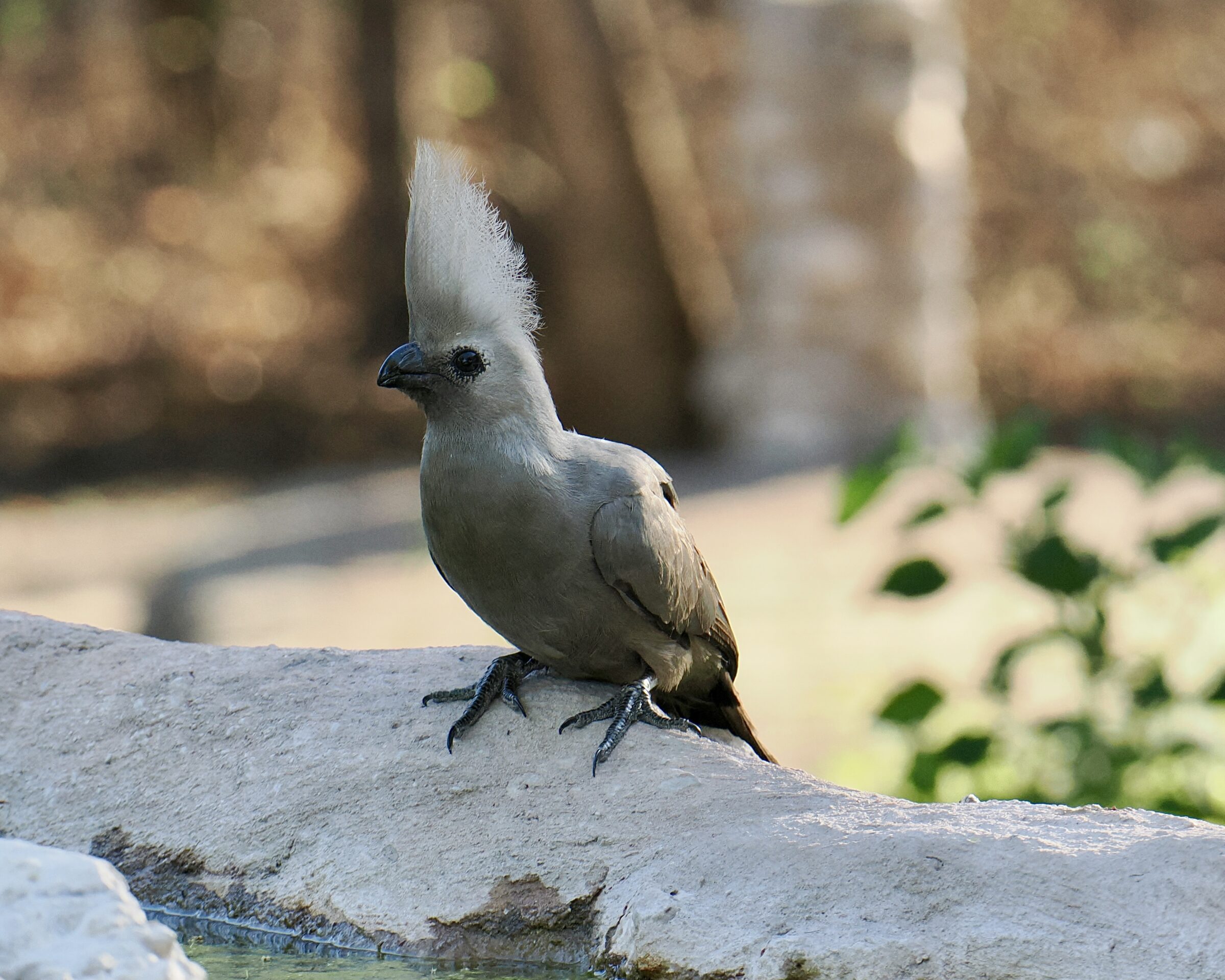
One crisp Namibian morning I saw and heard a very loud local bird; its common name refers to its alarm call.

Why would a “Go-away bird” remind me of England’s self styled “Queen of Romance Fiction”?

Comments closed

“From behind” (#8 in single-image series: watching the birdwatchers)


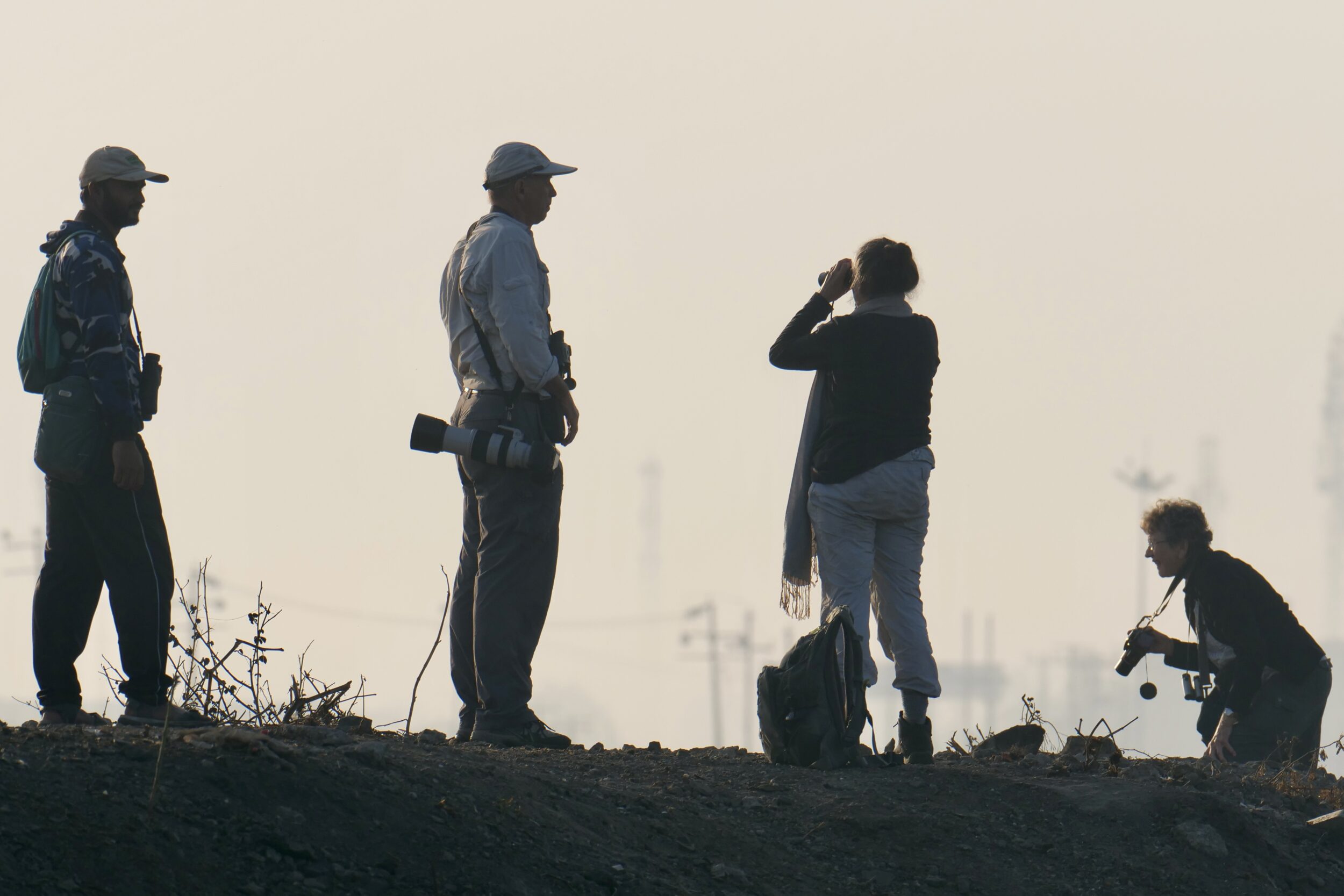
I took this photo in the latter part of an amazing three hours, which had begun shortly before sunrise, well within Jamnagar’s city limits.

Jamnagar, in western India, is a whisker inland from the Arabian Sea, in Gujarat.

Nearby is what bills itself as the world’s largest petrochemical plant.

You can’t see any feathers in this photo, but its humans are watching and/or photographing birds –  water birds of many species, in profusion…all thriving in a far from pristine, definitely-urban wetland.

Comments closed

“From behind” (#3 in single-image series: demoiselle cranes)


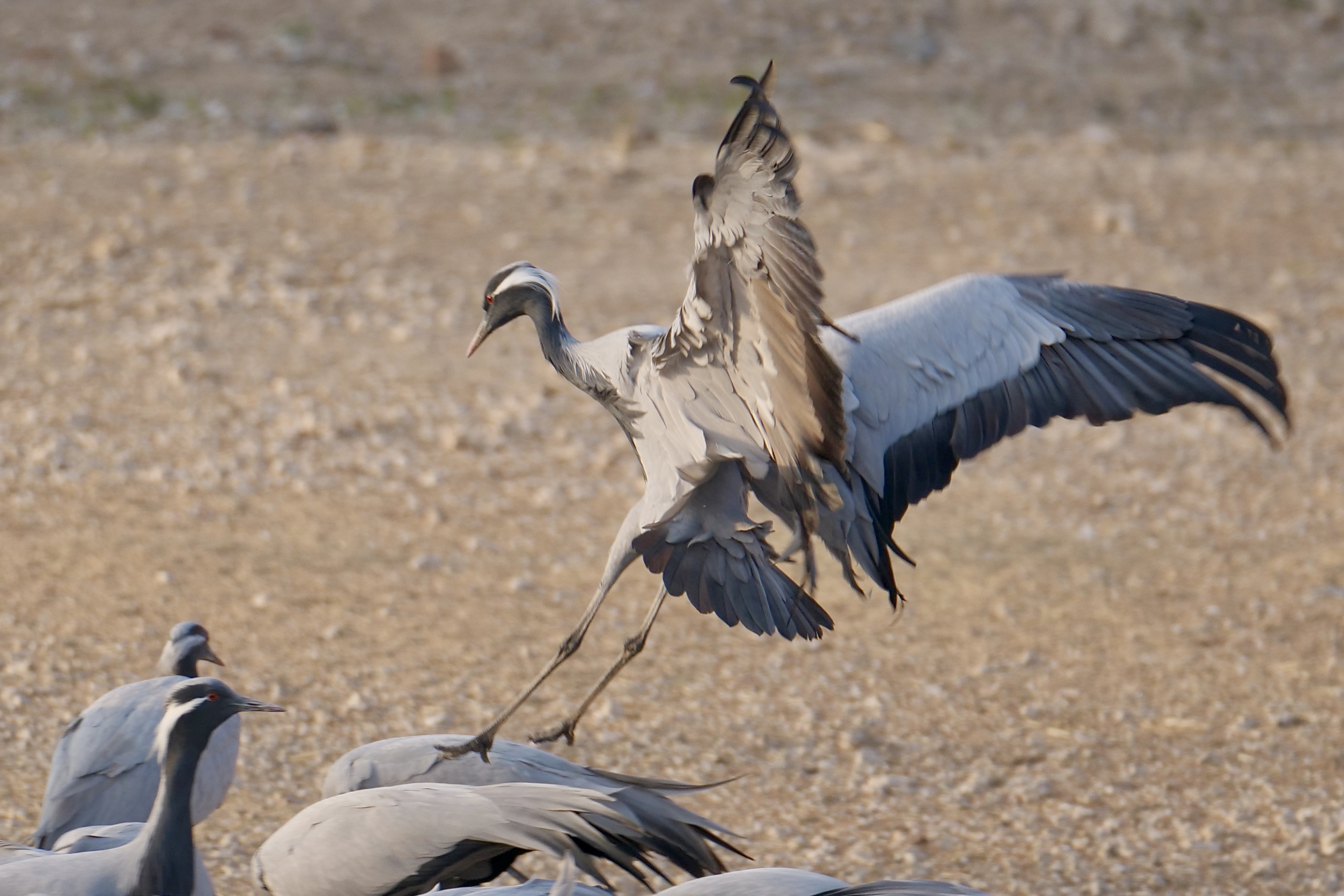
Photographically speaking, birds on the wing are – in equal measure – irresistible, humbling and frustrating.

Their irresistible/frustrating aspect is especially apparent when a photographer attempts to capture/convey how a bird launches itself into the air, or returns to earth/tree-branch/rooftop/ledge/water’s surface…

“Successful results” are guaranteed to be rare events, and one’s “successes” usually prove “qualified” rather than “total”.

This post’s image is one such qualified success…

Comments closed

Word Power: Ratty, post-COVID-19


The rodent pictured above – well-rounded, petite, and “out in the wild”  – quite probably strikes you as “cute”, maybe even “adorable”.

But how about the longer-toothed, urban-invading ranks of Rattus norvegicus?

Allegedly, they are currently making themselves ever more “at home” inside our cities’ offices, shops and homes…

Comments closed

Wild asses: #4 in “western India” series/ #2 in “Tibetan Plateau” series

Asia’s wild asses are different from Africa’s, and larger too.

All but one kind are generally reckoned subspecies of Equus hemionus, the Asiatic wild ass or onager.

Pictured above and below is the khur or Indian wild ass, Equus hemionus khur.

Once widespread, in large numbers, khur now only number several thousand individuals, most of them in the Little Rann of Kutch in Gujarat, western India.

Comments closed