Skip to content →

Tag: wildflowers

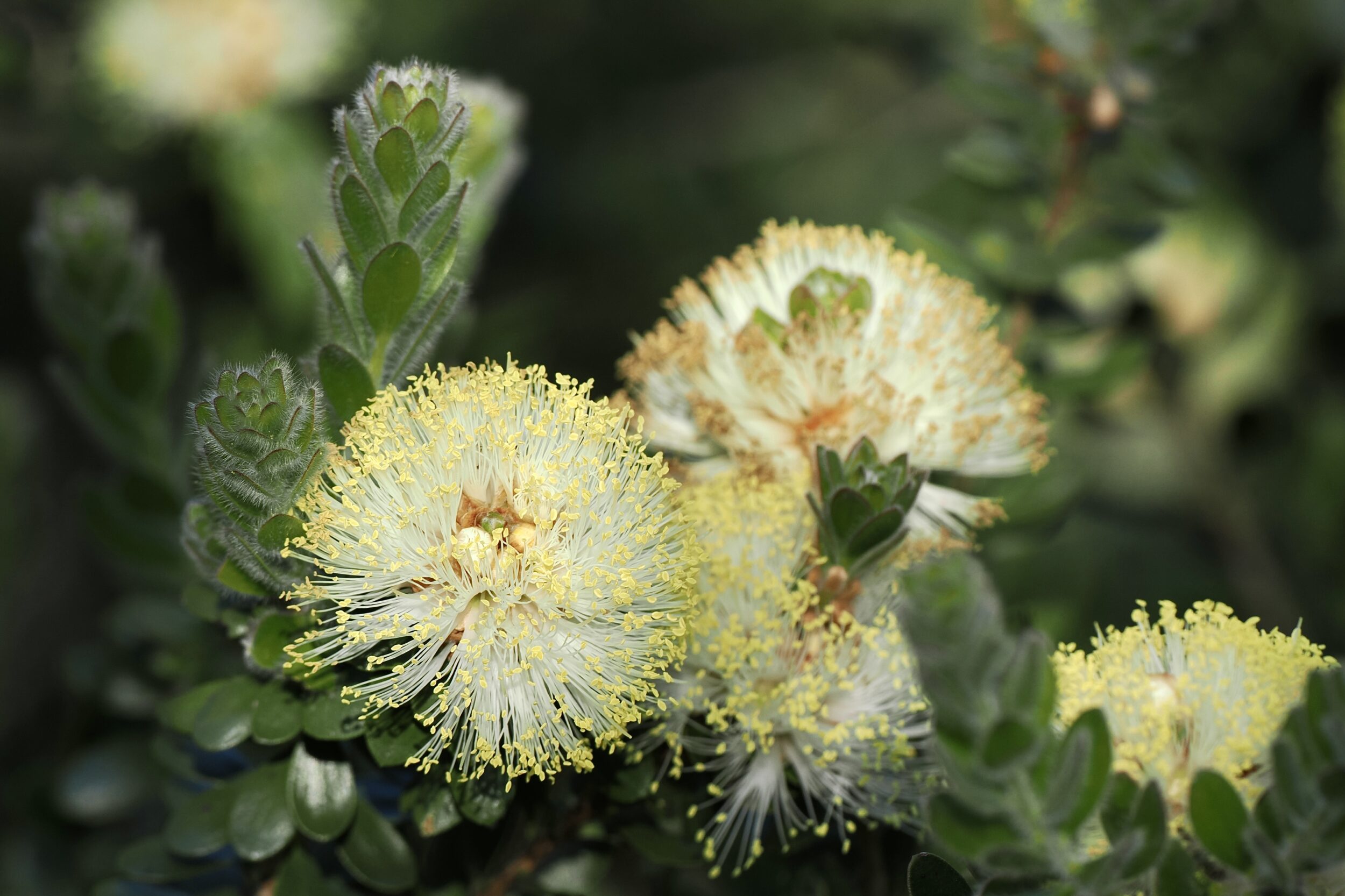
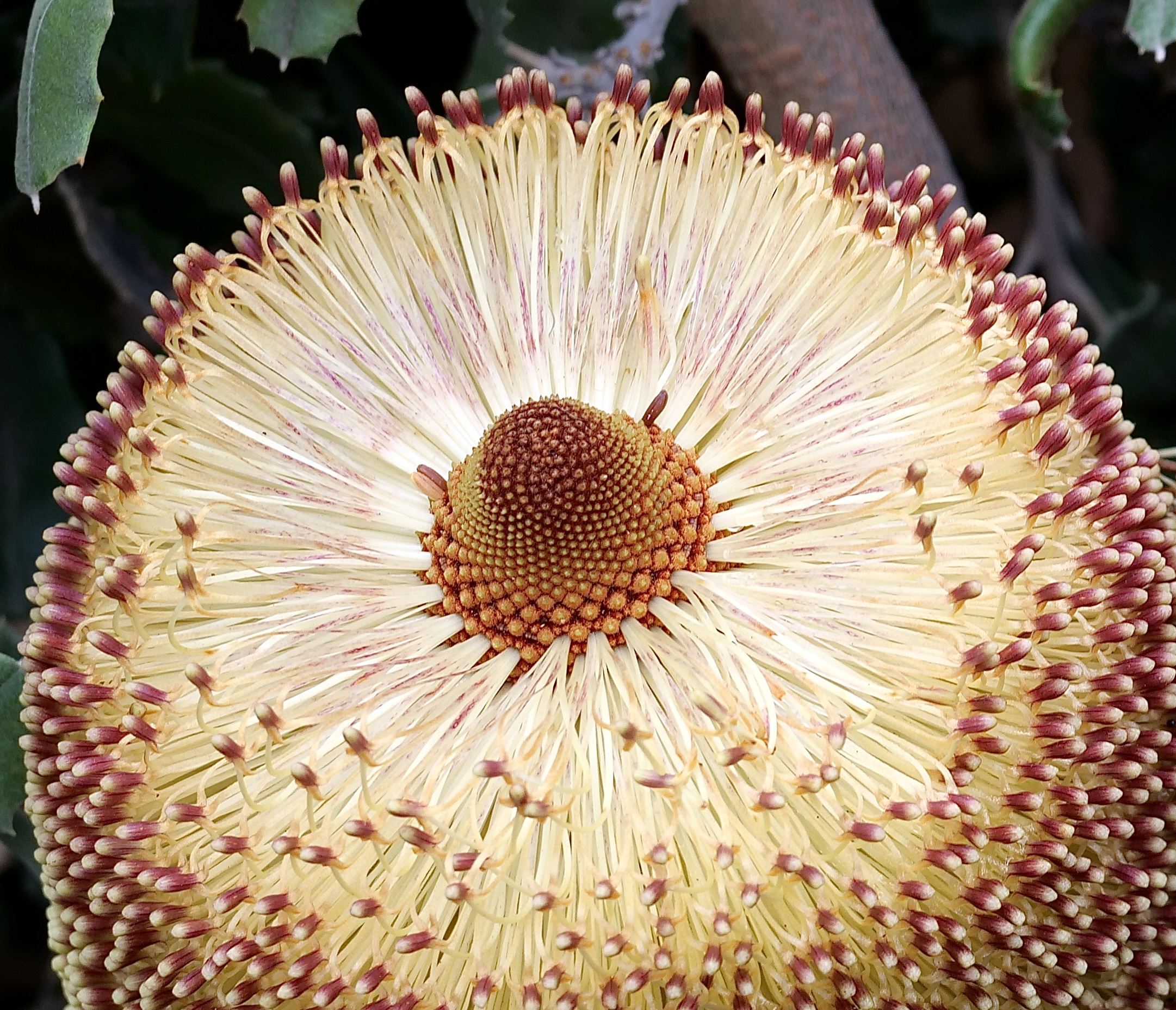
Looking down (#20 in series) on a Banksia


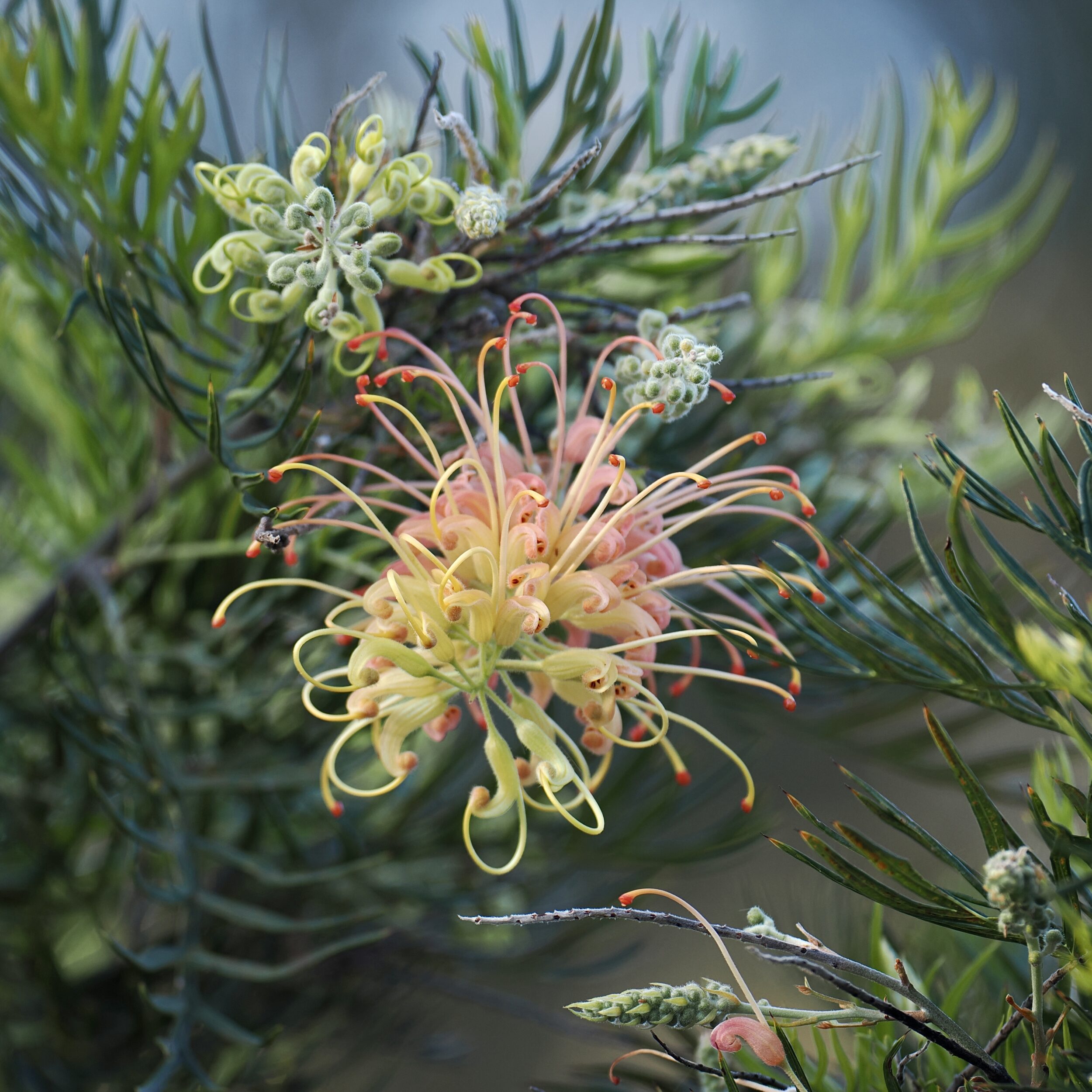
Membership of the genus is hotly debated – should Dryandras be included, or not? – but, however defined, Banksias are extraordinary plants.

These members of the Protea family are unique to Australia.

The overwhelming majority naturally occur only in certain parts of Western Australia’s southwest.

Depending on when one encounters it, a banksia’s flower spike can be prodigiously shaggy, “untidy”, and drab…. or a glorious example of perfect symmetry, Fibonacci sequences, and subtle colouration.

Each flowering “spike”/“cone” bears many – sometimes, several thousand – individual flowers.

I particularly love the appearance of some banksia flower spikes when viewed from directly above.

Leave a Comment
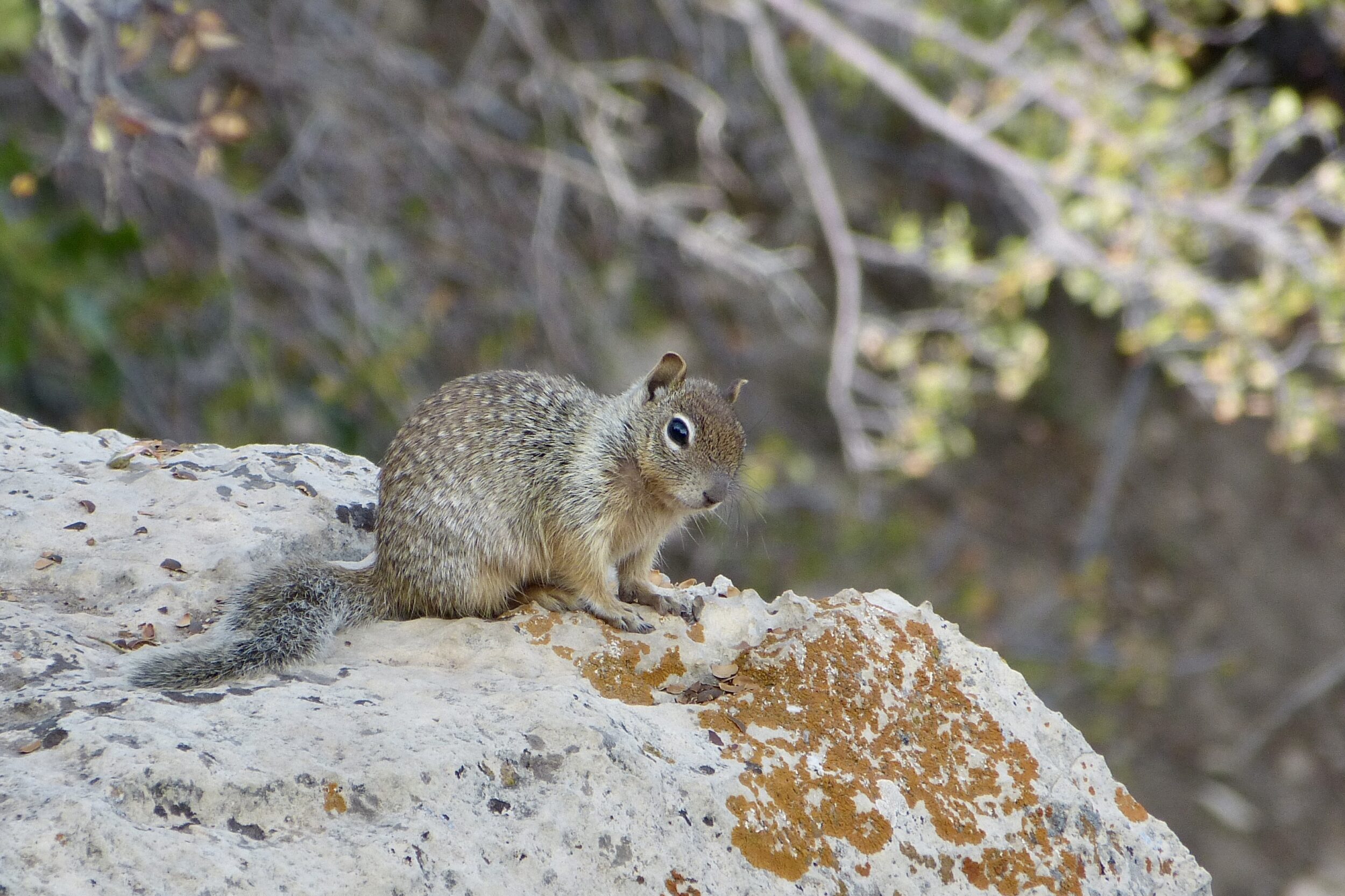
Looking down (#18 in series: …but just a smidgin)


When in an “epic” landscape such as The Grand Canyon, one should always remember to look at the “near views” as well as the grand vistas.

However jaw-dropping it is to look down 1.6 vertical kilometres to the Colorado, there is every chance that something else – something equally worthy of your attention – sits within a couple of metres of your nose…on the ground at your feet.

Leave a Comment

Spring 2025 in Perth ( final in series: late afternoon delight)


For wildflowers – most especially if one is photographing them – intensely bright sunshine is definitely NOT the “best” kind of light.

In the middle of the day, a lightly overcast sky is likely to prove a much better friend to a wildflower photographer – or to your naked eyes –  than an intensely bright blue sky.

Generally, if you wish to capture a wildflower’s full natural beauty, the ideal circumstance is soft, late afternoon light.

This post’s hero was photographed with a longish (400 mm) lens in just such light,  on 29 September 2025, in Perth’s Karrakatta Cemetery.

Comments closed

Spring 2025 in Perth (#20 in series: UFO in Hollywood)


Full disclosure: I do not know the name of the featured plant; in this instance the “UFO” is an “unidentified flowering organism” – unidentified by yours truly, at least.

The relevant “Hollywood” does sit within a wealthy city, but not in L.A.; Perth’s Hollywood Reserve is adjacent to the “far end” (i.e. furthest distant from main entry) of Perth’s Karrakatta Cemetery.

i think that this post’s hero is a member of the Proteaceae Family.

Comments closed

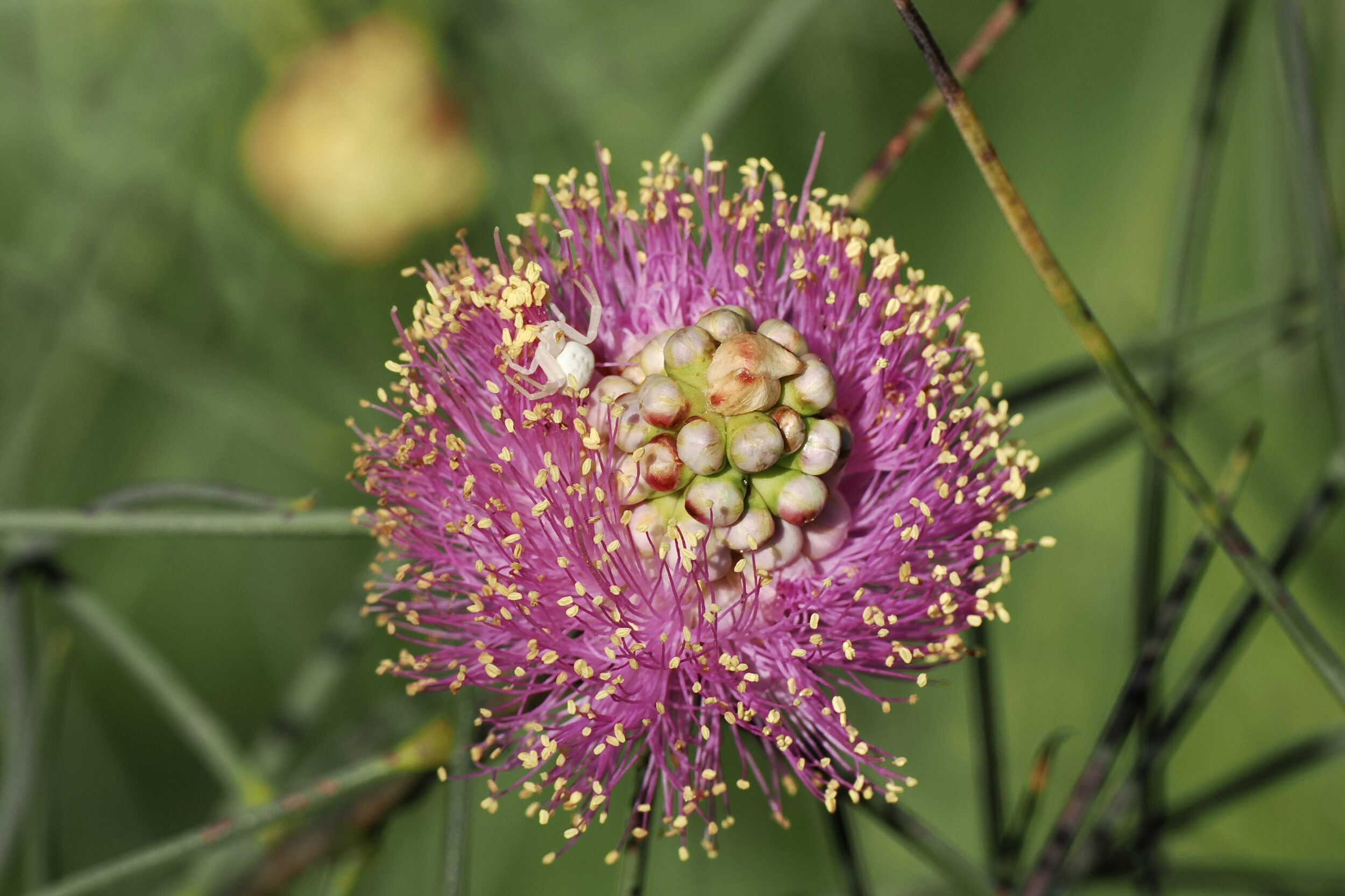
Spring 2025 in Perth (#19 in series: “inhabited” flower head)


This post shows the same species of flowering plant as in #18.

The location is only a few footsteps distant, and just three more minutes had passed.

This flower head, however, has a resident, venomous, ambush predator.

S/he is a member of the Family Thomisidae, which includes the “flower spiders” (aka “crab flower spiders” or “crab spiders”. “Crab spiders” is an umbrella term which also includes Thomisdae members who do not inhabit flowers/flower heads)

Comments closed

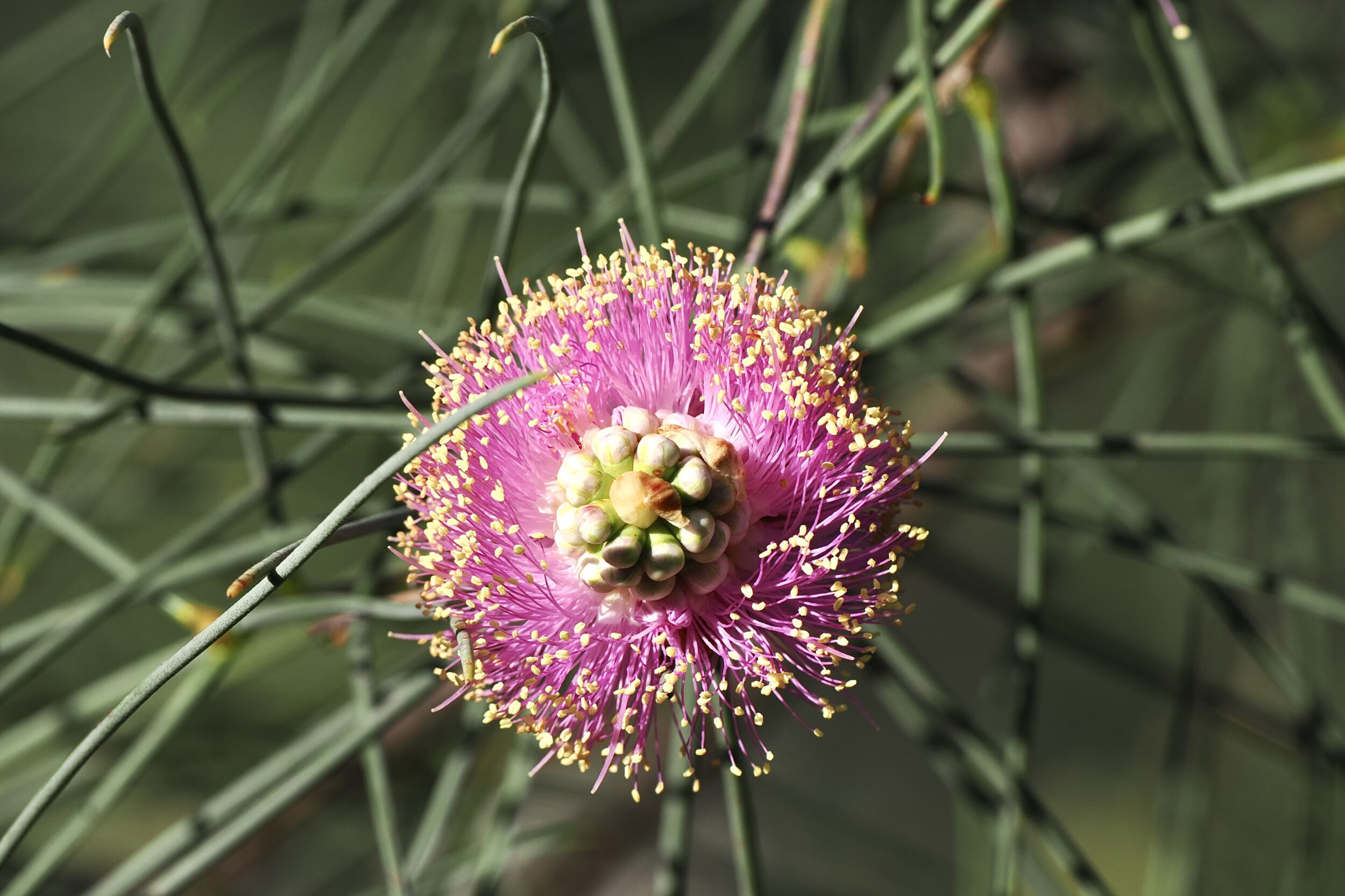
Spring 2025 in Perth (#18 in series: “uninhabited” flower head)


You are looking at the flower head of one of several Melaleuca species that are commonly known as “honey myrtles”.

The Melaleuca genus has more than 300 members, most of them endemic to Australia;  it also includes all of the bottlebrushes and paperbarks, plus some of the so-called tea-trees.

The genus is part of the Myrtle family.

I am pretty sure that the picture shows Melaleuca nesophilaa WA-endemic which naturally occurs only in the Albany-Esperance region.

It is however, a popular garden plant, commonly found in Australian gardens and parks.

Comments closed

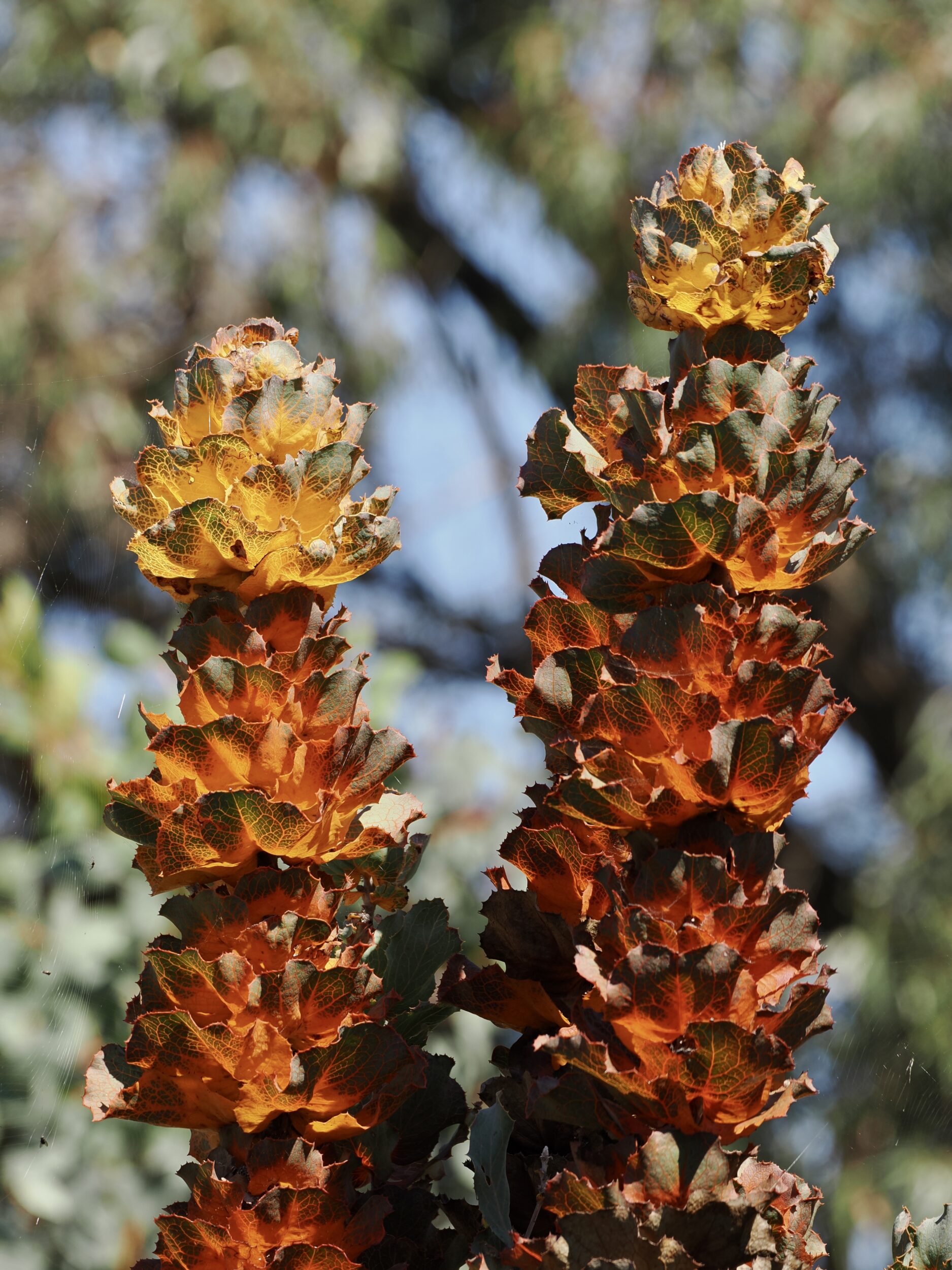
Spring 2025 in Perth (#17 in series: Hakea Victoria)


Commonly known as Royal Hakea, Hakea victoria is one of “our” planet’s most visually arresting plants.

Generally, it is their flowers that make certain flowering plants globally-celebrated, and keenly sought by gardeners.

With Hakea victoria, however, it is the leaves.

Comments closed

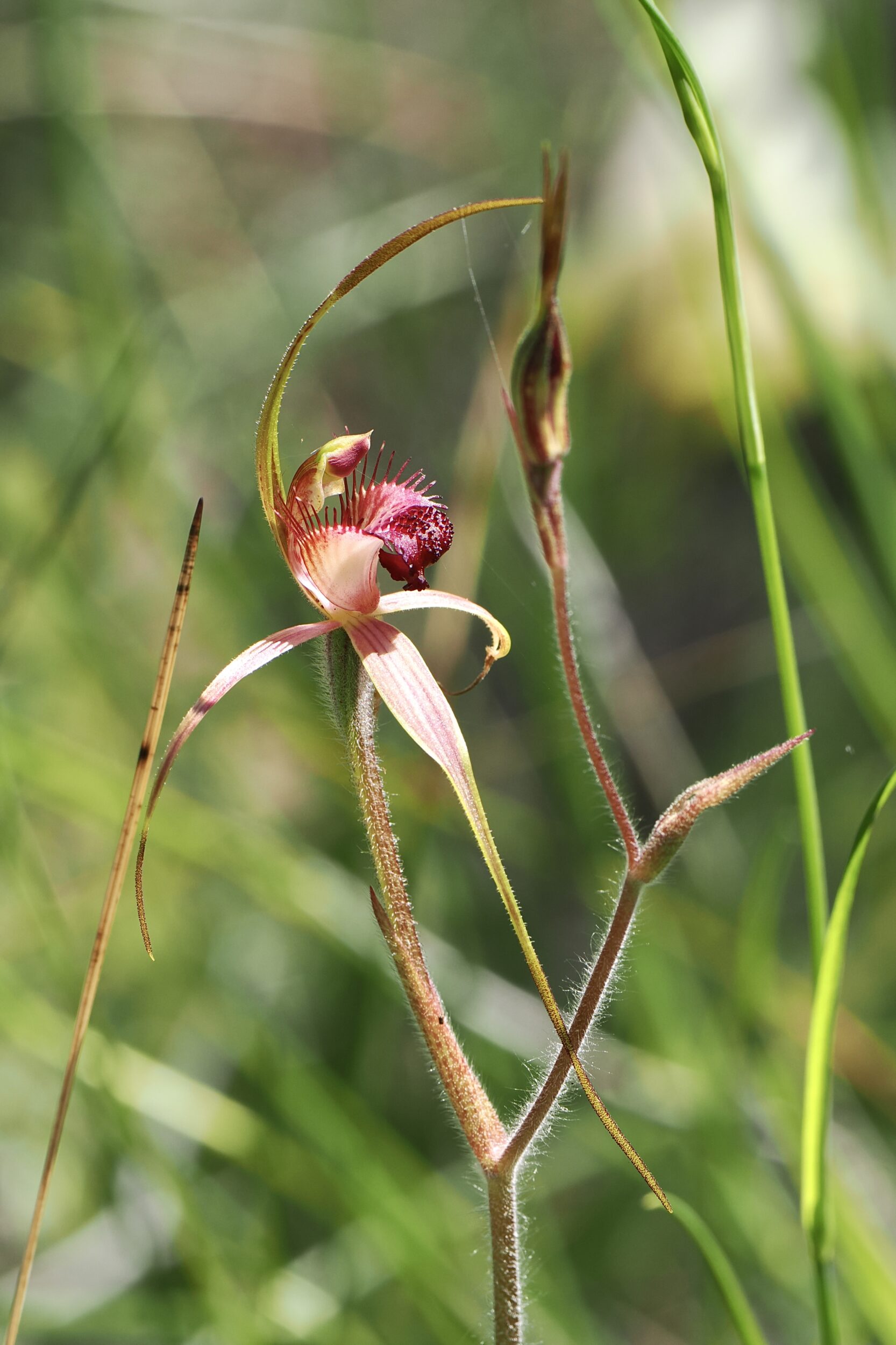
Spring 2025 in Perth (#15 in series: “spiders” in Kings Park)


There are indeed a huge number of arachnids in Perth’s Kings Park, but they are not uppermost in the minds of many visiting  humans.

In springtime, it is spider orchids that draw many people.

Many of those humans wish to photograph them.

In their photos of spider orchids, actual spiders’ webs, and/or individual threads of spider’s silk, are often clearly visible; one such filament is present in the featured image, above.

Comments closed

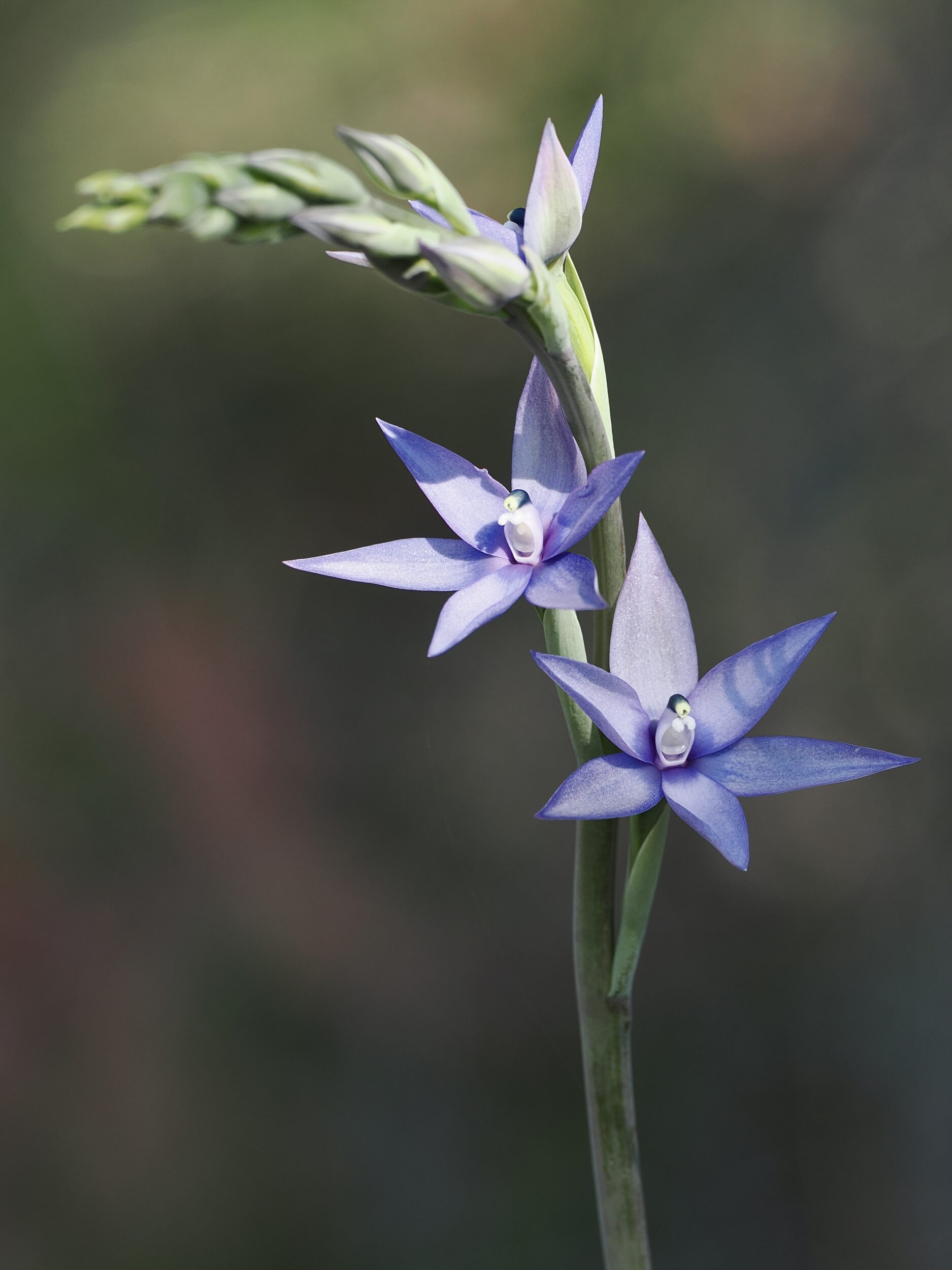
Spring 2025 in Perth (#10 in series: blue sun-worshippers)


Generally, sun orchids – the 100+ members of the genus Thelymitra – are true to their common name.

They orient their flowers to the sun, open them only when it shines brightly upon them, and always close them before nightfall.

I am no botanist, but am 90 percent certain that there is just one kind of time and place to enjoy an entirely-natural encounter with the pictured, very elegant blue sun orchid species: on a sunny day in southwestern WA.

Comments closed

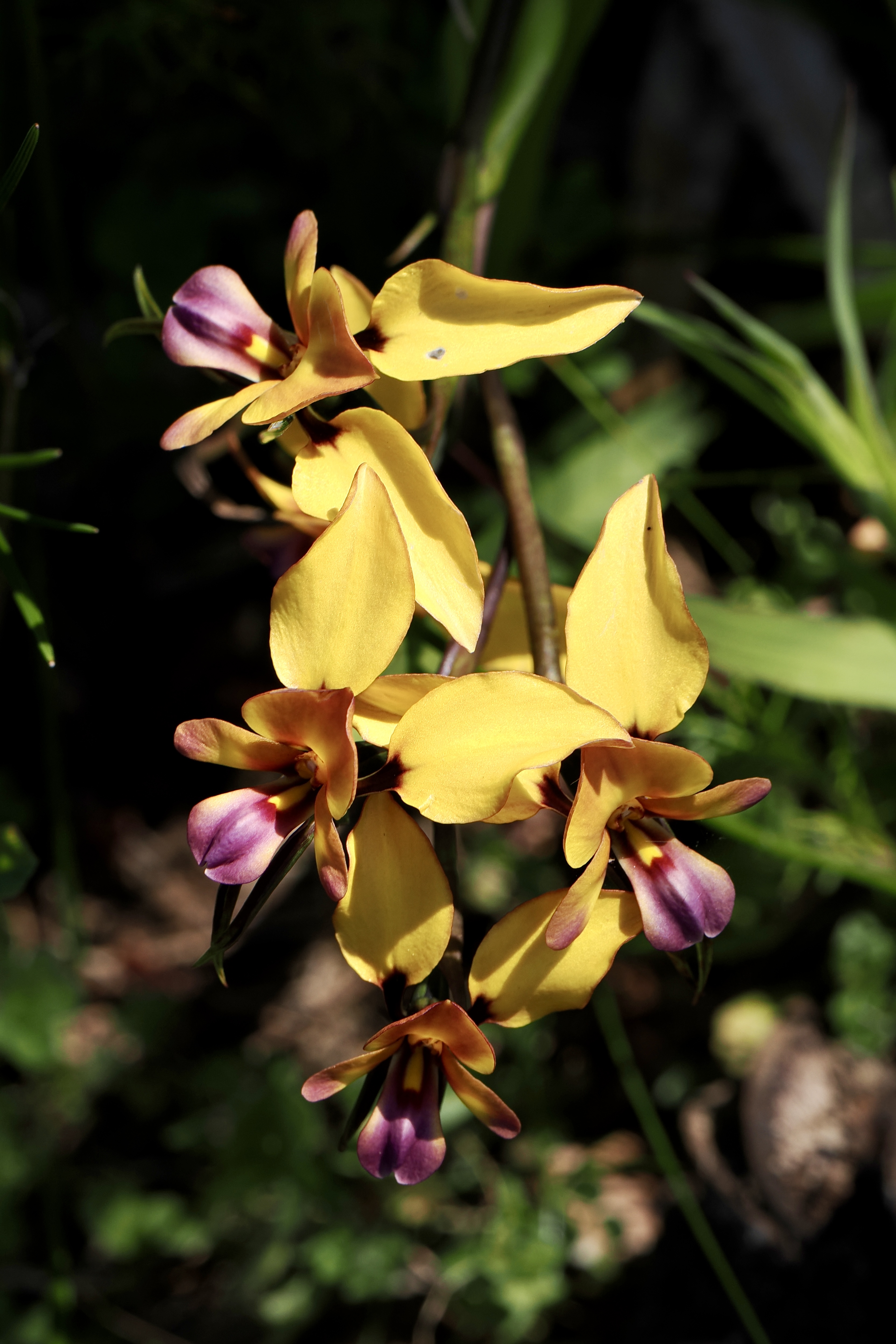
Spring 2025 in Perth (#9 in series: “common” donkey orchid)


In Perth the pictured species is indeed common, but Perth is the only Australian capital city which is within its home range

In springtime in Perth Diuris corymbosa – the common donkey orchid, aka “wallflower orchid” – is usually conspicuously present in just about any “bushy” location.

Spring 2025 is a bumper one for this species.

Inevitably, some folks fail to appreciate its beauty, simply because it is so common in Perth, so easy to see.

Comments closed