Skip to content →

Tag: wildflowers

Spring 2025 in Perth (#5 in series: Infructescence, Banksia-style)


A clear majority of Australia’s Banksia species occur naturally in southwest Western Australia, exclusively.

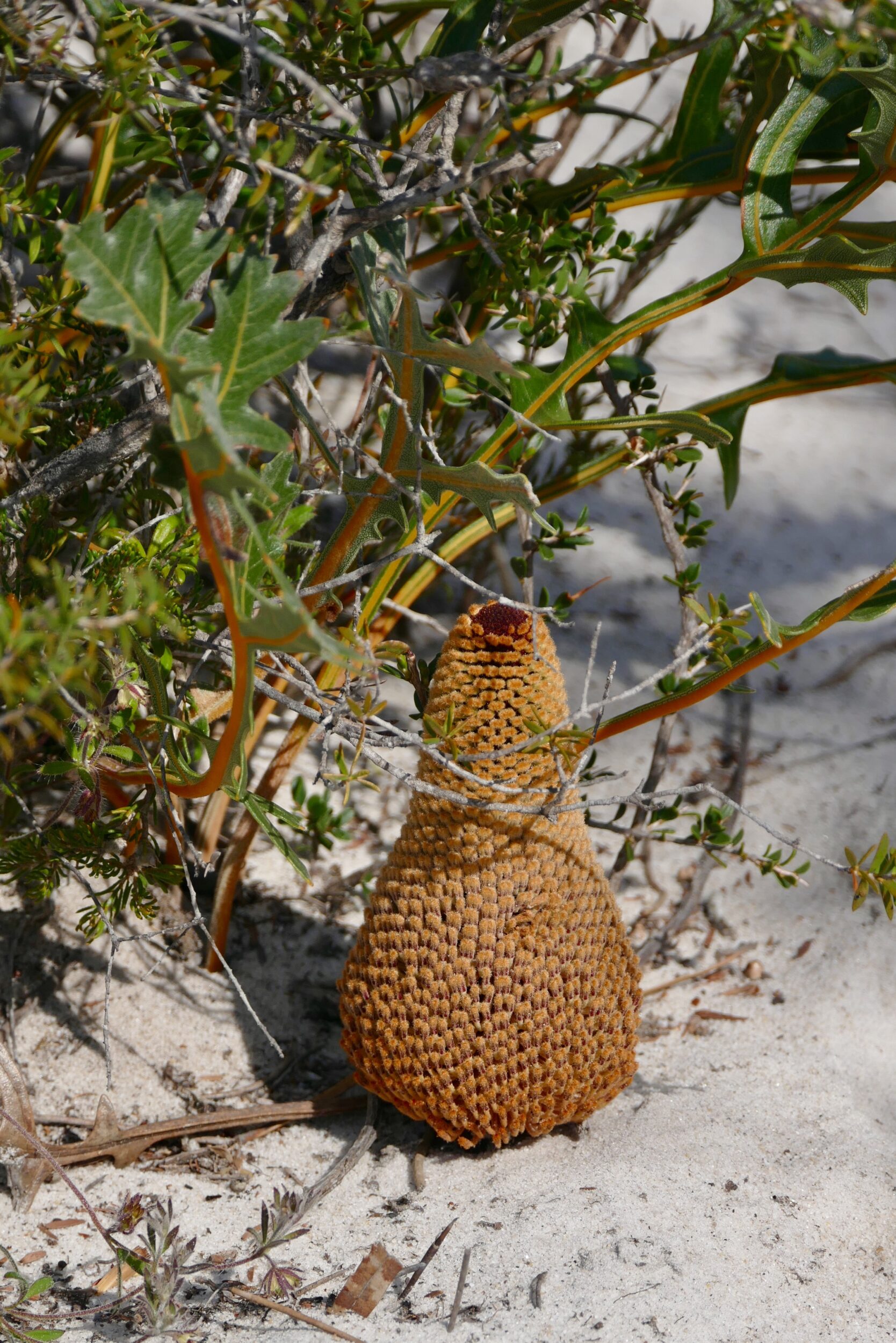
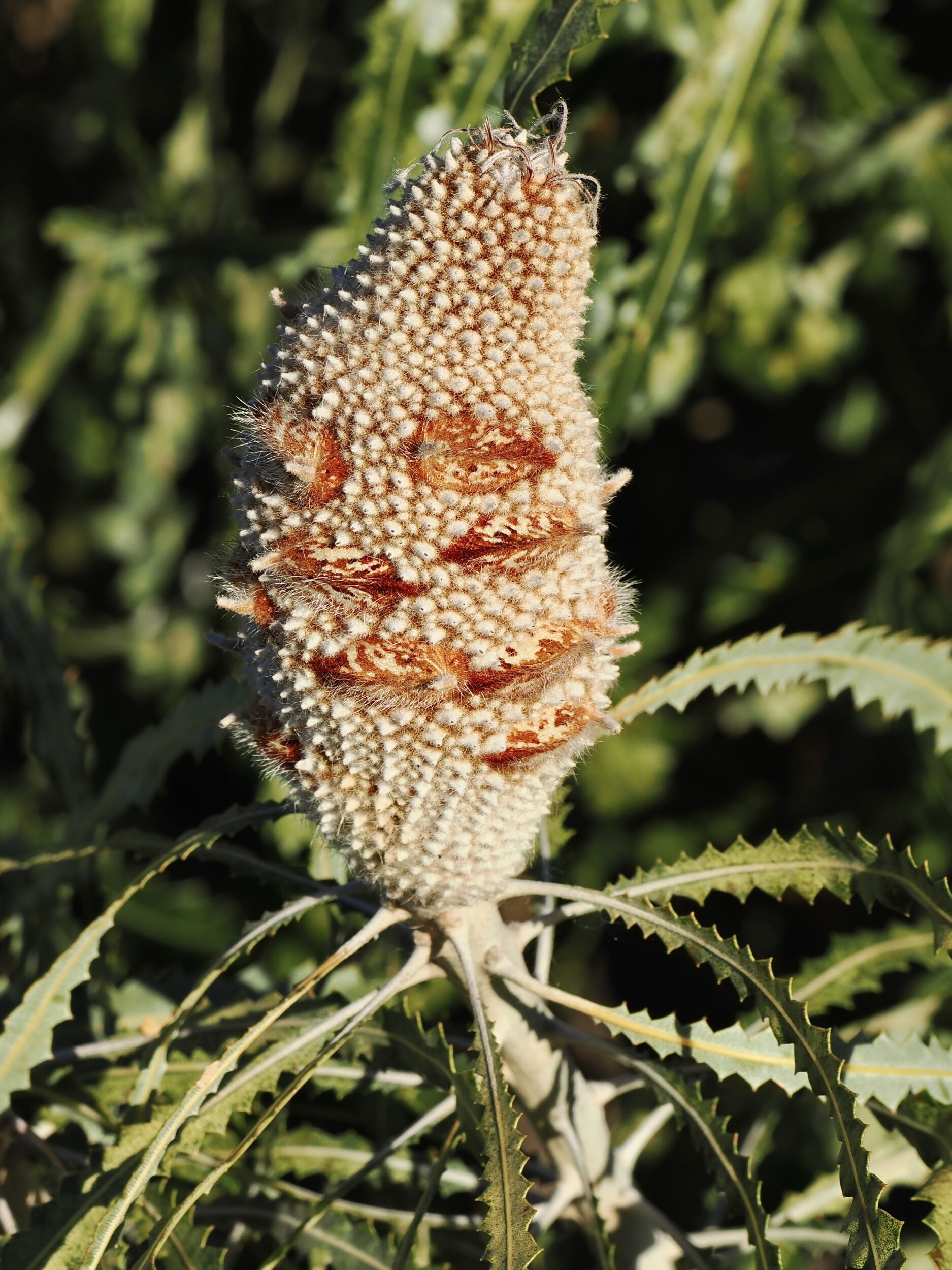
One of the most arresting is Banksia prionoties.

Its common name – Acorn Banksia – refers to the appearance of its large flower spikes during the early stages of their flowering.

As you can see here, at that stage the flower spike is both elegant and spectacular, with each spike/“cone” exquisitely clad with hundreds of flowers. (many people are unaware of this reality. They misperceive each spike as “the flower”, singular)

As this post’s photo illustrates, the spike’s  “post-flowering” appearance is every bit as spectacular, but rather less elegant.

Comments closed
Spring 2025 in Perth (#4 in series: waxflowers, “2” of 2)


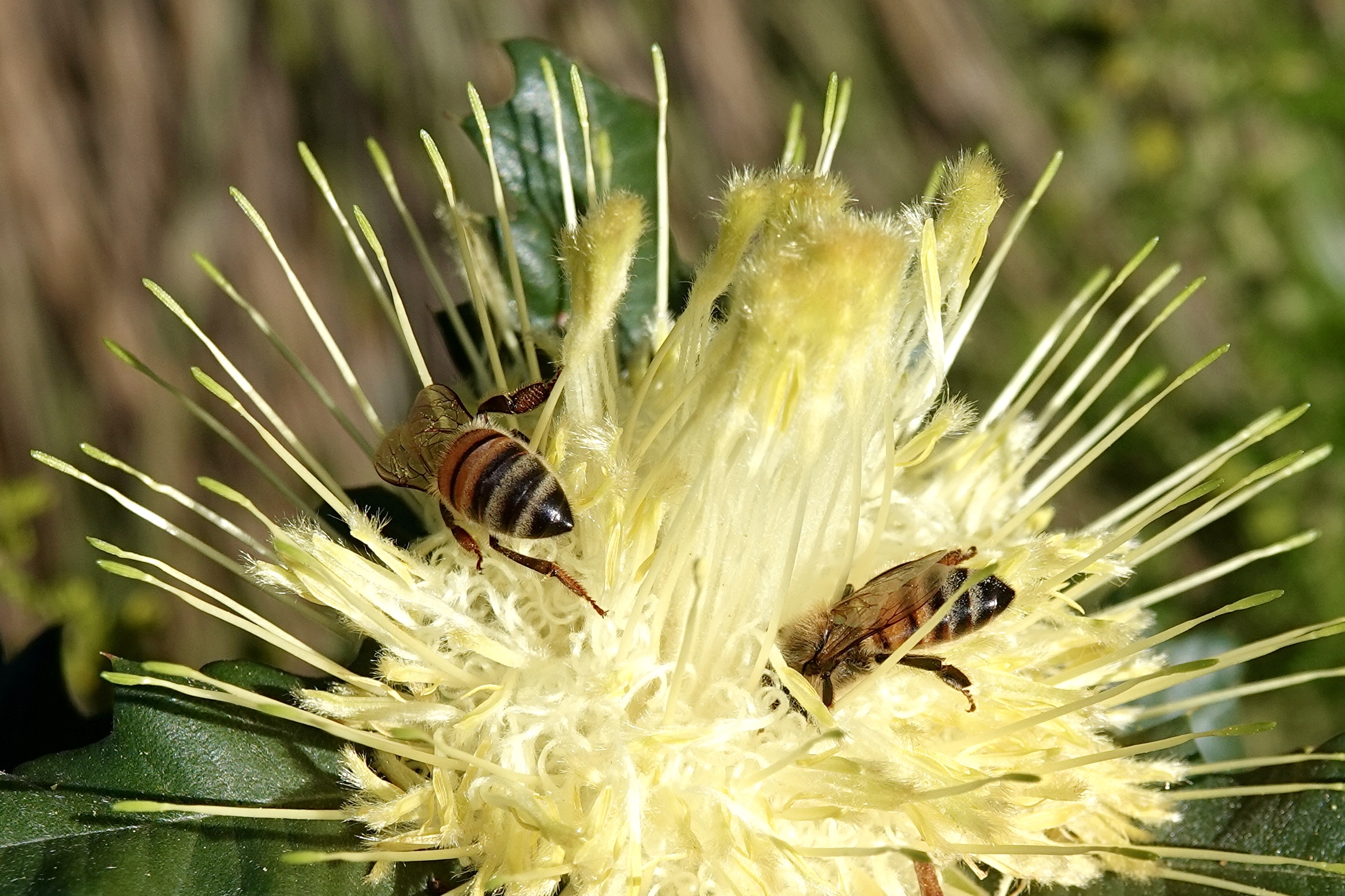
Very often, much more is going on within a single flower than is readily apparent to an observing human’s naked eye.

The deployment of a long or macro lens will often yield a surprise – sometimes lovely, sometimes startling.

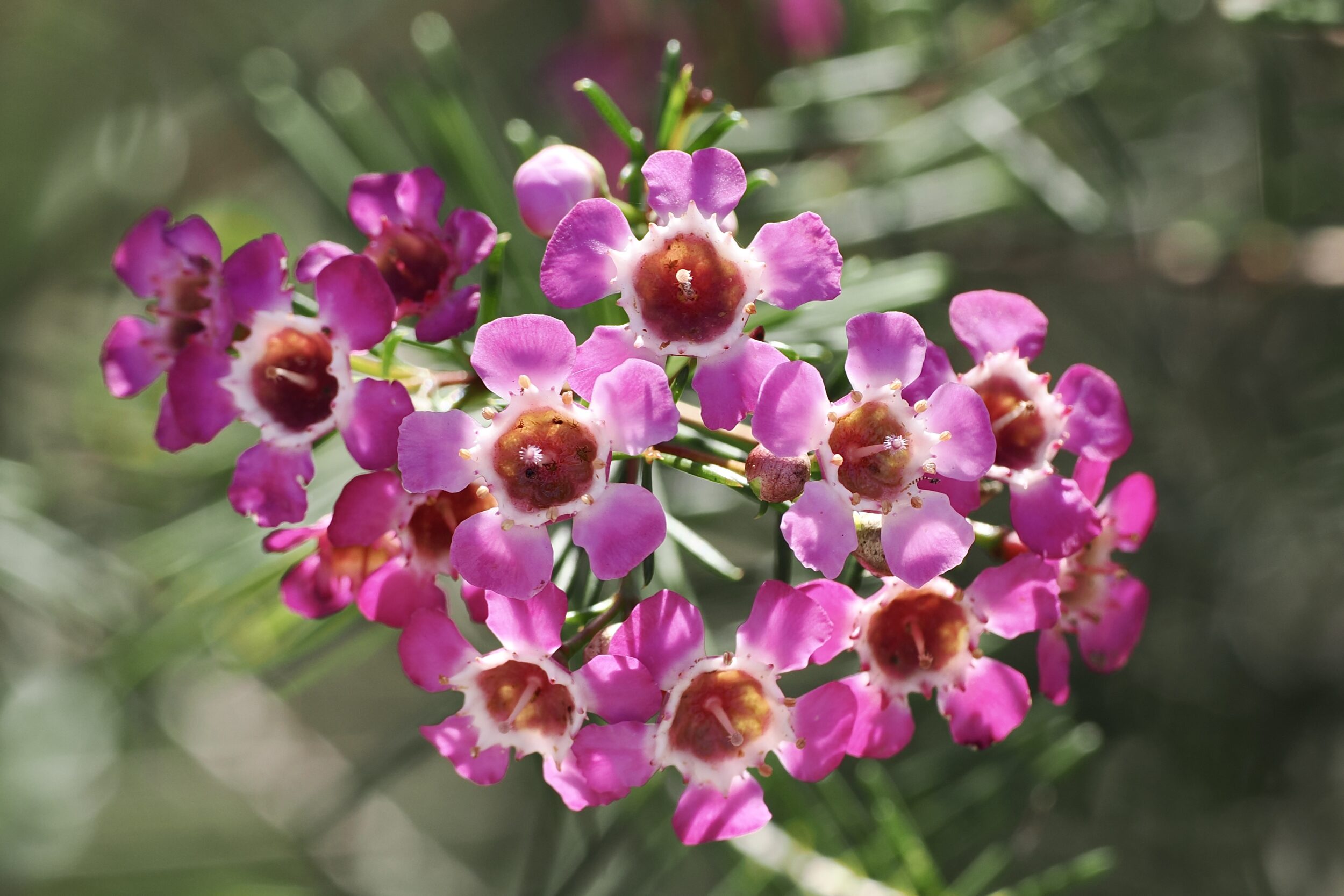
If you zoom in on/enlarge the image below you will see two beetles.

They are at/near the top of the photo’s most prominent pistil – the white one, in sharp focus.

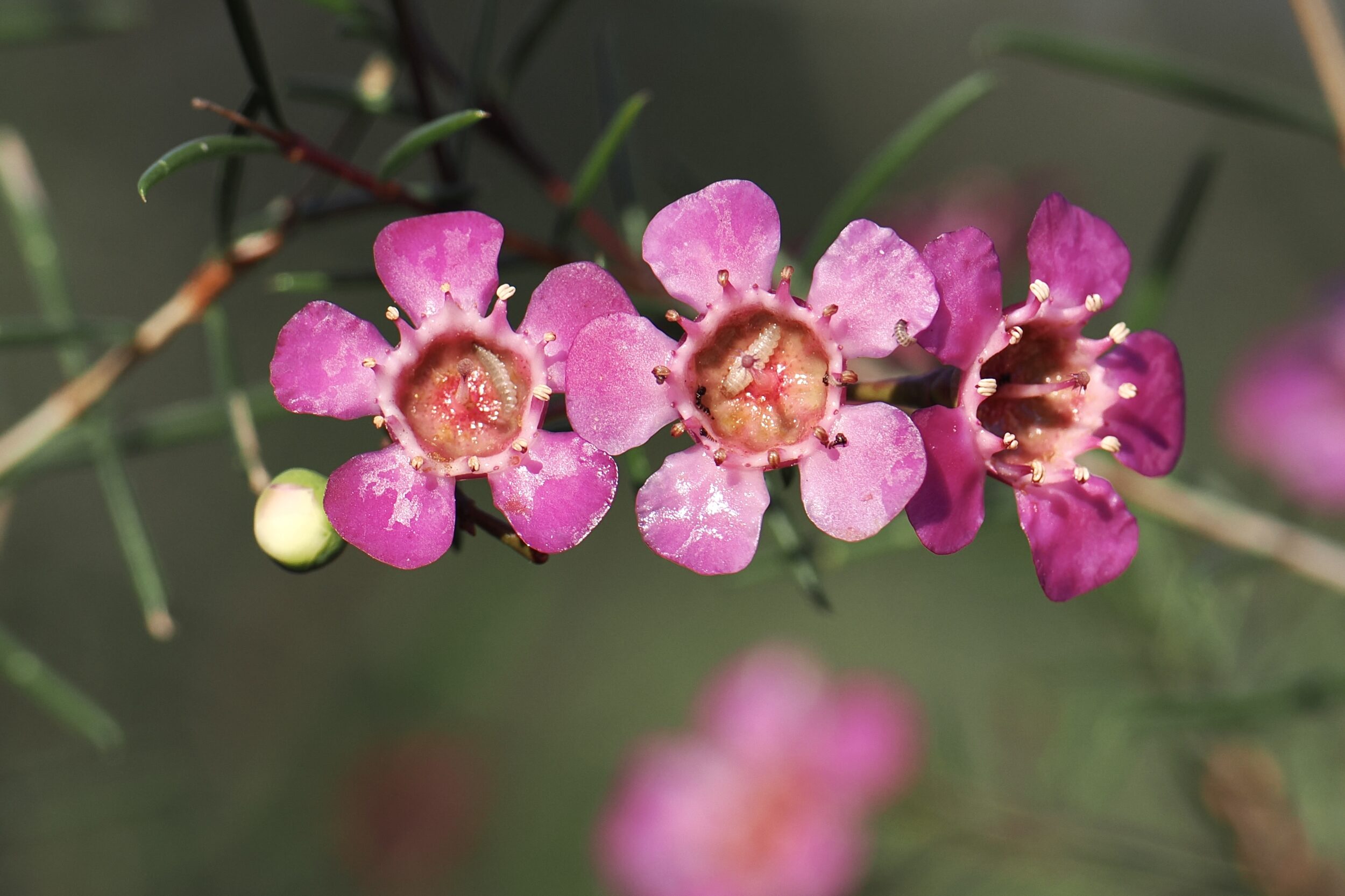
For a more “macabre” experience, look at the munching/nectar-sipping young animals that have “invaded” the very heart of two of the three flowers in the featured image, above.

Comments closed

Spring 2025 in Perth (#3 in series: waxflowers, “1” of 2 )


Chamelaucium – the genus known as waxflowers – has fourteen generally-recognised species.

They are members of the Myrtle family.

Some – most especially Geraldton wax, Chamelaucium uncinatum – are highly prized, globally, by florists and gardeners.

However, as is true of so many highly distinctive flowering plants, the natural range for all members of this genus is entirely confined to parts of southwestern Western Australia.

Comments closed

Grand sands (#40 in series: “looking down” on prostrate plants [2 of 2])


Collectively and individually, members of the genus Banksia are among the world’s more spectacular and surprising flowering plants.

If one accepts the reclassification that brought the 94 Dryandra species into the Banksia fold, the genus has circa 170 members; if one does not, there are 79 named Banksia species.

Either way, all but one species are endemic to Australia.

The overwhelming majority naturally occur only in Western Australia, and most of those have very small ranges, in near-coastal parts of WA’s southwest.

Even by Banksia standards, the six prostratae species are “wondrous strange”.

Comments closed

Grand sands (#39 in series: “looking down” on prostrate plants [1 of 2])


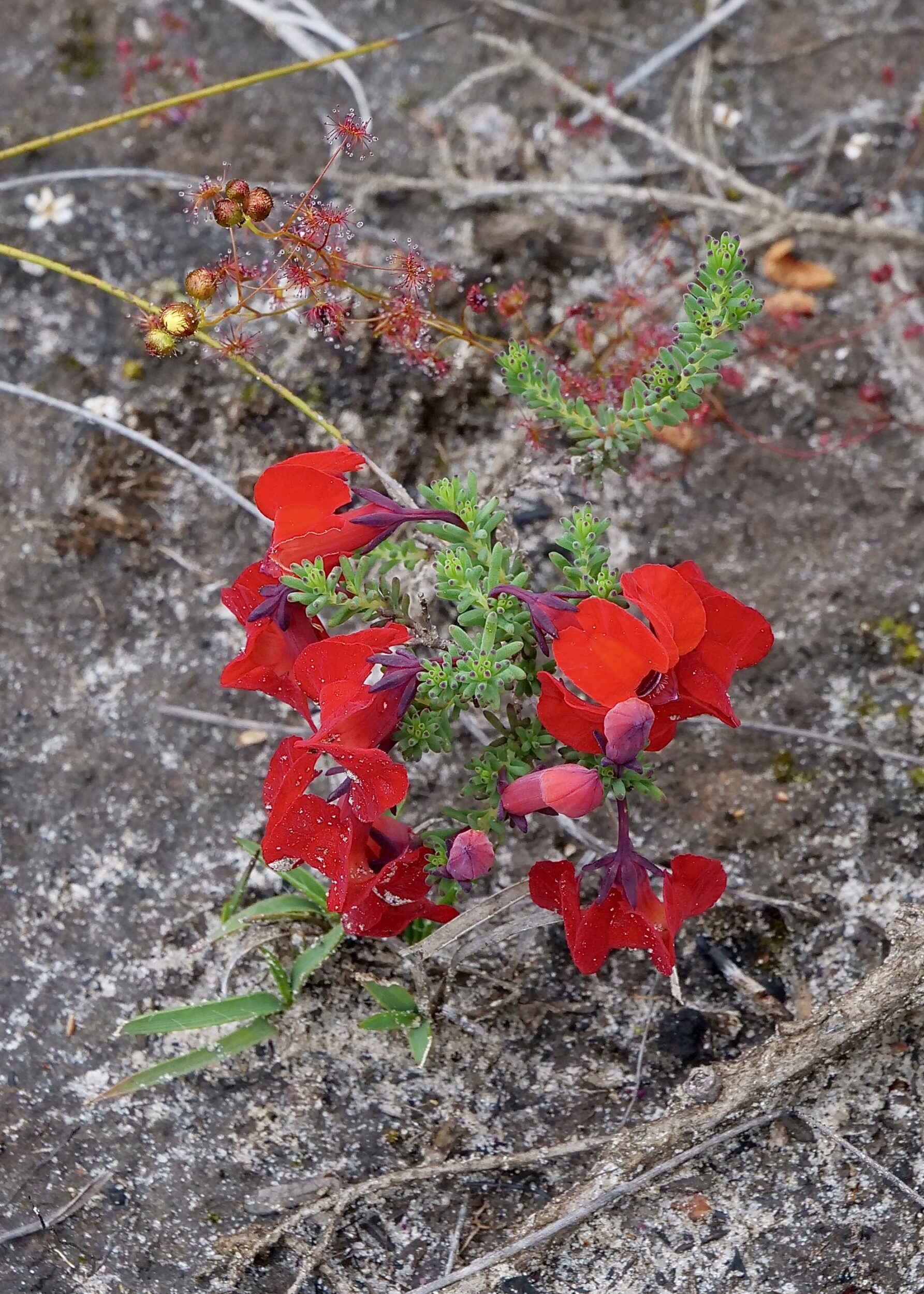
This chapter’s hero is another of the enormous number of WA-endemic flowering plants that thrive in Cape Arid National Park.

Most “wildflowers” position their actual flowers well clear of the ground.

In Australia’s southwestern corner, however, some of the region’s plants are “prostrate” – their flowers may sit on the sand, literally.

If you look carefully at the featured image you will notice that the nearer, otherwise-strikingly-red flowers are sand-flecked.

Comments closed

Wireless Hill – feathers & flower spikes (#1 of 3)


This little series celebrates a favourite place, as it was on Sunday, 27 October 2024 – our first fully-waking day after our return to home turf.

(coming soon to Pelican Yoga: a teaser-series devoted to two contrasting parts of Indonesia. One is very sparsely populated. The other is “our” planet’s most-populous large island )

”European” calendars suggest it is still springtime in Perth.

In fact, the world’s greatest substantial-city, entirely-natural springtime flower-show ended some weeks ago.

Here, however, some wonderful plants are in flower at any time of year…plants which naturally occur only in WA’s southwest.

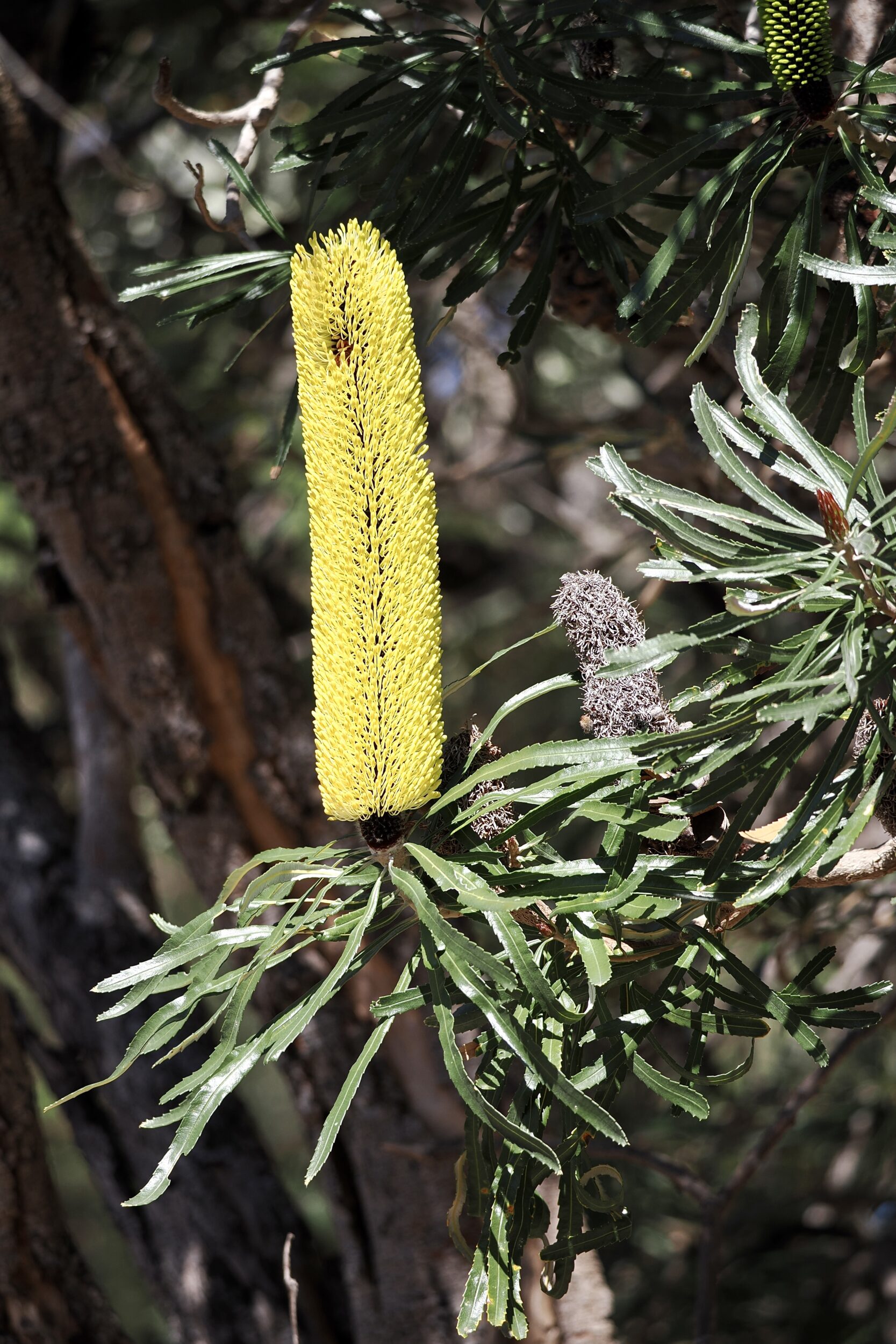
This post’s hero is one of them.

Comments closed

“Father’s Day” 2024, in Hollywood (#2 in series: pink fairies)


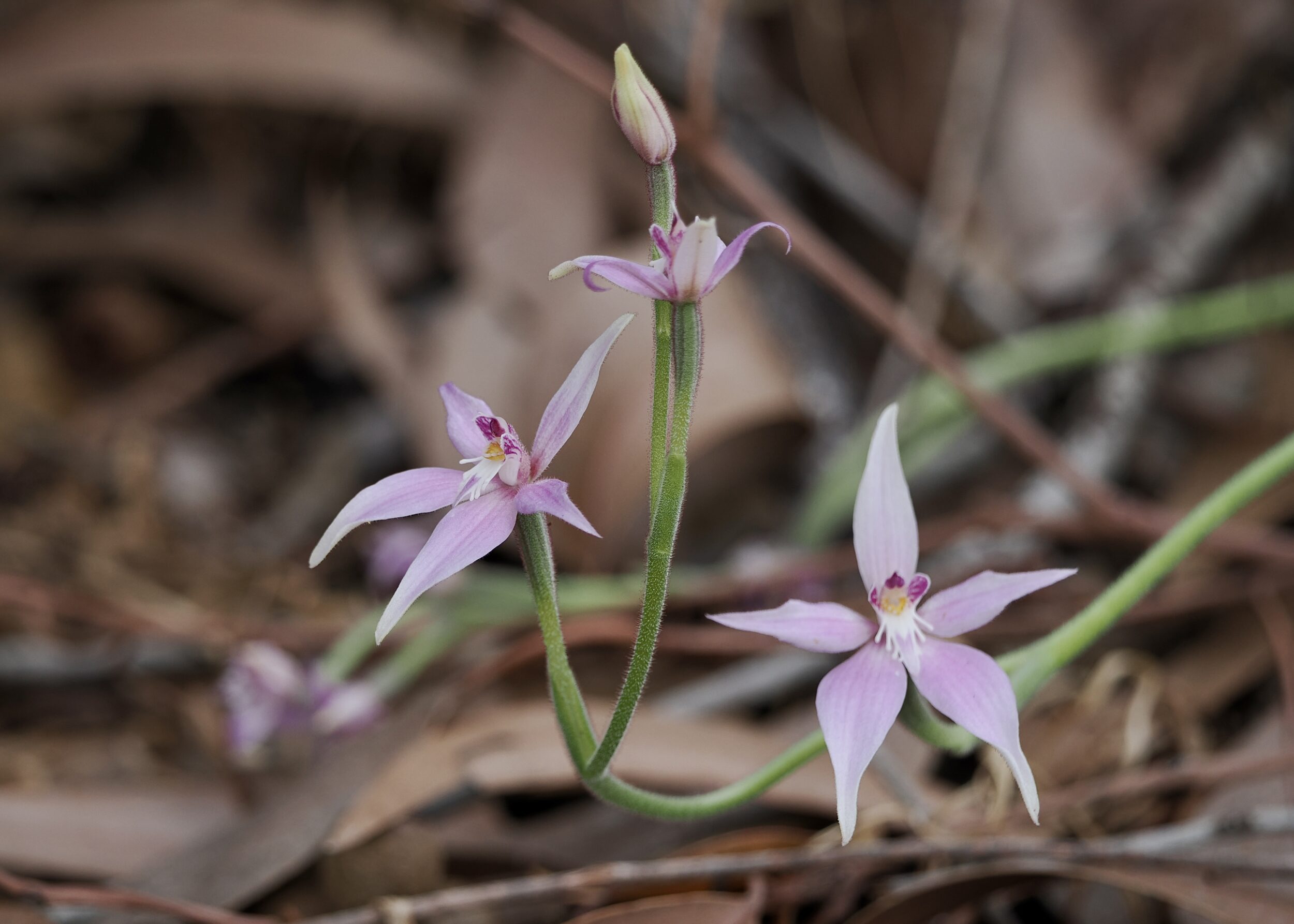
Caladenia latifolia – generally known as “pink fairy orchids”, or simply “pink fairies” – are not endemic to southwest Western Australia.  

They also naturally occur in other southern Australian places, including Tasmania.

In my (totally “unscientific”) experience, as someone who has lived on both sides of the Nullarbor, they appear to be much more “common”/easily-seen in southwest WA than anywhere else I have been.

The pictured ones were among more than a few that were flowering in Hollywood Reserve on 01.09.2024.

Comments closed

“Father’s Day” 2024, in Hollywood (#1 in series: Hakea)


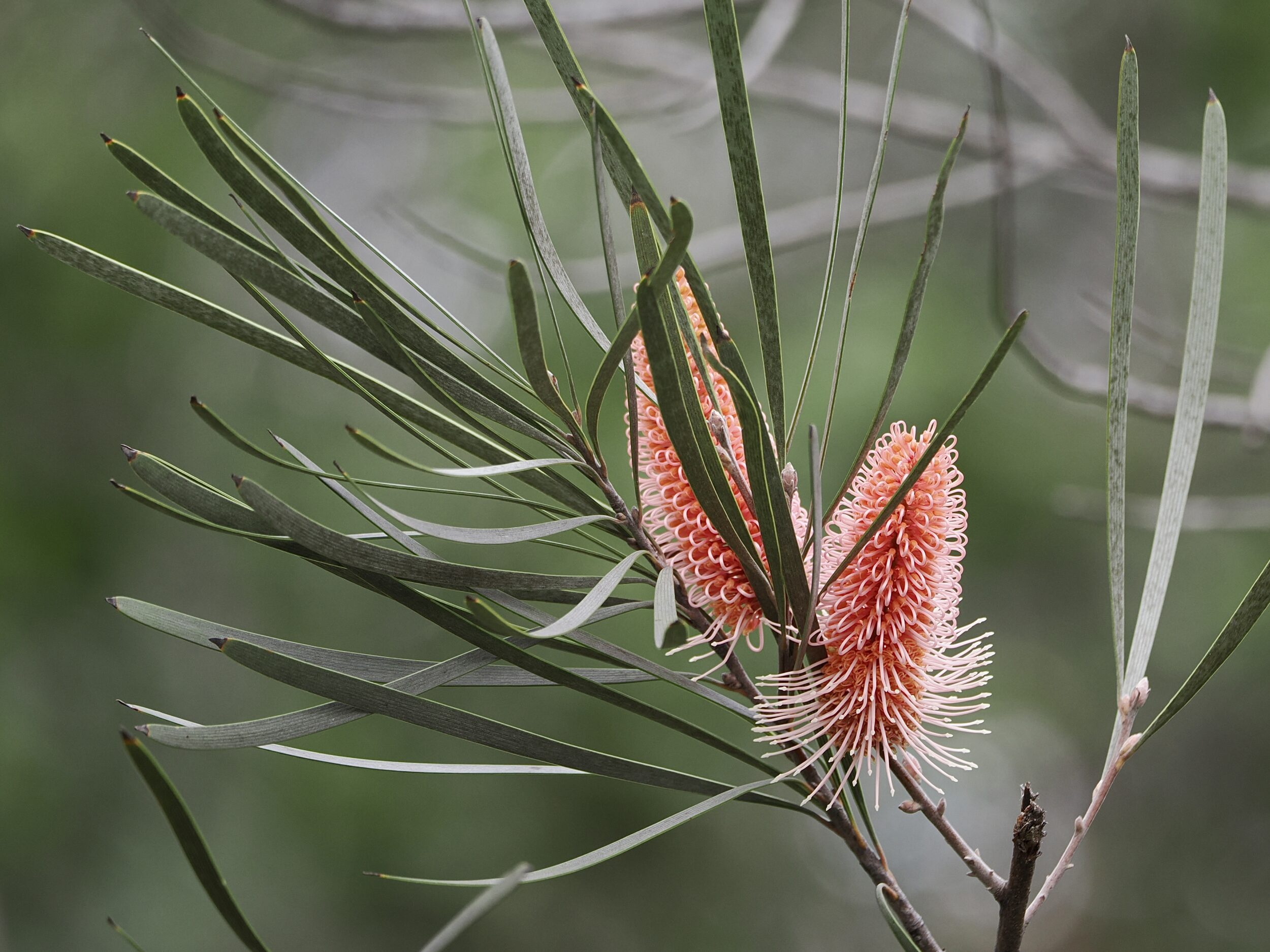
In January 2022 parts of Hollywood were devastated by a very fierce (i.e. hot) fire.

You didn’t hear about it?

My beloved and I have visited Hollywood many times, but the only bit of Los Angeles that we have directly “enjoyed” is its godawful airport.

We harbour no desire to set foot in the famous/infamous Hollywood, but are very fond of the petite, not-famous Hollywood Reserve.

This choice patch of inner-urban bushland sits “right next door” to one of Australia’s major cemeteries.

Comments closed

Spring in Perth, 2024 (in “winter”)


Pelican Yoga briefly interrupts its ongoing celebration of autumn 2024 on the Coorong, to celebrate the arrival of spring, in Perth.

Western Australian wildflowers are not fussed about calendars, nor European-derived notions of “the four seasons”.

Four days before the alleged end of winter, in Shenton Bushland it was abundantly evident that spring had already “sprung”.

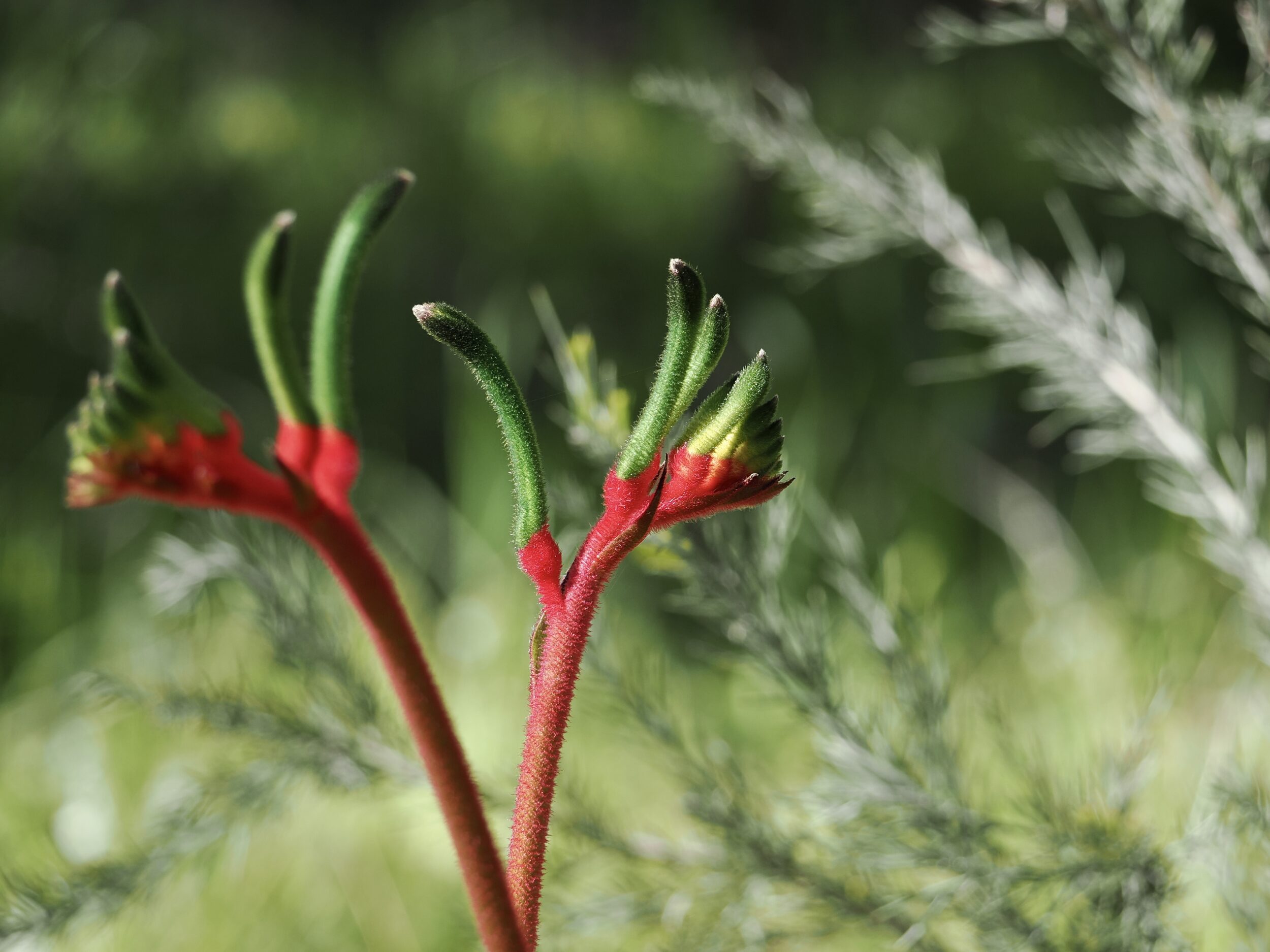
Kangaroo Paws are now easy to see, as are some (not all, yet) of the “spring-flowering” orchids.

Comments closed