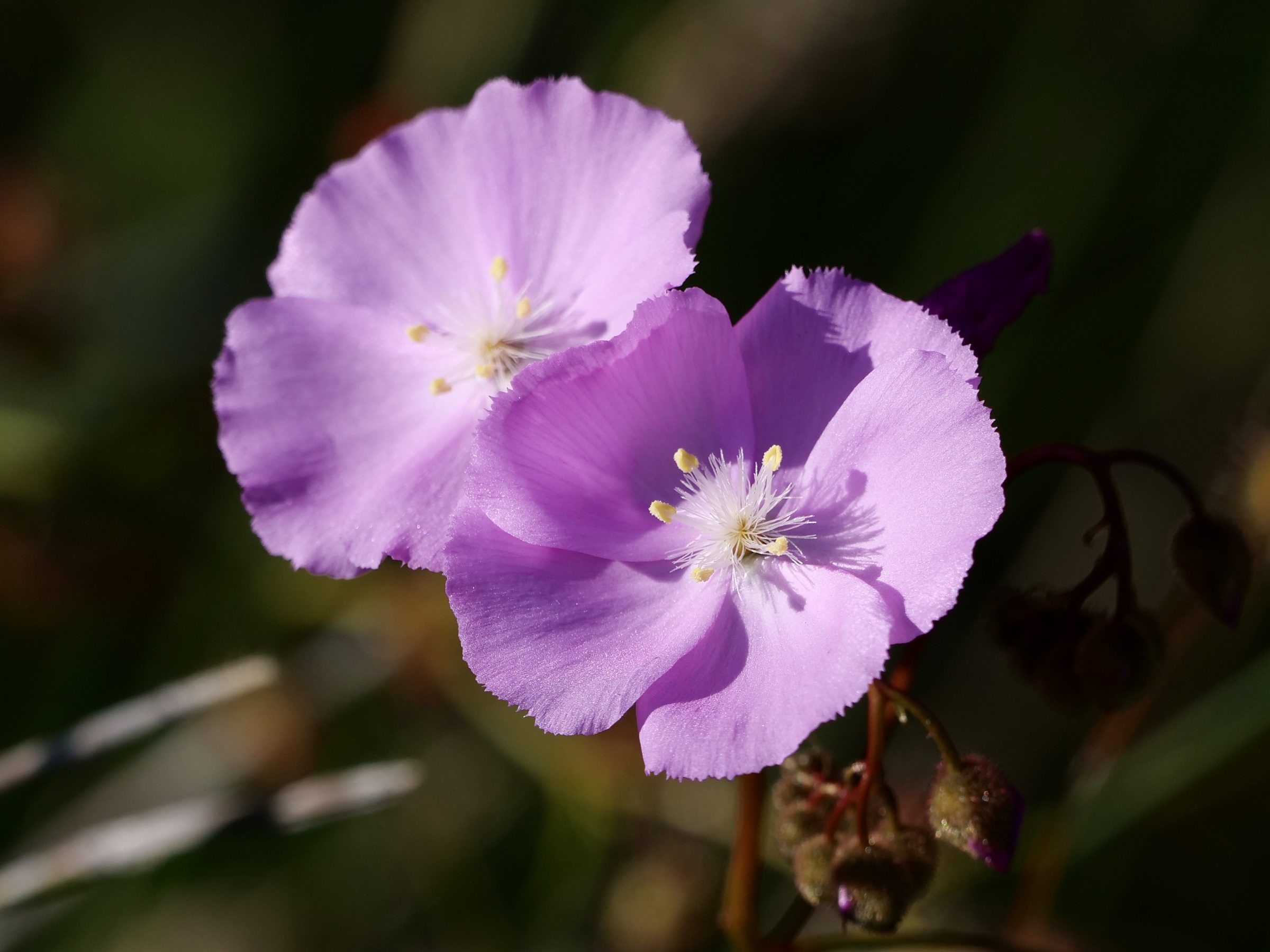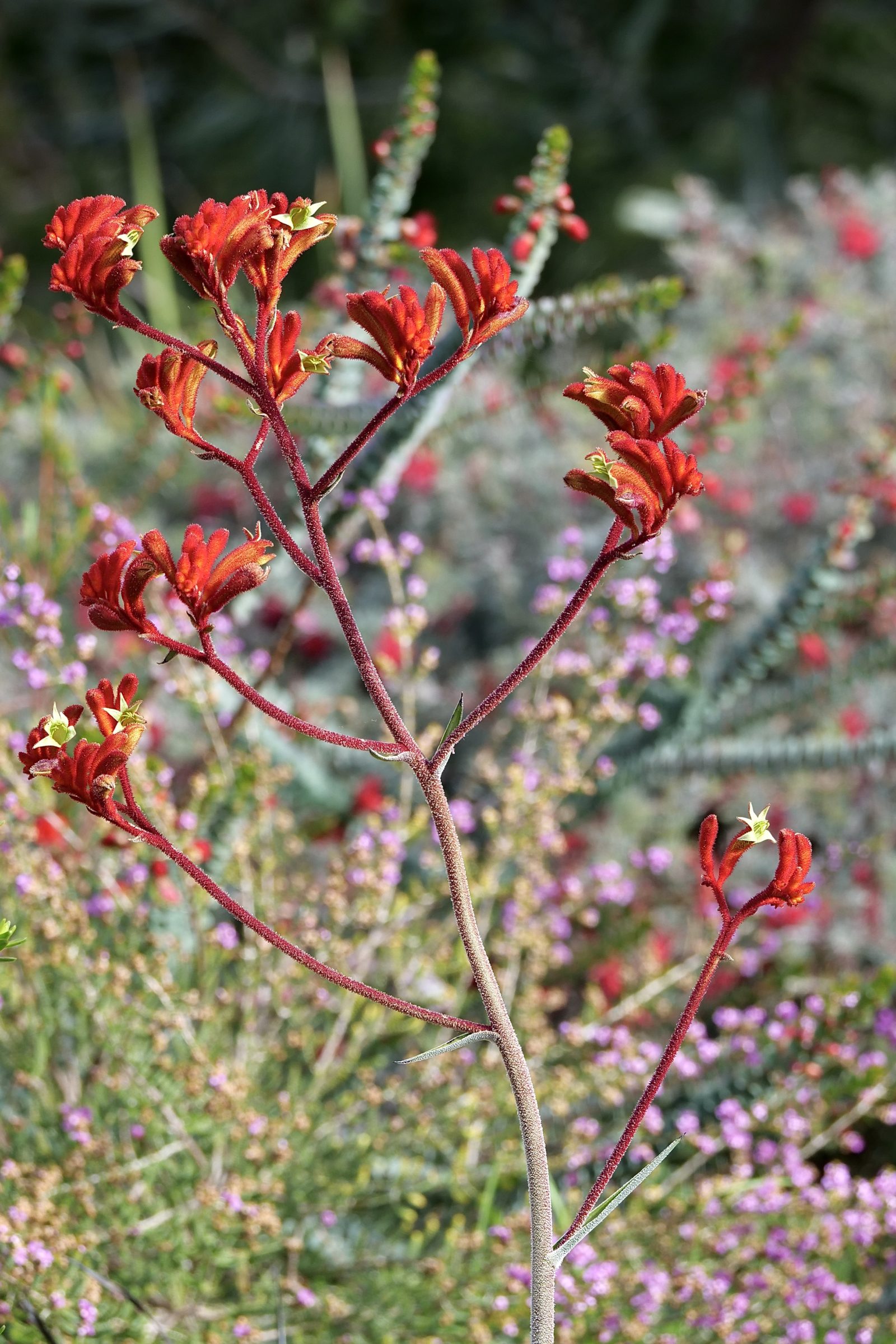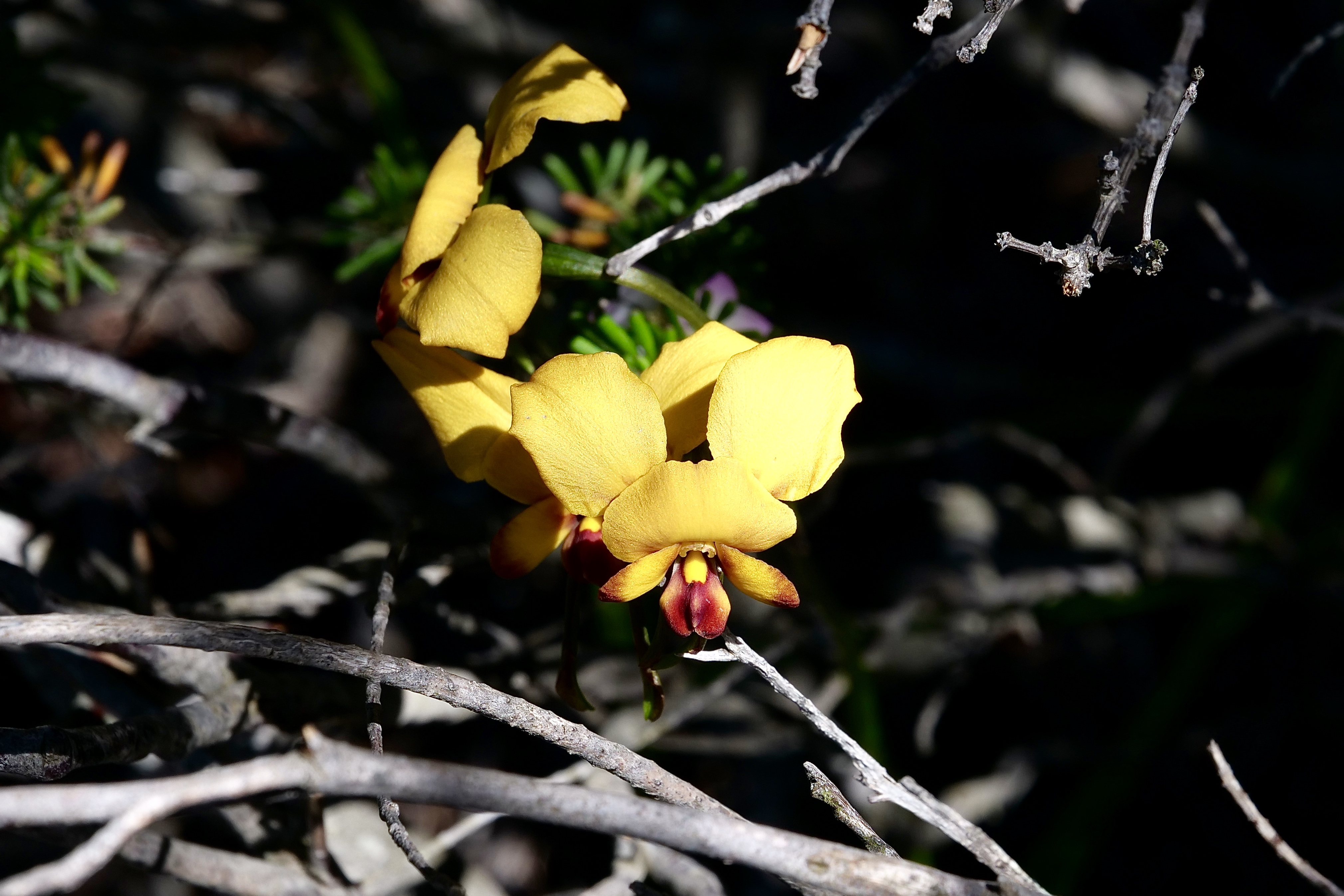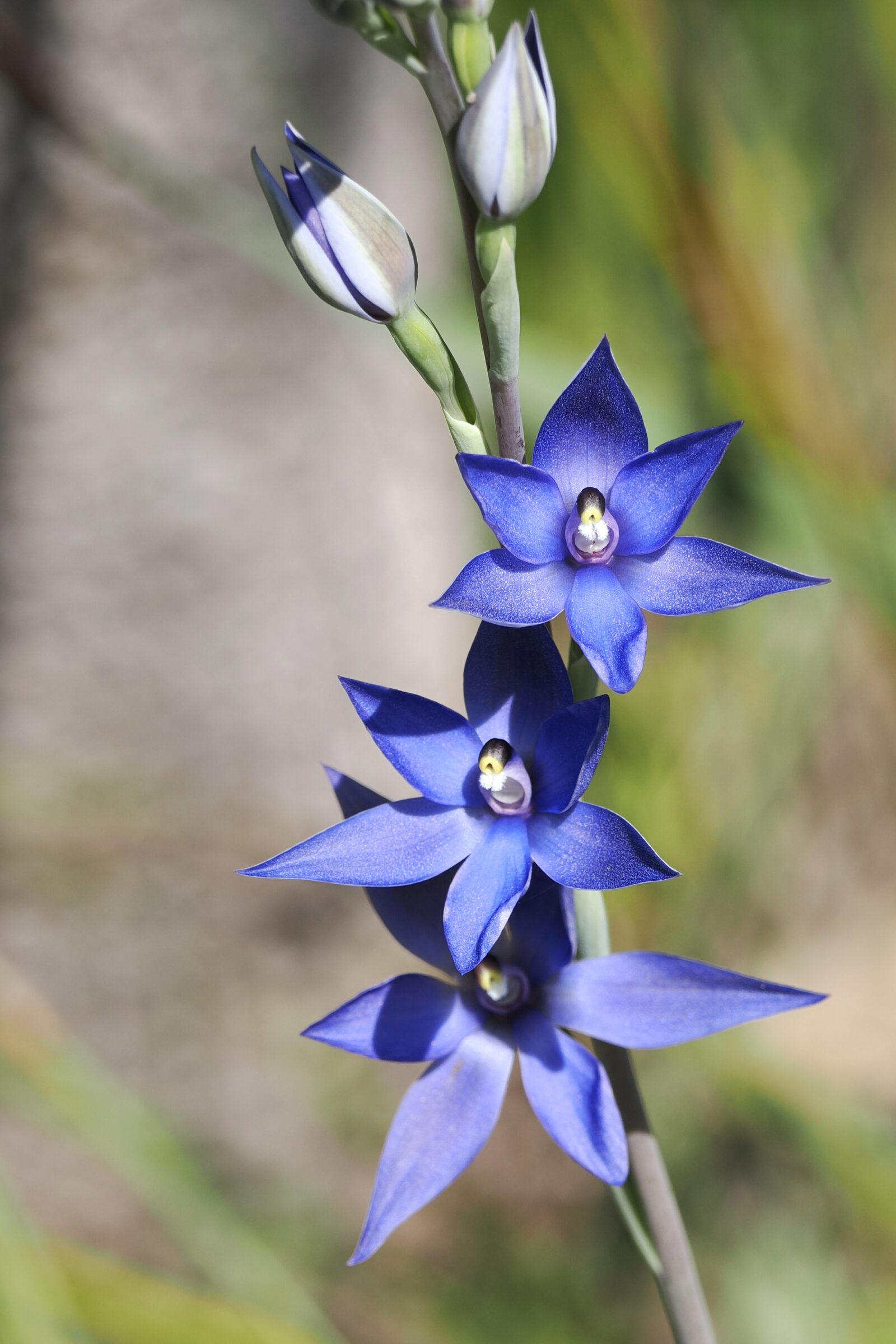
..and the Sun Orchids, in Perth’s Shenton Bushland.
Comments closedNatural splendour, real musics, wines, wordpower
Each of the headline’s descriptors applies to one or more of this post’s species – all blooming a deal less than a kilometre away from both a large shopping centre and one of Perth’s arterial roads.
For just about any “exceptional”, “extreme”, or “weird” form of flowering plant behaviour, southwestern Australia is the global hotspot.
One Comment
Unsurprisingly, southwestern Western Australia produces many different honeys, each deliciously distinct.
The most prized varieties are produced from rare, endemic species.
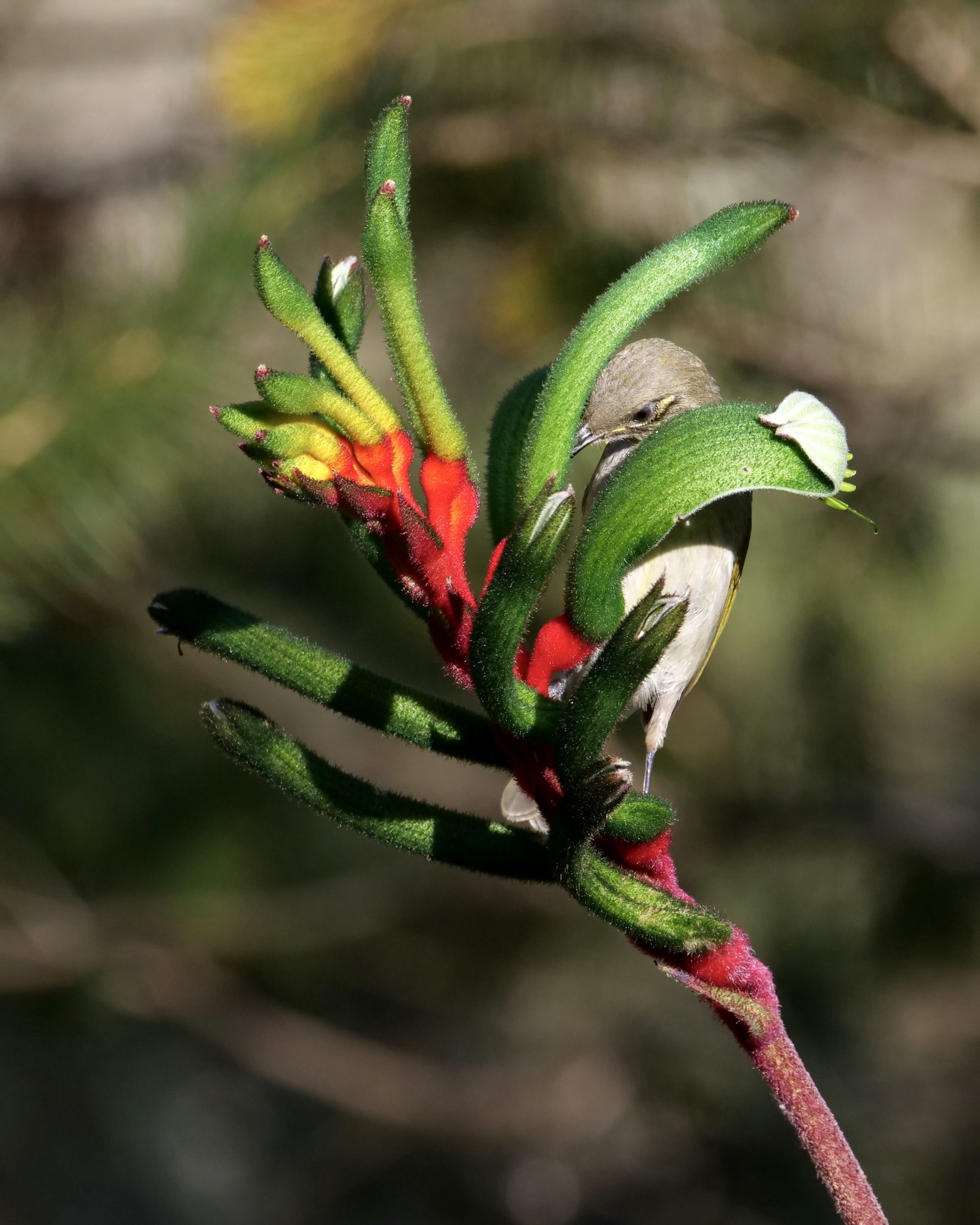
However, Western Australia’s southwest also has the world’s highest proportion of flowering plants that do not feed and/or seduce/deceive insect pollinators; these flowers (all, endemic species) favour birds.
(a few rely also/instead on particular, very small, also-endemic mammals)
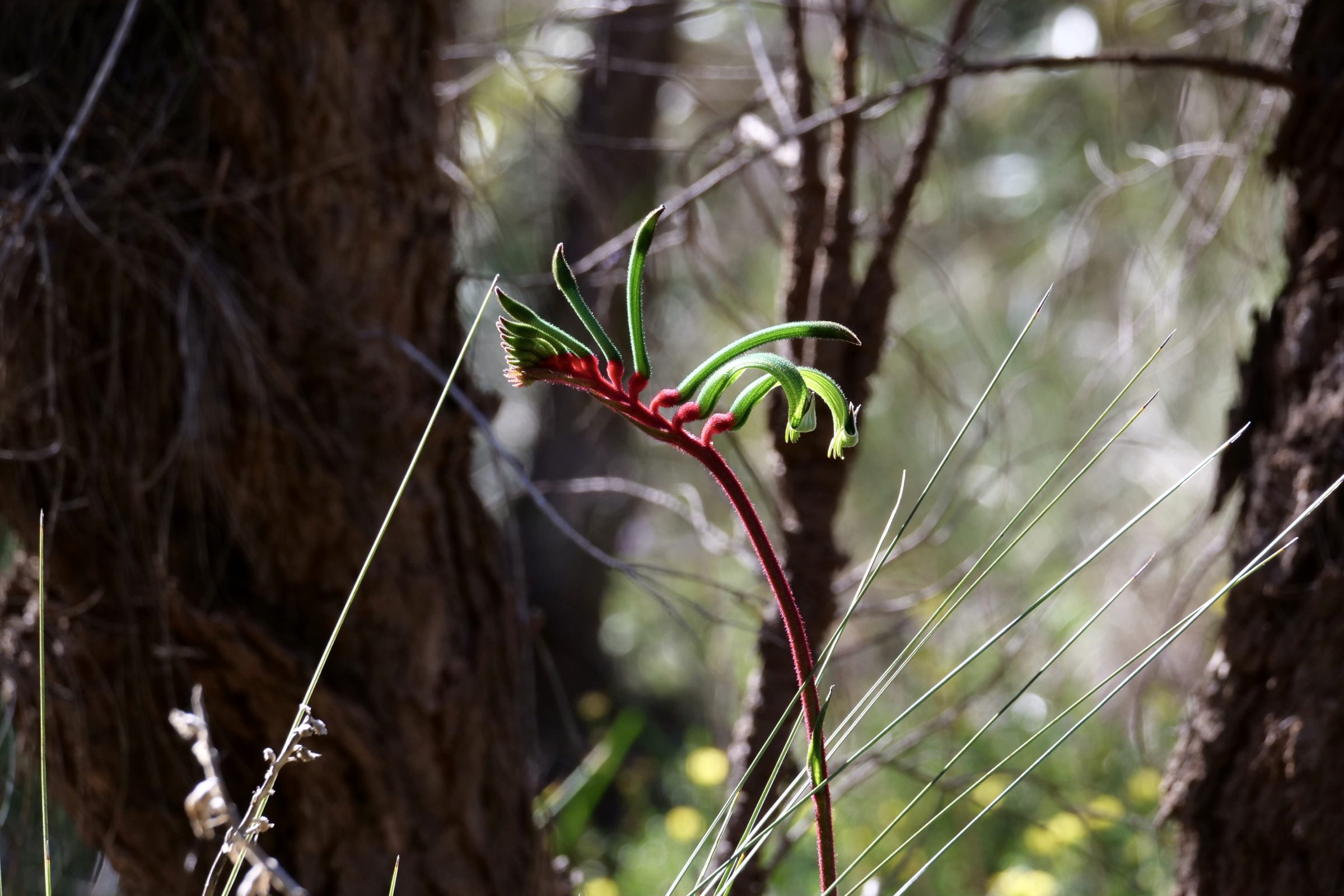
WA’s floral emblem is bird-adapted.
Comments closed
WA’s emblematic flower may be synonymous with Springtime, but it is no slave to the calendar.
Well before Winter 2022’s alleged end, it – and not a few other “iconic”, “Spring-flowering” WA endemics – were already very evidently flowering in the quasi-natural bushland section of Perth’s Kings Park.
It is an easy walk – or an even shorter free bus trip’s distance – from the CBD.
Comments closed
The only Hollywood to have repeatedly appeared in Pelican Yoga is a small but significant piece of remnant bushland, adjacent to Perth’s Karrakatta Cemetery.
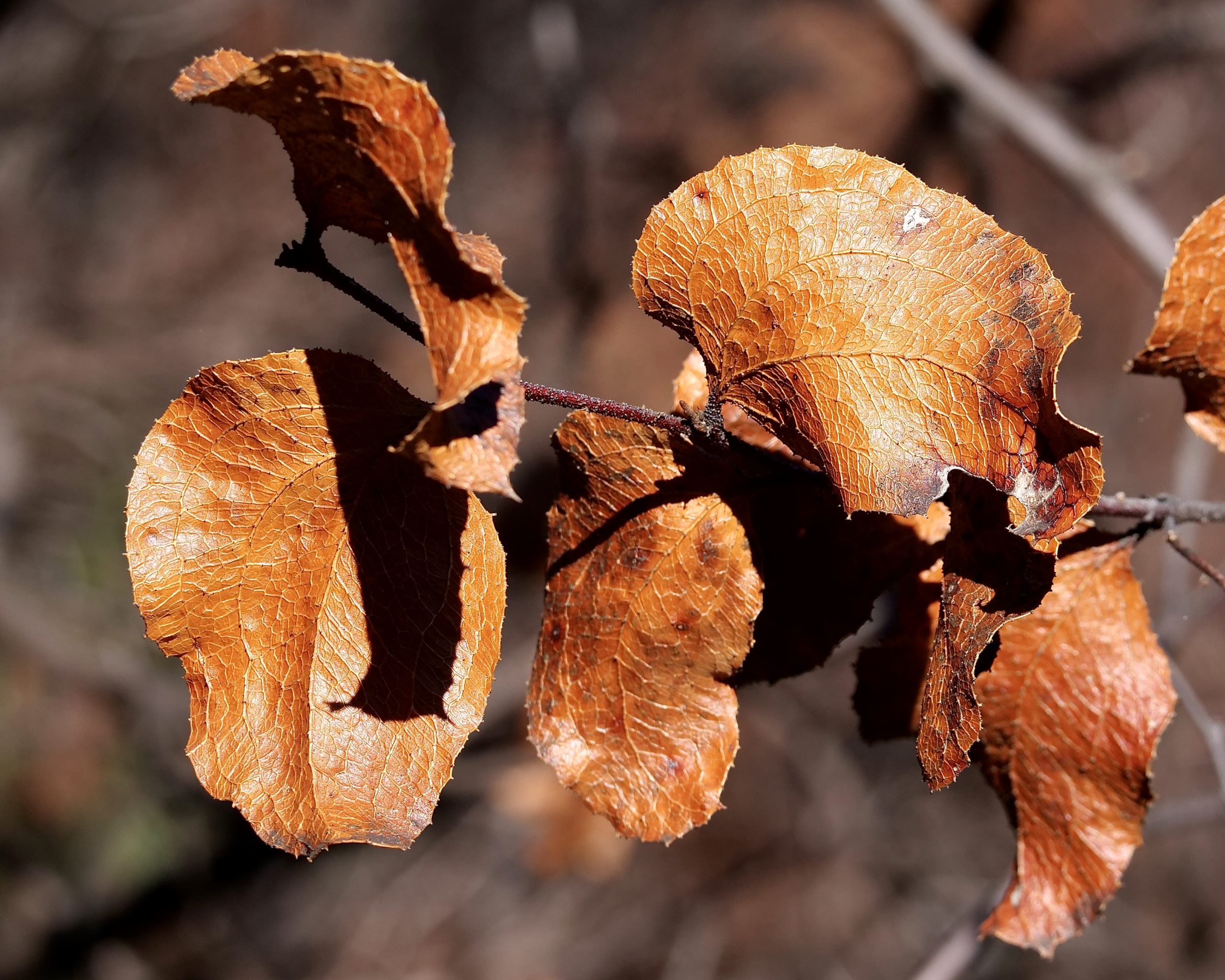
Until 19 January this year, the organism pictured above was a fine, living example of a weird, wonderful, and very rare Western Australian Acacia species.
When I photographed a few of its “leaves”, glowing in bright winter light at 2.33 pm on 01 July 2022, it and they were as dead as the many thousands of entombed persons, nearby.
Comments closed
If an Australian raven (Corvus coronoides – the bird most Australians have in mind when they say “a crow”) had been perched beside me when I took the photo for #4 in this series, it would have been able to fly to this post’s location in less than 90 seconds.
The sites are less than two kilometres apart, and a frequent, free bus service will get you from one to the other in five minutes or so; a slow-walking human would take less than 30 minutes.
As you can see, they are “worlds apart”.
Comments closed
The photos in #2 through #4 in this series were all taken in Spring 2020 – in a section of Waychinicup that had been burnt some time in the preceding several months, probably, via a Summer lightning strike.
Today’s Hakea was blooming on the very windy afternoon of 07 February 2022, in a different part of Waychinicup.
Comments closedPhoto credit/time/place details are as per previous post.
As the headline says….
Comments closed
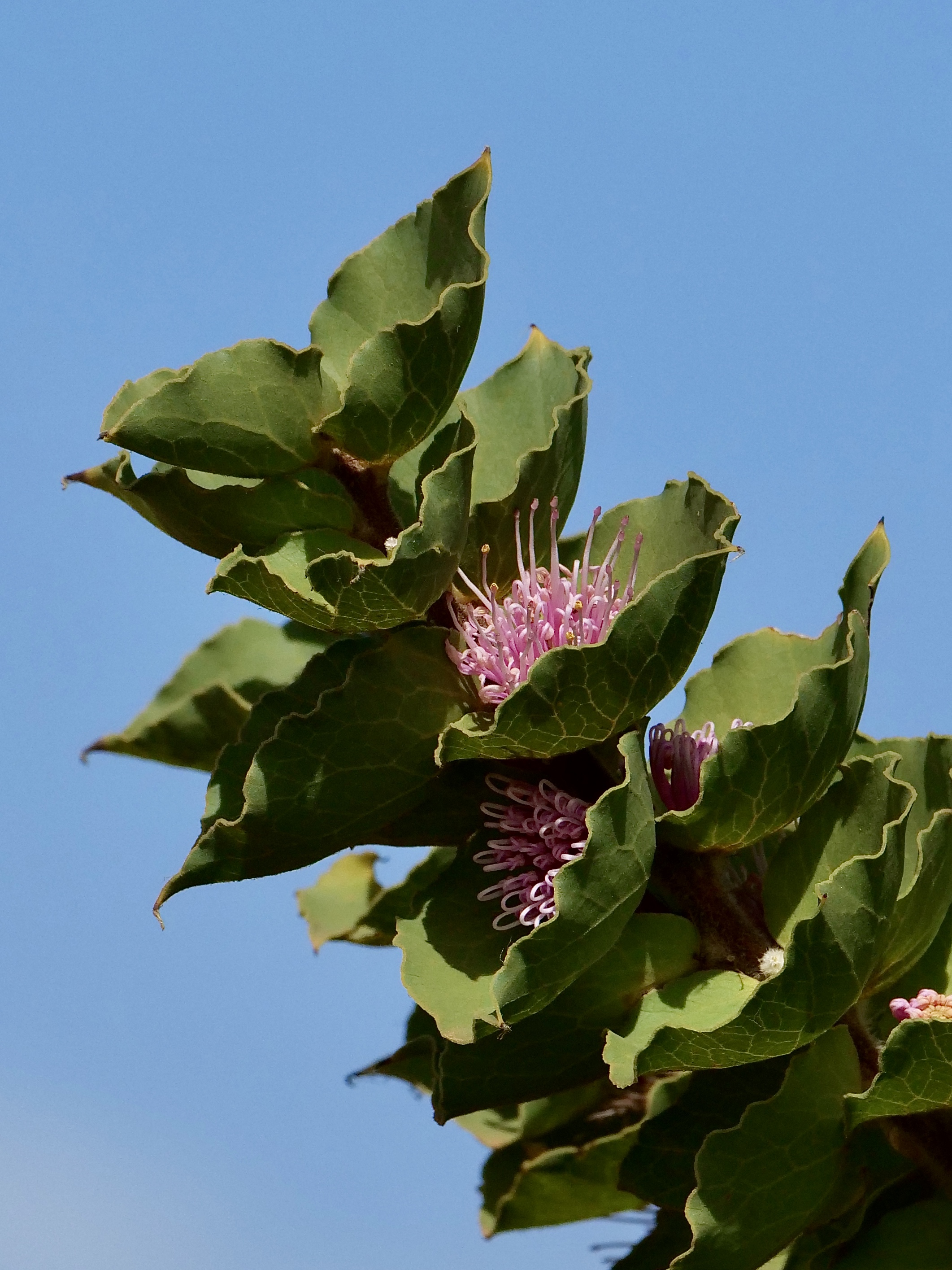
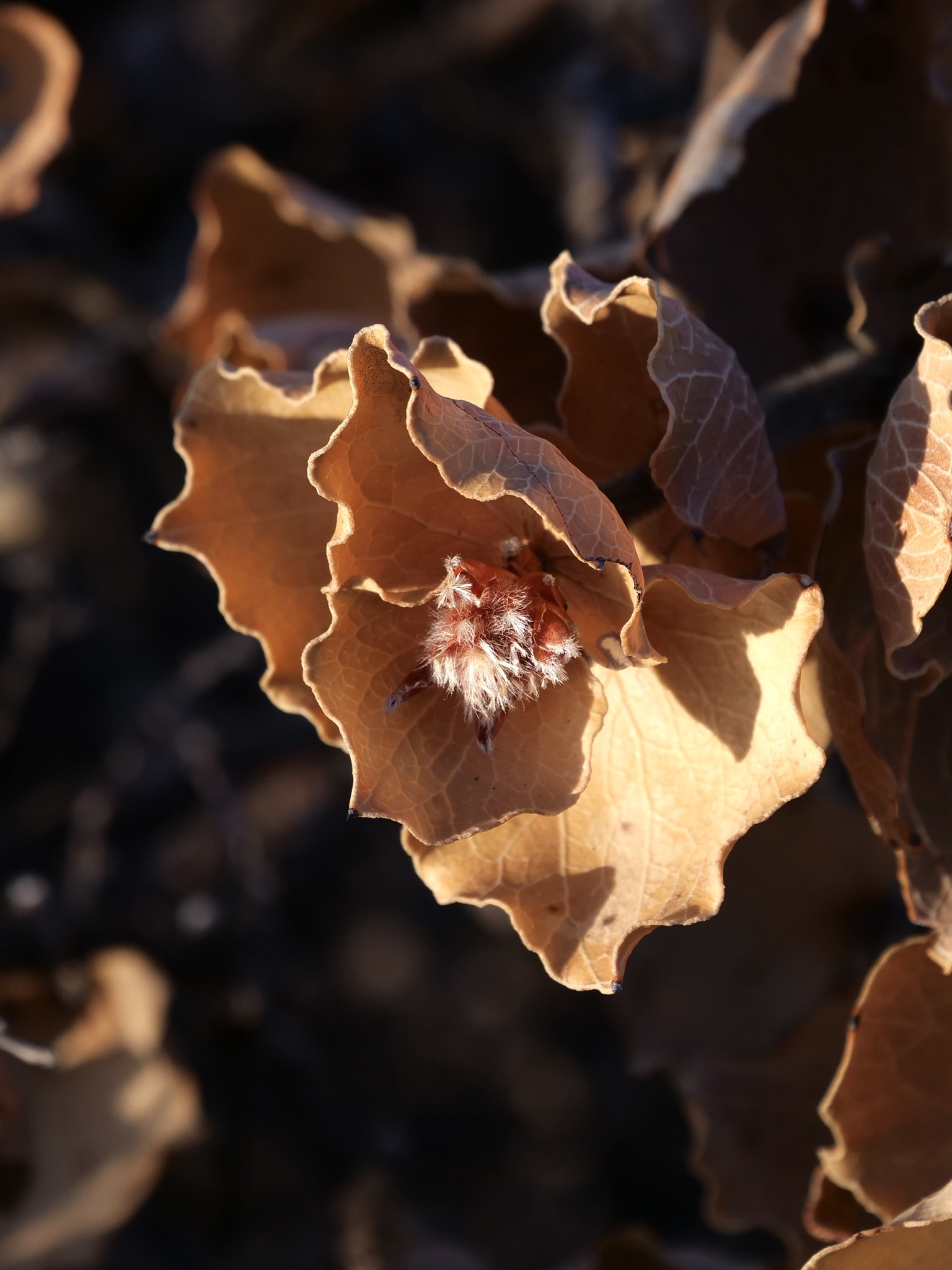
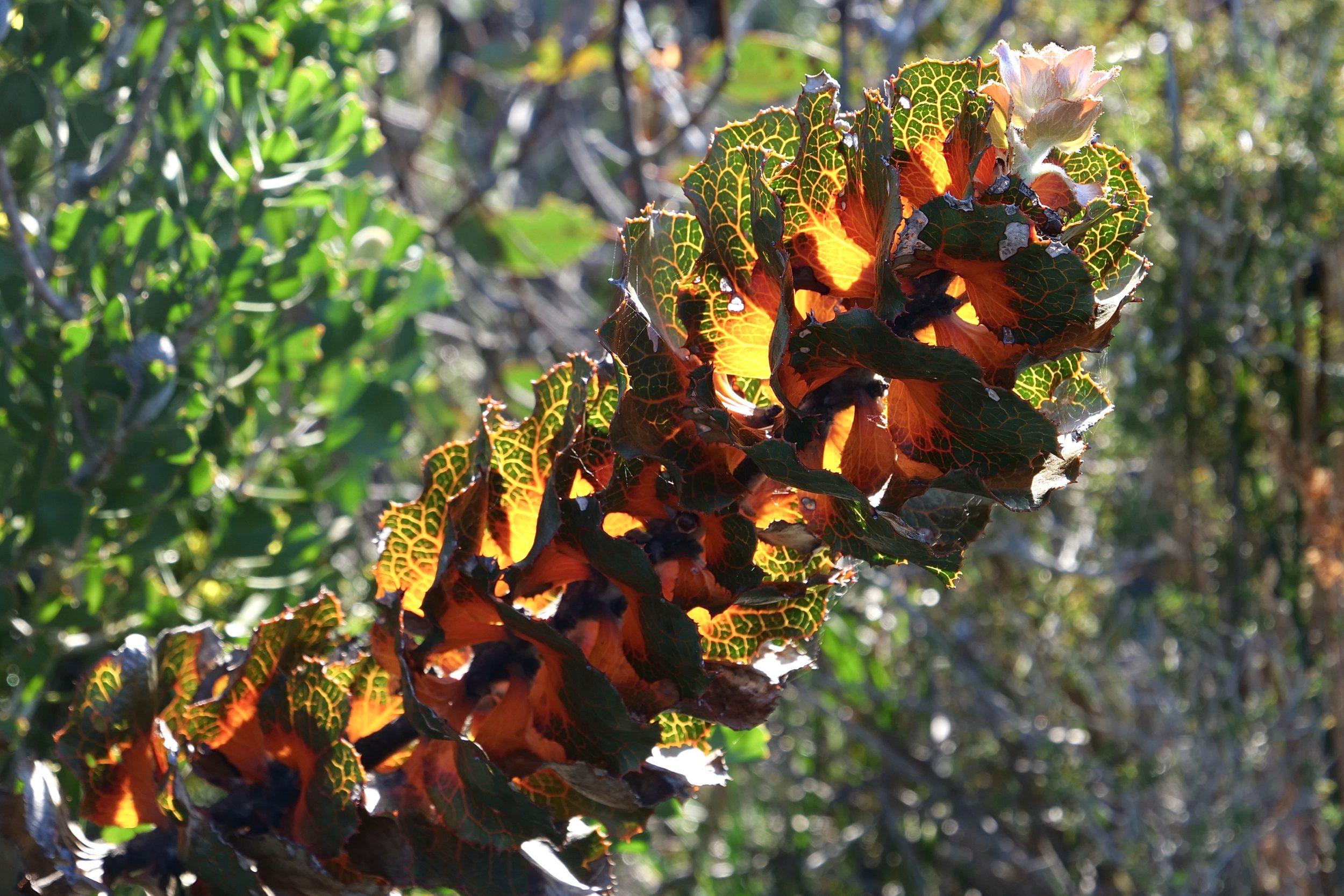
Pictured above and below: Hakea victoria, known as Royal Hakea.
Arguably, it has the most spectacularly variegated leaves of any plant on earth; the individuals in this post are by no means unusually splendid examples.
Fitzgerald River National Park is its stronghold, and all naturally occurring Royal Hakeas are within easy driving distance of “the Fitz”.
Most photos in this post were taken on a morning ascent of East Mount Barren on 21 September 2021.
One CommentThe featured image has not been photoshopped; it is not a composite of monochrome and full colour.
Such juxtapositions of the “drab/dark/subdued/almost monochrome” with the “brilliantlly/exquisitely/flamboyantly colourful” are commonplace in southwestern Australia.
Here, some of the world’s poorest soils are in fact the key to an astonishing, highly diverse array of endemic flora.
In global terms, the relevant “mountain” is in fact a relatively modest hill, rising 311 metres above the nearby ocean.
However, if you love wildflowers, this hill has few peers, anywhere…
2 Comments