Skip to content →

Category: nature and travel

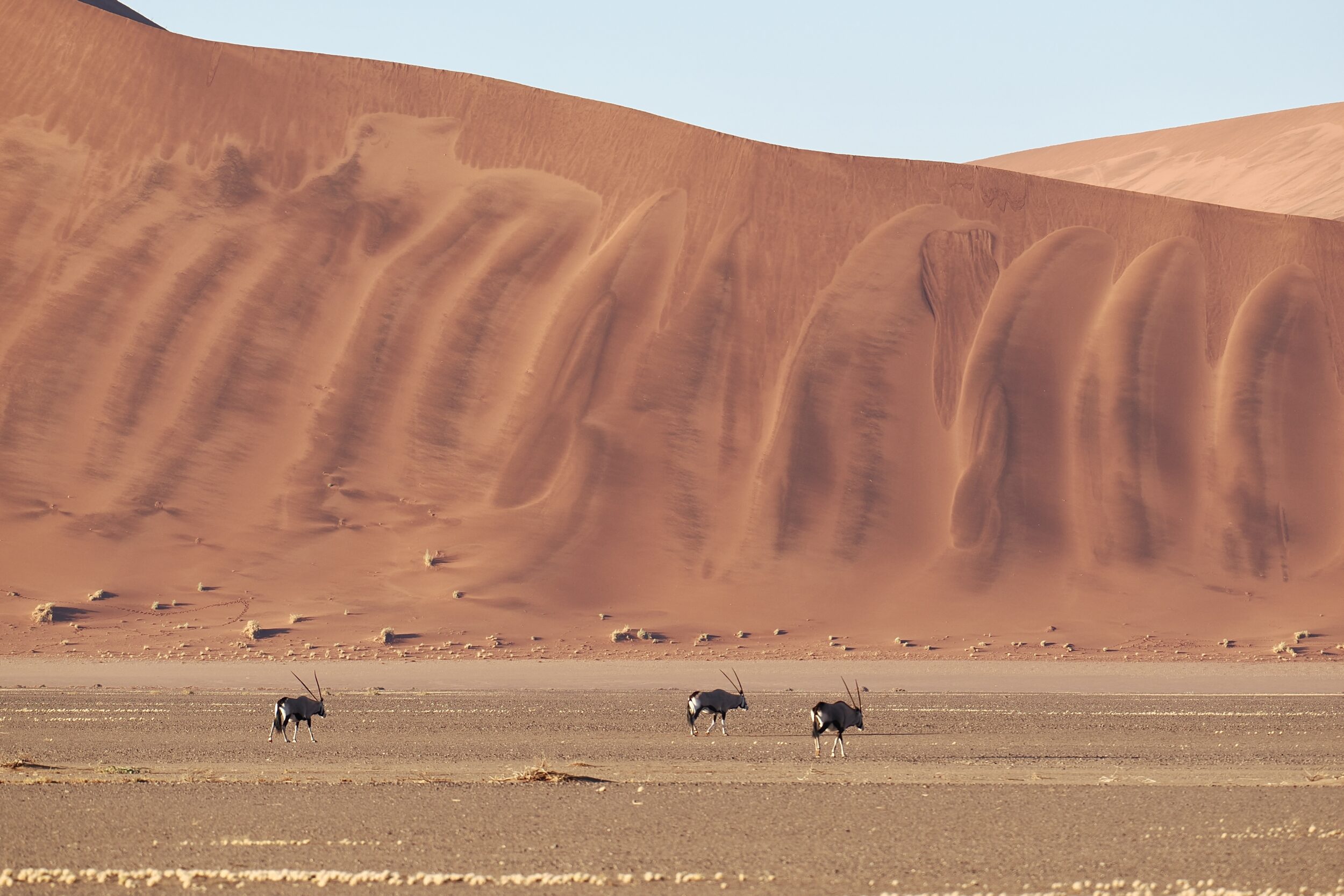
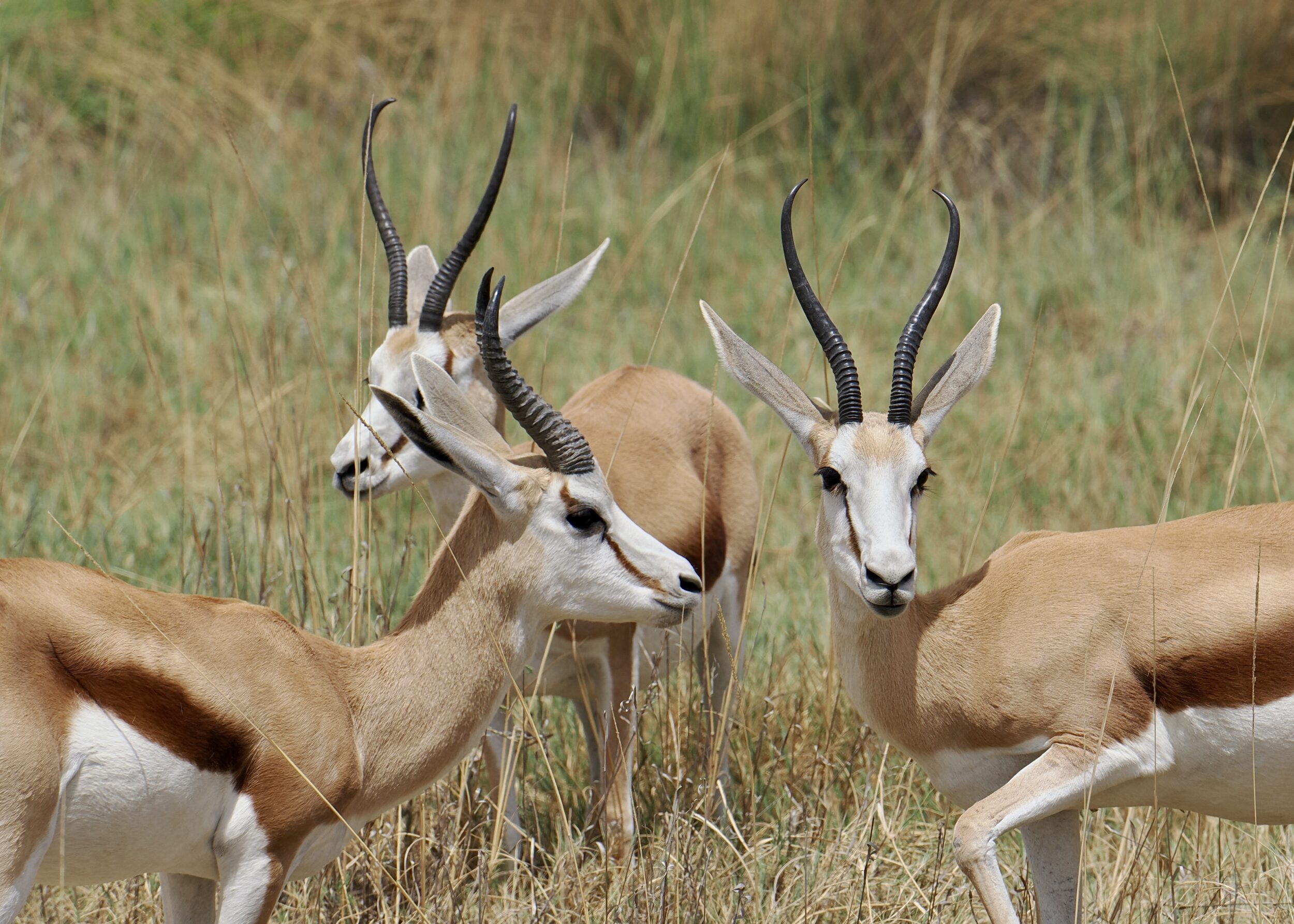
Three of the same (#5 in series: gemsbok)


Generally, when it comes to encountering wild animals, humans think, “the closer, the better”

Many wildlife photographers think similarly; they spend large sums of money on huge lenses that prove equally damaging to owners’ bank balances and backs.

Photographers usually try to ensure that the splendid beast/s “fill the frame”.

A shallow depth of field is favoured, thus emphasising the beast’s splendour, and minimising any “distracting” background detail…although “attractive” bokeh is more-than-acceptable.

(if “bokeh” is new to you, click here)

But, but…

One Comment
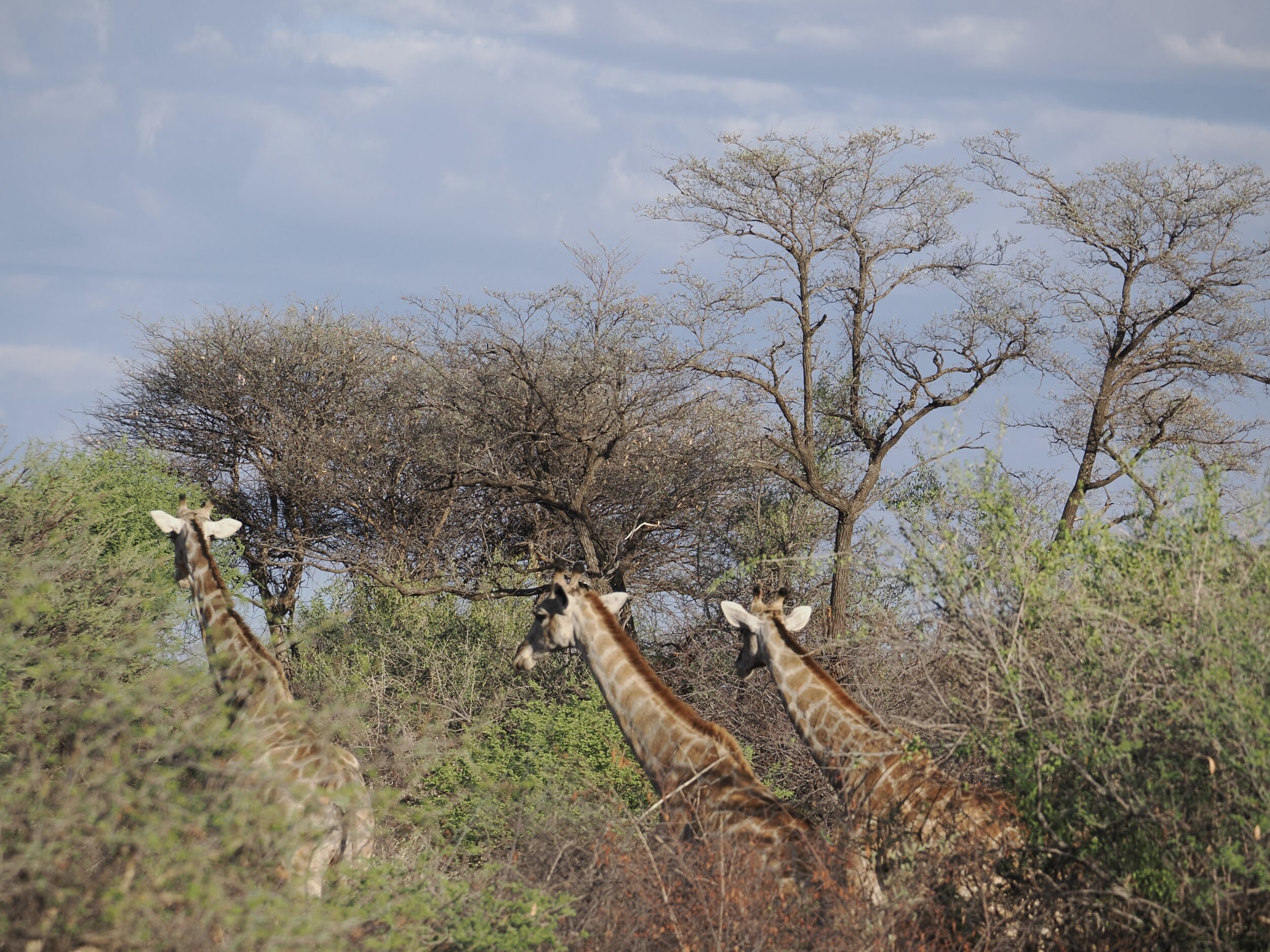
Three of the same (#3 in series: Southern giraffe, aka “Angolan Giraffe”)


Q #1: what has driven some animals to become so remarkably tall?

Q #2: what drove plants to become taller than they might otherwise be, in open woodlands and savanna?

Look at this post’s featured image, and you may have – in part, at least – answered both questions…

Comments closed

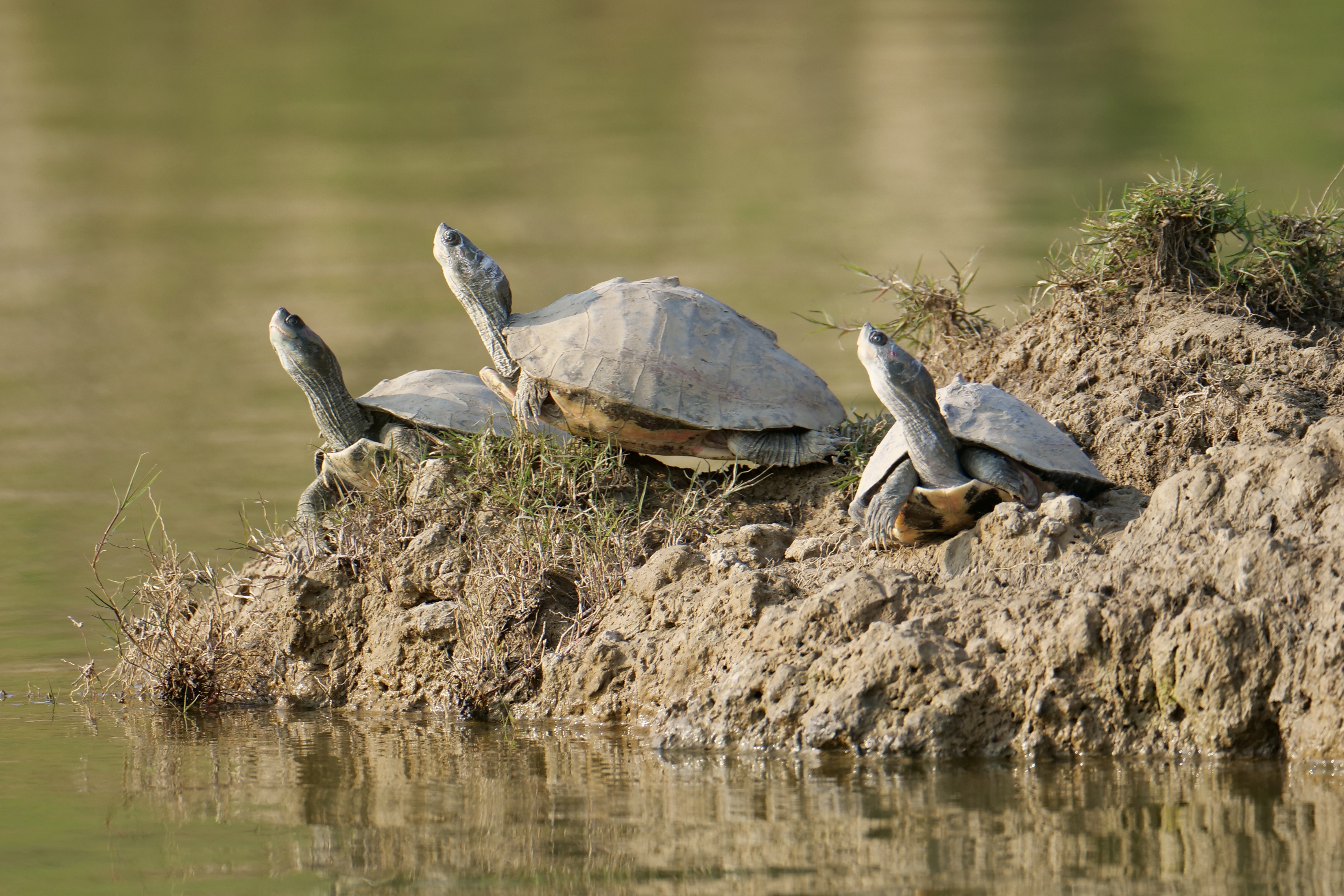
Three of the same (#2 in series: three-striped roofed turtles)


One very rarely sees a reptilian troika.

Unsurprisingly, Batagur dhongoka – this post’s critically endangered species – is this little series’ sole reptile.

The behaviour depicted is characteristic…and it greatly boosts a human’s chances of enjoying a proper look, even taking a reasonable photo…

Comments closed

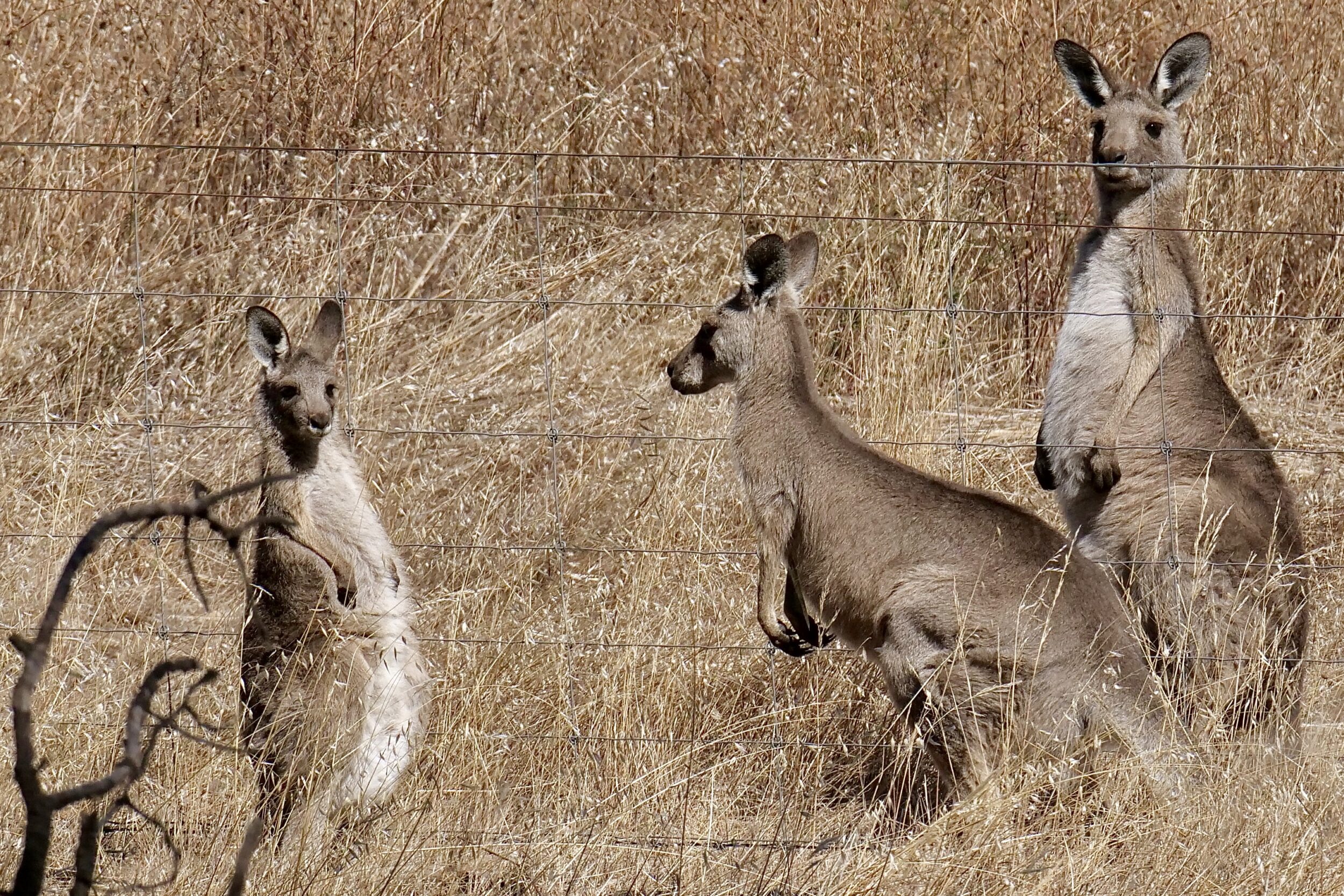
Three of the same (#1 in a single-image series: kangaroos)


Recently, in a “to cull, to tweak, or to let it be?” mission, I waded through nearly 10,000 images.

I suddenly realised that most of my “single species” wildlife photos involve either a single animal, a pair, or a group/flock/herd of more than four individuals.

Three, I think, is the rarest single-species group size…or number of individuals a photographer can “isolate”, successfully.

This little celebration of “companies of three” will range over three continents and at least one island….

It begins in one of my favourite parts of the island continent.

Comments closed

3.5 amazing hours, Namib Desert (final episode, with musical bonus)


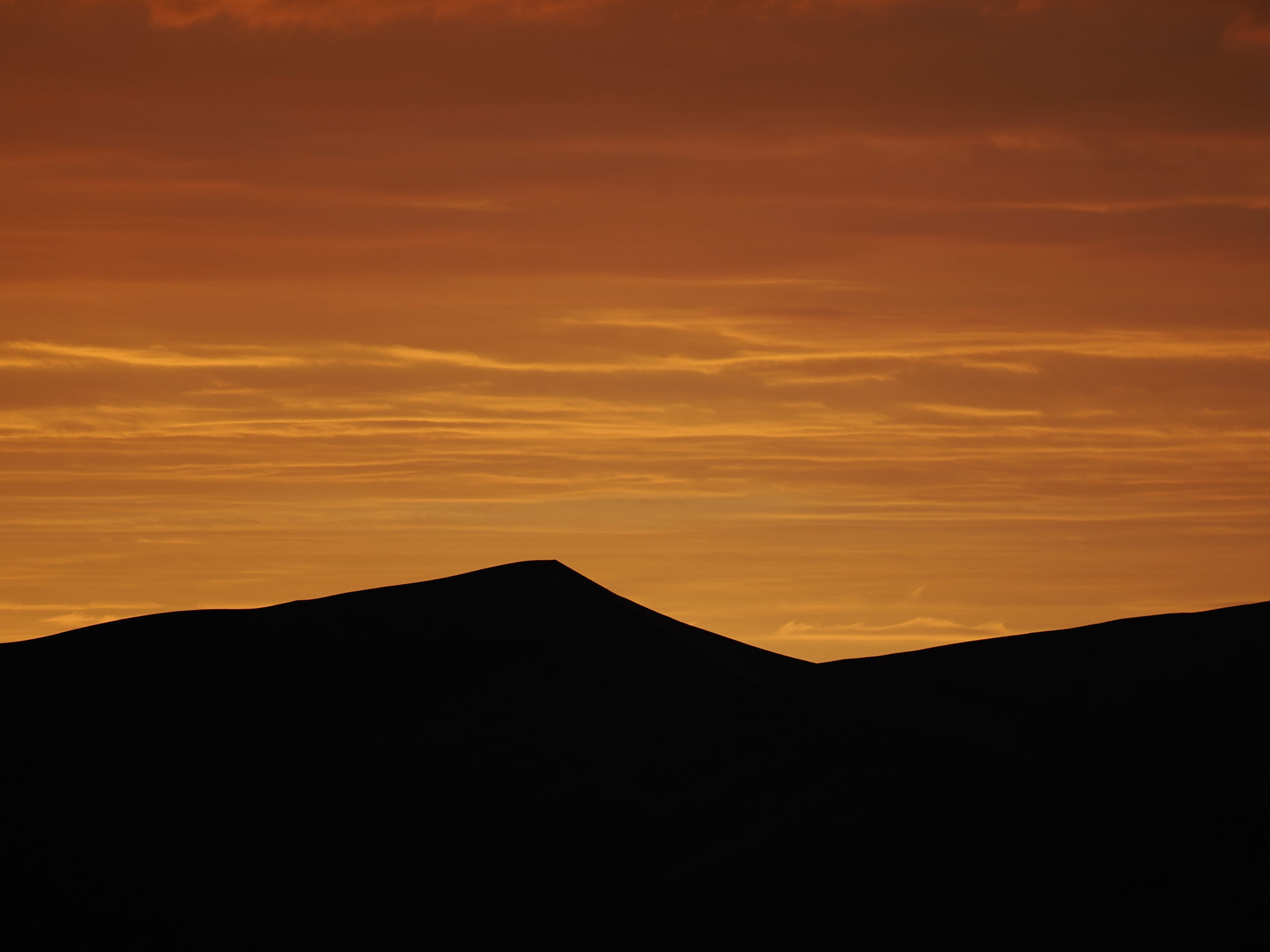
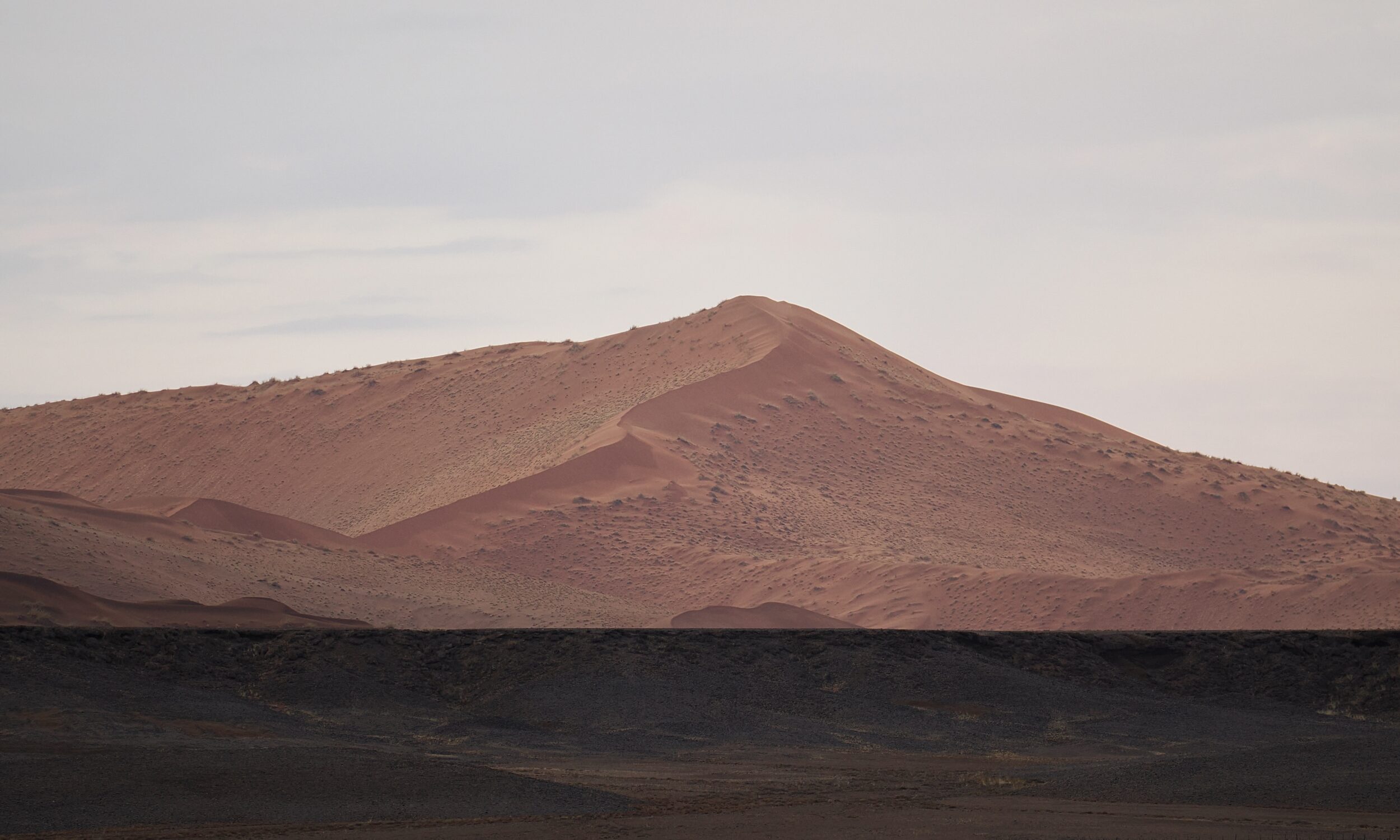
The featured image looks north/ish, to the silhouetted edge of the Namib’s “sand sea”, circa 40 kilometres east of Sossusvlei.

I took the photo at 7.37 pm – Sossusvlei’s sunset time on 21 November 2022.

This little series’ final image was captured 7 minutes later.

Had I had available the necessary time and technology, I would then have loved to listen to a particularly sublime musical creation which I first heard in 1989, and which amazes and inspires me, still.

Comments closed

3.5 amazing hours, Namib Desert (#8 in series)


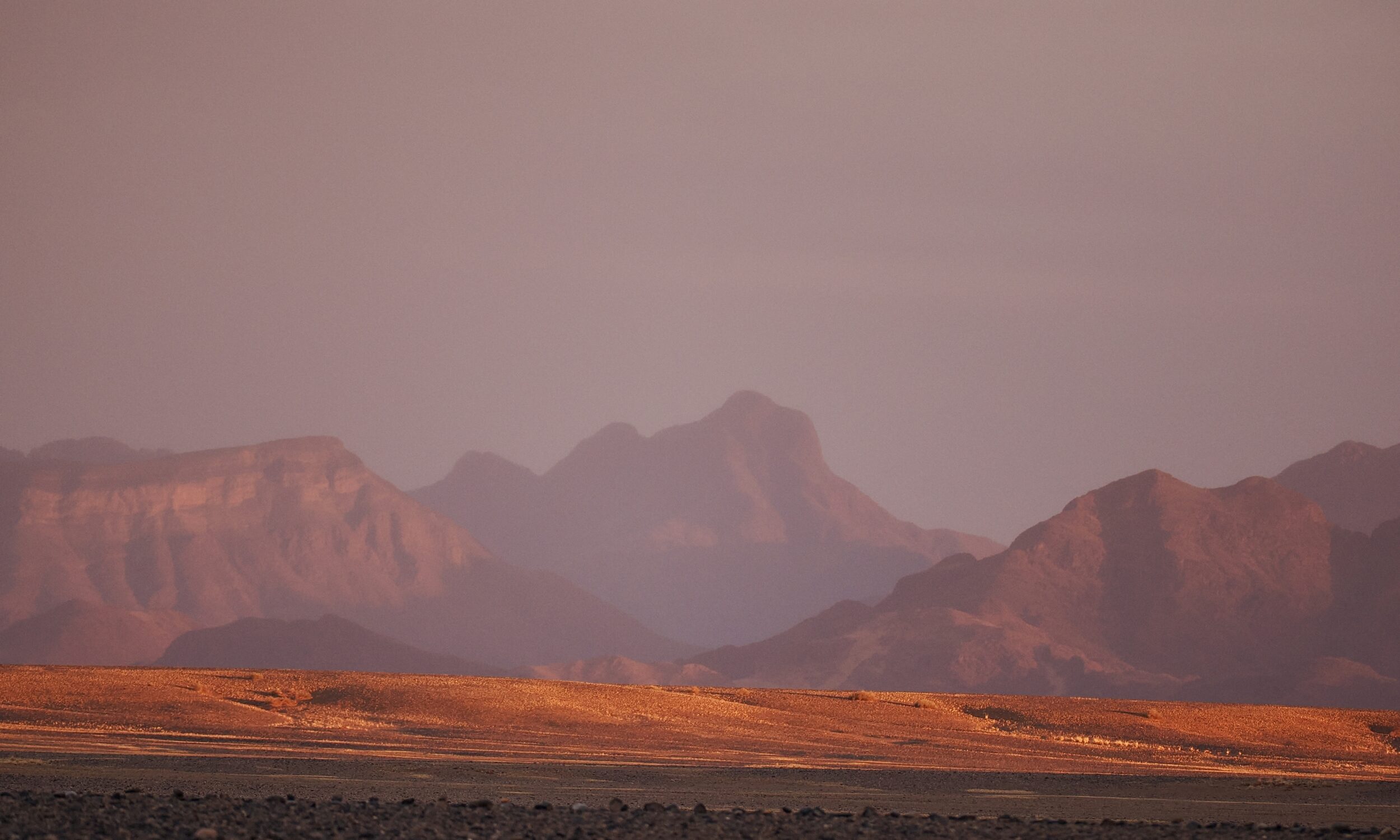
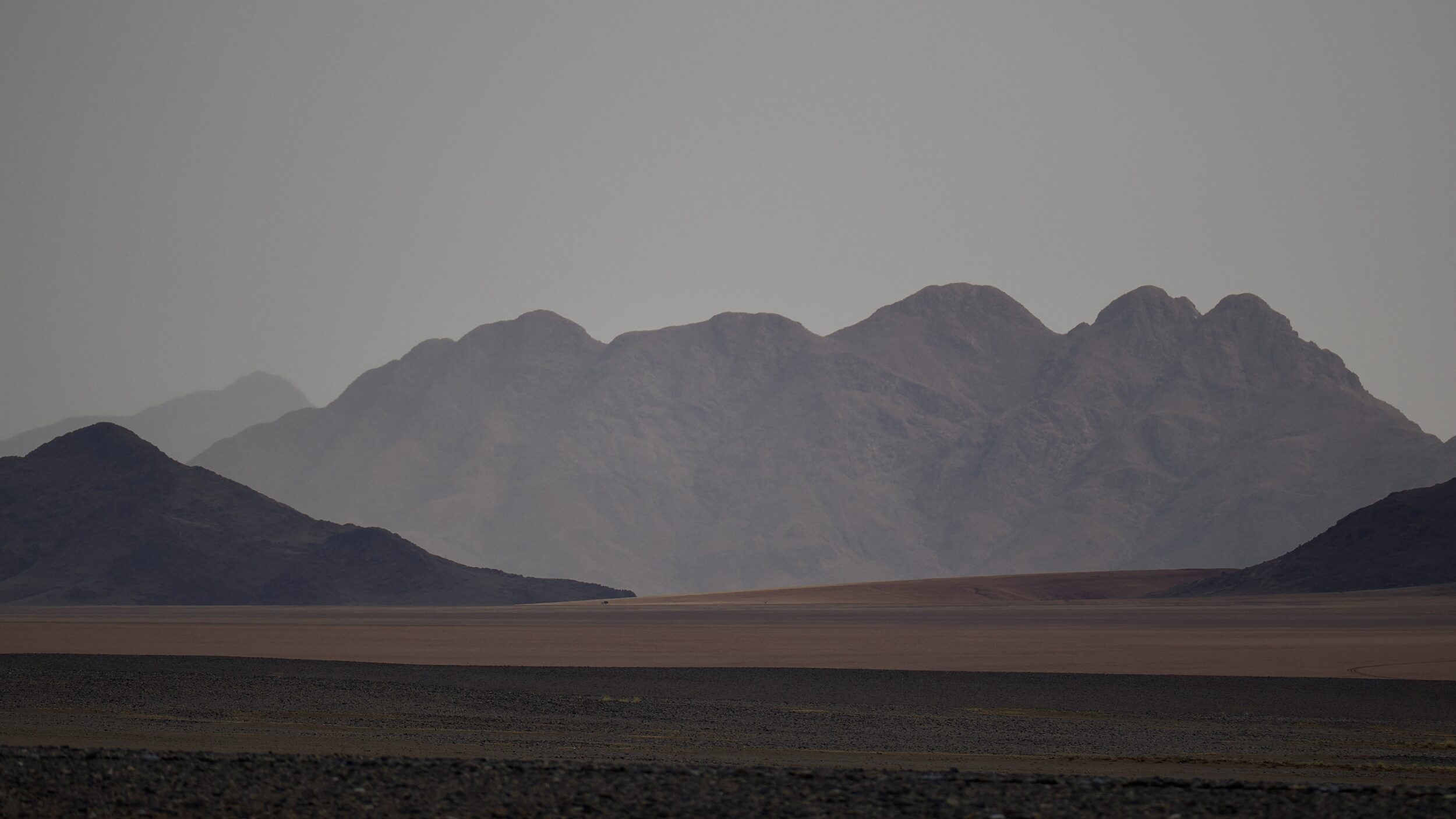
I took the featured image at 7.21 pm, 6 minutes before sunset, in the Sossusvlei area on 21 November 2022, looking south/ish from Kulala Desert Lodge.

Had I an additional pair of eyes in the back of my head, they would at that moment have been looking north/ish at a very different sight -the suddenly-silhouetted southeastern edge of the Namib’s “sand sea”.

However, even if my single pair of eyes had maintained an unmoving, “fixed focus, static camera” perspective they would have very soon delivered a beautiful example of “exactly the same, but completely different”…as this post’s final image illustrates.

Happily, I could – and did – move my head, hands, feet and camera.

The image below was taken just one minute later.

Comments closed

3.5 amazing hours, Namib Desert (#7 in series)


The featured image looks north/ish from Kulala Desert Lodge to the nearest dune on the edge of the Namib Desert’s “sand sea”.

The sand sea’s most easily accessed portion is in this area, which includes Sossusvlei.

As you can see, the dunes are not “lifeless”; as well as being huge and exquisitely formed, their core structure is very much more stable than most people imagine.

The above photo was taken at 7.09 pm on 21 November 2022, 18 minutes before sunset.

Two hours earlier, when looking from the same vantage point, this dune was invisible.

The next photo was taken ten minutes later, looking northwest.

Comments closed

3.5 amazing hours, Namib Desert (#6 in series)


6.55 pm, 21 November 2022, 32 minutes before sunset:  all 10 of us – 8 “punters”, plus tour leader and nature guide/driver – are standing on the deck in front of Kulala Desert Lodge.

Individually and collectively, we are agog.

We have a 360 degree field of view.

Wherever we look, the landscape’s apparent nature is in flux – its face/s changing dramatically, second by second.

Comments closed

3.5 amazing hours, Namib Desert (#5 in series)


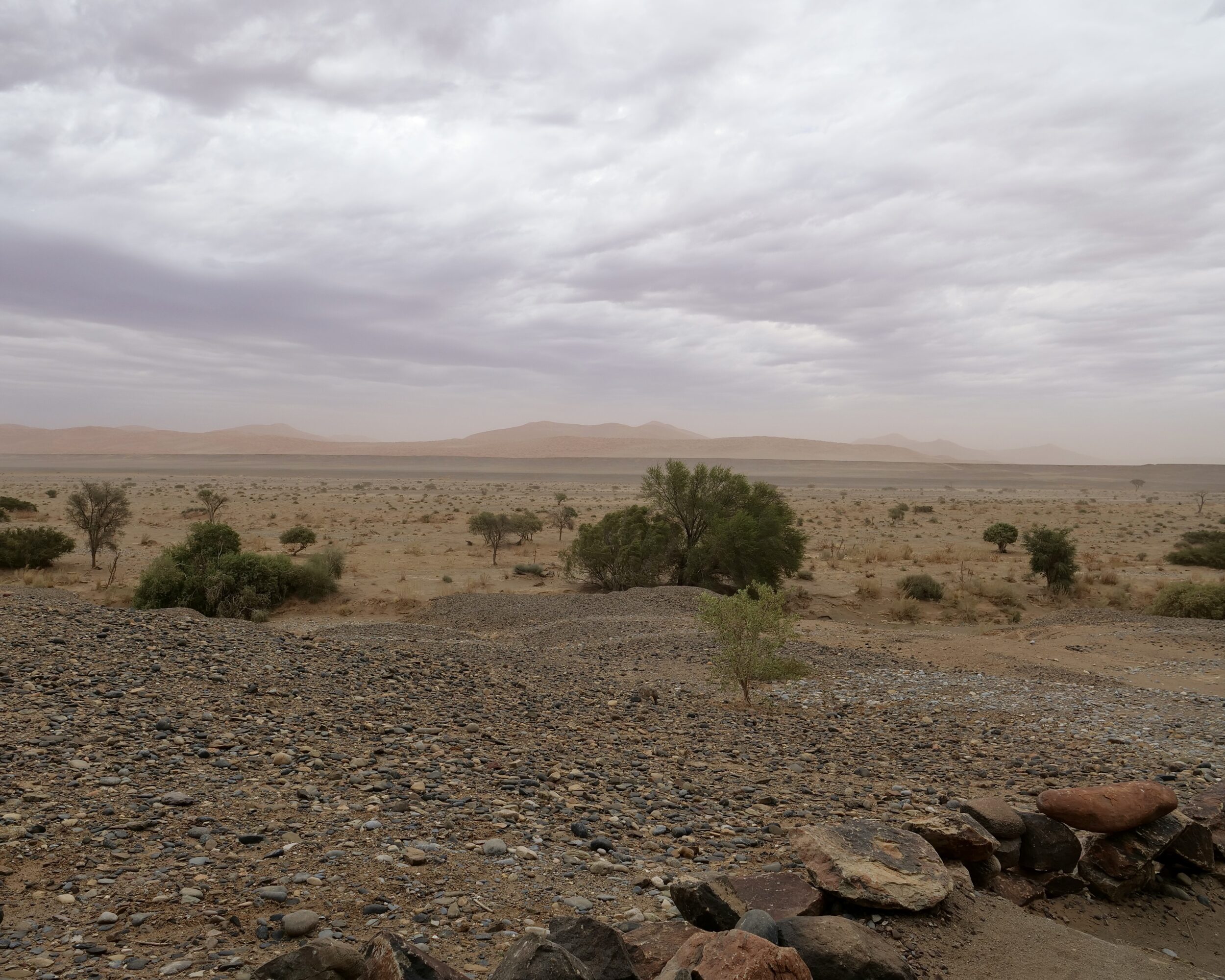
At 5.08 pm on 21 November 2022 “our” Namib sandstorm was vanishing, as quickly as it had materialised, circa one hour earlier.

When I took the featured image, all visibly-flying sand was some kilometres east of us, as we stood on the deck of “our” cottage-tent.

Kulala Desert Lodge is around 40 kilometres east north east of Sossusvlei, and less than 2 ks from the southern edge of the Namib’s “sand sea” – the dune field in which Sossusvlei is the tourist “magnet”.

(Sossusvlei – our destination the following morning – has to be seen to be believed. It will, eventually, have its own series of posts. Suffice for now, what transpired on 21.11.2022 had a very beneficial impact on our 22.11.2022 experience)

For the next ninety minutes we relaxed in our quasi-tent’s interior;  inevitably, it had been infiltrated by a generous dose of very fine, reddish sand – smoothly luxurious bedding had become decidedly gritty.

Then, suddenly, my ears and nose suggested something very unlikely was happening…

Comments closed