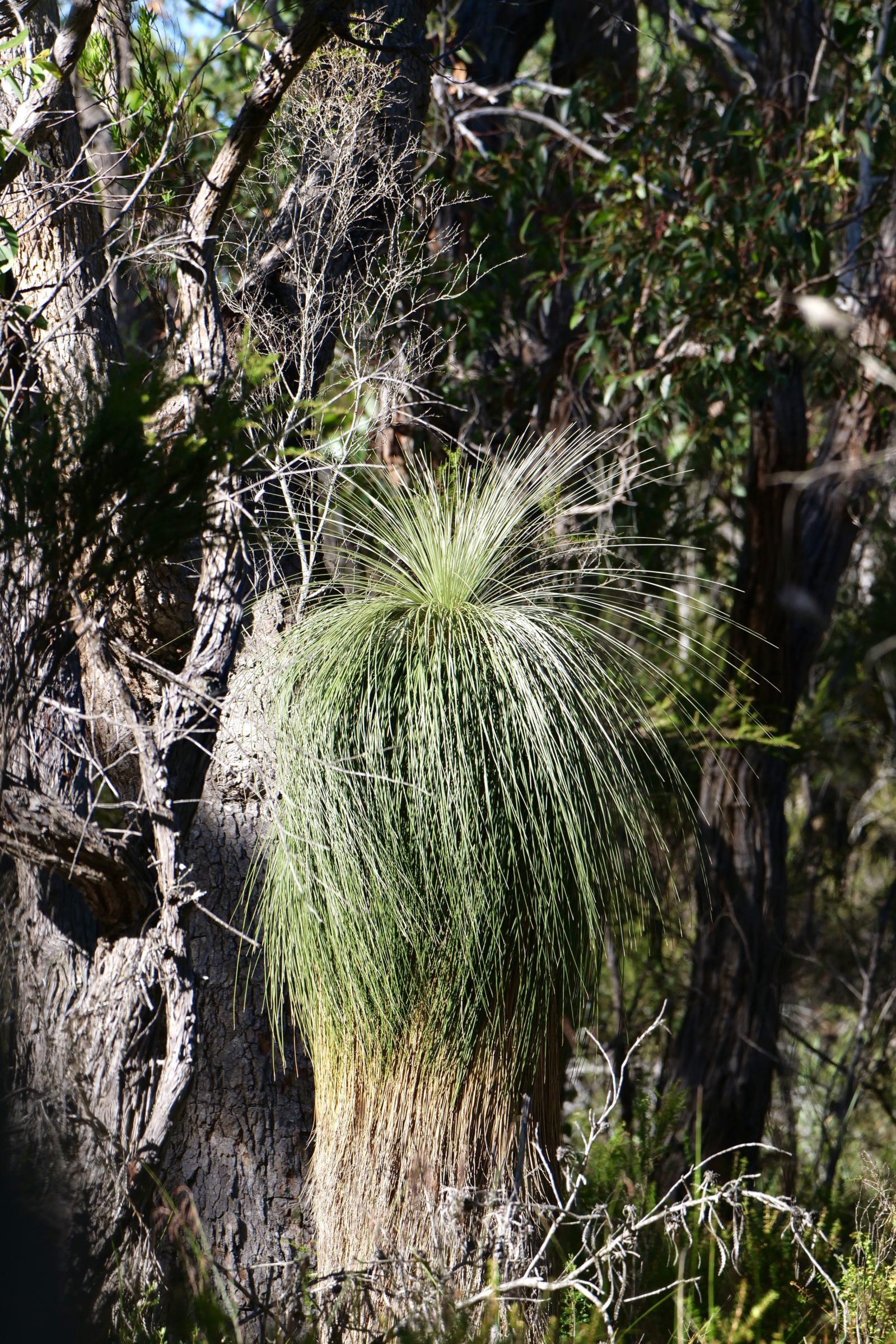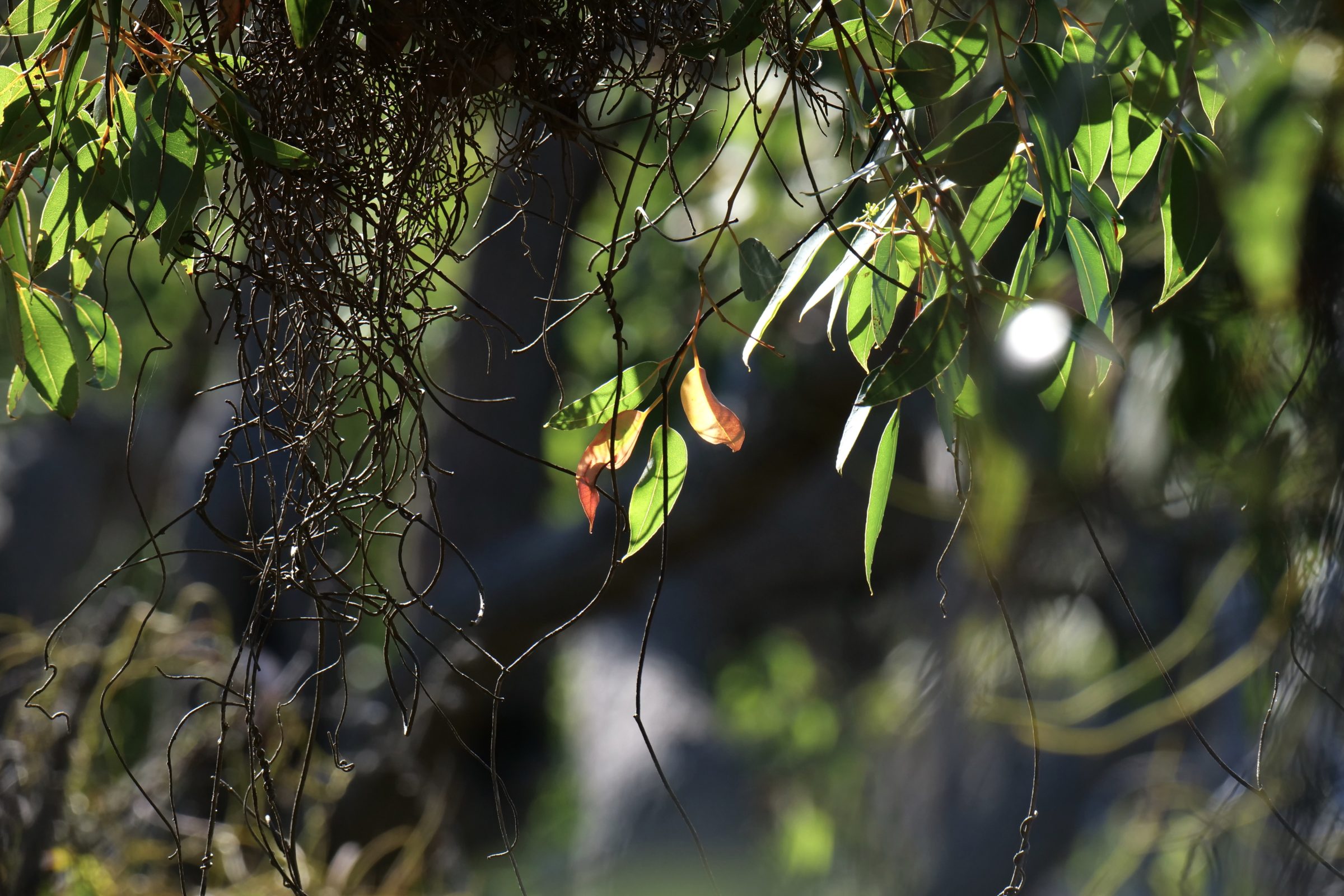
Today’s photo was taken at 3.58 pm on March 15, 2021 – ten minutes after the previous post’s image.
Comments closedNatural splendour, real musics, wines, wordpower
Today’s photo was taken at 3.58 pm on March 15, 2021 – ten minutes after the previous post’s image.
Comments closed
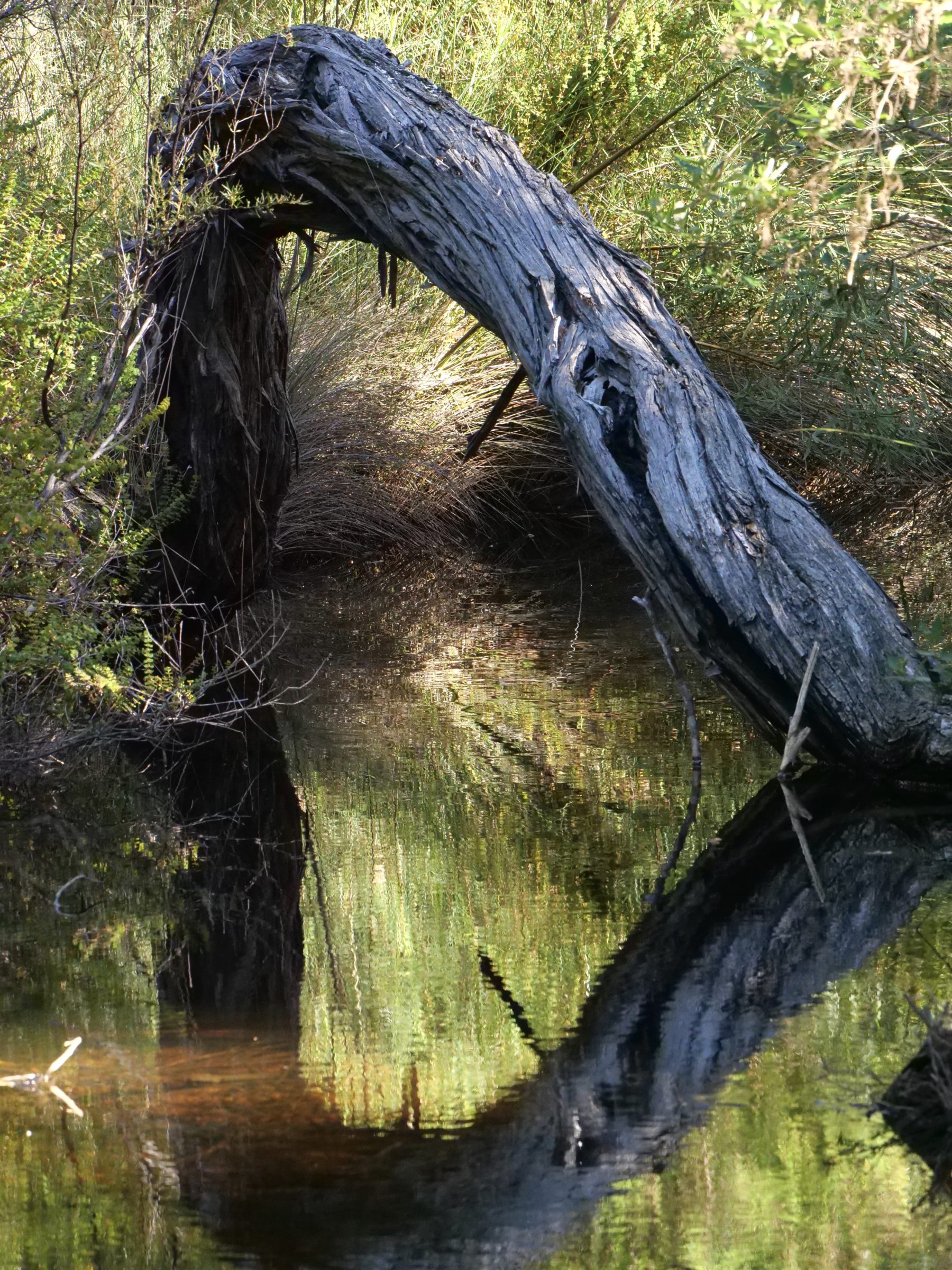
Where the access road crosses the river is more “well-wooded” than is most of Waychinicup National Park.
This little bit is sheltered from the wind, enjoys more shade, and the topography and the river offer plants a moister, calmer environment than is available in most of the National Park.
Comments closed
The Waychinicup River is in fact a modest creek – of approx 17 kilometres, from its headwaters near the Manypeaks townsite to its petite estuary, just before it meets the inlet which is Waychinicup National Park’s signature feature.
The photo (copyright Doug Spencer) was taken circa 2ks upstream of the inlet, at the point where the access road crosses the river.
Comments closed
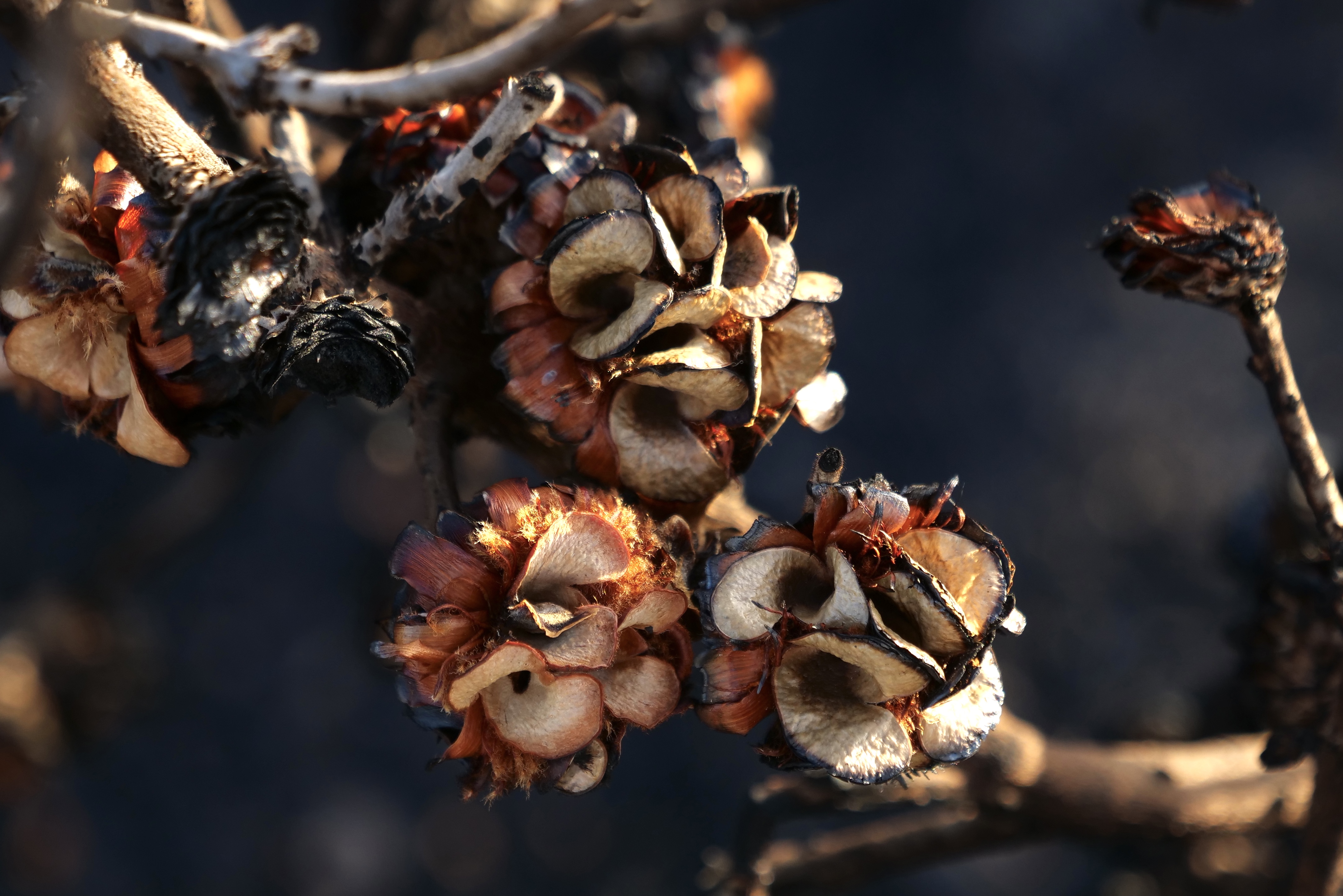
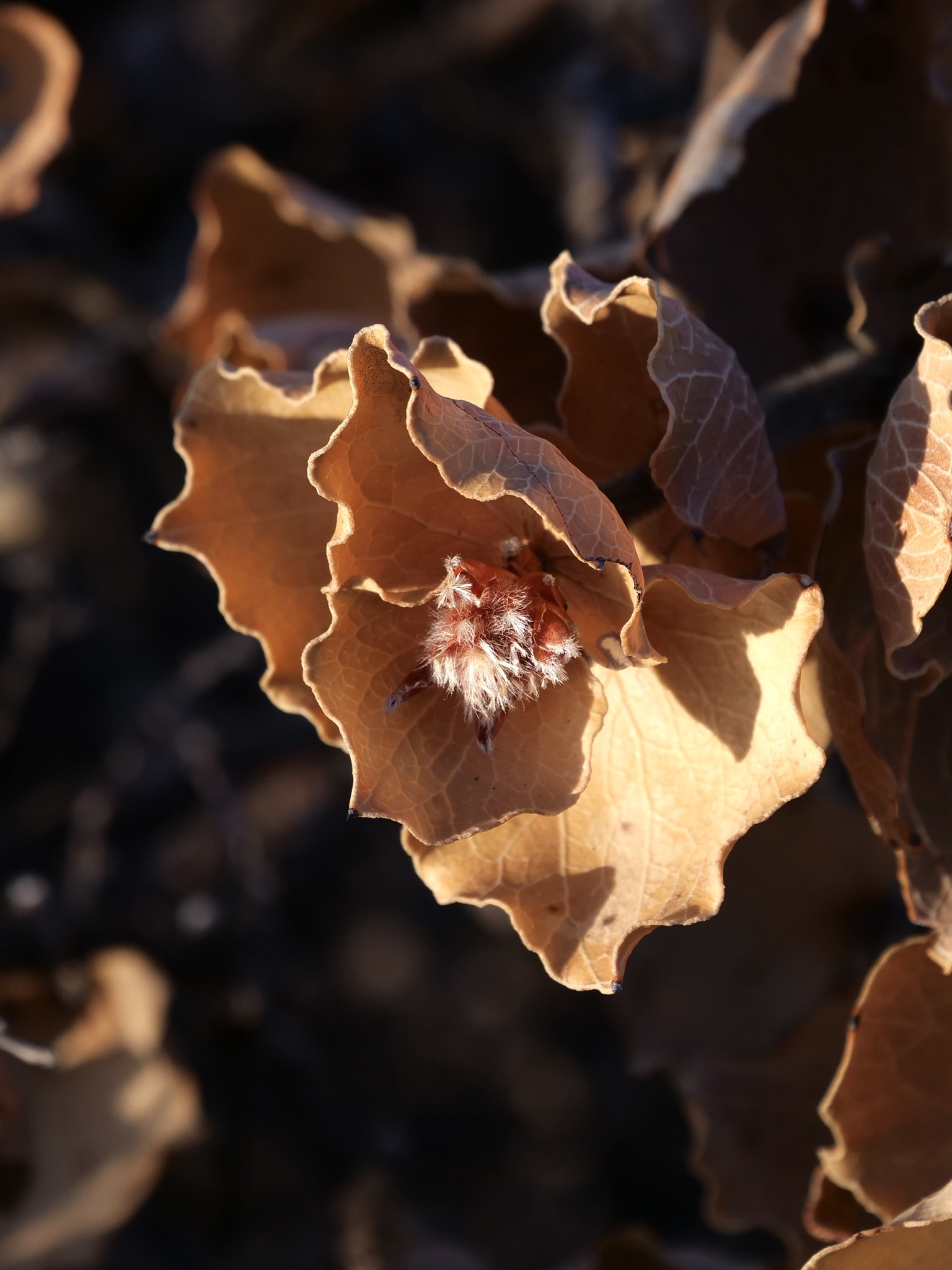
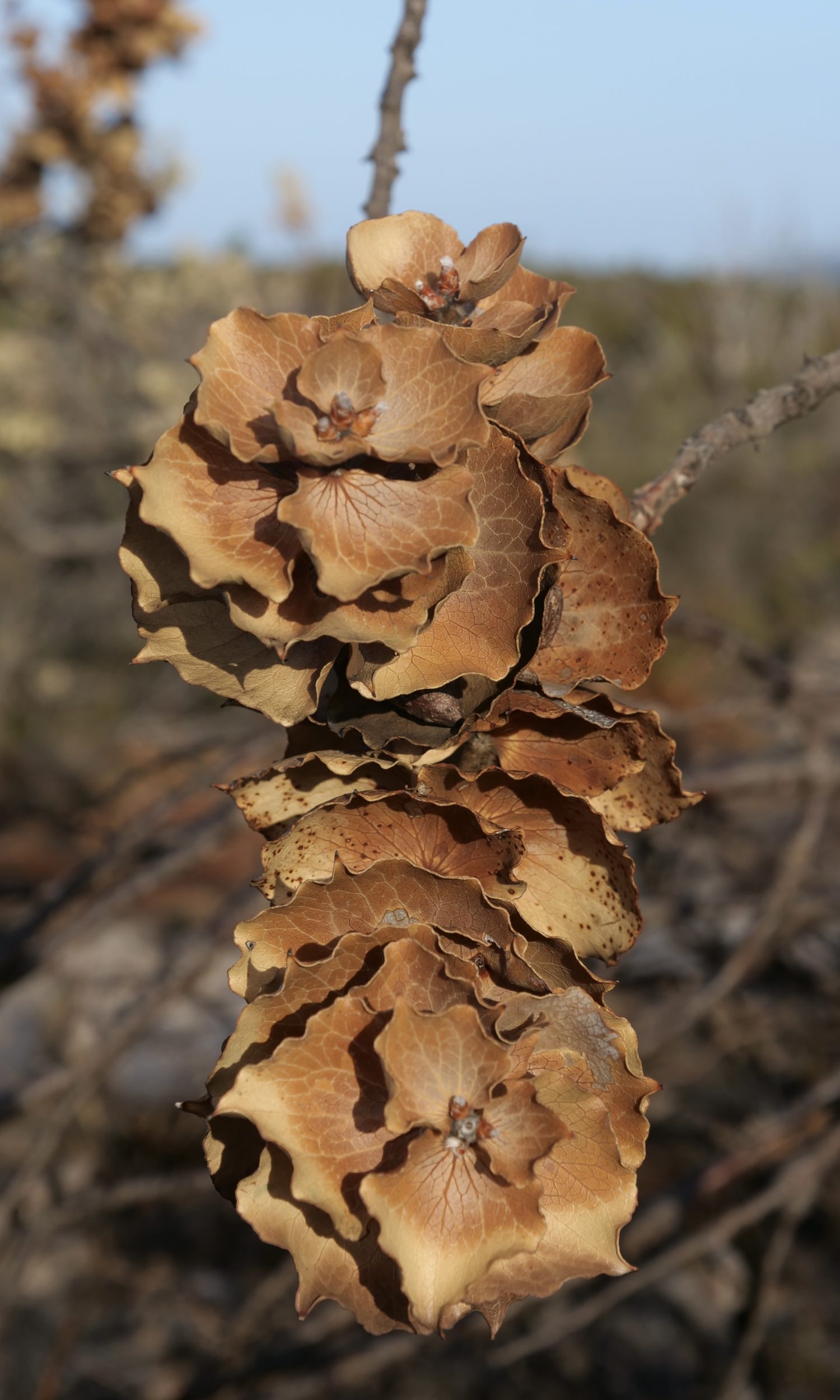
The photos in #2 through #4 in this series were all taken in Spring 2020 – in a section of Waychinicup that had been burnt some time in the preceding several months, probably, via a Summer lightning strike.
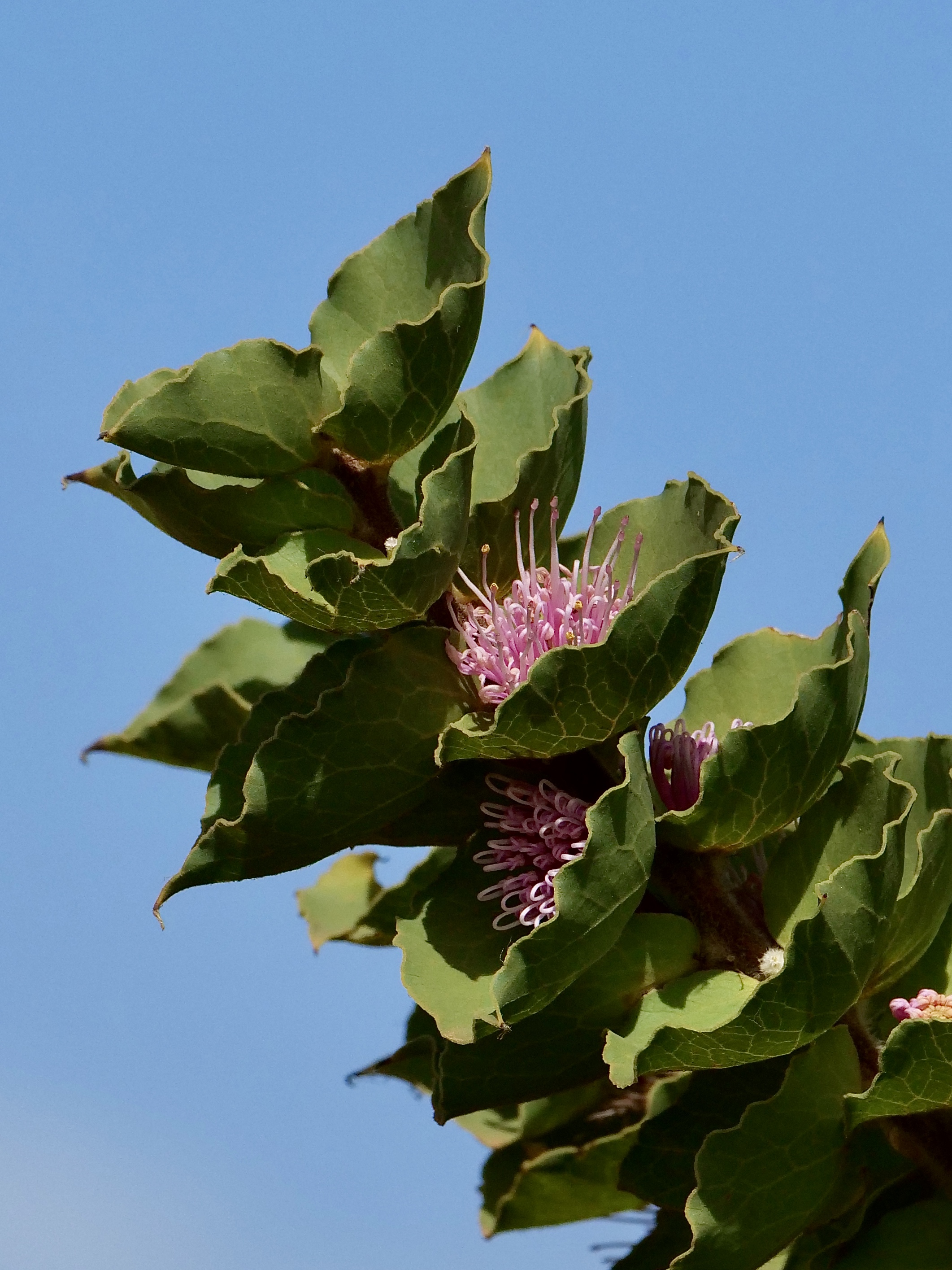
Today’s Hakea was blooming on the very windy afternoon of 07 February 2022, in a different part of Waychinicup.
Comments closedIn most cases, serotiny – retaining the seeds in a hardy capsule or cone, which opens in response to a particular “trigger” – is an adaptation to ensure a plant species’ survival in a fire-prone environment.
Serotinous plants exists in both the Northern and the Southern Hemisphere, but Australia is home to the overwhelming majority – WA most especially.
More than 75% of the world’s known serotinous plants are endemic to WA, mostly to southwest WA.
Comments closedPhoto credit/time/place details are as per previous post.
As the headline says….
Comments closed
Long before the arrival of humans – who have been part of “the local equation” for many thousands of years – fire was already a key element in Waychinicup’s ecology.
This post’s featured individual belongs to one of the serotinous plant species; their seeds are stored in hard capsules, which open after a fire.
A fire may well kill the individual, but the species is highly “fire tolerant”.
Probably, all or most of the Hakea species in Waychinicup are in fact fire-dependent.
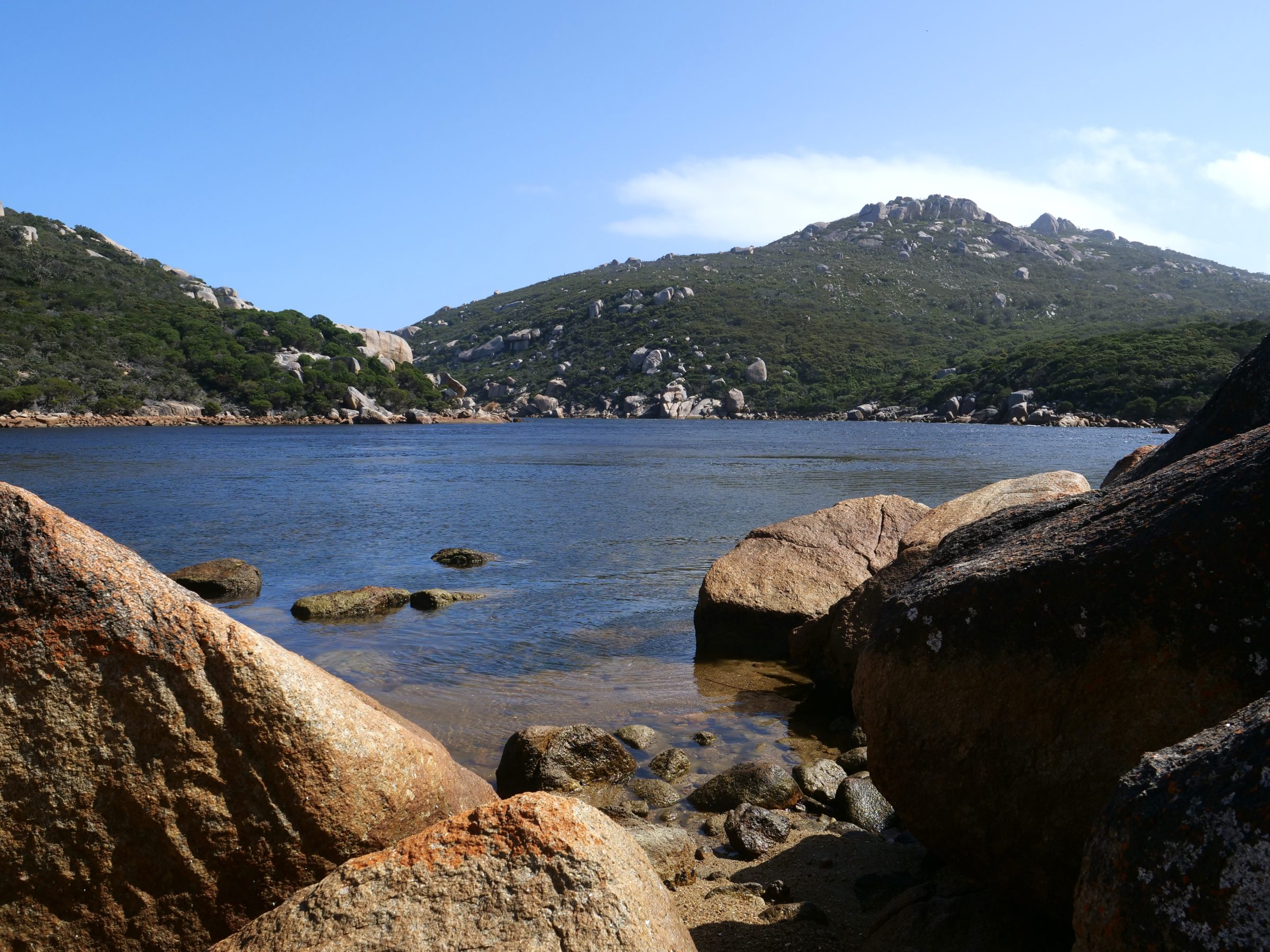
Comments closedThe inlet – pictured above – is, of course, Waychinicup National Park’s signature feature.
“The amazing view across its exquisite inlet” is, however, just one of this superb park’s many notable aspects.
Comments closed
West Cape Howe National Park includes Torbay Head, the West Australian mainland’s southernmost point.
Near Torbay Head, Shelley Beach is WA’s southernmost 2WD-accessible strand.
The hill above it is WA’s prime location for hang gliding/ parasailing.
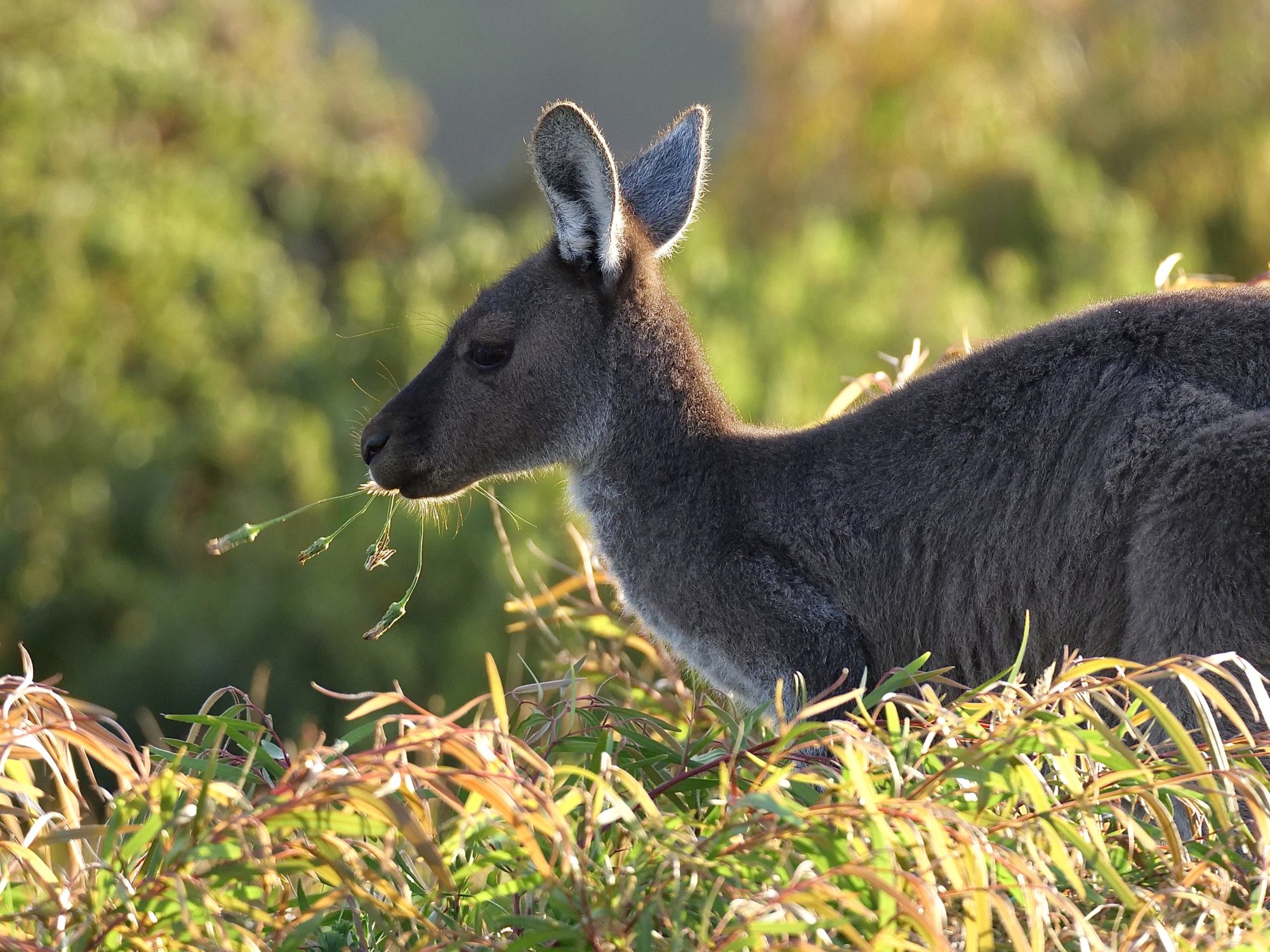
Kangaroos like it there, too.
Comments closed
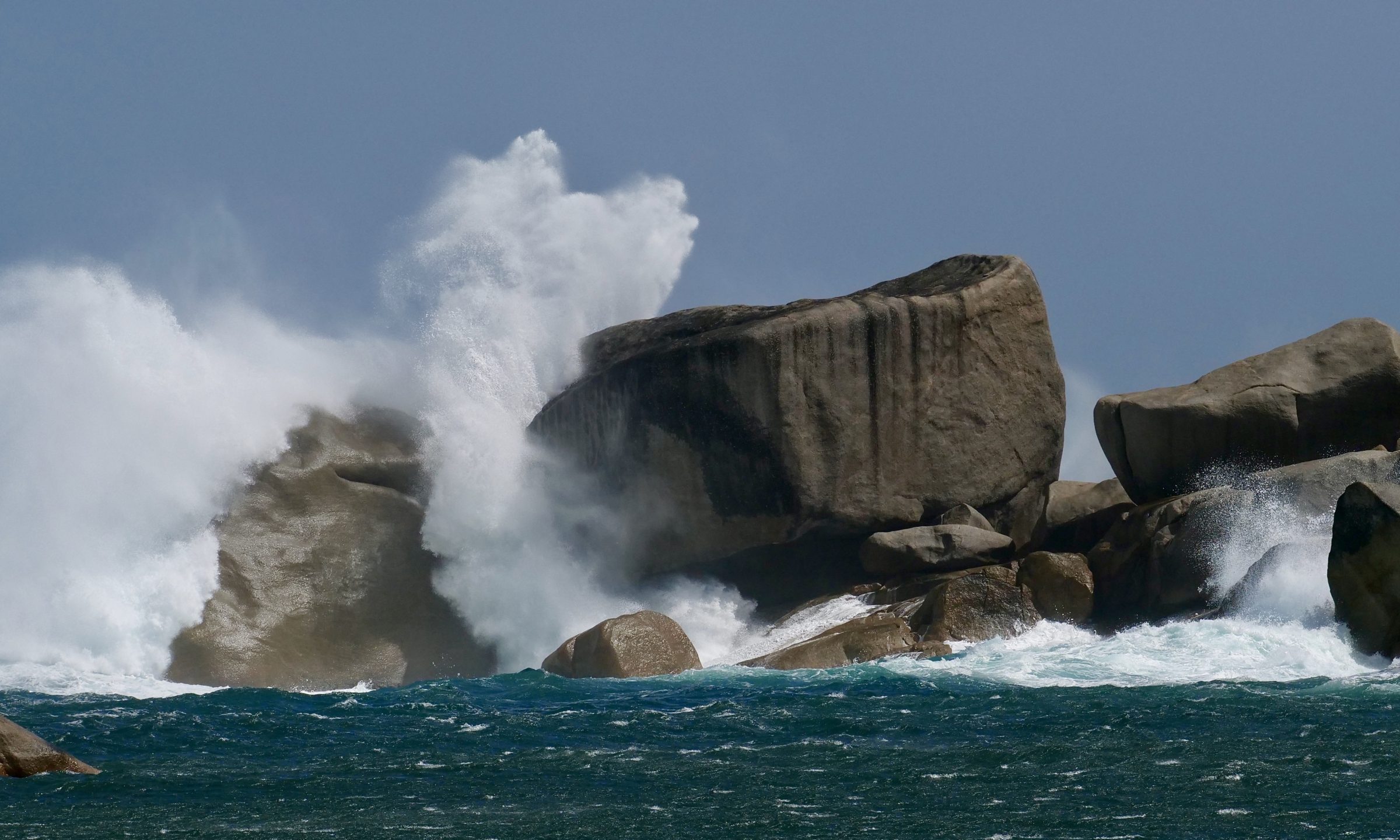
The day was fine, definitely not stormy.
However, a decidedly brisk breeze had blown for a few hours, so the ocean had some oomph when it met Western Australia’s southern edge on the afternoon of February 7, 2022.
One Comment