Skip to content →

Category: Western Australia

Deep South WA, Feb ‘25 (#35 in series: threatened giants “3”)


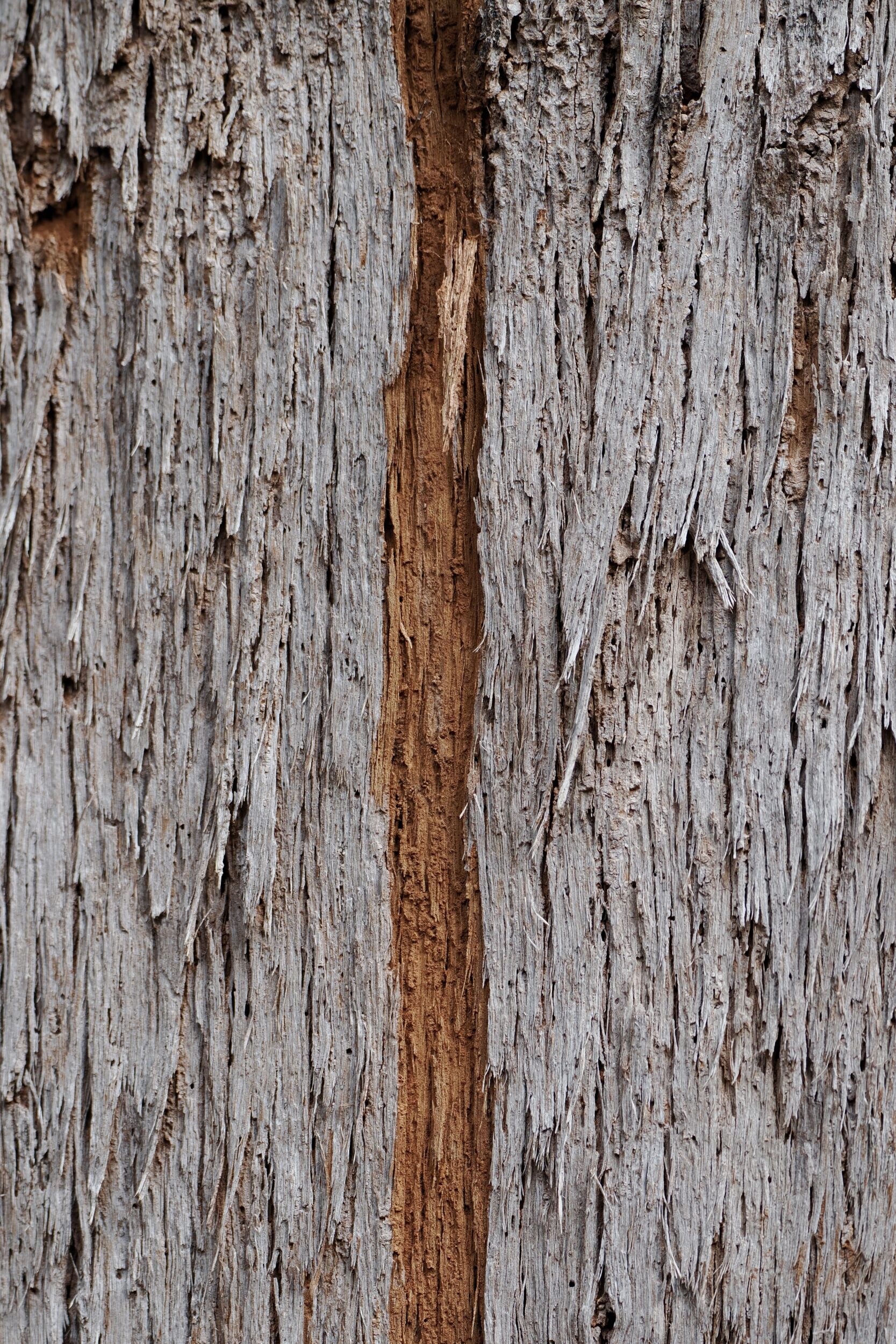
Eucalyptus Jacksonii is one of three Tingle species; the other two are less gigantic, but still very substantial.

All have very thick “skins”, as pictured.

They occur only within the “Walpole Wilderness”.

Like their “biggest brother”, a Rate’s tingle (Eucalyptus brevistylis) or a yellow tingle (Eucalyptus guilfoylei) can live for 400 years.

It appears increasingly likely that no 21st century “newborn” is even remotely likely to attain such a lifespan.

Comments closed
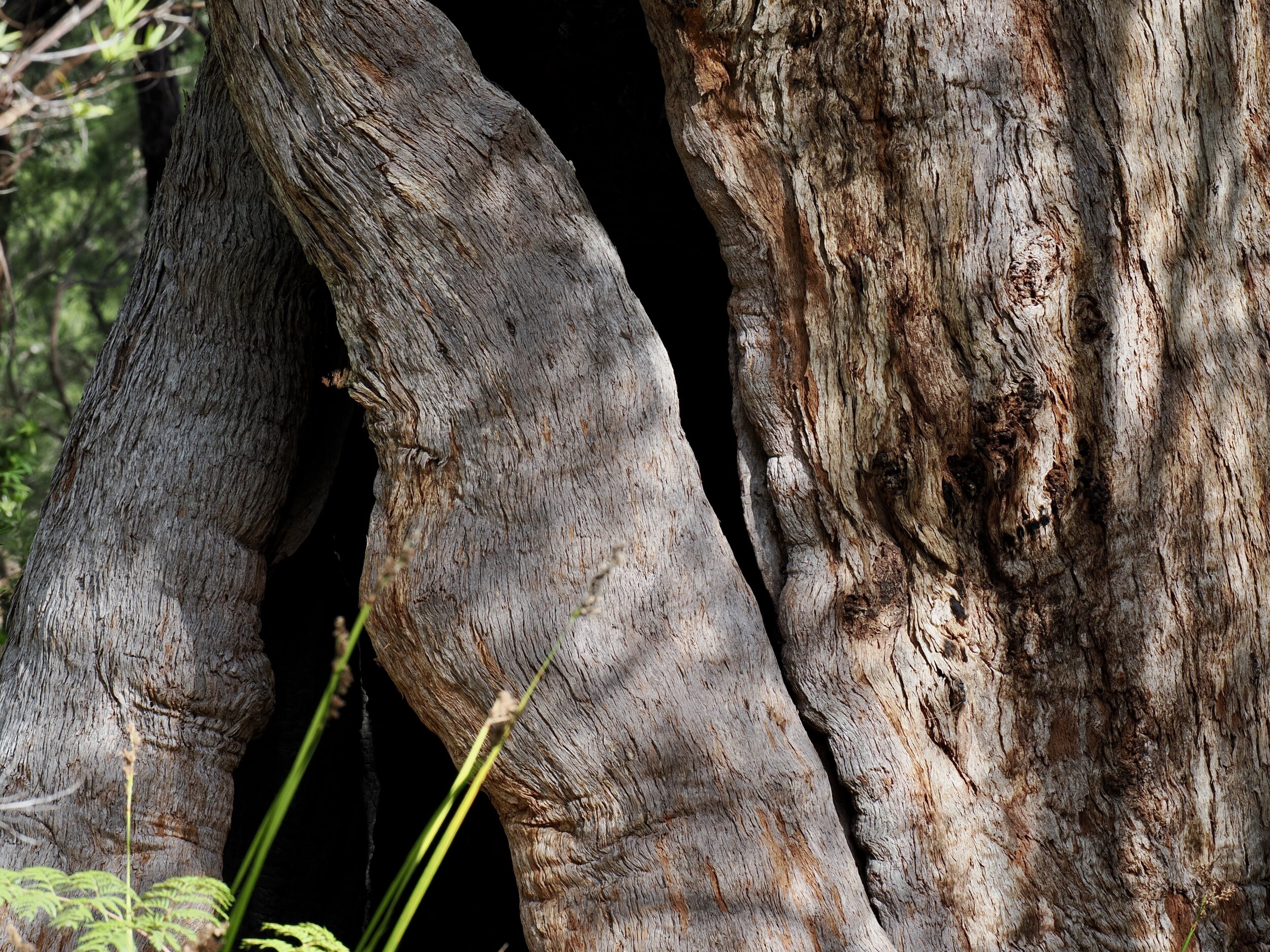
Deep South WA, Feb ‘25 (#34 in series: threatened giants “2”)


The photo shows part of the base of a Red Tingle, Eucalyptus Jacksonii; no other Eucalypt  attains a greater girth.

The pictured example is not as “obese” as the nearby “Giant Tingle Tree”, but it is also several hundred years old, and massive.

Comments closed

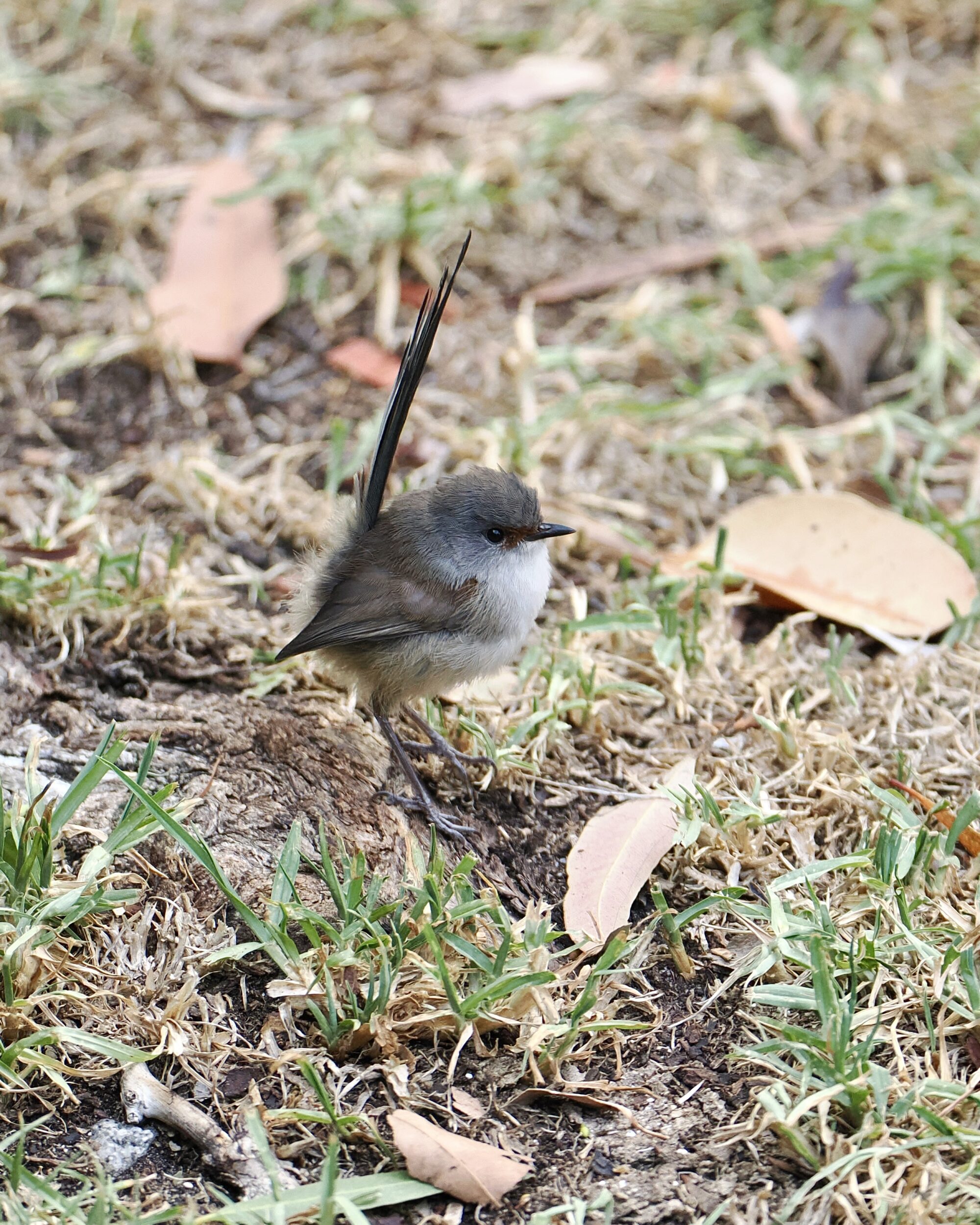
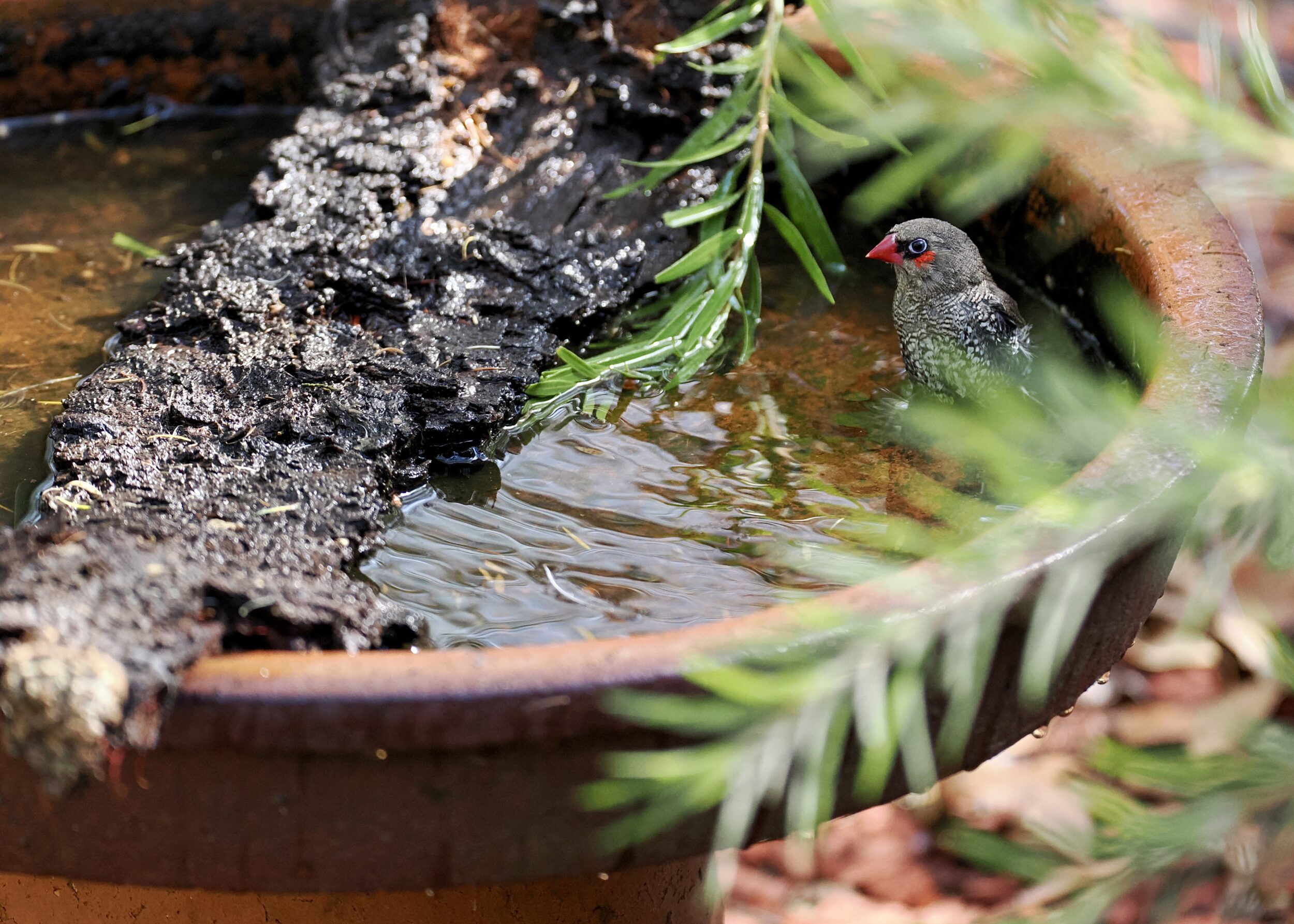
Deep South WA, Feb ‘25 (#32 in series: “feel the serenity”)


The first two hours of daylight at “our” birdbath were sometimes even more frenetic than was the “afternoon rush” depicted in this series’ previous chapter.

After 8.30 am, however, the “morning peak” had passed, and a reclusive, petite bird could bathe, alone, and enjoy at least a semblance of privacy and calm.

Within a not very large radius of where we were staying is all of the pictured species’ habitat

Comments closed

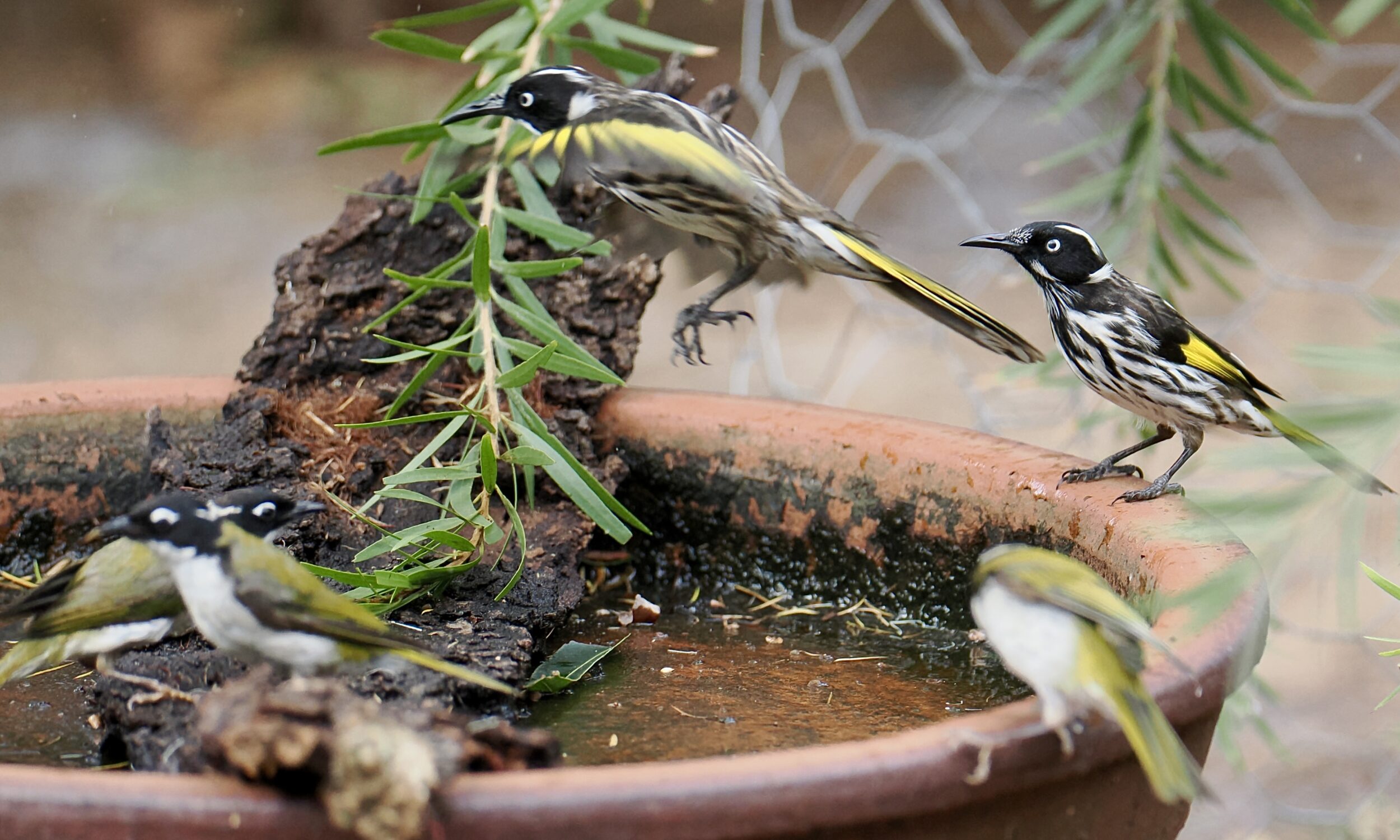
Deep South WA, Feb ‘25 (#31 in series: “rush hour” at the birdbath)


As is true of humans’ bathrooms, bathhouses and drinking venues, other species’ “watering holes” can be a “serene place of refuge” at one time of day, and “mayhem” at another.

On 08 February 2025, 3pm to 4 pm was “peak hour” at the birdbath in front of “our” cottage near Youngs Siding.

It looked sorely in need of an Air Traffic Control Tower!

Comments closed

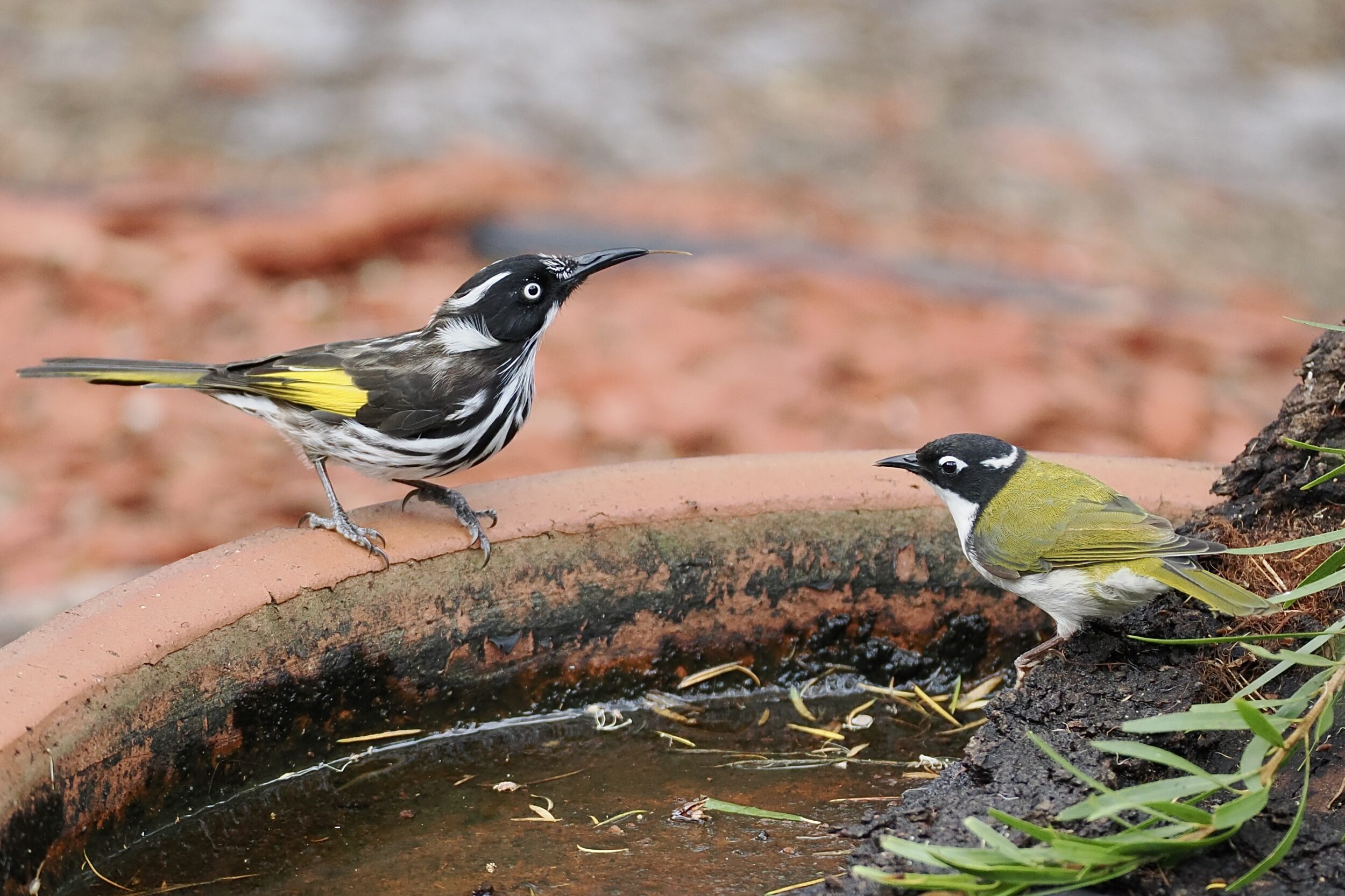
Deep South WA, Feb ‘25 (#30 in series: two species, sharing “3”)


At least between the pictured species, “Two honeyeater species, sharing a birdbath” is a perfectly unremarkable, “normal” event.

On the left – sticking out his or her long, “brush-tipped” nectar-collecting tongue – is a New Holland honeyeater, Phylidonyris novaehollandiae.

On the right is a bird that is very clearly a species in its own right, but was not recognised as such until 2010.

It never really was a subspecies of the (eastern Australian) White-naped honeyeater, Melithreptus lunatus.

At last blessed with a single, “proper” common name – and its own “Latin” species name – Gilbert’s honeyeater, Melithreptus chloropsis, lives only in Western Australia’s southwest.

Comments closed

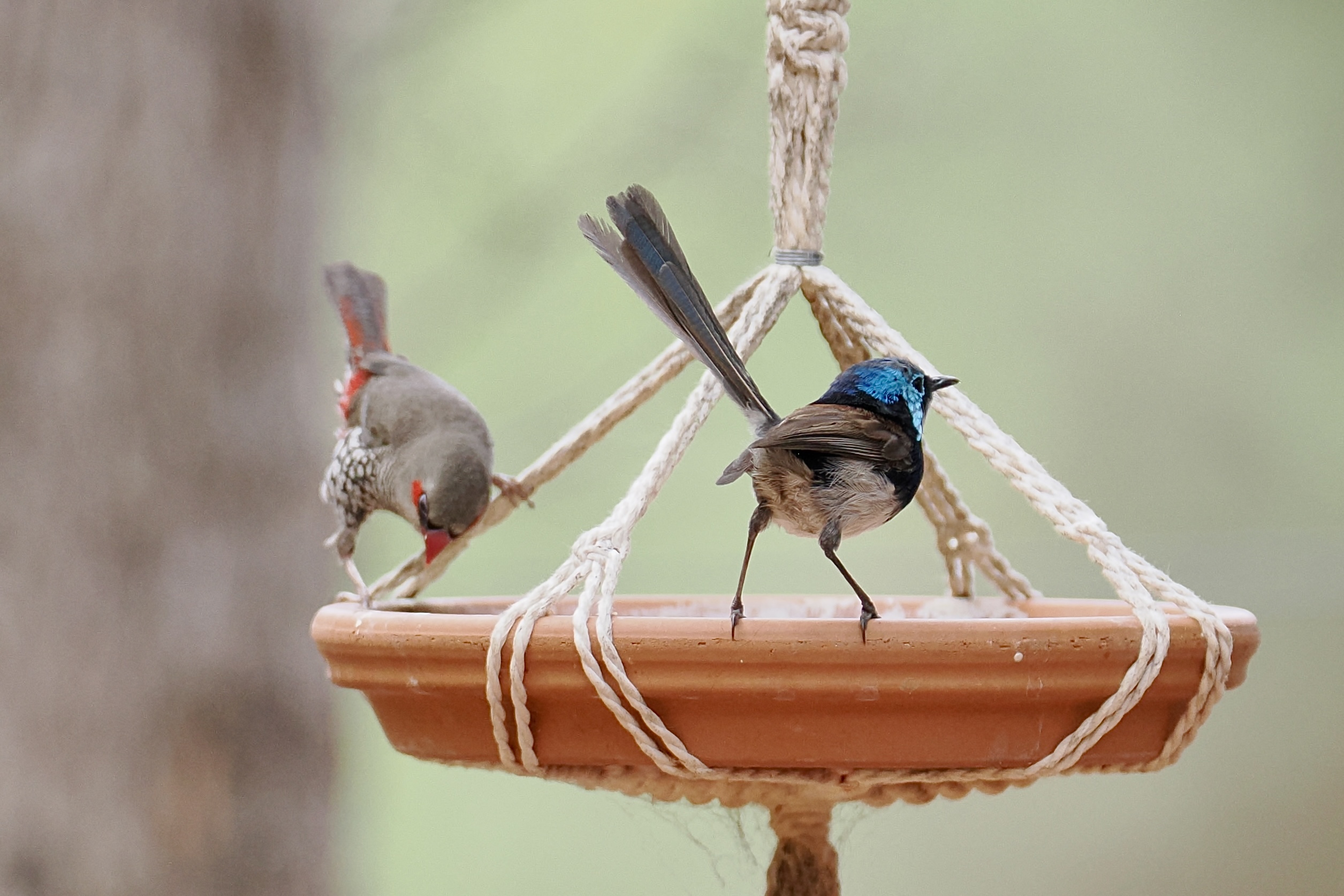
Deep South WA, Feb ‘25 (#29 in series: two species, sharing “2”)


At 3.45 pm on 08 February 2025 we watched a red-eared firetail finch (of whatever gender) and a (definitely-male) red-winged fairywren share the same feeder.

It was the first time in my life that I had seen members of both species within so very few millimetres of each other.

Comments closed

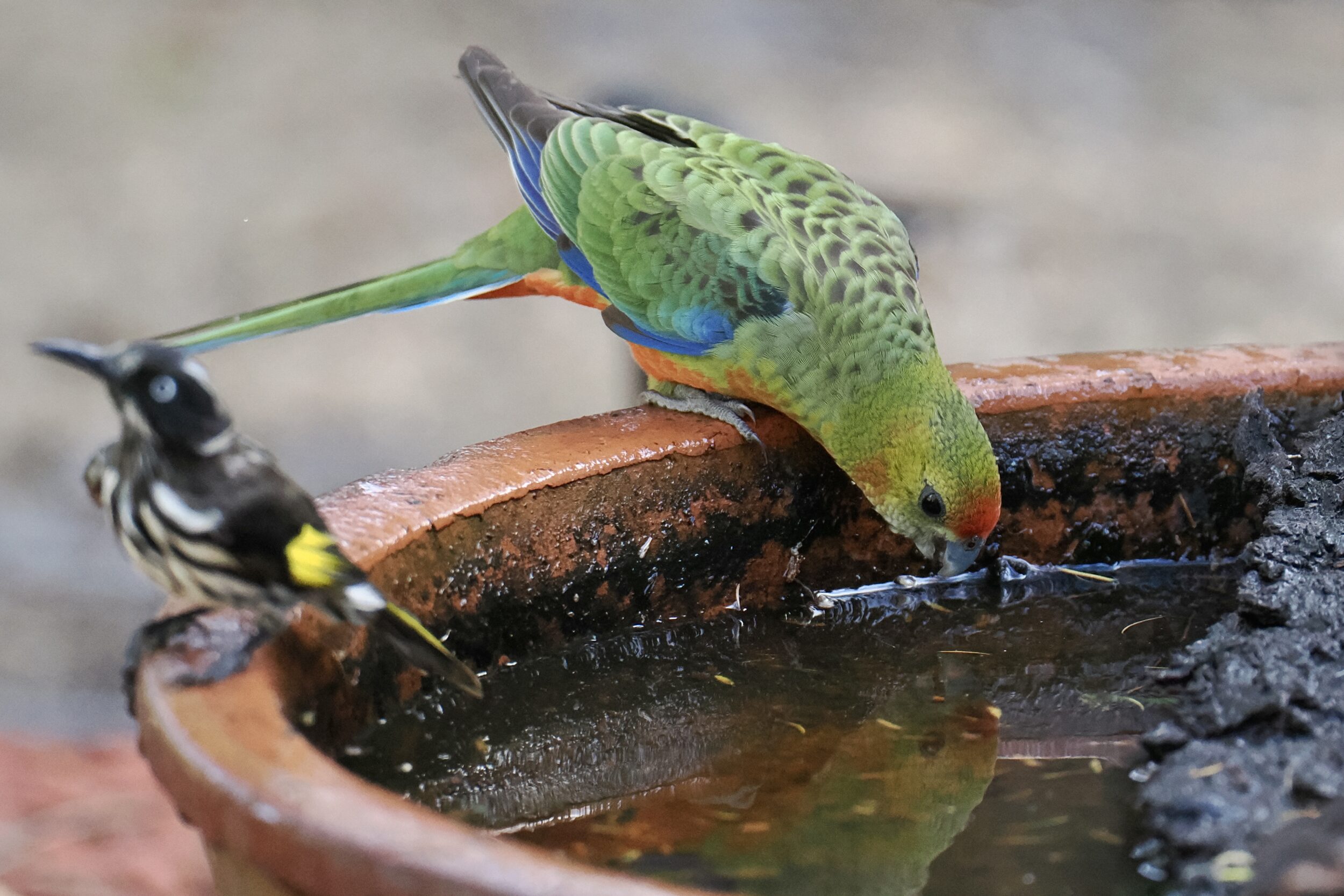
Deep South WA, Feb ‘25 (#28 in series: two species, sharing “1”)


For nearly a fortnight, we watched birds each morning and afternoon, as they came in to drink and/or bathe, to eat, to flaunt.

Most of the time, each particular drinking or bathing “event” involved just one species; when bathing, just one individual was usually in the bath at one time.

Occasionally, however….

Comments closed

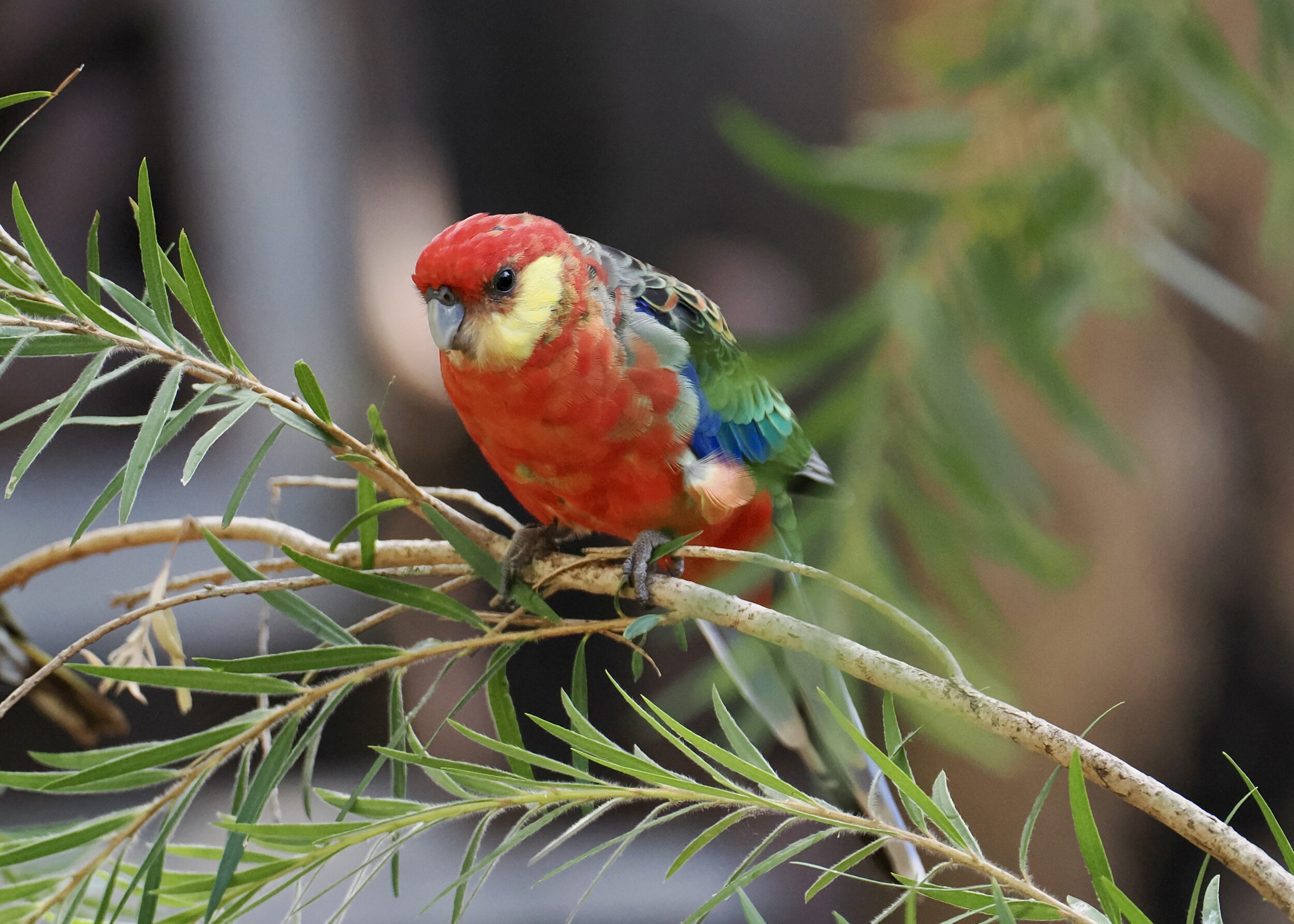
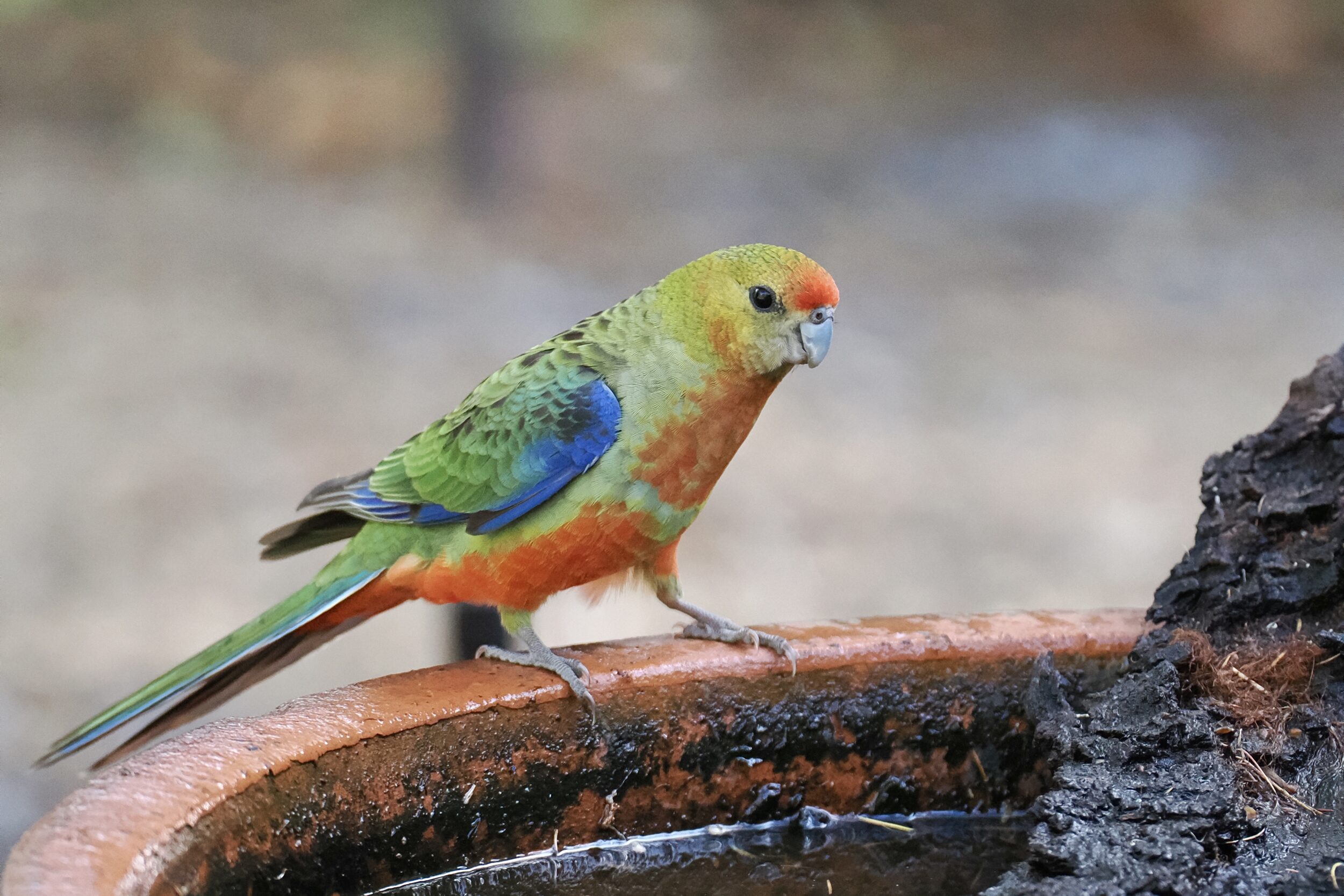
Deep South WA, Feb ‘25 (#26 in series: female western rosella)


The western rosella is the smallest of Australia’s six rosella species

It is also the most sexually dimorphic; it is not at all difficult to discern an adult western rosella’s gender – a marked contrast to other rosellas.

The male of the species is the more exuberantly-colourful, but the female’s more subtly-variegated plumage is at least as lovely.

Comments closed