Skip to content →

Category: photographs

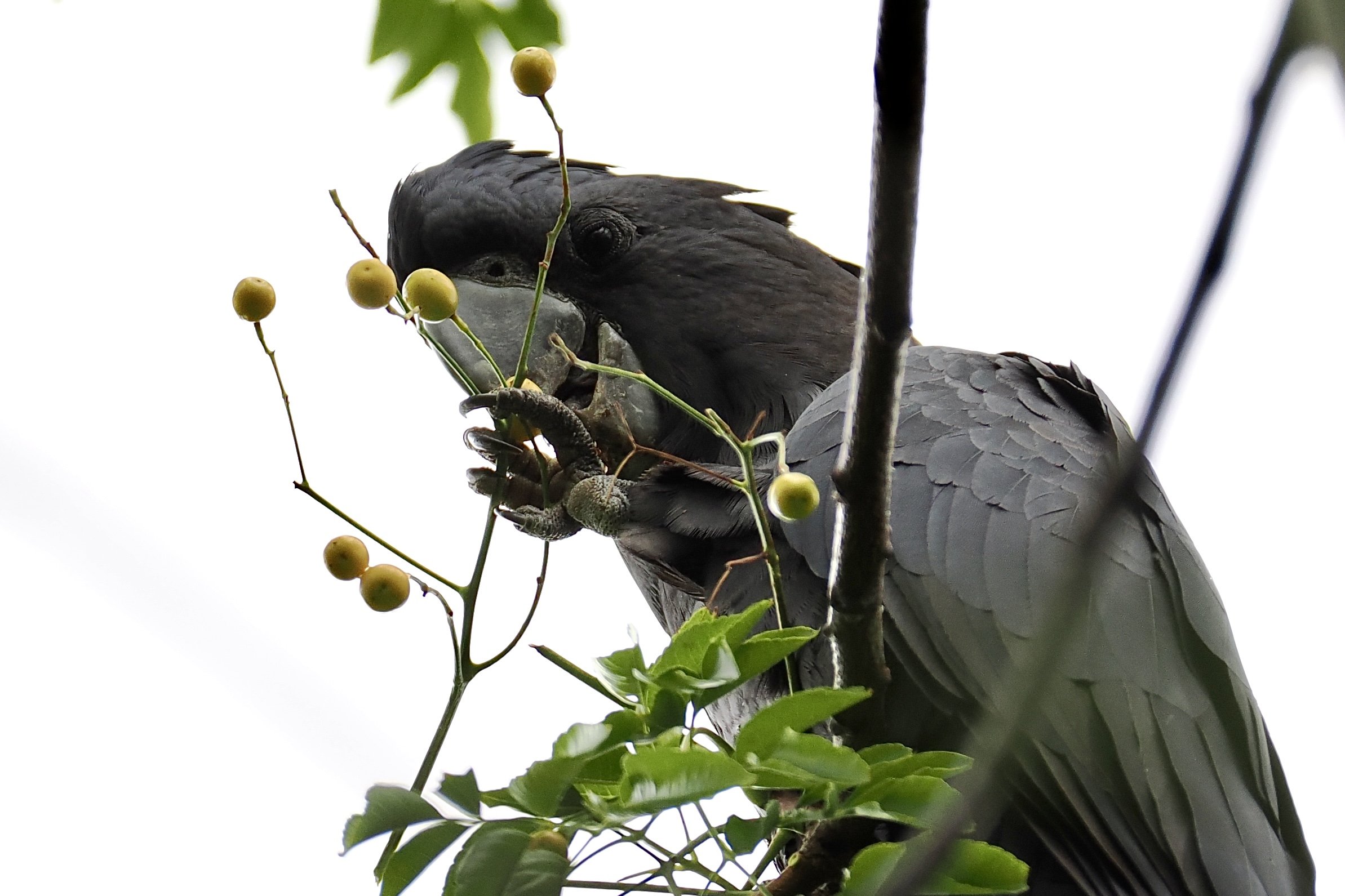
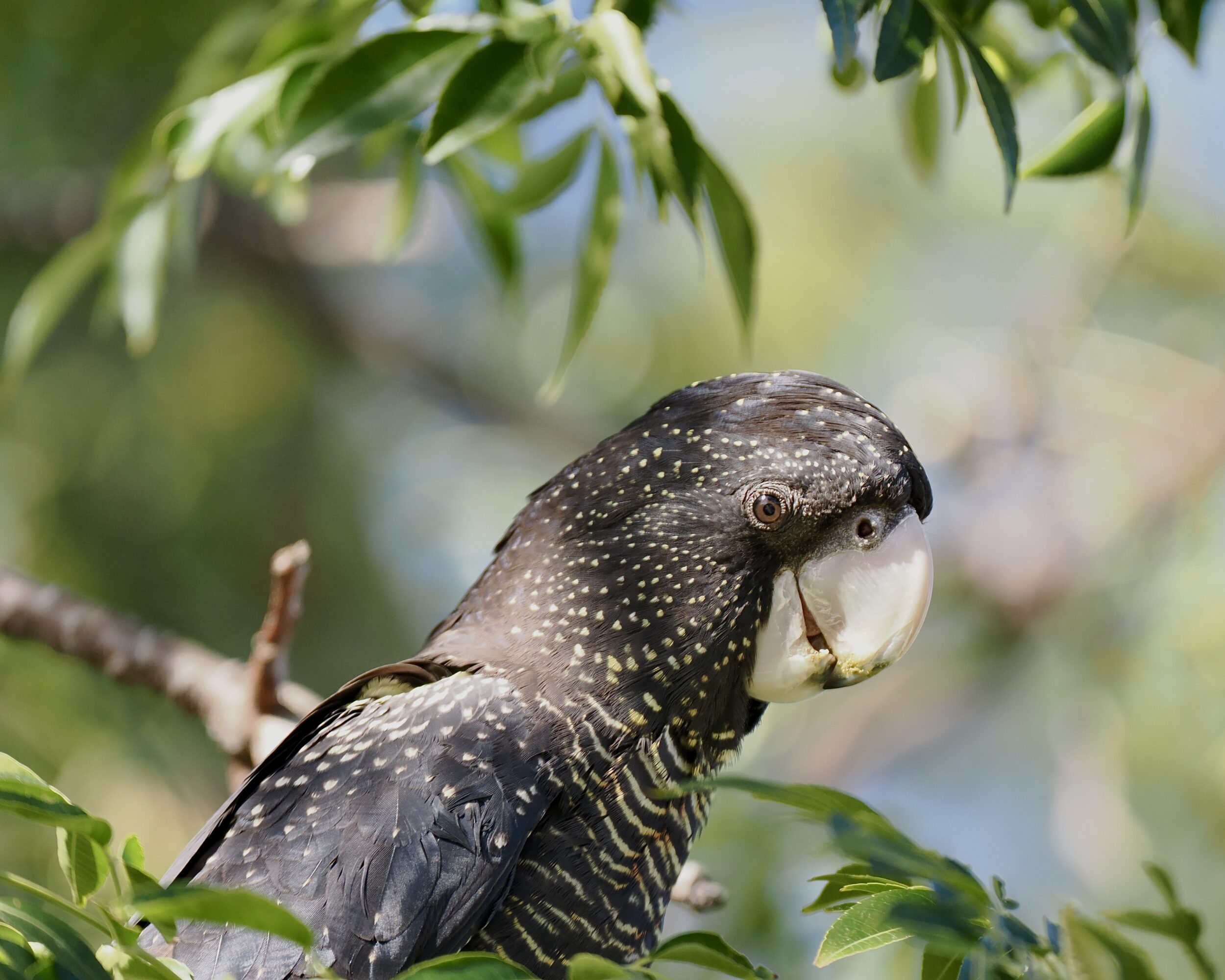
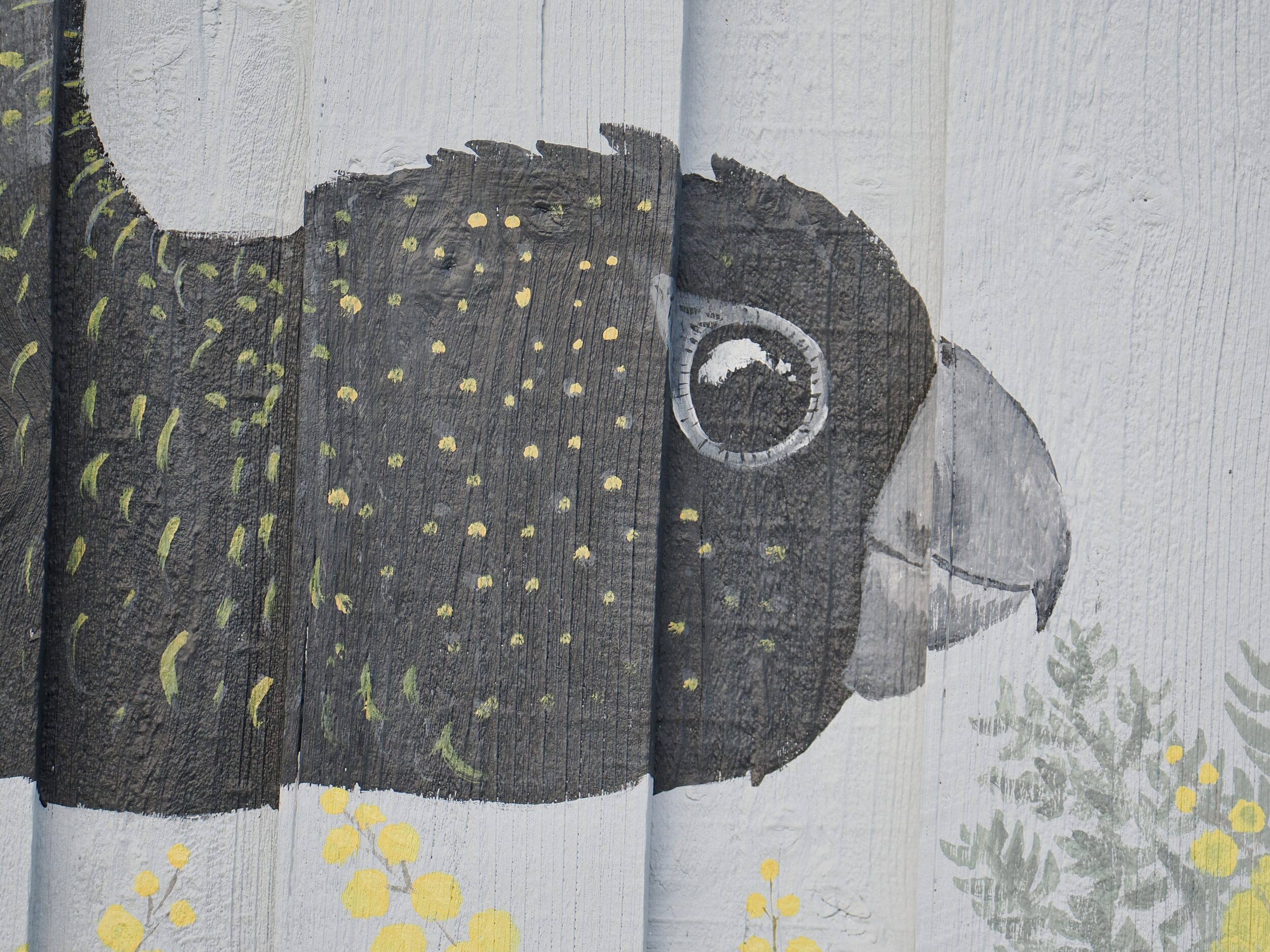
“Red-tails in suburbia” (#2 in series)


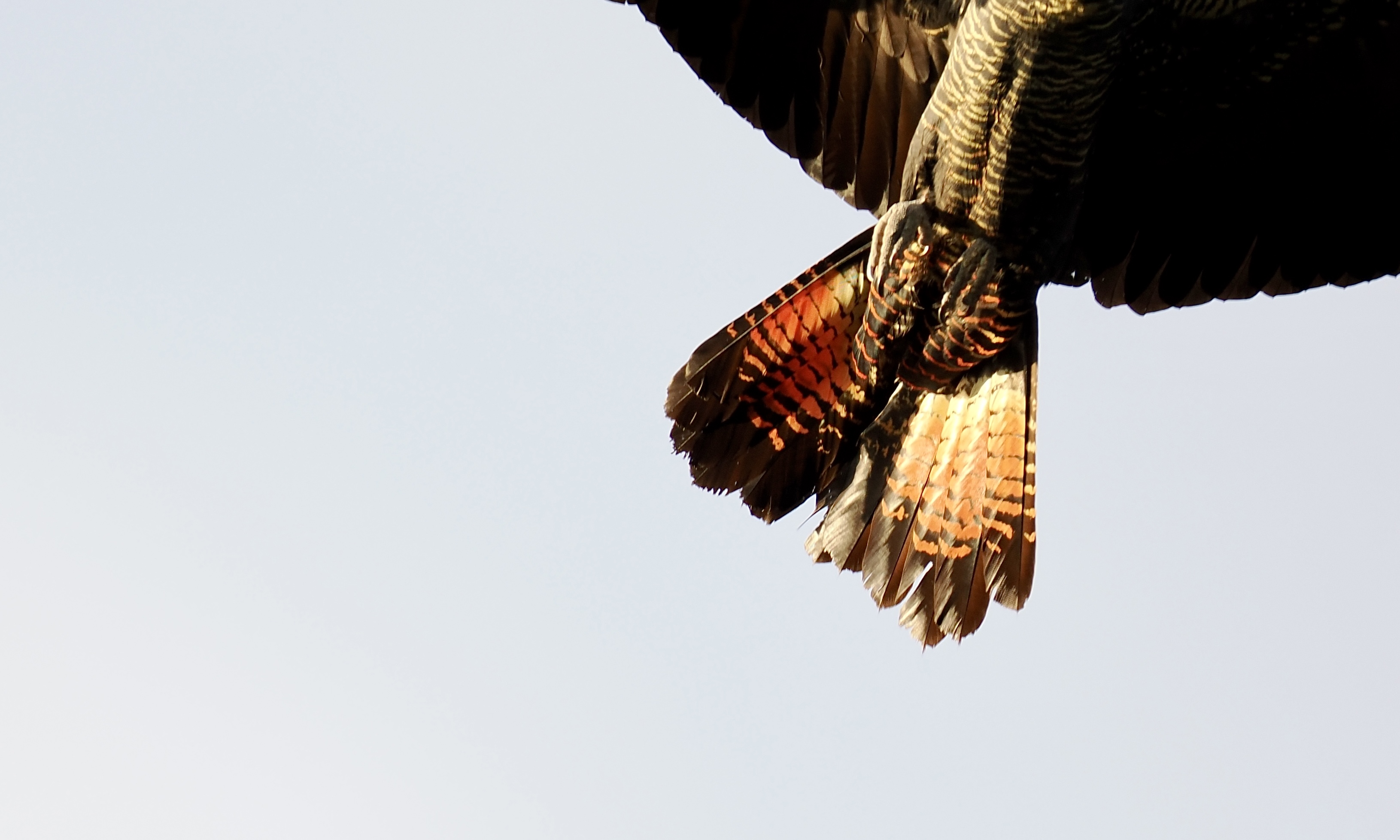
As you can see, the head of the male of this subspecies is – beak excepted – a study in “basic black”.

And, as you will see in following posts, even if the flash of an individual’s tail – or part of his/her chest – is all you can see, it is very easy to identify an adult red-tail’s gender.

Comments closed

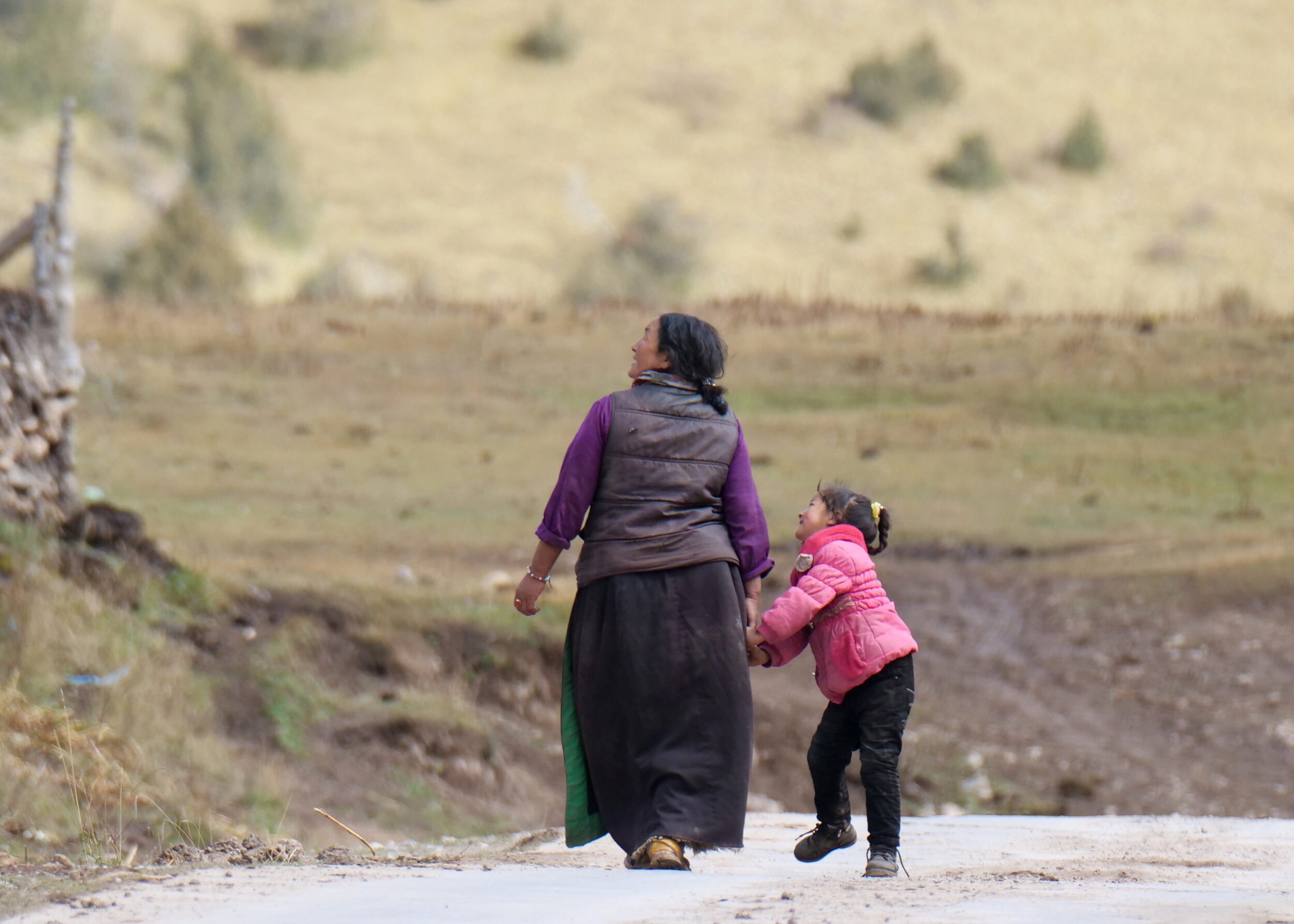
“From behind” (final episode in series: shared delight, Tibetan Plateau)


I loved the little moment which the image captures.

Had I been in front of the mother and daughter  – and thereby made my presence intrusive – the moment simply would not have happened…at that moment, at least.

Comments closed

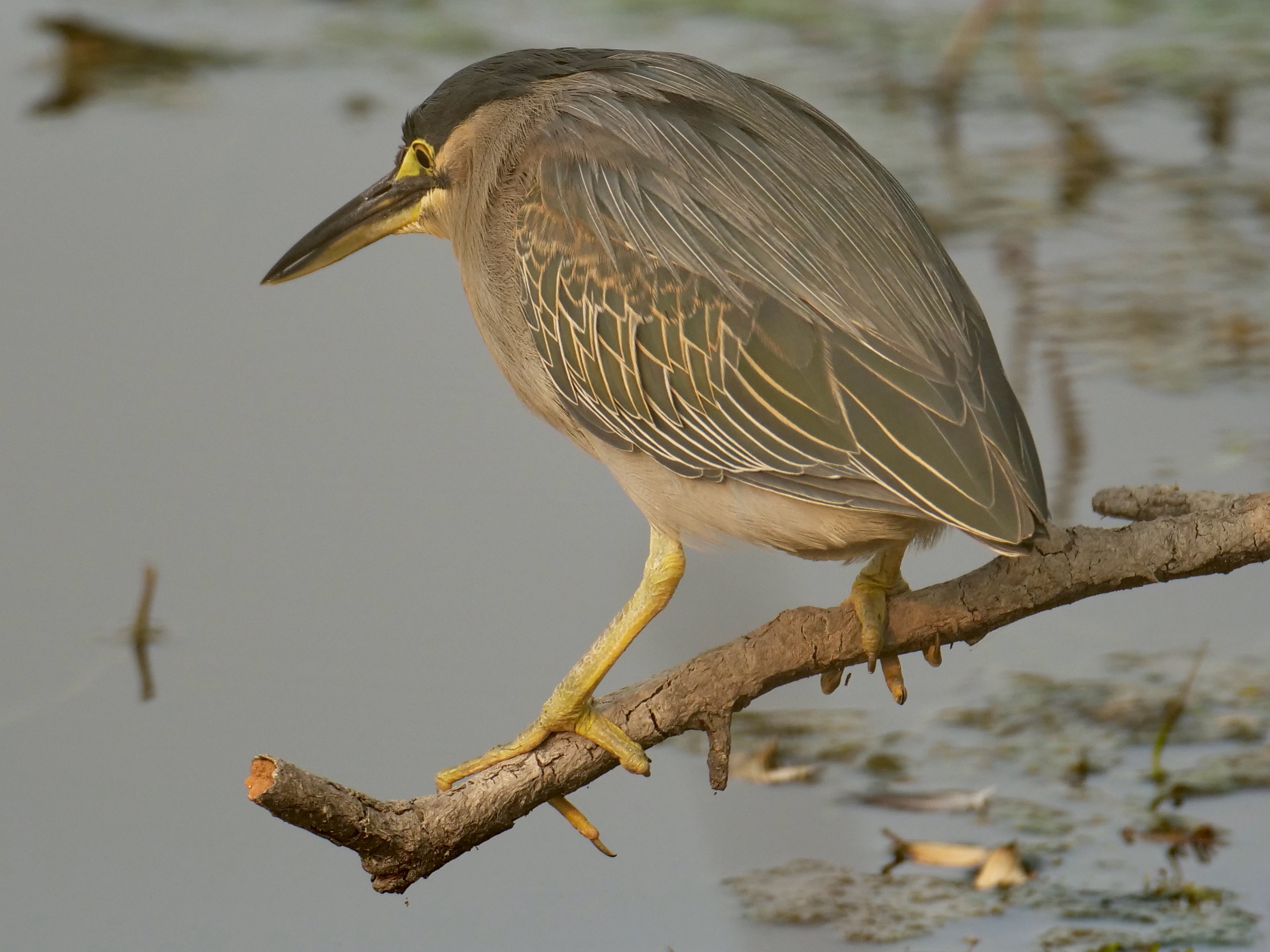
“From behind” (#10 in single-image series: heron, hunting)


A heron (or egret) in hunting mode delivers a fascinating, repeating sequence of events.

For unpredictably short or long periods the heron is a study in concentration and stillness, until that stillness is suddenly shattered by the bird’s speargun-like attack.

The prey – usually a small fish, crustacean, mollusc, amphibian or insect – is swallowed, rapidly.

The sequence then repeats…

For obvious reasons, a photographer cannot “capture” this behaviour from a very close vantage point, directly in front of the heron’s beak/“speargun”.

However, one can sometimes get surprisingly close, “from behind”.
Comments closed

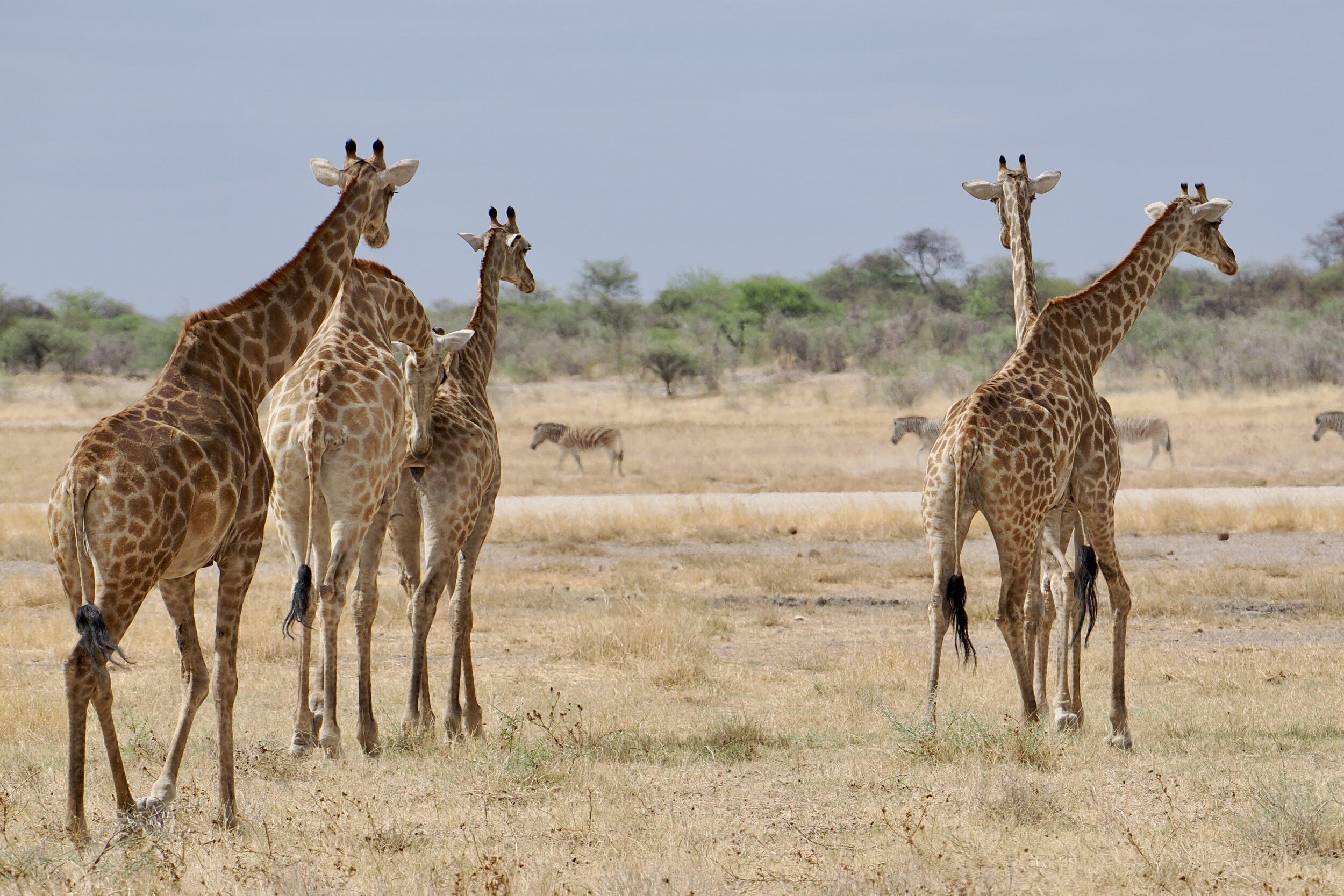
“From behind” (#9 in single-image series: relaxed giraffes)


For a giraffe, drinking is as necessary as it is for any other mammal.

The very act of positioning oneself to make drinking physically possible is, however, an enormously more delicate, demanding task for a giraffe than for other mammals.

Giraffes’ approach to a waterhole is always slow, tentative, hesitant…and in a group.

Anxiety and hyper vigilance are especially evident at the crucial moment when a giraffe has to decide that it is now “safe” – or not – to get into drinking position.

Comments closed

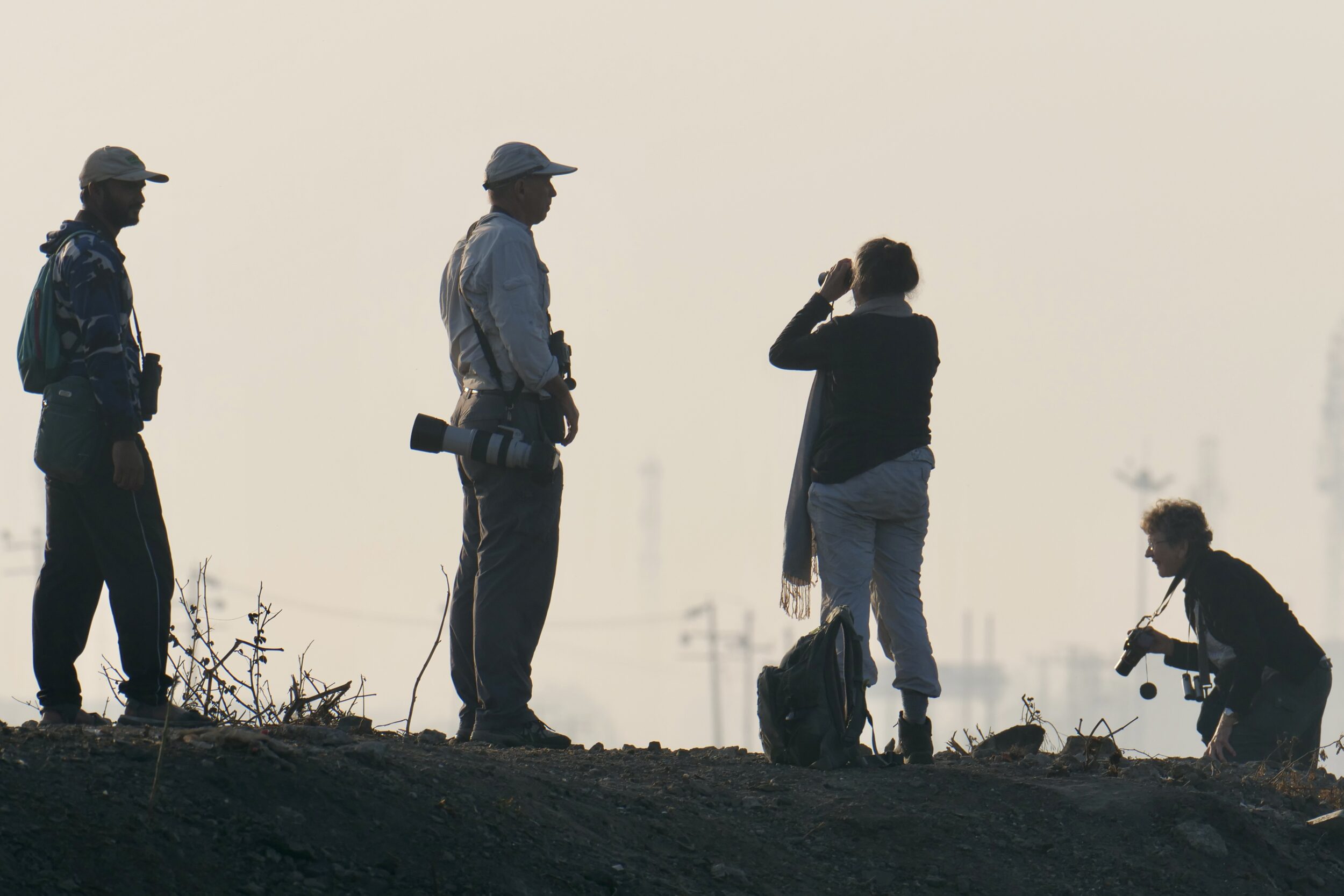
“From behind” (#8 in single-image series: watching the birdwatchers)


I took this photo in the latter part of an amazing three hours, which had begun shortly before sunrise, well within Jamnagar’s city limits.

Jamnagar, in western India, is a whisker inland from the Arabian Sea, in Gujarat.

Nearby is what bills itself as the world’s largest petrochemical plant.

You can’t see any feathers in this photo, but its humans are watching and/or photographing birds –  water birds of many species, in profusion…all thriving in a far from pristine, definitely-urban wetland.

Comments closed

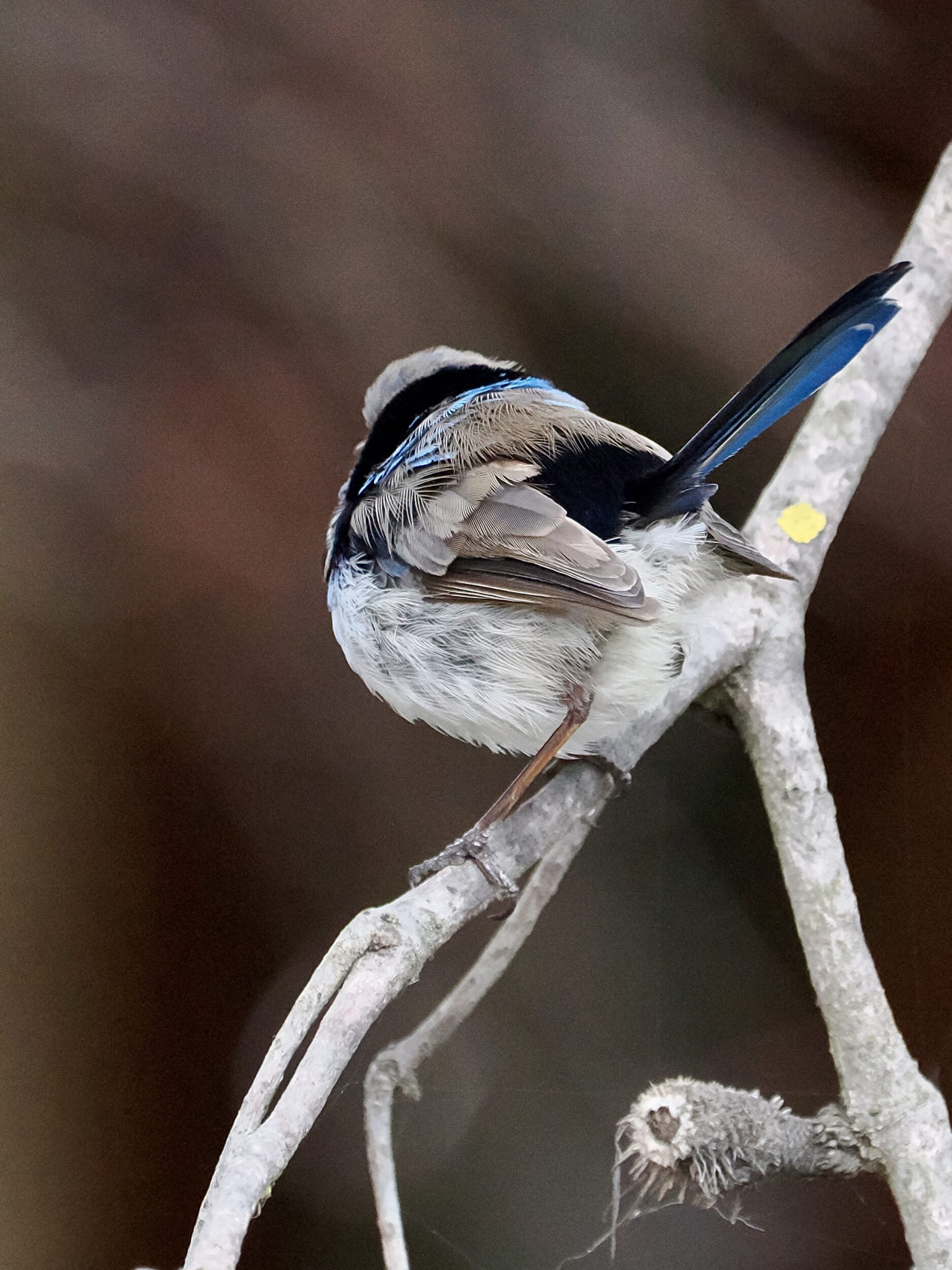
“From behind” (#6 in single-image series; Superb Fairy-wren)


Superb Fairy-wrens and Splendid Fairy-wrens both deserve their names.

The former – Malurus cyaneus, pictured above – is the “Blue-wren” most familiar to humans who reside in Australia’s southeast.

The latter – Malurus splendens – is the Blue-wren most commonly seen in Australia’s southwest.

Comments closed