Skip to content →

Category: photographs

3.5 amazing hours, Namib Desert (#2 in series)


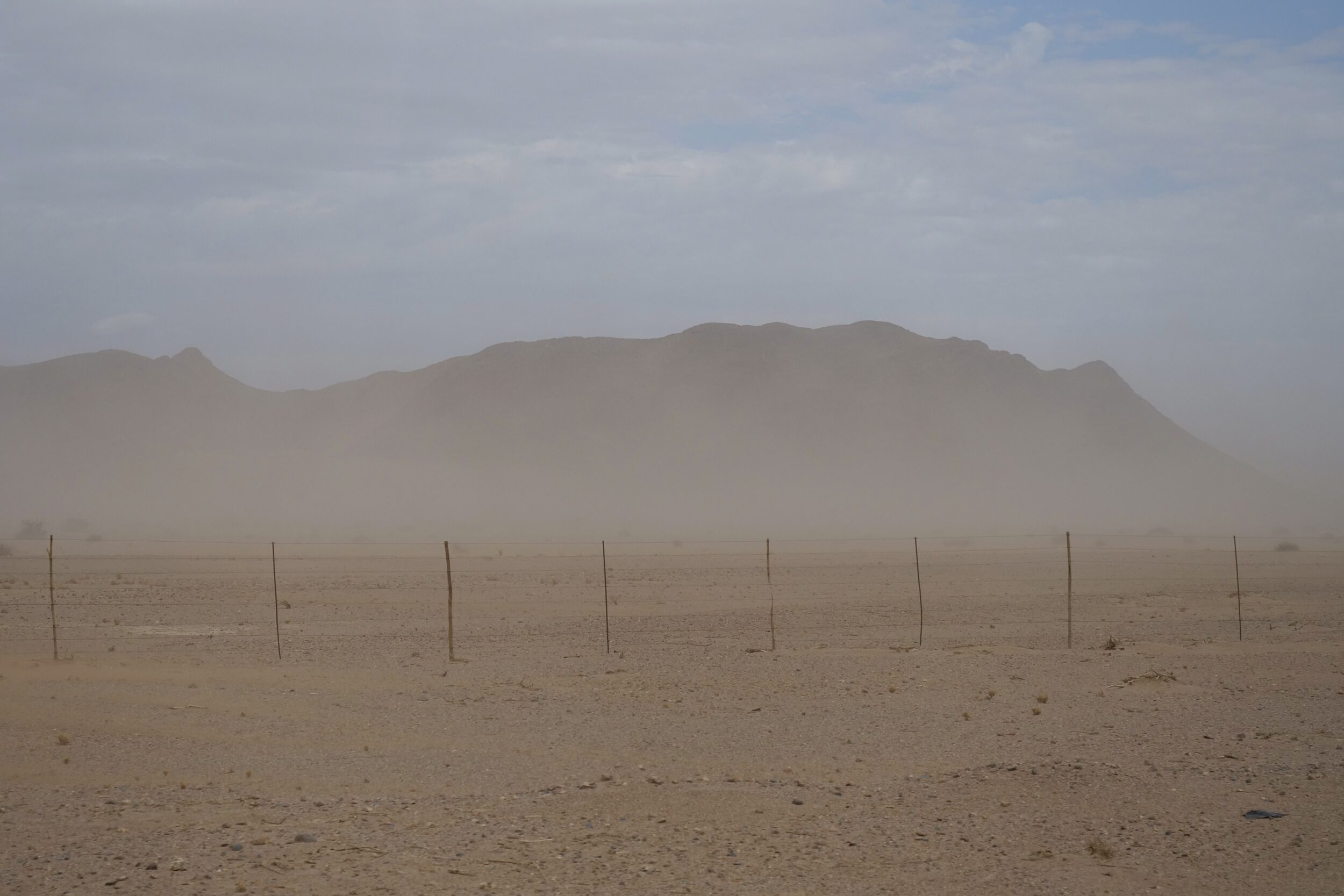
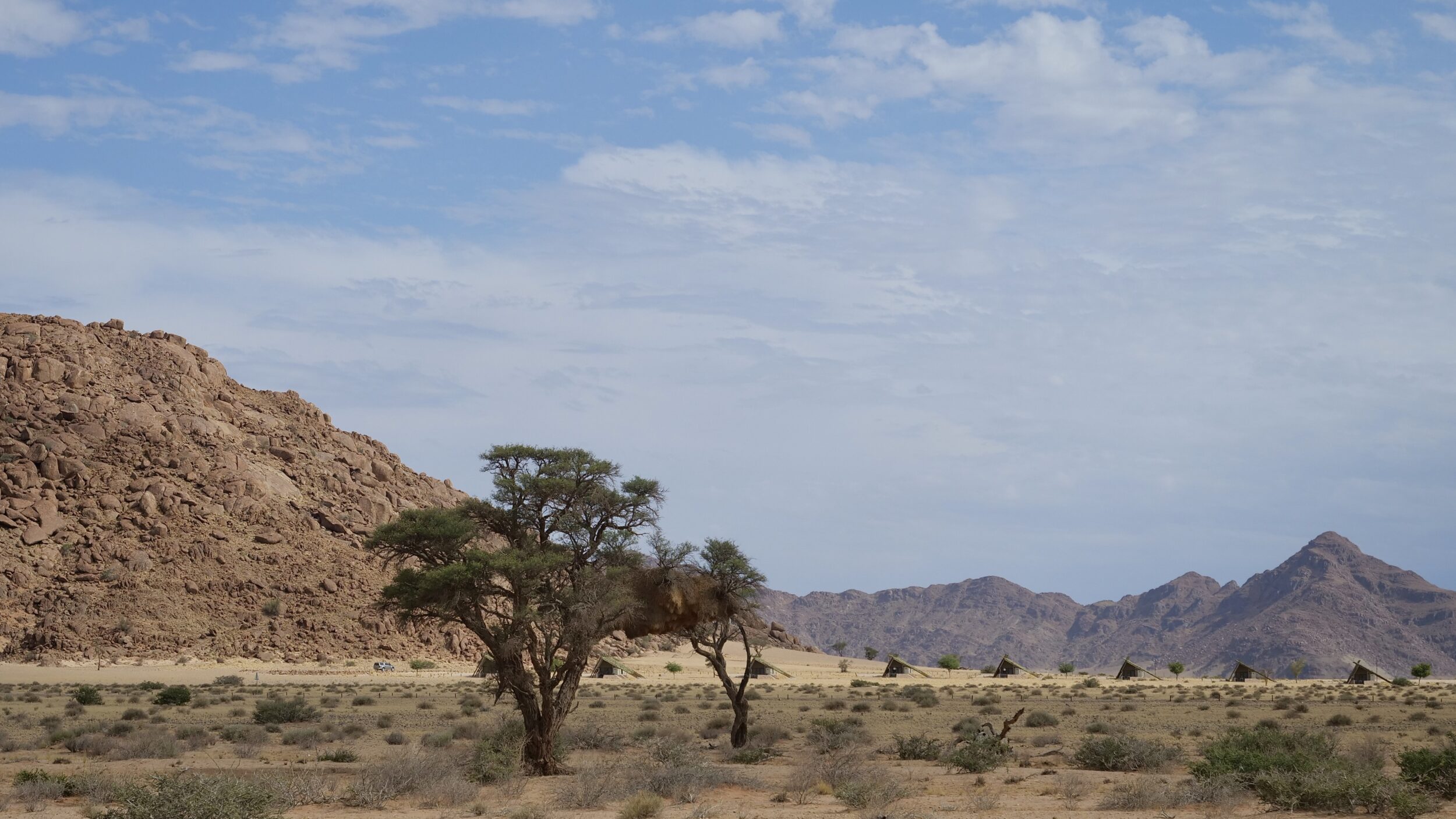
The featured photo was taken at 4.22 pm on 21 November 2022 – four minutes after the second one in #1 of this series.

The image looks across private property, once grazed by cattle, but now being “rewilded”.

Its present purpose is “conservation, funded by tourism”, as is true of much of the private land near to the Namib-Naukluft National Park – one of the world’s  larger, more remarkable “protected” places.

Just one minute later, an appreciable amount of blue sky emerged, and it looked like the dust storm could be about to disappear as rapidly as it had formed…

Comments closed
3.5 amazing hours, Namib Desert (#1 in series)


When I took the featured image, we were most of the way through a long drive from Swakopmund, on the Atlantic Ocean, to the Kulala Desert Lodge, conveniently near to Sossusvlei.

The dunes around Sossusvlei defy belief; inevitably, they are the “big attraction” in the Namib’s “sand sea”.

As you can see, not all of the world’s oldest desert is “sand sea”.

As you can also see, at 4.00 pm on 21 November 2022, visibility was excellent, the wind moderate.

We had no idea how rapidly/dramatically those conditions would change…

One Comment

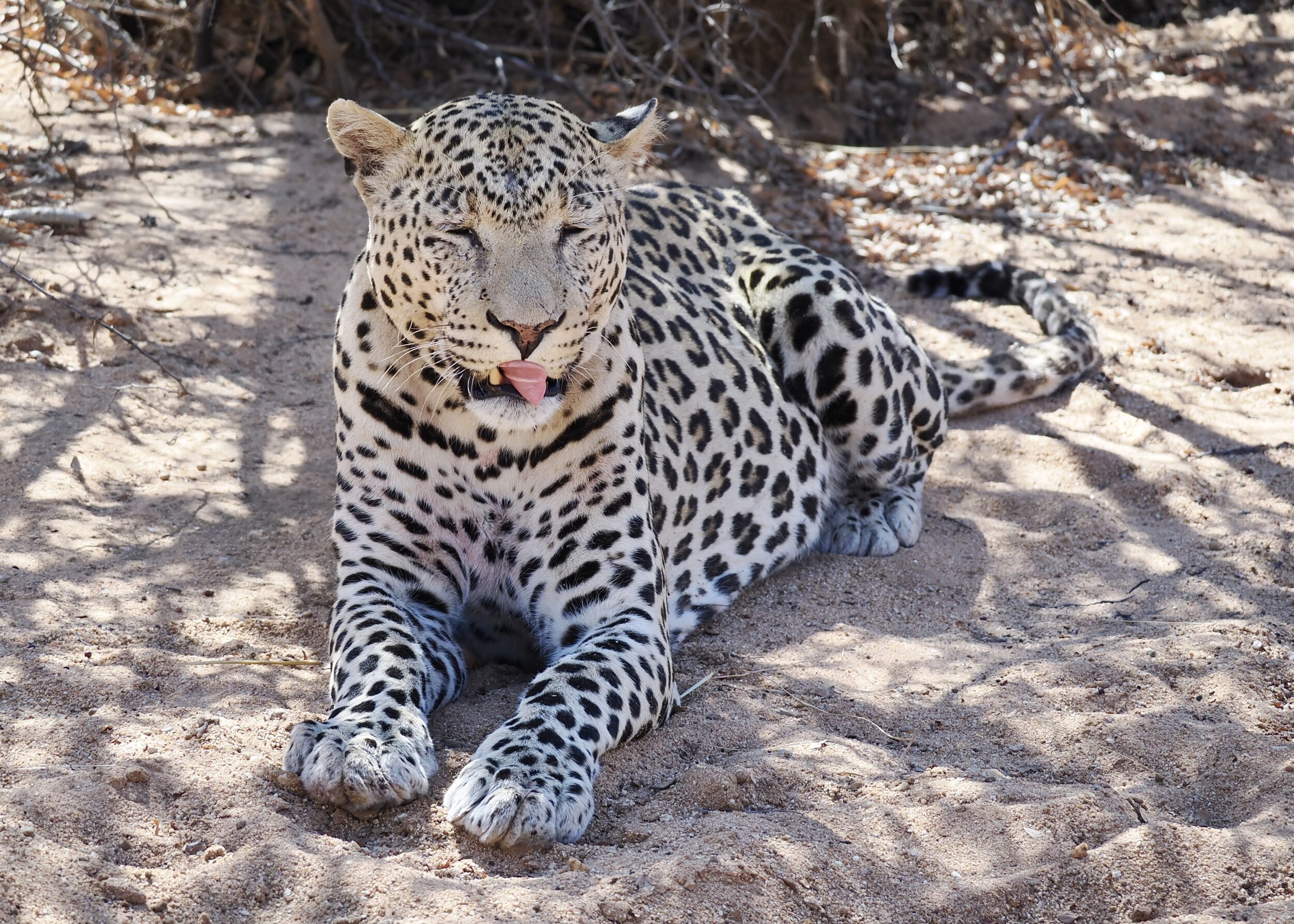
Our least interesting Namibian leopard encounter…


…was an extraordinarily close one.

Prior to November 2022 I had never imagined that I would ever find myself so astonishingly near to a wild leopard, let alone that such an experience would prove the least exciting of four leopard encounters, all within a span of about ninety hours.

This post’s photos are in chronological sequence; the first three were taken within a single minute, and the final image’s “moment” occurred a whisker less seven minutes after the first.

Comments closed

Word power: Natalie Merchant and Walt Whitman


Natalie and Walt have just unwittingly delayed the promised leopard post!

(it will be the next one, I promise)

The photo alludes to one of my favourite Walt Whitman poems, from Leaves of Grass.

Most printed interviews with musicians are time-wasting, publicist-driven piffle.

A notable exception is The New Yorker interview, published today – worth reading, whether or not you admire/know Natalie Merchant’s singing/songs.

There aren’t a lot of people writing love songs to Walt Whitman.

Comments closed

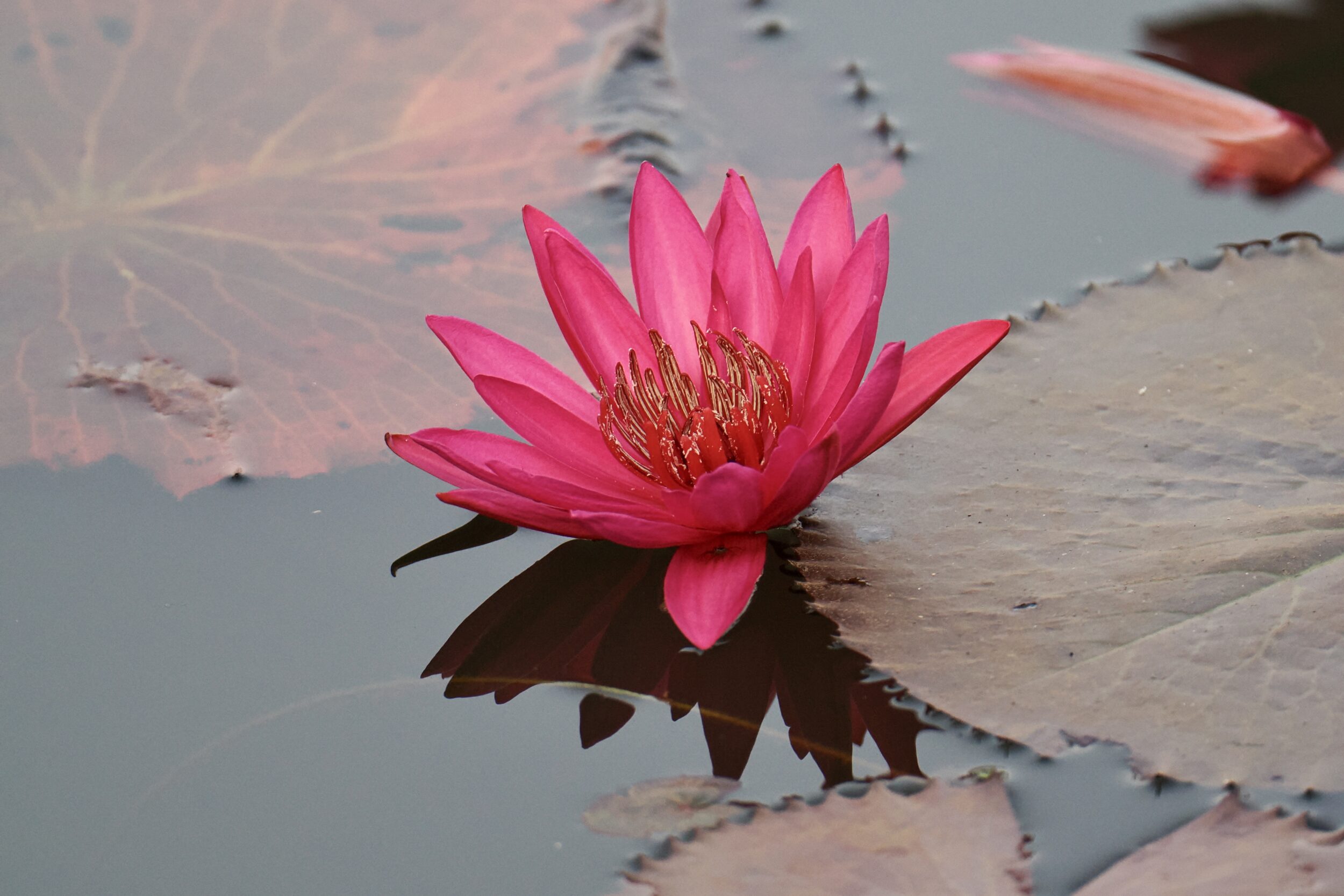
Water lily, Kerala – #21 & final in series of south India single-image teasers


(see immediately-preceding post for human context)

Pictured is one of an enormous number of water lilies (not lotus) then blooming, pink, on the edges of Vembanad Lake and its backwaters.

”Pests” to rice-growers in and around Kumarakon, they have in recent years become tourism “gold”.

Comments closed

Oft-encountered #12 – alas (#21 in series of single-image south India teasers)


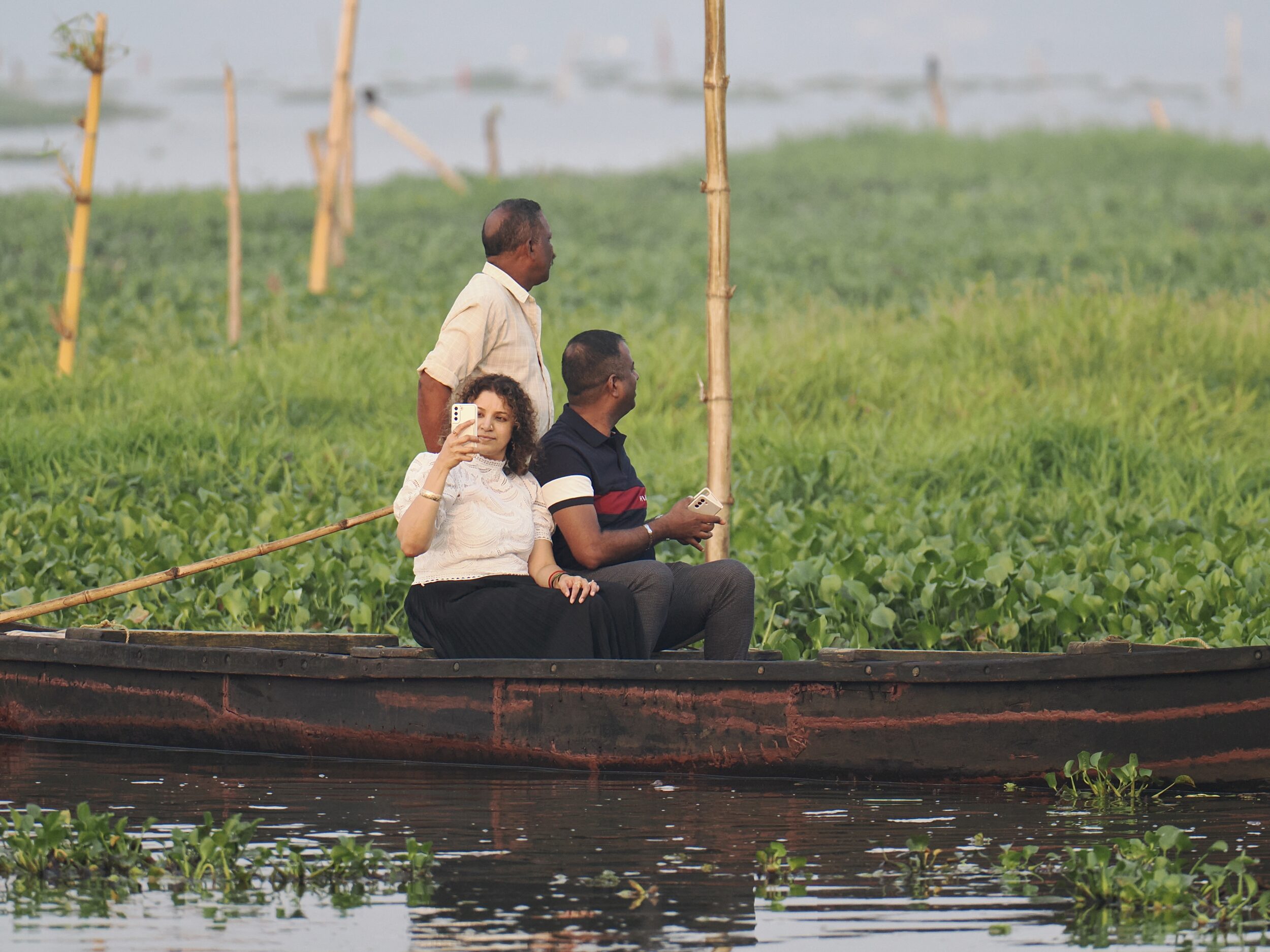
Pictured above is yet another example of the most commonly-witnessed symptom/expression of our global “narcissism pandemic”.

It shows perhaps the most inane, virulent – and characteristic – form of “early 21st century” human behaviour.

Why bother to pay attention to any of the world’s wonders when you could, instead, go one worse than perpetually-peering into a mirror?

Comments closed

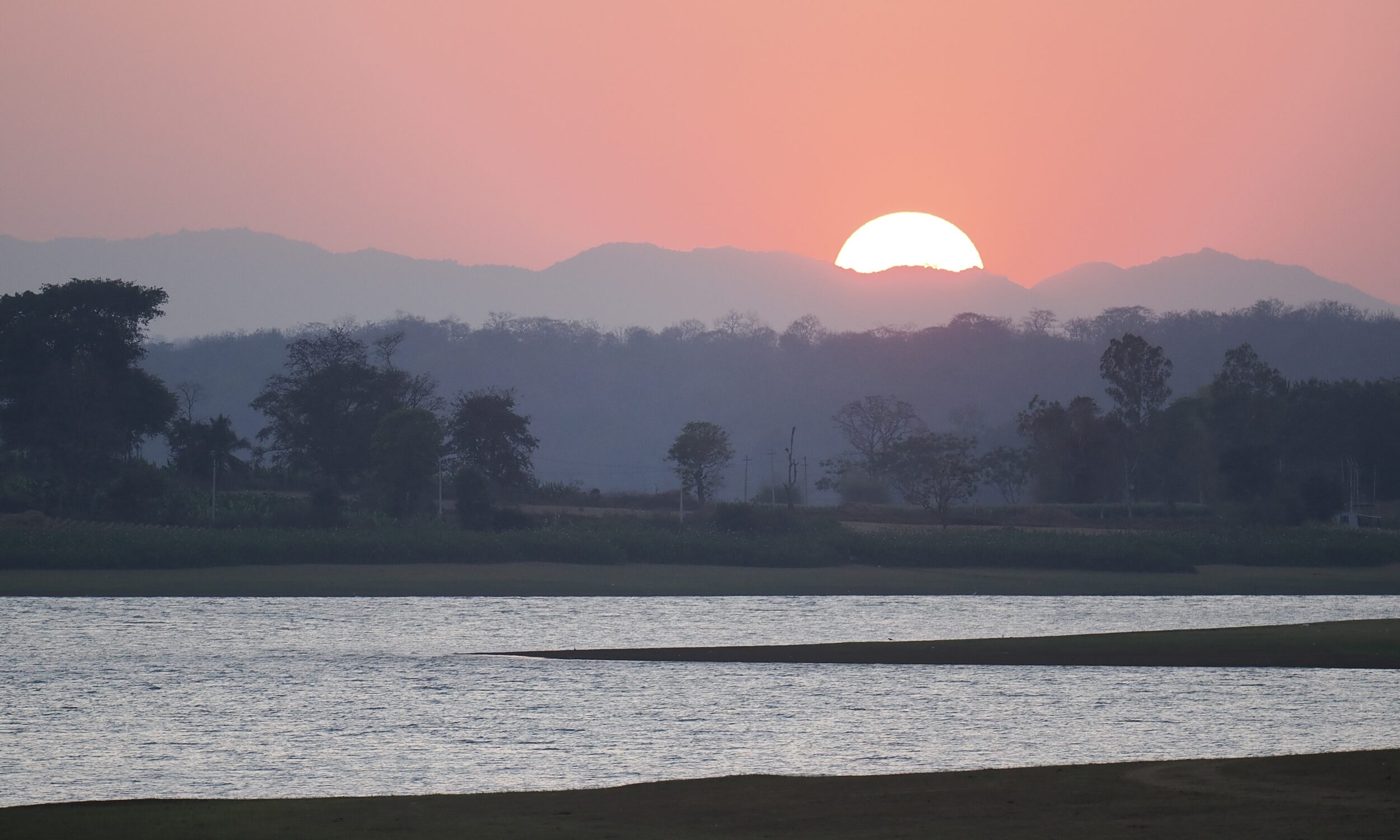
Oft-encountered “11” – Kabini sunset (#20 in series of single-image south India teasers)


Every day on “our” planet  “our” sun seemingly rises and sets.

(unless one is within the Arctic or Antarctic “circle” in summer or winter)

On at least many days – in drier regions, most days –  humans who care to pay attention can view the sun’s daily emergence and disappearance.

To those who do not care to pay them attention, such “every day” events are the very definition of ennui.

The (generally, much happier) rest of us relish the happy reality that no two sunrises/sunsets are too much alike, even in a single place.

Travelling to different locations further enhances this delicious, effectively-infinite variability.

Comments closed

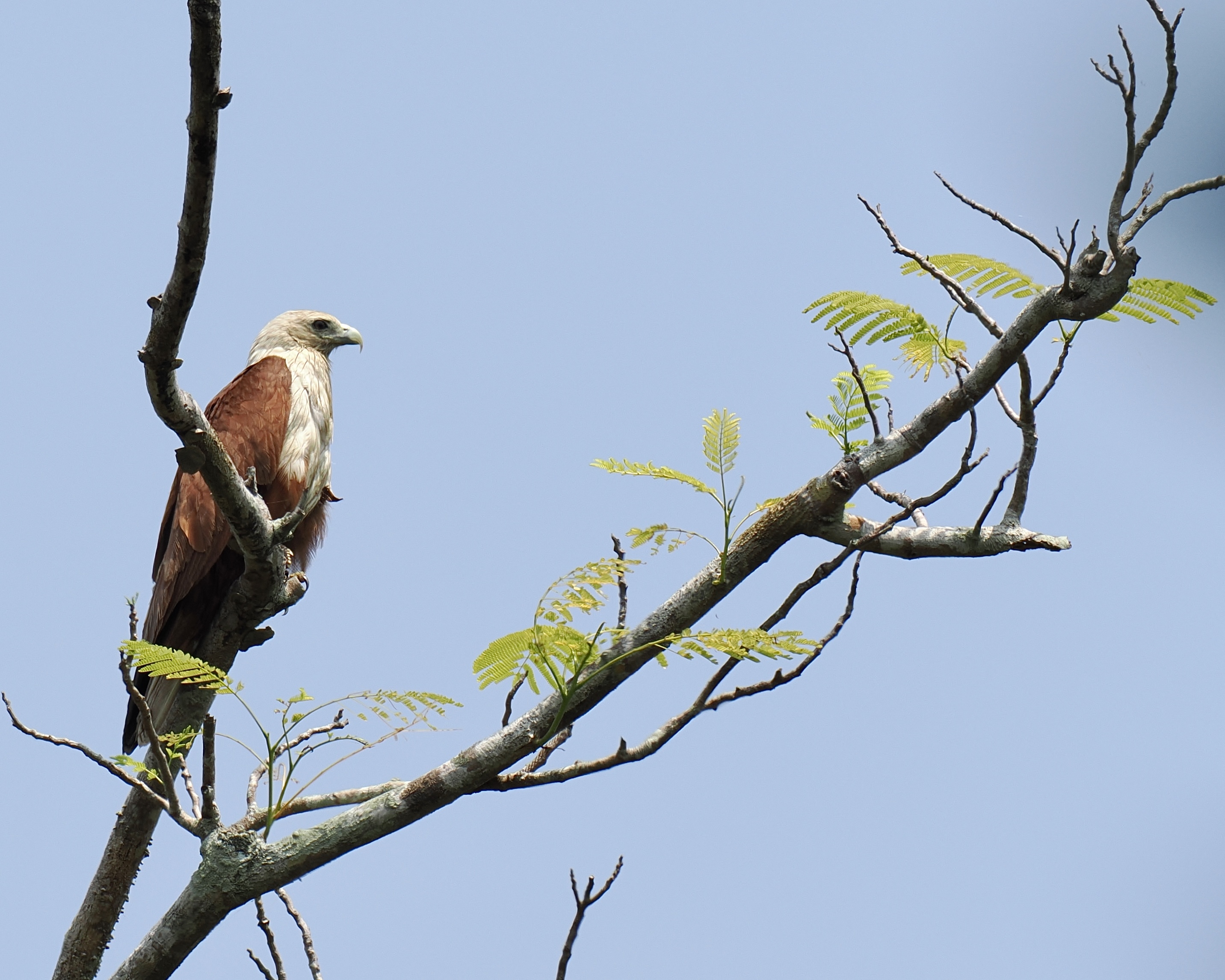
Oft-encountered “10” – a bigger Brahminy (#19 in series of single-image south India teasers)


This “Brahminy”  eats many different things, including some smaller birds…maybe, even the occasional Brahminy starling!

Haliastur Indus – the Brahminy kite – is mostly seen near wetlands, lakes, rivers and ocean shores.

Its regal appearance notwithstanding, the Brahminy kite is primarily a scavenger; its weak feet make it unable to “deal with” large prey.

Comments closed

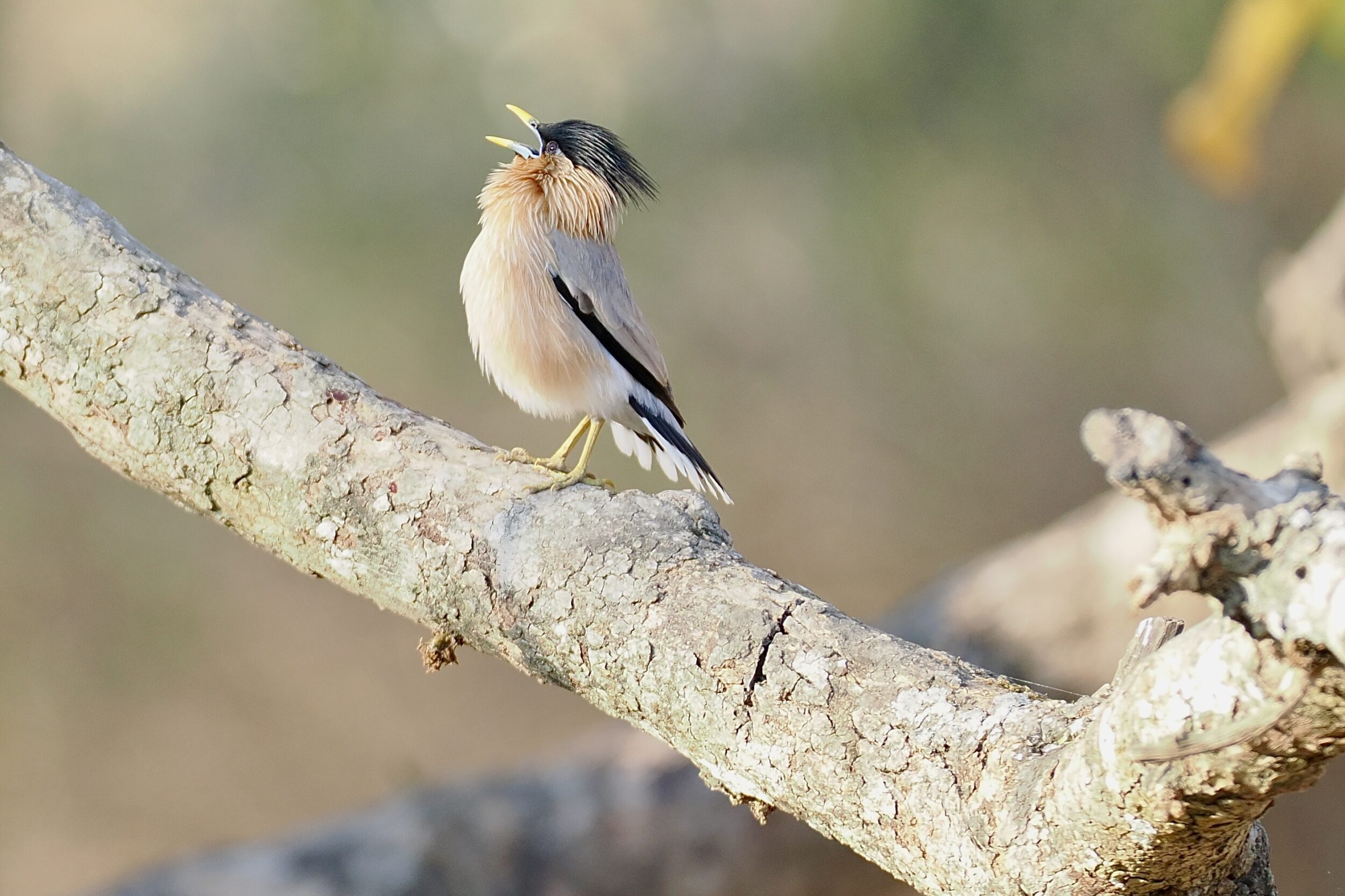
Oft-encountered “9” – morning song (#18 in series of single-image South India teasers)


You are looking at Sturnia pagodarum – so named for its alleged habit of perching on temple pagodas in south India.

One of the oft-seen, more handsome starlings/mynahs, it is commonly known as the Brahminy starling.

The pictured individual was delivering a full-on vocal performance at 7.46 am on 05 March 2023 in Nagarhole Tiger Reserve, Karnataka.

Comments closed

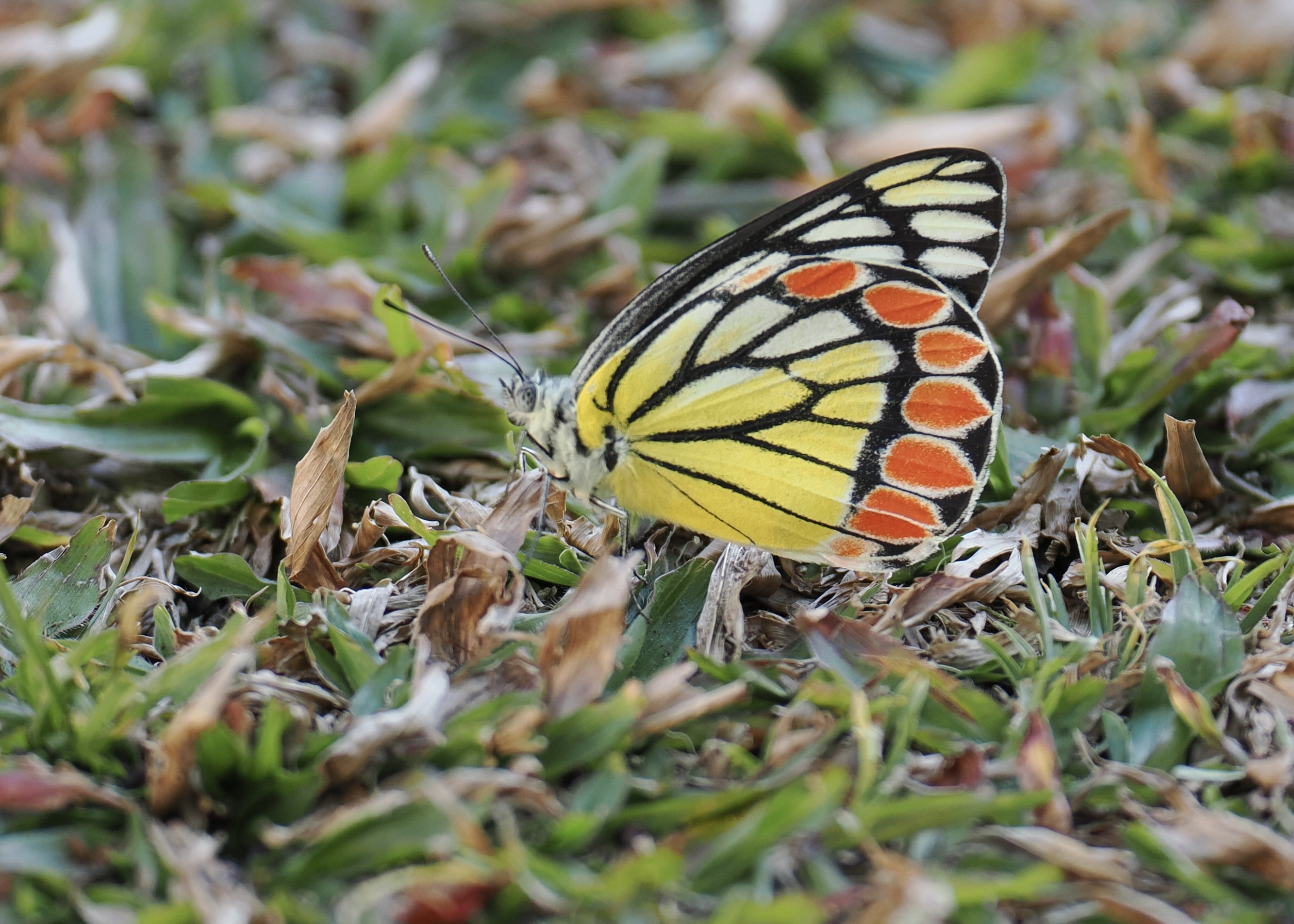
Oft-encountered “8” – butterfly, with musical bonus (#17 in series of single-image south India series)


South India’s large terrestrial mammals hog the limelight, but its insects, amphibians, birds and reptiles are equally worthy of appreciative human attention.

The non-mammals offer an enormously higher number of individuals and species, with a mind-bogglingly diverse array of shapes and colours.

Butterflies abound.

The pictured individual is a member of this region’s (probably) most oft-sighted butterfly species.

One Comment