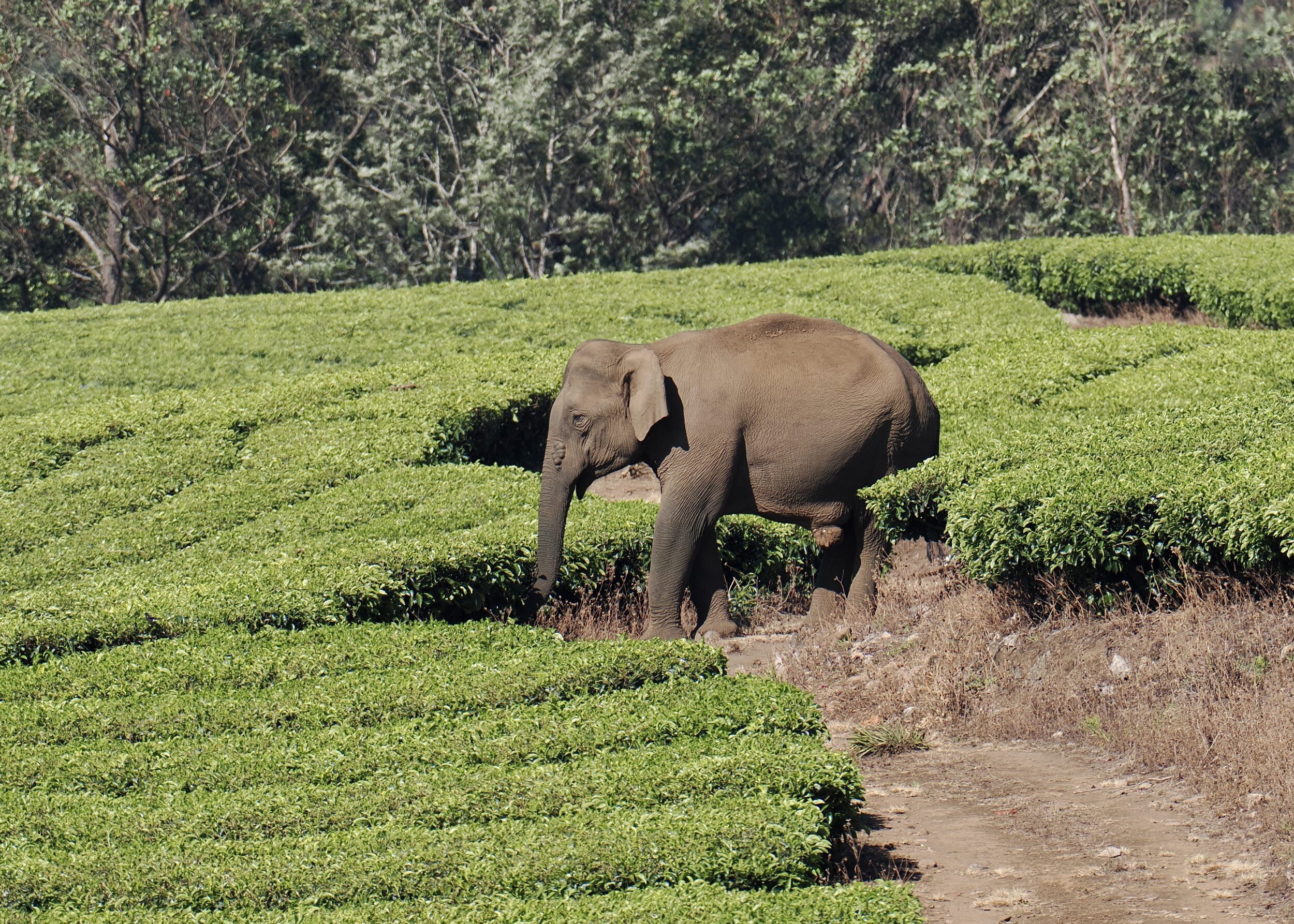
On our recent travels in south India we saw wild Asian/Asiatic elephants many times.
As you can see, such encounters with Elephas maximus do not only occur inside national parks and other “reserves”!
Comments closedNatural splendour, real musics, wines, wordpower
On our recent travels in south India we saw wild Asian/Asiatic elephants many times.
As you can see, such encounters with Elephas maximus do not only occur inside national parks and other “reserves”!
Comments closed
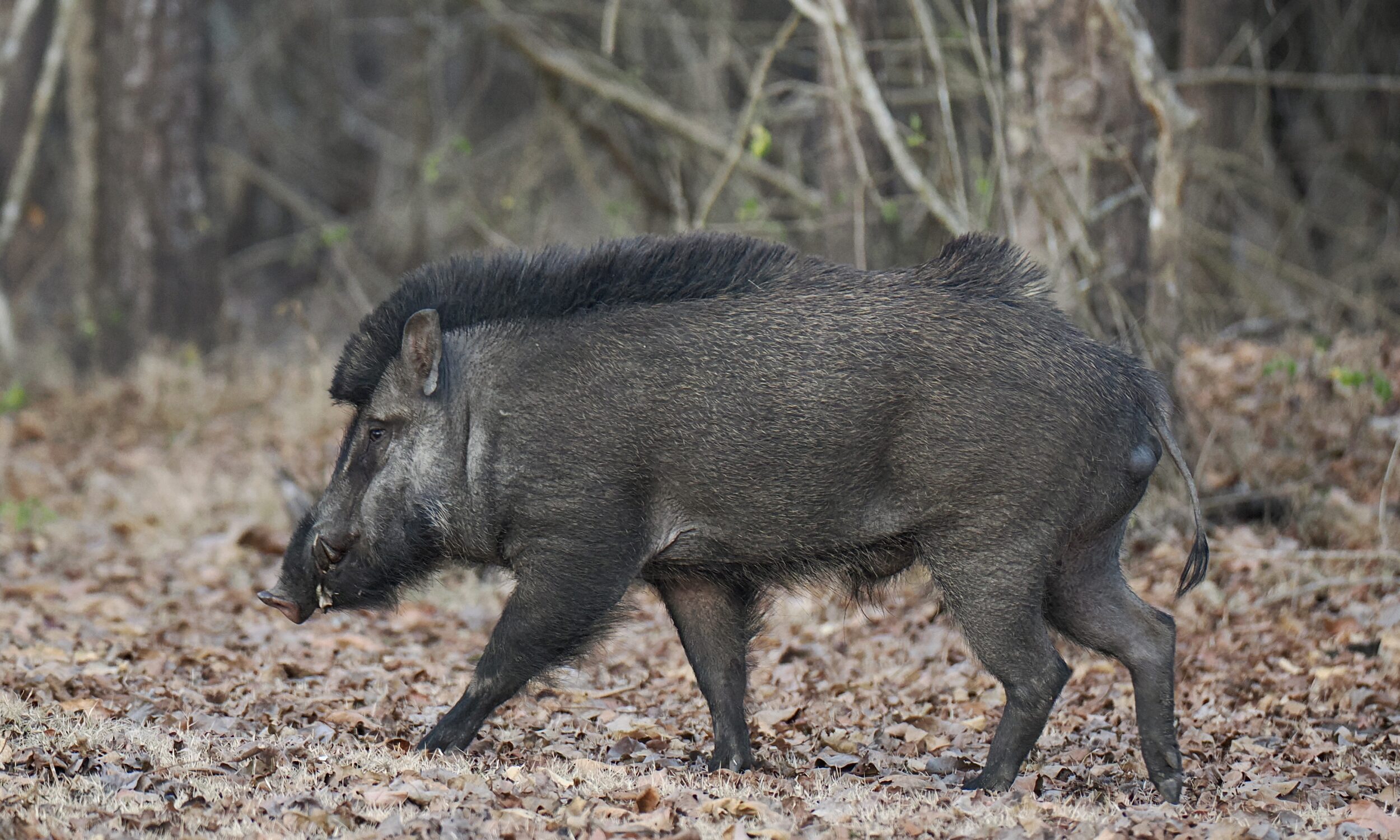
The Indian boar, Sus scrofa cristatus, gets its subspecies name from the feature which sets it apart from all other wild boars.
When the bristles of an adult male’s dorsal crest are erect – and most of them are in this post’s image – he has the pig kingdom’s most spectacular mane.
Comments closed
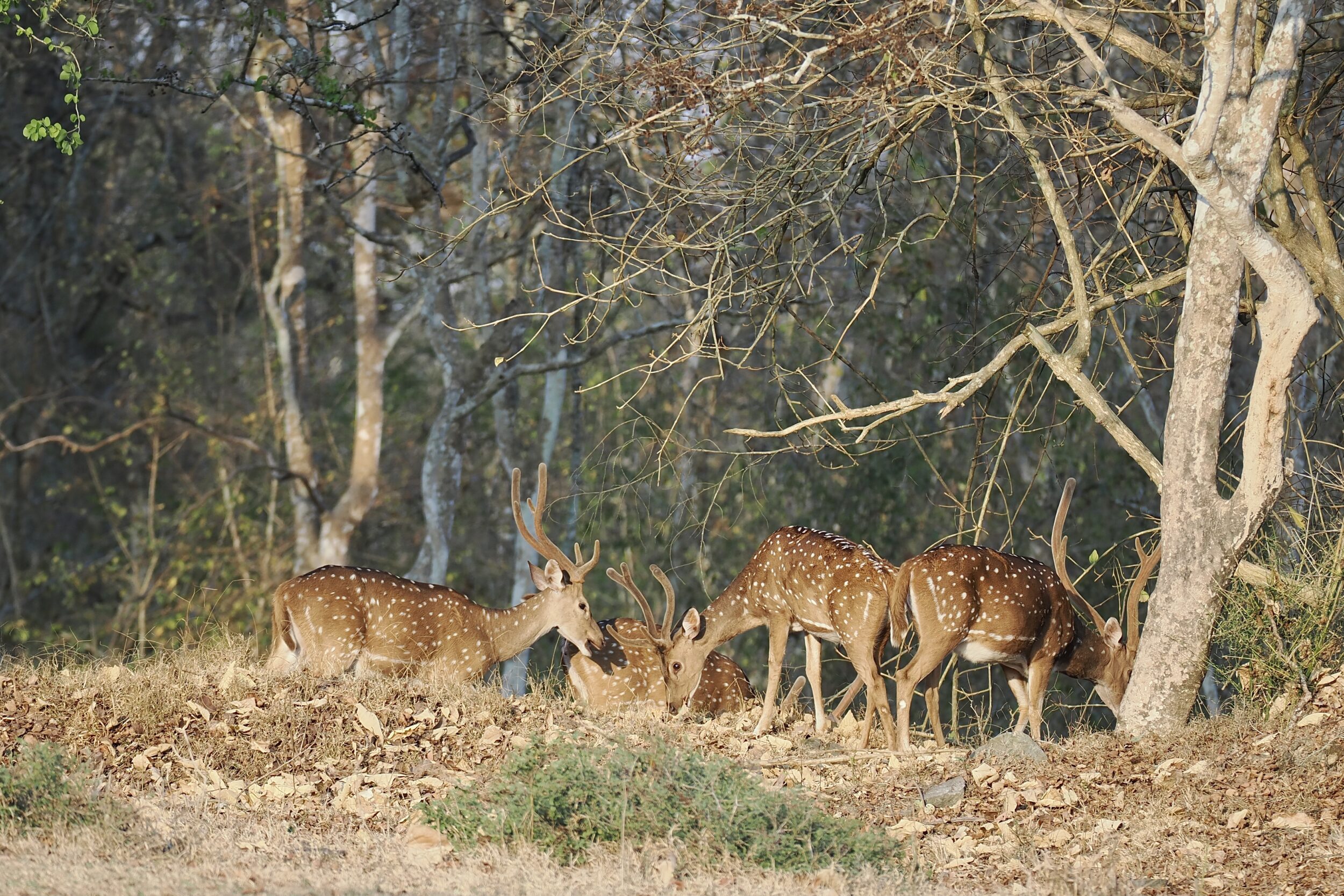
Spotted deer – aka “axis deer” or “chital” – are India’s emblematic deer; Axis axis is also India’s most widespread, most commonly-encountered deer species.
The local common name’s resemblance to “cheetah” is no coincidence; both names refer to the animal’s spotted coat.
Cheetahs were hunted to extinction in India; if current attempts to reintroduce them prove successful, cheetahs will resume their former place in the chital’s long list of predators.
One Comment
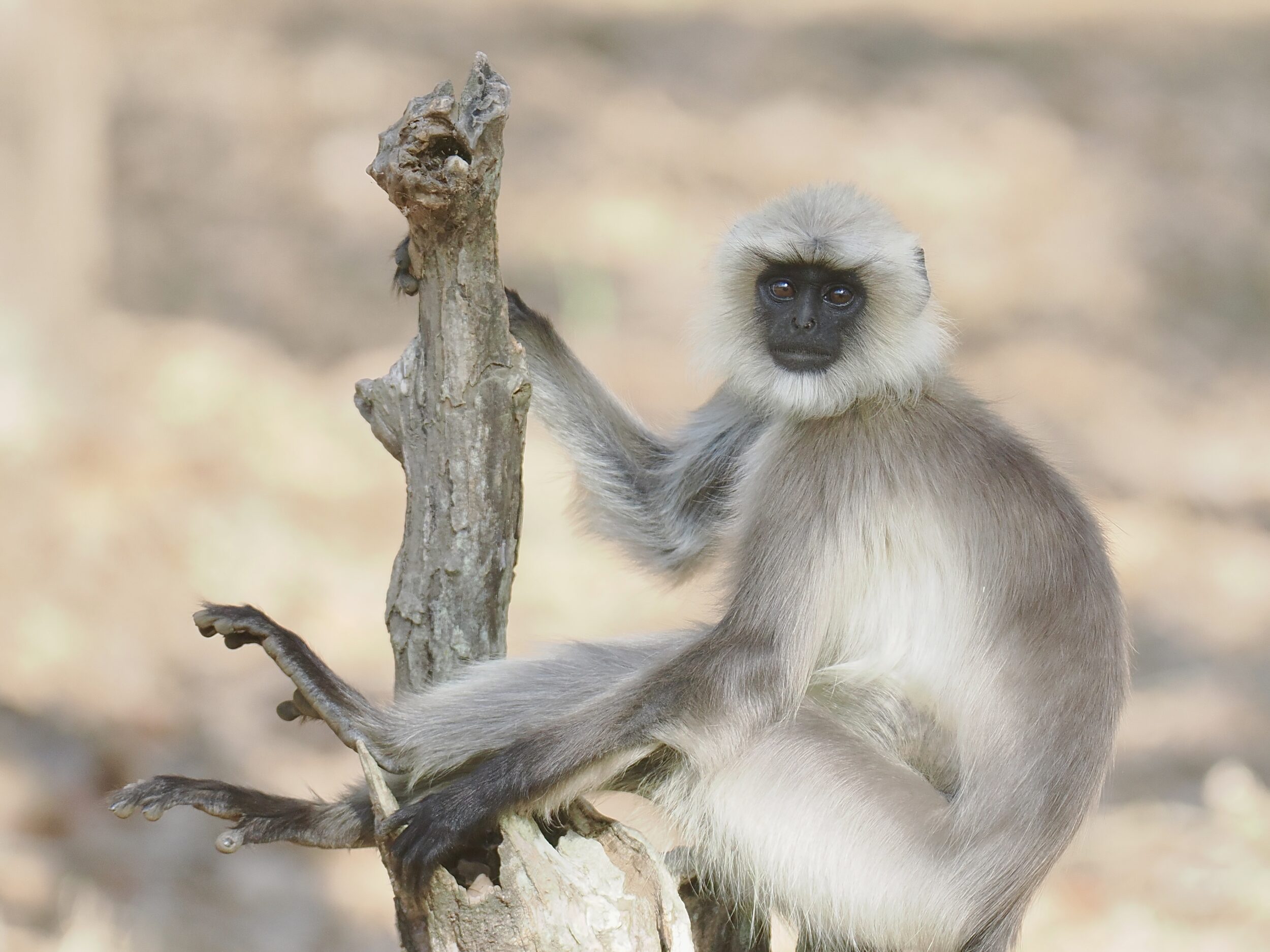
With the possible exception of fellow humans, Grey Langurs (aka “Hanuman Langurs” or “Hanuman monkeys”) are the primates you will encounter most often when in or near to any wooded terrain in south India.
Primarily herbivorous, but not exclusively so, Grey Langurs are highly social, very agile – equally so on the ground, and high above it – and are almost always “up to something”.
Comments closed
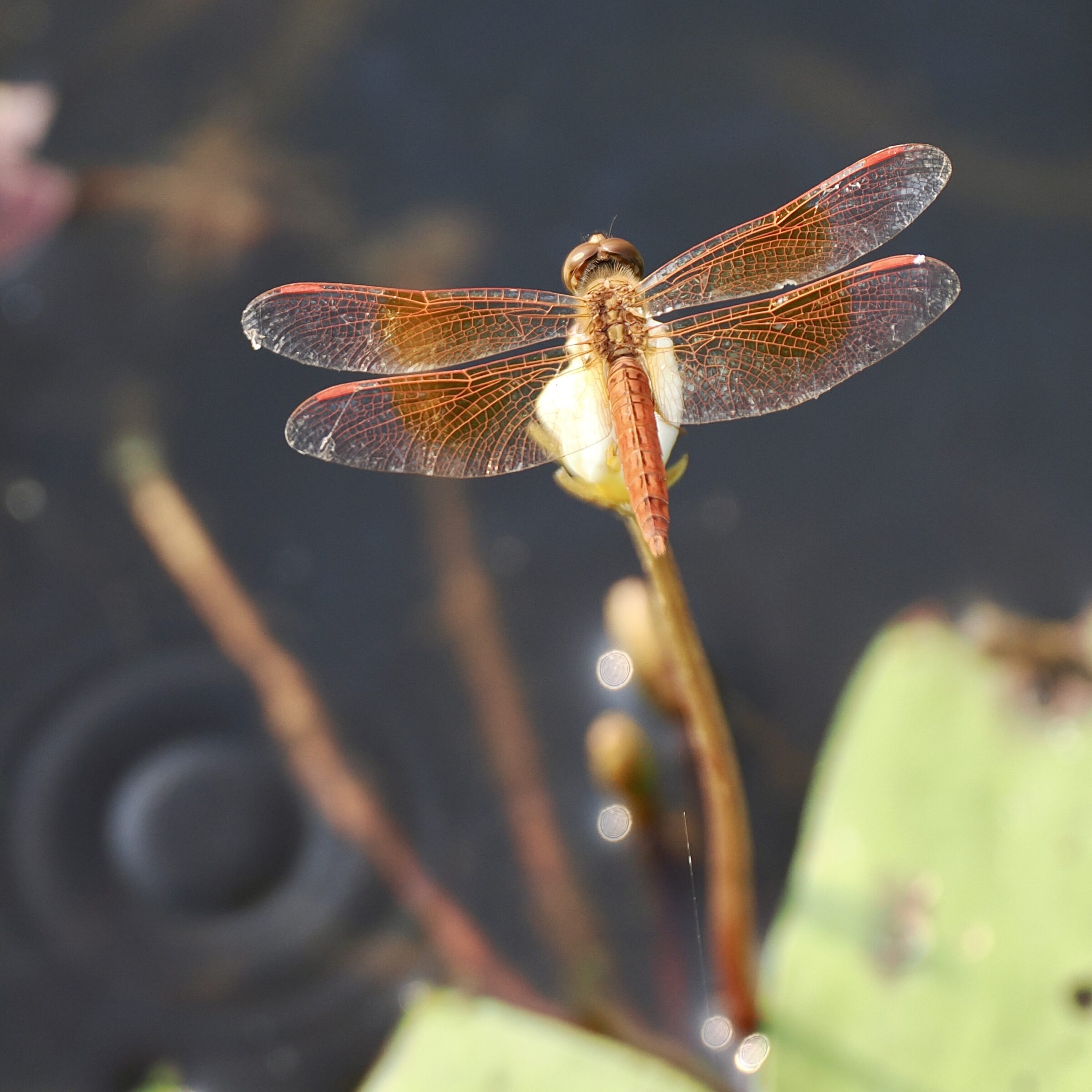
Circa 200 species of dragonfly and damselfly have been recorded in and around south India’s wetlands.
Some of them are permanently resident, but one dragonfly species is very probably the insect world’s greatest traveller.
Pantala flavescens – commonly/appropriately known as “the globe skimmer”, or “wandering glider” – undertakes nonstop, ocean-crossing flights to-from India and Africa.
Evidence is mounting that this species’ population (which exists on every continent, bar Antarctica) ought be considered as not merely “widespread”, but as a single, “global” population.
Discover its amazing, still-evolving story here.
Comments closed
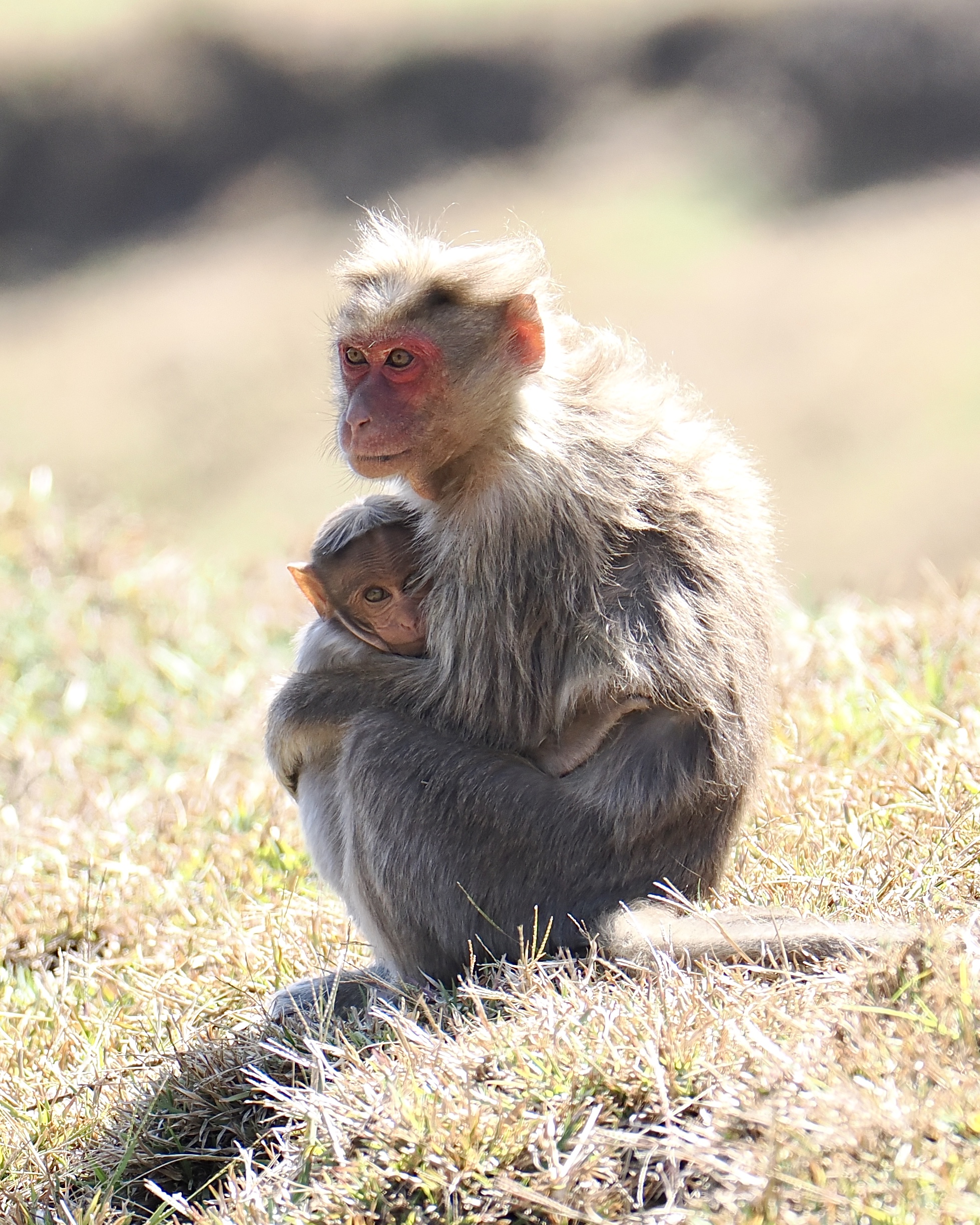
Today’s post is the first of several to feature a species that any wildlife-seeking visitor to south India’s Western Ghats can reasonably expect to see, easily – probably, often.
Bonnet macacques are endemic to this region.
Until last year these very sociable forest-dwellers enjoyed a “least concern” conservation status.
Their numbers are currently declining, and in 2022 the IUCN reclassified their status as “vulnerable”.
Comments closed
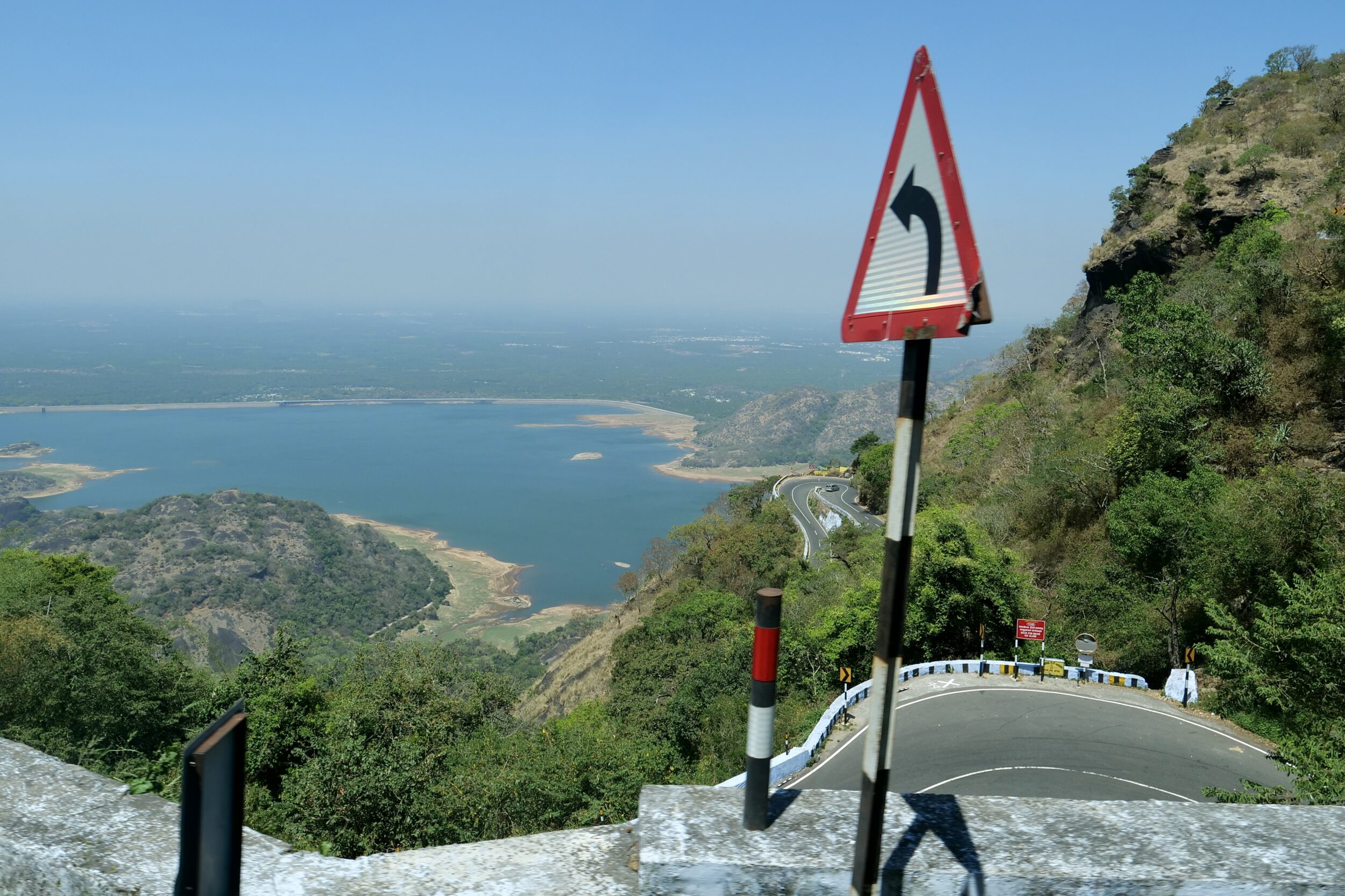
Not all of India’s spectacular/audacious/dangerous mountain roads are Himalayan.
There are several “jaw-droppers” that grant relatively easy road access to “hill stations” in the Western Ghats.
The photo was taken from circa one third of the way up the road to Valparai, in Tamil Nadu.
Comments closed
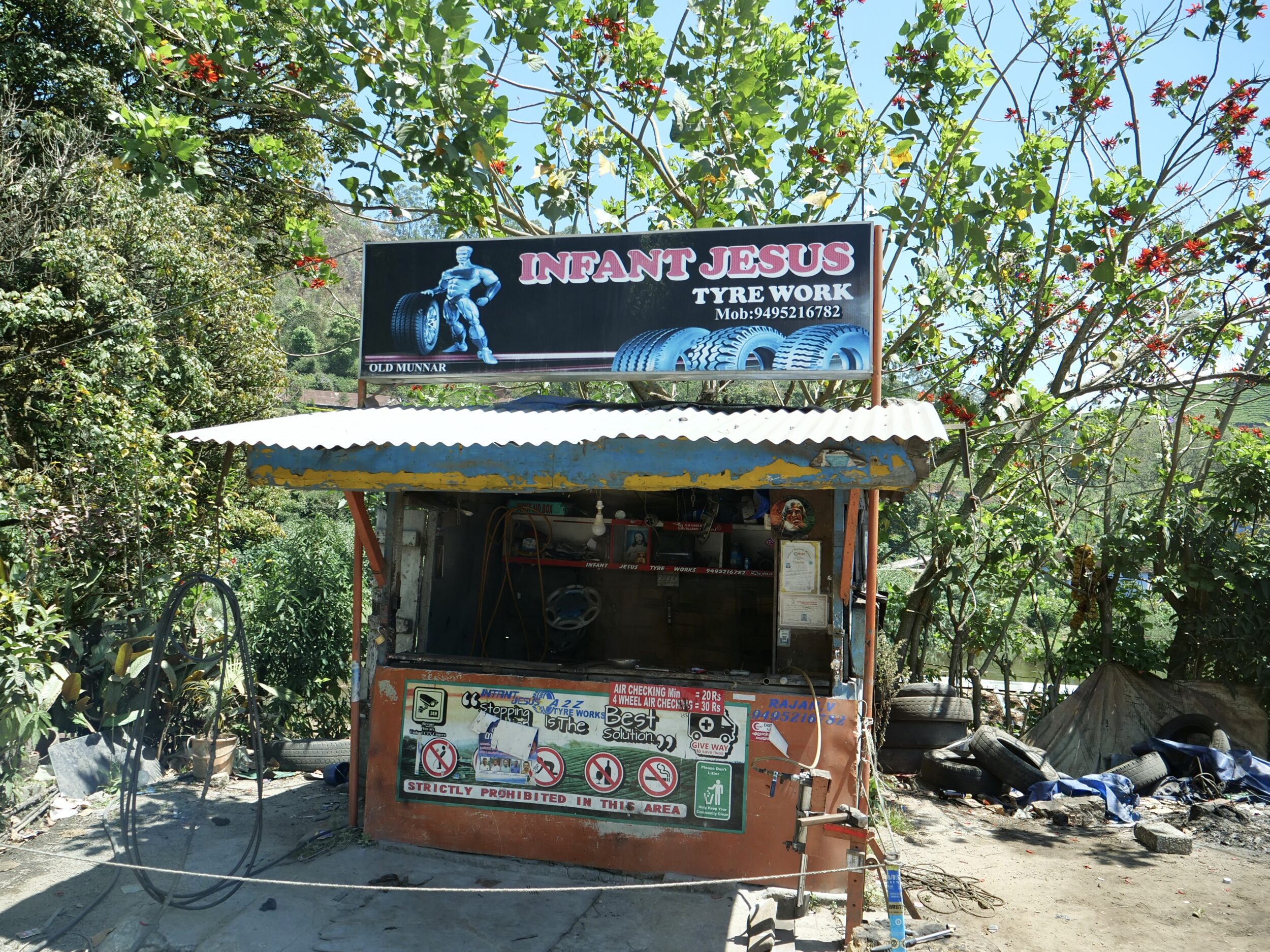
Australian floggers and repairers of cars and tires like to brand their enterprises with the name of a “legendary” racing driver or football “hero”, and/or to present their sales-simians as “great great guys”, and/or or present their proprietor as an “icon” of trustworthiness.
If any were to consider entering the automotive “game” in south India, they should be advised that the untoppable, “ultra premium”/ “iconic” brand name is already taken….
One Comment
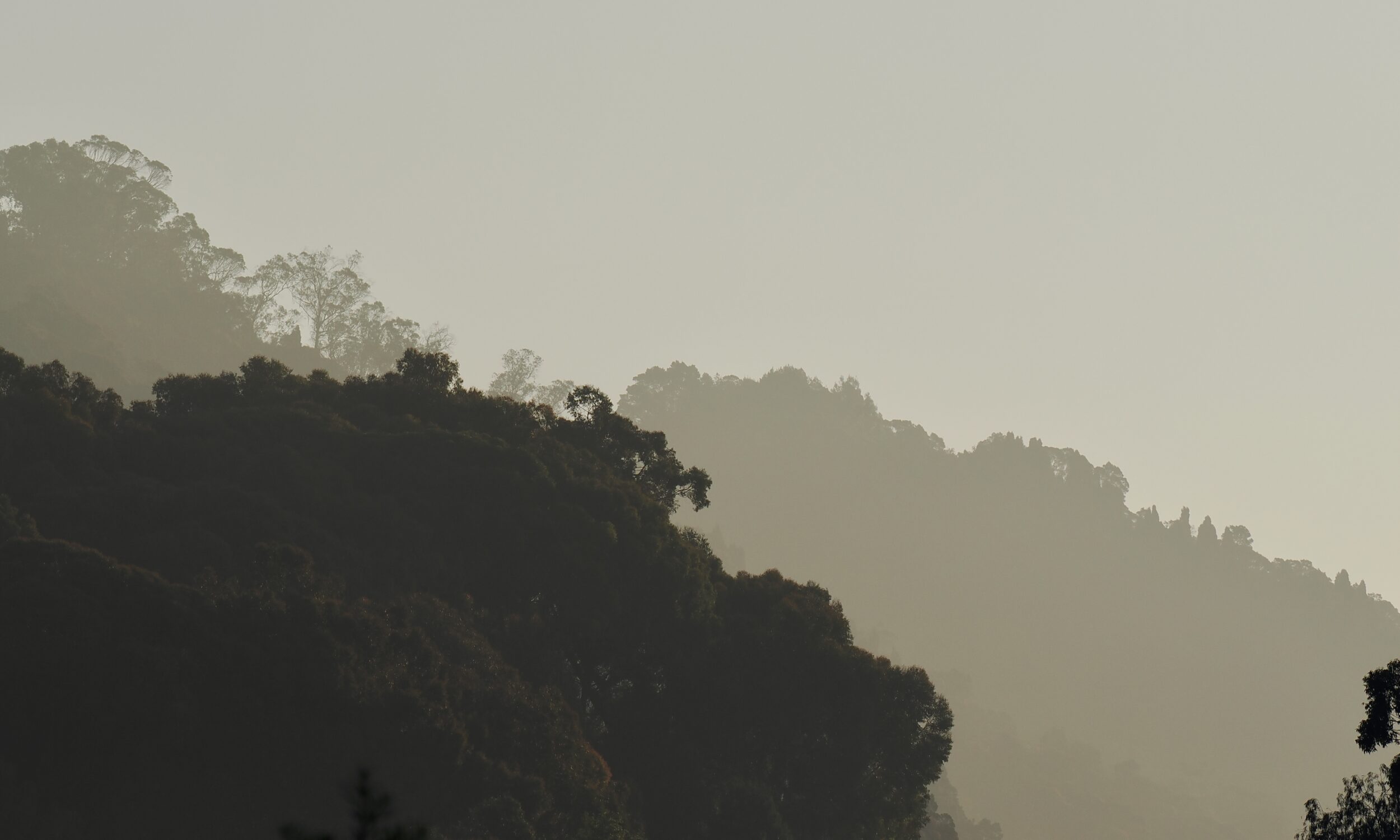
Coonoor (in Tamil Nadu’s northwest) is the second largest town in the Nilgiri Hills, which are part of India’s Western Ghats.
At 1,850 metres – more than 6,000 feet – this attractive town sits at a higher altitude than does any Australian settlement, ski villages included.
Coonoor was the one Western Ghats location where we stayed “in town”, I took the photo from the road in front of our hotel at 6.59 am on 02 March 2023.
Can you notice anything “dead wrong”, environmentally speaking?
Comments closed
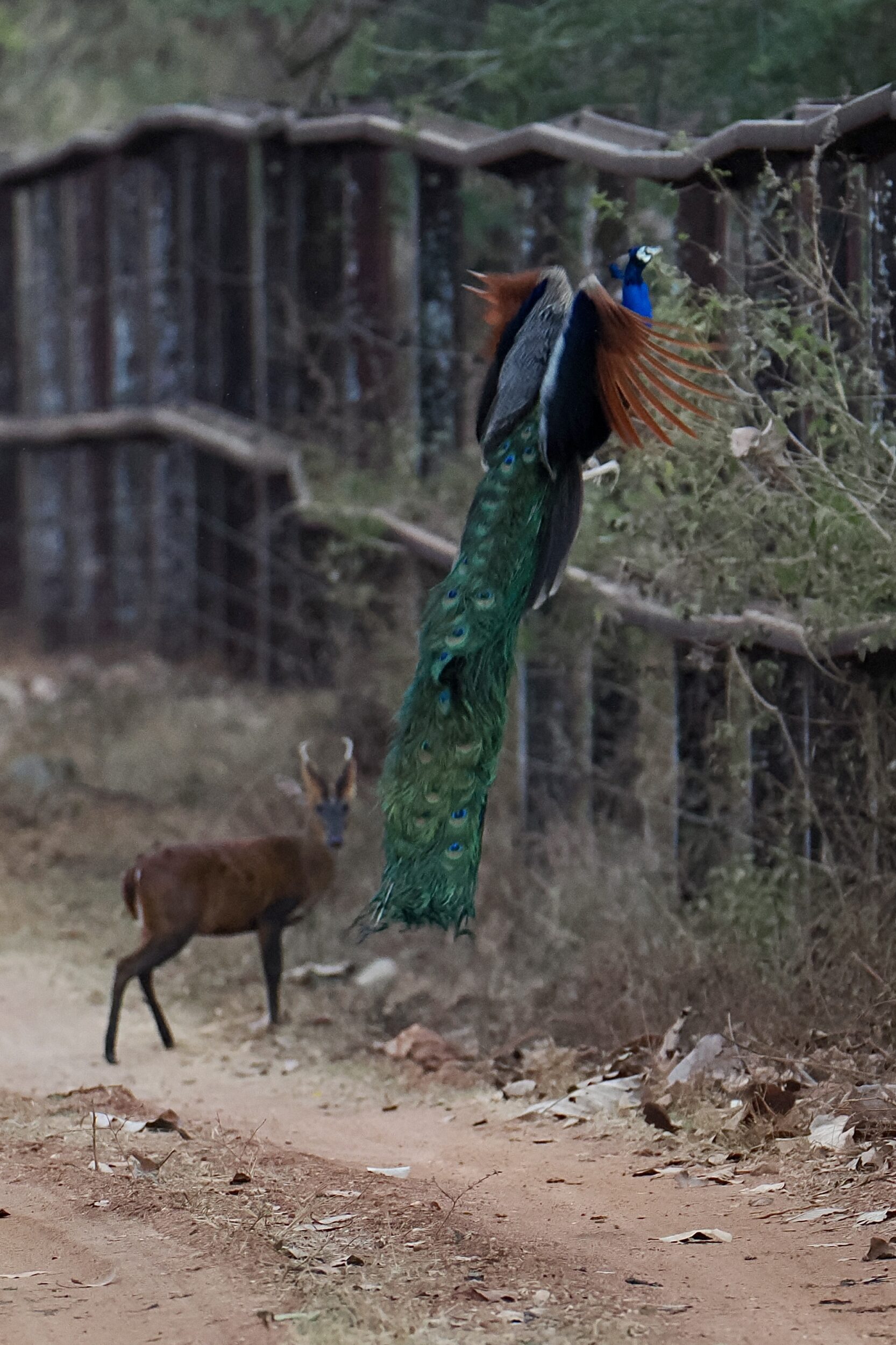
Just one week ago we were enjoying our final early morning safari in Karnataka’s Nagarhole Tiger Reserve, before a long drive to Bengalaru (formerly Bangalore) and our longer-again, two-flights journey home.
To an Australian visitor, what you can see above is an utterly amazing, very “exotic” sight.
To a local person who is very familiar with this national park, it is a perfectly ordinary circumstance.
Such an “amazing”/“commonplace” duality is a tag that applies to a great many things in India…and Australia too.
(try to imagine how “utterly unlikely” an emu, a galah, a kangaroo, or a blooming kangaroo paw must look to someone who has never before encountered any of them)
Comments closed