Skip to content →

Category: ‘non-western’ musics, aka ‘world music’

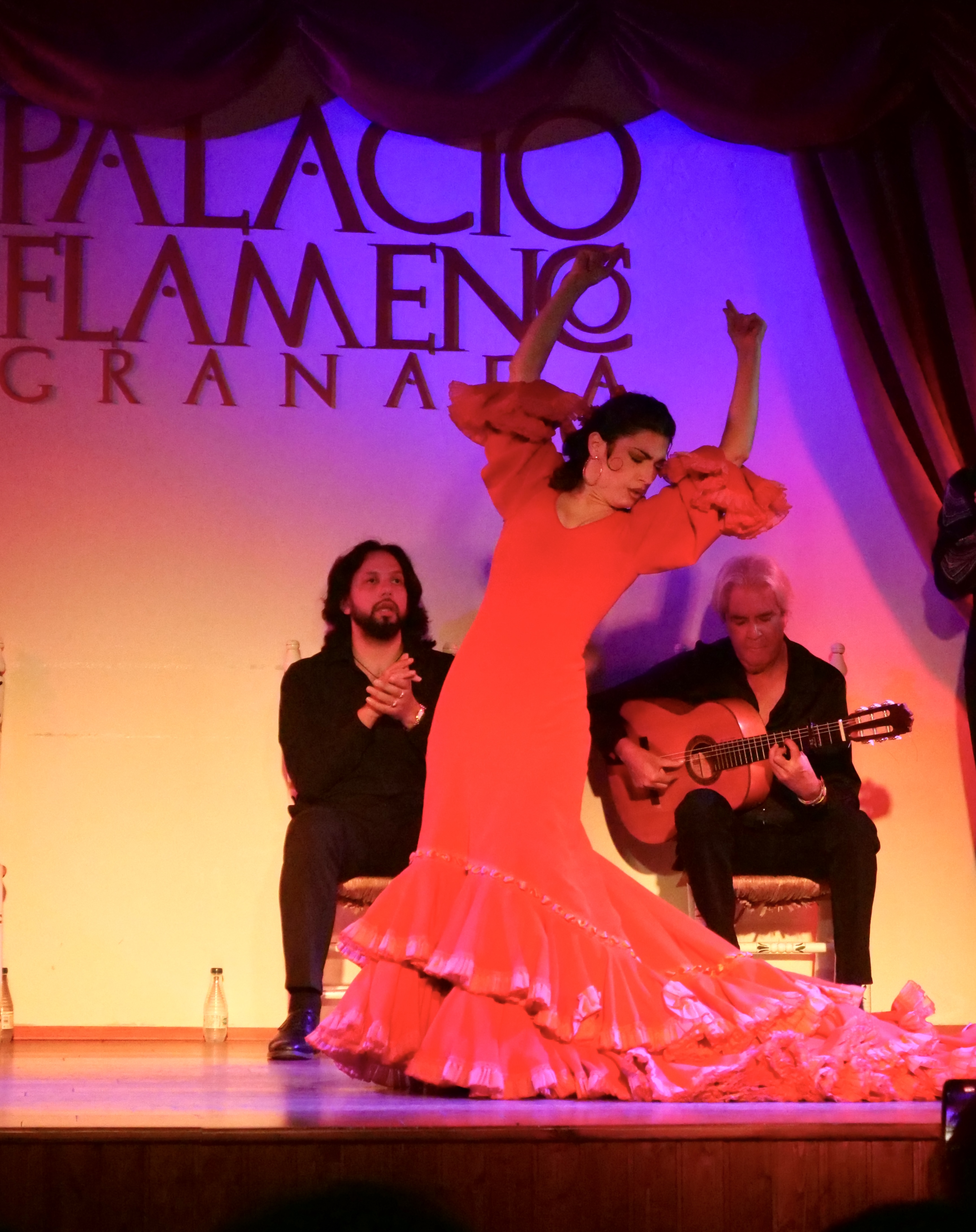
Morocco & Andalucia: “characteristic” (#17 in series: flamenco..with musical bonus)


In 2010 UNESCO inscribed flamenco on its “Representative List of the Intangible Cultural Heritage of Humanity”:

(Gnawa was added to that list in 2019)

A lot of mostly-awful, so-called “flamenco” is not remotely actual flamenco,

Outside Spain, most recordings marketed as flamenco are merely “flamenco”-flavoured pap; their makers & marketers know little about the real thing, and have no passion for it.

Virtuosic dancing, singing and playing (hands & feet are key instruments too – not just guitars), in-the-moment interplay, and improvisatory flair are equally key elements …as is duende.

Without duende  – an “untranslatable” word that denotes an abundance of intent/spirit/heart/presence-in-the-moment – flamenco has no raison d’être.

It is no small miracle that genuine flamenco continues to thrive in its “cradle”: Andalucia.

Comments closed
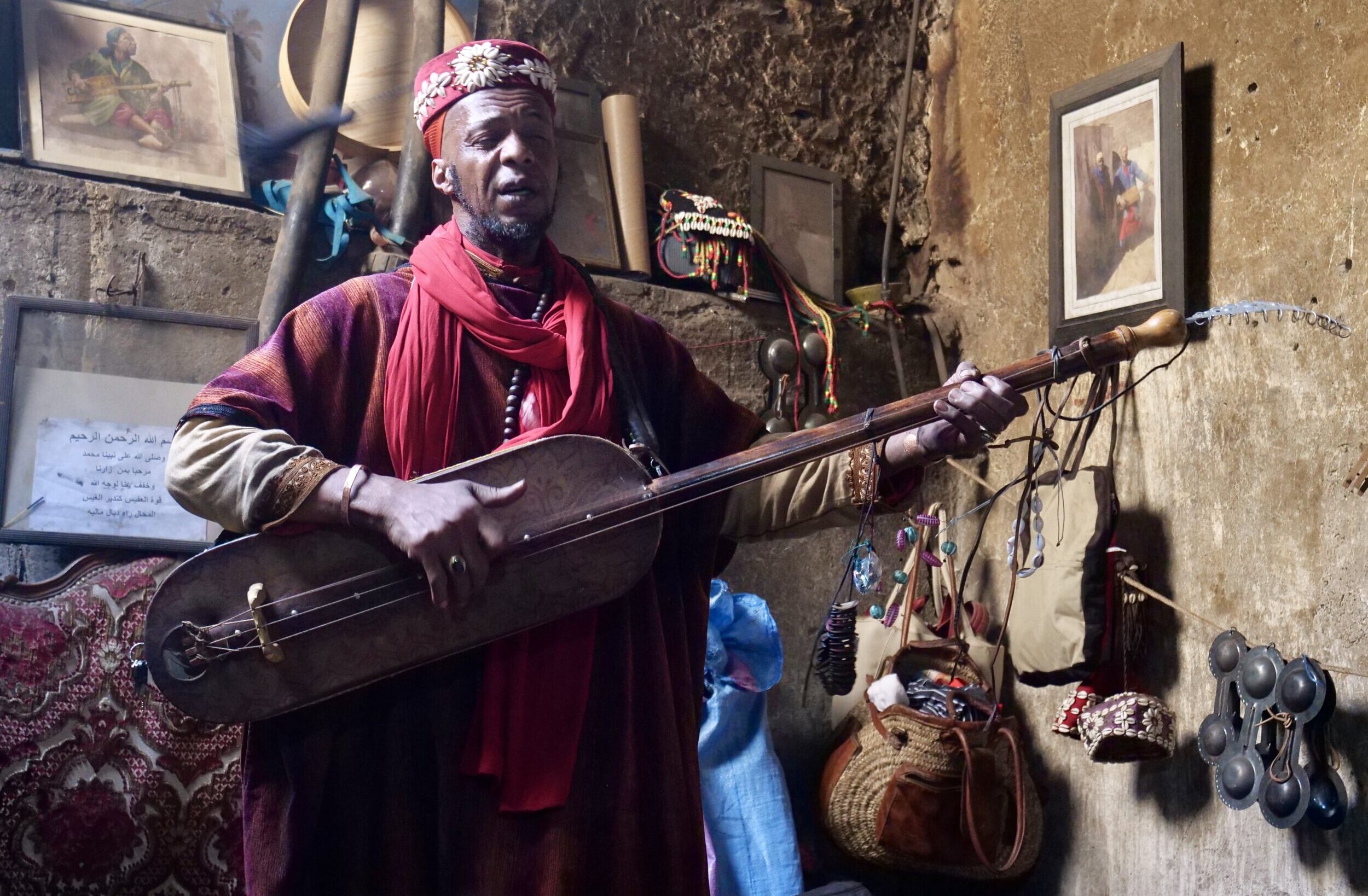
Morocco & Andalucia: “characteristic” (#16 in series: Gnawa)


“Gnawa” is the most common of various transliterations into English.

The word refers to a so-called “ethnic group” (albeit one whose members’ ethnicity is not in fact singular), a member thereof, the Sufi brotherhood to which many Gnawa men belong, and – most especially – to a musical genre which is distinctive, mesmeric and usually (simultaneously) both “devotional” and “funky”.

As “Flamenco” is to the global perception of Spanish music, “Gnawa” is to how the world perceives Morocco’s: “emblematic”.

For many foreigners, flamenco is the only Spanish musical form that rings a “bell”.

Most foreigners cannot name any Moroccan genre; if they can, chances are it will be Gnawa music.

In each case, the genre’s emblematic national status is highly paradoxical.

Comments closed

Signage & Signification (#4 in series: Calabrian “cosmic” + musical bonus)


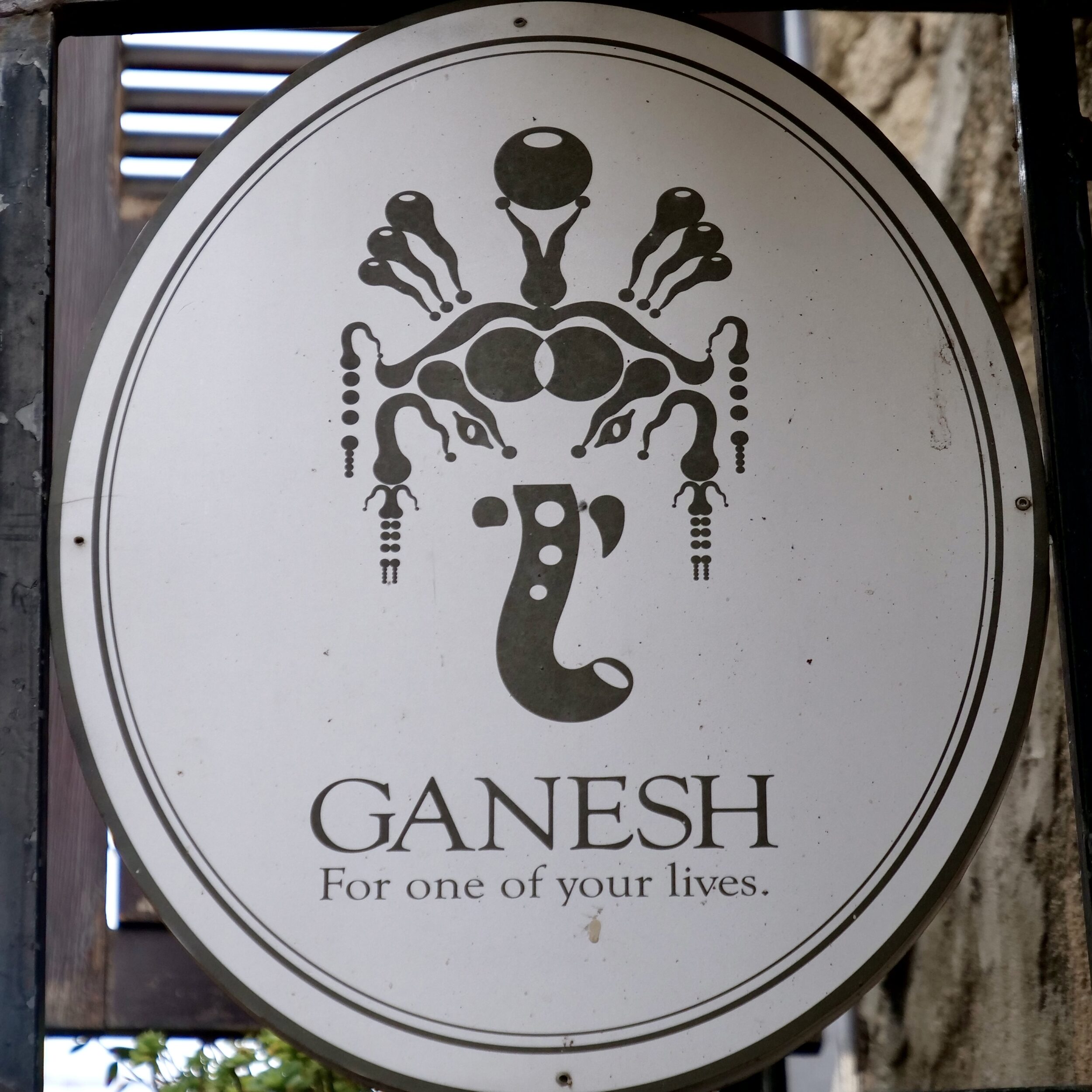
Ganesha (aka Ganesh) is the elephant-headed Hindu deity.

Perhaps the best-loved of Hindu gods, Ganesha is the “remover of obstacles”, and is associated with good fortune, wisdom and prosperity.

Q: what on earth is he doing in a decidedly “touristic” street in a southern Italian seaport/resort city?

Comments closed

“Old city”, Lahore (#22 in series: different drum, with musical bonus)


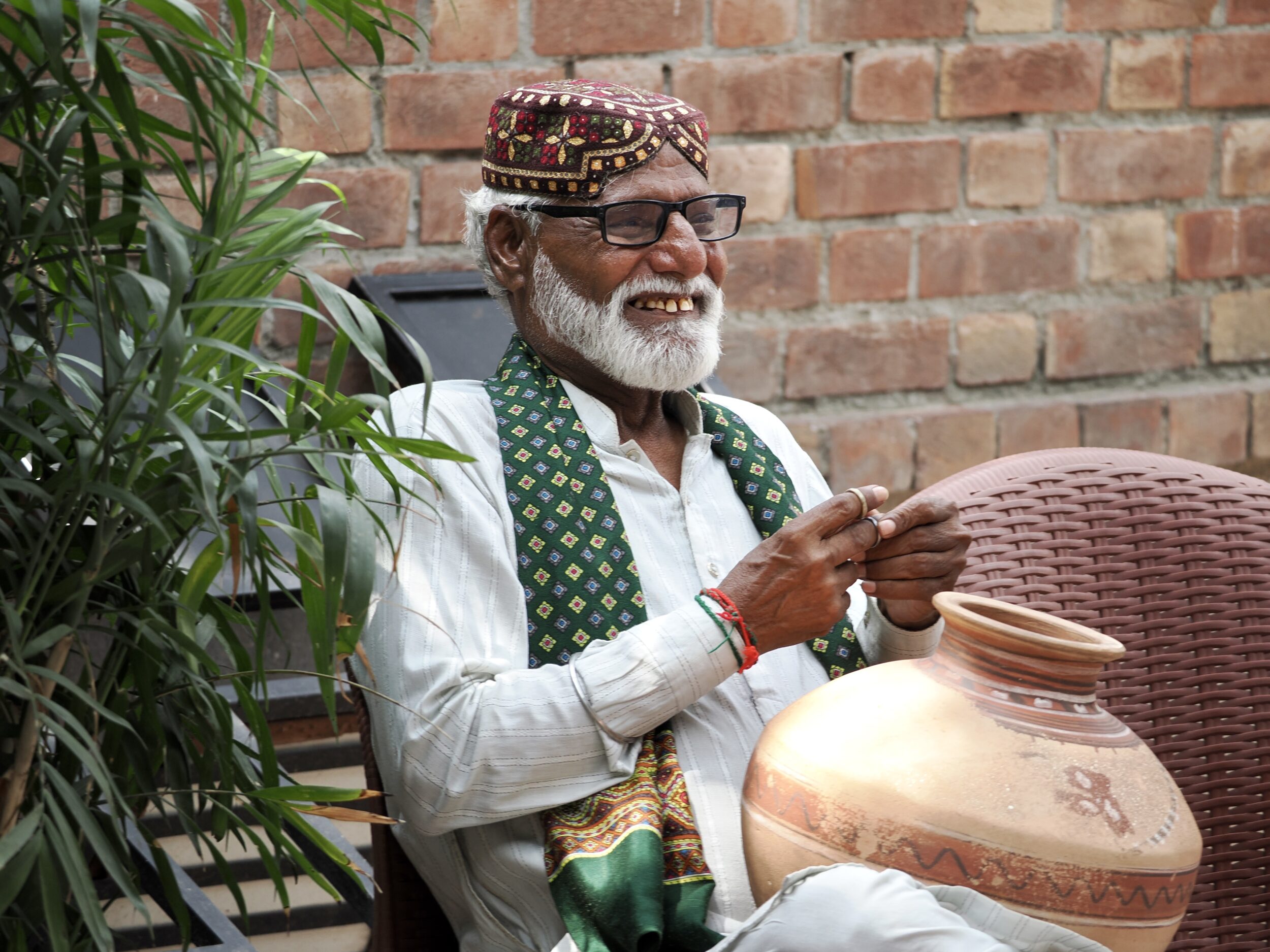
In the “western” world most drums are made from metal, wood and “skin” (although that “skin” is now usually synthetic) and they are usually played with sticks, mallets, or brushes.

In Asia and Africa, however, many drummers hold no stick or mallet, and their instrument is a clay pot or a vegetable gourd.

Doubtless, some “westerners” imagine that music played by a hand drummer on a clay pot is necessarily simple, crude, “unrefined”.

That assumption is dead wrong…as is strikingly illustrated by this post’s “musical bonus”.

Comments closed

“Old city”, Lahore (#3 in series: let there be drums + musical bonus)


(The musical bonus features a man who was very possibly the greatest tabla player in recorded history. It is hard to imagine that there has ever been a more prodigiously gifted player of any drum.  I am around 99% certain that you have never heard of him, let alone heard him. For the final 49 of his 66 years he lived in Lahore)

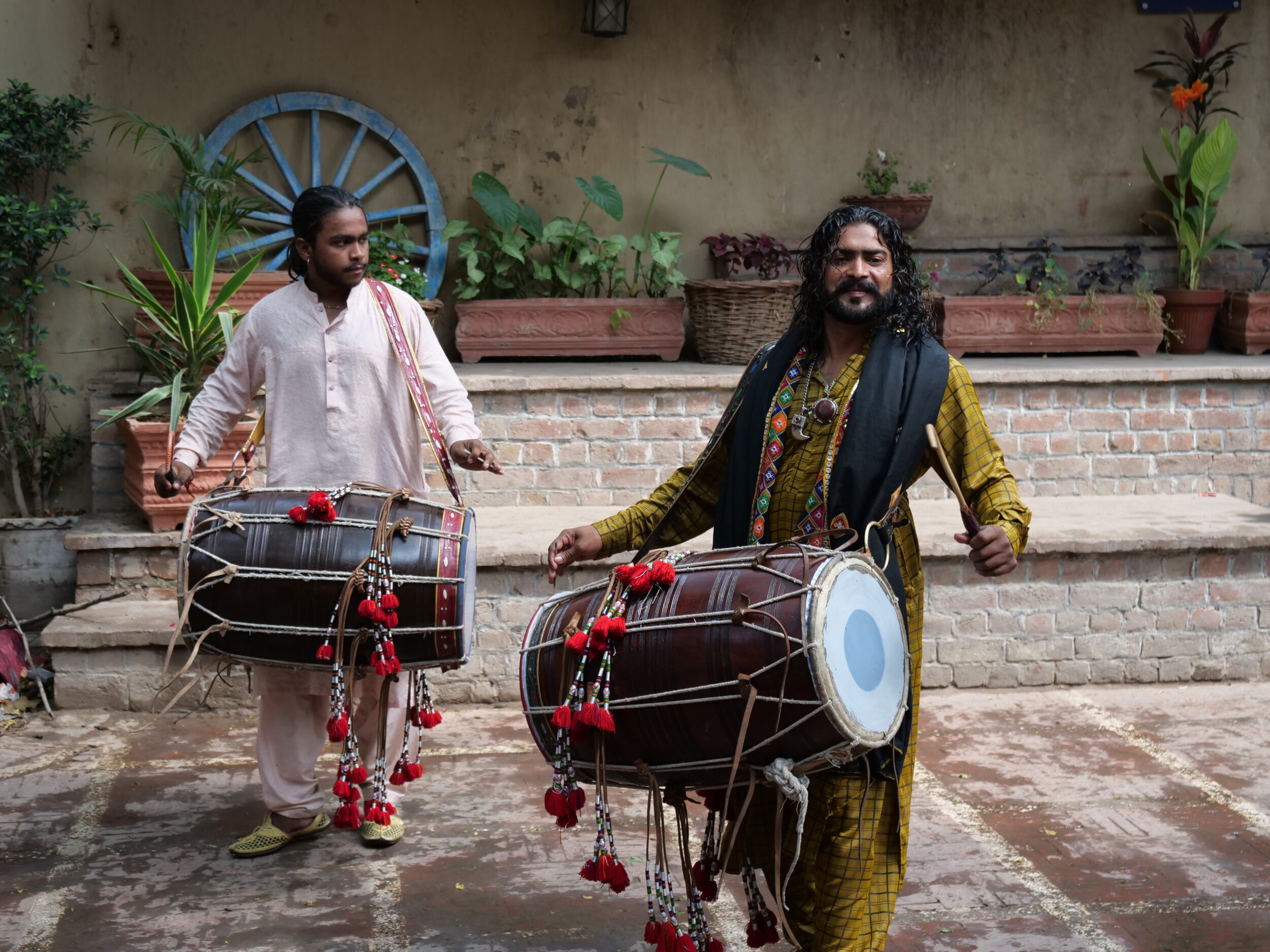
Immediately after our more “formal” welcome, we were made even more welcome, more personally, in a courtyard adjacent to Delhi Gate.

Drums and garlands were involved.

Comments closed

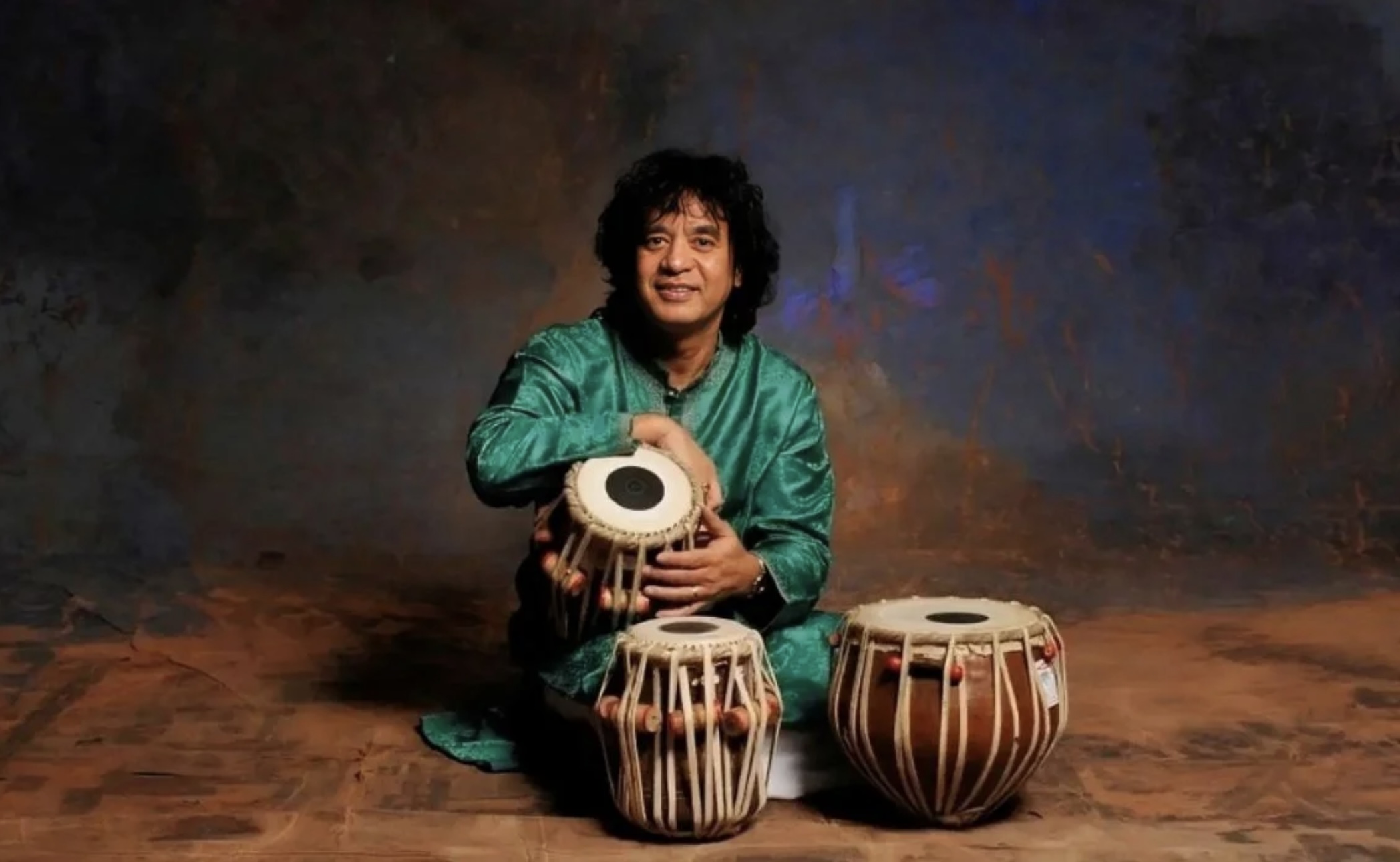
The greatest percussionist, period? Vale Zakir Hussain (1951-2024)


I do not believe in the notion that any single player/composer/writer/whatever kind of artist is – or ever was the best.

That said, Zakir Hussain was undoubtedly the most influential, most eclectically-inclined, and most ubiquitous hand-drummer/percussionist in human history.

(Jim McGuire took the photo of him)

Zakir Hussain died on Monday, in his adoptive home city of San Francisco.

He was born 73 years earlier,  in what was then Bombay, now Mumbai.

Comments closed

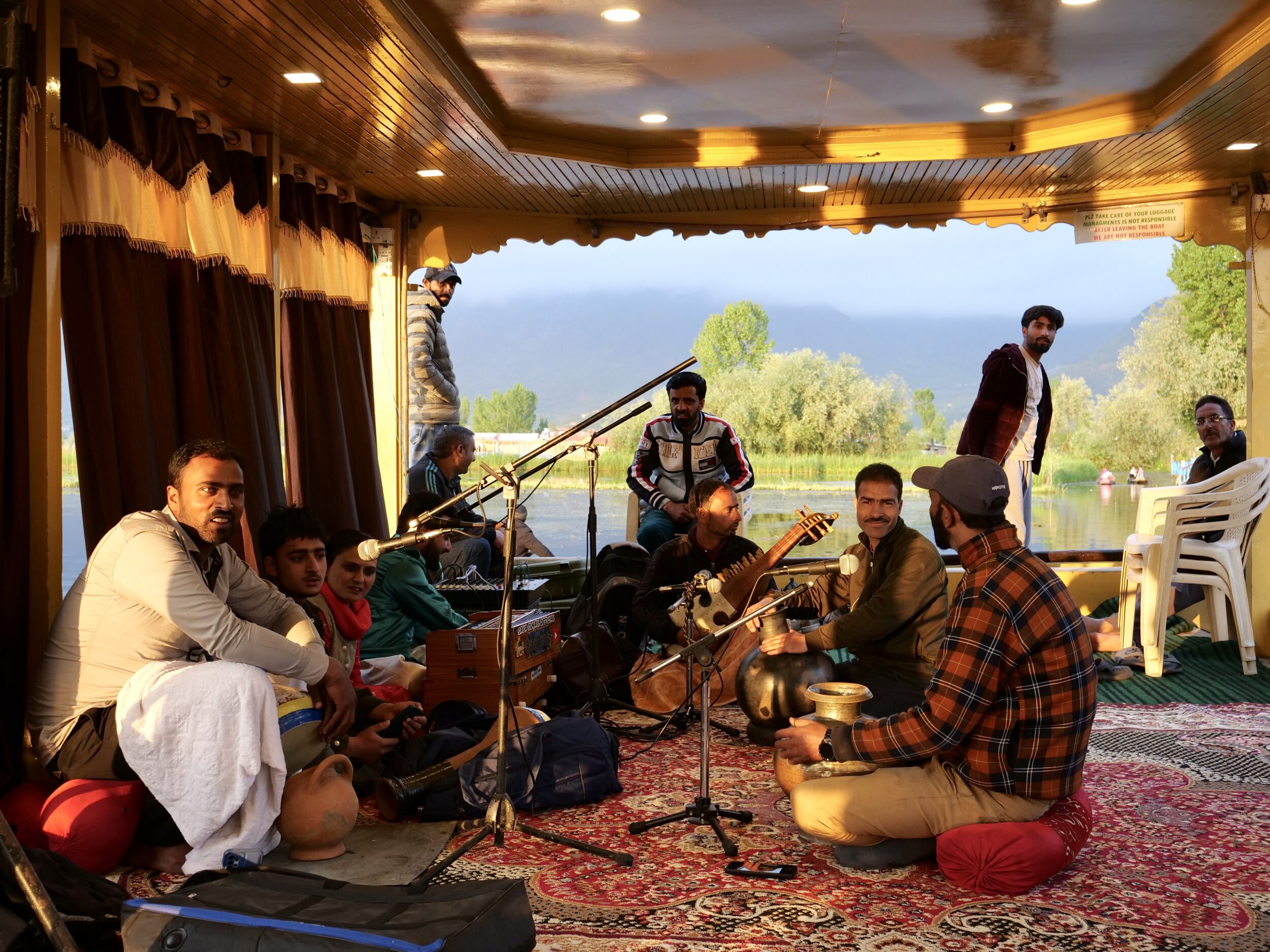
“Jewel in the crown of Kashmir” (final chapter, with musical bonus)


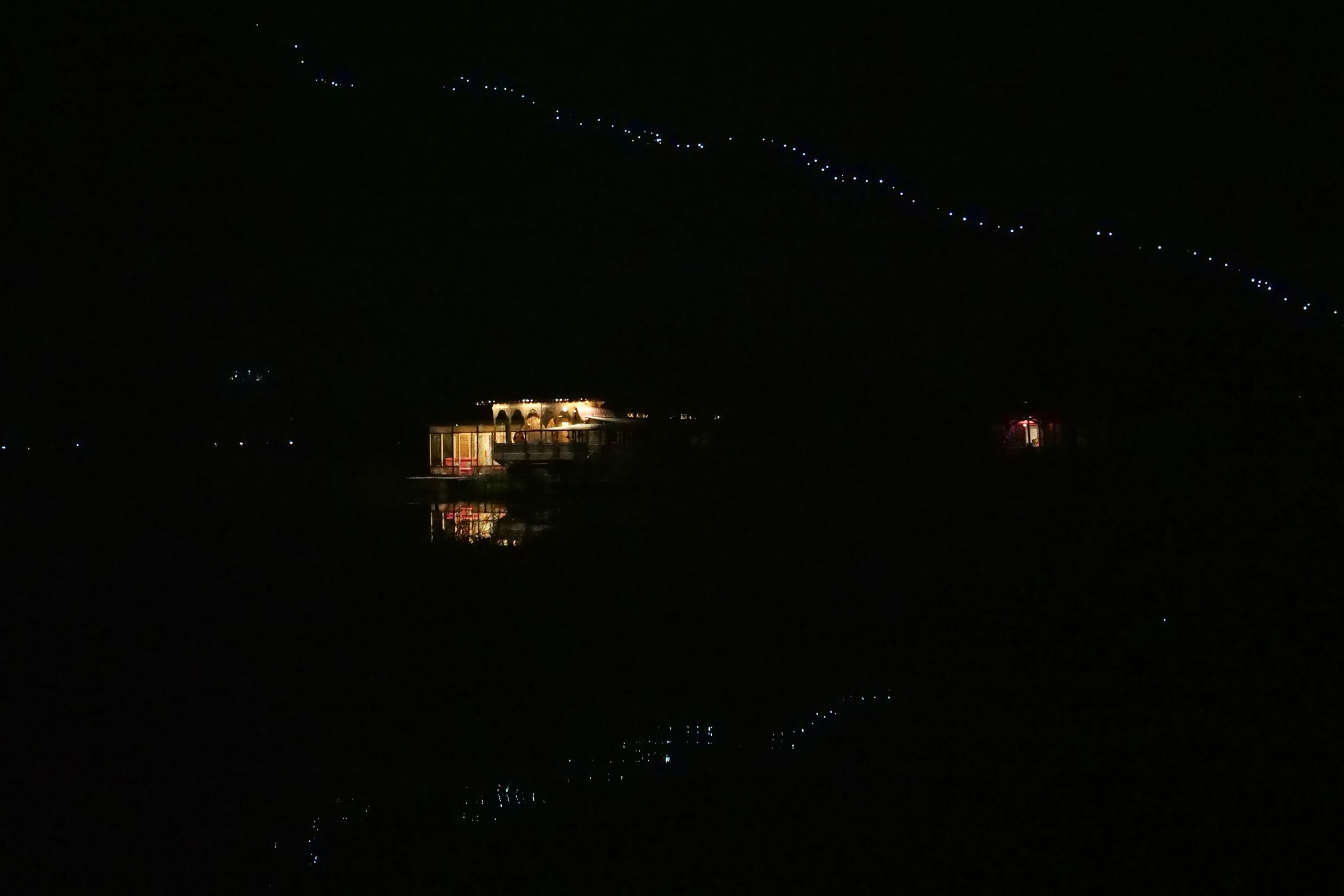
I took the photo at 8.54 pm on 04 May 2024.

At that time my vantage point – an entertainment barge – was loud and lively, as the preceding several posts have illustrated.

However, if one looked out across the waters of Dal Lake – and up to the ridge overlooking its southern shore – the scene appeared utterly serene, unruffled, “silent”.

Comments closed

Vale Toumani Diabate

On 19 July the world lost one of its most eloquent instrumentalists..

Malian kora virtuoso Toumani Diabate was 58; he died after a short illness.

He was not the only great kora player, but he was, unquestionably, the kora’s most prominent and most influential exponent; Toumani Diabate turned it into a “concert” instrument.

At age 22 he recorded Kaira – the world’s first absolutely solo kora album.

(oft-misdescribed as an African “harp”, the kora is in fact a harp-lute)

Comments closed

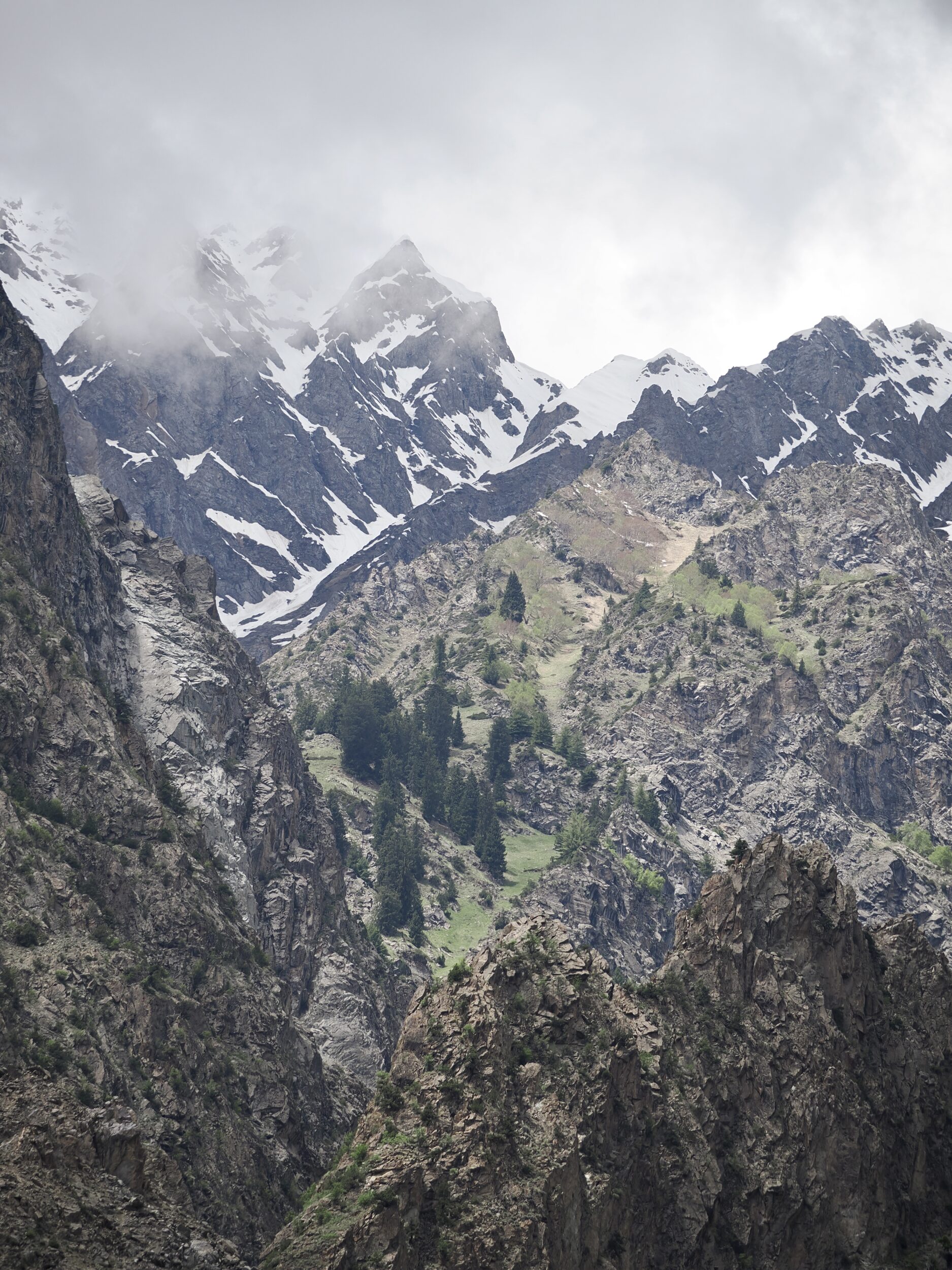
Triple K “expedition” (#31 in teaser series: Karakoram mountain meadows + musical bonus & concert tour alert)


This post’s image does not at all resemble #30’s shot of a “Silk Road” remnant.

Its vantage point, however, was only a few footsteps distant from #30’s; #31’s photo was taken less than a minute later, from the same side of the Karakoram Highway, whilst en route from Gilgit to the Hunza Valley.

Comments closed