Skip to content →

Pelican Yoga Posts

Signage & Signification (#9 in series: after “an exertion of fraternal aid”)


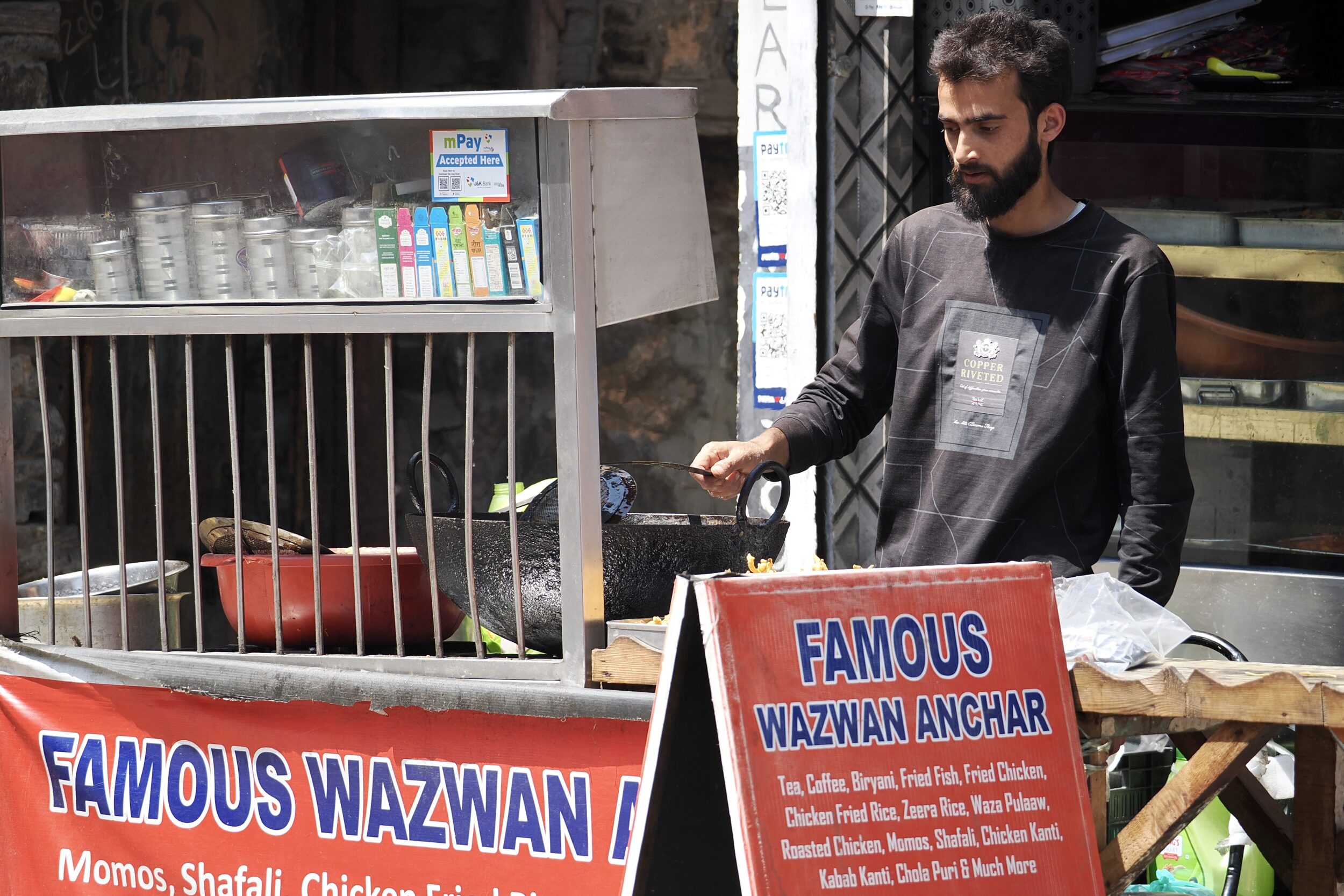
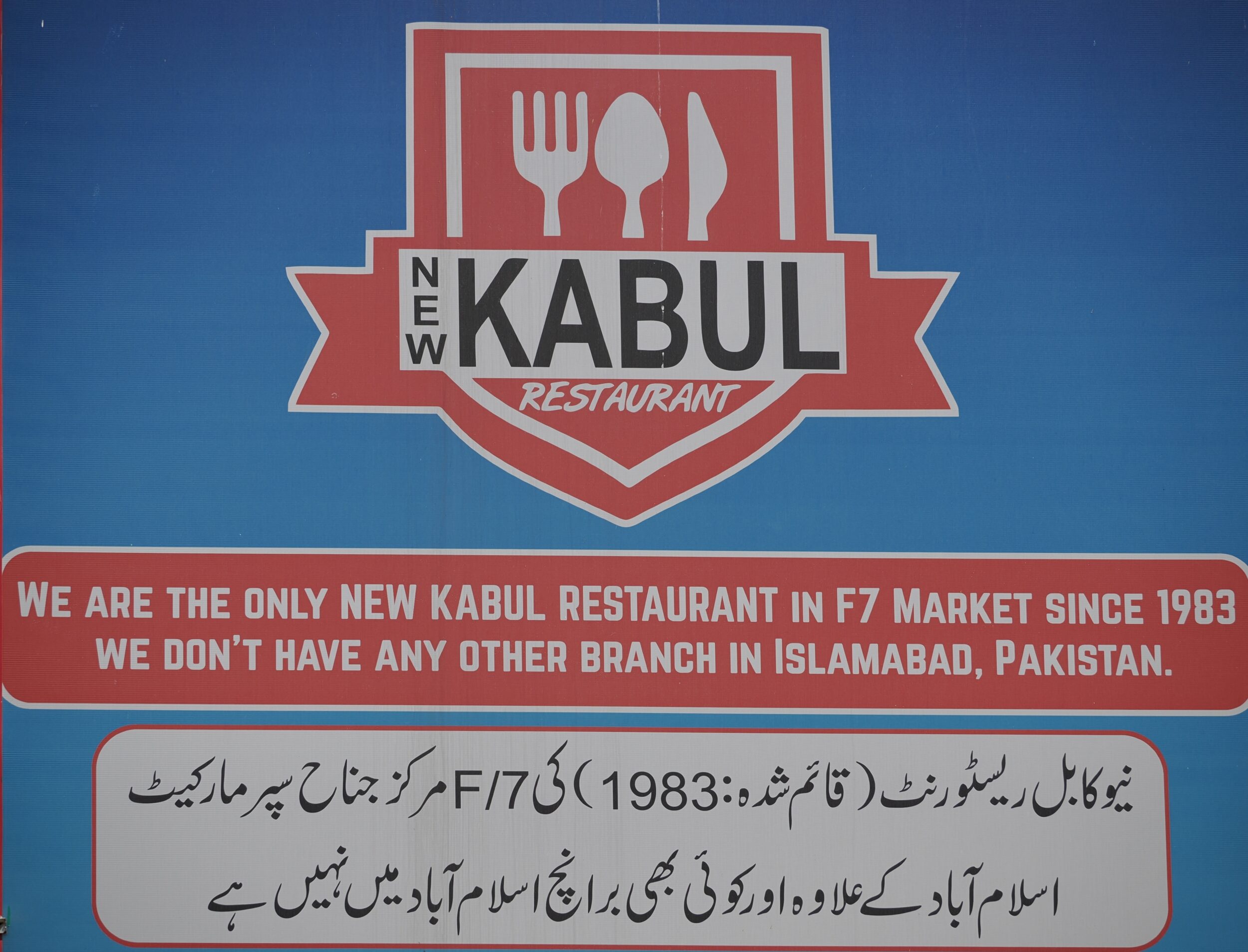
On 14 May 2024 we enjoyed an unforgettably delicious meal at an Afghan restaurant in Pakistan’s capital city.

You are looking at the sign in front of it, in Islamabad.

Sometimes a sign “tells” an already well-informed viewer something significant that is not stated directly.

Consider the establishment’s opening date.

Comments closed
Signage & Signification (#8 in series: even more unappetising, in “translation”)

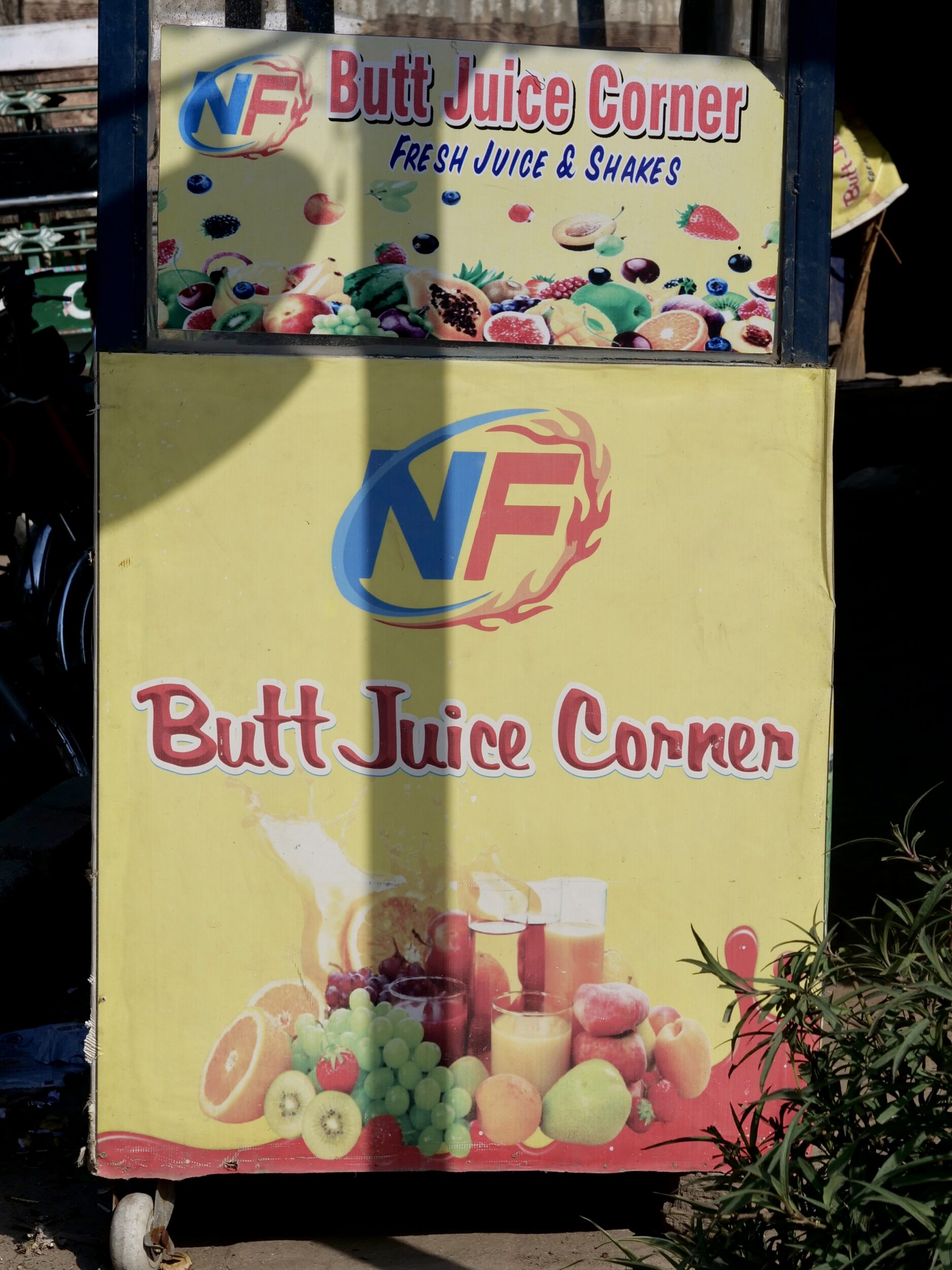
A surprisingly large number of Pakistani citizens have a good grasp of English; we enjoyed more than a few mutually-intelligible and rewarding conversations with complete strangers during our visit in 2024

Presumably, the proprietor of the pictured fruit juice stand does not have such a grasp!

Comments closed

Signage & Signification (#7 in series: unappetising, in “translation”)


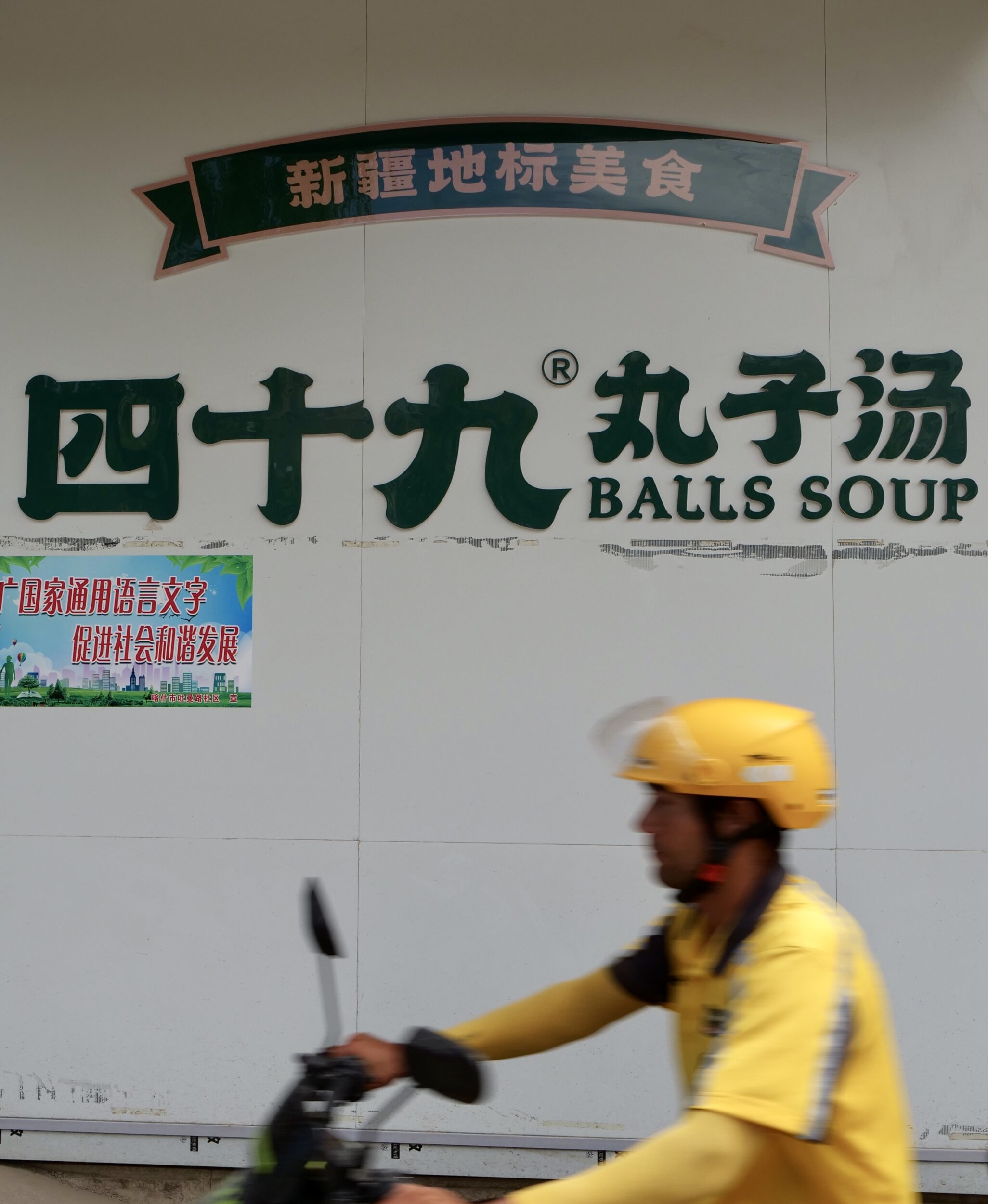
On 25 May 2024 I took the photo as we sped by the pictured billboard.

It was lunchtime in Kashgar – the “fabled” Silk Road city in western China, where it is known as “Kashi”.

Doubtless, before it was “translated” into English, the description of the soup was altogether more enticing.

Comments closed

Signage & Signification (#5 in series: accidental sociology)


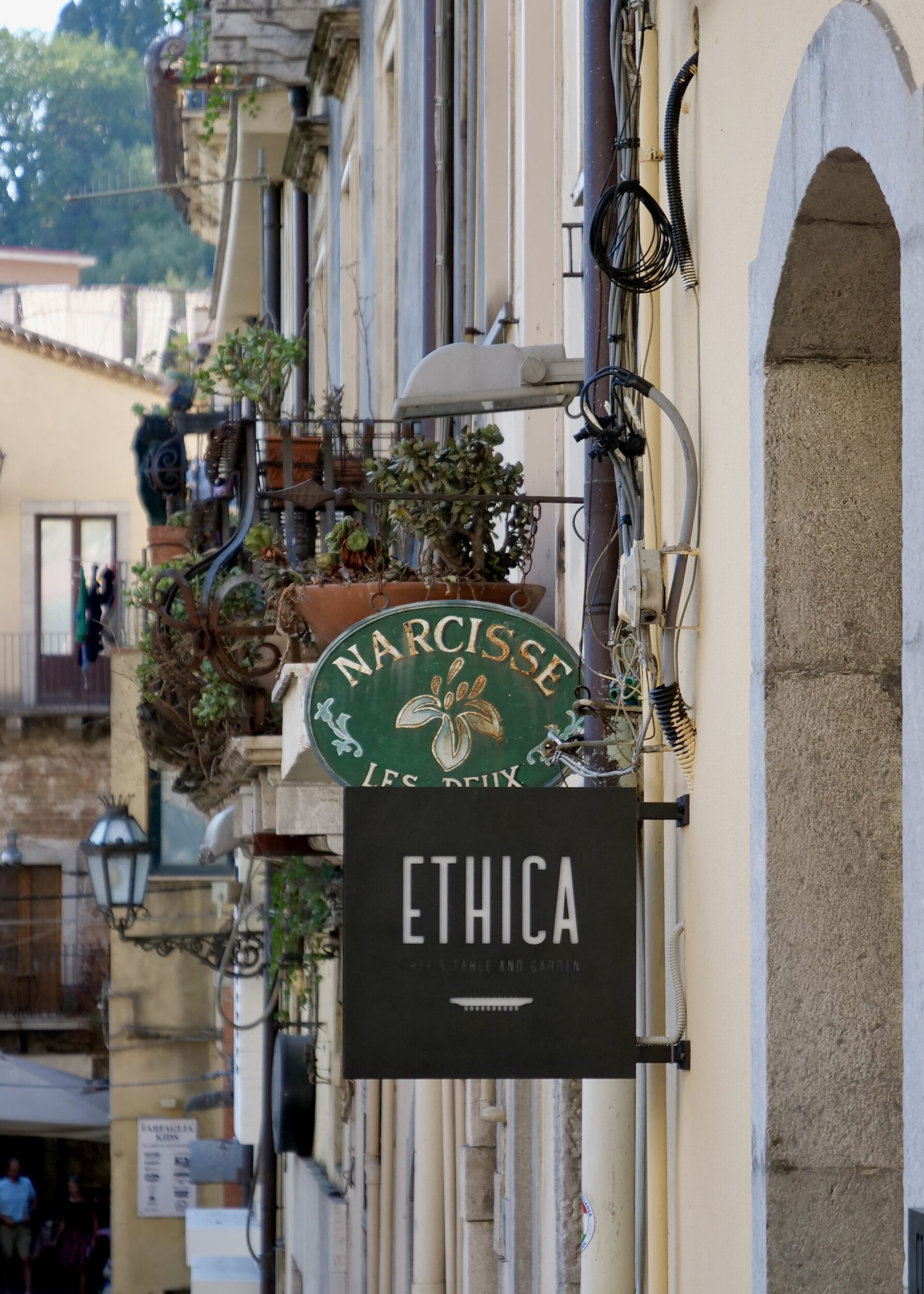
In one of Europe’s most “touristic” towns –  Taormina, Sicily – two adjacent signs have accidentally combined forces to “call out” one of the characteristic idiocies of the 21st century’s first quarter.

”Narcissism” and “ethics” used to be entirely discrete/separate terms.

In our present, overly-performative, hyper-partisan world the two words are oft sorely-misused.

They are also frequently (albeit unwittingly) wed… forming an unholy alliance, oft-accompanied by “alternative” “facts”, “personal” “truths” and other weasel-wordery.

Comments closed

Signage & Signification (#4 in series: Calabrian “cosmic” + musical bonus)


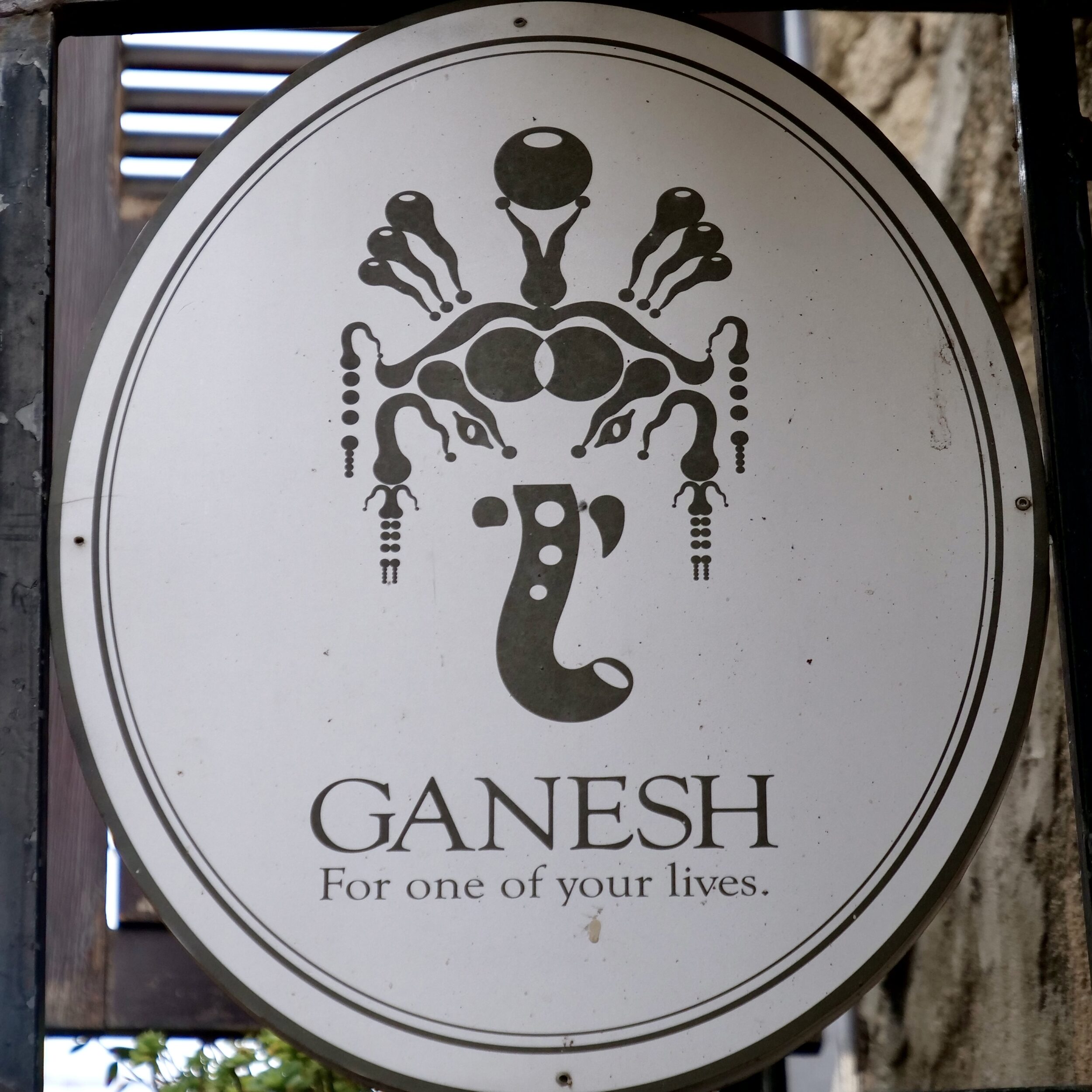
Ganesha (aka Ganesh) is the elephant-headed Hindu deity.

Perhaps the best-loved of Hindu gods, Ganesha is the “remover of obstacles”, and is associated with good fortune, wisdom and prosperity.

Q: what on earth is he doing in a decidedly “touristic” street in a southern Italian seaport/resort city?

Comments closed

Signage & Signification (#3 in series: cheaper than rhino horn…)


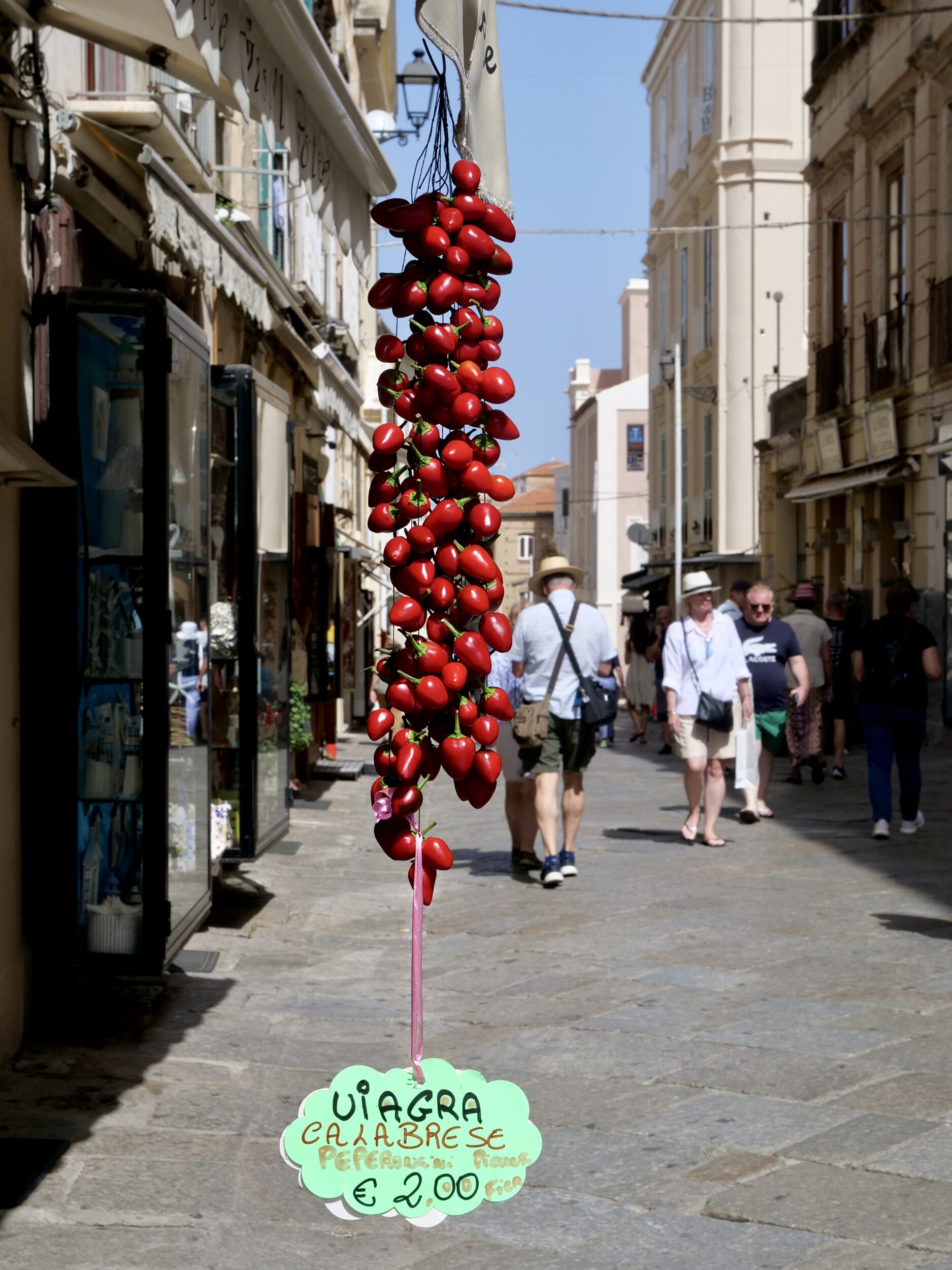
…and a much more “benign” purchase: at least people stupid enough to believe false claims about a Calabrian chilli are not funding organised crime, murders, and the extinction of endangered mammals!

Reggio is famous for its allegedly-aphrodisiac chillies and for its particularly delicious tomatoes.

The tomatoes are indeed notably sweet and flavourful.

Comments closed

Signage & Signification: (#1 in series: “Thou shalt not..”)


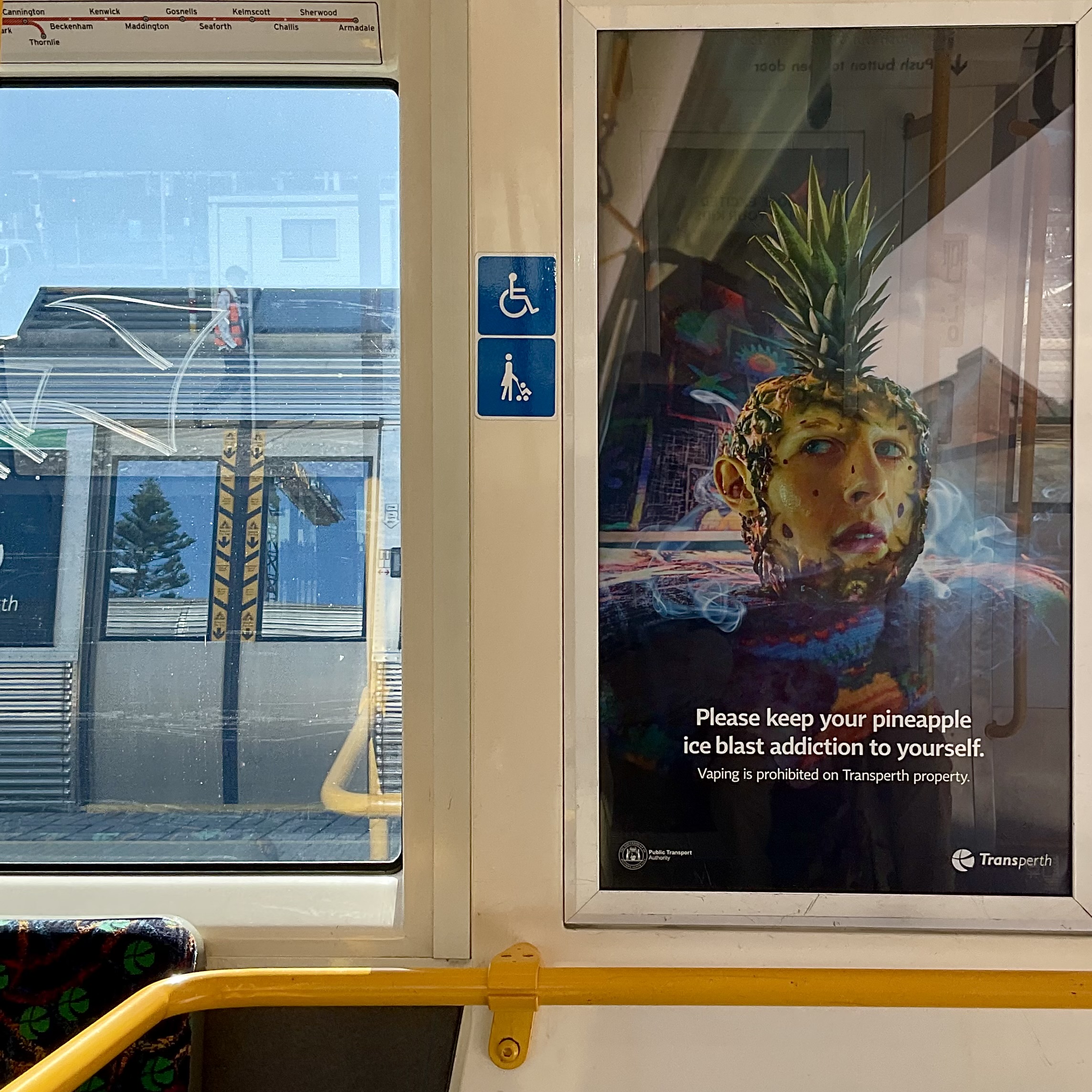
Typically, signs of the “Do not…”/Strictly prohibited…” kind are dull and stern.

Rarely does one encounter even a failed attempt at humour.

So hats off to Transperth – the Perth (Western Australia) public transport authority – and to whomever won the advertising contract for the “no vaping on trains, buses, ferries and their stations” campaign!

Comments closed

Spring 2025 in Perth ( final in series: late afternoon delight)


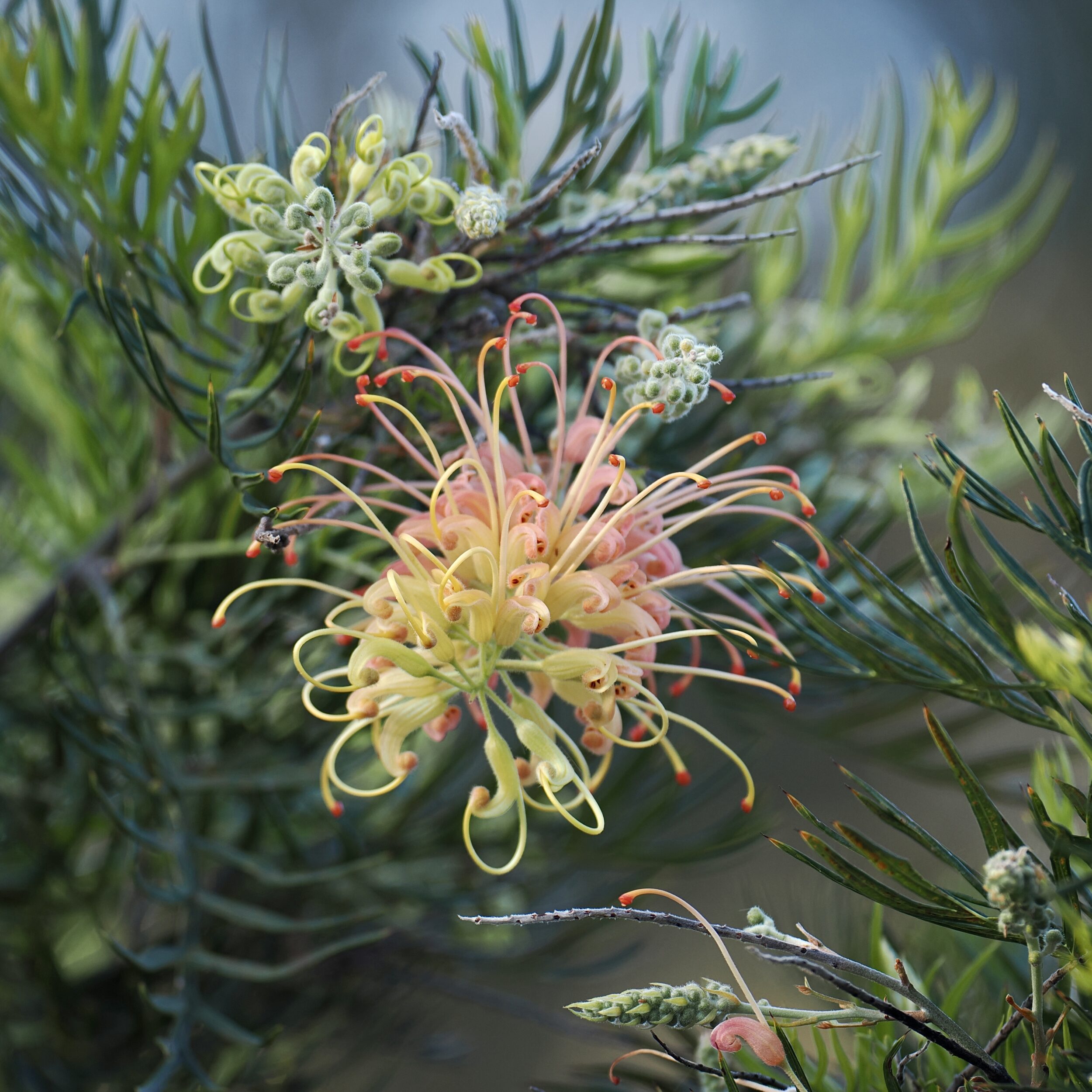
For wildflowers – most especially if one is photographing them – intensely bright sunshine is definitely NOT the “best” kind of light.

In the middle of the day, a lightly overcast sky is likely to prove a much better friend to a wildflower photographer – or to your naked eyes –  than an intensely bright blue sky.

Generally, if you wish to capture a wildflower’s full natural beauty, the ideal circumstance is soft, late afternoon light.

This post’s hero was photographed with a longish (400 mm) lens in just such light,  on 29 September 2025, in Perth’s Karrakatta Cemetery.

Comments closed