Skip to content →

Pelican Yoga Posts

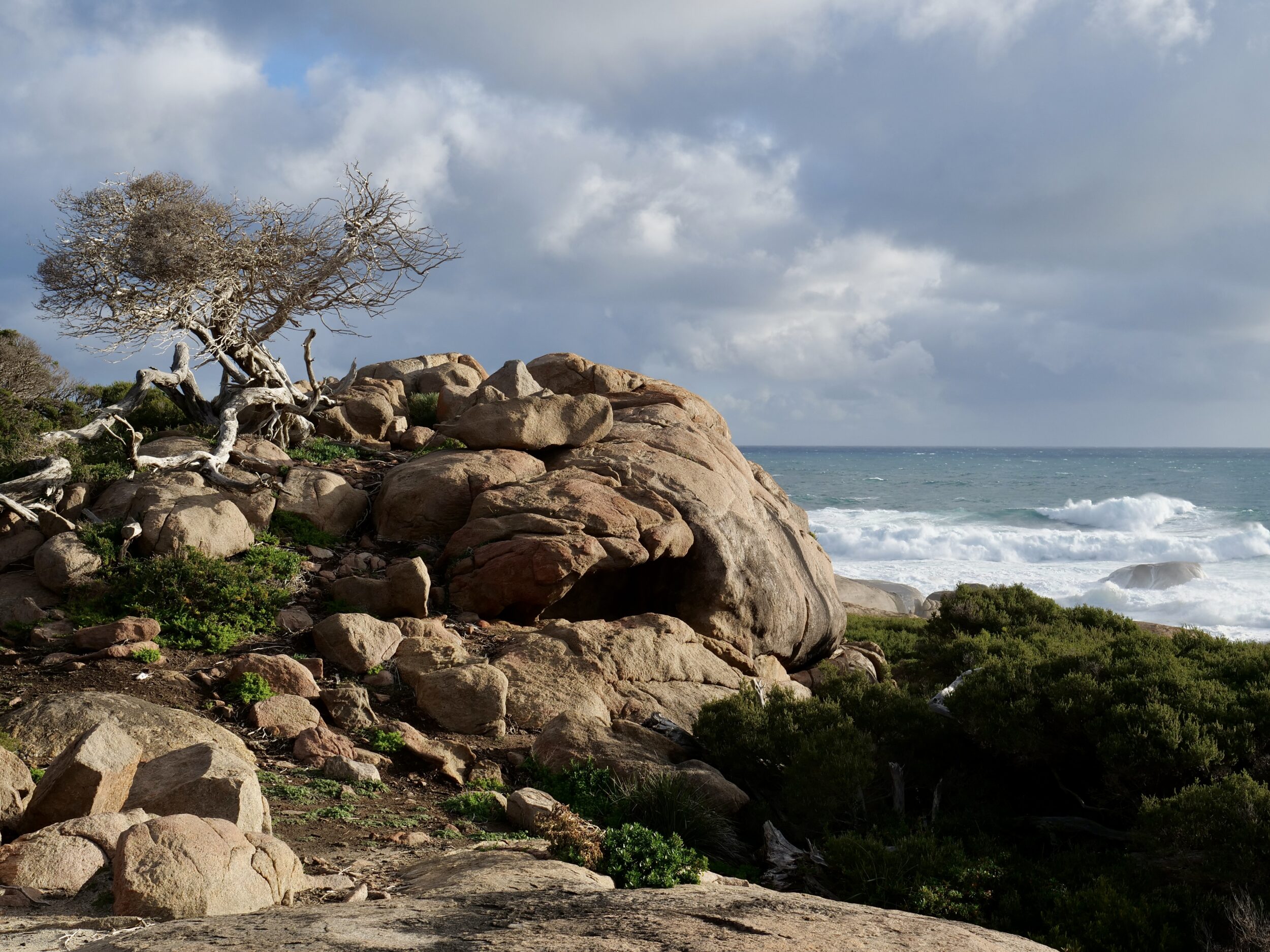
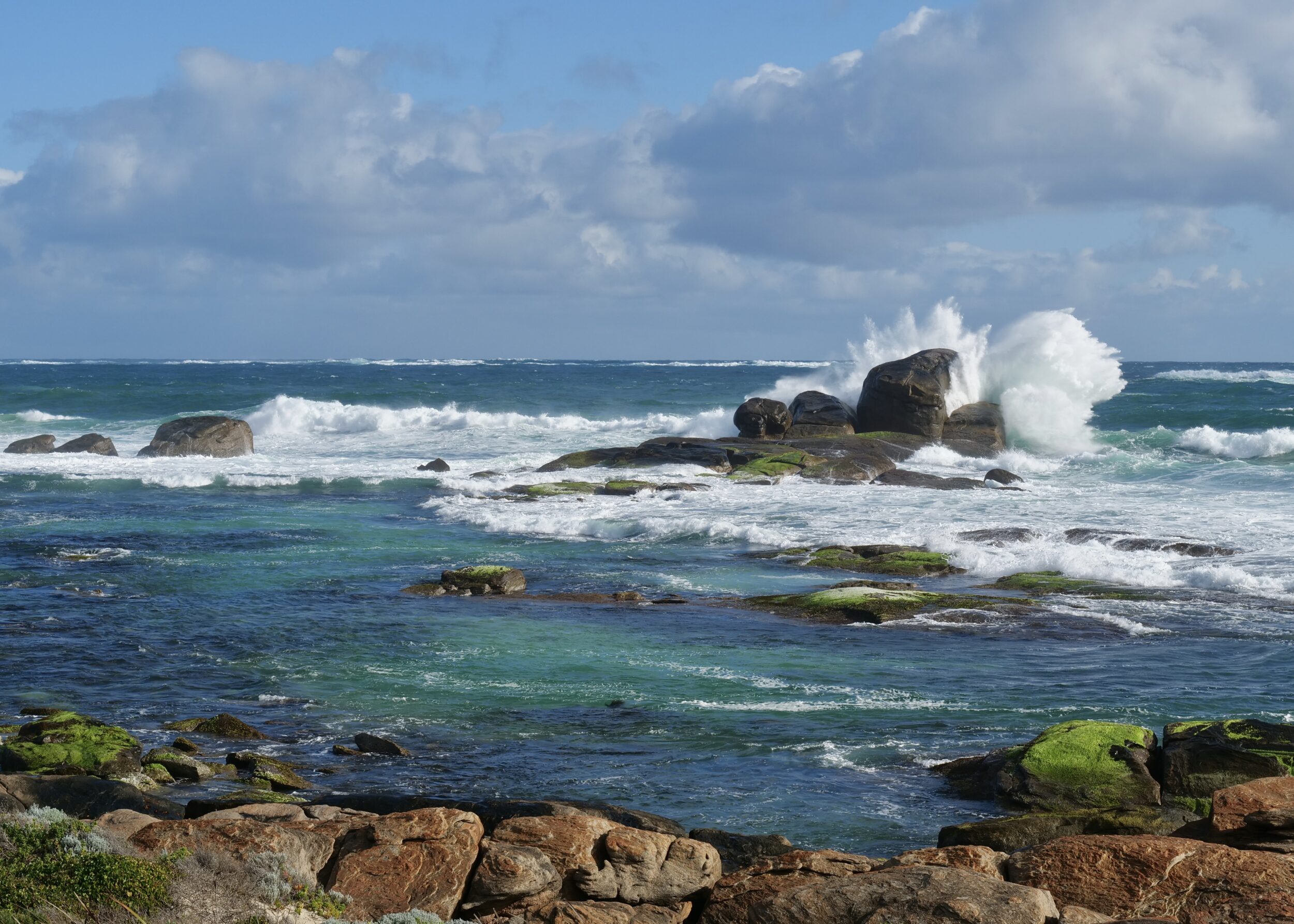
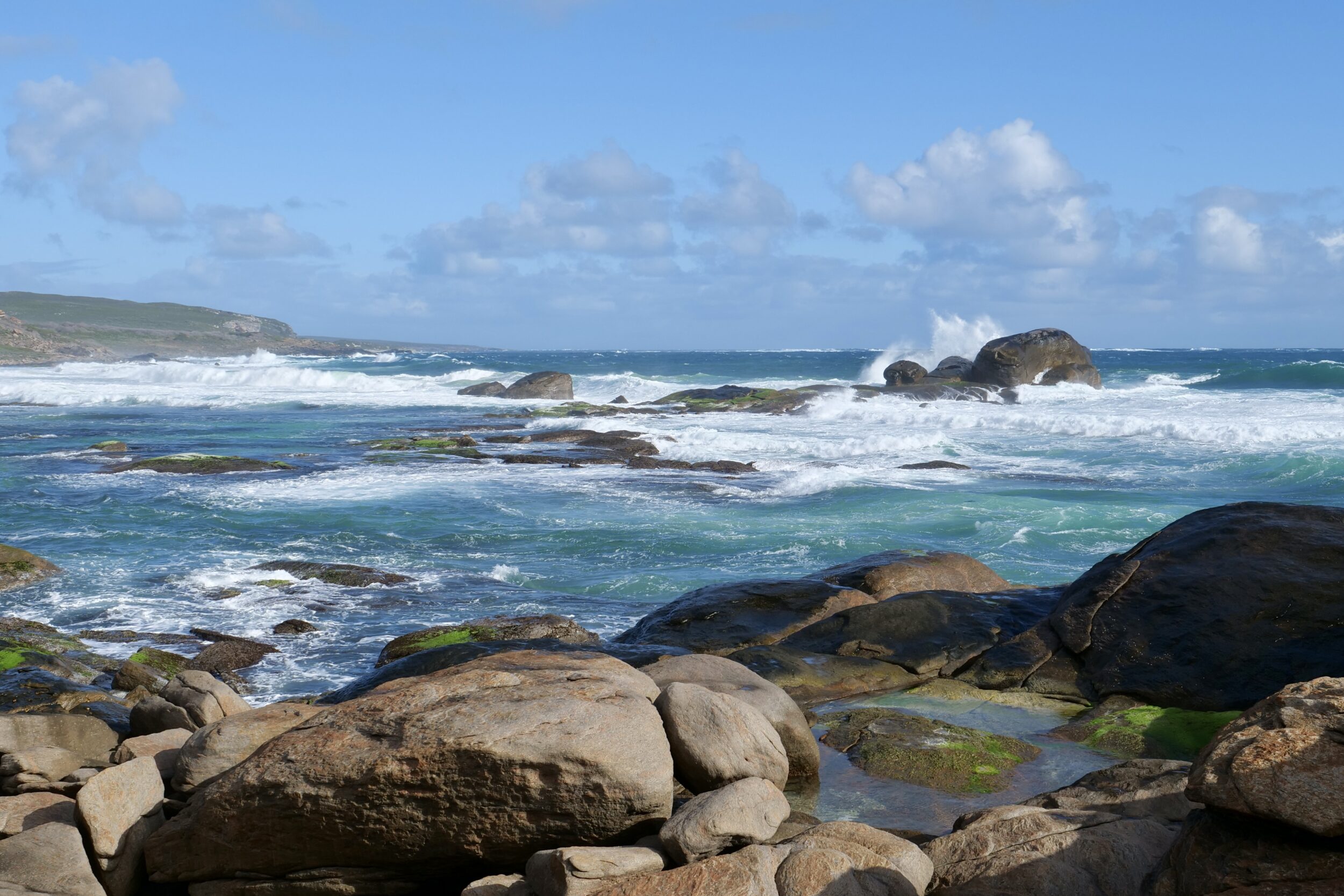
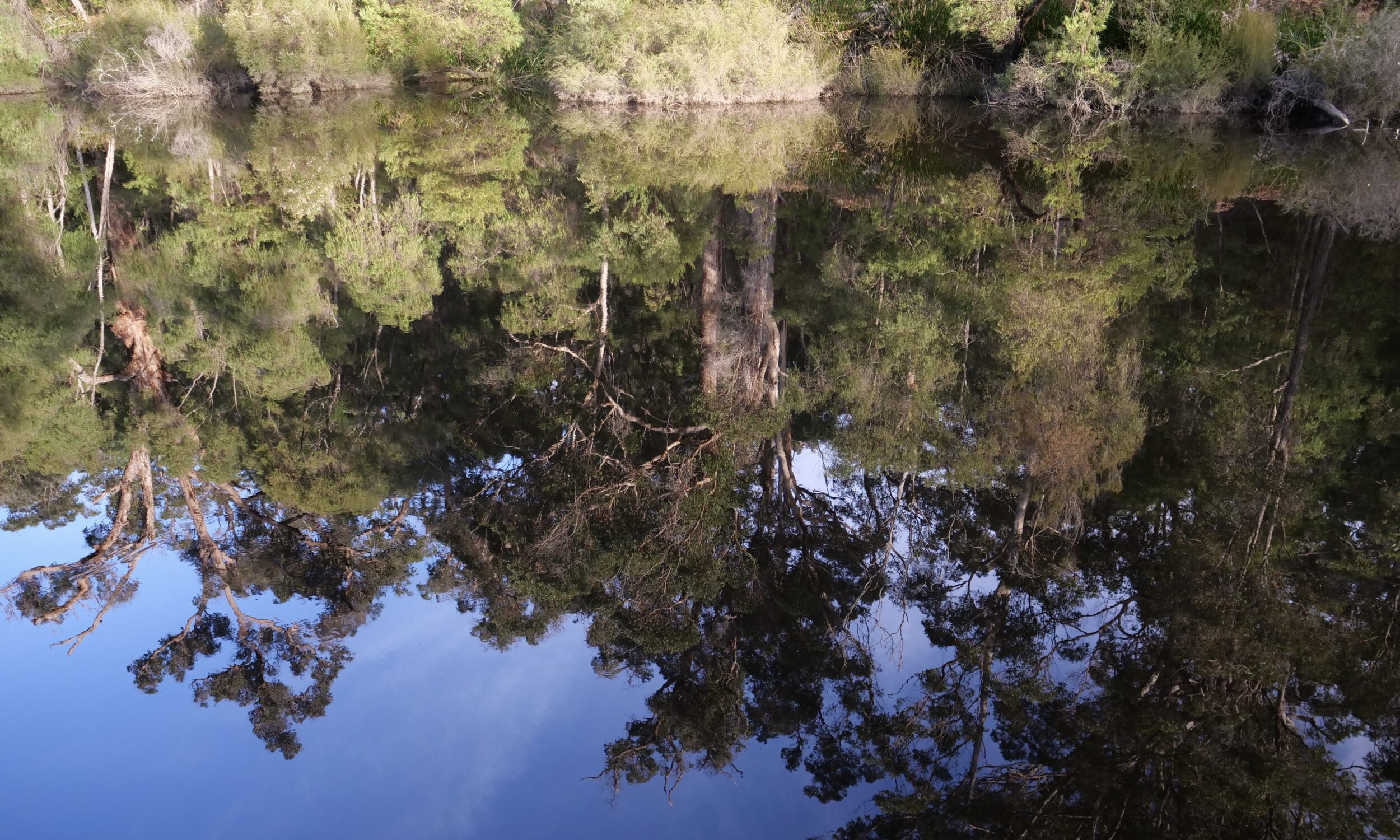
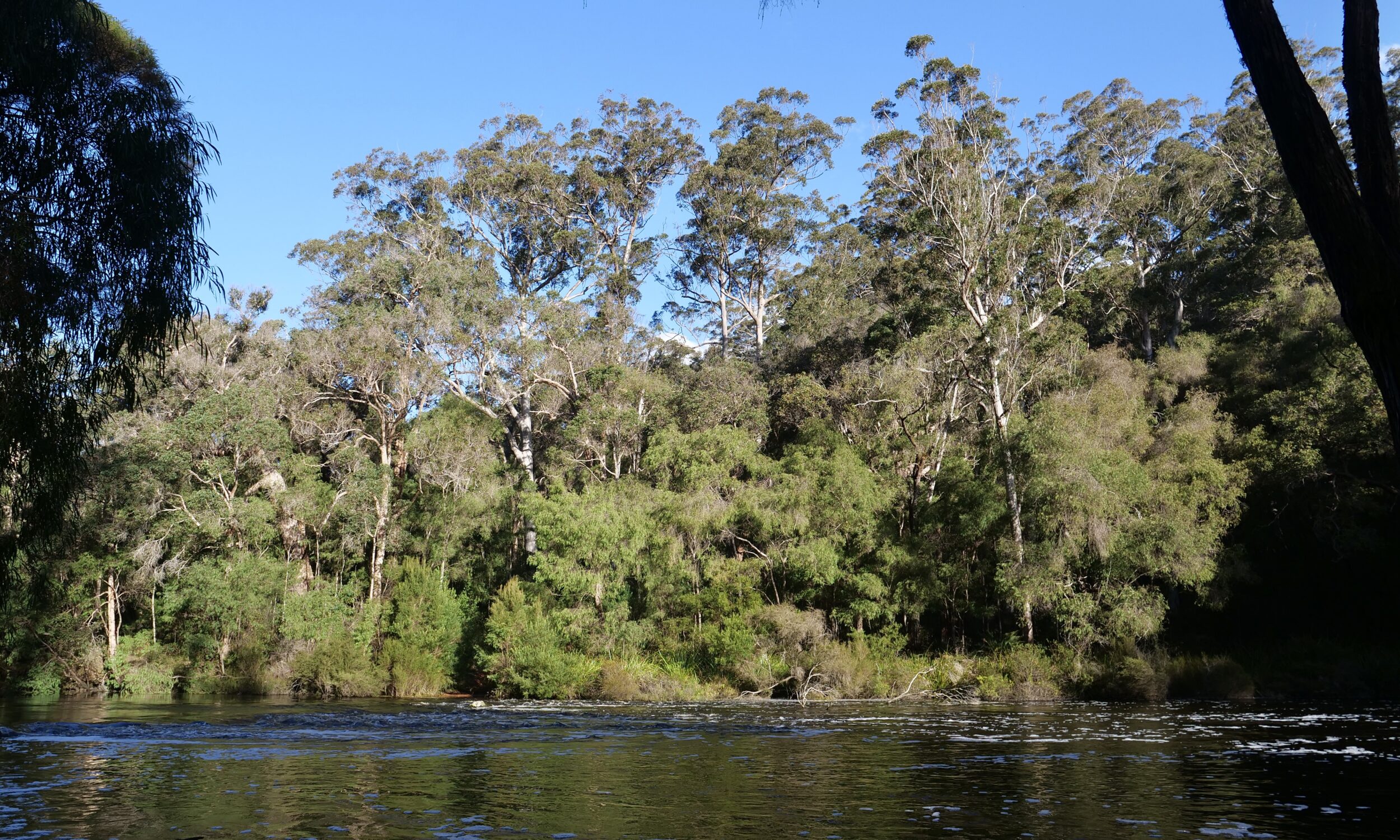
Winter 2025, South West WA (final in series: two faces of Freycinet)


Cape Freycinet not being an actual cape does not make it a “lesser” place.

This post’s photos look like they must have been taken at two rather different locations and/or on quite different days.

I took them within three minutes of each other, and my two vantage points were only a few paces apart.

Comments closed

Winter 2025, South West WA (#19 in series: the “cape” that isn’t)


The photo shows one of our favourite coastal locations in the Margaret River region, as it was at 4. 42 pm on 21 August 2025.

Cape Freycinet is wonderfully wild, and presents a different “face” on each and every occasion.

It is also easily reached; the whole drive is 2WD- friendly and takes a deal less than one hour, mostly south along Caves Road, from Margaret River – or north along Caves Road, from Augusta.

Only the final few kilometres are unsealed.

Either way, one turns off Caves Road into the well-maintained Conto Road, adjacent to Lake Cave.

Comments closed

Winter 2025, South West WA (#18 in series: looking west from Redgate Beach)


This post includes both musical and “word power” bonuses.

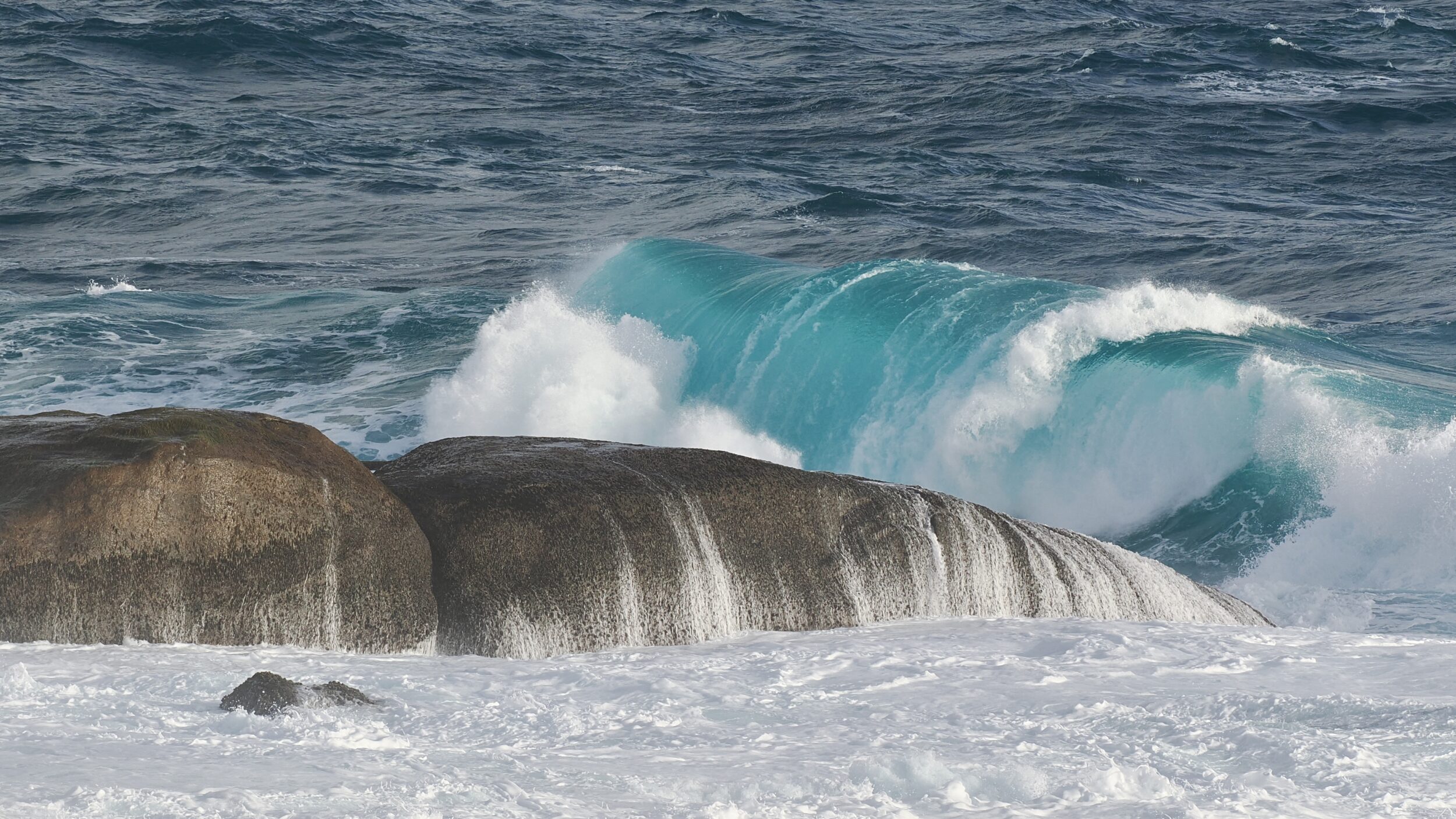
The afternoon of 21 August 2025 was not “stormy” in the Margaret River region, but local waters were turbulent.

In 1876 this was also true, as November transitioned to December…and the SS Georgette developed an irreparable leak

Over the ensuing hours a lifeboat was smashed, several people drowned, and several others were successfully transferred to the captain’s gig (ship’s boat/tender) which then managed to reach another Margaret River beach.

Meanwhile, the other fifty or so passengers and crew were heading south, on a sinking ship.

Its captain then attempted to strand the Georgette on Calgardup Bay’s Redgate Beach.

Here, a “miraculous”/“heroic” rescue was undertaken by two equally courageous local people.

The white one’s heroism was hailed, worldwide.
Comments closed

Winter 2025, South West WA (#17 in series: Redgate Beach, wide view)


If one is based in or near to Pemberton for some days, but not staying in or near to Margaret River – or vice versa – one ought take advantage of the fact that each is within easy day-tripping distance of the other.

On 21 August 2025 we drove over to enjoy lunch at a favourite Margaret River winery, and then visit a couple of favourite, still-wild coastal places.

Redgate Beach is less than 15 ks southwest of the Margaret River township, via sealed roads.

That afternoon’s waves were neither particularly large, by local standards, nor surfer-friendly.

However, the sea was very lively, as was the conspicuously-fresh air…and Redgate looked typically-splendid.

Comments closed

Winter 2025, South West WA (#16 in series: forest understorey & river-mirror, under grey sky)


What a difference five minutes can make!

By 4.55pm on 18 August 2025 the skies above Warren National Park had become overcast, whilst the Warren River’s surface remained “glassy”.

The gentler light improved a camera’s ability to capture the subtle beauty of the forest’s understorey – as viewed directly, and as reflected by the river.

Comments closed

Winter 2025, South West WA (#15 in series: river as mirror)


30 minutes on from the taking of the previous chapter’s photos, we were just a little further upstream.

The sun was low in the sky, which was still mostly-blue – or had again become so.

Briefly, no wind was blowing.

This particular stretch of the Warren River was now almost-entirely unruffled.

Comments closed

Winter 2025, South West WA (#14 in series: watching the river flow)


In Warren National Park on the afternoon of 18 September 2025 the weather was highly dynamic.

Whatever was your favourite kind of winter weather – windy or calm, raining or dry, sunny or overcast – you could reasonably expect at least one fleeting dose of it within the space of a single hour.

This post shows the Warren River, the forest through which it flows and the sky above, as they appeared at 4.20 and 4.21 pm.

Comments closed

Winter 2025, South West WA (#13 in series: little, living)


Warren National Park’s Karri-dominated forest is – by Australian standards – a moist, cool environment, albeit definitely not rainforest.

Most visitors mostly look up; for many tourists, the Warren’s big trees are the tallest living things they have ever seen.

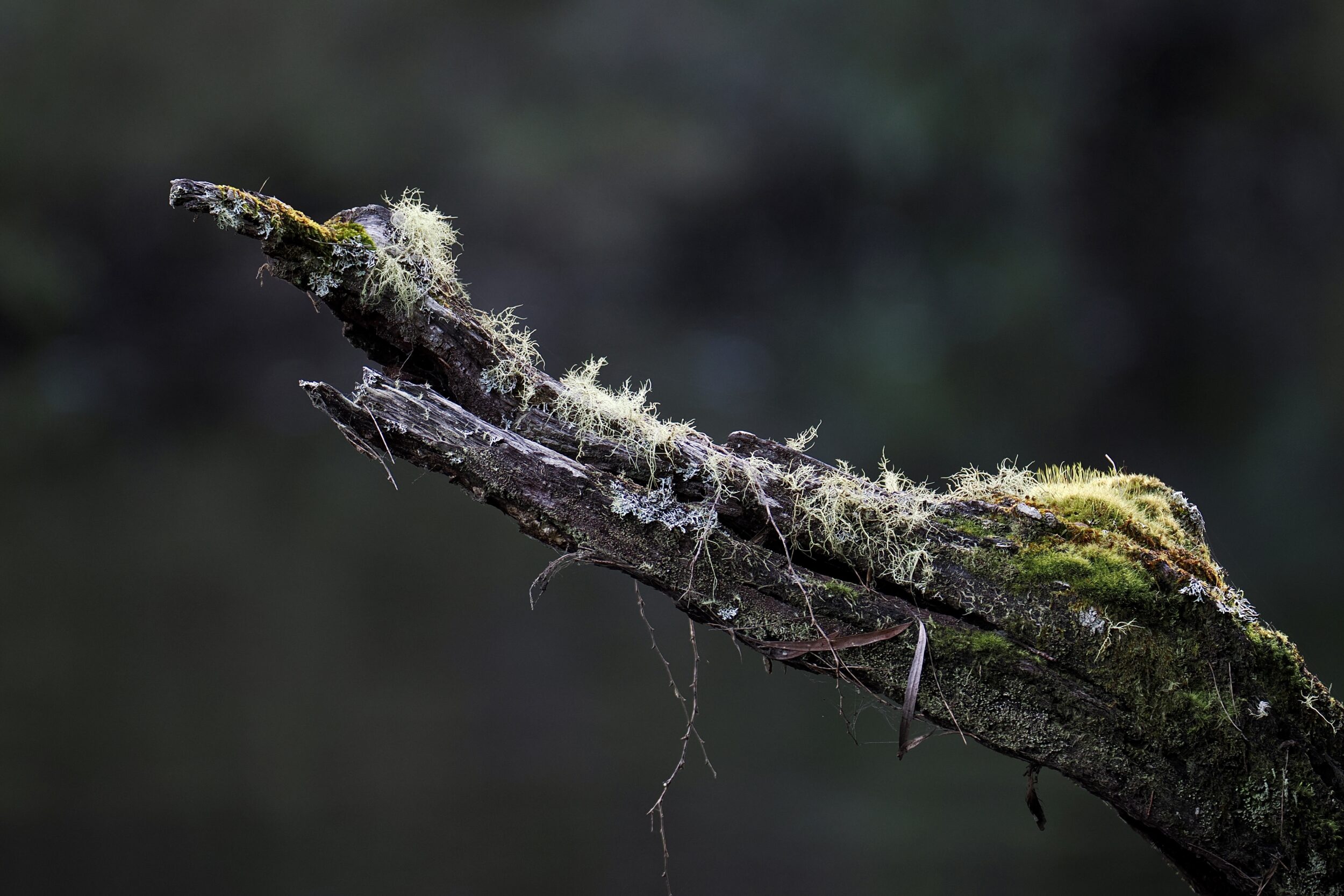
It is also a good idea to look down, to pay attention to non-huge things, and to remember that “dead” wood is never lifeless.

Comments closed

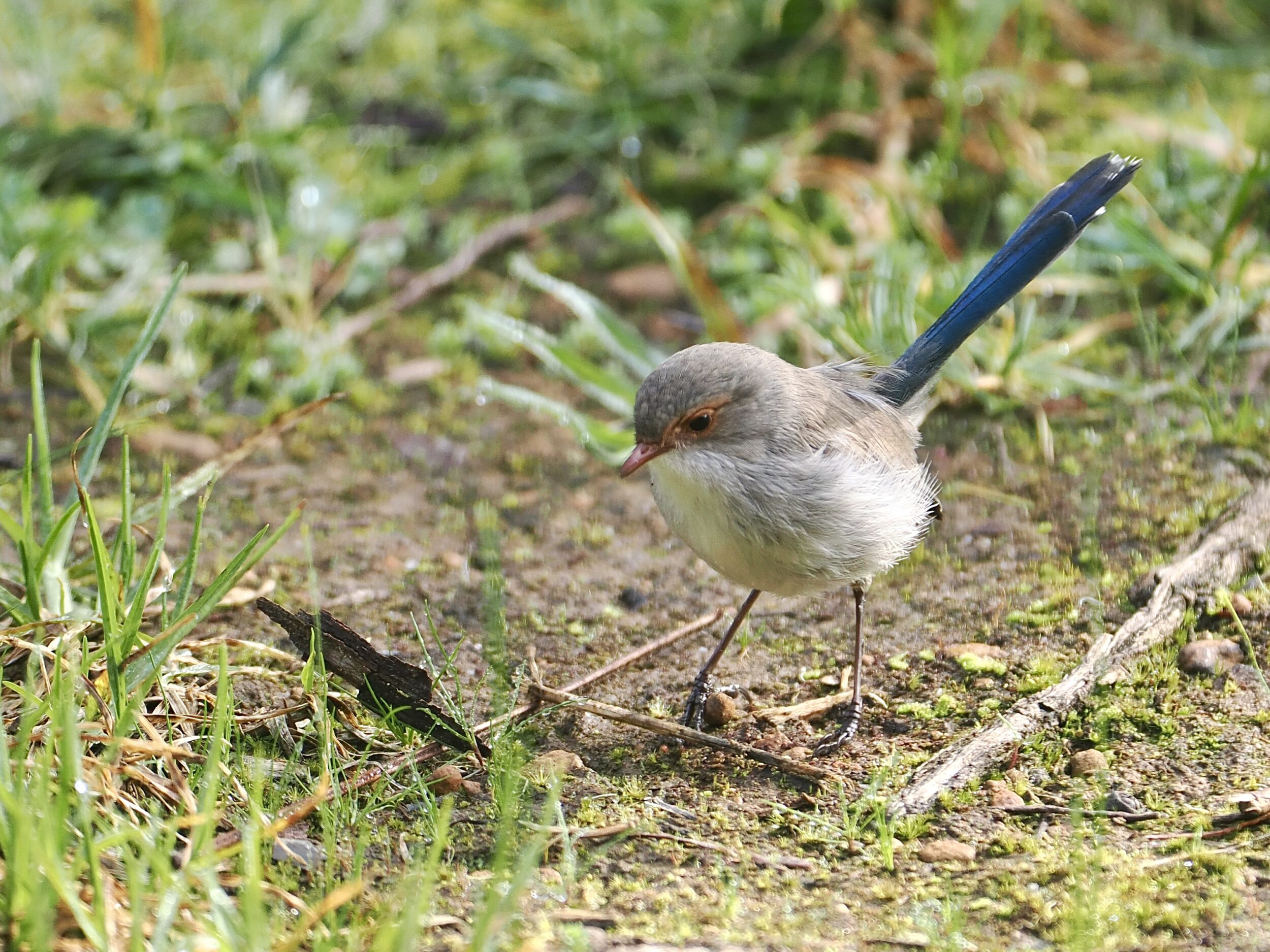
Winter 2025, South West WA (#12 in series: “fairy”, just outside)


At 9.11 am on 17 August 2025 the pictured individual was very close to us.

She was just on the other side of the living room window.

All of us were enjoying the morning sun, after a very rainy night in and around Pemberton.

The particular location is one where we really like to stay…and which fairywrens (and many other petite birds) also like.

(the relevant cottages are less than a five minute drive from Pemberton. They share their name with the adjacent forest, and are blessed with generous, nature-loving owners)

The hero/ine of #11 in this series – photographed the previous afternoon, less than 100 metres away – was definitely a white-browned scrubwren,

This post’s heroine is definitely a female fairywren, but her beak makes me unsure of her species.

Comments closed

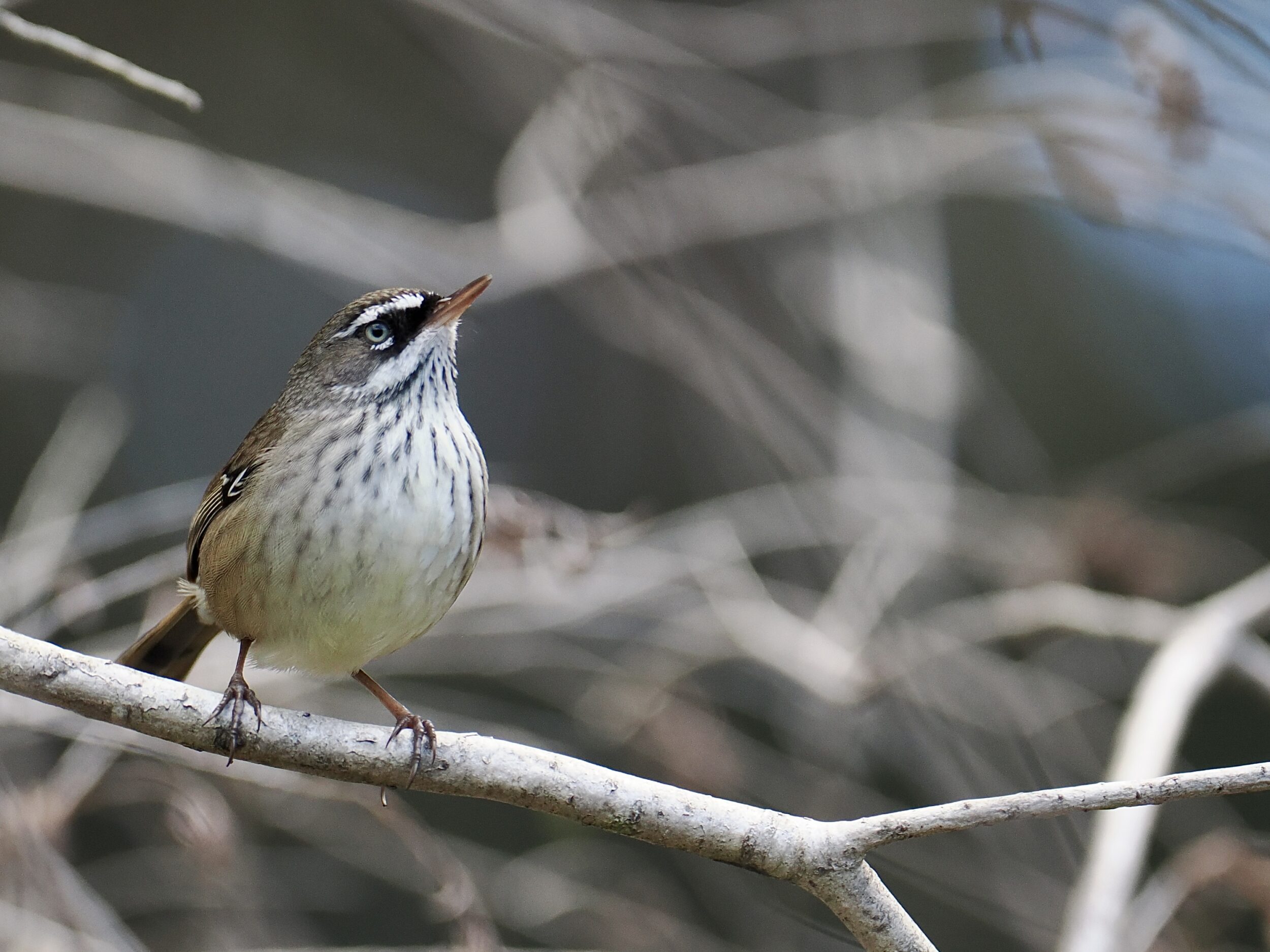
Winter 2025, South West WA (#11 in series: not rare, but rarely seen)


You are looking at a very shy, very small, very “busy”, mostly-insectivorous and allegedly “drab” bird.

S/he is a West Australian version of Sericornis frontalis – the white-browed scrubwren.

White-browed scrubwrens are a single species, but with many regional variations.

The alleged number of its subspecies varies hugely – from two through to ten.

Many human Australians have heard its (surprisingly loud) call, but surprisingly few have ever enjoyed a clear, full-frontal view of a white-browed scrubwren.

I have several (brief) times had a close and clear view, but until 4.13 pm on 16 August 2025 I had never enjoyed a relatively-prolonged and intimate encounter with a member of this species, in “flaunting” mode.

One Comment