Skip to content →

Tag: China

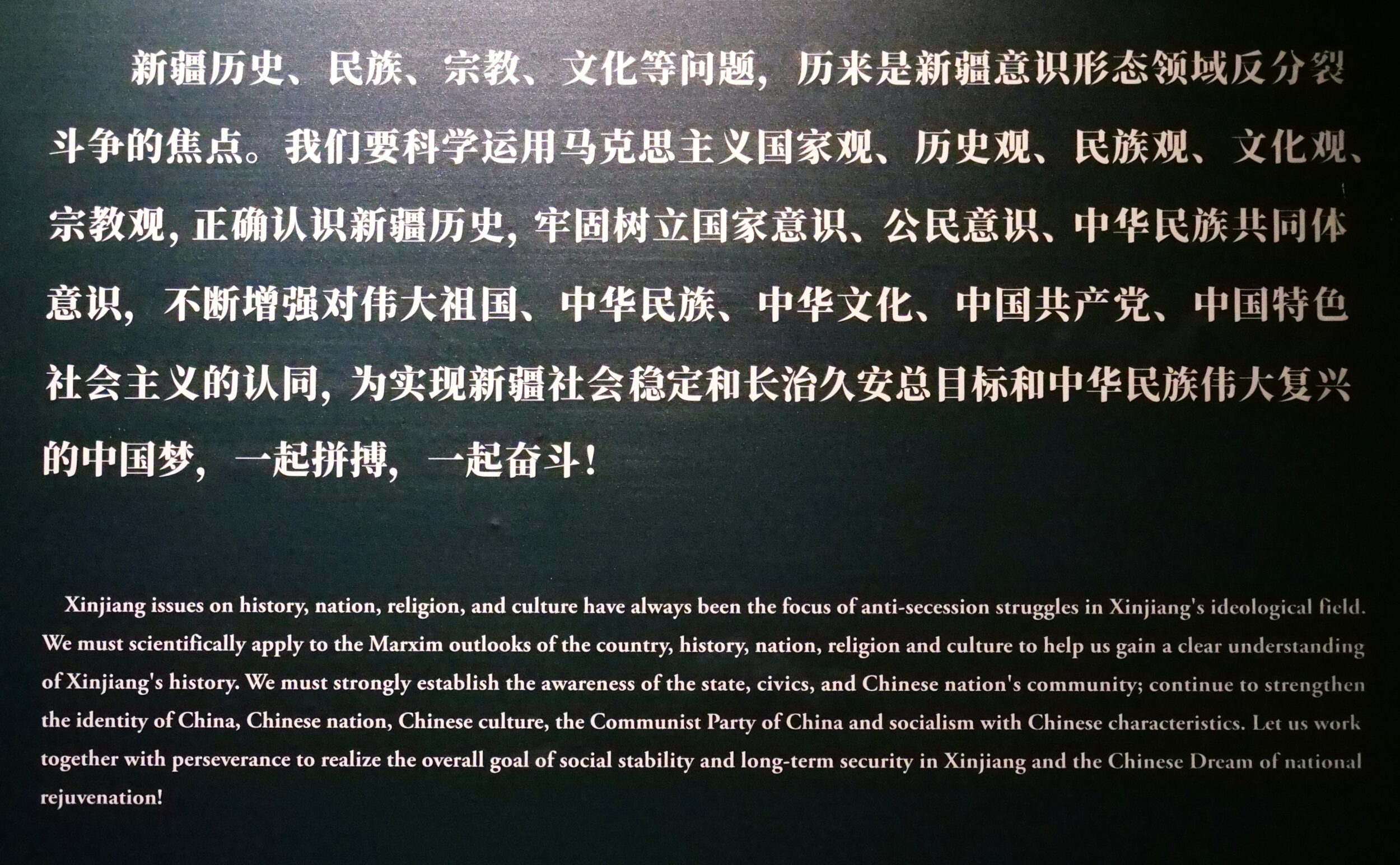
Signage & Signification (#10 in series: 100% pure propaganda)


The fabled “Silk Road” city of Kashgar (aka Kashi) in southern Xinjiang has been a trading hub for thousands of years.

One of China’s westernmost cities, it is home to circa one million residents, and is a fascinating destination.

Its gleaming, newish museum is huge.

Unsurprisingly, it houses many historical treasures.

It is billed as a “must see”.

If your desire is to learn anything meaningful about Xinjiang’s history, Kashgar Museum is in fact a “must miss”.

However, as a cheerlessly relentless example of the lies and utter drivel which totalitarian states inflict upon their citizens (and visitors), Kashgar Museum certainly offers a “world class” experience.

Comments closed
Signage & Signification (#7 in series: unappetising, in “translation”)


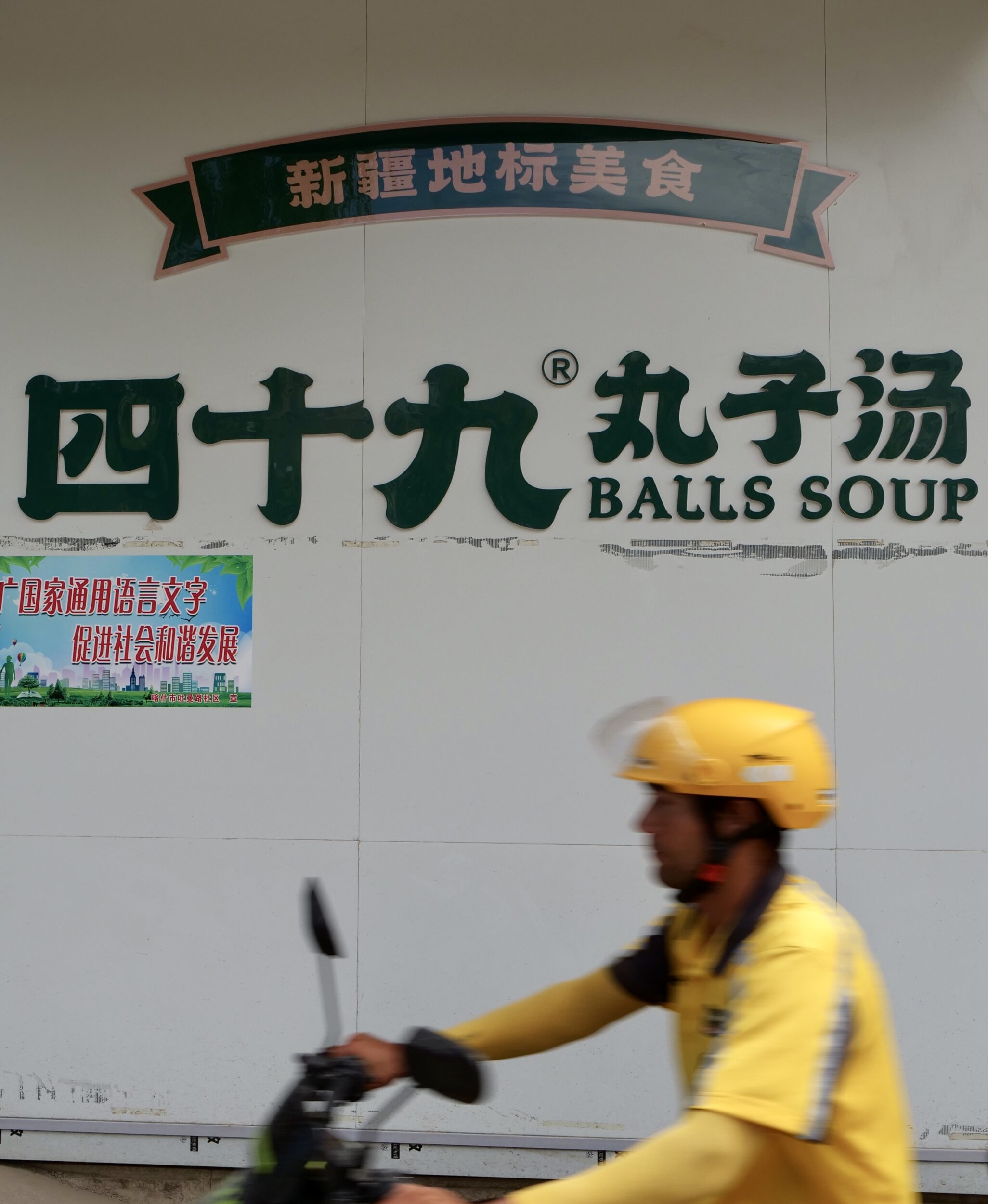
On 25 May 2024 I took the photo as we sped by the pictured billboard.

It was lunchtime in Kashgar – the “fabled” Silk Road city in western China, where it is known as “Kashi”.

Doubtless, before it was “translated” into English, the description of the soup was altogether more enticing.

Comments closed

Grand sands (#9 in series: “White Sand Lake”)


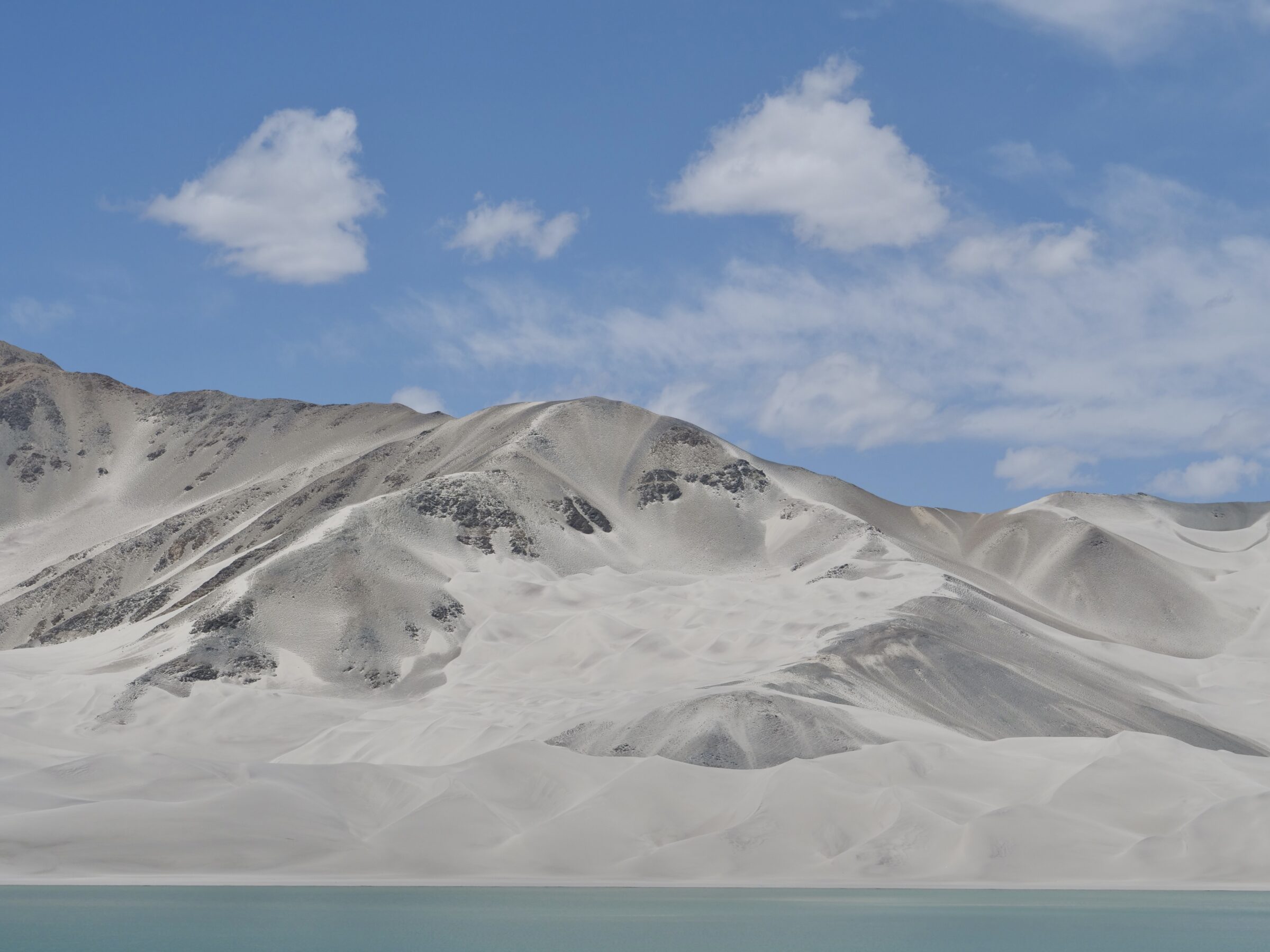
“White Sand Lake” is the most common (in English) of many and various names applied to this particular lake and/or its dunes or “dune mountain/s”.

To my knowledge, nowhere else on “our” planet is quite like it.

The alleged altitude of this Chinese lake’s surface is also “many and various”, but it appears to be at least 3,300 metres – approximately 11,000 feet – above sea level.

It sits right beside/below the Karakoram Highway, about 150 kilometres southwest of Kashgar (aka “Kashi”) in Xinjiang,

Comments closed

Grand sands (#8 in series: dunes in a basin)


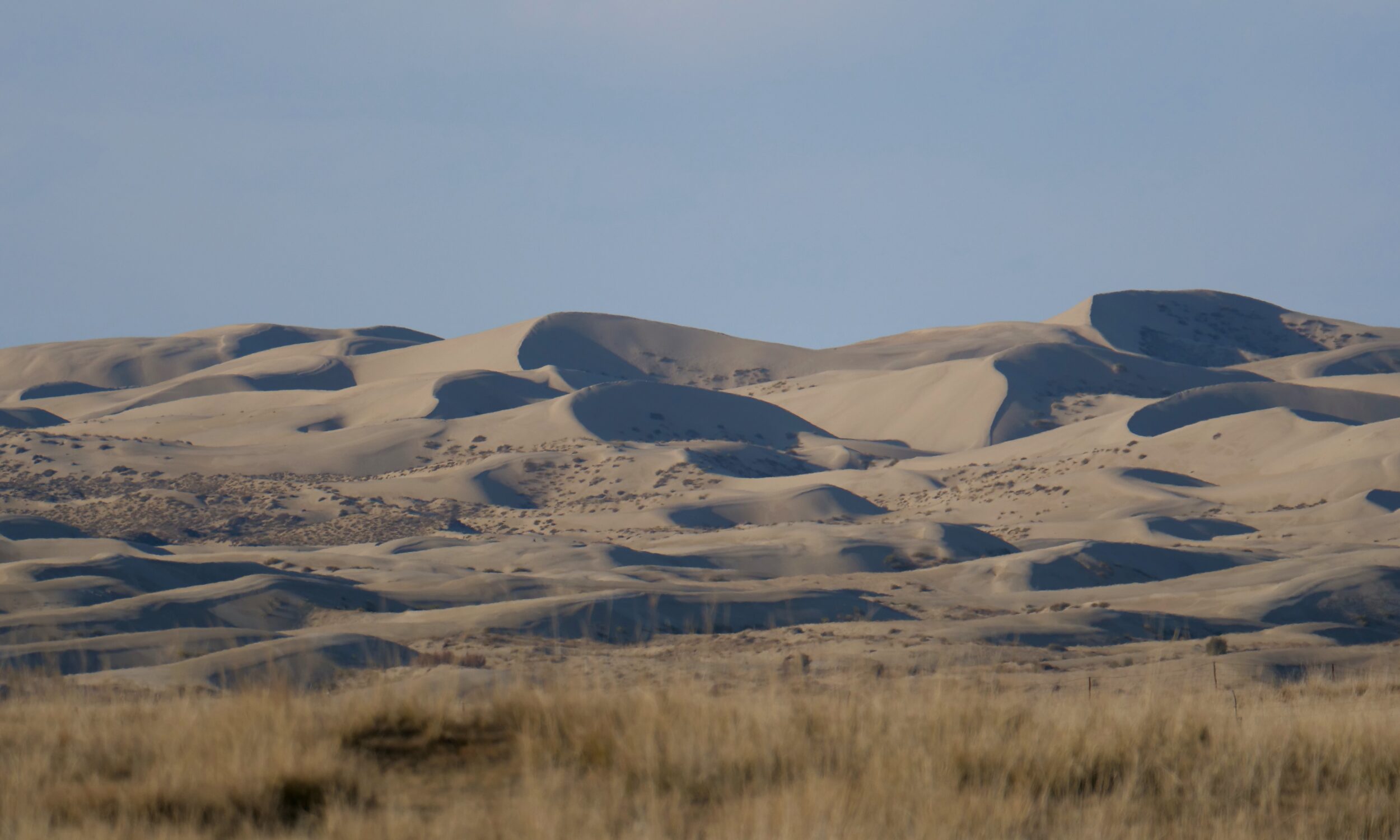
This post’s featured image is far from great, but it does show a particularly surprising place.

I took the photo through “our” vehicle’s tinted window, as we zoomed past the pictured dunes at 5.09 pm on 22 October 2019.

Nearby, was a very large, salty lake.

The nearest ocean shore was circa 1500 kilometres distant, in a straight line.

No “straight line” transport connects to that shore; reaching the nearest ocean beach would require an arduous one-way journey of circa 2,000 kilometres.

Unsurprisingly, this particular vicinity is sparsely populated.

However, when I took the photo we were just 100 or so kilometres distant from a metropolis which is home to at least two million people; we would reach it before nightfall.

Q: where in Africa were we?

Comments closed

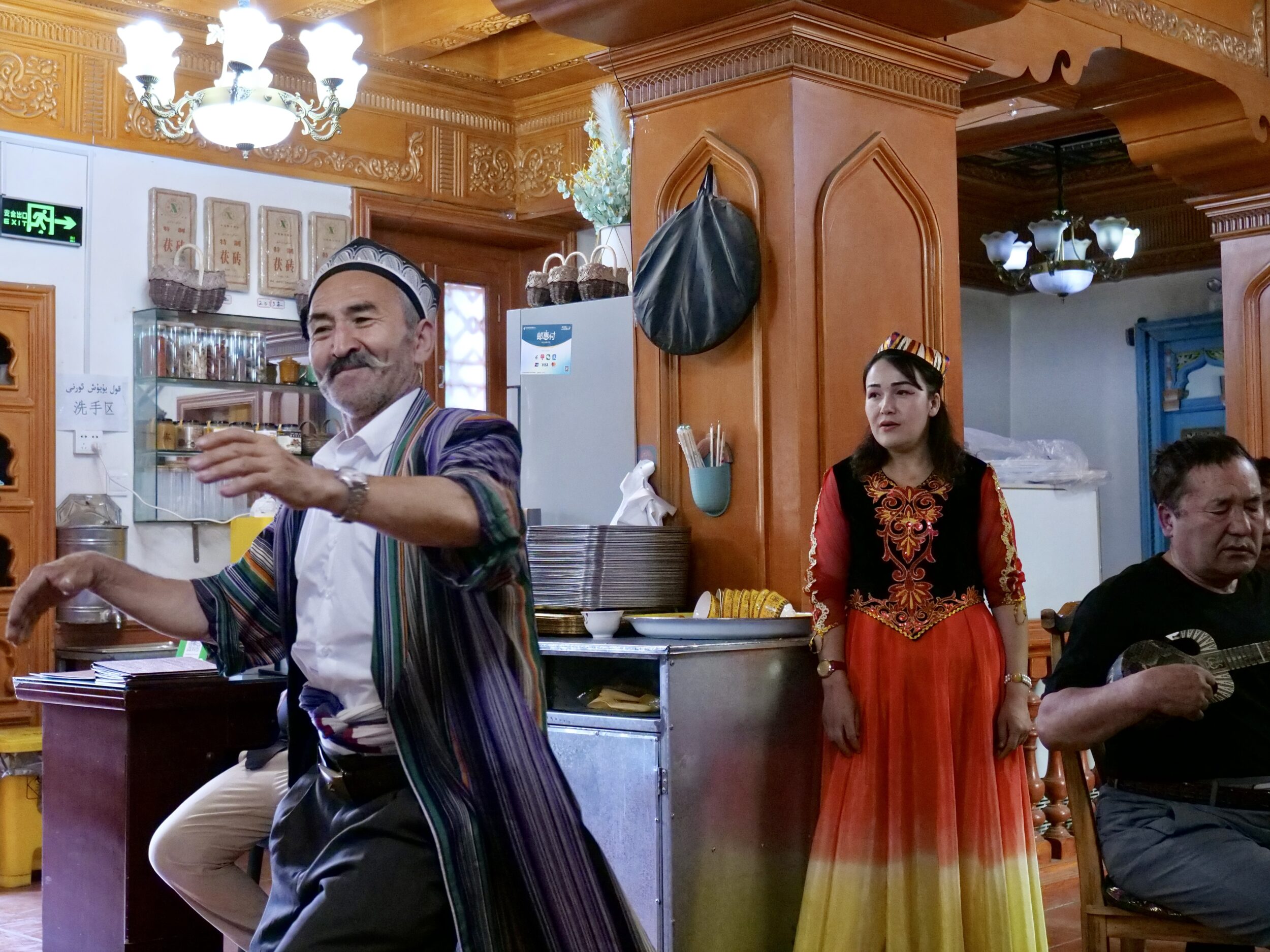
Triple K “expedition” (final, in teaser series: “backstage”, in a Kashgar tea house)


This particular tea house was commendable: the ambience was authentic, unfussily lovely, its tea & “goodies” were very palatable, and the “live” music was of a high standard – not merely “close enough, for tourists”.

Keyboards, synthetic “beats” and excessive reverb + compression were all pleasingly absent.

“Attracting tourists” was part of this tea house’s equation, but only part; very evidently, many local people liked it.

Comments closed

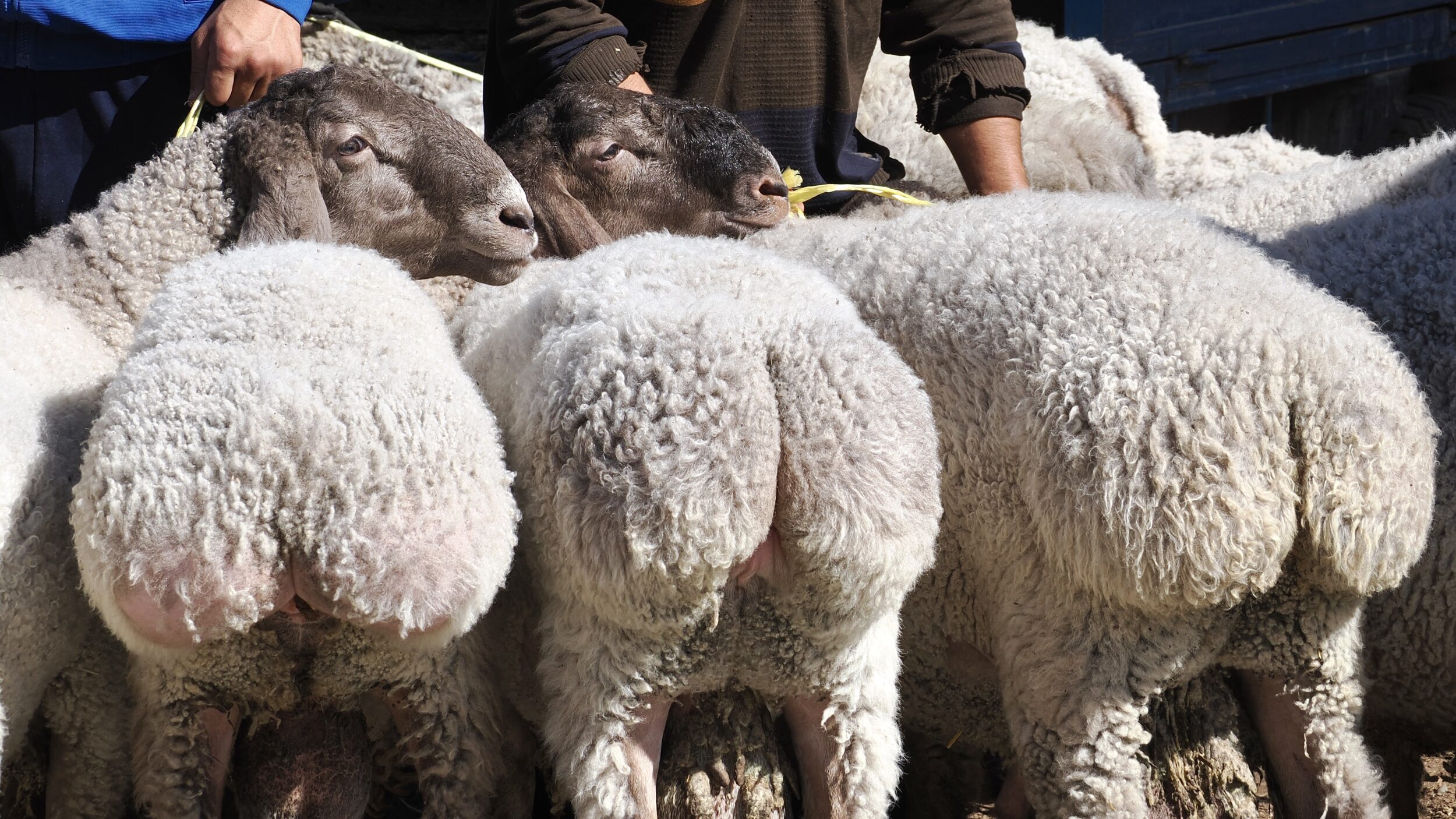
Triple K “expedition” (#45 in teaser series: tip-top bottoms, Kashgar)


The above photo was taken in Kashgar’s livestock market – a fascinating place, which Pelican Yoga will eventually explore in much more detail.

The particular characteristics that define “premium” sheep are partly environmental, and partly cultural; the “best” sheep on offer in China doubtless look “highly exotic” to most Australians.

To most Chinese people, Australia’s highly-prized merinos would doubtless appear equally  “strange”.

Comments closed

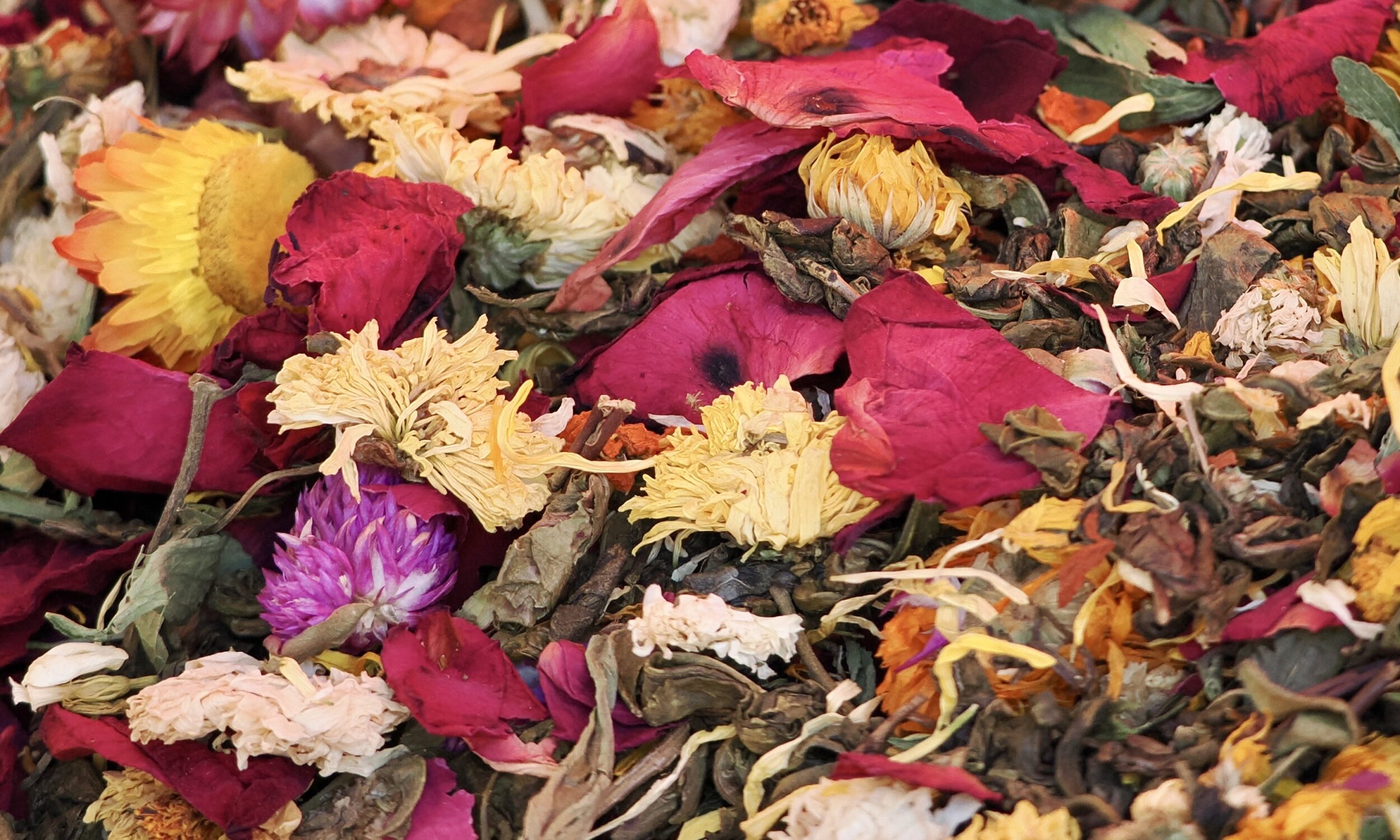
Triple K “expedition” (#44 in teaser series: technicolour tea)


Uyghur teas do not necessarily primarily involve leaves of Camellia sinensis.

(Camellia sinensis is the leaf source for nearly all of the world’s non-“herbal” teas)

Leaves – of whatever species – are not necessarily the key element in Uyghur teas.

More than one species was sourced for the pictured “loose” tea; its “hero” ingredients are flowers.

Comments closed