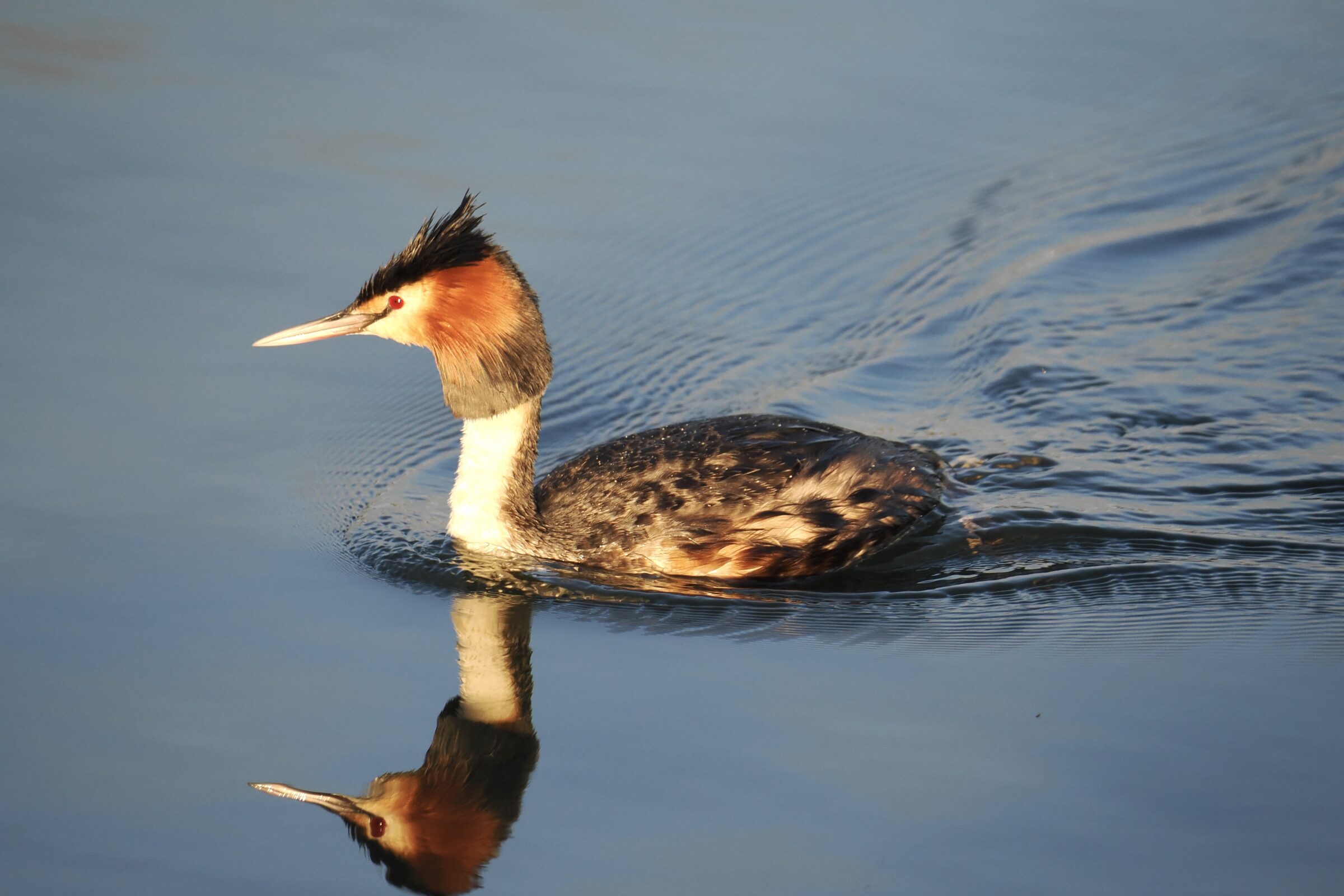
During last Saturday afternoon’s “golden hour” at Lake Monger, both were very apparent.
Above: a Great Crested Grebe, newly in “breeding” mode/plumage.
Below: a very territorial Dusky Moorhen, in hot pursuit of a rival/“intruder”.
Comments closedNatural splendour, real musics, wines, wordpower
During last Saturday afternoon’s “golden hour” at Lake Monger, both were very apparent.
Above: a Great Crested Grebe, newly in “breeding” mode/plumage.
Below: a very territorial Dusky Moorhen, in hot pursuit of a rival/“intruder”.
Comments closed
On the first day of October in 1872 the British Parliament declared a Reserve on Perth’s Mount Eliza,
The new Perth Park overlooked the then decidedly modest capital of the Colony of Western Australia.
In 1901 Perth Park was renamed Kings Park, following the coronation of King Edward VII.
Until more than a decade into the 1900s, Perth was smaller than not a few of eastern Australia’s country towns.
Paradoxically, one reason why Perth managed to have a bigger, wilder – and, arguably, more wonderful, and equally central – city park than New York’s Central Park is that when it was p/reserved, Kings Park’s site would have been viewed as utterly superfluous to Perth’s future urban expansion.
Comments closed
Perth’s Lake Monger sits within the Federal electorate of Curtin.
It was named after a Labor Prime Minister, but until 2022 Curtin was generally regarded as a perpetually-“safe” Liberal seat.
Curtin’s mostly-affluent electors include the adult residents of Australia’s wealthiest postcode.
In 2022, however, Curtin “fell” to “Teal independent” candidate Kate Chaney.
Apolitically speaking, Teals have thrived here for at least many thousands of years.
Comments closed
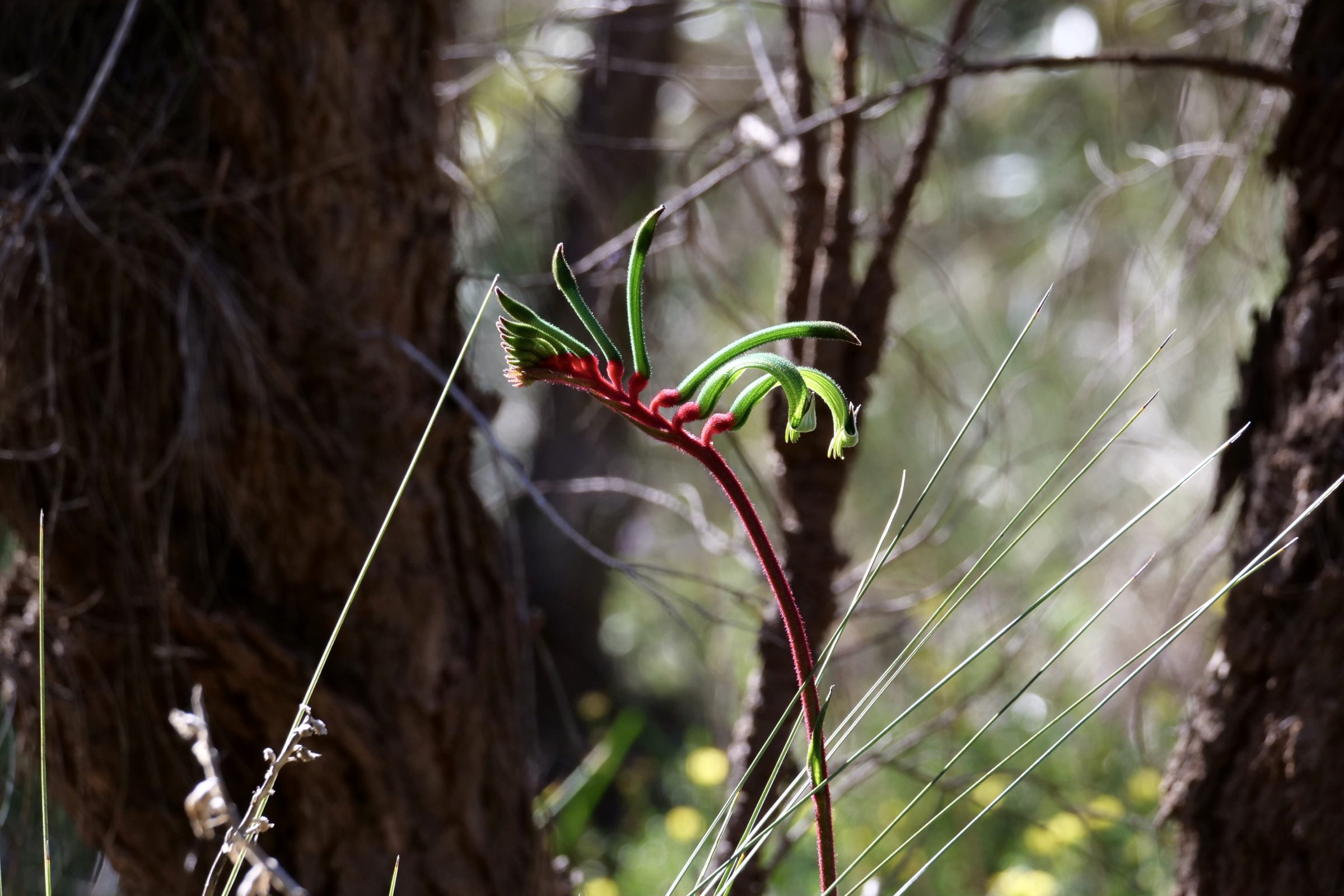
WA’s emblematic flower may be synonymous with Springtime, but it is no slave to the calendar.
Well before Winter 2022’s alleged end, it – and not a few other “iconic”, “Spring-flowering” WA endemics – were already very evidently flowering in the quasi-natural bushland section of Perth’s Kings Park.
It is an easy walk – or an even shorter free bus trip’s distance – from the CBD.
Comments closed
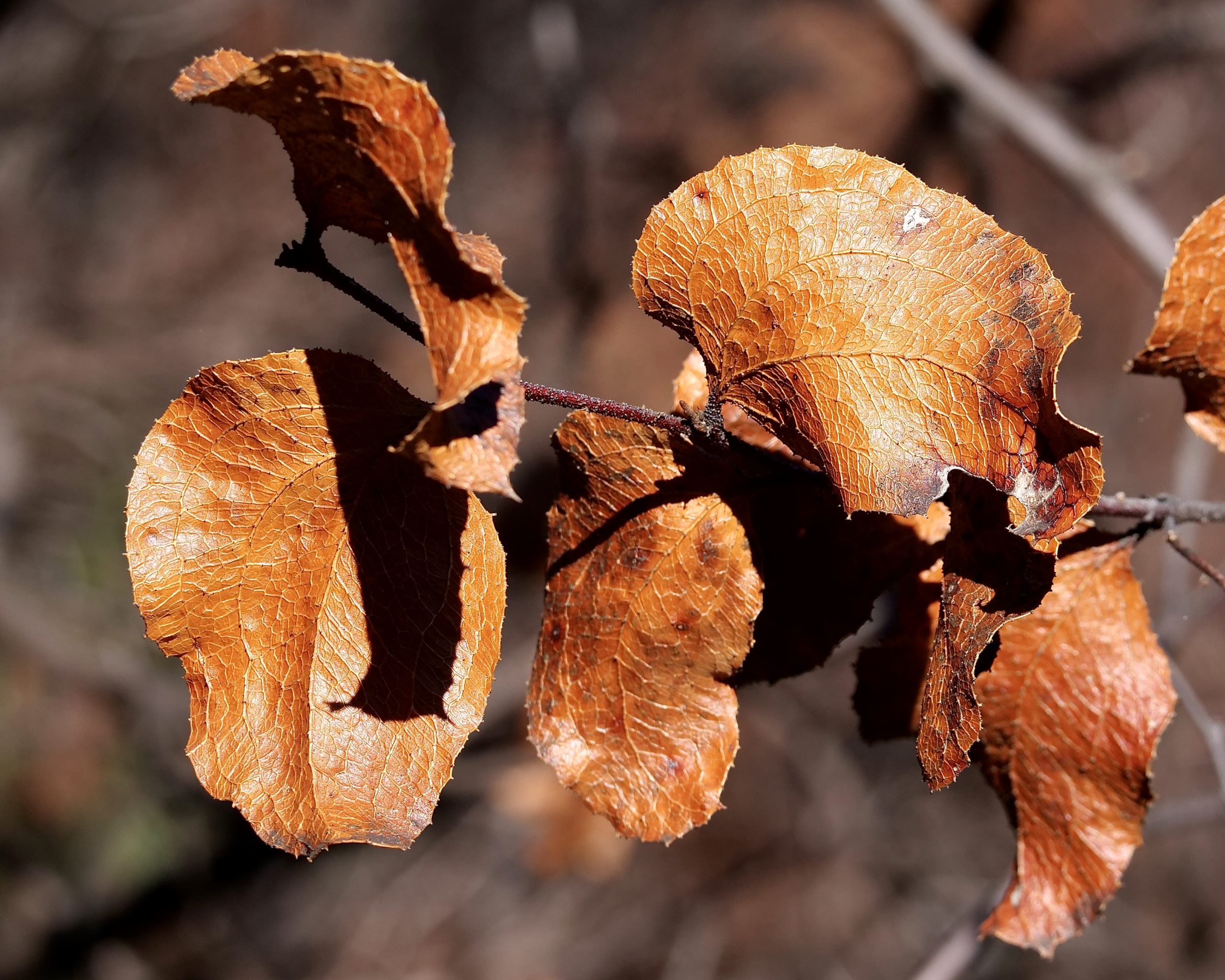
The only Hollywood to have repeatedly appeared in Pelican Yoga is a small but significant piece of remnant bushland, adjacent to Perth’s Karrakatta Cemetery.
Until 19 January this year, the organism pictured above was a fine, living example of a weird, wonderful, and very rare Western Australian Acacia species.
When I photographed a few of its “leaves”, glowing in bright winter light at 2.33 pm on 01 July 2022, it and they were as dead as the many thousands of entombed persons, nearby.
Comments closed
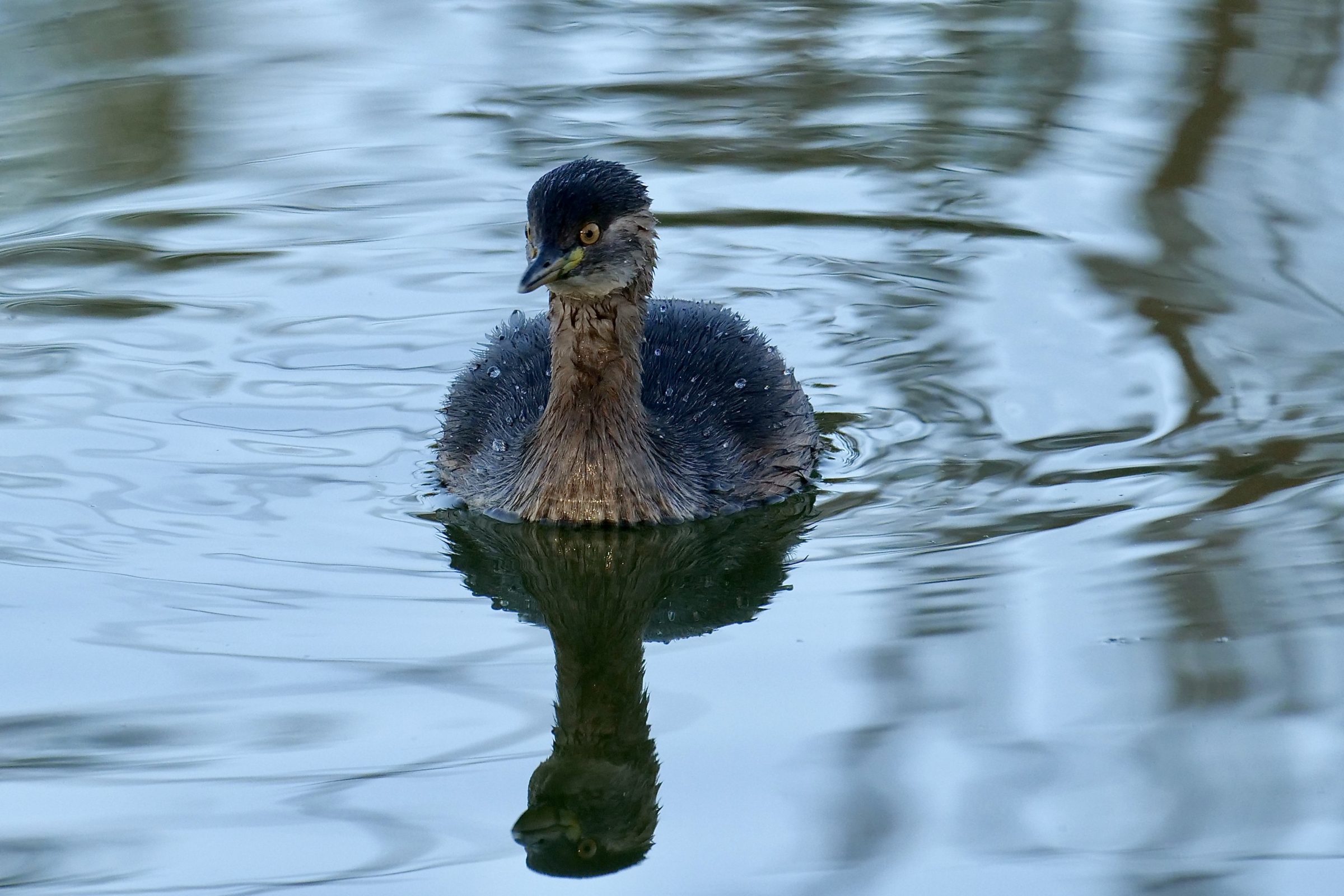
As is often true of Tachybaptus novaehollandiae, our hero/ine was repeatedly disappearing and re-emerging.
Every time s/he resurfaced, the excellence of his/her feathers’ water-repellence was readily apparent.
Incidentally, as highly responsible parents, Australasian grebes sometimes eat their own feathers; click here to discover precisely why they do so.
Comments closed
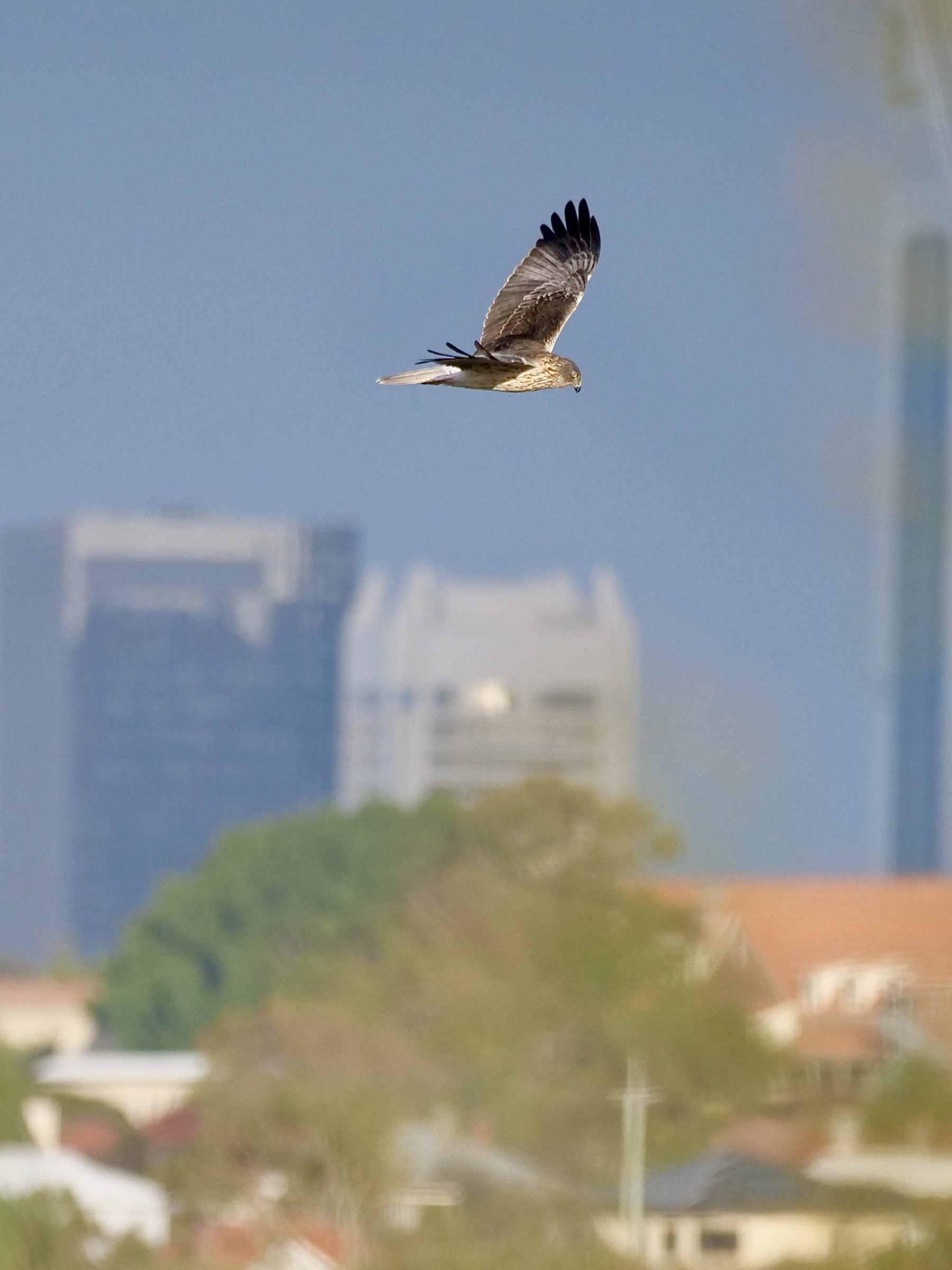
Perth is one of very few cities, globally, where such a sight is possible: a large raptor, on patrol above a “great fen”, within a few kilometres of the CBD.
Comments closed
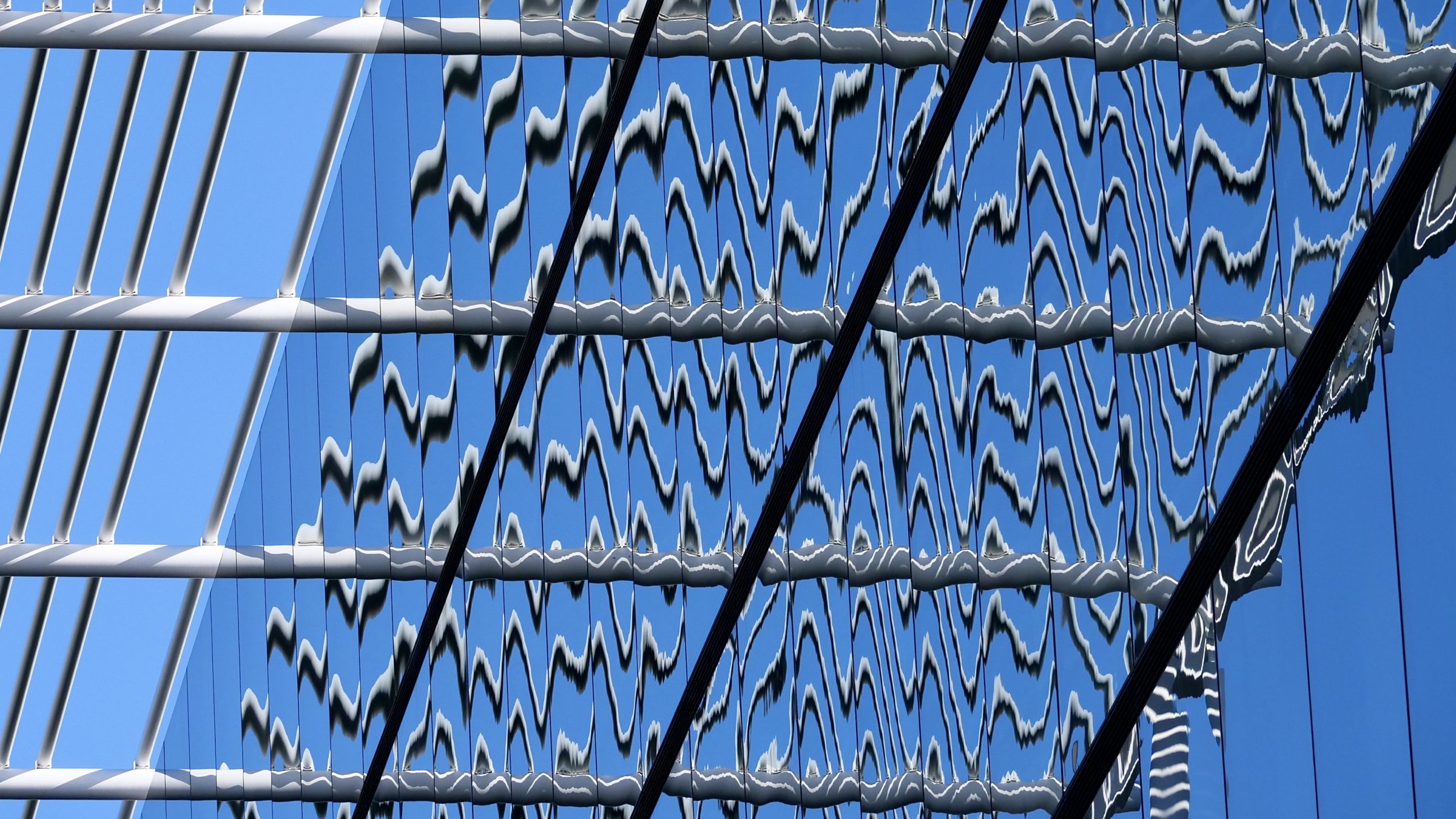
“Western Australia’s first carbon neutral commercial building” is also an occasional abstract artist!
These “artworks” have a shorter lifespan than any “street art” produced by Banksy, anonymous graffitists, et al.
They can be highly surprising, truly beautiful.
They are visible – indeed, there at all – only when the pedestrian passing by, the sun, the building’s aluminium tube shade screen, and the building-proper’s sun-facing exterior are all in “Goldilocks” alignment.
Comments closed
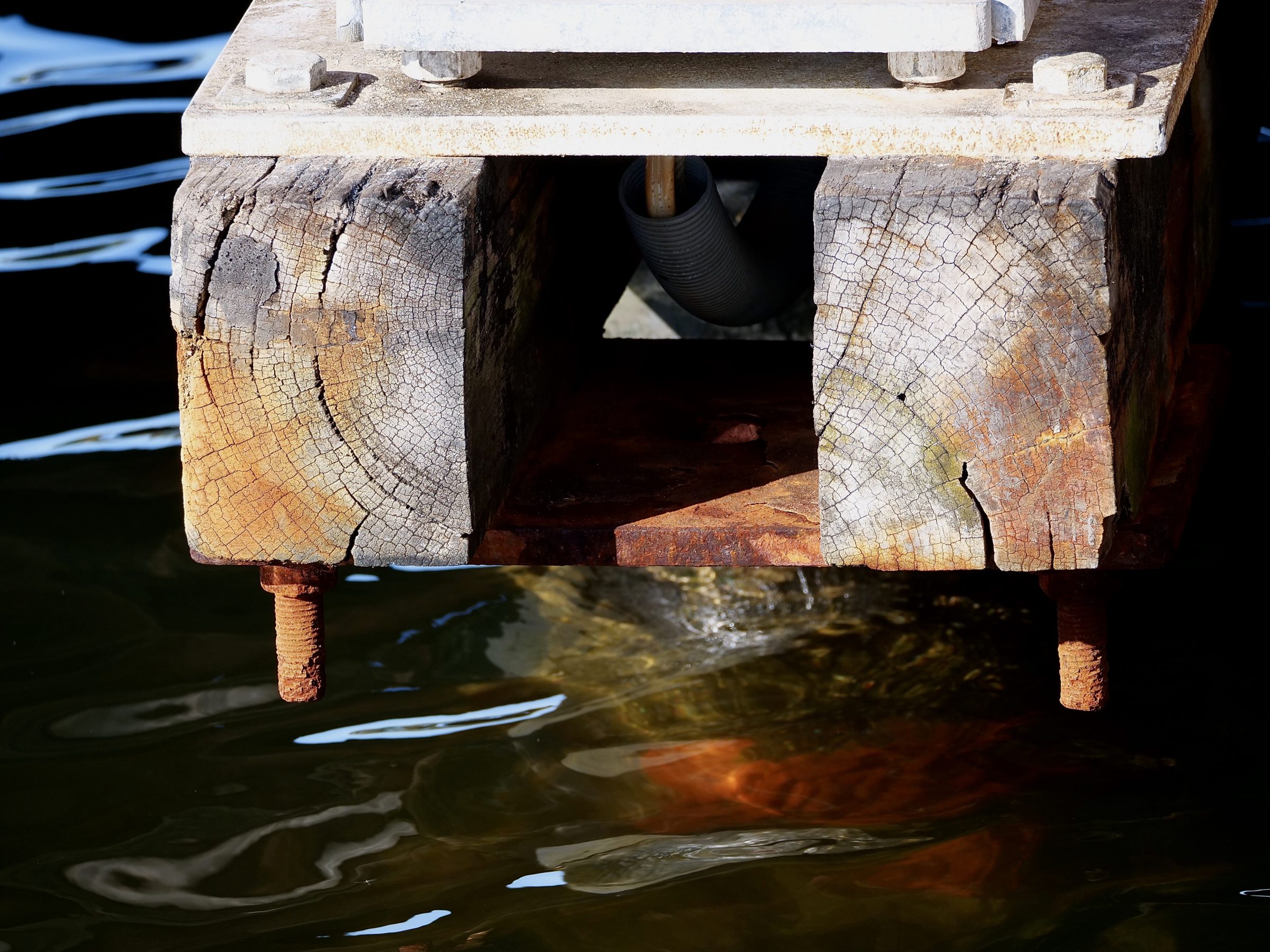
Never-sleeping rust (assisted by the Fremantle Doctor’s salty breezes & the estuarine waters of so-called Freshwater Bay), exposed timber, winter sunlight…
Comments closed